
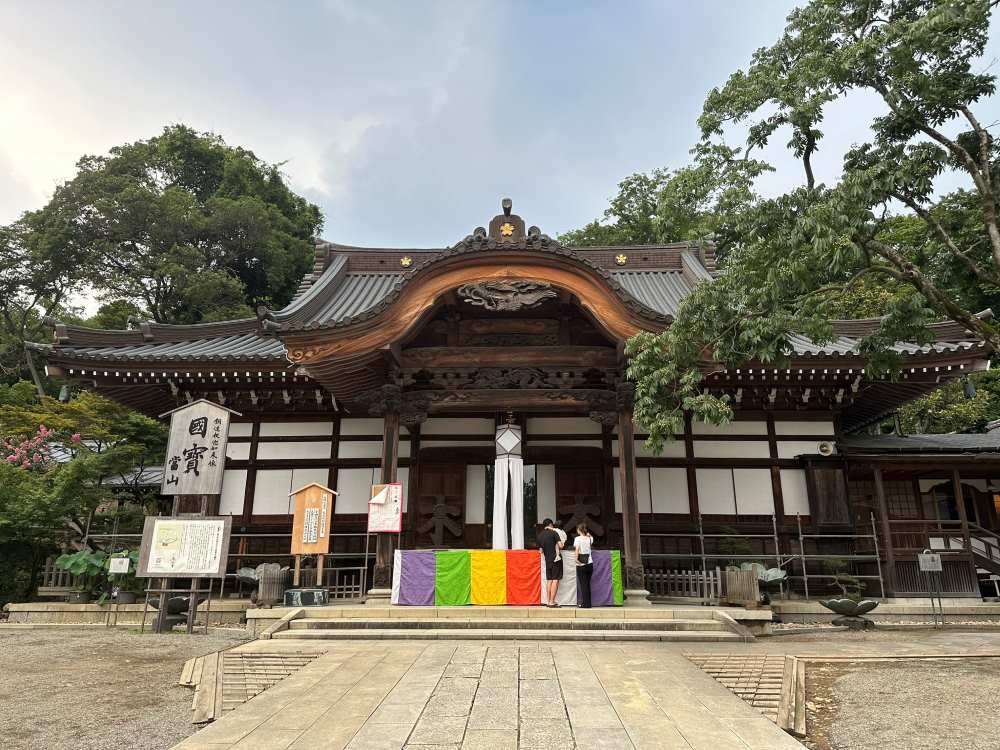
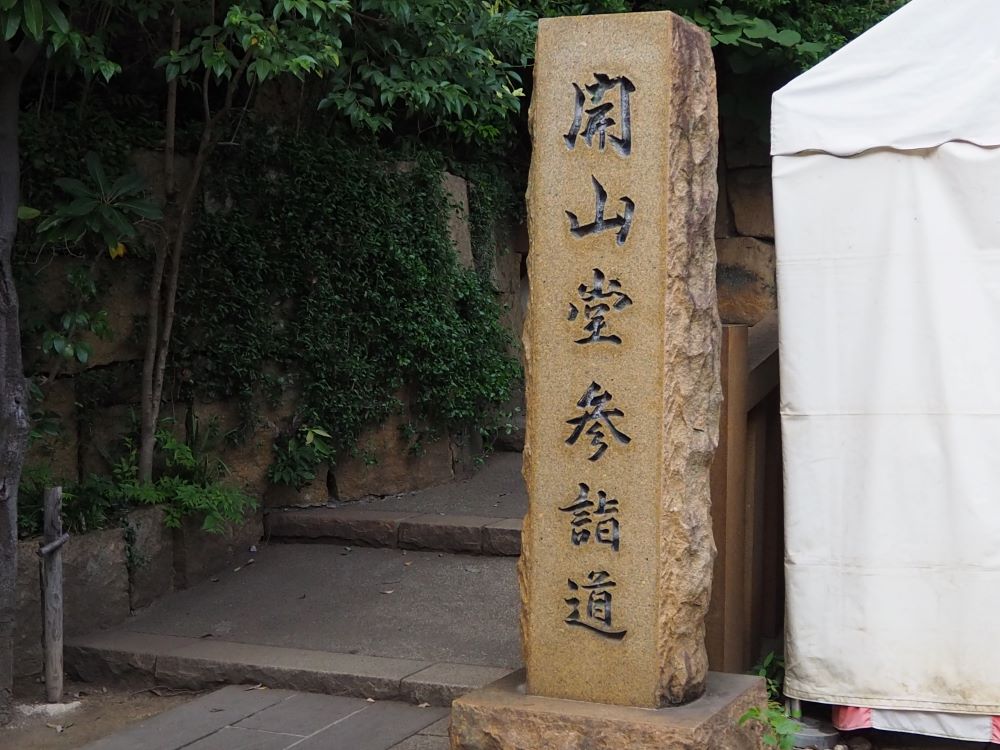
Jindaiji is Tokyo’s second-oldest temple, founded in 733 AD in the leafy Chofu district and famous for two very different pleasures: bowls of springwater soba slurped along its old temple approach, and the yokai spirits of GeGeGe no Kitaro that haunt the shops nearby. The manga was created by Chofu local Shigeru Mizuki, so the lanes around the temple double as a pop-culture pilgrimage, with a Kitaro teahouse and yokai souvenirs at every turn. Reached by a short bus ride from Chofu Station, Jindaiji pairs a working Buddhist temple, one of Tokyo’s largest botanical gardens, and a lively daruma doll fair into one easy half-day trip from central Tokyo.
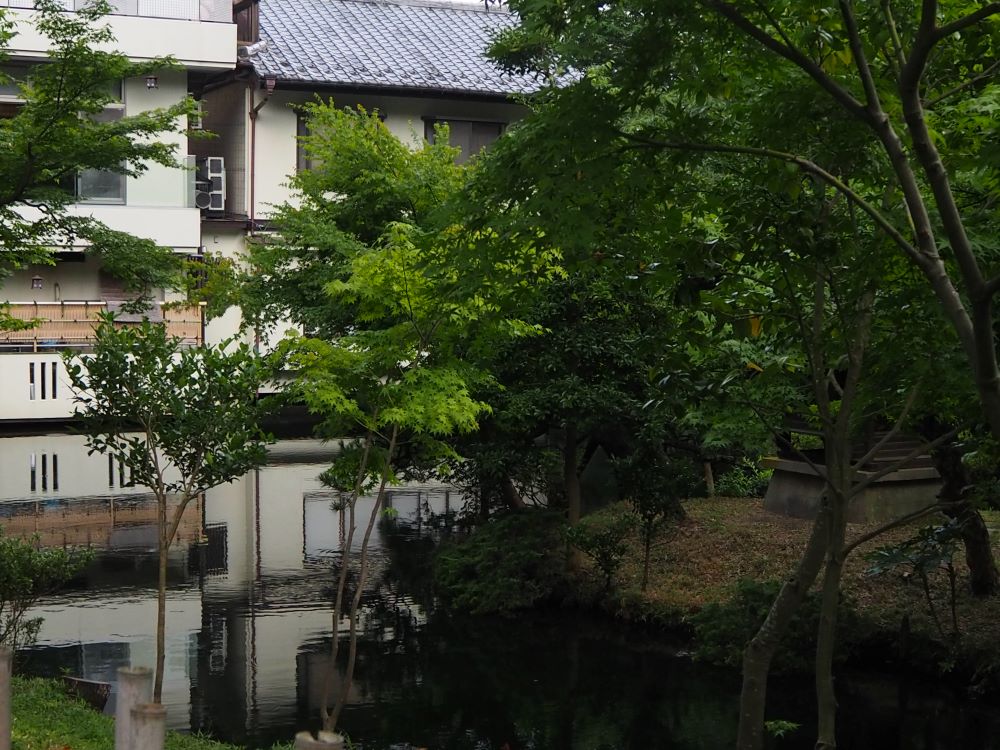
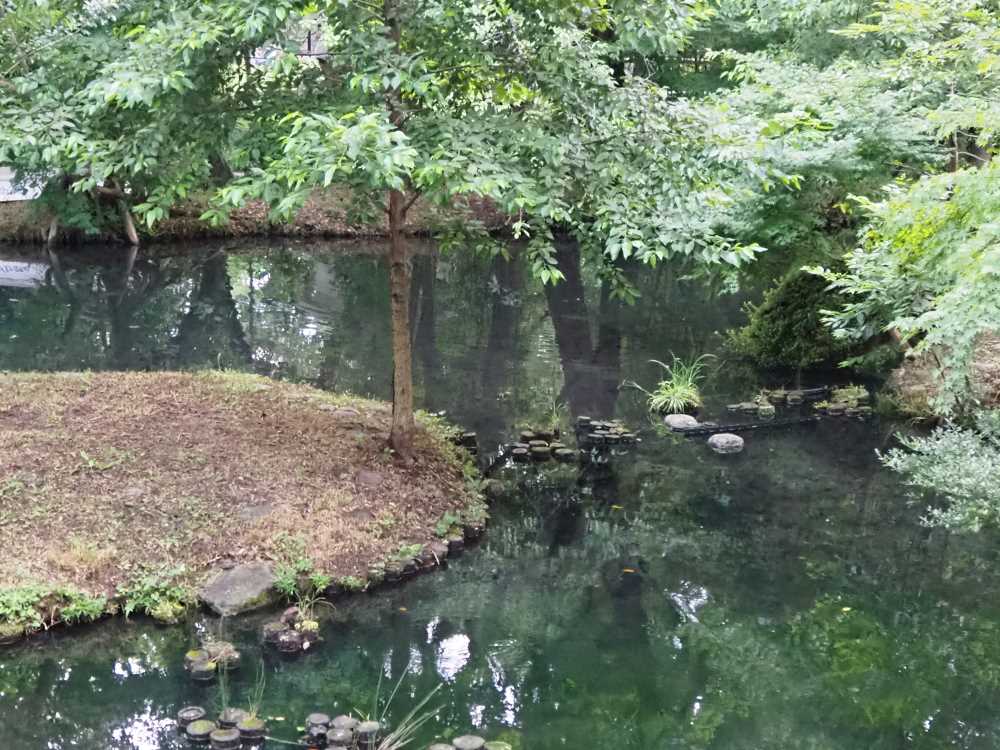
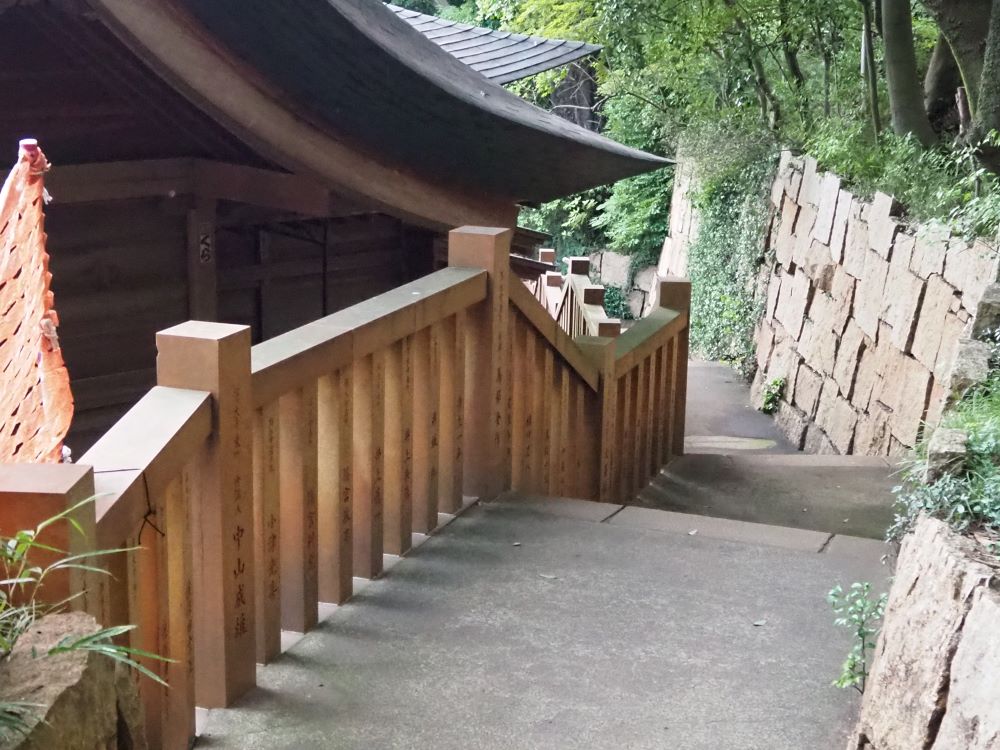
Located about 20 minutes by bus from Chofu Station in Tokyo, Jindaiji is a peaceful town centered around the ancient Jindaiji Temple, famous for warding off evil and offering blessings. Surrounded by lush greenery, the area also features botanical gardens and is known for its delicious local soba noodles.
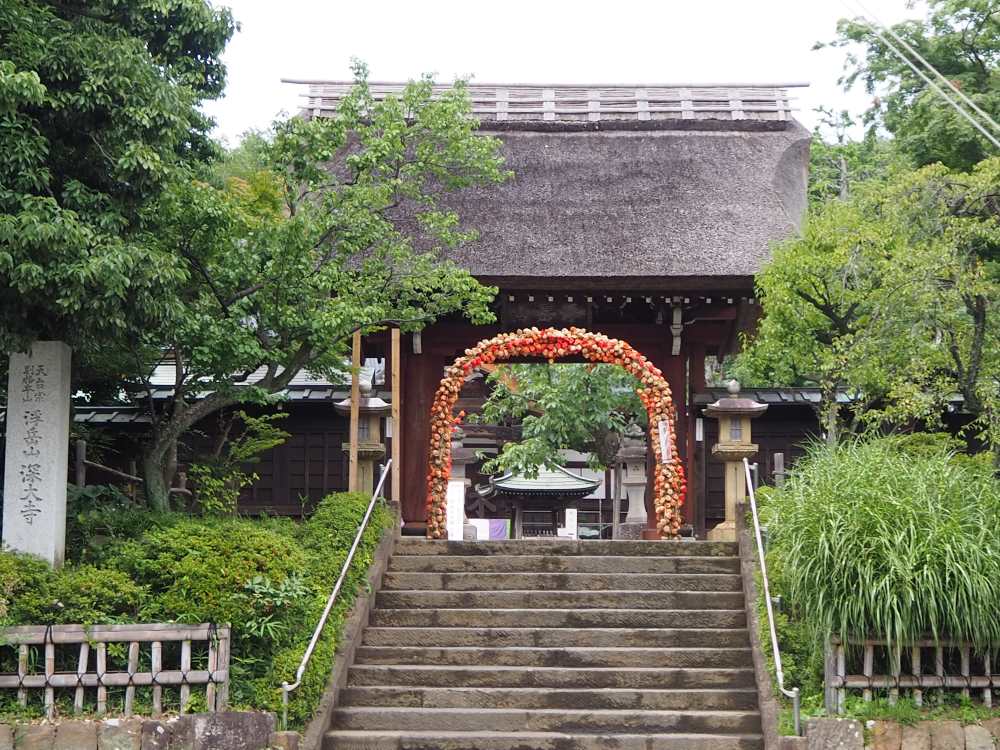
A Historic Temple with Deep Roots
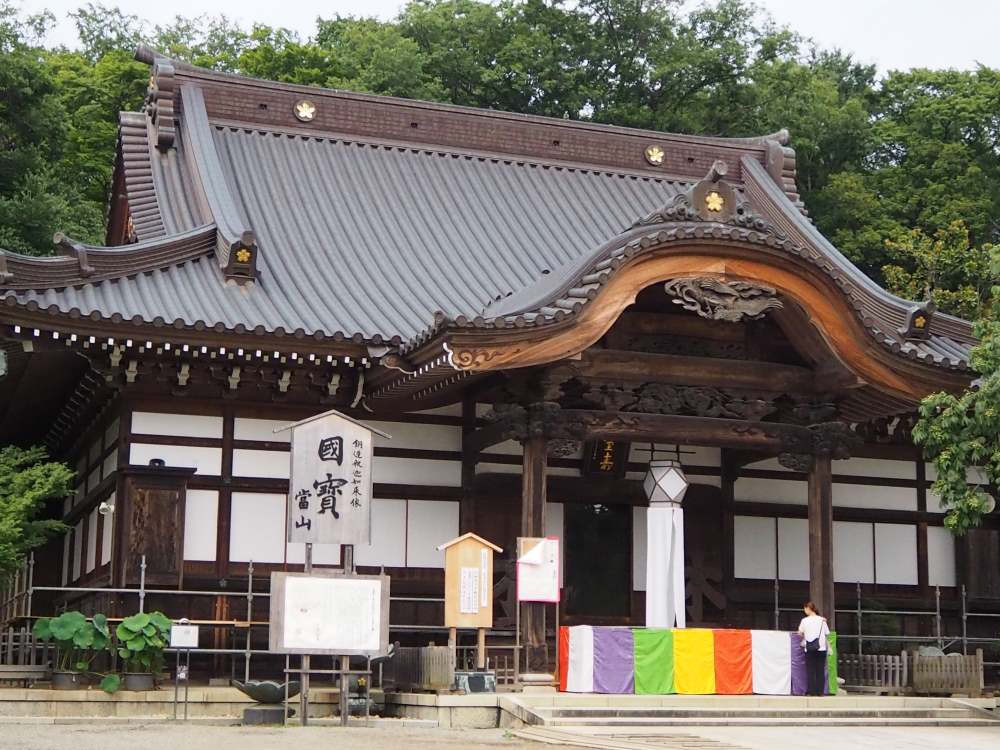
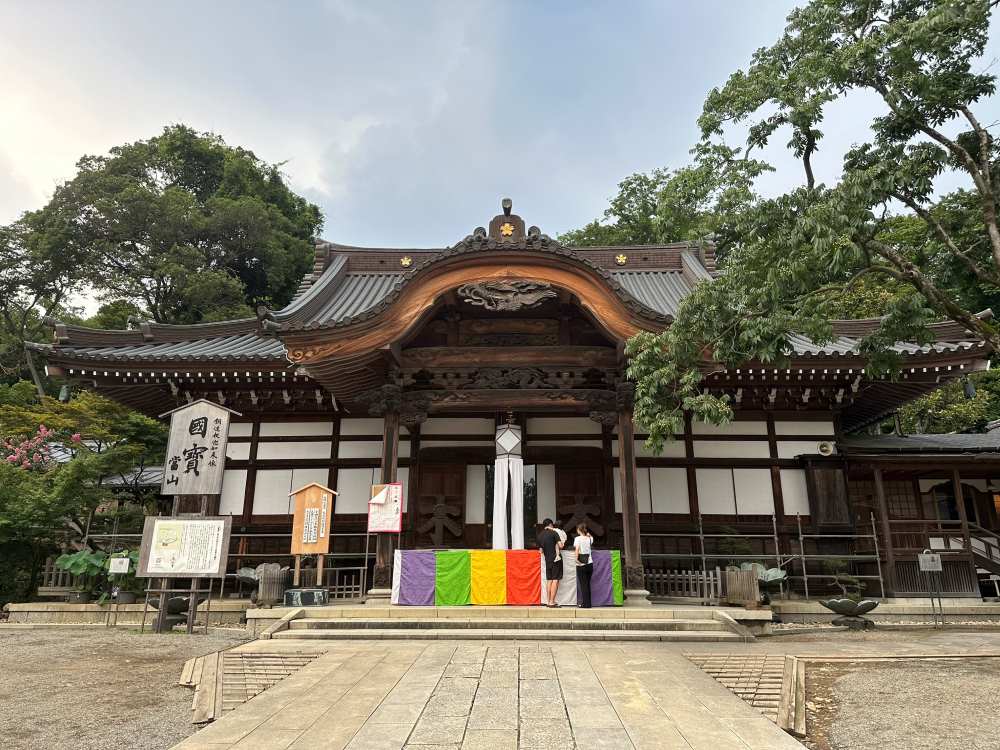
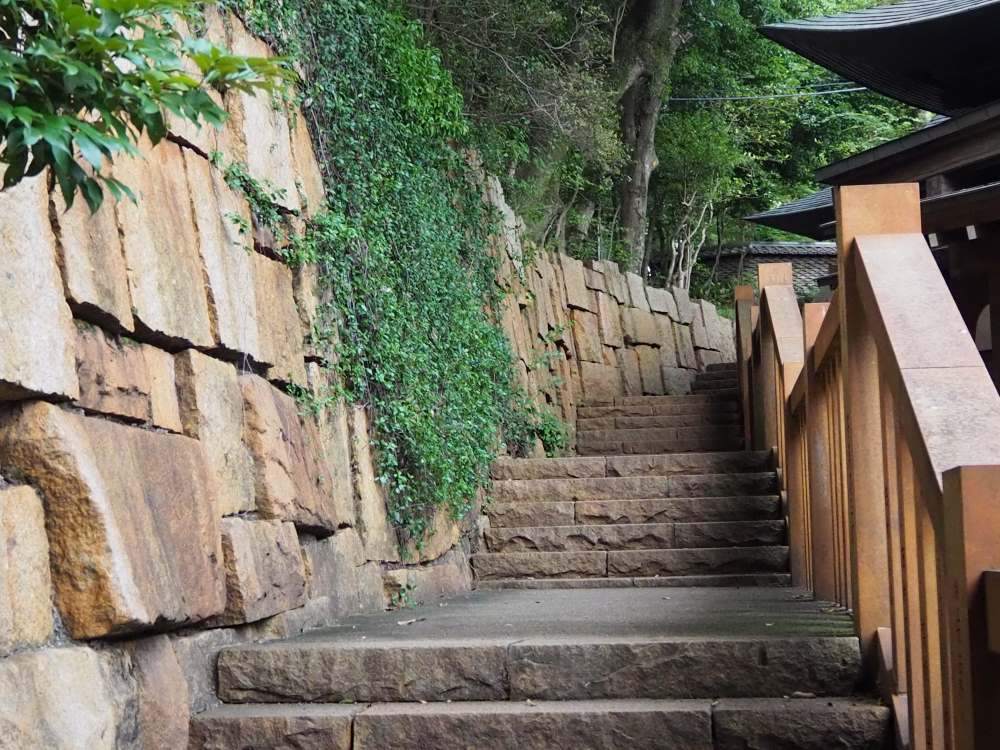
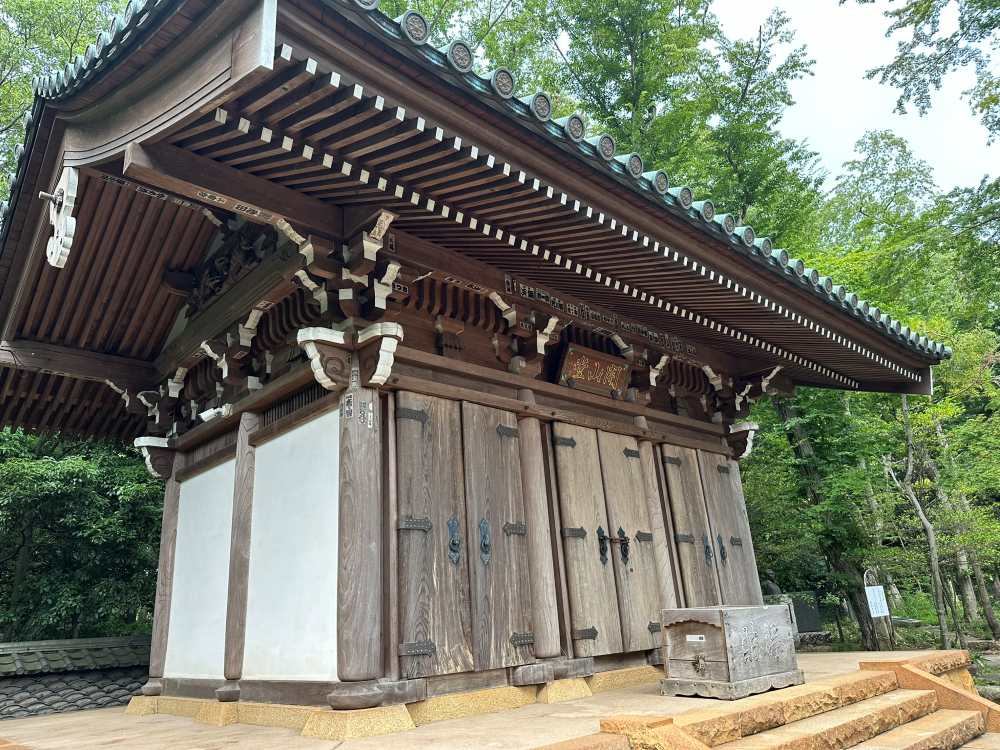
Jindaiji Temple, established in 733 AD during the Nara period, is the second oldest temple in Tokyo, following the famous Sensoji Temple in Asakusa. The temple enshrines the Shakyamuni Buddha, the historical Buddha, whose statue was designated as a National Treasure in 2017. The temple is part of the Tendai sect of Buddhism and holds significant cultural and religious importance in Japan.
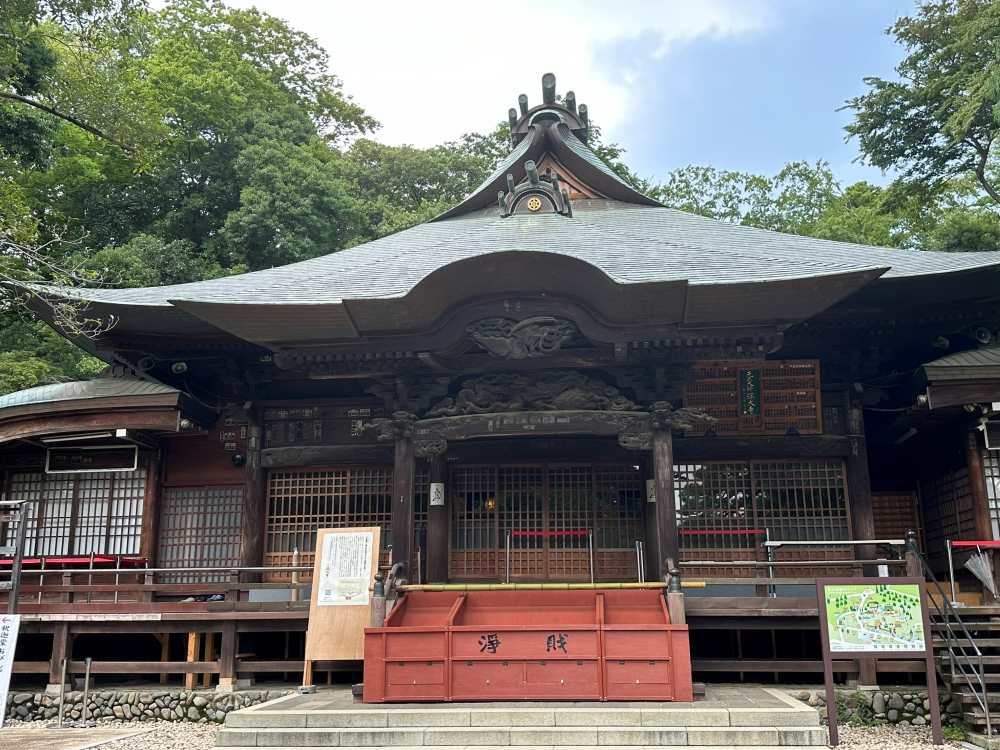
The temple’s name, Jindaiji, is derived from the water god Jinja Daio, who is said to have been worshipped here since ancient times. Legend has it that the temple’s founder, Monk Manko Shonin, prayed to Jinja Daio, who helped his parents reunite after they were separated by opposition to their marriage. This romantic story has made Jindaiji a popular temple for prayers related to love and marriage.
Jindaiji’s Famous Soba
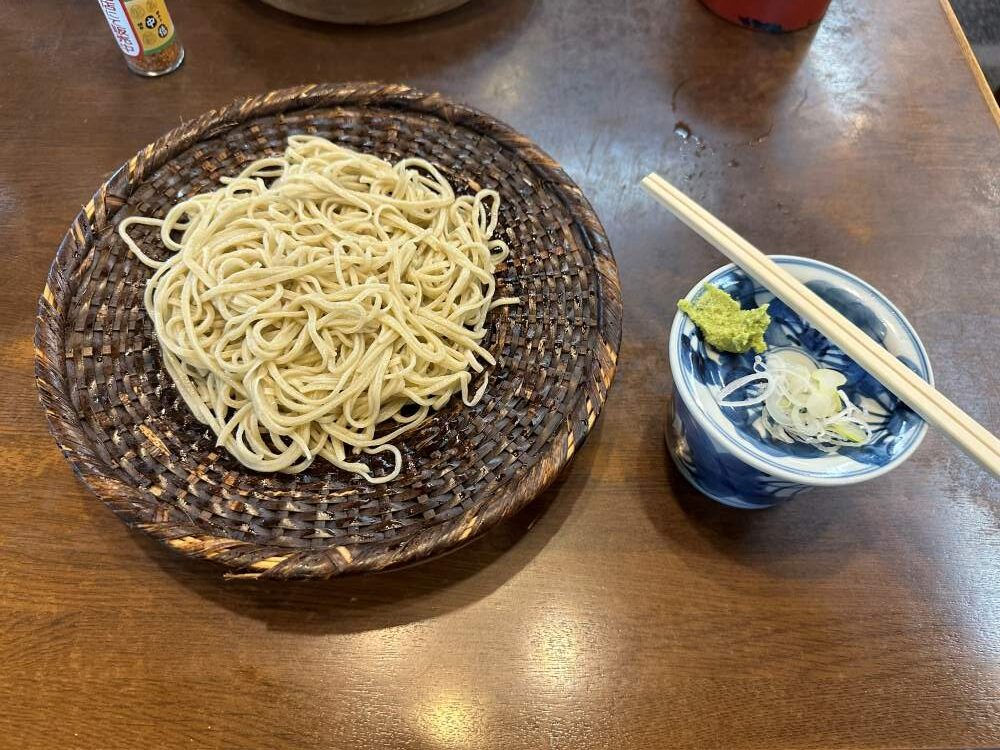
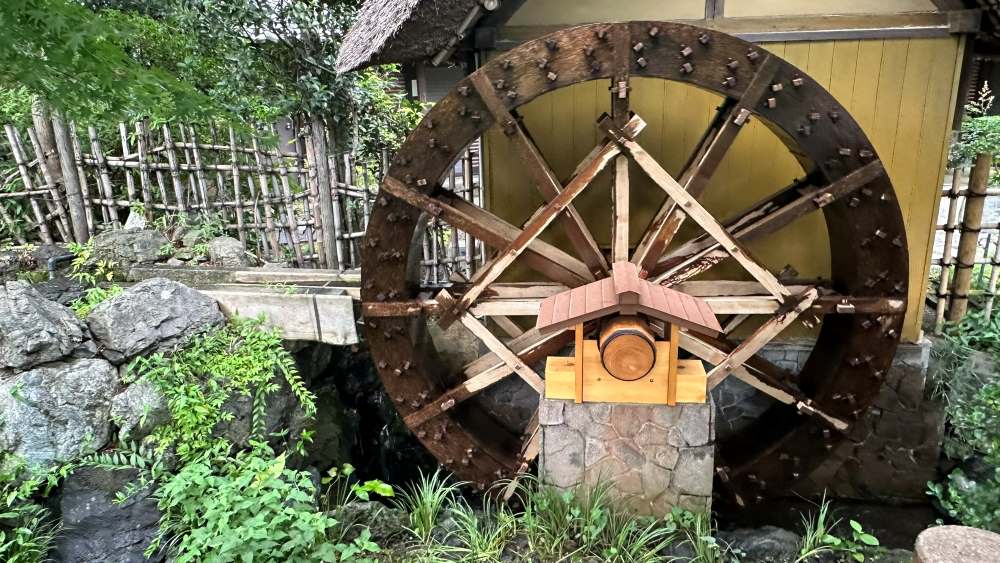
Jindaiji is not only known for its spiritual significance but also for its soba noodles. The area around the temple has an abundance of natural spring water, which is ideal for growing the buckwheat used in soba. The use of watermills for milling the buckwheat flour also contributed to the rise of Jindaiji as a soba-producing region. Today, visitors can enjoy freshly made Jindaiji soba at many local restaurants, making it a must-try dish for anyone visiting the area.
Year-Round Events at Jindaiji
Jindaiji Temple is alive with activity throughout the year, hosting various traditional festivals and events:
- Jindaiji Daruma Fair (March 3-4): One of Japan’s three largest Daruma doll festivals, this event draws visitors who purchase daruma dolls as symbols of good fortune and success.
- Jindaiji Hozuki Festival (mid-July): This festival celebrates the vibrant hozuki (Chinese lantern plant), where visitors can buy hozuki plants and enjoy the lively atmosphere.
- Soba Kannon Memorial Festival (mid-October): A festival honoring the Soba Kannon, or deity of soba noodles, highlighting the area’s long-standing connection to soba.
These events bring the local community together and offer visitors a chance to experience traditional Japanese culture.
Exploring the Jindaiji Botanical Garden
Adjacent to the temple is the Jindai Botanical Garden, one of the largest botanical gardens in Tokyo. It’s a perfect spot for nature lovers, offering a peaceful retreat with seasonal flowers, including roses, cherry blossoms, and plum trees. The garden’s expansive grounds are ideal for leisurely strolls, making it a great complement to your temple visit.
Visiting Jindaiji: A Tranquil Escape
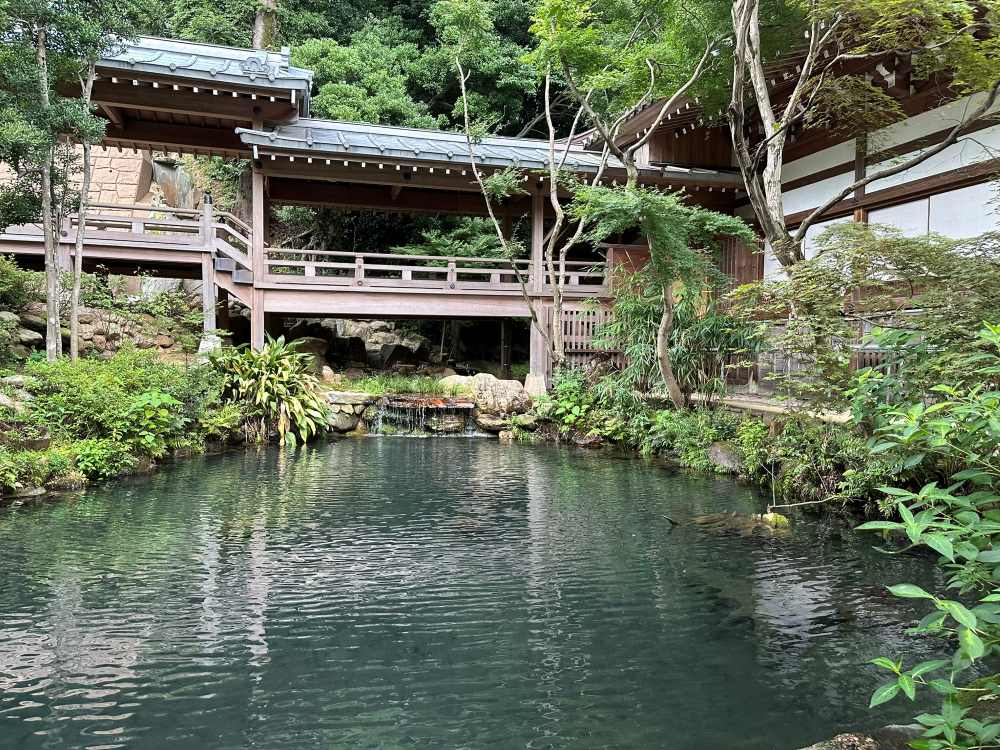
Whether you’re visiting for spiritual reasons, to enjoy the natural beauty, or to sample the famous soba, Jindaiji offers something for everyone. The temple’s rich history, combined with the serene atmosphere of the surrounding town, makes it a perfect destination for a day trip from central Tokyo.
How to Get There
- By Bus: From Chofu Station (Keio Line), take a bus to Jindaiji Temple (about 20 minutes).
- By Train: From Shinjuku Station, take the Keio Line to Chofu Station, then transfer to a bus for Jindaiji.
- By Car: Parking is available near the temple for those driving.
Refer details from HP
GeGeGe no Kitaro: Jindaiji’s yokai pilgrimage
The lanes leading up to Jindaiji are quietly ruled by monsters. This is yokai country, thanks to Shigeru Mizuki, the beloved manga artist who lived in nearby Chofu and created GeGeGe no Kitaro, the series that turned Japan’s old ghost folklore into a national obsession. Fans come to find his friendly creatures hiding in plain sight along the approach to the temple.
The heart of it is the Kitaro Chaya, a wooden teahouse and shop packed with yokai goods, Mizuki artwork, and playful treats like the eyeball-father dango. Statues of Kitaro, Nezumi-Otoko, and other characters pop up between the soba restaurants, and small stores sell everything from tenugui towels to spooky snacks. It is an easy, atmospheric add-on to a temple visit, and it makes Jindaiji one of Tokyo’s most charming pop-culture pilgrimages.
If the folklore behind these creatures intrigues you, the same fear of vanishing spirits runs through stories of kamikakushi, the spiriting away that inspired films like Spirited Away.
Frequently Asked Questions
What is Jindaiji Temple known for?
Jindaiji is Tokyo’s second-oldest temple, founded in 733 AD during the Nara period. It is best known for three things: handmade Jindaiji soba made with the area’s clean spring water, its ties to the yokai manga GeGeGe no Kitaro, and one of Japan’s three largest daruma doll fairs.
How do I get to Jindaiji from central Tokyo?
Take the Keio Line from Shinjuku to Chofu Station, which takes about 20 minutes, then catch a bus bound for Jindaiji, roughly a 15 to 20 minute ride. Direct buses also run to the temple from Kichijoji and Mitaka stations on the JR Chuo Line, which is handy if you are coming from the west side of Tokyo.
What are Jindaiji’s opening hours?
The temple grounds are free and open through the day, with the main hall generally accessible from around 9:00 to 17:00. The neighbouring Jindai Botanical Garden charges a small admission and is usually open 9:30 to 17:00, closed on Mondays, so check the current schedule before a Monday visit.
Why is Jindaiji connected to GeGeGe no Kitaro?
Manga artist Shigeru Mizuki, who created GeGeGe no Kitaro, lived in nearby Chofu, so the streets around Jindaiji are dotted with yokai statues, themed shops, and the Kitaro Chaya teahouse serving playful spooky sweets. Fans visit to spot the friendly monsters that turned the neighbourhood into a yokai pilgrimage site.
Is Jindaiji soba worth trying, and when is the best time to visit?
Yes. More than 20 soba restaurants line the temple approach, using the local spring water that gives the noodles their reputation. Spring cherry blossoms and autumn foliage are the prettiest seasons to go, while the March 3 to 4 daruma fair is the busiest and most festive.
How much time should I set aside for Jindaiji?
Plan for about half a day. You can see the temple in under an hour, then add a soba lunch, a wander through the Kitaro shops, and the botanical garden next door, and still be back in central Tokyo by the evening.
More Tokyo temples and shrines: the oldest shrine in Japan, Kanda Myojin, one of central Tokyo’s great shrines, Hie Shrine by the Imperial Palace, Anamori Inari Shrine near Haneda.
Share