
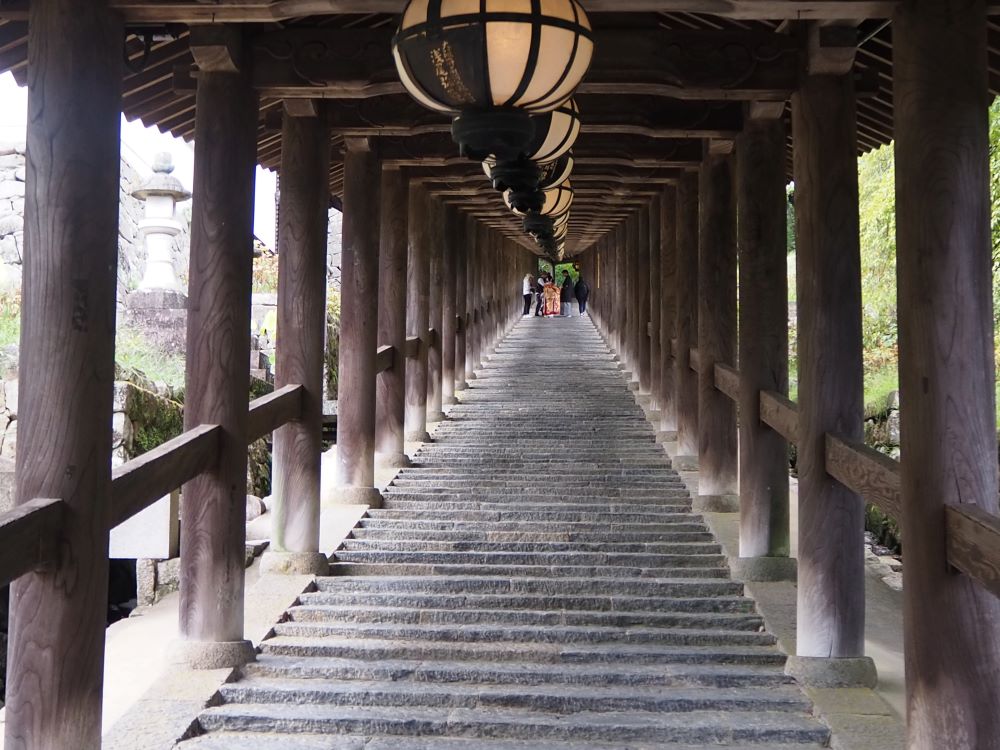
Hase Temple (Hasedera) is a Buddhist temple on the slope of Mt. Hatsuse in Sakurai, Nara Prefecture, and the eighth stop on the Saigoku Kannon Pilgrimage. Its main hall, a National Treasure, enshrines a 10.18-meter wooden Eleven-Faced Kannon. The Noboriro, a covered stairway of 399 steps, leads up to the hall, and about 7,000 peonies in the grounds reach their peak from April to May.
| Location | 731-1 Hase, Sakurai, Nara Prefecture |
|---|---|
| Nearest station | Hasedera Station (Kintetsu Osaka Line), 15-minute walk |
| Hours | Apr to Sep 8:30 AM to 5:00 PM. Oct to Mar 9:00 AM to 5:00 PM (closes 4:30 PM Dec to Feb) |
| Admission | 500 yen (adults, middle and high school students), 250 yen (elementary school students) |
| Founded | Origin traced to 686. The Eleven-Faced Kannon was first enshrined in 727 |
| Known for | 399-step covered stairway, 10-meter wooden Kannon, thousands of peonies and hydrangeas |
| Official site | hasedera.or.jp |
Checked in October 2026 against hasedera.or.jp.
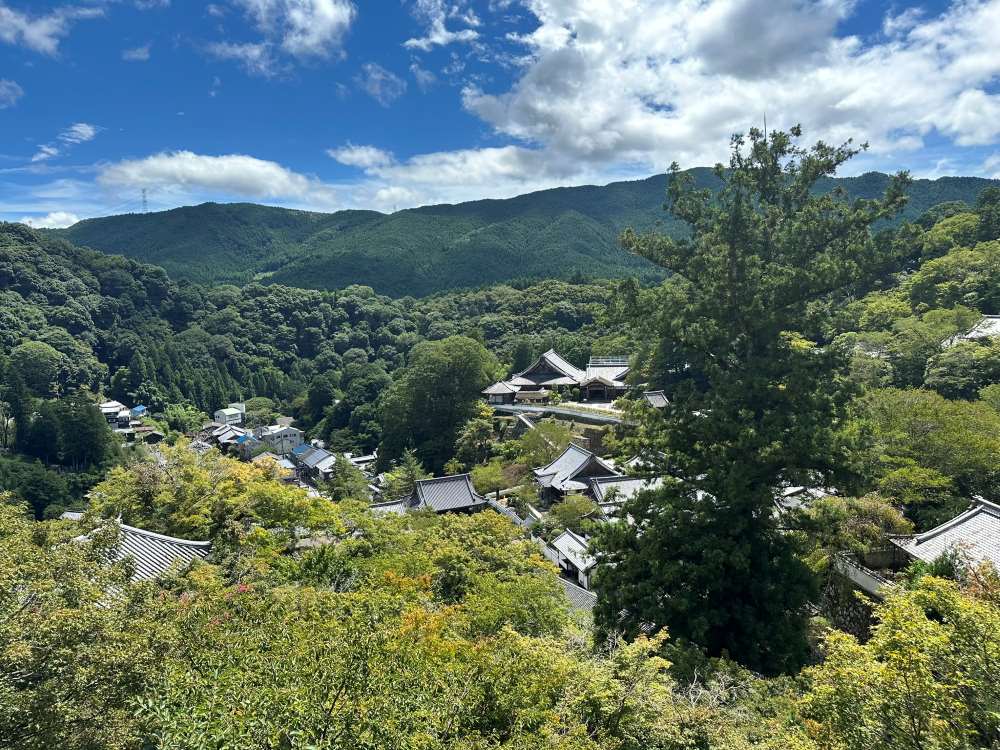
Hase Temple offers a tranquil escape into Japan’s spiritual and historical heritage. Known as the head temple of the Buzan branch of Shingon Buddhism, Hase Temple has been a center of worship and pilgrimage for over 1,300 years. Away from the bustling center of Nara, it invites visitors to immerse themselves in a serene environment steeped in tradition, faith, and natural beauty.
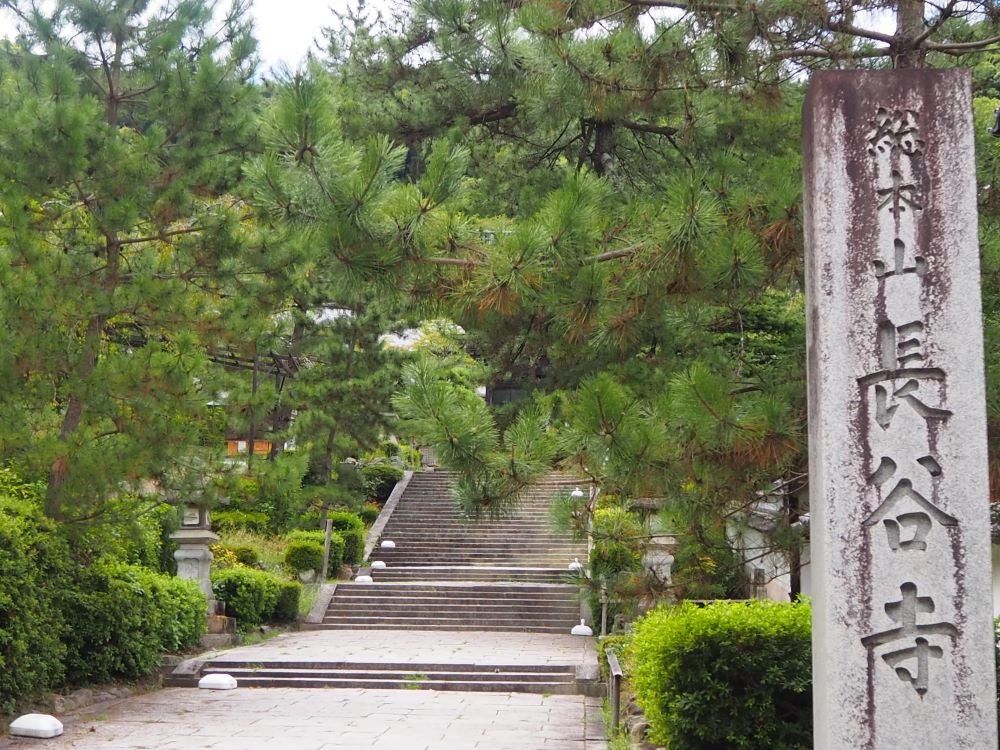
Beyond Nara’s Crowds: A Hidden Gem in Sakurai
While most visitors to Nara flock to places like Todai-ji or Kasuga Taisha, Hase Temple provides a more secluded and reflective experience. Situated about 75 minutes by train from Kyoto and a 15-minute walk from Hasedera Station, the journey to Hase Temple is part of its charm. Along the way, you’ll pass through a quaint temple town filled with traditional shops selling kusamochi (mugwort rice cakes), a local specialty.
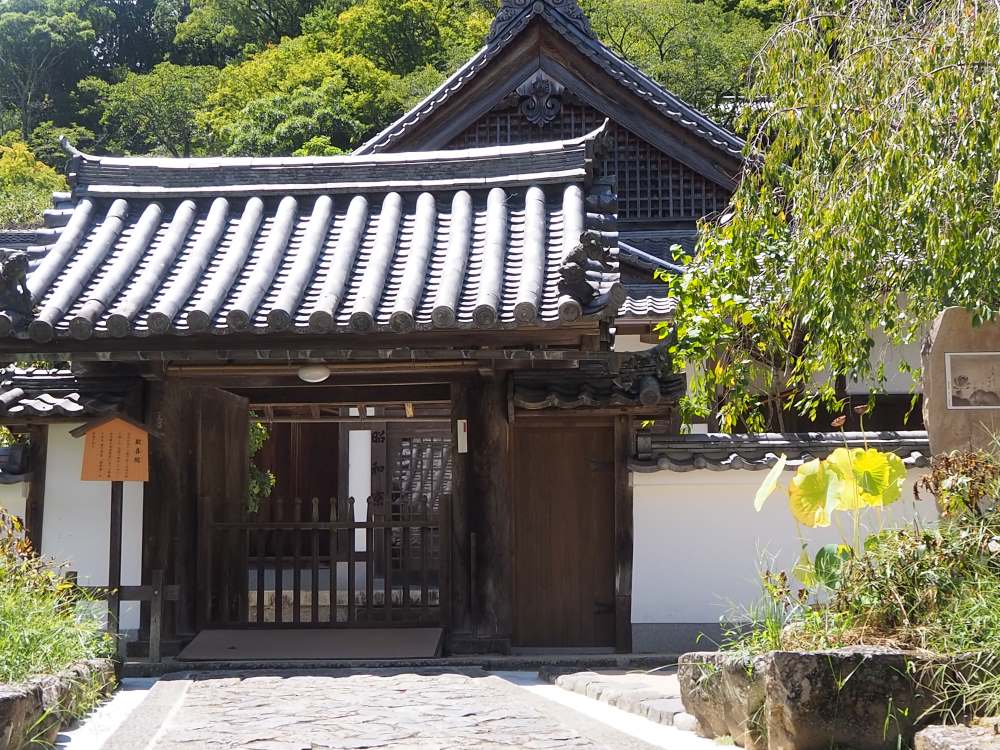
A Journey Through 1,300 Years of History
Founded in 686 AD, Hase Temple is one of Japan’s most historic Buddhist temples and serves as the head temple for over 3,000 branch temples across Japan. The temple is also the eighth stop on the renowned Saigoku Kannon Pilgrimage, a route of 33 temples dedicated to Kannon, the goddess of mercy. This pilgrimage was recognized as a Japan Heritage site in 2019 for its cultural significance.
Architectural Marvels and Spiritual Highlights
Nio Gate: The Grand Entrance
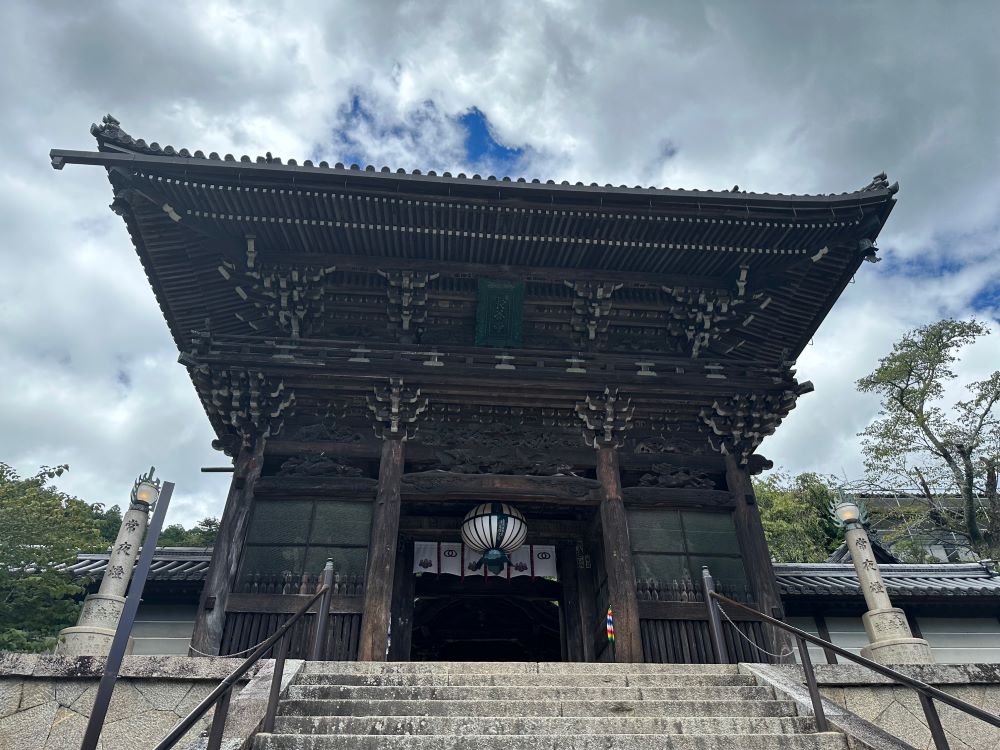
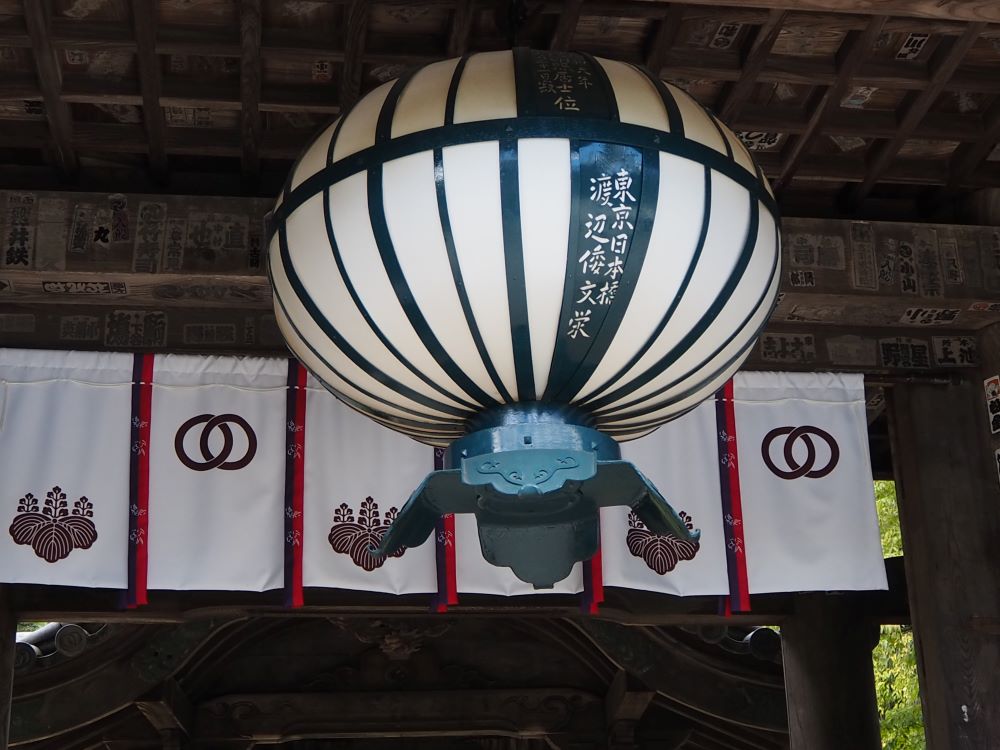
Your visit begins at the Nio Gate, an imposing wooden structure adorned with two fierce guardian statues believed to ward off evil spirits. This gate sets the tone for the spiritual journey ahead.
Noboriro: The Sacred Climb
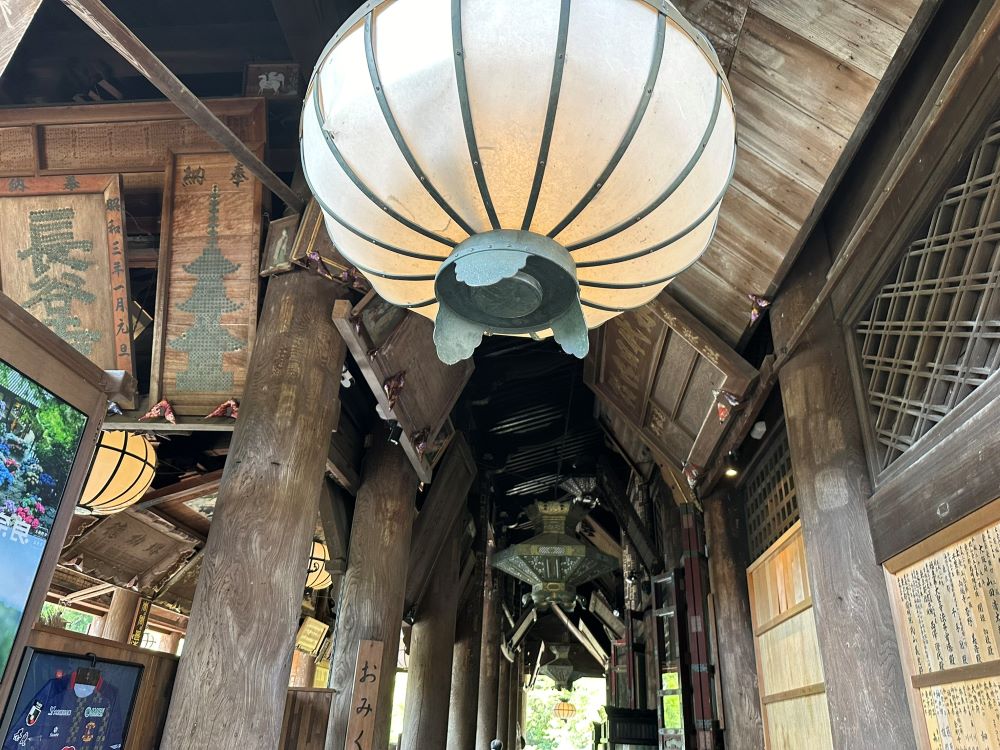
One of the most striking features of Hase Temple is the Noboriro, a covered wooden staircase with 399 steps that ascends the hillside. This climb offers not only a physical challenge but also a spiritual one, as the peaceful surroundings encourage mindfulness with every step. Along the way, you’ll pass the Sohōzō Treasure Hall, which houses national treasures and important cultural artifacts related to the temple. Admission is free, and the collection is well worth exploring.
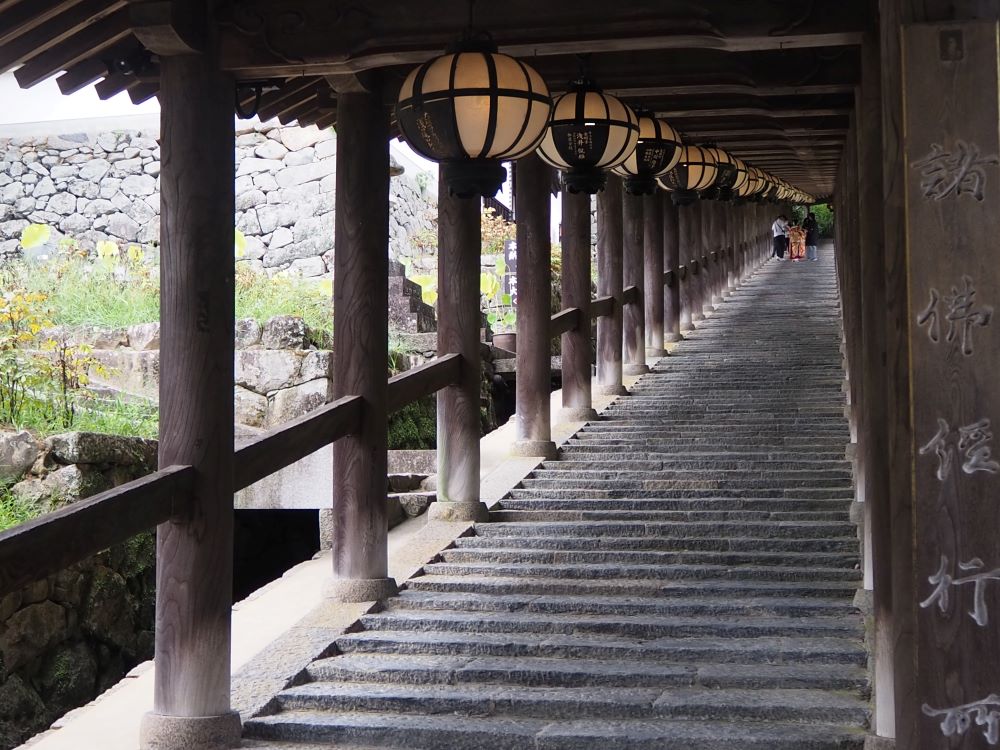
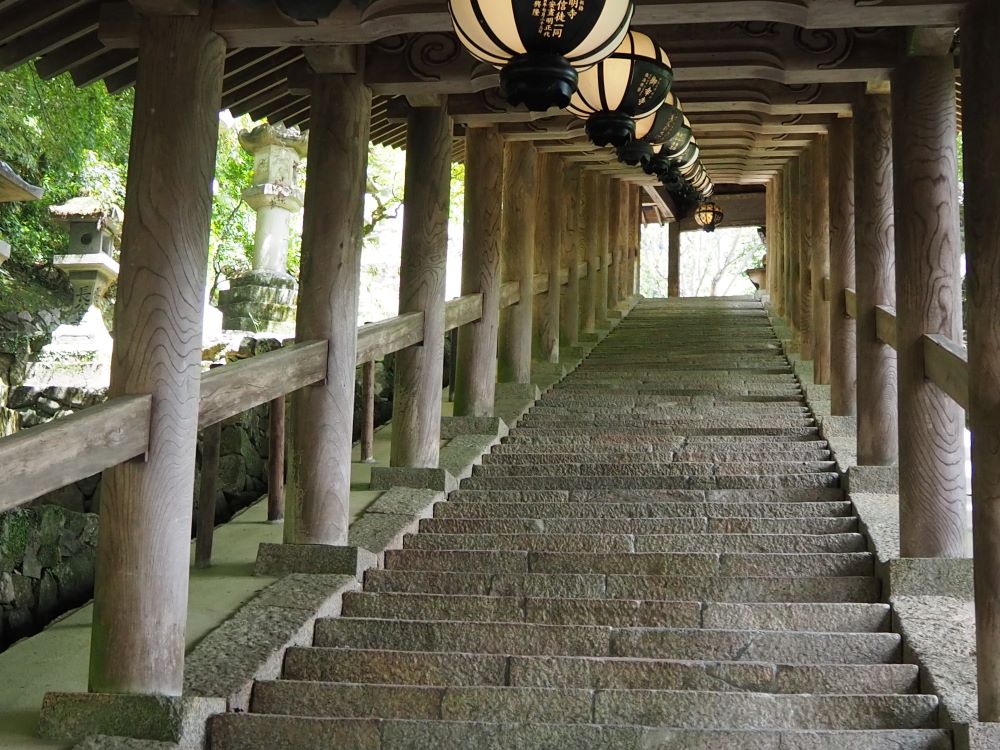
The Main Hall: Home of the Eleven-Faced Kannon
At the top of the climb stands the main hall, where you’ll find the temple’s principal object of worship: the Eleven-Faced Kannon Bodhisattva, the largest wooden statue of its kind in Japan. Standing over 10 meters tall, the statue is a breathtaking symbol of compassion and spiritual power, with intricate details that captivate all who see it.
The Five-Story Pagoda
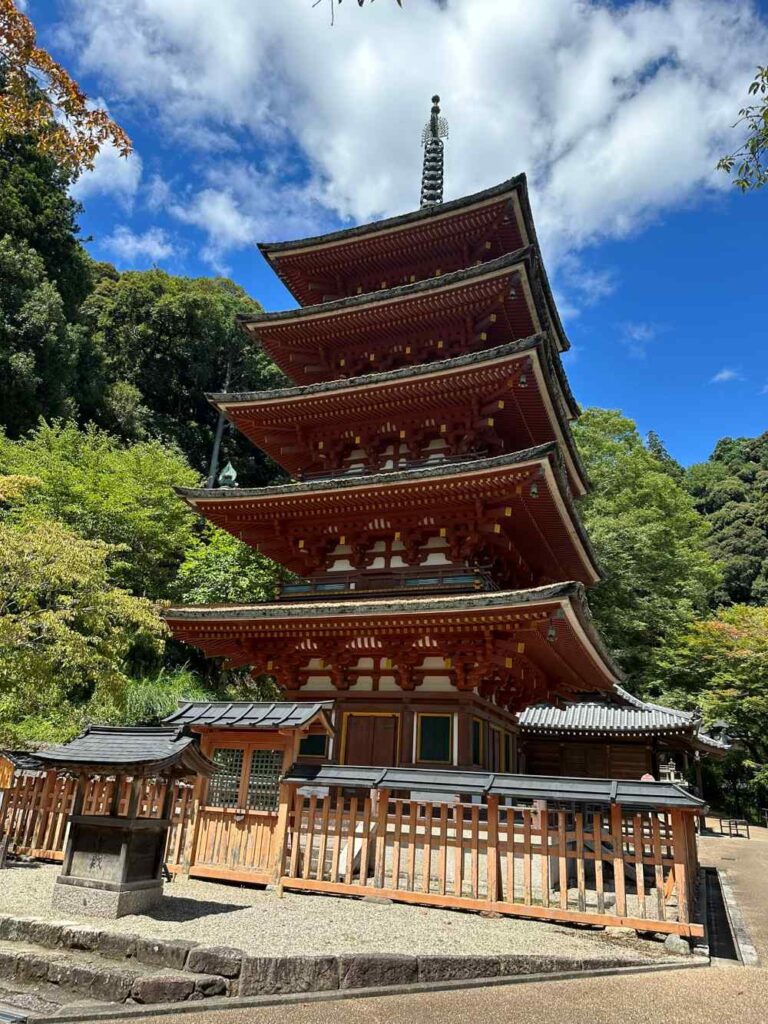
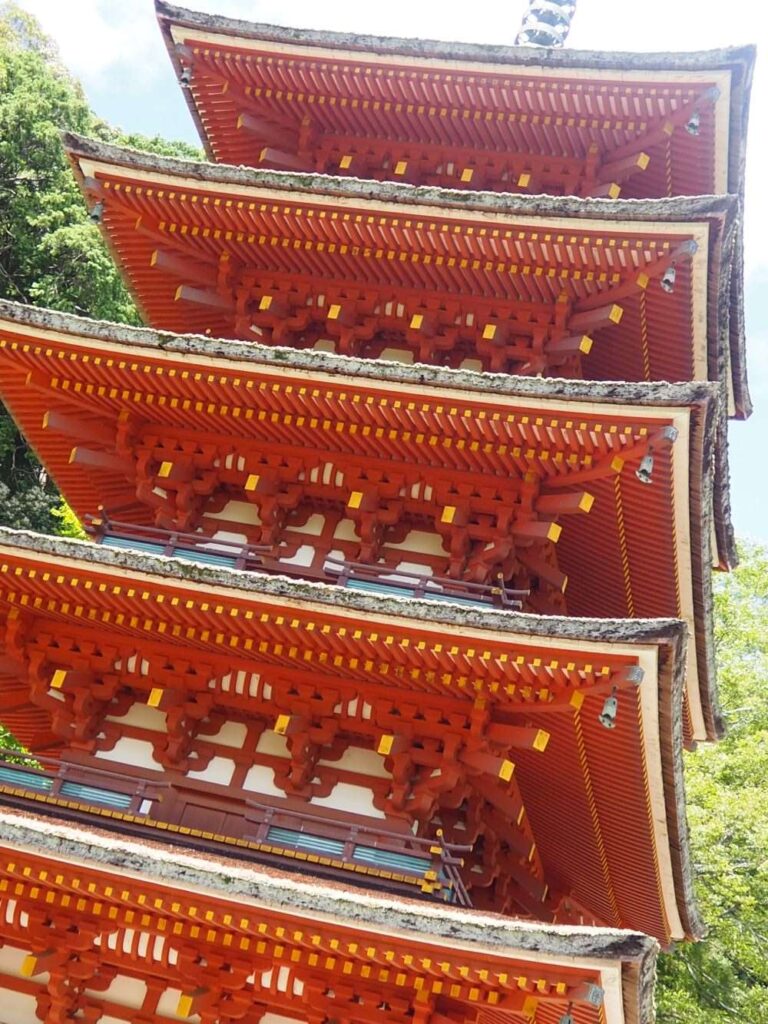
Another highlight is the five-story pagoda, built in 1954, making it the first pagoda constructed in Japan after World War II. Known as the “Pagoda of the Showa Era”, its elegant design reflects a harmonious blend of traditional architecture and modern resilience.
Seasonal Beauty and Festivals
Hase Temple is stunning in every season, with its surroundings constantly transforming to showcase the beauty of nature. Key highlights include:
- Spring: A spectacular display of 7,000 peony plants during the Peony Festival (April-May).
- Autumn: The temple grounds are ablaze with vivid red and orange hues, making it one of the best spots in Nara for autumn foliage.
- Winter: A serene landscape covered in snow, offering a tranquil experience.
- Cultural Festivals: The temple hosts various events, including the Kannon Memorial Service in October, celebrating the deity’s influence and blessings.
The Taste of Tradition: Kusamochi
No trip to Hase Temple is complete without sampling kusamochi, a soft and slightly sweet rice cake flavored with mugwort. Among the many shops in the temple town, Shirozakeya stands out for its freshly made kusamochi. This local treat is a perfect way to end your visit, combining a taste of tradition with a moment of indulgence.
Visiting Tips
- Wear comfortable shoes: With steep stairs and expansive grounds, proper footwear is essential to fully enjoy your visit.
- Plan ahead: Exploring the entire temple can take over two hours, so prioritize key spots like the main hall, the pagoda, and the treasure hall, especially if you’re short on time.
- Best times to visit: Spring for the vibrant peony blooms or autumn for the breathtaking fall foliage.
- Accessibility: While the 399 steps may be a challenge, the climb is an integral part of the temple experience. Take your time and enjoy the serene surroundings as you ascend.
- Photography etiquette: Many temples in Japan prohibit photography of sacred items such as statues, and Hase Temple is no exception. Look for camera prohibition signs and avoid taking photos of restricted areas to respect the sanctity of the site.
Access Information
Getting to Hase Temple
- By Train: From Kyoto, take the Kintetsu Line to Hasedera Station (about 75 minutes), then walk 15 minutes to the temple.
- By Car: Parking is available near the temple.
Why Visit Hase Temple?
Hase Temple offers a unique combination of spiritual depth, natural beauty, and historical significance. Whether you’re marveling at the Eleven-Faced Kannon, climbing the Noboriro, or savoring kusamochi in the temple town, every aspect of the journey invites reflection and wonder. Far from the crowds of central Nara, Hase Temple provides a serene escape into the heart of Japan’s cultural heritage.
If you need more information in English, you can refer to the official English guide.
Frequently Asked Questions
What are the opening hours of Hase Temple in Nara?
Hase Temple in Sakurai, Nara is open from 8:30 AM to 5:00 PM between April and September, from 9:00 AM to 5:00 PM in October, November and March, and from 9:00 AM to 4:30 PM between December and February. The temple extends these hours during some periods, including the Peony Festival.
Is Hase Temple in Nara the same as Hasedera in Kamakura?
No. Hase Temple in Sakurai, Nara Prefecture and Hasedera in Kamakura, Kanagawa Prefecture are two different temples. According to the Kamakura temple’s own legend, two Kannon statues were carved from one sacred tree in Hatsuse, in present-day Nara Prefecture. One was enshrined at Hasedera in Nara. The other washed ashore in present-day Kanagawa Prefecture, and the Kamakura temple was established in 736 to enshrine it.
Can visitors reach the main hall of Hase Temple without climbing the 399 steps?
Hase Temple runs a shuttle vehicle inside the grounds, only for visitors who have difficulty walking up and down to the main hall. Requests are taken at the parking lot or at the admission desk. The temple notes that there may be a wait when many people ask, and that the service can be declined during temple events.
Can visitors see the Eleven-Faced Kannon at Hase Temple up close?
Visitors to Hase Temple can approach the Eleven-Faced Kannon during special viewings in spring and autumn, when they may enter the inner hall and touch the statue’s feet. On other days only the top half is visible, from the worship hall. For autumn 2026 the temple set the viewing from October 10 to December 6, 9:30 AM to 4:00 PM, at 1,000 yen on top of admission.
Share