
Kuonji Temple (Minobusan Kuonji) is the head temple of the Nichiren Shu sect of Buddhism, on Mount Minobu in Yamanashi Prefecture. Nichiren Shonin spent nine years on the mountain, and his remains are enshrined in the temple grounds. The approach from the Sanmon Gate to the Main Hall climbs the Bodaitei, a staircase of 287 stone steps, and the daily morning prayers in the Main Hall are open to anyone.
| Location | 3567 Minobu, Minobu-cho, Minamikoma-gun, Yamanashi Prefecture |
|---|---|
| Founded | 1274, by Nichiren Shonin |
| Nearest station | JR Minobu Station (Minobu Line). About 12 minutes by bus to the Minobusan stop, or a taxi |
| Daily services (as of October 2026) | 5:30 AM (Main Hall), 12:00 PM and 3:00 PM (Butsuden). Free, no reservation |
| Lodging | No overnight stays inside Kuonji Temple. Shukubo, ryokan and hotels are on Mount Minobu |
| Official site | kuonji.jp |
Checked in October 2026 against kuonji.jp.
Founded in 1274 by Nichiren Shonin, Minobusan Kuonji Temple is known as a place of reflection and dedication, where history, nature, and faith intersect.
A Temple with a Rich History
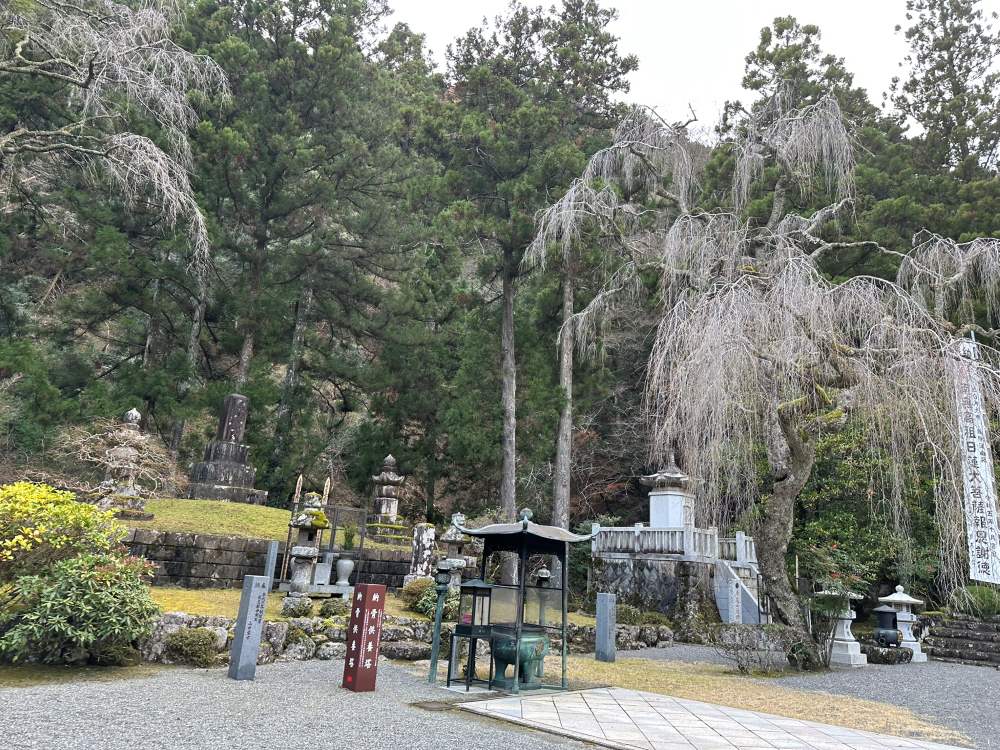
Kuonji Temple was established after Nichiren Shonin was invited to Mount Minobu by Hakii Sanenaga, a loyal follower. Here, Nichiren spent the last nine years of his life, teaching his disciples and writing some of his most important works. The temple grew into a key center of Nichiren Buddhism and remains a significant pilgrimage site to this day.
Temple Highlights
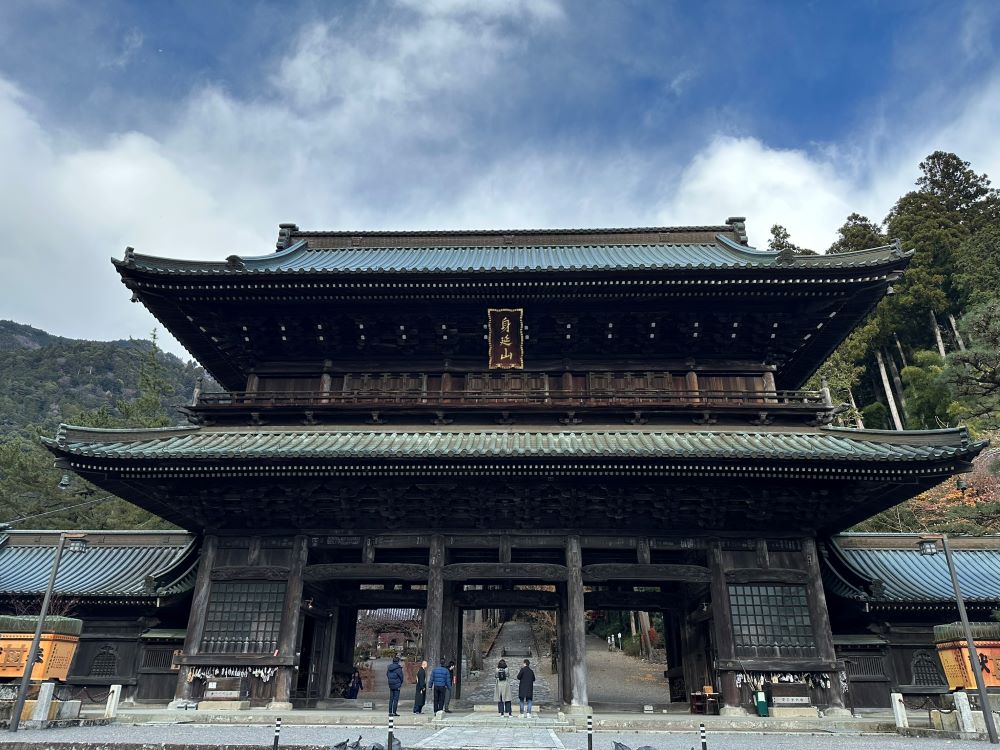
Sanmon Gate
The Sanmon Gate serves as the grand entrance to the temple. Its size and structure immediately capture attention and signify the transition from the everyday world to a sacred space.
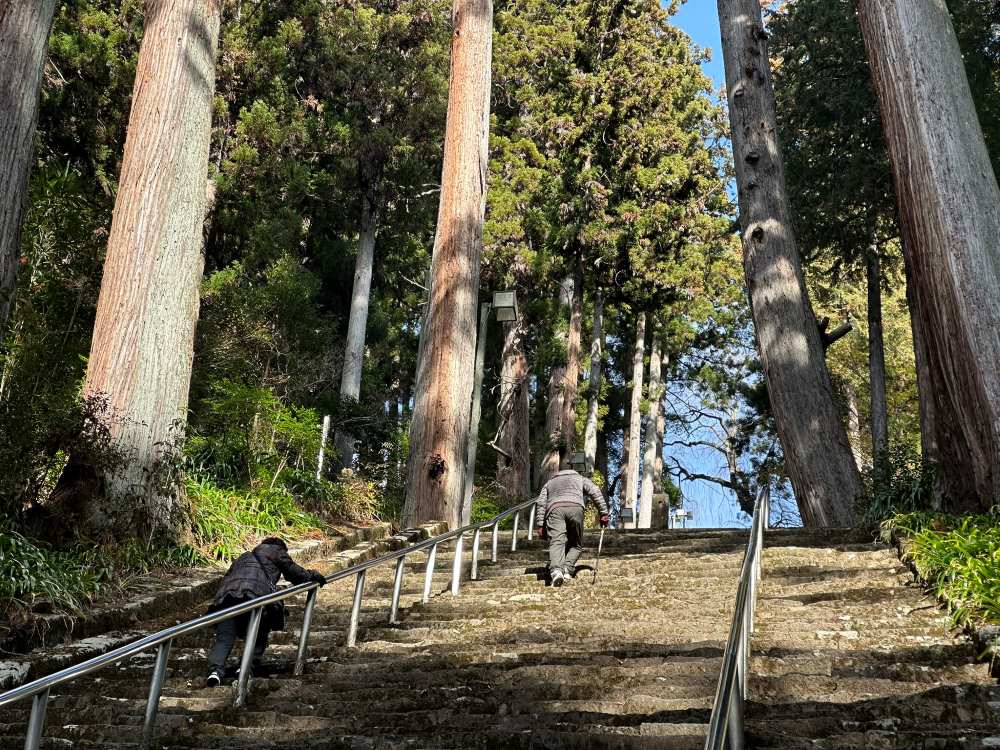
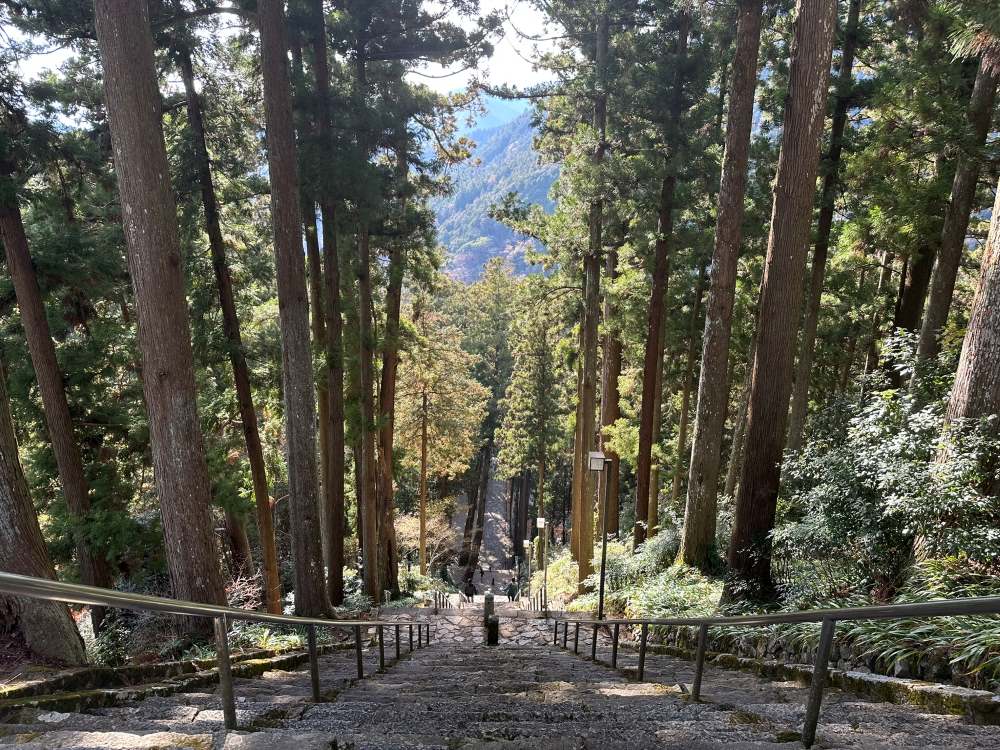
Bodaitei Staircase
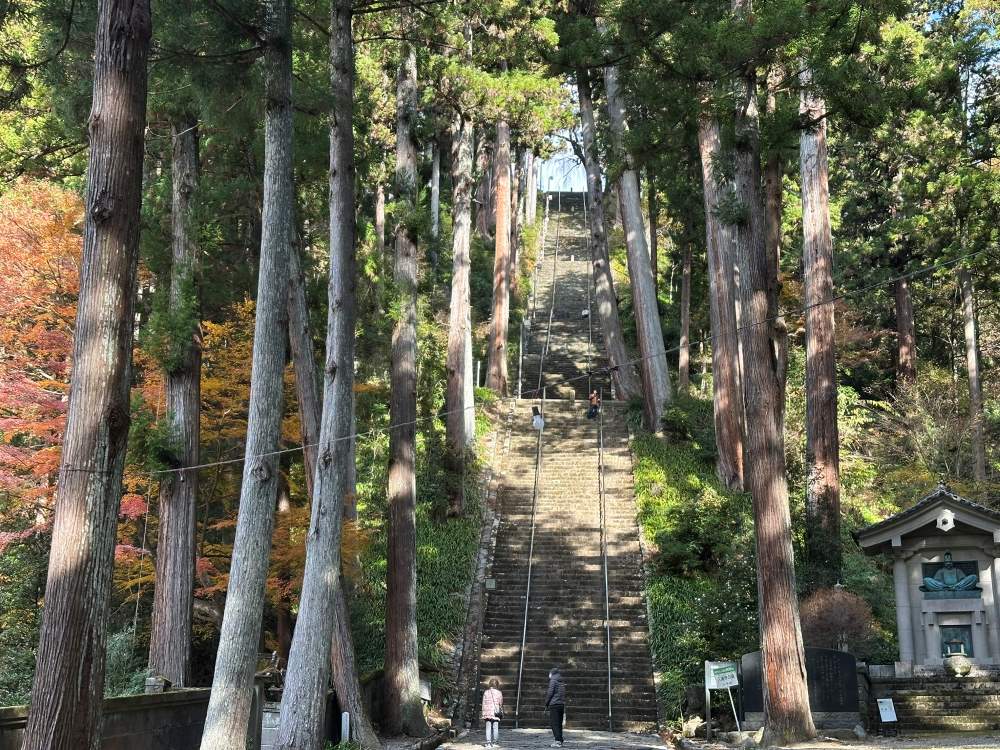
Just beyond the Sanmon Gate is the Bodaitei, a long staircase of 287 stone steps climbing 104 meters. While physically demanding, the ascent is an integral part of the temple visit, offering moments of calm between each step. For those who prefer an alternative route, an inclined elevator is available near the Seishin Parking Lot.
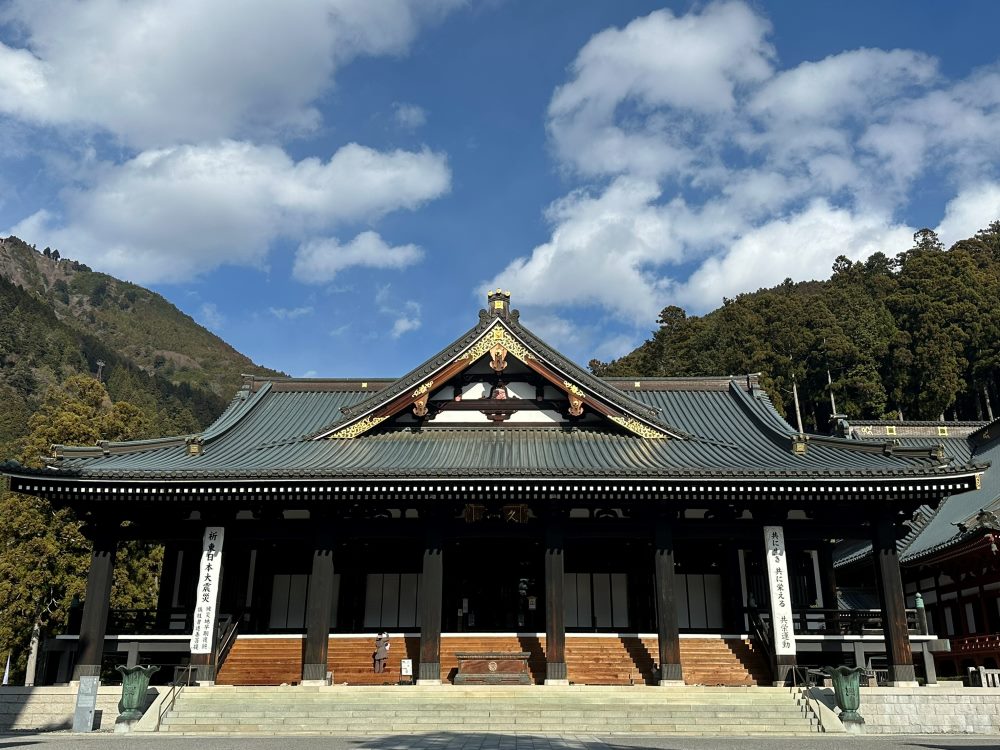
Main Hall (Hondo)
At the top of the staircase stands the Main Hall, where the temple’s central object of devotion, the Sanbozon (a representation of the Buddha, teachings, and community), is enshrined. The hall’s simple but elegant wooden design reflects the traditions of Japanese temple architecture.
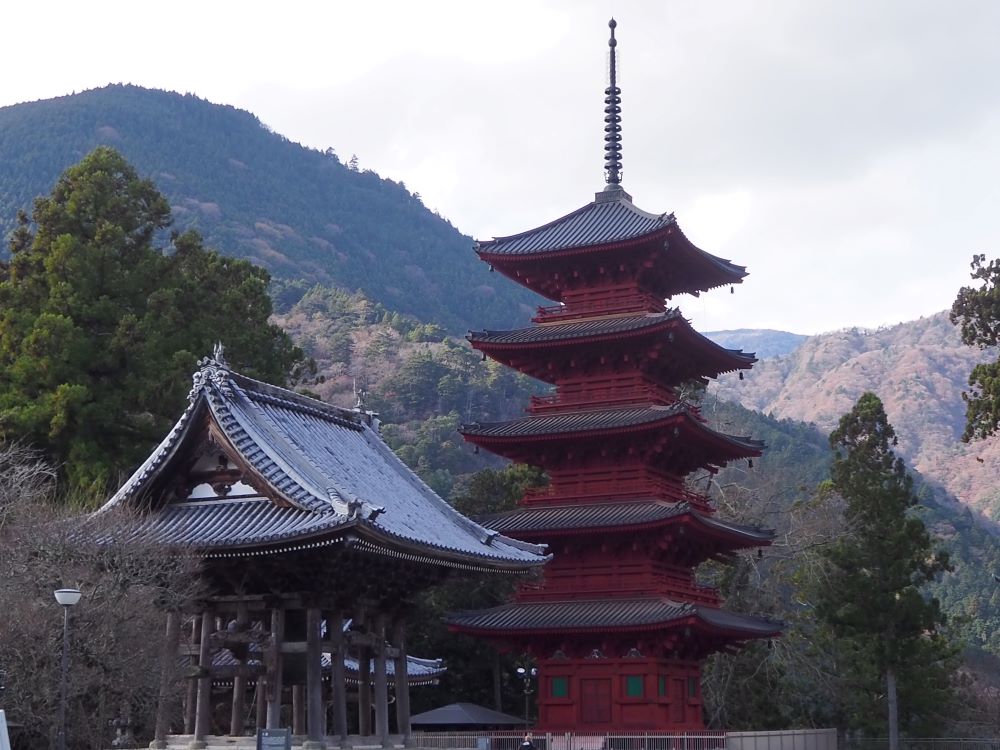
Five-Story Pagoda
The Five-Story Pagoda, completed in 2009, stands 39 meters tall and adds a striking visual element to the temple grounds. Its design respects traditional methods while standing as a modern reconstruction after the original was lost.
Seasonal Scenery
Kuonji Temple is particularly known for its natural surroundings:
- Spring: The grounds are filled with cherry blossoms, including a famous weeping cherry tree over 400 years old.
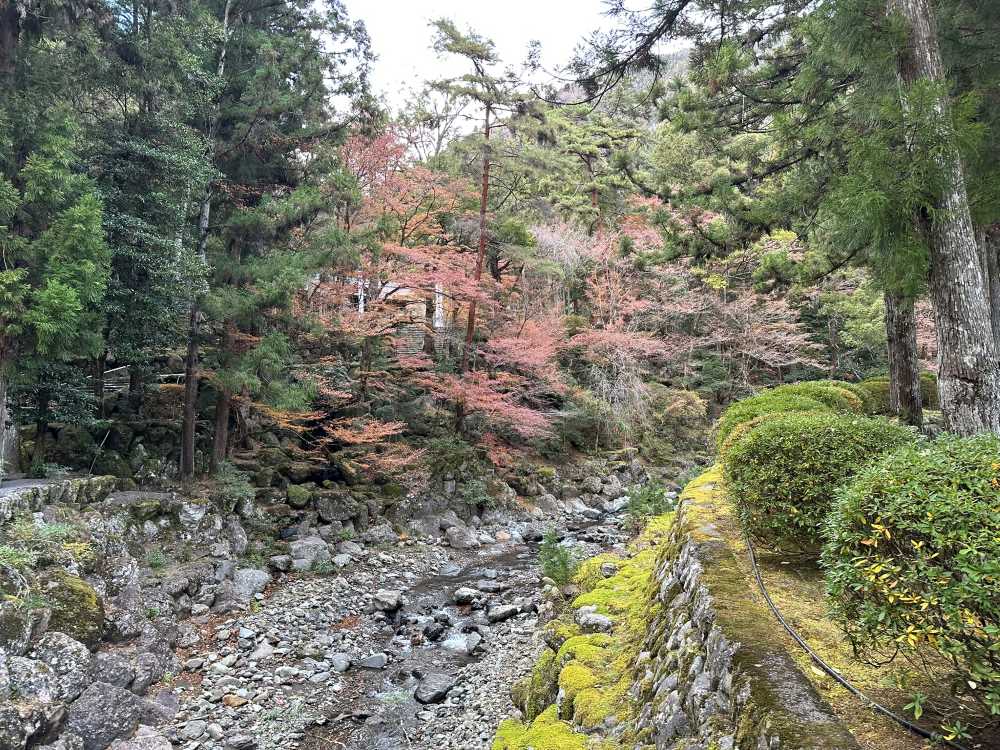
- Autumn: The vibrant red and gold leaves frame the temple structures beautifully, making it a popular spot for autumn walks.
The quiet of winter and the fresh greenery of summer also offer peaceful views for those who prefer quieter visits.
Experiences and Activities
Morning Prayers
Visitors can join the monks during morning prayers, which take place in the Main Hall. The rhythmic chants and sounds of the large temple bell create a serene atmosphere, perfect for contemplation.
Sutra Copying (Shakyo)
The temple offers the chance to participate in sutra copying, a meditative practice that involves writing Buddhist scriptures by hand. It’s a peaceful way to experience mindfulness and calm.
Temple Lodging (Shukubo)
For those who want to immerse themselves fully, Mount Minobu has shukubo, where guests can stay overnight in temple lodgings outside the Kuonji grounds. A stay can include a simple, traditional vegetarian meal and the opportunity to experience a slower pace of life.
Practical Information
Access
- By Train: Take the JR Chuo Line to Kofu Station, transfer to the Minobu Line, and get off at Minobu Station. A bus or taxi will take you to the temple.
- By Car: About 2 hours from Shinjuku via the Chuo Expressway and the Chubu-Odan Expressway. Parking is available at the Seishin Parking Lot.
Opening Hours
- Main Hall: 5:00 AM to 4:20 PM.
- Treasure Hall: 9:00 AM to 4:00 PM, closed on Thursdays (or on the following day when Thursday is a public holiday).
Tips for Your Visit
- Wear Comfortable Shoes: There are many stairs and long walkways.
- Photography: Some areas, such as the interiors of the halls, may prohibit photography. Be mindful of signs.
- Allow Enough Time: It takes about 2 to 3 hours to explore the entire complex. If you plan to take the ropeway to the top of Mount Minobu for panoramic views, give yourself extra time.
Final Thoughts
Kuonji Temple is not just a place of worship. It’s a place where time slows down, inviting visitors to pause and reflect. Whether you come for the history, the seasonal beauty, or simply a peaceful walk, it’s a destination that leaves a lasting impression without the need for exaggeration. A visit to Kuonji Temple is an experience that reminds you of the enduring connection between nature, architecture, and spiritual practice.
Frequently Asked Questions
How long does it take to get from Tokyo to Kuonji Temple by train?
The trip from Tokyo to Kuonji Temple takes about 3 hours by train and bus, not counting waiting time at transfers. From Shinjuku Station, the JR Chuo Line limited express takes about 1 hour 40 minutes to Kofu, and the JR Minobu Line limited express takes about 1 hour to Minobu Station. A local bus then reaches the Minobusan stop in the temple town in about 12 minutes.
What time do the morning prayers start at Kuonji Temple?
The morning prayers at Kuonji Temple start at 5:30 AM in the Main Hall, according to the service times the temple lists as of October 2026. Anyone can attend free of charge and without a reservation, and chairs are available. Two more daily services follow in the Butsuden prayer hall, at 12:00 PM and 3:00 PM.
Can you reach the Main Hall of Kuonji Temple without climbing the 287 steps?
Visitors can reach the Main Hall of Kuonji Temple without climbing the Bodaitei staircase. From the Sanmon Gate, two sloping paths called Otokozaka and Onnazaka go around the steps. An inclined elevator also runs from the Seishin Parking Lot in Nishidani up to the temple grounds, and the temple lends a limited number of wheelchairs.
When do the cherry blossoms bloom at Kuonji Temple?
The weeping cherry blossoms at Kuonji Temple usually start to open around mid-March. Yamanashi Prefecture’s official tourism site gives late March to early April as the best time to see them. After the weeping cherries pass their peak, other cherry varieties flower in the grounds until mid-April, according to the temple.
Where is Nichiren’s grave at Kuonji Temple?
Nichiren Shonin’s grave at Kuonji Temple is called the Gobyosho and lies about 15 minutes on foot from the Main Hall, by way of the inclined elevator and the Nishidani approach path. Nichiren died in October 1282 at Ikegami, in present-day Tokyo, and his remains were brought back to Mount Minobu in accordance with his will.
Share