
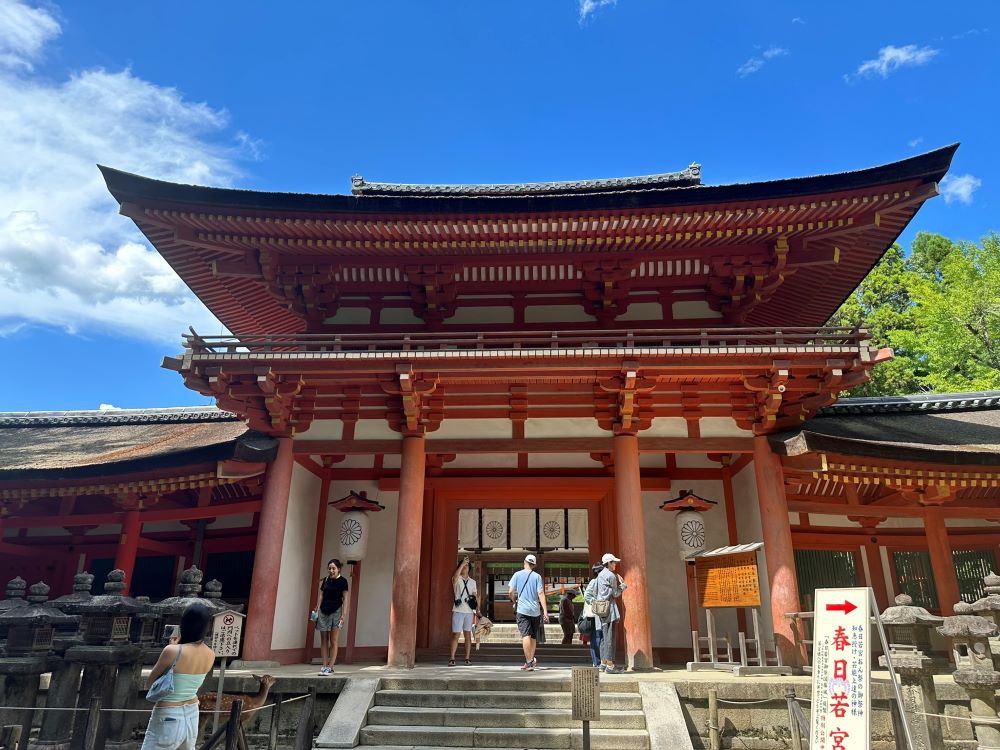
Kasuga Taisha, located in Nara, is the head shrine of all Kasuga Shrines across Japan. With a history dating back to the Nara period (710-794), it was founded when the capital moved from Asuka to Heijō-kyō (modern-day Nara). The shrine is nestled at the base of Mount Mikasa (御蓋山), a sacred mountain that has been revered as a divine area since ancient times. The vibrant red buildings of Kasuga Taisha stand in sharp contrast to the lush Kasugayama Primeval Forest that surrounds the shrine, a forest that has remained untouched for centuries. Recognized as a UNESCO World Heritage Site, Kasuga Taisha is one of Japan’s most important and historic shrines.
The Origins and Deities of Kasuga Taisha
Kasuga Taisha was founded in 768 to protect the capital and ensure the prosperity of the people. According to the shrine’s records, four deities were invited from different regions of Japan to be enshrined at the foot of Mount Mikasa:
- Takemikazuchi no Mikoto: From Hitachi Province (modern-day Ibaraki Prefecture), the god of thunder and swords.
- Futsunushi no Mikoto: From Kazusa Province (modern-day Chiba Prefecture), a warrior god.
- Ame no Koyane no Mikoto: From Kawachi Province (modern-day Osaka Prefecture), a god of rituals and a protector of the Fujiwara clan.
- Himegami: A goddess of fertility and protection.
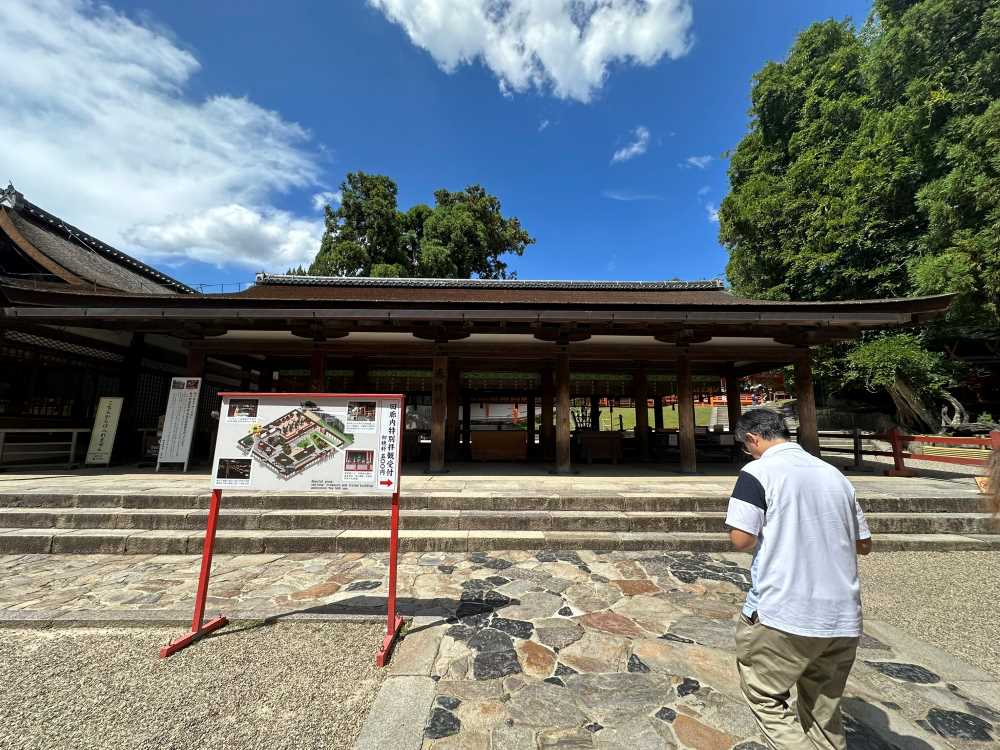
These deities are worshipped in the shrine’s four main halls (honden), known as the First, Second, Third, and Fourth Halls, each dedicated to one of the gods.
Sacred Deer of Kasuga Taisha
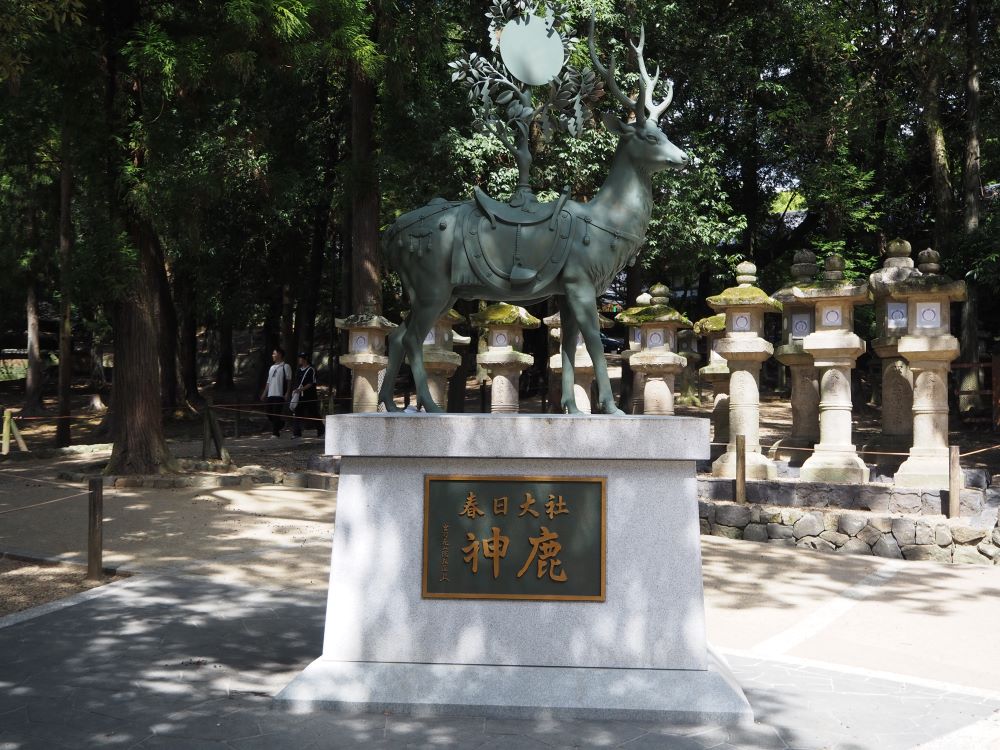
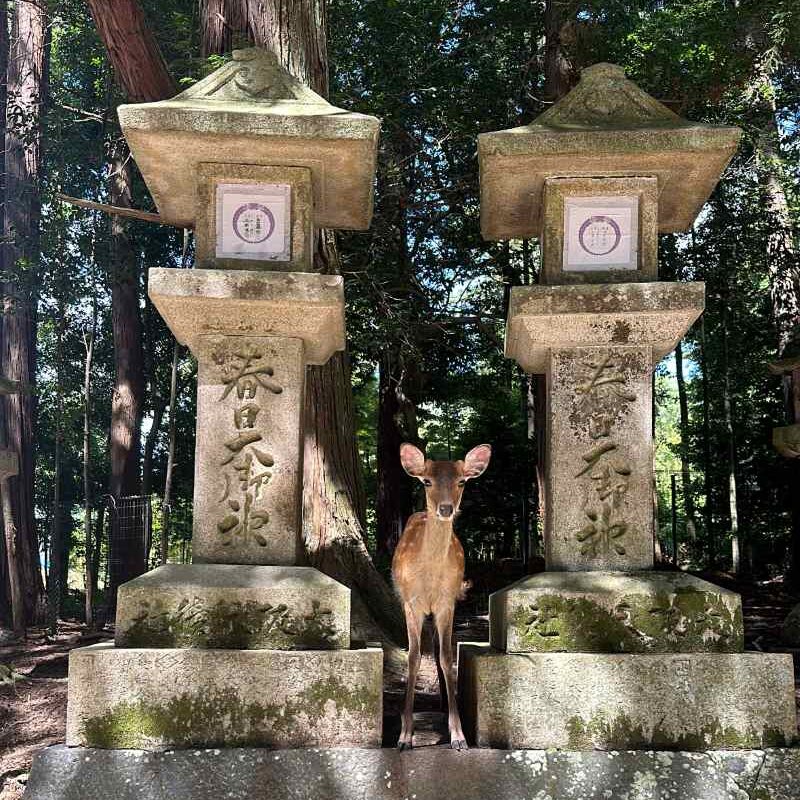
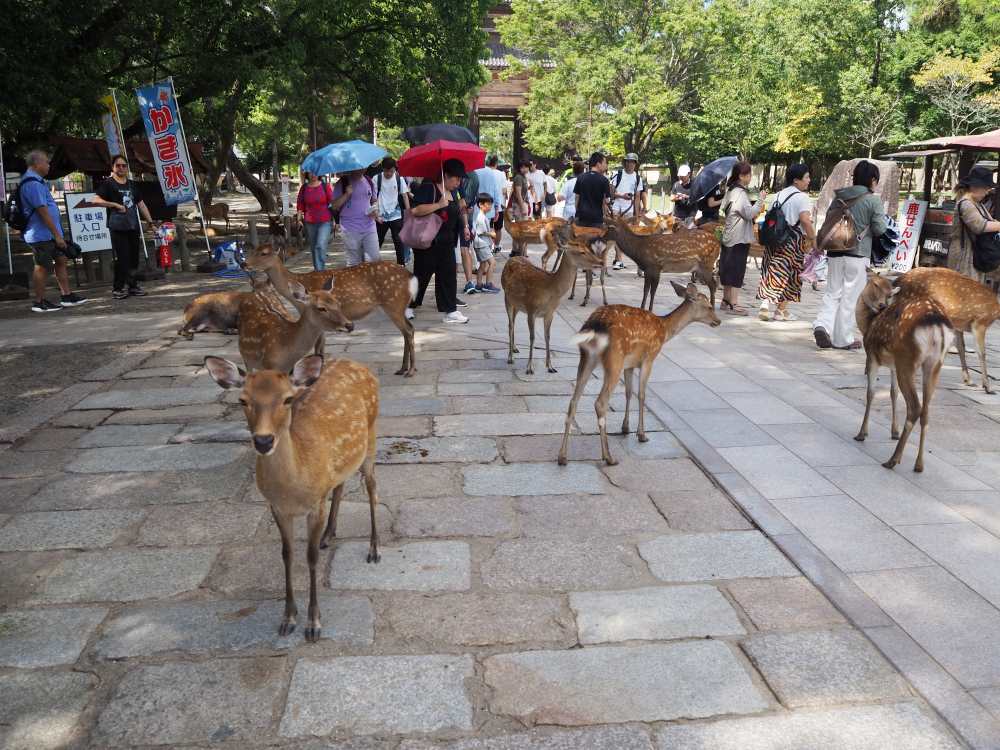
Kasuga Taisha is famous for its association with deer, which are considered messengers of the gods. According to legend, Takemikazuchi no Mikoto arrived at Mount Mikasa riding a white deer. Since then, the deer in Nara Park, which surrounds the shrine, have been revered and protected as sacred animals. Visitors can often see these gentle deer roaming freely around the shrine grounds and nearby park, adding to the mystical atmosphere of the area.
Cultural Significance and Traditions
Kasuga Taisha has a deep connection to the powerful Fujiwara clan, one of the most influential families in Japan’s history. The shrine served as the clan’s guardian, and many of its customs and rituals were influenced by this powerful family.
One of the most significant events at Kasuga Taisha is the Kasuga Matsuri (春日祭), held annually on March 13. This festival is part of the Three Great Imperial Festivals (Chokusai), and it has been performed in the same way since the Heian period (794-1185). The festival includes a series of ancient ceremonies and performances that have been passed down through the centuries, making it an important cultural event.
The Shikinen Zōtai Ritual
Every 20 years, Kasuga Taisha undergoes a major restoration known as the Shikinen Zōtai (式年造替). During this ritual, the shrine’s main structures are rebuilt or restored, ensuring that they remain in pristine condition. This practice is similar to the Shikinen Sengū performed at Ise Grand Shrine, but with a key difference: at Kasuga Taisha, the original site of the shrine remains unchanged, and only the structures are renewed, whereas at Ise, the buildings are moved to a new site. The most recent Shikinen Zōtai took place in 2016, when 27 important structures, including the main halls, were beautifully restored.
Exploring the Grounds of Kasuga Taisha
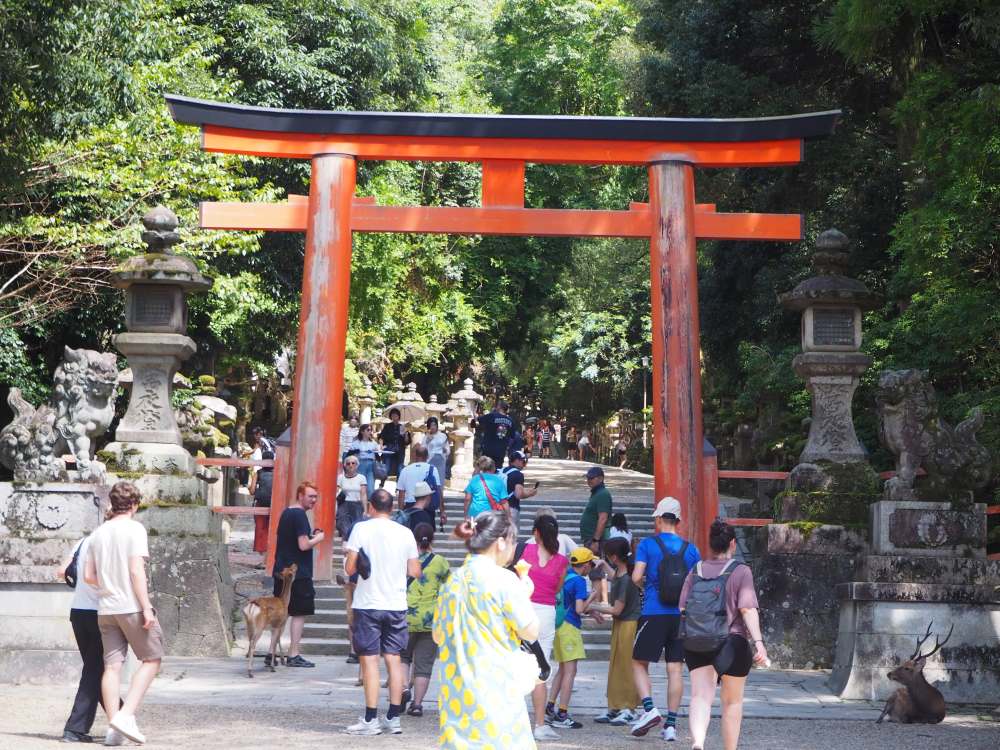
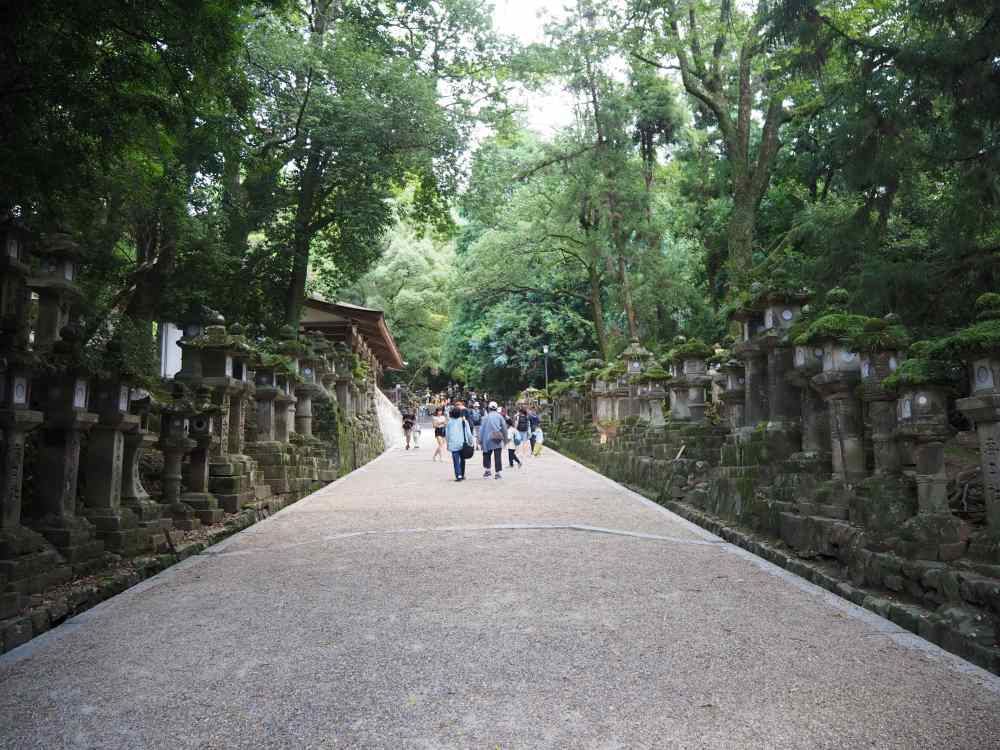
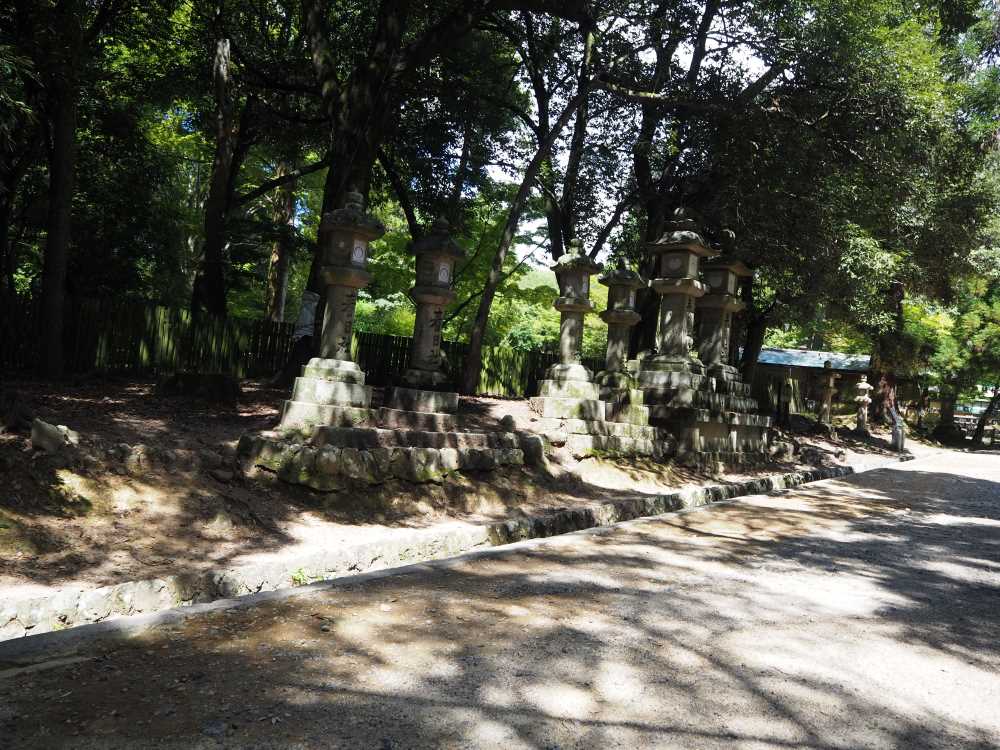
The shrine grounds are vast and offer much to explore. When you arrive at the First Torii Gate, you begin a scenic walk along a 1-kilometer path lined with over 2,000 stone lanterns. These lanterns are a distinctive feature of the shrine and are lit twice a year during the Lantern Festivals in February and August, creating a breathtaking view.
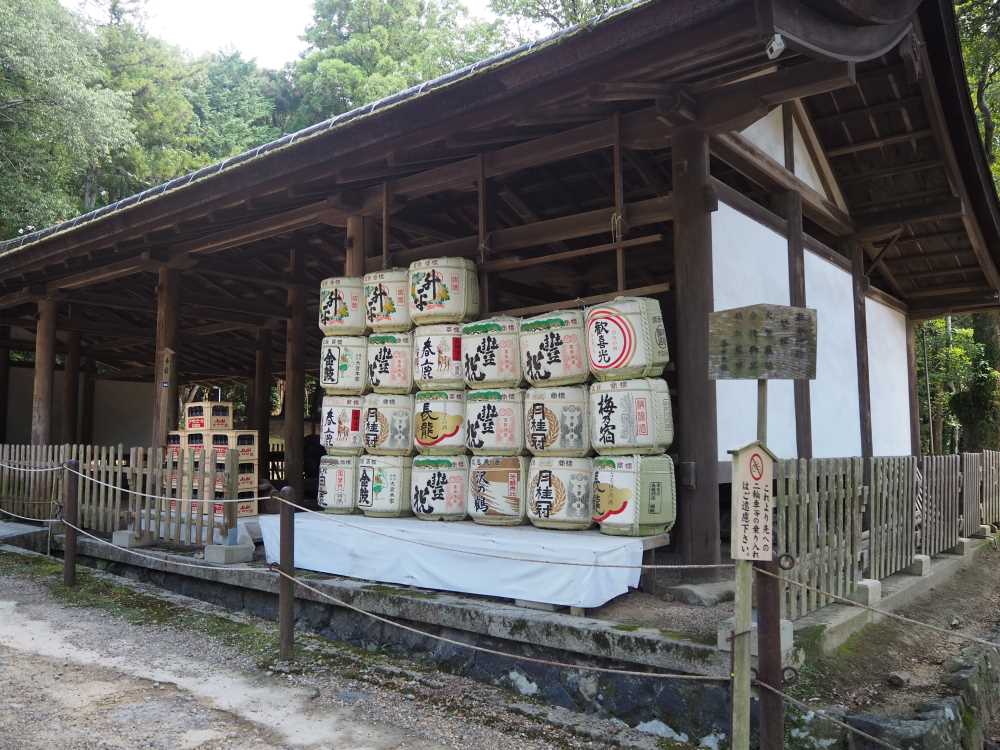
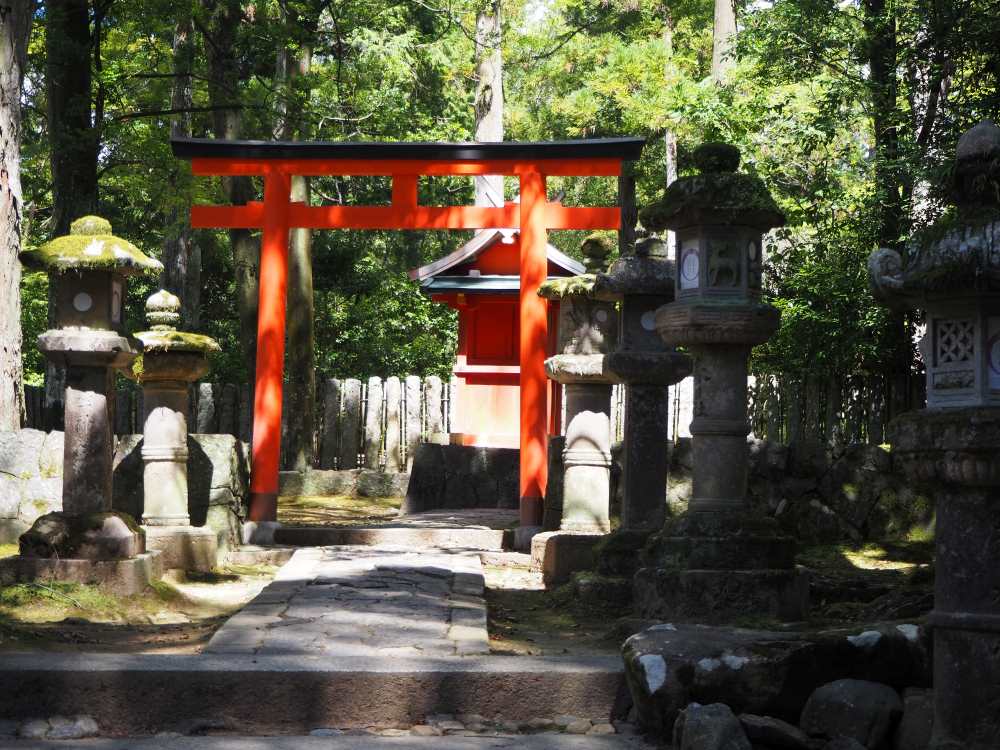
After passing through the Second Torii Gate, it’s just a short walk to the South Gate, which marks the entrance to the main sanctuary. The bright red color of the gate and buildings is a hallmark of Kasuga Taisha’s architecture, standing out against the natural backdrop of greenery and ancient trees.
World Heritage Status
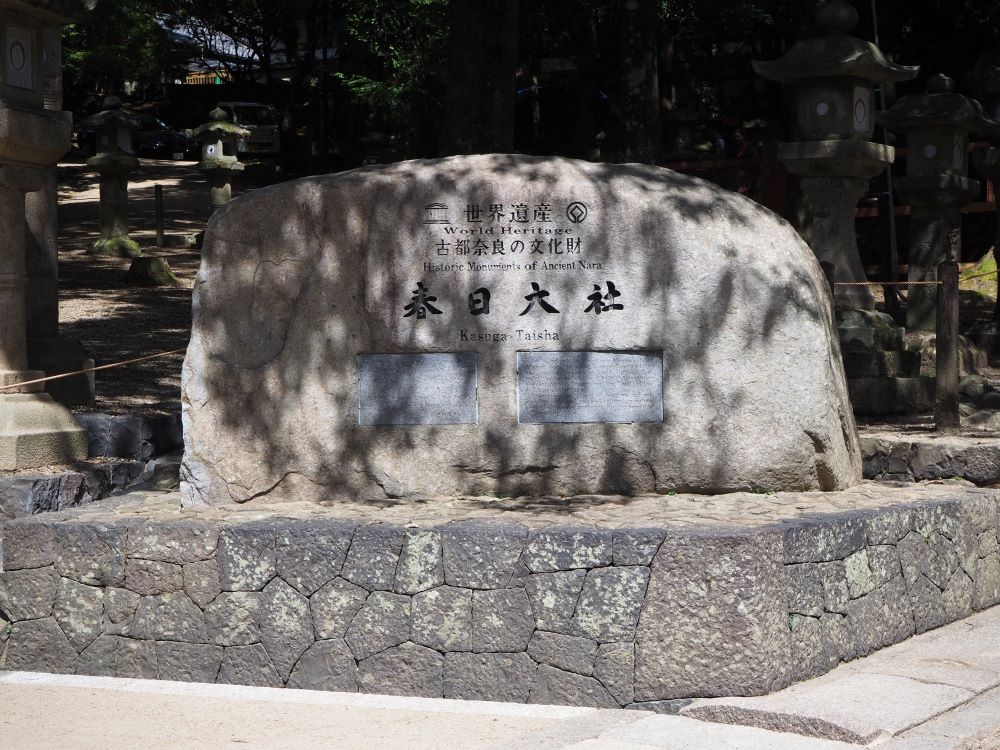
Kasuga Taisha was designated a UNESCO World Heritage Site in 1998 as part of the Historic Monuments of Ancient Nara. This recognition solidifies its importance as a cultural and historical landmark, not only for Japan but for the world. The shrine, along with its surrounding forest, serves as a testament to Japan’s reverence for nature and its ancient religious traditions.
Visiting Kasuga Taisha
Kasuga Taisha is a must-visit for anyone exploring Nara or interested in Japanese history and culture. The shrine’s tranquil setting, rich history, and close connection to the Fujiwara clan make it a deeply significant site. Whether you’re walking among the sacred deer, admiring the ancient stone lanterns, or taking part in a traditional festival, a visit to Kasuga Taisha offers a unique window into Japan’s past and its spiritual heritage.
Access
- By Train: From JR Nara Station, take a bus to the Kasuga Taisha Honden bus stop (about 10 minutes). It’s a short walk from there.
- By Foot: Kasuga Taisha is about a 20-minute walk from Kintetsu Nara Station, through the scenic Nara Park.
- By Car: Parking is available near the shrine.
Kasuga Taisha’s sacred grounds, ancient traditions, and stunning surroundings make it a perfect destination for both history enthusiasts and those seeking peace in nature. Don’t forget to explore the Kasugayama Primeval Forest nearby, another World Heritage Site that has remained untouched for over 1,000 years.
Planning a shrine visit? If you’re unsure how to bow, clap, or make an offering once you’re at the shrine, read our step-by-step guide on how to pray at a Japanese shrine, explained by a Shinto priest at Yushima Tenjin in Tokyo.
Share