
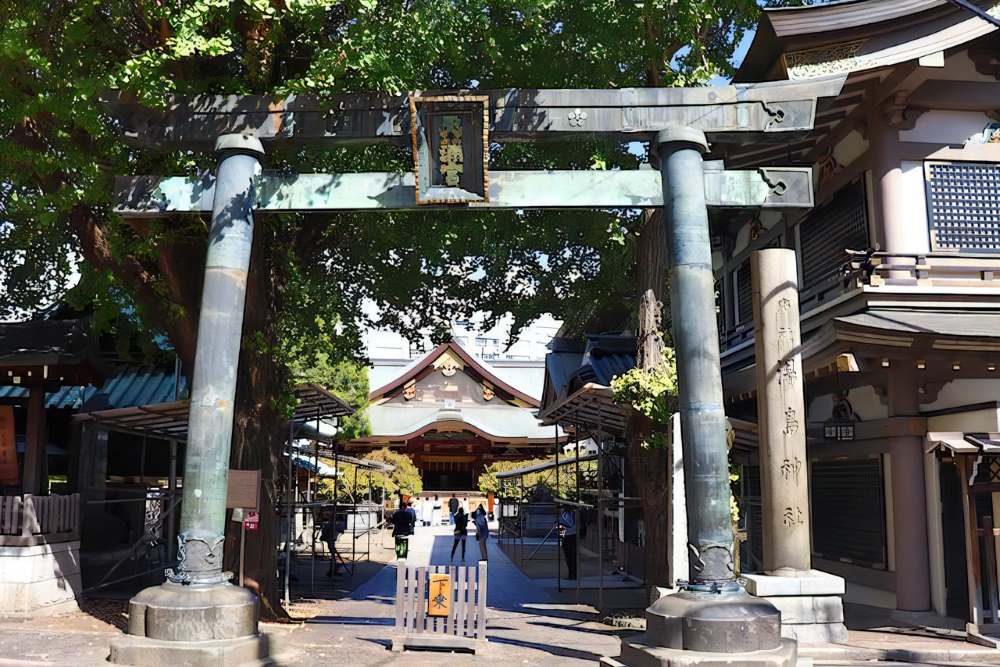
Yushima Tenmangu (Yushima Tenjin) is a Shinto shrine in Bunkyo Ward, Tokyo, that enshrines Sugawara no Michizane, the god of learning. Tradition dates its founding to 458 AD, and Michizane has been enshrined here since 1355. The shrine is a 2-minute walk from Yushima Station. About 300 plum trees grow in its grounds, and a plum festival is held there from early February to early March each year.
| Location | 3-30-1 Yushima, Bunkyo-ku, Tokyo 113-0034 |
|---|---|
| Nearest station | Yushima Station (Tokyo Metro Chiyoda Line), Exit 3, 2-minute walk |
| Gate hours | 6:00 AM to 8:00 PM |
| Founded | 458 AD by tradition. Sugawara no Michizane enshrined in 1355 |
| Enshrined deities | Ame-no-Tajikarao-no-Mikoto and Sugawara no Michizane |
| Known for | Exam prayers, about 300 plum trees, plum festival from early February to early March |
| Official site | yushimatenjin.or.jp |
Checked in October 2026 against yushimatenjin.or.jp, city.bunkyo.lg.jp.
Brief History
Yushima Tenmangu’s origins date back to 458 AD during the reign of Emperor Yuryaku. It was established by imperial decree to enshrine Ame-no-Tajikarao-no-Mikoto, a powerful deity. In 1355, during the Nanboku-chō period, the shrine also began to venerate Sugawara no Michizane, a revered scholar and poet, at the request of local residents. Sugawara no Michizane is famously known as the god of learning, earning the shrine the nickname Yushima Tenjin.
The Shrine’s Significance
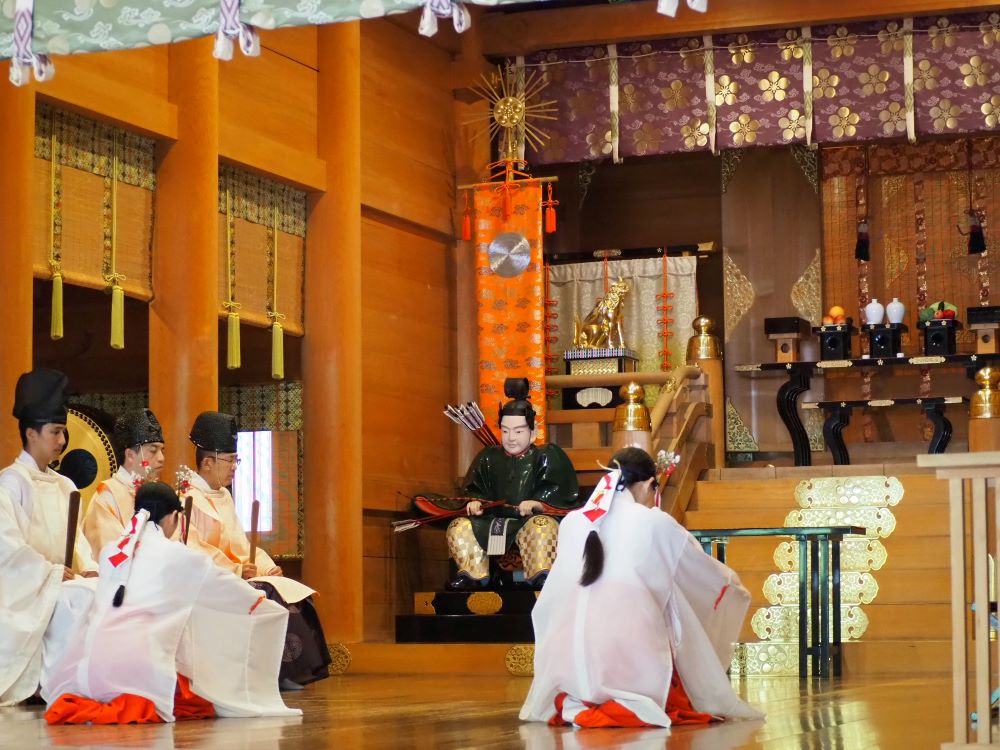
Yushima Tenmangu (Tenjin) is not only a place of worship but also a symbol of academic success. Students from all over Japan visit the shrine to pray for success in their studies and exams. The shrine’s reputation as a haven for scholars dates back to the Edo period when it was frequented by academics and literary figures.
The shrine grounds feature a variety of interesting sites, including a bronze torii gate and the Kien Hyojin stone, known for helping find lost children. Tokugawa Ieyasu, the founder of the Tokugawa shogunate, was a significant patron of Yushima Tenmangu, further enhancing its historical importance.
Cultural and Literary Connections
As one of the three great lottery sites of the Edo period, alongside Yanaka Kannoji and Meguro Fudo, Yushima Tenmangu holds a special place in Tokyo’s cultural history. The lotteries, sanctioned by the shogunate, were hugely popular among the common folk. The shrine also features in literary works, notably “Onna Keizu” by Kyoka Izumi. Visitors today can find a monument commemorating this connection and a brush mound (fudezuka) erected in honor of Izumi’s achievements.
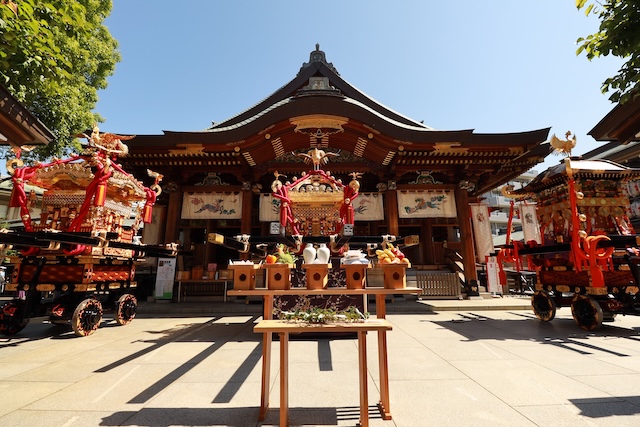
Architectural Beauty
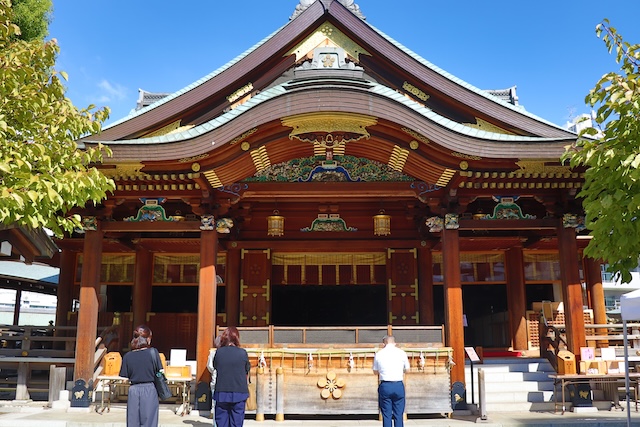
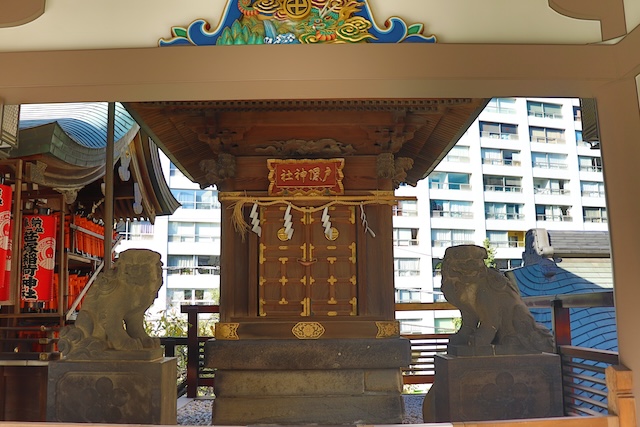
The shrine’s architecture is a splendid example of traditional Japanese construction. The main shrine building (honden) and the worship hall (haiden) are connected by a heiden, forming a distinctive gongen-zukuri style. This structure, made entirely of wood, symbolizes Japan’s ancient “wood culture,” with the use of 250-year-old Kiso cypress.
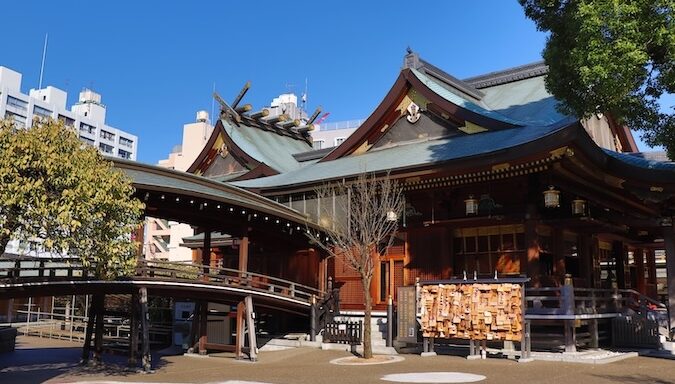
The renowned Plum Blossom Festival!
One of the most celebrated events at Yushima Tenmangu is the Plum Blossom Festival, which runs from February 8 to March 8 (2/8~3/8).
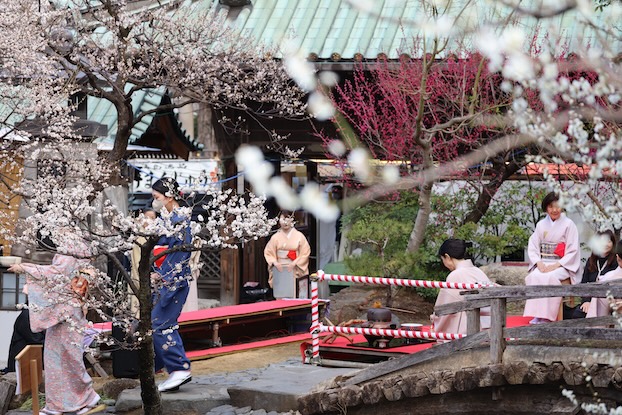
The shrine’s plum trees have been a beloved feature since the Edo period, and today they attract around 450,000 visitors every spring. The festival is a significant cultural event in Tokyo, symbolizing renewal and beauty.
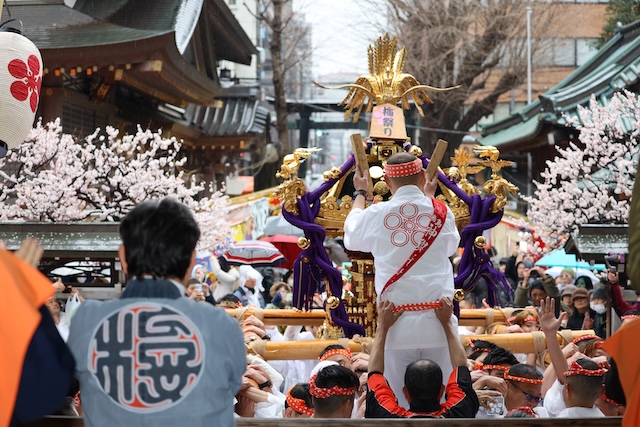
Annual Events and Seasonal Celebrations
In addition to the Plum Blossom Festival, Yushima Tenmangu hosts several other key events:
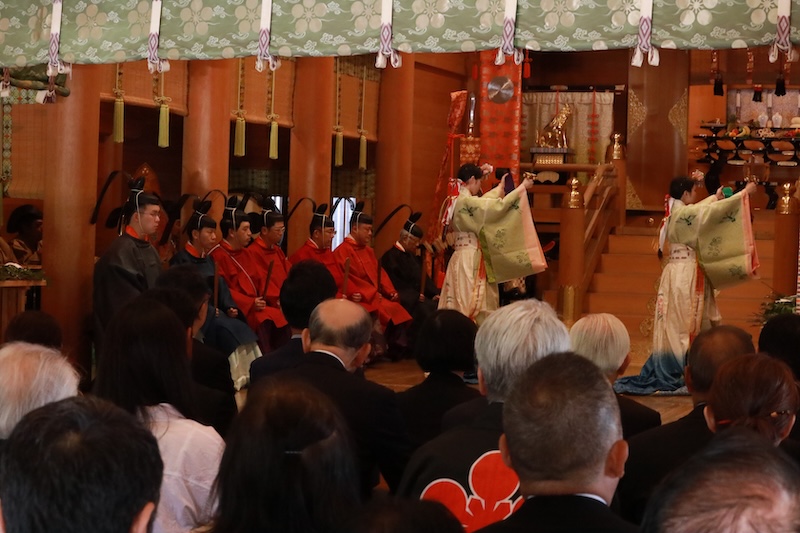
- Reitaisai (Grand Annual Festival):
Held on May 25 and the nearest weekend, this celebration features processions, rituals, and performances that honor Sugawara no Michizane.
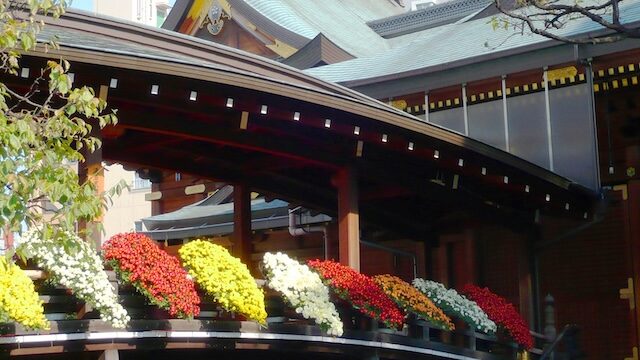
- Chrysanthemum Festival (Kiku Matsuri Festival):
Running from November 1 to 23, this festival showcases the exquisite beauty of Japan’s iconic flower, celebrating both nature and artistry.
.jpg)
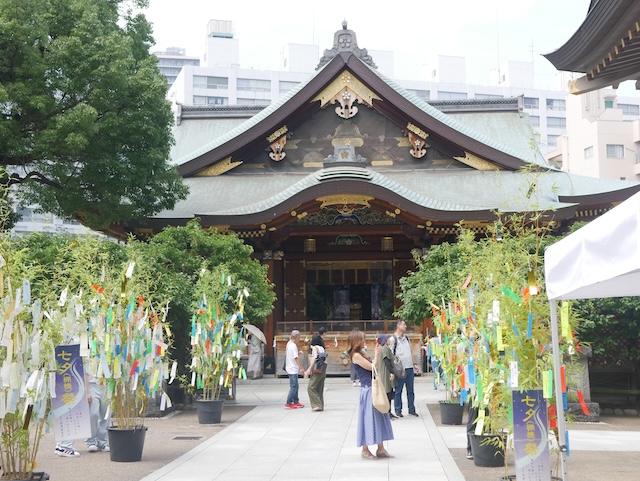
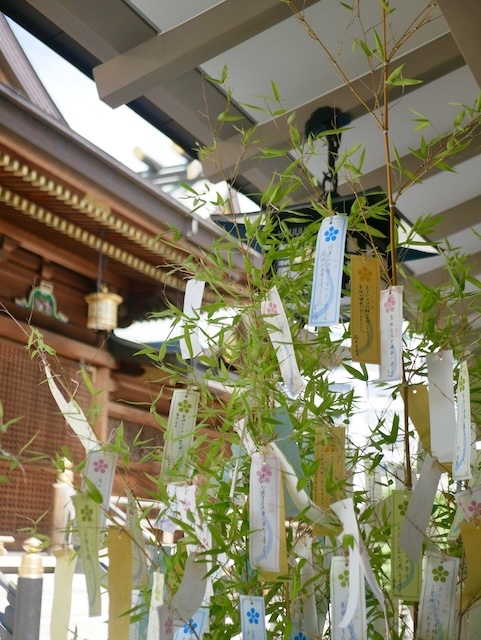
- Tanabata (Star Festival):
Celebrated on July 7, Tanabata commemorates the annual meeting of the deities Orihime and Hikoboshi, represented by the stars Vega and Altair.
According to legend, these lovers are separated by the Milky Way and can only meet once a year. During Tanabata, visitors to Yushima Tenmangu write their wishes on colorful strips of paper called tanzaku and hang them on bamboo branches, adding a vibrant and hopeful atmosphere to the shrine.
Shrine Etiquette and Tips for Yushima Tenmangu
Visitors are welcome to explore Yushima Tenmangu throughout the year, but there are a few customs and regulations to keep in mind:
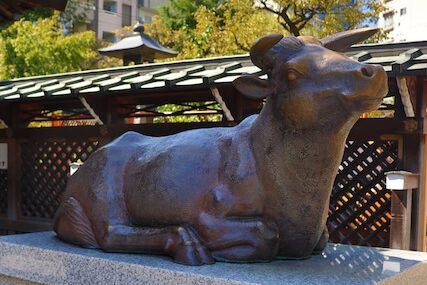
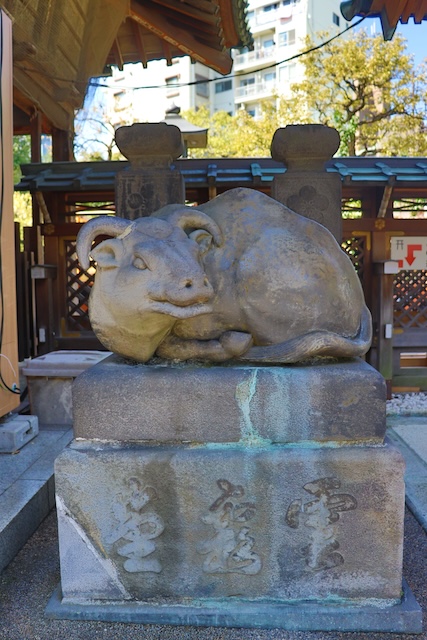
- The shrine is home to two ox statues, and it is believed that if you stroke the same part of the ox as where you have an ailment, you will receive blessings for that area. Many people can be seen stroking the oxen’s heads, a nod to Sugawara no Michizane, who was born in the Year of the Ox.
When visiting, be MINDFUL of SHRINE ETIQUETTE:
- ONLY those who have registered for a prayer ceremony may enter the main hall (honden)
- Note that shoes, bare feet, and food or drinks are NOT allowed inside the main hall.
Additionally, offerings and prayers at the shrine can only be made with cash; credit cards and electronic payments are NOT accepted.
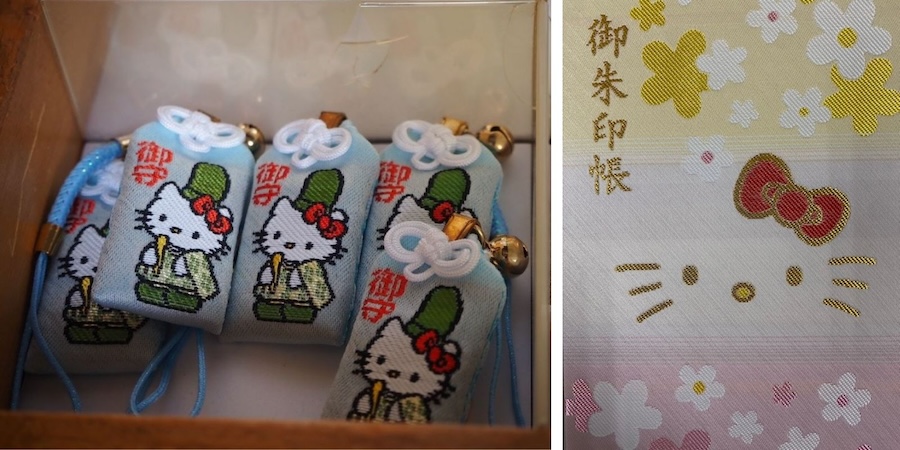
*You can purchase special charms (omamori) that feature a collaboration with the famous Sanrio character, Hello Kitty.
Conclusion
Whether you are seeking academic blessings or just wish to enjoy a peaceful visit in Tokyo, Yushima Tenmangu offers a meaningful and memorable experience for all.
In recent years, many non-Japanese couples have chosen to hold their weddings at Yushima Tenmangu, adding to the shrine’s international appeal. If you’re interested in having a traditional Japanese wedding ceremony at this beautiful and historic shrine, feel free to inquire for more details.
Opening Hours
The shrine gates open from 6:00 AM to 8:00 PM, and amulets and talismans are available at the shrine office until 7:30 PM.
- Treasure Hall: Open from 10:00 AM to 4:30 PM (last admission 4:00 PM), open ONLY on weekends and public holidays.
- Prayer Reception Hours: You can make arrangements for prayers between 9:00 AM and 4:30 PM.
**For those looking to experience the shrine’s deeper cultural aspects, prayer offerings and shrine goods are ONLY purchasable in CASH.
Access
Address: 3-30-1 Yushima, Bunkyo-ku, Tokyo
Transportation:
- Tokyo Metro Chiyoda Line: Yushima Station (2-minute walk)
- Tokyo Metro Ginza Line: Ueno-Hirokoji Station (5-minute walk)
- Tokyo Metro Marunouchi Line: Hongo-sanchome Station (10-minute walk)
- JR Yamanote & Keihin-Tohoku Line: Okachimachi Station (8-minute walk)
- Toei Subway Oedo Line: Ueno-Okachimachi Station (5-minute walk)
You can find more details on the shrine’s official website.
Planning a shrine visit? If you’re unsure how to bow, clap, or make an offering once you’re at the shrine, read our step-by-step guide on how to pray at a Japanese shrine, explained by a Shinto priest at Yushima Tenjin in Tokyo.
Frequently Asked Questions
Are Yushima Tenmangu and Yushima Tenjin the same shrine?
Yushima Tenmangu and Yushima Tenjin are two names for the same shrine in Bunkyo Ward, Tokyo. Yushima Tenmangu is the official shrine name. Yushima Tenjin is a widely used second name, and the shrine’s own website uses both. Tenjin is the name under which the scholar Sugawara no Michizane is worshipped as the god of learning.
How do you pray for exam success at Yushima Tenmangu?
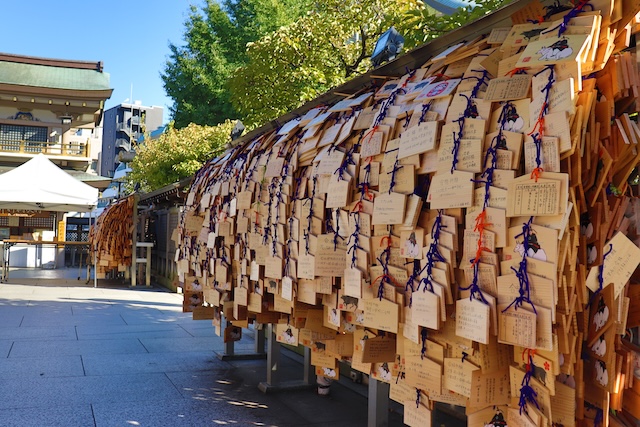
Visitors praying for exam success at Yushima Tenmangu can write a wish on an ema, a wooden plaque that costs 1,000 yen, or request a formal prayer from a priest. The formal prayer is held in the main hall and needs no reservation for individuals. Applications are taken on the day at the prayer reception desk from 9:00 AM to 4:30 PM, and the offering starts at 5,000 yen.
What omamori can you get at Yushima Tenjin?
Omamori at Yushima Tenjin include the Gakugyo Mamori, an academic success charm that costs 1,000 yen, a qualification exam charm at 1,000 yen and a Hello Kitty good fortune charm at 800 yen. The shrine says the Gakugyo Mamori is widely sought after by students preparing for entrance exams. Charms are available every day at the shrine office from 9:00 AM to 7:30 PM.
How many plum trees does Yushima Tenmangu have?
Yushima Tenmangu has about 300 plum trees, mainly white plum, according to Bunkyo City. The trees are the setting for the Plum Blossom Festival (Bunkyo Ume Matsuri), held at the shrine every year from early February to early March. The 2026 festival ran from February 8 to March 8.
Share