
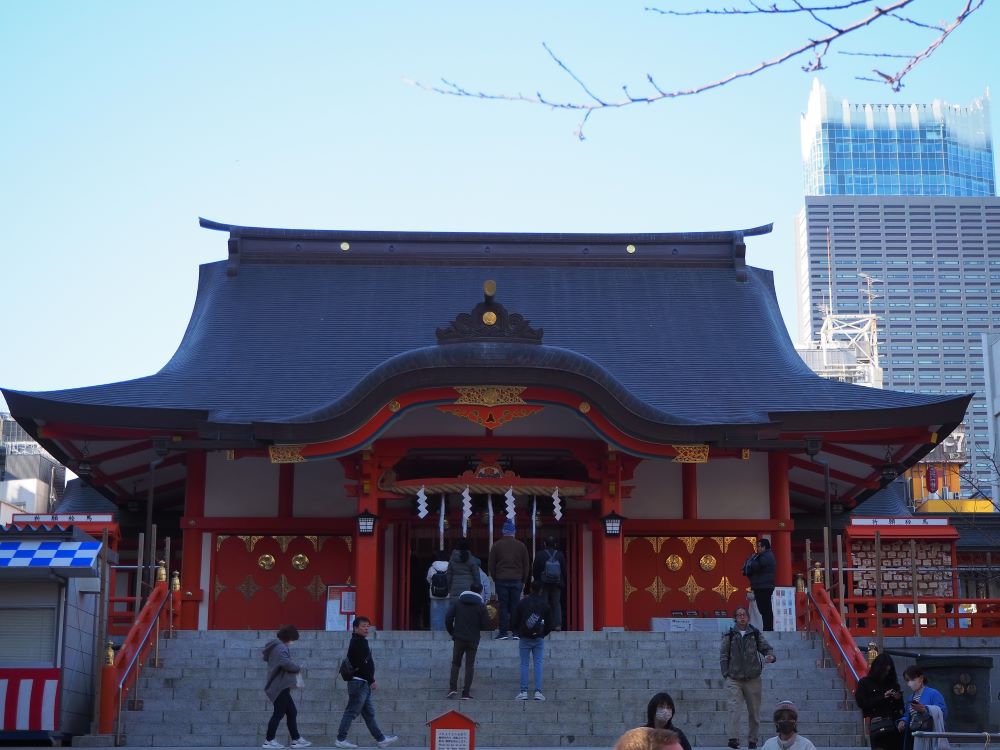
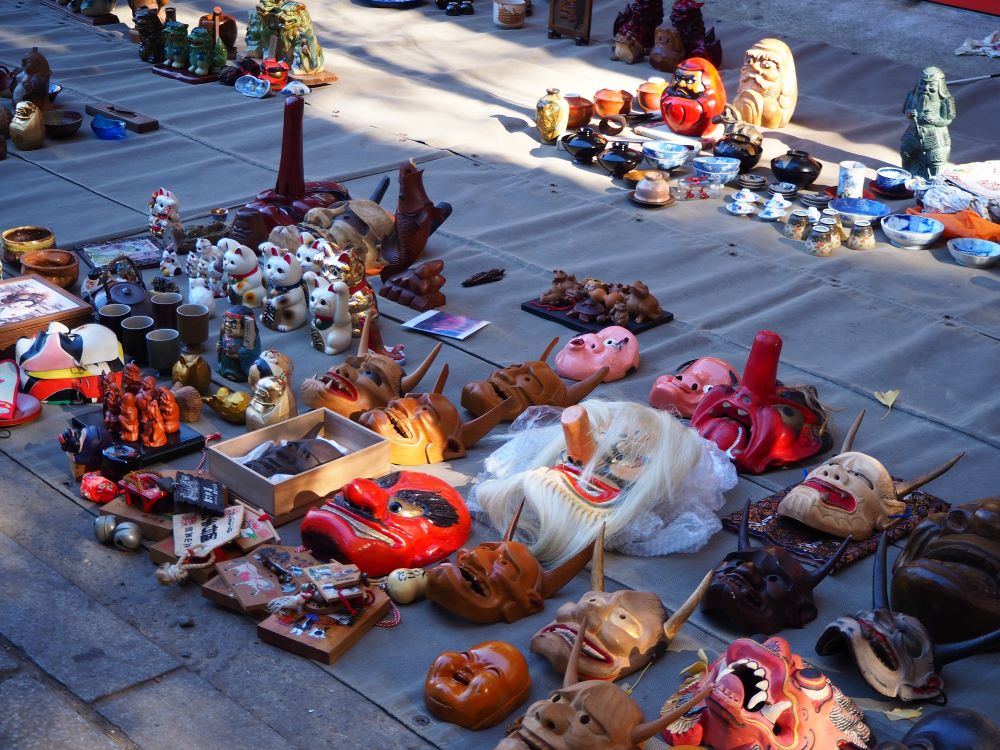
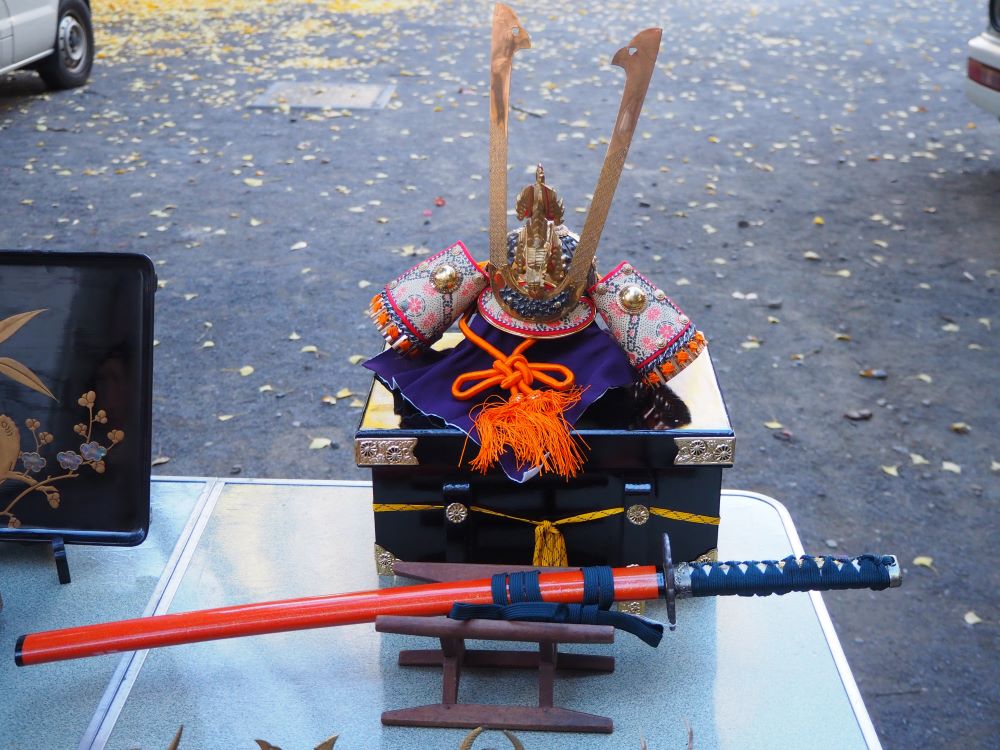
Hanazono Shrine is a Shinto shrine in Shinjuku, Tokyo, that has served as the guardian shrine of Shinjuku since before the Tokugawa shogunate was founded in Edo in 1603. It stands by Exit E2 of Shinjuku Sanchome Station, beside the bars of Golden Gai. The shrine is known for its Tori-no-Ichi festival in November and for an open-air antique market held on Sundays.
| Location | 5-17-3 Shinjuku, Shinjuku-ku, Tokyo 160-0022 |
|---|---|
| Nearest station | Shinjuku Sanchome Station, Exit E2. Shinjuku Station East Exit is a 7-minute walk. |
| Founded | Before 1603 (by tradition before 1590). Moved to its present site between 1624 and 1644. |
| Shrine office hours | 9:00 AM to 8:00 PM, in some cases until 6:00 PM |
| Tori-no-Ichi 2026 | November 7 and 19, with eve festivals on November 6 and 18. About 260 stalls. |
| Antique market | Every Sunday, sunrise to sunset. Not held in rain or on shrine event days. |
| Official site | hanazono-jinja.or.jp |
Checked in October 2026 against hanazono-jinja.or.jp.

A Brief History of Hanazono Shrine
Hanazono Shrine dates back to before the Tokugawa shogunate was established in Edo (now Tokyo) in 1603. The shrine originally stood about 250 meters south of its current location, near what is now the Isetan department store. It was relocated during the Edo period when the land was restructured to accommodate samurai estates.
The shrine’s name, “Hanazono,” meaning “flower garden,” is said to come from its move onto the site of a blooming garden. Over the centuries, the shrine has been rebuilt multiple times due to fires, with its current buildings dating from post-war reconstruction.
During the Meiji period, the shrine underwent changes as part of the government’s policy of separating Shinto and Buddhism. Previously, Hanazono Shrine had been combined with a Buddhist temple called Sankōin, but in 1868, the two were separated.
Key Features of Hanazono Shrine
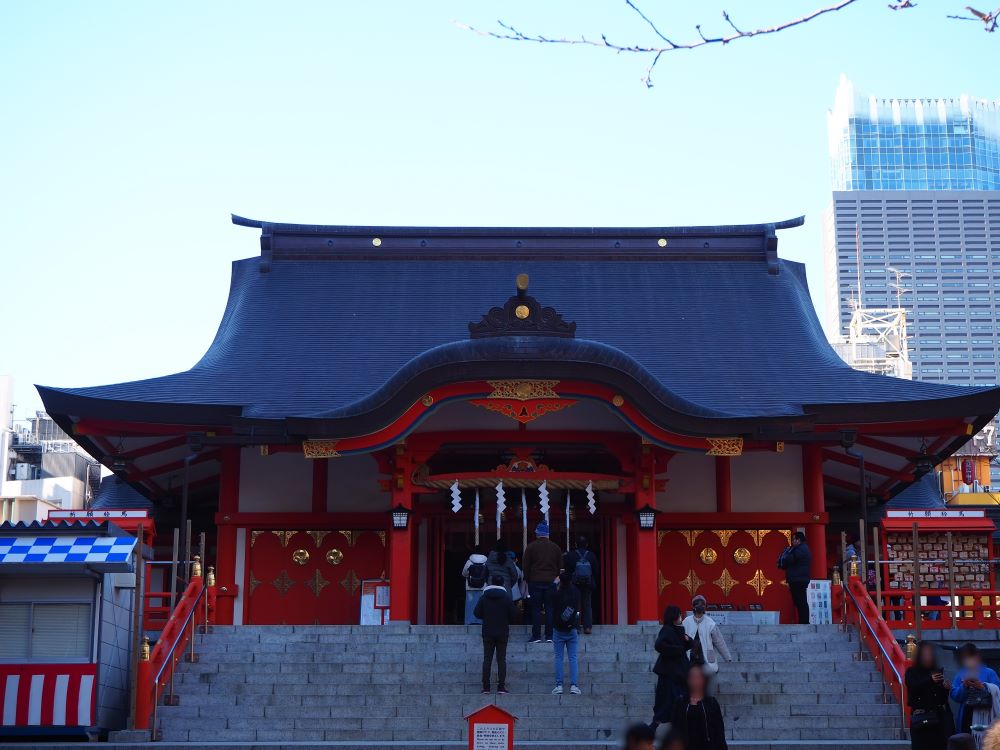
1. The Main Shrine (Haiden)
The main shrine building is a striking red structure surrounded by a peaceful courtyard. Hanazono Shrine enshrines three deities:
- Ukanomitama-no-Kami: The god of agriculture, food, and prosperity.
- Yamato Takeru-no-Mikoto: A legendary prince and warrior from Japanese mythology.
- Ukemochi-no-Kami: The goddess of food and sustenance.
These deities are believed to bring blessings for success, wealth, and good fortune, attracting worshippers from all walks of life.
2. Treasury Hall (Hōmotsuden)
Located to the left of the main hall, this beautiful building in red and gold houses two mikoshi (portable shrines) used in festivals, as well as lion masks used for ceremonies.
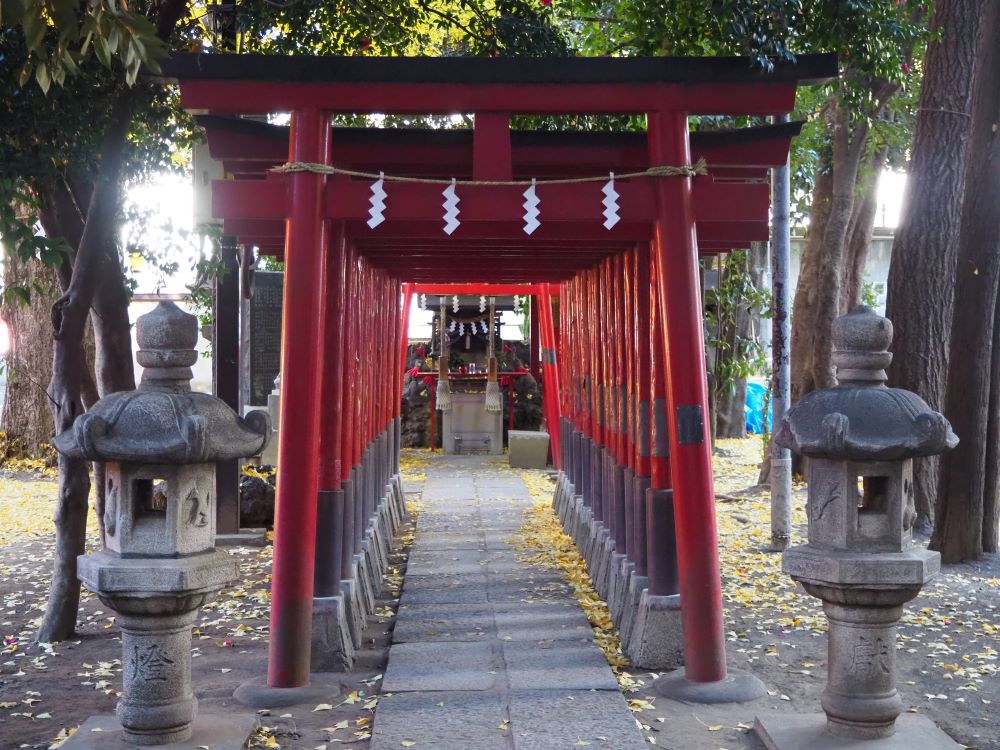
3. Itoku Inari Shrine
Behind a series of vivid red torii gates lies Itoku Inari Shrine, a smaller shrine dedicated to relationships and harmony. Popular among young women, this shrine is known for its blessings of love, marriage, and family. The atmospheric torii gates make for a stunning photo spot.
Festivals and Events
Hanazono Shrine hosts various events throughout the year, including the vibrant Tori-no-Ichi Festival held in November. This event attracts crowds seeking decorative bamboo rakes (kumade) to bring them good luck and prosperity for the coming year.
The shrine also celebrates traditional Japanese festivals, offering visitors a chance to experience local culture firsthand.
Exploring Shinjuku’s Hidden Gem
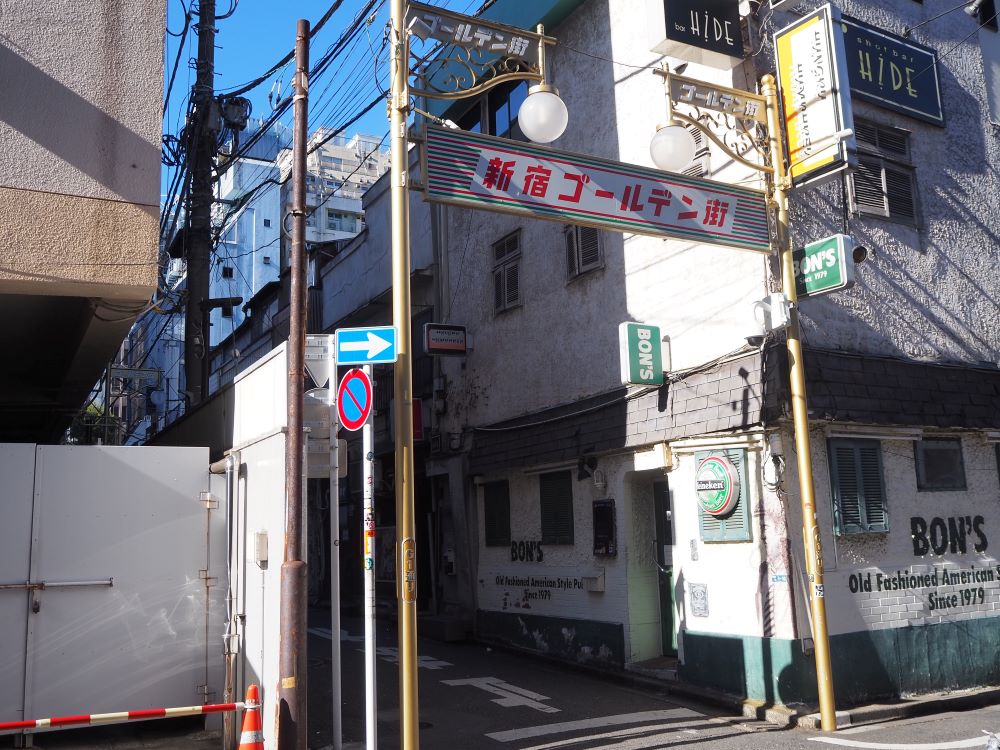
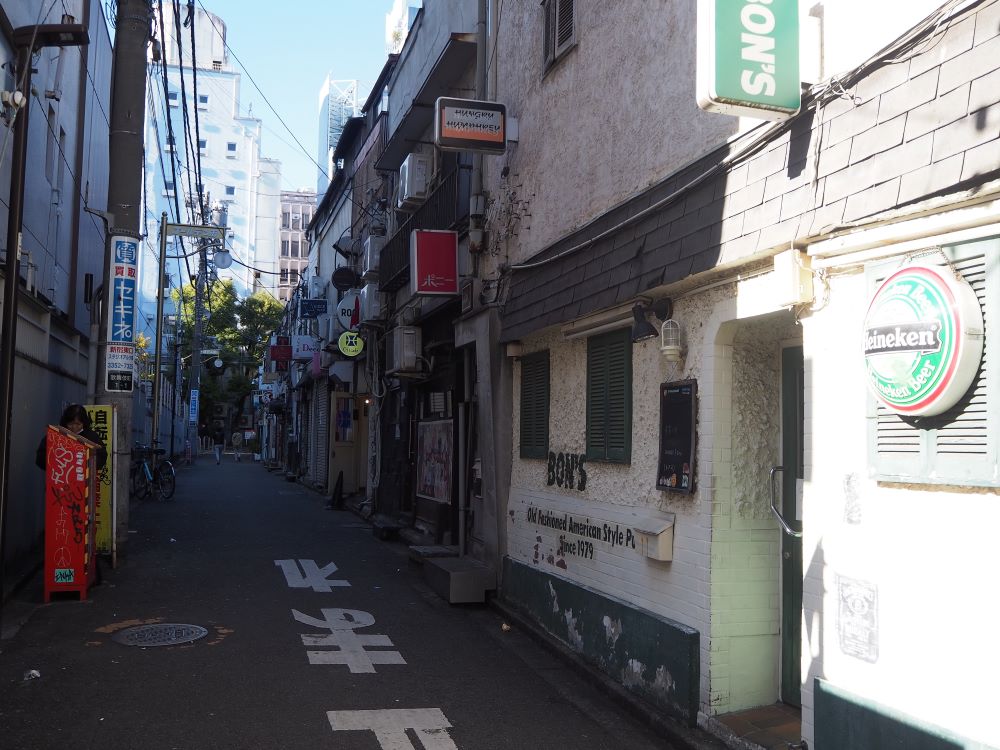
After visiting Hanazono Shrine, take a stroll to nearby Golden Gai, a charming area filled with narrow alleyways and tiny bars, each offering its own unique atmosphere. This is a great spot to experience Shinjuku’s vibrant nightlife.
How to Get There
Hanazono Shrine is conveniently located in central Shinjuku:
By Train:
- Shinjuku Sanchome Station (Tokyo Metro Marunouchi, Fukutoshin Lines, Toei Shinjuku Line): Exit E2, right next to the shrine.
- Shinjuku Station (JR, Odakyu, Keio Lines): East Exit, a 7-minute walk.
By Car:
- From the Shinjuku Exit of the Shuto Expressway, it’s about a 5-minute drive.
By Bus:
- Shinjuku Sanchome Stop (Toei Bus 品97, bound for Shinjuku Station West Exit) or Shinjuku Isetan-mae Stop (Toei Bus 早77, bound for Waseda): 3-minute walk.
Conclusion
Hanazono Shrine is a peaceful sanctuary amid the vibrant energy of Shinjuku. Whether you come to pray for success, admire its beautiful architecture, or simply enjoy the tranquil atmosphere, the shrine offers a unique glimpse into Japan’s spiritual traditions. With its convenient location and fascinating history, Hanazono Shrine is a perfect addition to your Tokyo itinerary.
Planning a shrine visit? If you’re unsure how to bow, clap, or make an offering once you’re at the shrine, read our step-by-step guide on how to pray at a Japanese shrine, explained by a Shinto priest at Yushima Tenjin in Tokyo.
Frequently Asked Questions
What does Hanazono mean?
Hanazono (花園) means “flower garden” in Japanese. Hanazono Shrine is said to take its name from the garden of an Owari domain residence, where many flowers bloomed. The name first appears in historical records in 1803, on a plaque dedicated to the shrine after a major fire.
When is Tori-no-Ichi at Hanazono Shrine in 2026?
Tori-no-Ichi at Hanazono Shrine in 2026 is held on November 7 and November 19, with eve festivals on November 6 and November 18. Stalls open from about 3:00 PM on the eve days and from about noon on the main days, and run until midnight. The shrine lists about 260 stalls and may restrict entry after 6:00 PM when crowded.
When is the antique market at Hanazono Shrine held?
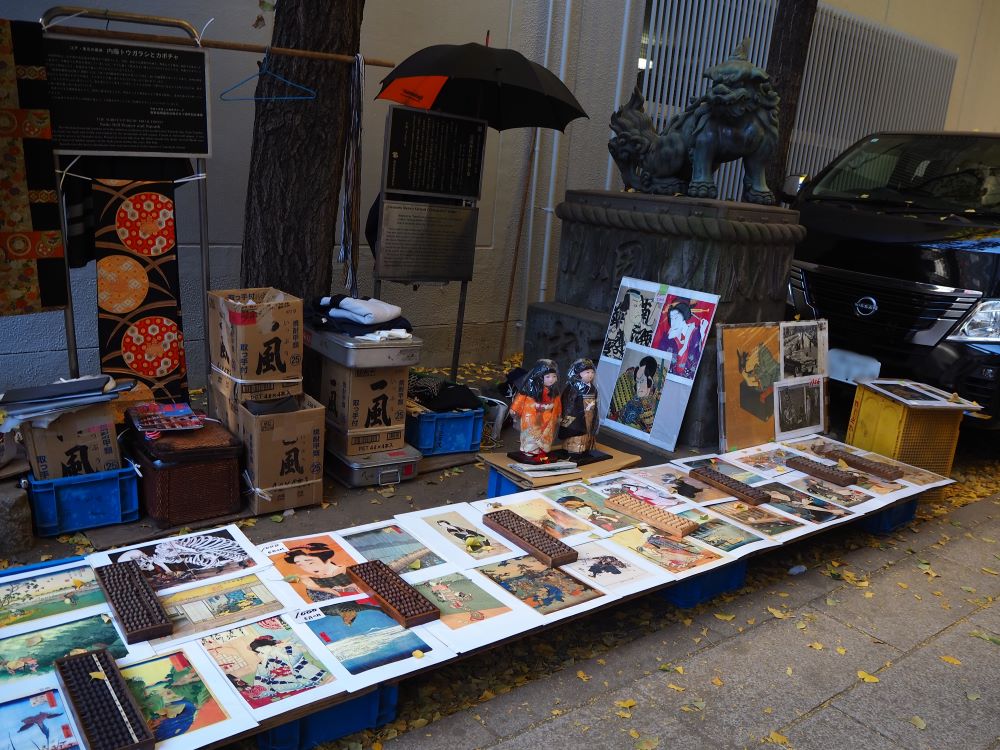
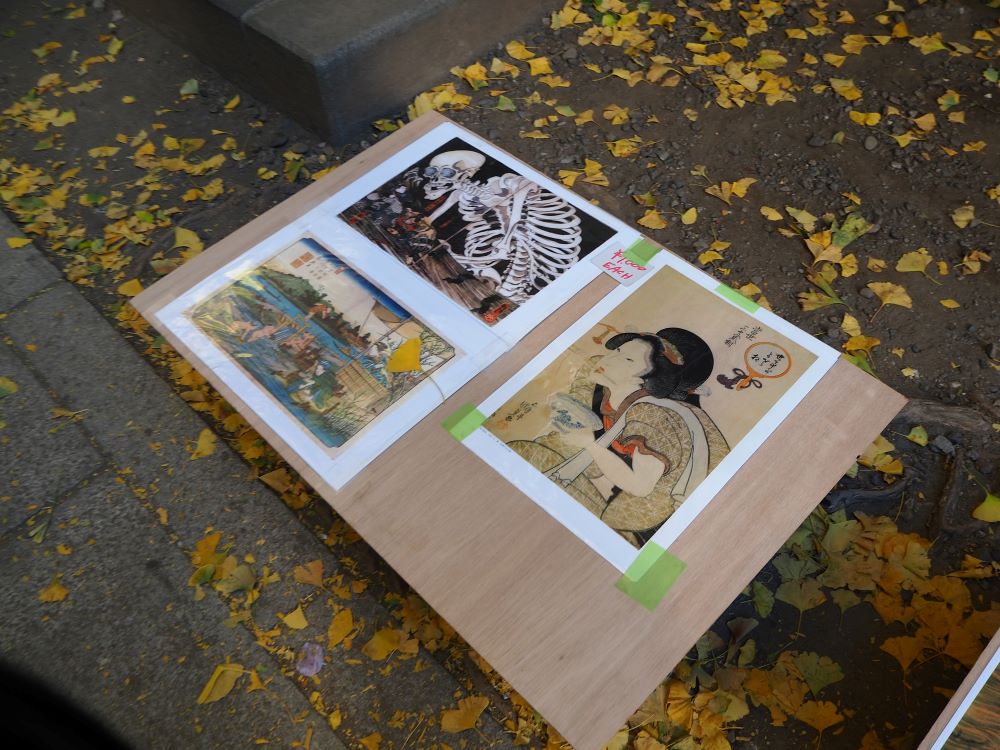
The antique market at Hanazono Shrine is held in the shrine grounds every Sunday, from sunrise to sunset. The market is not held in rain or on days when the shrine has its own events. Stalls sell items such as ukiyo-e woodblock prints, masks and ceramics.
Was Hanazono Shrine once an Inari shrine?
Hanazono Shrine was known as an Inari shrine in the Edo period, and its official name was Hanazono Inari Shrine from 1916 to 1965. The shrine is said to have been brought from Mount Yoshino in Yamato before 1590. In 1965 the subsidiary Otori Shrine was merged into the main shrine, and Hanazono Shrine became the official name.
Share