
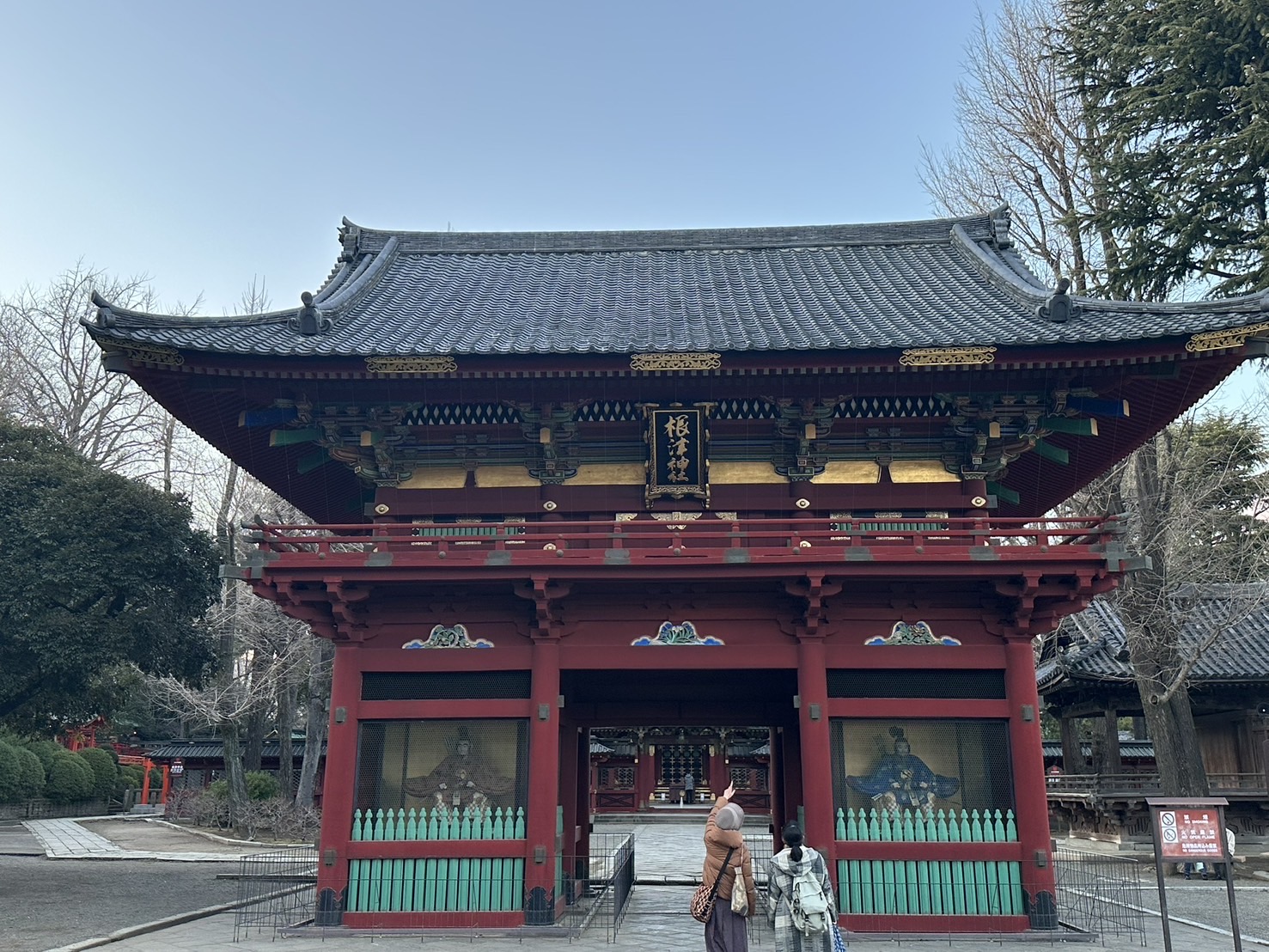
Nezu Shrine is a Shinto shrine in Nezu, Bunkyo Ward, Tokyo, whose seven surviving structures from 1706 are Important Cultural Properties of Japan. The fifth shogun, Tokugawa Tsunayoshi, built the present complex in the gongen-zukuri style. The grounds also hold a path of donated red torii gates and a hillside garden of about 3,000 azaleas in 100 varieties, open only during the April azalea festival.
| Location | 1-28-9 Nezu, Bunkyo Ward, Tokyo 113-0031 |
|---|---|
| Nearest stations | Nezu and Sendagi (Tokyo Metro Chiyoda Line), Todaimae (Namboku Line), each a 5-minute walk |
| Hours | Karamon gate opens between 5:00 AM and 6:00 AM, closes 5:00 PM to 6:00 PM, by month |
| Admission | Free for the shrine grounds. Azalea garden in April: 500 to 1,000 yen donation (2026) |
| Founded | By tradition over 1,900 years ago. Present buildings completed in 1706. |
| Known for | Seven Important Cultural Property structures, torii gate path, April azalea festival |
| Official site | nedujinja.or.jp |
Checked in October 2026 against nedujinja.or.jp.
Tokyo, a city synonymous with flashing neon and a relentless pace, often hides its quieter, more reflective side. Nezu Shrine offers a peaceful sanctuary, revealing a different, timeless facet of the metropolis.
This isn’t just a quick photo stop; it’s a place to slow down, breathe, and connect with Japan’s rich history and spiritual heart.
If your Tokyo itinerary includes a stroll through Ueno Park or exploring the retro charm of Yanaka Ginza, Nezu Shrine is a perfect, unmissable addition. In fact, its proximity makes it an ideal spot to unwind after soaking up the nearby sights.
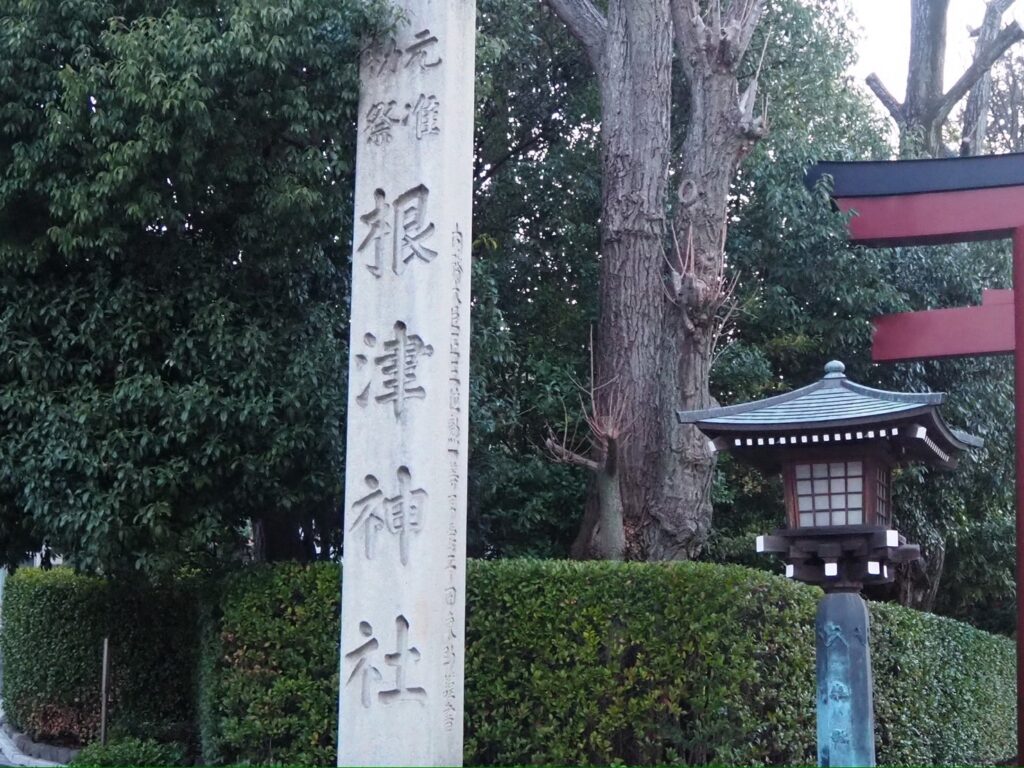
A Living Echo of Edo-Era Grandeur
Stepping into Nezu Shrine feels like traveling back in time.
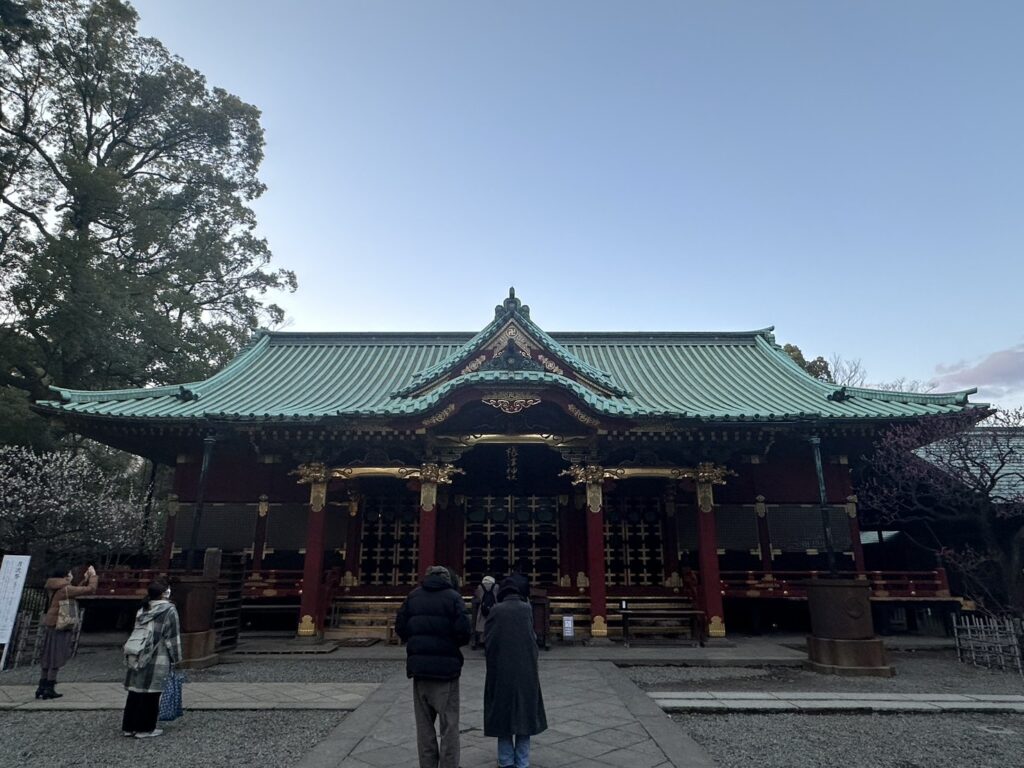
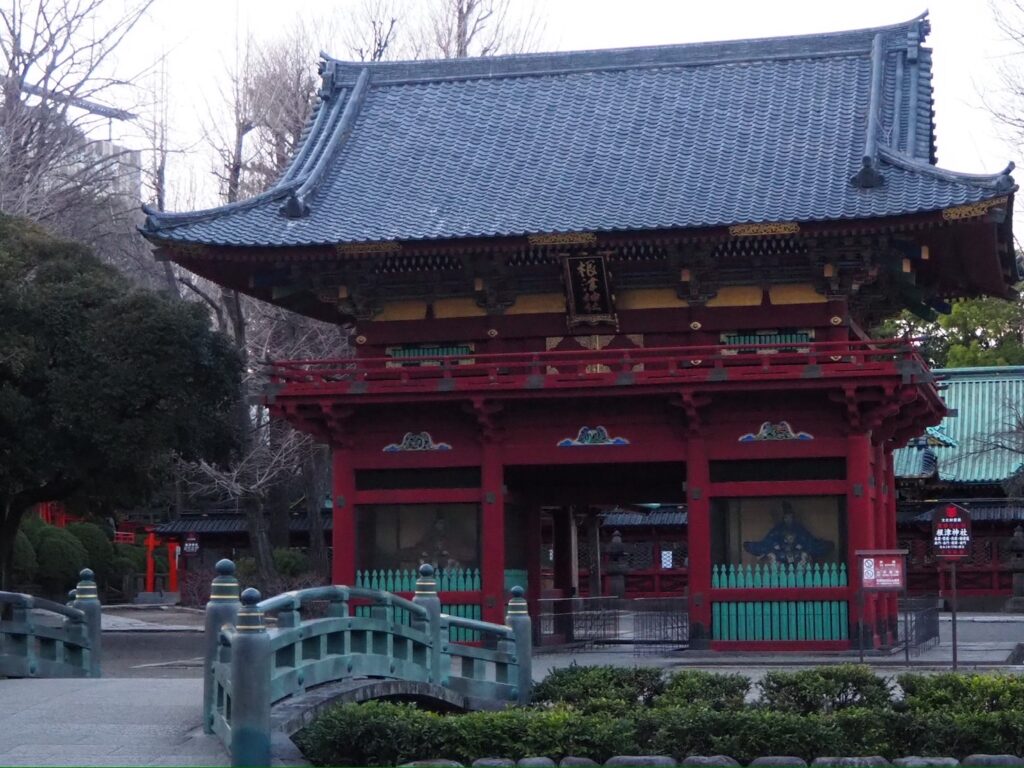
Indeed, as one of Tokyo’s oldest and most revered shrines, its current buildings date back to 1706. However, what makes this truly remarkable is that, unlike many other historical sites in the city, Nezu Shrine has never been rebuilt since its Edo-period reconstruction.
This means the stunning main hall, ornate gate, and other structures stand exactly as they were over 300 years ago, earning them the distinction of Important Cultural Properties of Japan.
The architectural style, known as gongen-zukuri, is a visual feast, beautifully blending Shinto and Buddhist design elements.
Look closely and you’ll be captivated by the vibrant vermilion paint, intricate gold trim, and the delicate carvings of mythical creatures and ancient legends.
Every detail whispers stories of a bygone era. Take your time to appreciate the craftsmanship. It’s a rare glimpse into Japan’s past preserved perfectly in the present.
Part of the Prestigious Tokyo Ten Shrines
Nezu Shrine is more than just a beautiful building; it’s a significant spiritual landmark.
It’s dedicated to several important deities, including Susanoo-no-Mikoto, the powerful god of storms and the sea, as well as Ōkuninushi, the god of love and good fortune, and Sugawara no Michizane, the god of learning.
This diverse pantheon attracts worshippers seeking blessings for everything from romance and safety to health and success. Even if you’re not on a spiritual pilgrimage, the shrine’s tranquil atmosphere is palpable, offering a moment of quiet contemplation.
Crucially, Nezu Shrine holds a special place as one of the Tokyo Ten Shrines (東京十社). These ten historically significant shrines were chosen to protect the city and its people, each dedicated to a specific guardian deity.
Being part of this elite group underscores Nezu Shrine’s deep historical roots and ongoing importance to Tokyo’s spiritual landscape, adding another layer of intrigue to your visit.
Iconic Sights: The Torii Tunnel and Azalea Wonderland
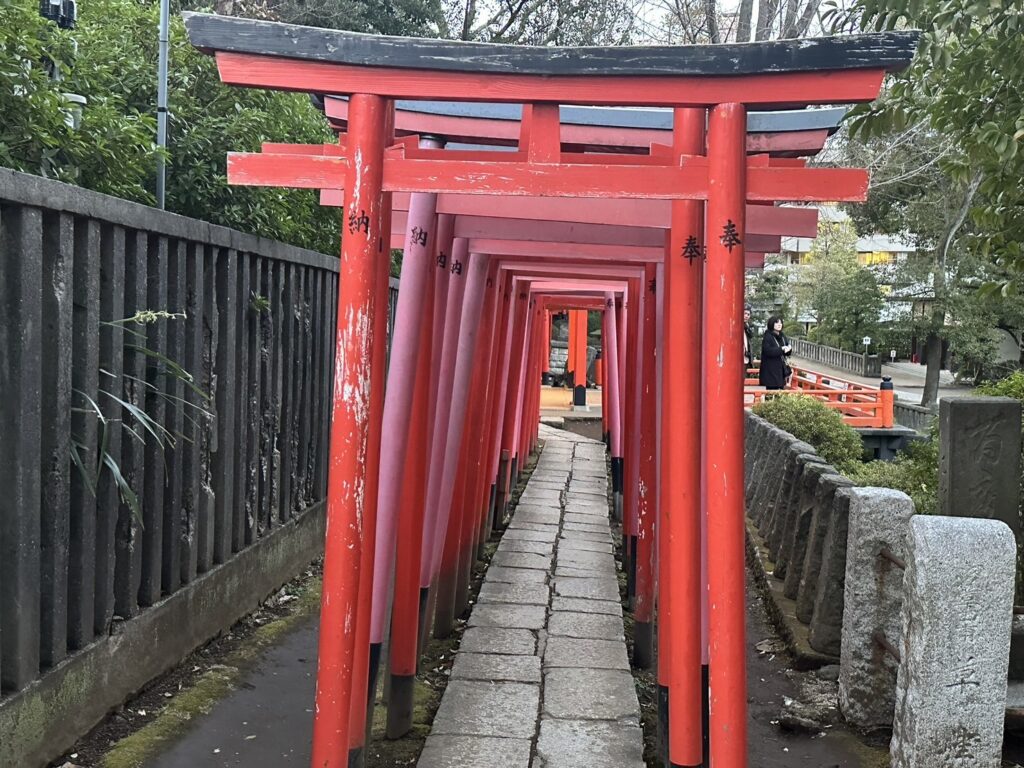
Prepare your camera! One of Nezu Shrine’s most enchanting features is the winding path lined with a thousand vibrant red torii gates.
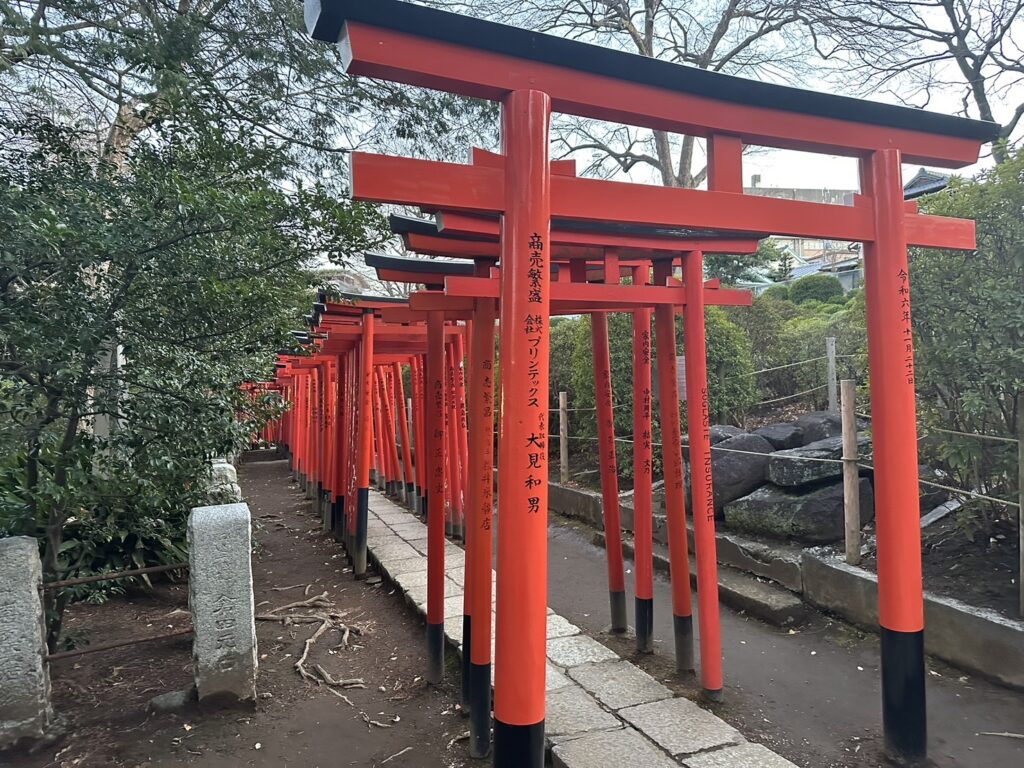
While perhaps not as sprawling as Kyoto’s Fushimi Inari, this “mini” torii tunnel offers a uniquely intimate and serene experience.
In the late afternoon, as sunlight filters through the surrounding trees, the effect is truly magical and wonderfully peaceful.
However, the shrine truly transforms in April, when its famed Tsutsuji Matsuri (Azalea Festival) takes center stage. About 3,000 azalea bushes burst into a spectacular riot of color, painting the hillside in shades of pink, red, purple, and white. This festival is a beloved local tradition, featuring charming food stalls, traditional crafts, and live performances. Despite its popularity, the Tsutsuji Festival retains an authentic, uncrowded feel, offering a genuine taste of Japanese spring celebrations.
For specific details on the upcoming festival, check the azalea festival page on the official Nezu Shrine website.
Why Nezu Shrine Deserves a Spot on Your Itinerary
Nezu Shrine isn’t about grand spectacles or bustling crowds.
Its appeal lies in its quiet charm, ancient architecture, and palpable sense of history. It offers a much-needed counterpoint to Tokyo’s frenetic energy.
Here, you can sit on a shaded bench, perhaps with a cold canned coffee from a nearby vending machine, and simply let the city’s fast pace melt away. It’s a reminder that sometimes, the most profound experiences come not from speed, but from stillness, if you know where to look.
Getting There is Easy:
Nezu Shrine is conveniently located for an effortless visit:
- Nezu Station (Tokyo Metro Chiyoda Line): A leisurely 5-minute walk.
- Sendagi Station (Tokyo Metro Chiyoda Line): Approximately a 5-minute walk.
- Ueno Park: Just a pleasant 15 to 20 minute stroll away.
- Yanaka Ginza: A very short walk from the shrine, perfect for exploring afterward.
Admission to the shrine grounds is free, and the shrine is open daily. The azalea garden asks for an entry donation during the April festival. For the most tranquil experience, consider visiting on a weekday morning or late afternoon.
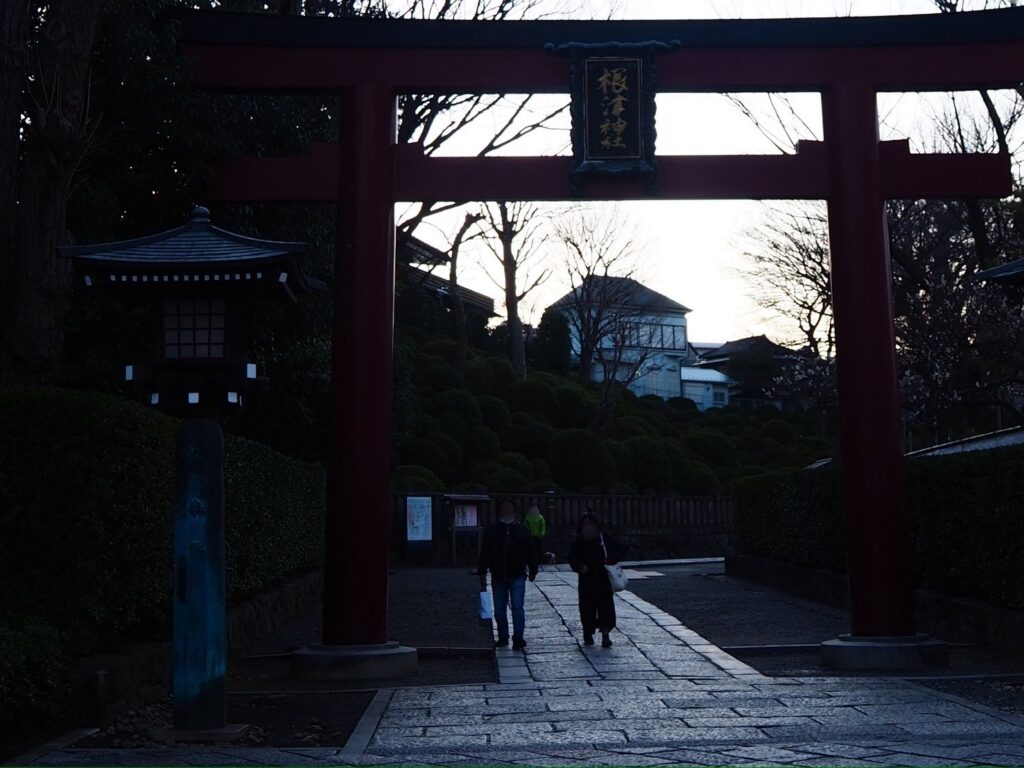
Planning a shrine visit? If you’re unsure how to bow, clap, or make an offering once you’re at the shrine, read our step-by-step guide on how to pray at a Japanese shrine, explained by a Shinto priest at Yushima Tenjin in Tokyo.
Frequently Asked Questions
What are the opening hours of Nezu Shrine?
Nezu Shrine opens its Karamon gate between 5:00 AM and 6:00 AM and closes it between 5:00 PM and 6:00 PM, by month. From June to August the gate is open from 5:00 AM to 6:00 PM, and in November, December and January from 6:00 AM to 5:00 PM. January 1 has longer hours. The amulet office opens at 9:30 AM, or 9:00 AM on Sundays and national holidays.
When is the Nezu Shrine Azalea Festival and what does it cost?
The Tsutsuji Matsuri (Azalea Festival) at Nezu Shrine is held in April each year. The 55th festival ran from April 1 to April 30, 2026. The azalea garden opened from 9:00 AM to 5:30 PM and asked for an entry donation of 500 to 1,000 yen, depending on the bloom. Children aged 12 and under entered free. The garden is open only during the festival.
Where are the torii gates at Nezu Shrine?
The torii gates at Nezu Shrine line the approach to Otome Inari Shrine, a subsidiary shrine inside the grounds. The shrine’s own guide calls the path Senbon Torii. The gates were donated, and their pillars carry the donors’ names and wishes. Otome Inari is built in a stage style that overlooks the pond.
Can you take photos at Nezu Shrine?
Visitors can take personal souvenir photos at Nezu Shrine without an application, but the shrine sets limits. Photography is not allowed on the stone-paved approach in front of the shrine halls or inside the buildings. Shoots for commercial publication or broadcast require an application.
Share