
The best time to visit Japan to avoid crowds is a weekday outside the main holiday peaks: New Year, Golden Week in late April to early May, and Obon in mid-August. Japan Tourism Agency lodging data for 2025 shows January and June had the lowest room occupancy of any month, at 54.6% and 58.8%, against 66.6% in October.
| Main holiday peaks | New Year, Golden Week (late April to early May) and Obon (mid-August) |
|---|---|
| Golden Week holidays | April 29, May 3, May 4 and May 5, fixed by law each year |
| Silver Week holidays | Vary by year. 2027: September 20 and 23 only (2026 had September 21 to 23) |
| Lowest room occupancy | January: 54.6% of rooms filled in 2025, the lowest of any month |
| Highest room occupancy | October: 66.6% of rooms filled in 2025, the highest of any month |
| Most overnight stays | August: 67.2 million guest nights in 2025 |
Checked in October 2026 against japan.travel, cao.go.jp, mlit.go.jp.
Japan changes its look with every season, and each area has its own vibe. Sometimes, popular spots are packed with people, while other times they’re nearly empty. If you prefer peaceful experiences and want to avoid the crowds, this guide will help. I’ll tell you about the busiest times in Japan, especially during national holidays. Keep in mind, though, that some of the most stunning views are during these crowded times, so consider what’s most important for your trip.
Especially busy time or season
Golden Week (Late April to Early May)
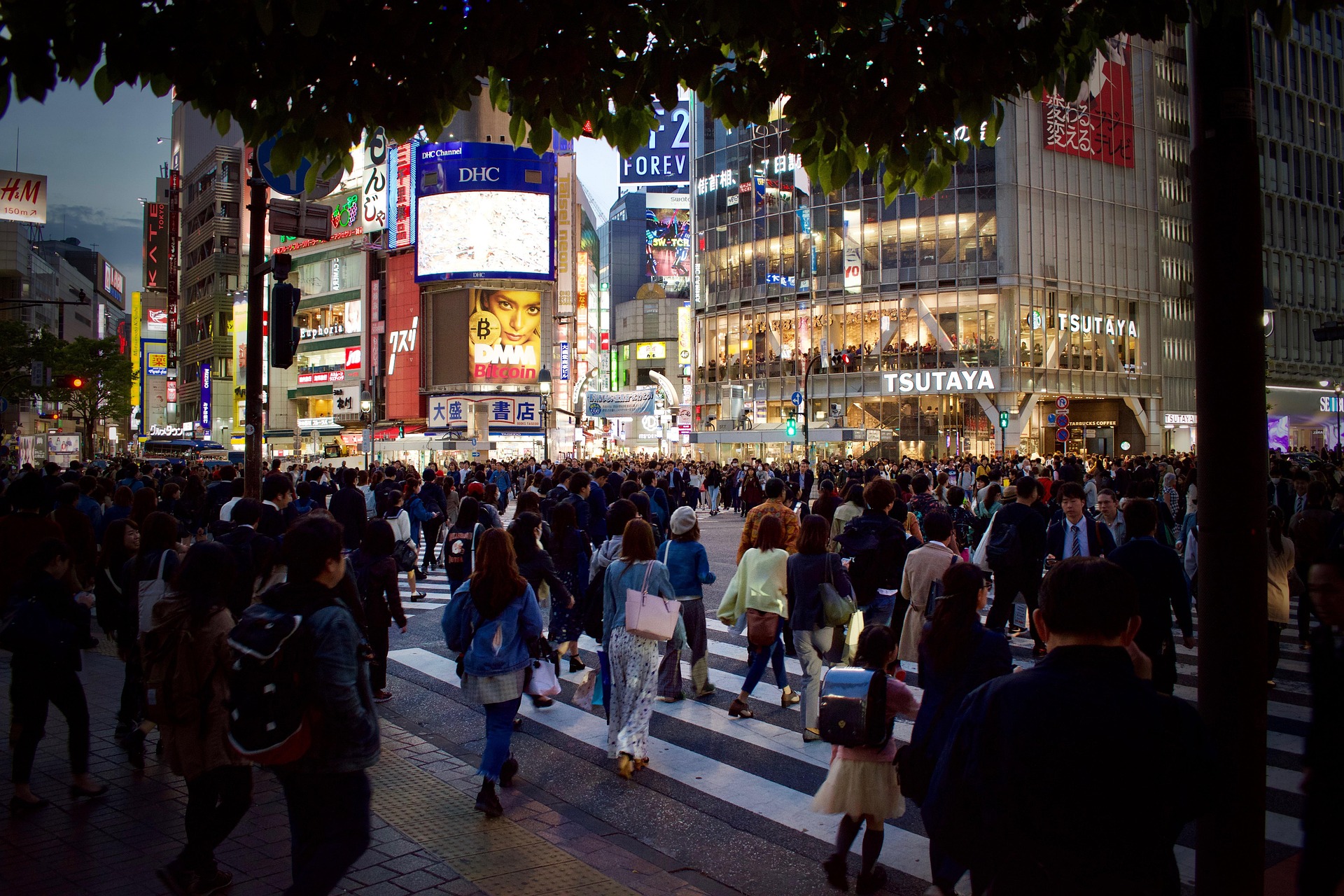
Golden Week is a series of national holidays, making it one of the busiest travel periods in Japan. During this time, crowds pack tourist attractions and transportation, making it challenging to find accommodation. Additionally, accommodation prices can rise to two to three times higher than usual. I visited Shibuya during Golden Week in 2024, and the crowds were so dense that the streets were barely visible, forcing me to walk at a snail’s pace through the sea of people.
Summer Holidays (Late July to End of August)
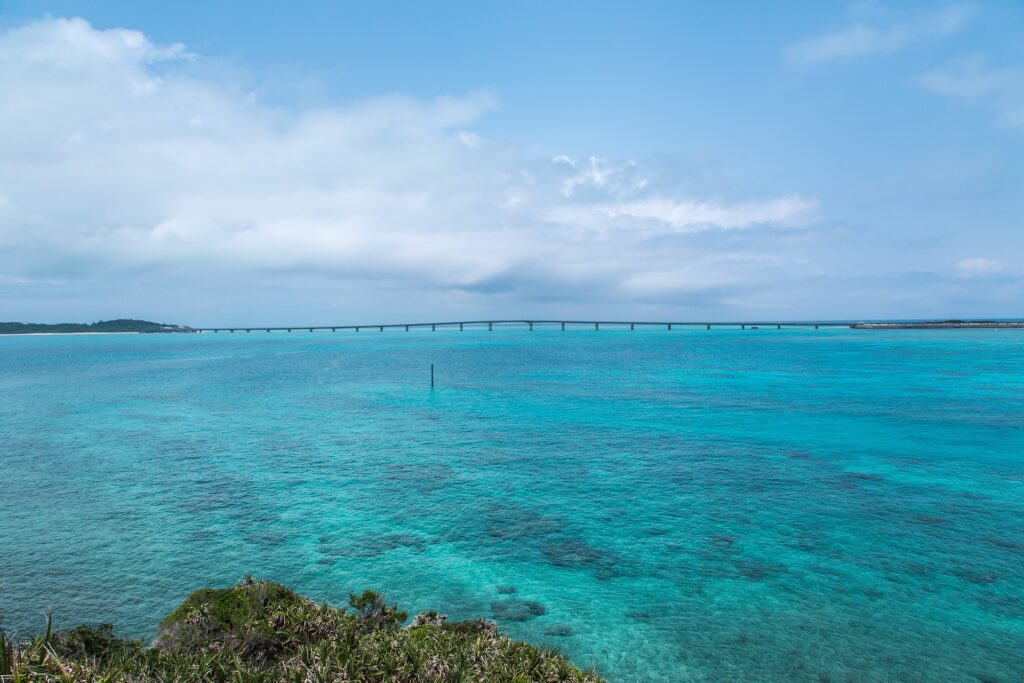
From late July to the end of August, Japanese schools are on summer break, and families often travel. The Obon holiday in mid-August further intensifies travel as many people return to their hometowns, crowding trains, buses, and highways. Tourist spots can be especially crowded during Obon. However, in my personal experience, many Japanese people leave Tokyo during this period, making the city feel empty.
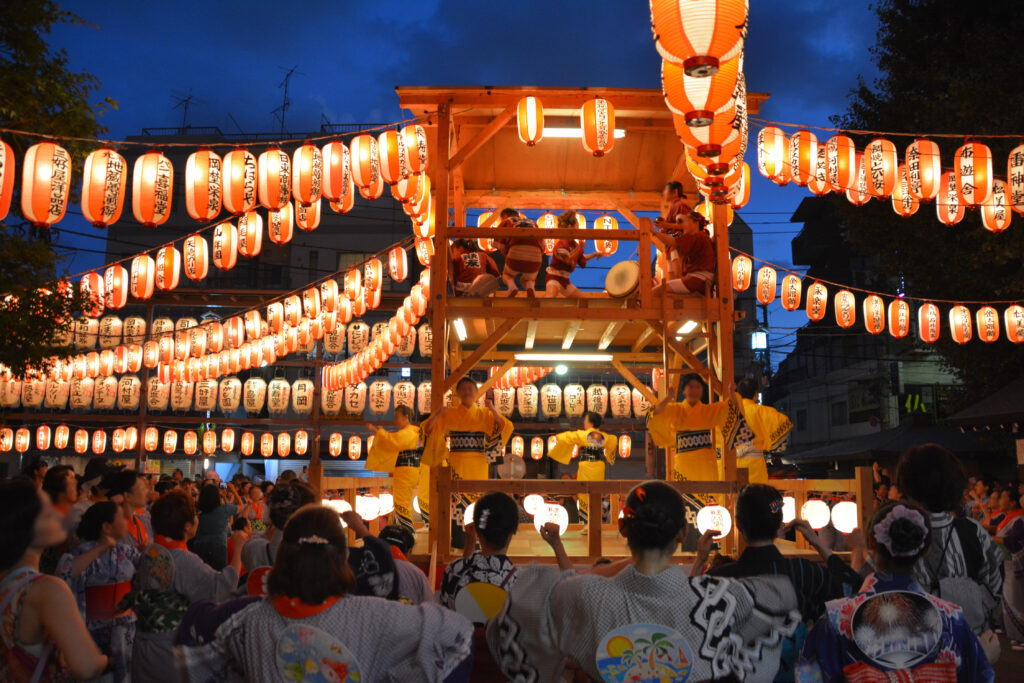
What is Obon? Obon is a traditional Buddhist event for honoring the spirits of one’s ancestors. Many believe that during Obon, the spirits of ancestors return to visit their relatives. Families reunite, clean graves, and in some regions, perform ceremonial dances known as Bon Odori.
Silver Week (Mid-September)
Silver Week in mid-September can create a mini holiday rush. If holidays align to form a long weekend, expect a surge in domestic travel. However, it tends to attract fewer crowds compared to Golden Week and the summer holidays.
Autumn Foliage Season (November)
November is popular for autumn foliage viewing, particularly in places like Kyoto and Nara. The stunning fall colors attract many tourists, making these areas quite busy.
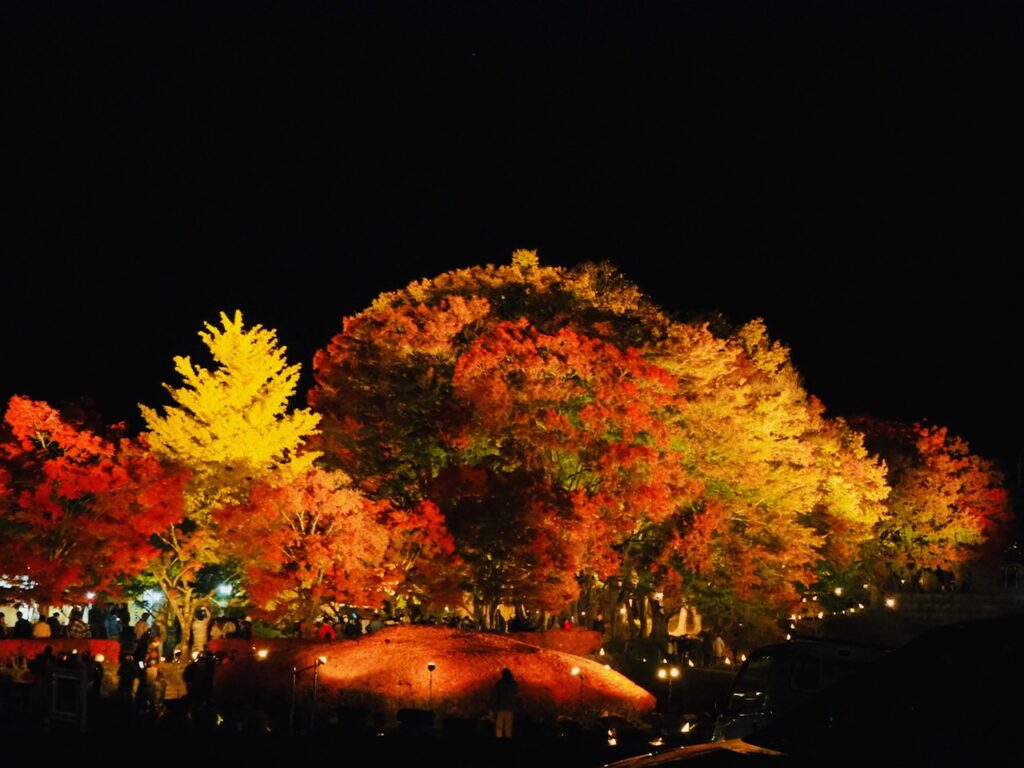
During this season, many places also feature special evening illuminations to highlight the beautiful autumn leaves.
I live in Tokyo and often visit the Momiji Festival at Lake Kawaguchi to enjoy the breathtaking scenery. You can also see Mount Fuji from there. Of course, once it gets dark, Mount Fuji won’t be visible, so I recommend viewing the mountain during the day and then enjoying the illuminated autumn leaves at night. Here are some photos I took there. You can check the festival dates below.
Fujikawaguchiko Autumn Leaves Festival (town tourism site, in Japanese)
New Year (Late December to Early January)
New Year is a significant holiday in Japan, with many people visiting shrines and temples. Popular spots can be extremely crowded, especially on New Year’s Eve and New Year’s Day.
What about Christmas?
Christmas in Japan is more of a festive event than a religious celebration.
It’s common for couples and families to spend time together, often enjoying special meals. Italian and French restaurants in the city tend to be crowded, while traditional Japanese restaurants are often surprisingly quiet. Keep in mind that Christmas is not a national holiday in Japan.
Tips to Avoid the Crowds
Travel on Weekdays
Avoid weekends and public holidays by planning your visits on weekdays. Popular tourist destinations are less crowded during these times, allowing for a more relaxed experience.
Visit Early Morning or Late Afternoon
Arriving at tourist sites early in the morning or late in the afternoon can help you avoid peak visiting hours, resulting in fewer crowds and better photo opportunities.
Book Early
If you must travel during a busy period, make sure to book your accommodation and transportation well in advance. This ensures you have a place to stay and helps avoid last-minute stress.
Explore Lesser-Known Spots
Instead of only visiting famous attractions, consider exploring lesser-known destinations. Japan has many hidden gems that offer incredible experiences without the crowds.
Recommended Times to Visit to Avoid Crowds
If you want to avoid the crowds, try to steer clear of the peak times mentioned above. It’s also important not to visit popular tourist spots on weekends. Instead, visit these well-known attractions on weekdays and explore less crowded destinations on weekends.
Conclusion
Understanding Japan’s busiest seasons and planning accordingly will make your trip more enjoyable.
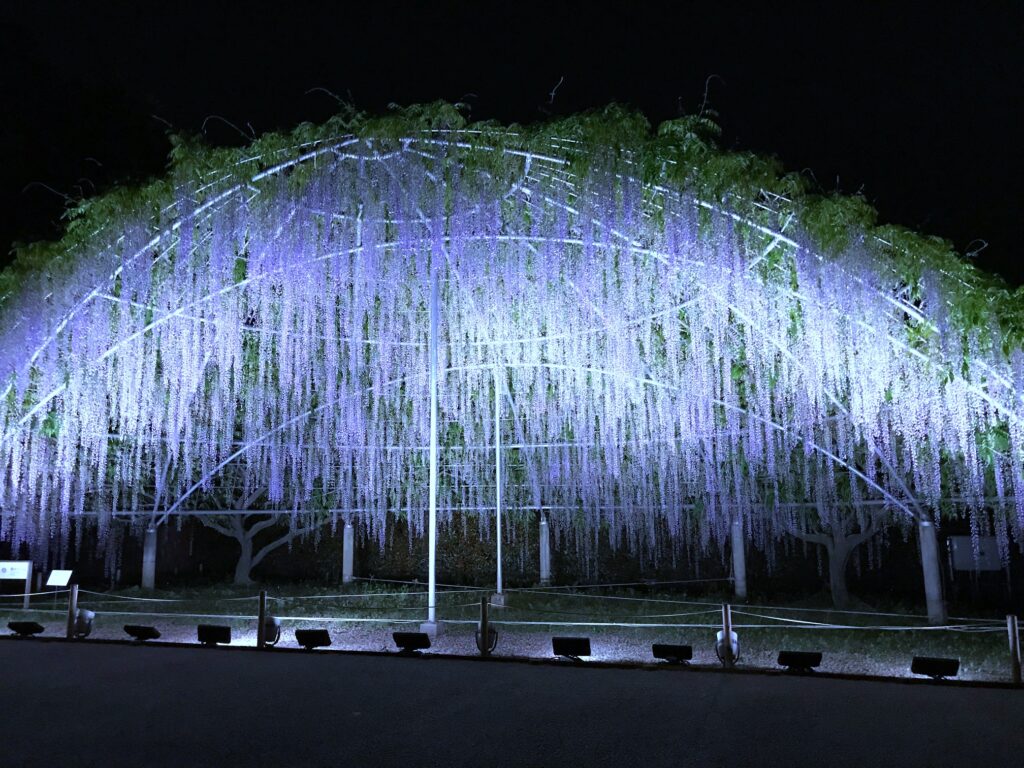
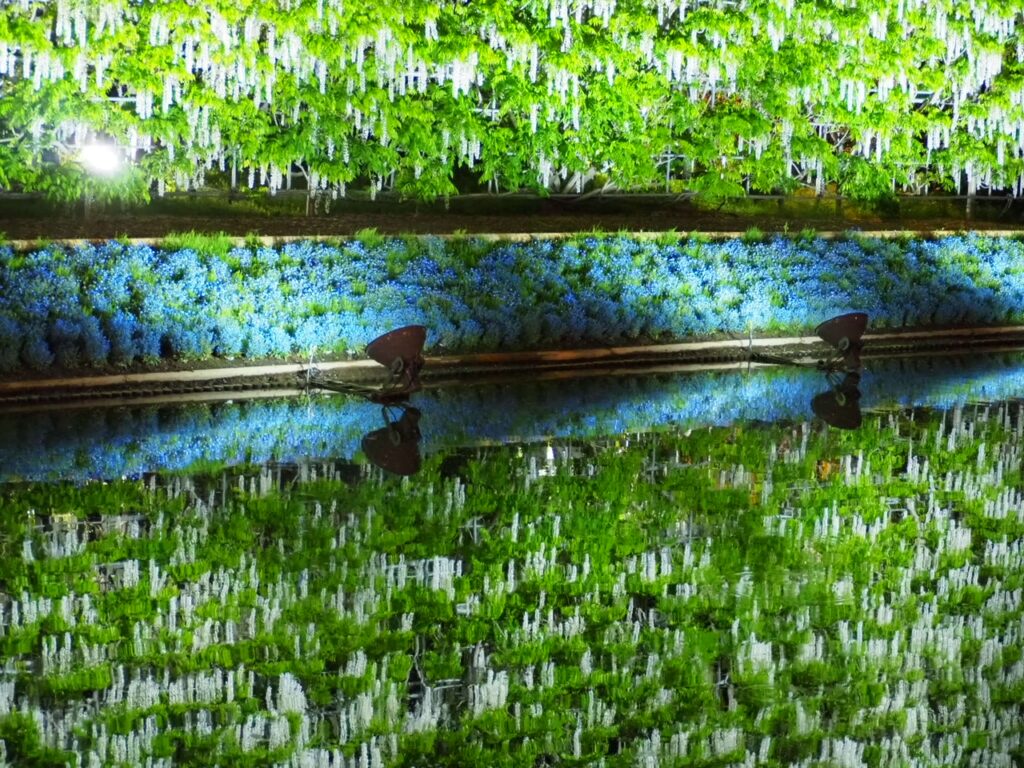
Use these tips to avoid crowds and fully appreciate Japan’s beauty and culture. However, some of the most stunning sights appear during busy periods. For example, during Golden Week, beautiful flowers bloom across the country and reach their peak.
I visited Ashikaga Flower Park during this time and was deeply impressed by the breathtaking scenery despite the crowds. Here are photos from that time.
Ultimately, tailor your travel plans to suit your goals and interests.
Frequently Asked Questions
What is the best season to visit Japan?
The best season to visit Japan for fewer crowds is midwinter after the New Year holiday, followed by early summer. January and June had the lowest room occupancy of any month in 2025, according to the Japan Tourism Agency. Spring is one of the most popular times for sightseeing, says the Japan National Tourism Organization, and room occupancy in 2025 was highest in October.
What is the least crowded month to visit Japan?
January is the least crowded month in Japan, judged by room occupancy. Japan Tourism Agency figures show 54.6% of rooms filled in January 2025, the lowest of any month, and January was also the lowest month of 2024 at 50.2%. The first days of January are the exception, because New Year visits fill popular shrines and temples.
When is the low season in Japan?
Japan’s low season, also called the off season, falls in January and June, judged by room occupancy. Japan Tourism Agency figures for 2025 show 54.6% of rooms filled in January and 58.8% in June, the two lowest months, with December third at 59.5%. June coincides with the rainy season, which in the Kanto-Koshin region around Tokyo runs on average from about June 7 to about July 19.
Share