
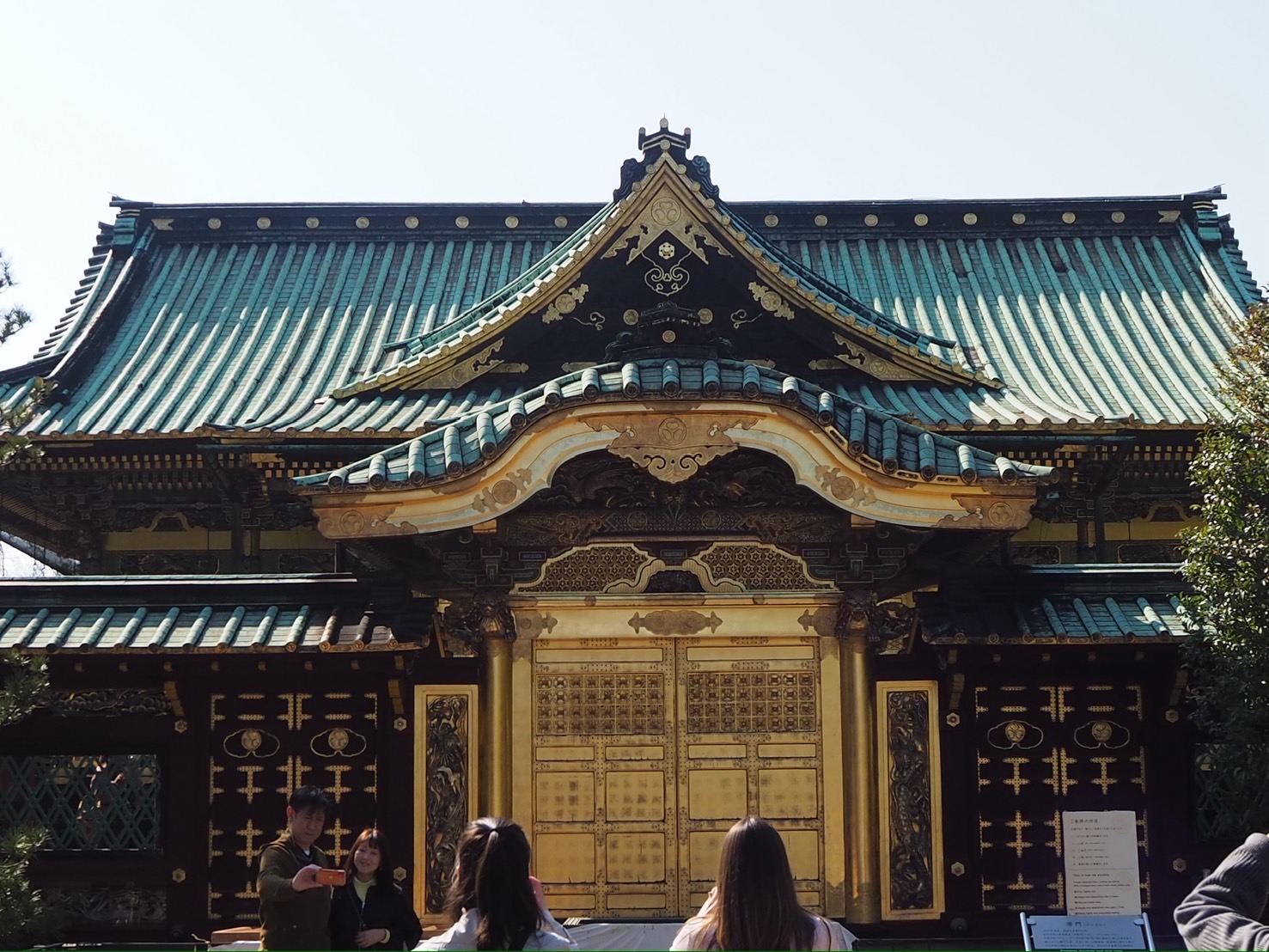
Ueno Toshogu Shrine is a Shinto shrine in Ueno Park, Tokyo, founded in 1627 and dedicated to Tokugawa Ieyasu, the first Tokugawa shogun. Its gold-leaf main hall and Karamon Gate date from a 1651 rebuilding by the third shogun, Tokugawa Iemitsu, and both are Important Cultural Properties. The shrine is a 10-minute walk from the Park Exit of JR Ueno Station, and its outer grounds are free to enter.
| Location | 9-88 Ueno Koen, Taito-ku, Tokyo (inside Ueno Park) |
|---|---|
| Nearest station | JR Ueno Station, Park Exit, 10-minute walk |
| Hours | 9:00 AM to 4:30 PM (October to February), 9:00 AM to 5:30 PM (March to September) |
| Admission | Outer grounds free. Viewing area inside the wall around the main hall: adults 700 yen. |
| Founded | 1627. The current main hall and Karamon Gate date from 1651. |
| Enshrined | Tokugawa Ieyasu, Tokugawa Yoshimune and Tokugawa Yoshinobu |
| Official site | uenotoshogu.com |
Checked in October 2026 against uenotoshogu.com.
Ueno Park is a whirlwind of activity. Between the world-class museums, the bustling zoo, and the crowds enjoying the scenery, it’s easy to get swept up in the energy. But what if I told you that just steps from the main path lies a portal to 400 years of history, a place of breathtaking beauty and serene calm?
Tucked away behind the trees is Ueno Toshogu Shrine. This isn’t just another shrine; it’s one of Tokyo’s rare treasures that has survived centuries of fires, earthquakes, and war.
Visiting isn’t just a tourist stop; it’s like stepping into a living piece of Old Tokyo.
Leave the City Behind: The Walk to a Different Era
The shrine honors Tokugawa Ieyasu, the first shogun of the Tokugawa era. His government ruled Japan for over 260 years. Many Toshogu shrines across Japan still honor Ieyasu.
The main building, called the Golden Hall, is a fine example of mid-17th-century architecture. It follows the Gongen-zukuri style, where the sanctuary (honden) and worship hall share one roof. In addition, the walls shine with gold leaf and black lacquer. Carvings of animals, flowers, and mythical creatures decorate the surfaces. They include hawks, peonies, and phoenixes, all seen as noble motifs.
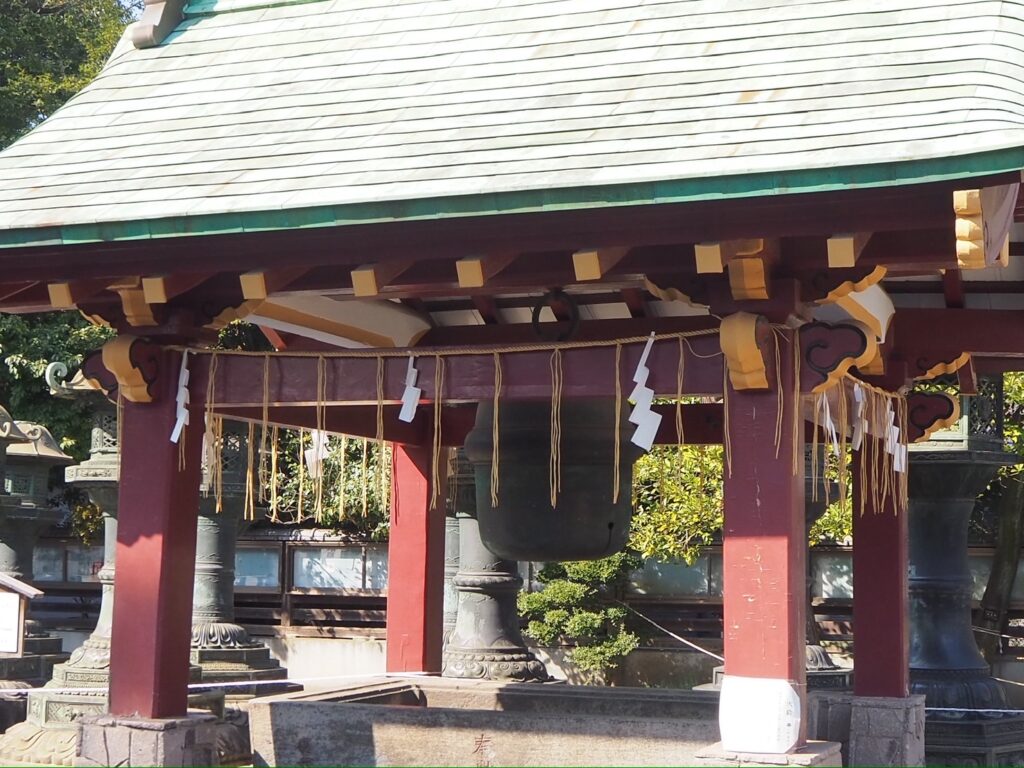
As you approach, rows of stone and bronze lanterns line the path. Many were donated by feudal lords, and these lanterns have lit the way for nearly 400 years. During cherry blossom season, the walkway turns into a tunnel of soft pink light. Consequently, it creates a magical contrast with the shrine’s gold and wood.
Beauty in Every Season
The shrine’s connection to the seasons is special. For instance, the peony garden opens for winter peonies in January and February, for the spring peony festival in April and May, and for a dahlia show in autumn. In spring, it shows 110 varieties. Therefore, the garden bursts with color and fragrance.
When autumn arrives, trees blaze with red, orange, and yellow leaves. These colors highlight the shrine’s golden surfaces. Furthermore, winter brings peaceful quiet. Occasionally, snow dusts the rooftops and lanterns.
During New Year’s, many come to pray for the first time that year. This tradition is called hatsumōde. Although the shrine becomes busy, the atmosphere remains calm and respectful.
Timeless Craftsmanship
Before the main hall stands the Karamon Gate. This ornate Chinese-style gate has carvings of dragons, pheasants, and blooming peonies. These symbols mean protection, peace, and prosperity. Both the Karamon and honden are Important Cultural Properties.
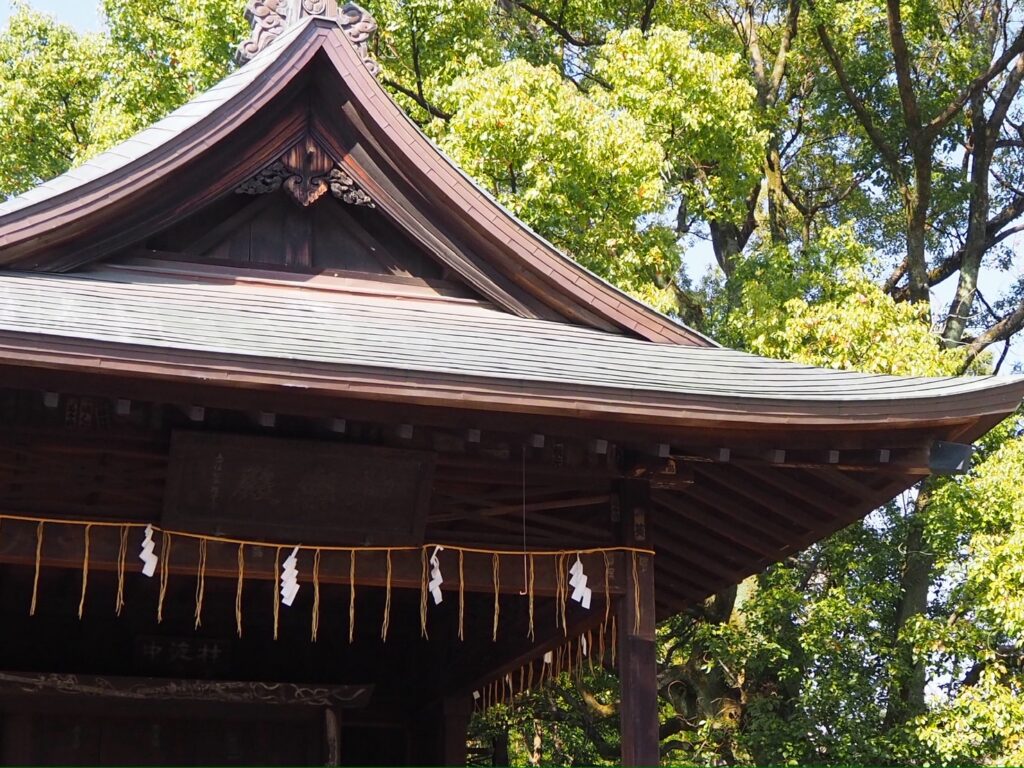
Unlike many rebuilt shrines, Ueno Tosho-gu has changed very little. In fact, the roof tiles show the patina of age, which adds to its authentic feel. Therefore, walking here feels like stepping back to Edo Japan.
Spiritual Traditions and Visitor Experience
Ueno Tosho-gu is still an active place of worship. Visitors can buy omamori (protective charms) and draw omikuji (fortune slips). This offers a chance to try traditional customs firsthand. In addition, the shrine issues beautifully designed goshuin (shrine stamps). Many collectors treasure them.
The shrine holds many events each year. For example, Setsubun features bean-throwing rituals to drive away evil spirits. These ceremonies keep old traditions alive. Thus, visiting here is both culturally rich and spiritually meaningful.
A Peaceful Pause in a Busy City
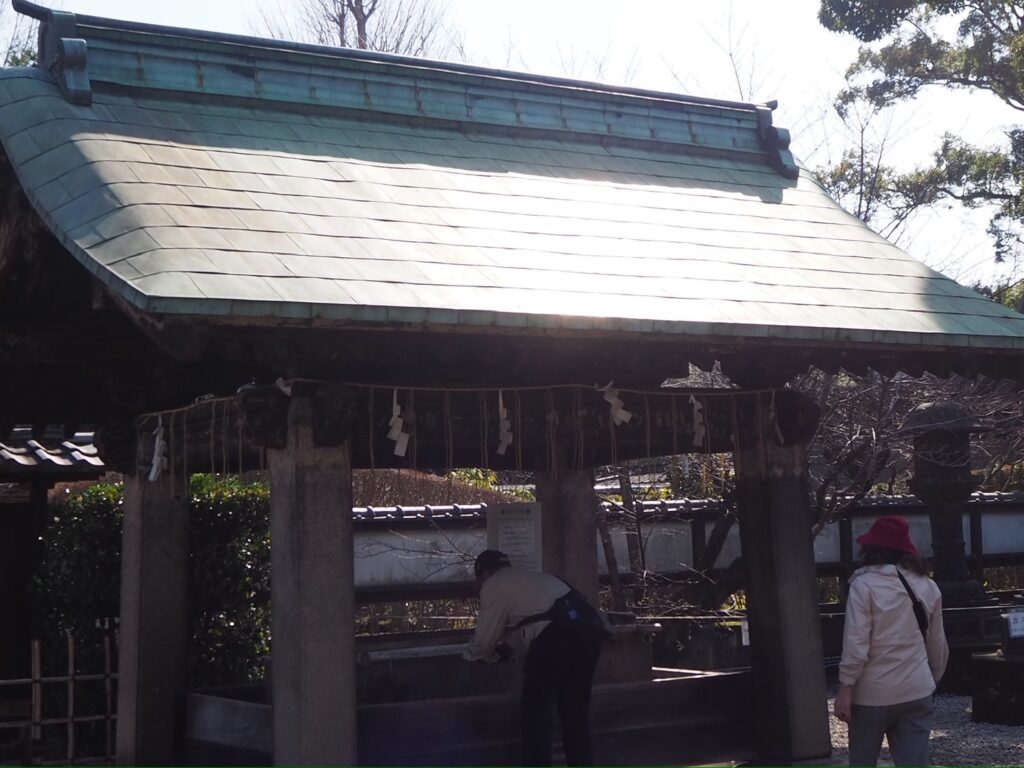
What makes Ueno Tosho-gu special is the calm it offers. Once you step off the main park path onto the shrine’s stone walkway, city noise fades. Tall trees shield you from skyscrapers, and the air feels cooler and quieter.
Visitors can enter the walled area around the main hall for 700 yen (300 yen for elementary school children). This lets you see the golden honden up close. During peony season, you can also visit the garden. Meanwhile, the outer shrine grounds remain free to enter.
Visits usually last 30 to 60 minutes. However, the peace and beauty stay with you long after. Overall, it is a short but meaningful escape.
Final Thoughts
Though small, Ueno Tosho-gu has a strong presence. Its history, design, and quiet atmosphere make it special. Above all, it offers rare stillness in Tokyo.
Instead of overwhelming your senses, it calms them and invites reflection. When you’re in Ueno Park, consider taking a small detour. Walk among lanterns, look up at golden carvings, and let the city fade for a moment.
For more details, opening hours, and updates, visit the official Ueno Toshogu website.
Access
The shrine is easy to reach:
- From JR Ueno Station (Park Exit): a 10-minute walk through Ueno Park
- From Keisei Ueno Station: a 12-minute walk
- From Tokyo Metro Ueno Station (Exit 7): a 10-minute walk
- By taxi: ask for “Ueno Tosho-gu” or show the name in Japanese: 上野東照宮
The shrine is located inside Ueno Park, near Ueno Zoo.
Planning a shrine visit? If you’re unsure how to bow, clap, or make an offering once you’re at the shrine, read our step-by-step guide on how to pray at a Japanese shrine, explained by a Shinto priest at Yushima Tenjin in Tokyo.
Frequently Asked Questions
What are the opening hours of Ueno Toshogu Shrine?
Ueno Toshogu Shrine is open from 9:00 AM to 4:30 PM between October and February, and from 9:00 AM to 5:30 PM between March and September. The paid viewing area is open from 9:30 AM until 30 minutes before closing. The shrine states that these times can shift slightly with the weather and that the gates may close in storms for safety. Worship in the outer grounds is free.
Who is enshrined at Ueno Toshogu Shrine?
Ueno Toshogu Shrine enshrines three Tokugawa shoguns: Tokugawa Ieyasu, who founded the shogunate, Tokugawa Yoshimune, the 8th shogun, and Tokugawa Yoshinobu, the 15th and last shogun. The shrine is known for prayers for career success, victory, and health and long life.
How much do omamori and goshuin cost at Ueno Toshogu Shrine?
Most omamori (protective charms) at Ueno Toshogu Shrine cost 800 yen and a standard goshuin costs 500 yen, according to the shrine’s official list as of October 2026. Some limited-edition charms and goshuin cost more. Charms and goshuin are given out daily from 9:30 AM to 4:00 PM between October and February, and from 9:30 AM to 5:00 PM between March and September.
Can visitors go inside the main hall of Ueno Toshogu Shrine?
Visitors cannot normally enter the main hall of Ueno Toshogu Shrine. The interior is closed to the public to protect the building, which is an Important Cultural Property. A paid route inside the surrounding wall lets visitors see the main hall up close from outside, and the outer grounds are free. The paid route costs 700 yen for adults and 300 yen for elementary school children.
Share