
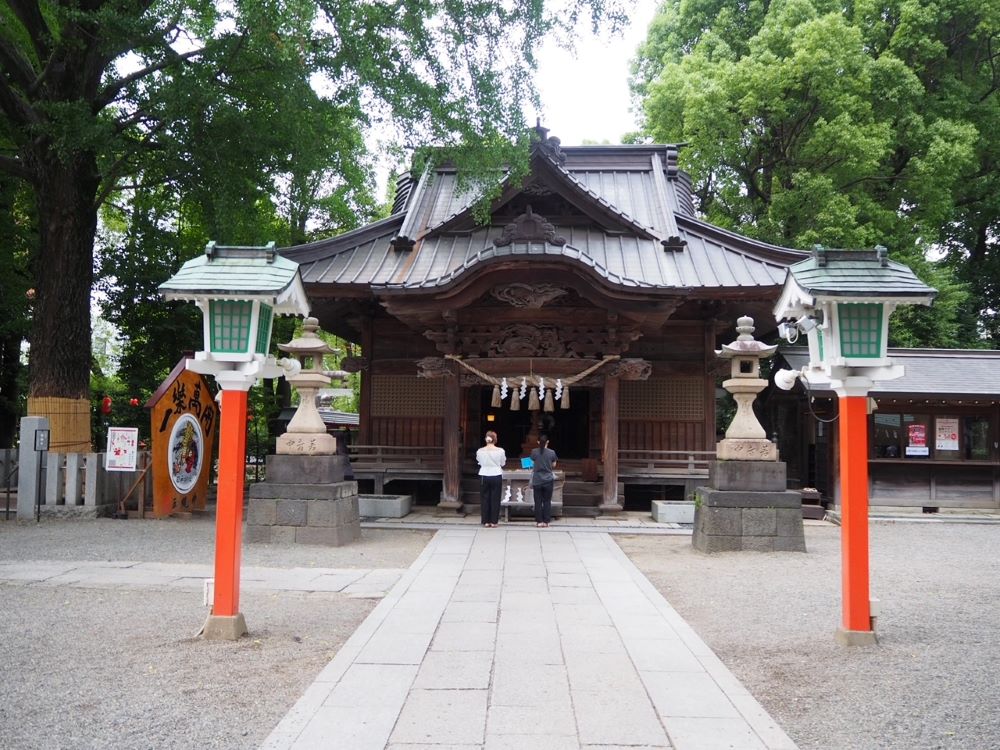
Tanashi Shrine is a Shinto shrine in Nishitokyo, Tokyo, known for its Five Dragon Gods. The shrine dates to the Kamakura period and, by its own account, moved to its present site in 1670. Its honden (main hall), begun in 1858 with carvings by the Edo-period sculptor Shimamura Shunpyo, and its haiden (worship hall) are together a Tokyo Metropolitan designated cultural property.
| Location | 3-7-4 Tanashi-cho, Nishitokyo, Tokyo 188-0011. About 6 min on foot from Tanashi Station |
|---|---|
| Nearest station | Tanashi Station north exit, Seibu Shinjuku Line. About 20 min by express from Takadanobaba |
| Hours | Grounds open 24 hours. Amulets and goshuin 9:00 AM to 5:00 PM |
| Founded | Kamakura period (13th century). Moved to its present site in 1670 |
| Known for | Five Dragon Gods: gold, black, white, red and blue dragons |
| Cultural property | Main hall and worship hall, Tokyo Metropolitan designated cultural property since 2000 |
| Annual festival | Sunday of the second week of October, with the eve festival on the Saturday before |
Checked in October 2026 against tanashijinja.or.jp.
Why You Should Visit Tanashi Shrine
If you love dragons and want to explore a truly unique piece of Japanese history, Tanashi Shrine in Tokyo deserves a spot on your itinerary. Just 30 minutes from Shinjuku, this beautifully preserved shrine is known for its stunning dragon carvings and seasonal events that perfectly blend traditional and modern Japanese culture.
From the powerful dragon gods to the colorful Tanabata Teru Teru Tunnel, Tanashi Shrine offers an experience that is spiritual and historical.
A Brief History
Tanashi Shrine traces its roots back to the Kamakura period (13th century), originally established in the northern valley of Tanashi. Its deities, Shinatsuhiko-no-Mikoto and Shinatobe-no-Mikoto (collectively known as Jodono Daigongen), are revered as protectors of rain, water, and wind.
During the Edo period, the opening of the Ome Kaido road by Tokugawa Ieyasu in 1606 transformed Tanashi into a bustling relay station. In 1872, the shrine was renamed Tanashi Shrine, and by 1910 it had absorbed five smaller local shrines, forming its present-day shape.
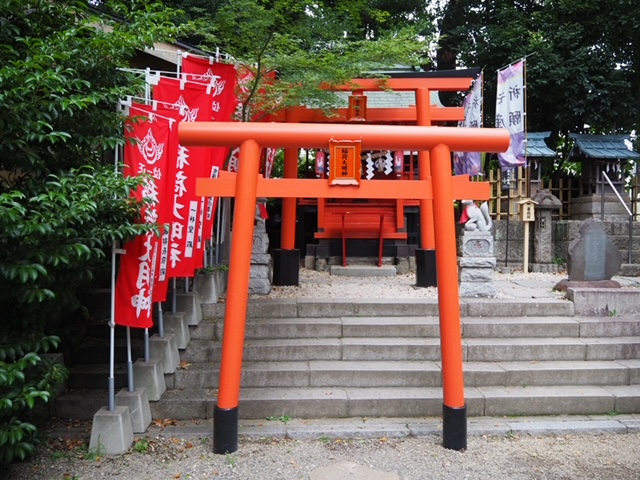
Marvel at Tanashi Shrine’s Architecture
The main buildings, the haiden (worship hall) and the honden (main hall), are breathtaking. Look closely at the detailed carvings of mythical creatures, including baku, elephants, lions, and especially dragons. These carvings represent a deep connection to water, reflecting the shrine’s spiritual theme.
Since ancient times, Jodono Daigongen has been revered as a dragon god, and you’ll see dragon motifs throughout the shrine grounds, symbolizing protection and blessings.
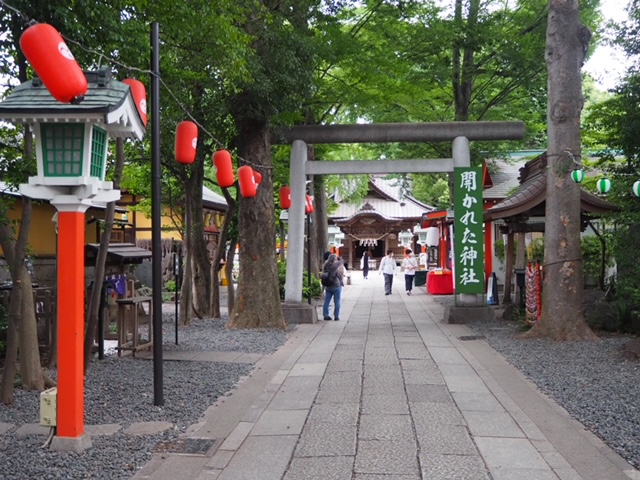
Meet the Five Dragon Gods
Tanashi Shrine is especially famous for enshrining the Five Dragon Gods, inspired by the Chinese Five Elements philosophy. Each dragon represents a unique blessing:
- Gold Dragon (within the main hall): Enhances fortune and brings happiness.
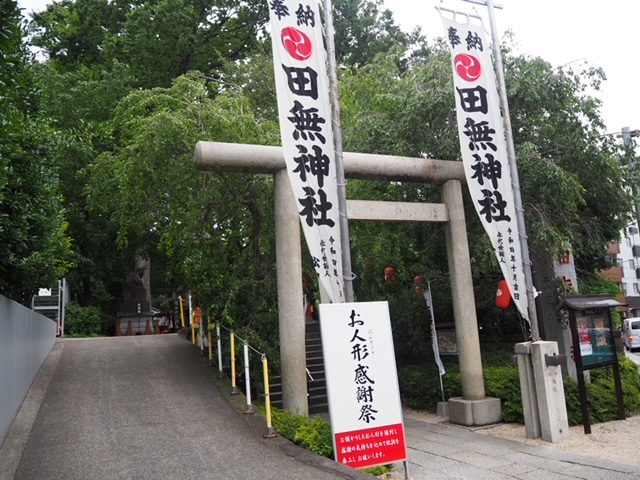
- Red Dragon (near the first torii gate): Improves luck in victory and academic performance.
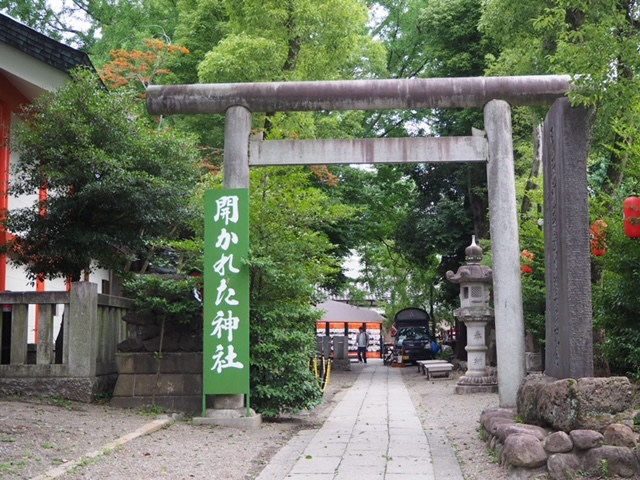
- White Dragon (near the second torii gate): Boosts financial luck and fosters good relationships.
- Blue Dragon (near the sumo ring): Enhances skills and career success.
- Black Dragon (near the north approach): Promotes health, marital harmony, and luck in relationships.
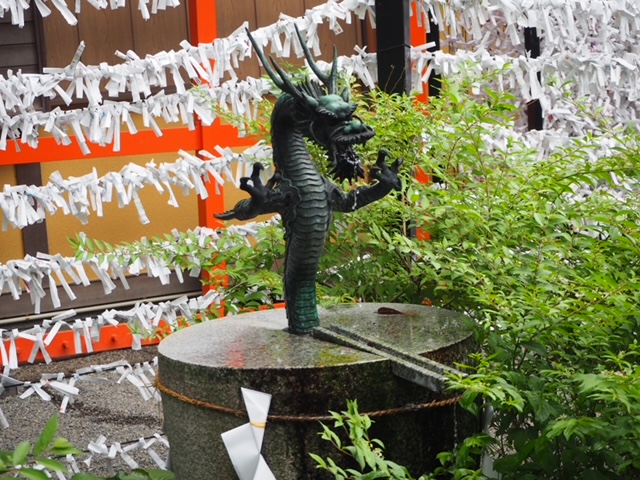
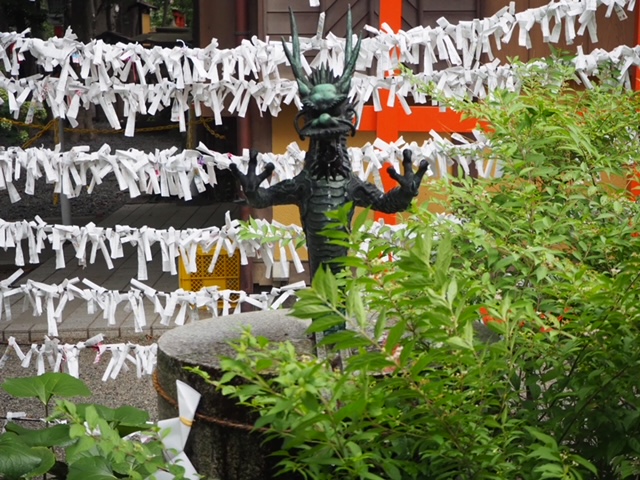
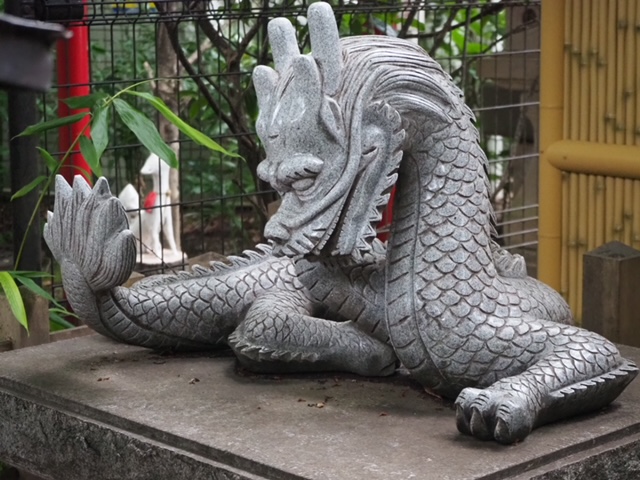
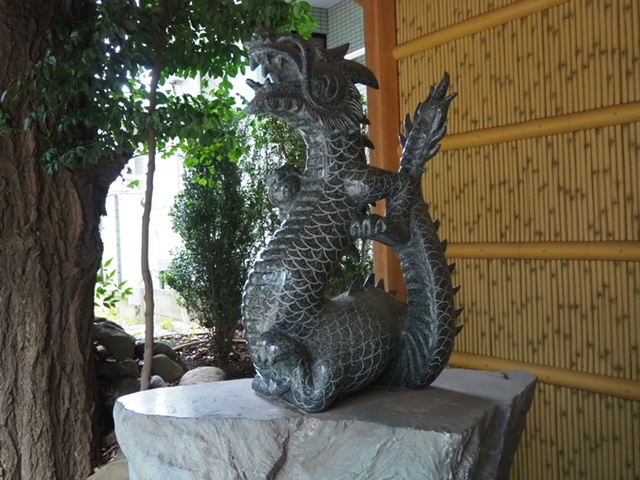
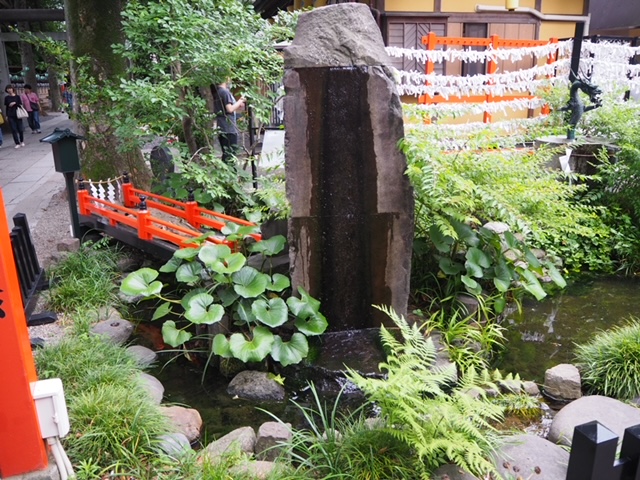
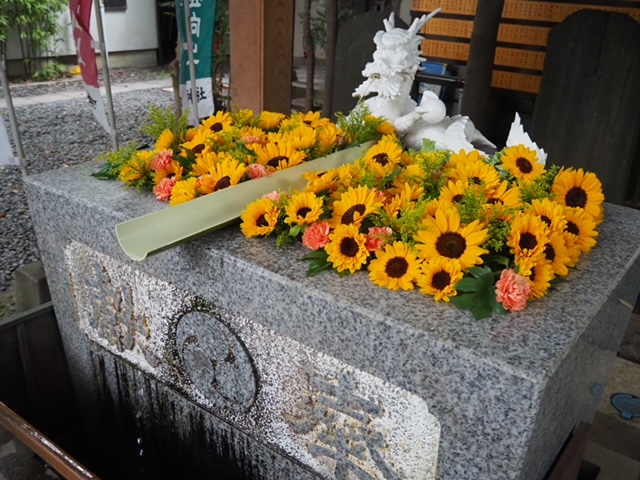
You can wash your hands with water from the dragon’s mouth!
Experience the Tanabata Teru Teru Tunnel
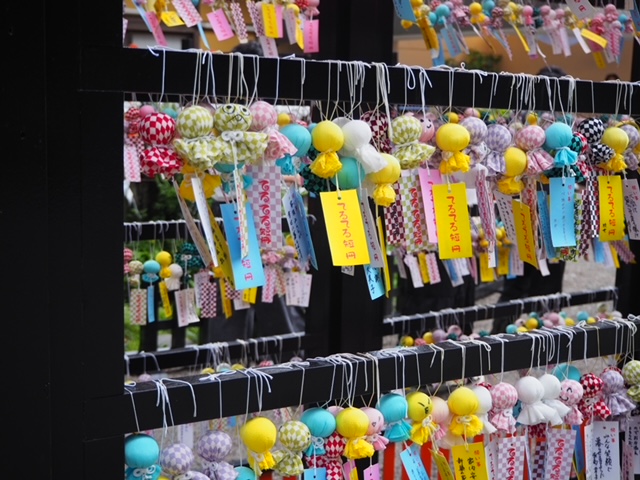
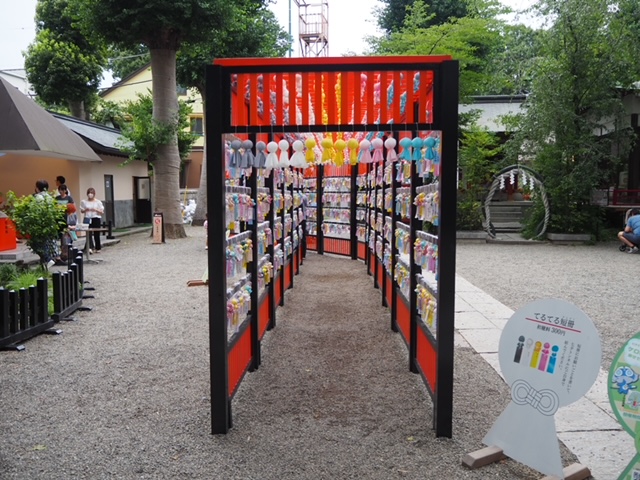
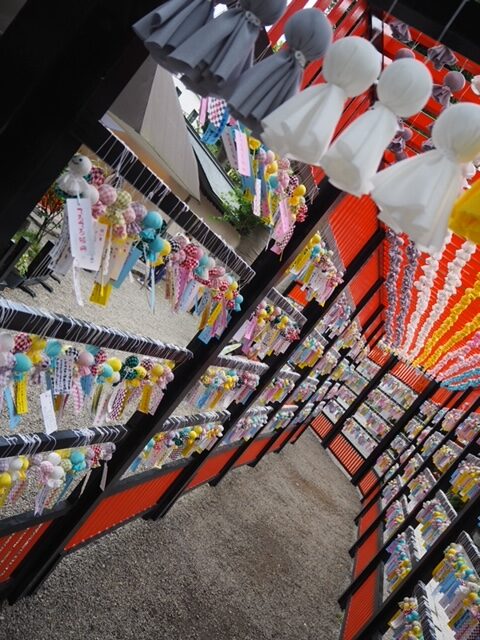
One of the shrine’s most popular events is the “Tanabata Teru Teru Tunnel,” a colorful installation that appears from mid-June to mid-July. This vibrant tunnel, decorated with teru teru bozu (traditional Japanese rain dolls), is created to express gratitude for the gods’ blessings and to pray for protection from typhoons and storms during the rainy season.
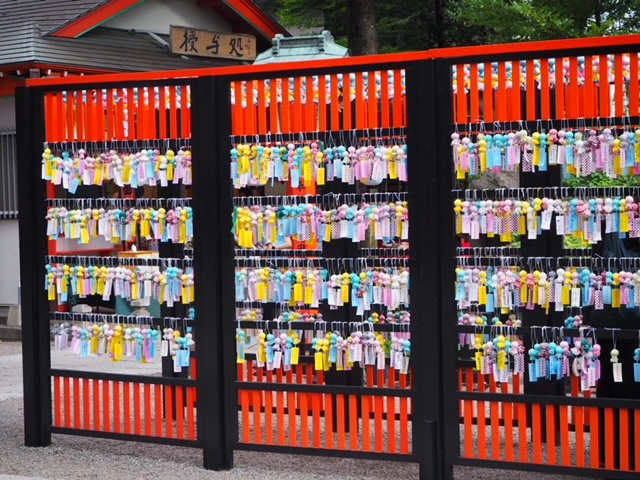
When I visited, there were many young people taking photos to post on Instagram. It seems that initiatives like this are increasing the number of young visitors. It’s a great effort!
ACCESS
Hours:
The shrine grounds are open 24 hours a day.
Office and Goshuin Stamp Hours: 9:00 AM to 5:00 PM
Address:
3-7-4 Tanashi-cho, Nishi-Tokyo-shi, Tokyo 188-0011
Transportation:
Seibu Shinjuku Line: Get off at ‘Tanashi’ Station and walk about 6 minutes from the north exit.
For more details, see the shrine’s official website.
Final Thoughts: Why Tanashi Shrine Belongs on Your List
Tanashi Shrine is more than a place of worship. It’s a living gallery of dragons, a testament to Tokyo’s hidden cultural gems. From its powerful history to the seasonal Teru Teru Tunnel, this shrine is a place where the past and present dance together beautifully.
✨ If you’re looking for an off-the-beaten-path Tokyo experience that mixes myth, beauty, and peace, don’t miss it.
Planning a shrine visit? If you’re unsure how to bow, clap, or make an offering once you’re at the shrine, read our step-by-step guide on how to pray at a Japanese shrine, explained by a Shinto priest at Yushima Tenjin in Tokyo.
Frequently Asked Questions
What does the name Tanashi mean?
Tanashi (田無) is most commonly explained as a place with no rice fields, which is the literal meaning of its two characters. Nishitokyo City says several theories exist and none is settled. Tanashi Shrine has carried the place name since 1872, when the shrine was renamed in the Meiji period.
Can visitors see the Gold Dragon at Tanashi Shrine?
No. The Gold Dragon of Tanashi Shrine is enshrined inside the honden (main hall), which is not opened for viewing, so the sacred object cannot be seen. The carved wooden dragon displayed at the front of the haiden (worship hall) is a separate work made in 2005.
Which direction does each dragon god at Tanashi Shrine guard?
The Blue Dragon of Tanashi Shrine guards the east, the Red Dragon the south, the White Dragon the west and the Black Dragon the north. The Gold Dragon is enshrined at the center, in the main hall. The shrine arranges its Five Dragon Gods by the five elements philosophy.
When is the annual festival at Tanashi Shrine?
Tanashi Shrine holds its annual festival (reitaisai) on the Sunday of the second week of October, with the eve festival on the Saturday before. Portable shrines are carried through the town and many stalls are set up. A separate Five Dragon Gods festival is held every year on September 19.
Share