
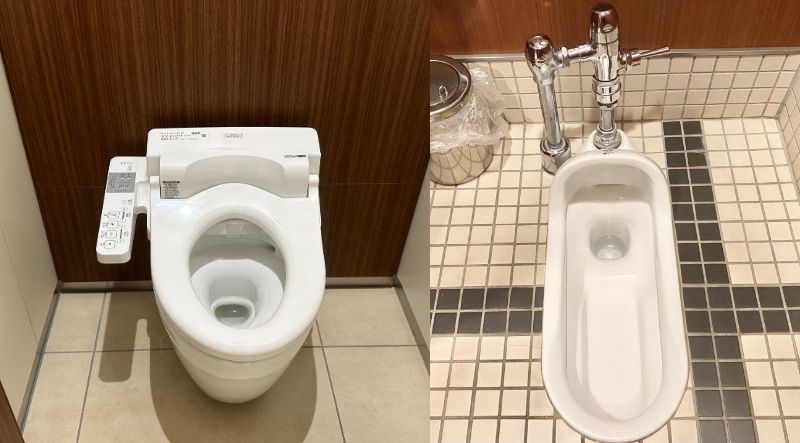
Japanese public toilets are generally free restrooms found in train stations, parks, department stores and convenience stores across Japan. Western-style seated toilets are the most common type, and many carry a bidet seat, often called a Washlet, with buttons for rear wash, front wash and stop. Toilet paper is provided in most stalls and is flushed after use, not put in a bin.
| Cost | Generally free to use |
|---|---|
| Most common type | Western-style seated toilet. Some public toilets still have squat toilets |
| Flush controls | Lever, wall button, hand sensor or a button on the bidet seat remote control |
| Bidet seat pictograms | Rear wash (おしり洗浄), front wash (ビデ洗浄), dryer (乾燥), stop (止) |
| Toilet paper | Flush it. Sanitary napkins and tampons go in the bin beside the toilet |
| Emergency call button | Sometimes fitted near the flush button. Press only in an emergency |
Checked in October 2026 against sanitary-net.com.
While using a toilet might seem like a mundane task, in Japan, it comes with its own set of features and cultural etiquette that might surprise foreign visitors.
Here’s a guide to help you navigate Japanese public toilets like a pro!
The Two Types of Toilets
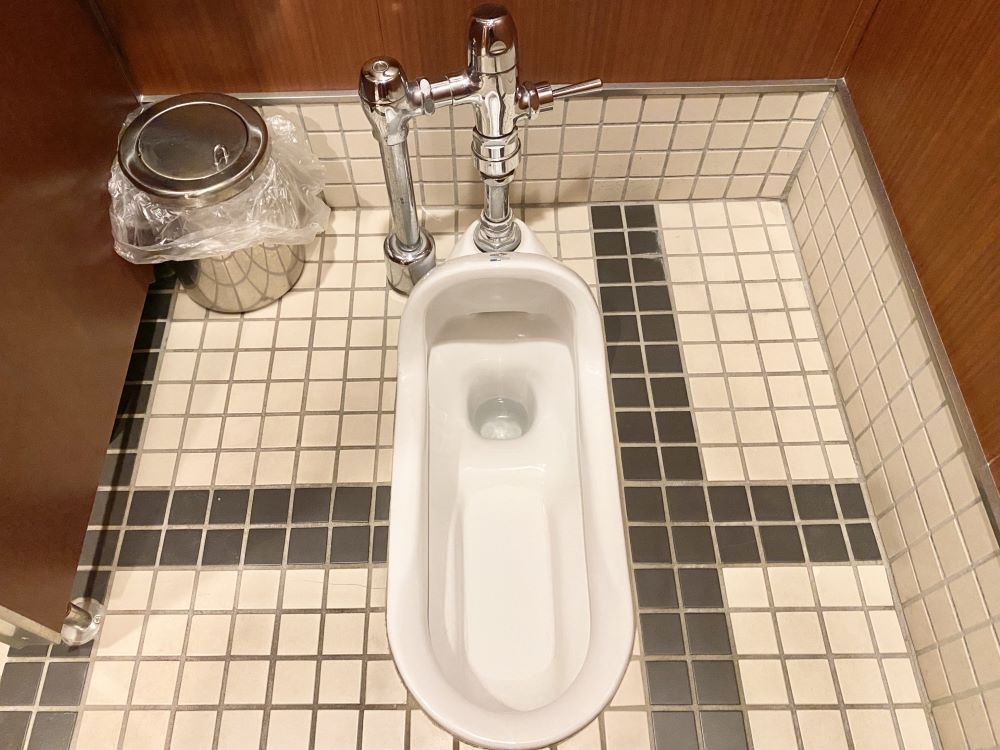
In Japan, there are two main types of toilets you’ll encounter: the Western-style toilet (Yoshiki toilet) and the squat toilet (Washiki toilet).
- Western-style Toilets:
These are the typical seated toilets you’re probably familiar with. Many Western-style toilets in Japan are equipped with advanced bidet functions, often referred to as Washlets.
However, not all Western-style toilets have these features, some are simpler, without the high-tech options. - Squat Toilets:
Although much rarer today, you may still find these traditional squat toilets in some older facilities, rural areas, or temples.
While they were once common, they’ve largely been replaced by Western-style toilets. If you do encounter one, simply squat facing the hooded part of the toilet.
However, many modern places, especially in urban areas, no longer have squat toilets.
Understanding the Features of a Washlet
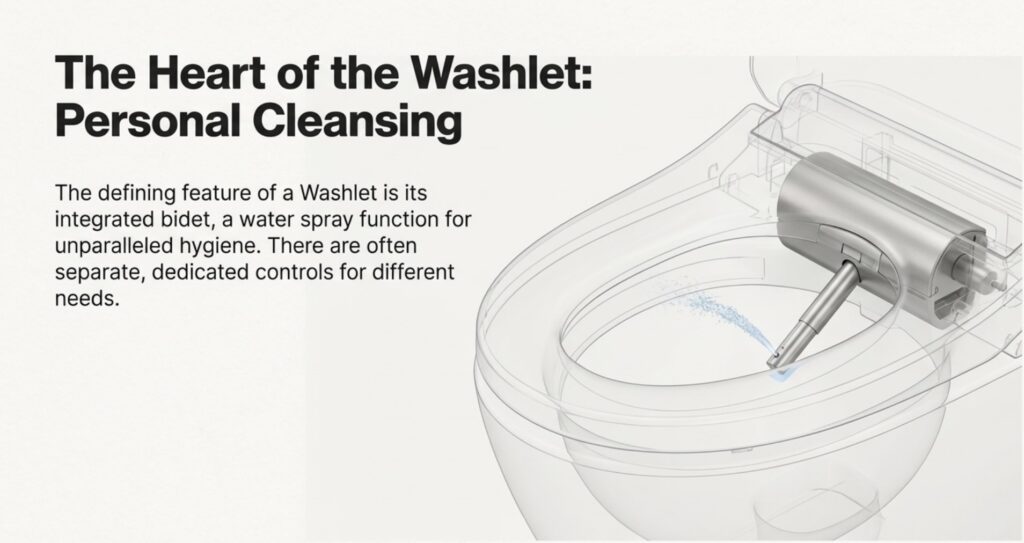
One of the most famous aspects of Japanese public toilets is the high-tech Washlet. Found in many Western-style toilets, these advanced seats come with a variety of features controlled by buttons on the side.
- Bidet: A water spray function for cleaning. There are often separate buttons for front and rear cleaning.
- Otohime: A sound function that plays flushing noises or music to cover up any sounds you might make. This feature is popular for maintaining privacy.
- Heated Seat: In colder months, the heated seat function is a welcome luxury.
- Flushing Options: Many Washlets offer two flush options: a “small” (小) flush for liquid waste and a “large” (大) flush for solid waste, allowing for water conservation.
Not every Western-style toilet has these features, so if you encounter a simpler version, you’ll just have the standard seat and flush system, which still functions like a regular Western toilet.
Toilet Paper and Hand Towels
- Toilet Paper: Japanese restrooms almost always provide toilet paper, and it is free to use. The toilet paper is designed to dissolve easily, so it’s safe to flush down the toilet. Always remember to flush it, as throwing paper in a bin is not common practice in Japan.
- Hand Towels: Many public restrooms do not provide hand towels or dryers. Japanese people usually carry a small personal hand towel or handkerchief to dry their hands. If you don’t have one, you can easily buy one at a convenience store.
Shoe Etiquette in Traditional Restrooms
In some traditional places (such as temples, shrines, or certain older establishments), you might find toilet slippers. These are provided at the entrance of the restroom for you to change into while inside.
Be sure to switch back to your regular shoes after leaving the restroom, wearing toilet slippers outside is considered a big no-no!
Public Toilet Etiquette
While public toilets in Japan are generally very clean and user-friendly, there are a few etiquette rules to follow:
- Keep It Clean:
Japan places a high value on cleanliness, and public toilets reflect that. Be sure to leave the stall as clean as you found it. Wipe any spills and flush properly. - Quietness:
Public restrooms in Japan are often quiet places. Talking on the phone or having loud conversations while using the bathroom is considered impolite. - Wait in Line:
If there’s a line for the bathroom, people will quietly stand in line and wait their turn. Be mindful and respectful of this unspoken rule.
Where to Find Public Toilets
One of the remarkable things about Japan is the abundance of public toilets, and the fact that they’re generally free to use.
In many countries, finding a clean, accessible restroom can be a challenge, especially without having to pay a fee. But in Japan, public toilets are available almost everywhere and are maintained to a high standard, making this convenience something travelers and locals alike greatly appreciate.
You can easily find public toilets in:
- Train stations (even small stations usually have restrooms)
- Department stores
- Parks
- Convenience stores (you can politely ask to use their restrooms)
- Tourist spots (shrines, temples, museums)
Japanese public toilets are known for being clean and well-maintained, even in busy or highly trafficked areas. This accessibility and level of cleanliness, usually without a fee, is quite rare globally, making Japan stand out in terms of public restroom convenience.
Handy Phrases
If you’re in need of a restroom but don’t see one, here are a few phrases that might help:
- Toire wa doko desu ka?: “Where is the bathroom?”
- Otearai: A more polite term for “bathroom,” often seen on signs.
Bring Your Own Hygiene Items
While Japanese public toilets are generally very well-equipped, it’s a good idea to carry a few items with you, such as a small hand towel for drying your hands and a packet of flushable tissues.
Though toilet paper is usually provided, it’s always handy to have tissues on you just in case, especially in more rural areas where paper might not always be available.
Conclusion
Using a public toilet in Japan is often a unique and sometimes luxurious experience, thanks to features like heated seats and bidet functions.
While you might still encounter the occasional squat toilet in older or more traditional locations, Western-style toilets with Washlets are now the standard across most of the country. By familiarizing yourself with the features and etiquette, you’ll feel confident and comfortable using public restrooms during your trip.
Additionally, Japan is home to some incredibly unique designer toilets. Be sure to check out the following article for more information!
Frequently Asked Questions
How do you flush a toilet in Japan?
A toilet in Japan is flushed with a lever, a wall button, a hand sensor or a button on the bidet seat remote control, depending on the model. On tank types, the lever is on the side of the tank. Some of the newest toilets flush automatically when you stand up. The standard pictogram for the flush switch is a swirl.
What do the buttons on a Japanese toilet mean?
The main buttons on a Japanese toilet control panel are rear wash, front wash for women, dryer and stop. Their standard pictograms are named おしり洗浄, ビデ洗浄, 乾燥 and 止. Flush buttons are marked 大 for a large flush and 小 for a small flush. The Japan Sanitary Equipment Industry Association set eight standard pictograms in January 2017, and its member manufacturers began using them on new products from 2017.
What is the emergency call button in a Japanese public toilet?
The emergency call button in a Japanese public toilet brings staff to the stall and is meant for someone who feels ill. Some stalls have one near the flush button, so check before you press. In stalls laid out to ISO 19026, the flush button sits above the paper dispenser and the call button is at the same height.
Can you flush toilet paper in Japan?
Toilet paper in Japan goes into the toilet bowl and is flushed after use. Only toilet paper and other flushable paper should go down the toilet. Sanitary napkins and tampons go in the bin beside the toilet. Most public toilets supply paper for free, and a pack of flushable tissues helps where a stall has run out.
How do you say restroom in Japanese?
The Japanese word for restroom is toire (トイレ), and otearai (お手洗い) is a more polite term often seen on signs. To ask where one is, say “Toire wa doko desu ka?” Signs may also read 化粧室 (keshoushitsu, powder room), and some show “Toilet” or “W.C” in English.
Share