

Yoyogi Hachimangu is a Shinto shrine in Yoyogi, Shibuya, Tokyo, dedicated to Emperor Ojin, who is worshipped as the deity Hachiman. The shrine dates its founding to 1212 and stands on a wooded hill a 5-minute walk from Yoyogi-Hachiman Station on the Odakyu Line. Its grounds hold a reconstructed Jomon-period dwelling, based on remains found in a 1950 excavation, and are open for worship 24 hours a day.
| Location | 5-1-1 Yoyogi, Shibuya, Tokyo |
|---|---|
| Nearest stations | Yoyogi-Hachiman (Odakyu Line) or Yoyogi-koen (Chiyoda Line), each a 5-minute walk |
| Hours | Open for worship 24 hours. Shrine office 9:00 AM to 5:00 PM |
| Founded | 1212 (Kenryaku 2), according to shrine tradition |
| Enshrined deity | Emperor Ojin, worshipped as Hachiman |
| Main festivals | Kingyo Matsuri on the 4th Sunday of May. Annual festival on September 22 and 23 |
| Official site (Japanese only) | yoyogihachimangu.or.jp |
Checked in October 2026 against yoyogihachimangu.or.jp.
When exploring Shibuya, most people immediately think of the iconic Meiji Jingu. But just a short walk away lies Yoyogi Hachimangu.

A Shrine Rooted in History
Yoyogi Hachimangu is dedicated to Emperor Ojin, the 15th emperor of Japan, who is revered as Hachiman, the god of war and protection.
Hachimangu shrines are among the most common in Japan, with over 40,000 dedicated to this deity across the country. What makes Yoyogi Hachimangu special is its tranquil atmosphere, providing a peaceful retreat from the urban hustle of Shibuya.


A Convenient Location in Shibuya
Located just minutes from Yoyogi Park, the shrine is easily accessible from two stations: a 5-minute walk from Yoyogi-koen Station on the Tokyo Metro Chiyoda Line or Yoyogi-Hachiman Station on the Odakyu Odawara Line.
It’s the perfect stop for those looking to combine a visit with a stroll through the nearby park.
Modern Meets Traditional
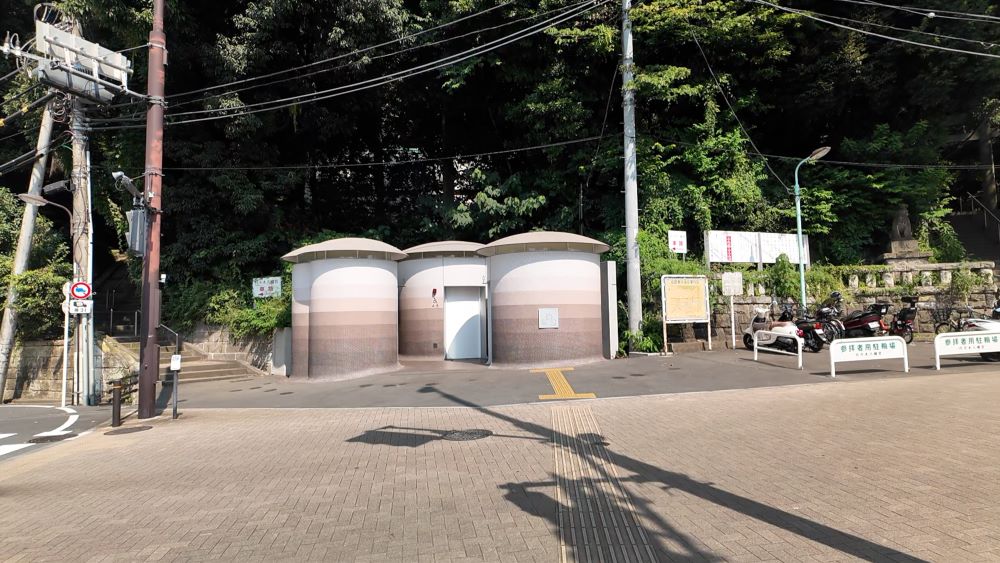
One of the unique aspects of Yoyogi Hachimangu is its proximity to a designer toilet featured in the film “Perfect Days.” This creatively designed restroom has gained international attention and is a curious attraction in its own right.
So, while visiting the shrine, be sure to check out this modern architectural piece right next door.
If you are interested in designer toilets, please see the article below.
A Hidden Gem: Shusse Inari Daimyojin
At the back of the shrine grounds, you’ll find Shusse Inari Daimyojin, a deity believed to bring success and prosperity. This small, tucked-away shrine is especially popular with visitors hoping for career advancement, making it a must-visit spot for those seeking a little extra luck.


Experience the Kingyo Matsuri
Every May, Yoyogi Hachimangu hosts the Kingyo Matsuri, or Goldfish Festival, a delightful event that captures the charm of traditional Japanese festivals. This festival was known as the Kingyo Matsuri until around the Taisho era, when keeping goldfish in home ponds was a popular pastime in Yoyogi. It lapsed in the early Showa era and was revived in 2003.
The festival features goldfish scooping games and various stalls, making it a hit with both children and adults. You can find the event schedule on the official website, but it is written in Japanese.
Plan Your Visit
Yoyogi Hachimangu offers a unique blend of history, spirituality, and modernity in one of Tokyo’s most vibrant districts. Whether you’re drawn by its historical significance, curious about the designer toilet, or just looking for a peaceful spot to relax, this shrine is well worth a visit during your time in Shibuya.


Planning a shrine visit? If you’re unsure how to bow, clap, or make an offering once you’re at the shrine, read our step-by-step guide on how to pray at a Japanese shrine, explained by a Shinto priest at Yushima Tenjin in Tokyo.
Frequently Asked Questions
What are the opening hours of Yoyogi Hachimangu?
Yoyogi Hachimangu is open for worship 24 hours a day, so visitors can pray at any time. The shrine office is open from 9:00 AM to 5:00 PM, and prayer ceremonies are accepted from 9:00 AM to 4:30 PM. The shrine takes cash only.
When was Yoyogi Hachimangu founded?
Yoyogi Hachimangu dates its founding to 1212, in the Kamakura period. According to the shrine’s history, a man who had taken the name Soyu and retired to Yoyogi after the assassination of the second Kamakura shogun, Minamoto no Yoriie, built a small shrine that year and enshrined the deity of Tsurugaoka Hachimangu, the Hachiman shrine of Kamakura.
How do I get to Yoyogi Hachimangu from Shibuya Station?
From Shibuya Station, Yoyogi Hachimangu is reached by bus routes Shibu 63, 64 and 66 (渋63, 渋64, 渋66). The Hachiman-shita stop is a 1-minute walk from the shrine. A taxi from Shibuya Station takes about 10 minutes. By train, the nearest stations are Yoyogi-Hachiman on the Odakyu Line and Yoyogi-koen on the Chiyoda Line, each a 5-minute walk from the shrine.
Which Perfect Days toilet is next to Yoyogi Hachimangu?
The toilet next to Yoyogi Hachimangu is the Yoyogi-Hachiman public toilet, designed by architect Toyo Ito and named Three Mushrooms. The toilet stands on Yamate-dori at the foot of the steps to the shrine. It is one of 17 redesigned public toilets in Shibuya under The Tokyo Toilet project, which forms the backdrop of the Wim Wenders film Perfect Days.
Share