
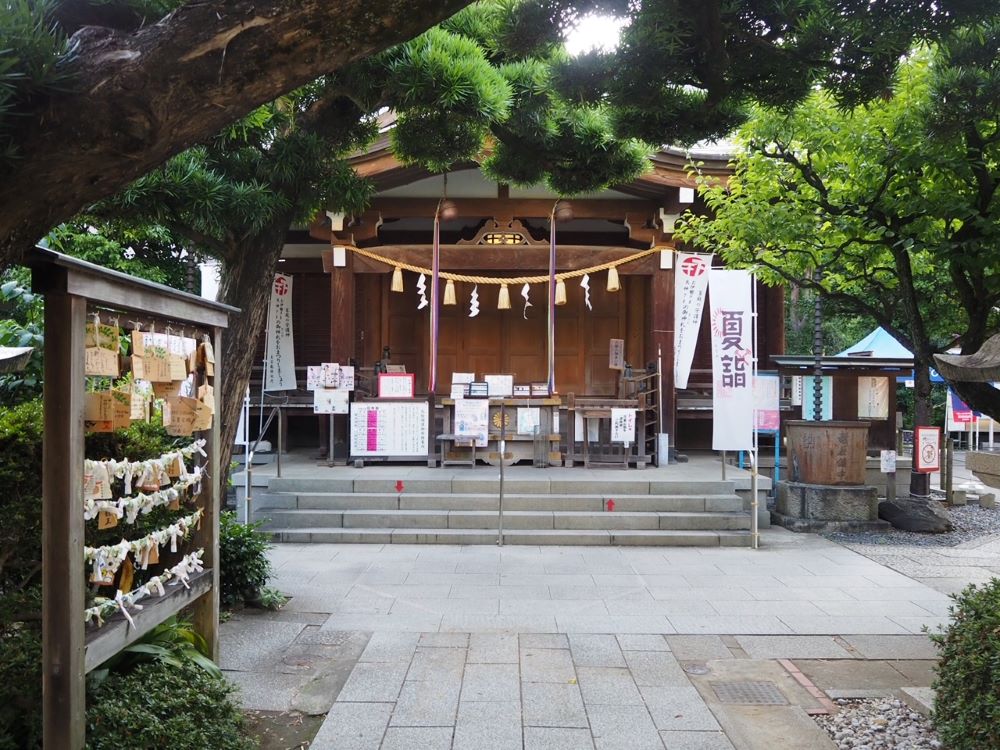
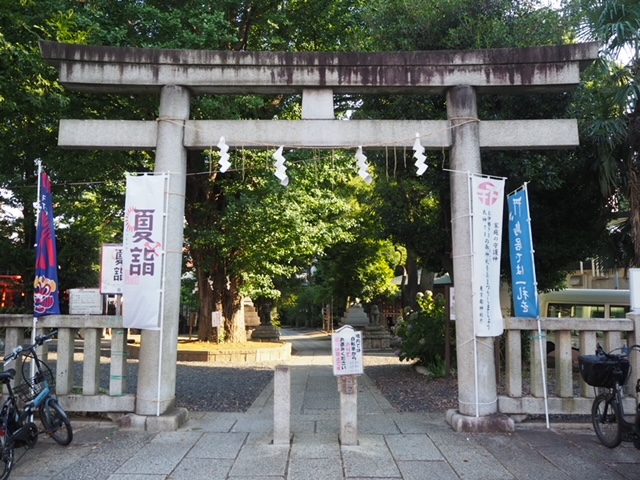
Hatonomori Hachiman Shrine is a Shinto shrine in Sendagaya, Shibuya, Tokyo, dedicated to Emperor Ojin and Empress Jingu. Its grounds hold the Sendagaya Fujizuka, a miniature Mount Fuji said to date from 1789 and the oldest surviving mound of its kind in Tokyo. The shrine stands about 5 minutes on foot from Sendagaya, Kitasando and Kokuritsu-Kyogijo stations, and the grounds are open for worship 24 hours a day.
| Location | 1-1-24 Sendagaya, Shibuya-ku, Tokyo |
|---|---|
| Nearest stations | Sendagaya (JR Sobu Line), Kitasando and Kokuritsu-Kyogijo, each about 5 minutes on foot |
| Hours | Grounds open 24 hours, 365 days a year. Amulet office 9:00 AM to 5:00 PM |
| Enshrined deities | Emperor Ojin and Empress Jingu |
| Hachiman enshrined | 860 (Jogan 2), by the monk Ennin, according to shrine tradition |
| Fujizuka | Said to date from 1789. Oldest surviving in Tokyo, a Tokyo-designated cultural property |
| Official site | hatonomori-shrine.or.jp |
Checked in October 2026 against hatonomori-shrine.or.jp.
A Brief History
According to the “Edo Famous Places Guide,” Hatonomori Hachiman Shrine has a fascinating origin. In ancient times, mysterious clouds appeared over the dense forest in this area, sometimes descending from the blue sky. Villagers, intrigued by these unusual phenomena, ventured into the forest and witnessed numerous white doves flying westward. These miraculous signs inspired the villagers to build a small shrine named “Hatonomori,” meaning “Dove’s Forest.” The shrine was founded during the Jinki era (724-729). In 860 AD, the revered monk Jikaku Daishi (Ennin) crafted statues of Empress Jingu, Emperor Ojin, and the deity of Kasuga Myojin, enshrining them to transform the shrine into Hatonomori Hachiman Shrine.
Hachiman Shrine, also known as Hachiman Jinja, is a Shinto shrine dedicated primarily to Hachiman, the god of martial success, agriculture, and fishing. Widely revered as a guardian deity, Hachiman is especially notable for being the deified form of Emperor Ojin.
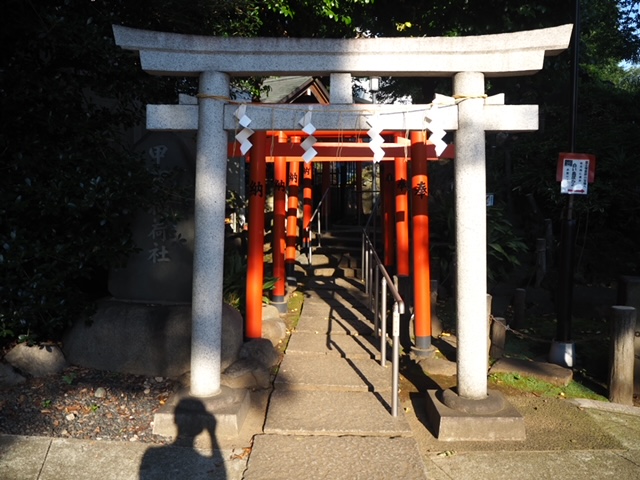
A Hidden Sanctuary in the City
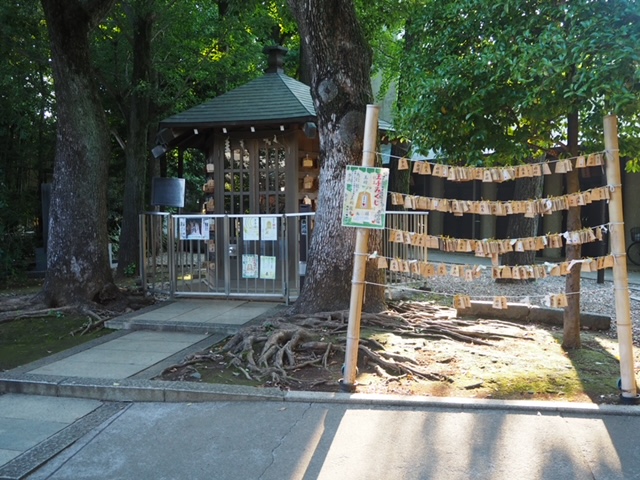
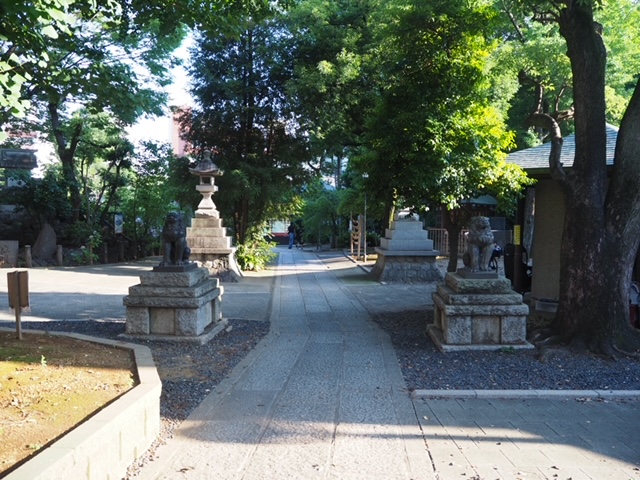
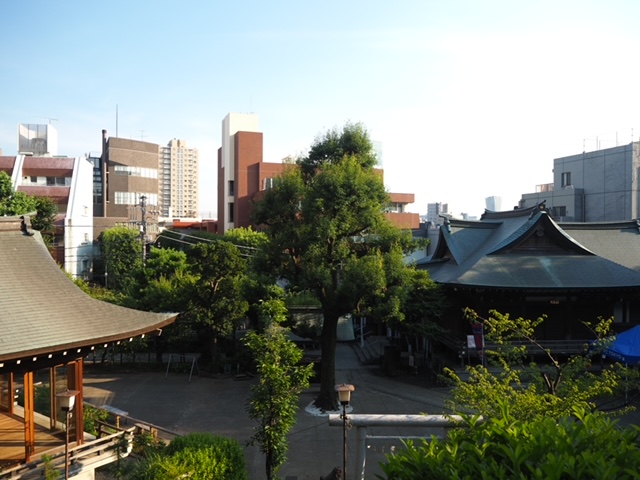
The juxtaposition of its quiet presence against the vibrant backdrop of Tokyo’s skyscrapers is truly mesmerizing. Despite being in the midst of a bustling metropolis, Hatonomori Hachiman Shrine remains a peaceful sanctuary, quietly standing as a testament to Japan’s rich cultural heritage.
The Sacred Mount Fuji Mound
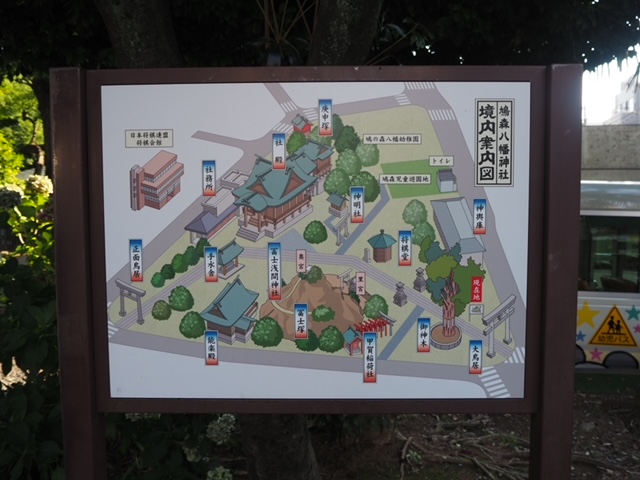
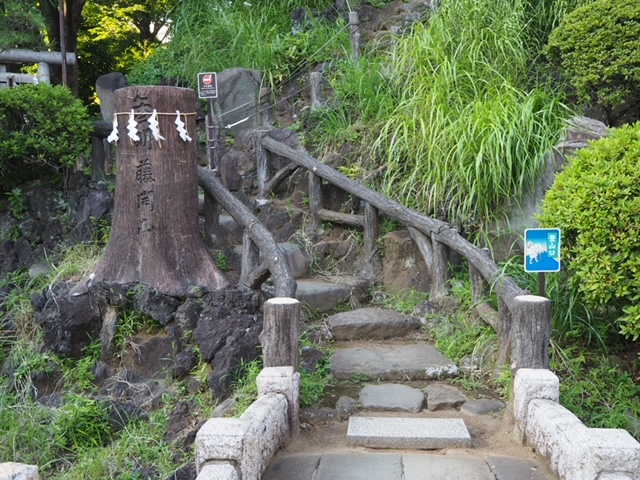
One of the unique features of Hatonomori Hachiman Shrine is its Fuji Sengen Shrine and the Fujizuka, a small artificial mound that replicates Mount Fuji. During the Edo period, traveling to Mount Fuji was a significant challenge for most people. These mounds were built to offer the same spiritual benefits as climbing the actual mountain. Constructed in 1789, Hatonomori’s Fujizuka is the oldest remaining mound in Tokyo, lovingly preserved for over 200 years.
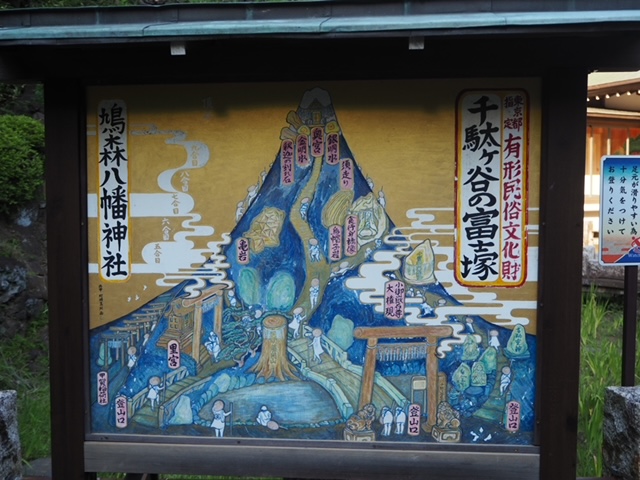
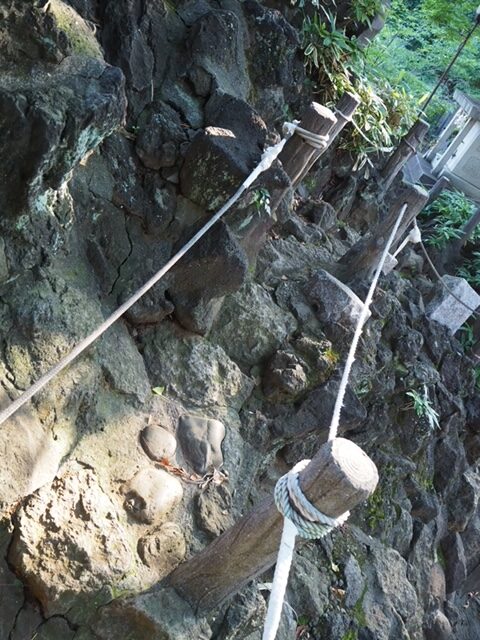
Visitors can climb this mini Mount Fuji in a few minutes, experiencing a symbolic pilgrimage. The path to the top is lined with natural rocks, giving an authentic feel of a mountain ascent. At the summit, you’ll find a small shrine and a panoramic view of the surrounding area, making the short climb a rewarding experience.
Entrance to the Fujizuka
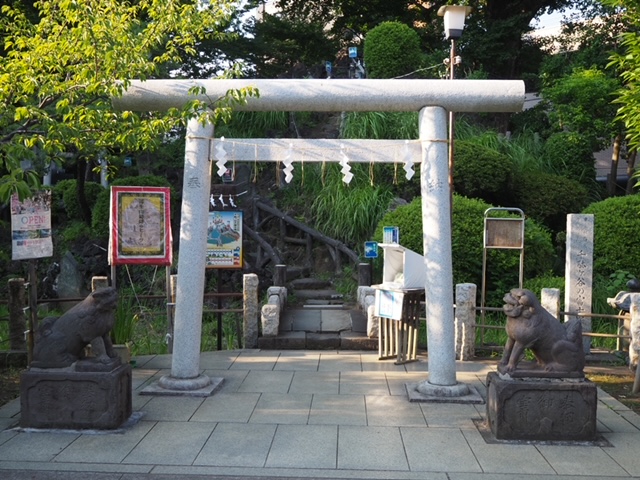
The way to the Fujizuka
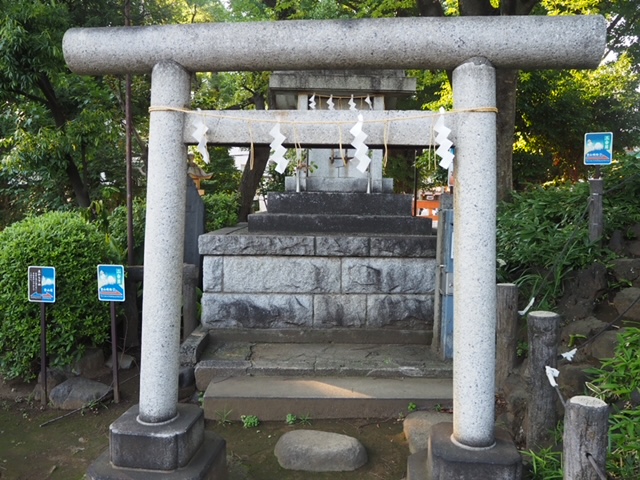
You can find torii along the way.
Watch your step as the rocks are rugged.
You can see the whole shrine from the top.
Convenient Cultural Detour
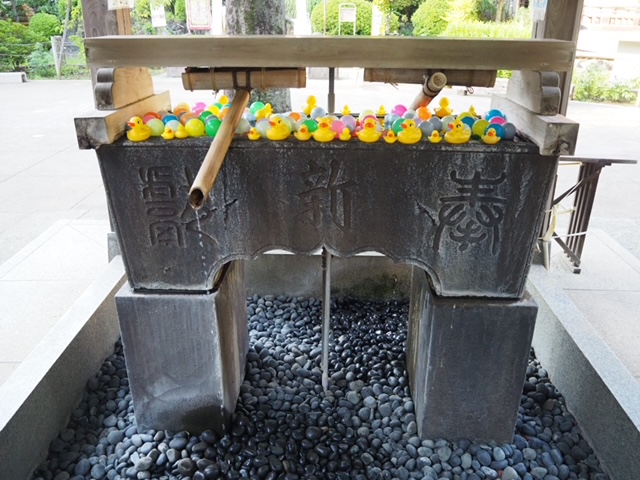
Located near popular tourist spots like Harajuku, Shibuya, Shinjuku, and the National Stadium, Hatonomori Hachiman Shrine is easily accessible and makes for a perfect cultural detour. Whether you’re exploring the trendy streets of Harajuku or the bustling Shibuya Crossing, a visit to this serene shrine offers a refreshing change of pace.
Summary
Hatonomori Hachiman Shrine is a hidden gem that offers a unique blend of history, culture, and tranquility. Next time you find yourself in Tokyo, take a moment to visit this serene sanctuary!
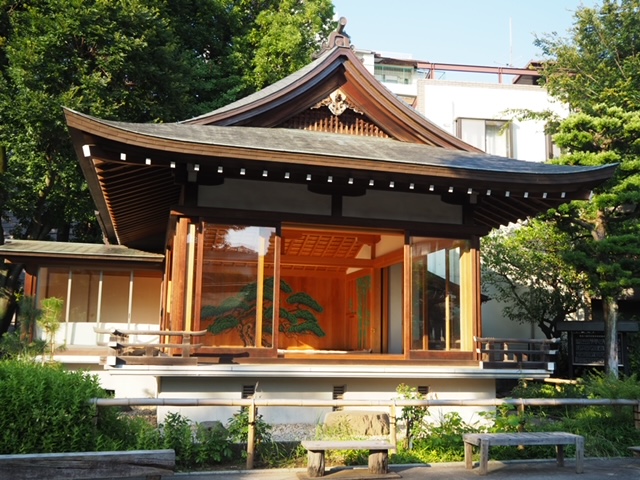
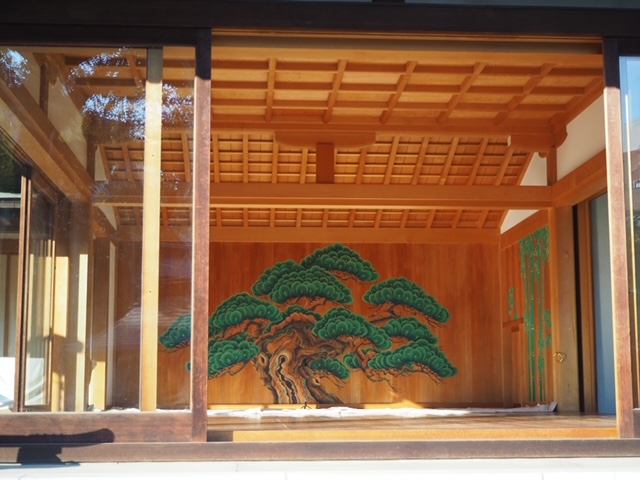
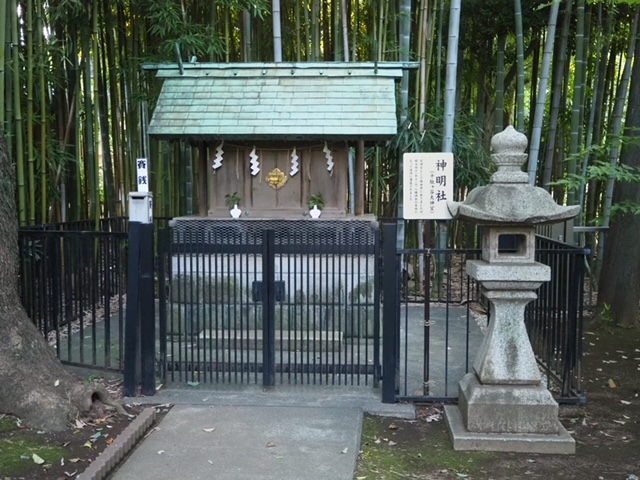
Digital guidance is available in English.
Access Information
1-1-24 Sendagaya, Shibuya-ku, Tokyo
Transportation:
- JR Sobu Line: Get off at ‘Sendagaya’ Station and walk 5 minutes.
- Toei Oedo Line: Get off at ‘Kokuritsu-Kyogijo’ Station and walk 5 minutes.
- Tokyo Metro Fukutoshin Line: Get off at ‘Kitasando’ Station and walk 5 minutes.
For more details, see the shrine’s official website.
Planning a shrine visit? If you’re unsure how to bow, clap, or make an offering once you’re at the shrine, read our step-by-step guide on how to pray at a Japanese shrine, explained by a Shinto priest at Yushima Tenjin in Tokyo.
Frequently Asked Questions
Is the Fujizuka at Hatonomori Hachiman Shrine a cultural property?
The Fujizuka at Hatonomori Hachiman Shrine is a Tokyo Metropolitan Tangible Folk Cultural Property, designated on March 12, 1981 under the name Sendagaya no Fujizuka. The mound is said to have been built in 1789 and was repaired after the Great Kanto Earthquake of 1923. The shrine describes it as the oldest Fujizuka still standing in Tokyo.
When can visitors climb the Fujizuka at Hatonomori Hachiman Shrine?
The Fujizuka at Hatonomori Hachiman Shrine can be climbed at any time, and the climb takes a few minutes. The shrine may close the mound during ceremonies, cleaning and pruning work, and the Takigi Noh performance held in May. The shrine asks visitors to come in daylight because the mound is dark and dangerous at night.
What are the opening hours of Hatonomori Hachiman Shrine?
Hatonomori Hachiman Shrine is open for worship 24 hours a day, 365 days a year. The office that hands out amulets is open from 9:00 AM to 5:00 PM, and prayer ceremonies inside the main hall are accepted from 9:00 AM to 4:00 PM. The shrine takes cash only and does not change money for offerings.
What is the Shogi-do at Hatonomori Hachiman Shrine?
The Shogi-do at Hatonomori Hachiman Shrine is a hexagonal hall that houses a zelkova shogi piece 1.2 meters tall, dedicated in 1986 by Yasuharu Oyama, 15th Lifetime Meijin and then president of the Japan Shogi Association. Visitors hang votive plaques on the hall to pray for better shogi skills, and a prayer ceremony is held there each January.
Share