
The Tokyo Toilet is a project that redesigned 17 public toilets in Shibuya, Tokyo, with 16 architects and designers, among them Shigeru Ban, Toyo Ito, Tadao Ando and Kengo Kuma. The toilets opened in stages between 2020 and March 2023, and Shibuya City has managed them since April 2024. All 17 are free to use, have wheelchair access and are cleaned up to three times a day.
| Location | 17 sites in Shibuya City, Tokyo: 10 park toilets and 7 other public toilets |
|---|---|
| Designers | 16 creators, including Tadao Ando, Kengo Kuma, Shigeru Ban and Toyo Ito |
| Opened | In stages from 2020 to March 2023 |
| Cost | Free to use |
| Accessibility | Wheelchair access at all 17 sites, Washlet in every toilet |
| Management | Shibuya City since April 2024, with daily cleaning up to three times a day |
| Official site | tokyotoilet.jp |
Checked in October 2026 against city.shibuya.tokyo.jp, tokyotoilet.jp, en.nippon-foundation.or.jp.
Did you know that Tokyo’s public toilets are famous not just for their cleanliness but also for their unique designs? Today, I’m taking you on a journey through Shibuya to check out 17 of these fascinating toilets, all of which were featured in the film “Perfect Days.” So, let’s dive in and see how these everyday facilities have been transformed into something special.
I’ll share my Google Maps List to help you navigate easily, just follow the link below: Google Maps list of the toilets
The Idea Behind Designer Public Toilets
You might not expect public toilets to be a highlight of your trip, but in Shibuya, they’ve become something of a local attraction. These toilets have transformed what could be a mundane space into something truly worth visiting. In fact, there are now even tours dedicated to exploring these unique facilities, a testament to how much they’ve captured people’s imaginations.
A Closer Look at Shibuya’s Designer Toilets
Now, let’s take a closer look at some of the standout toilets you can find around Shibuya:
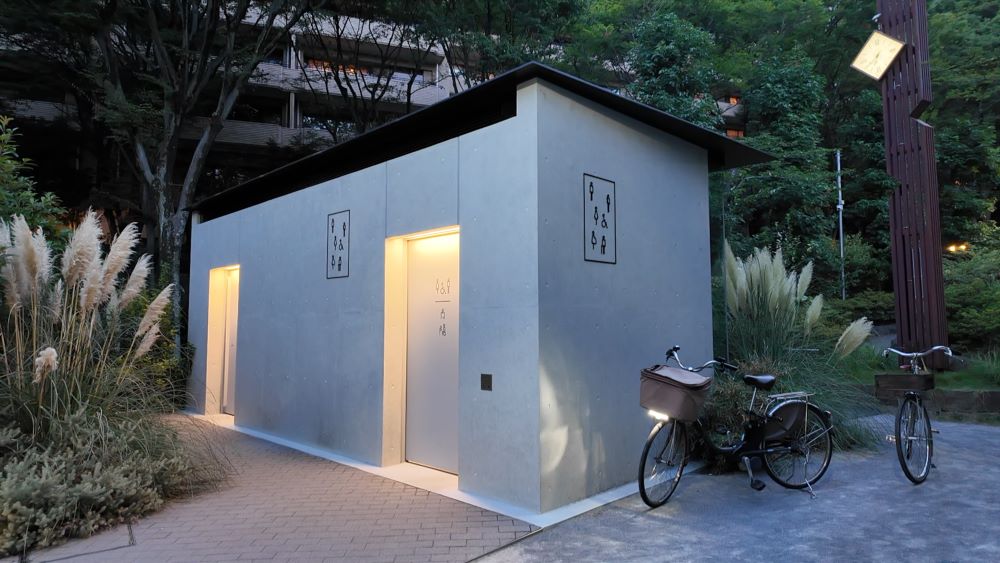
“Monumentum” by Tomohito Ushiro
This toilet, located in a park, is a piece of public art that lights up in unique patterns symbolizing the world’s population. It’s a thought-provoking design that blends seamlessly into its natural surroundings.
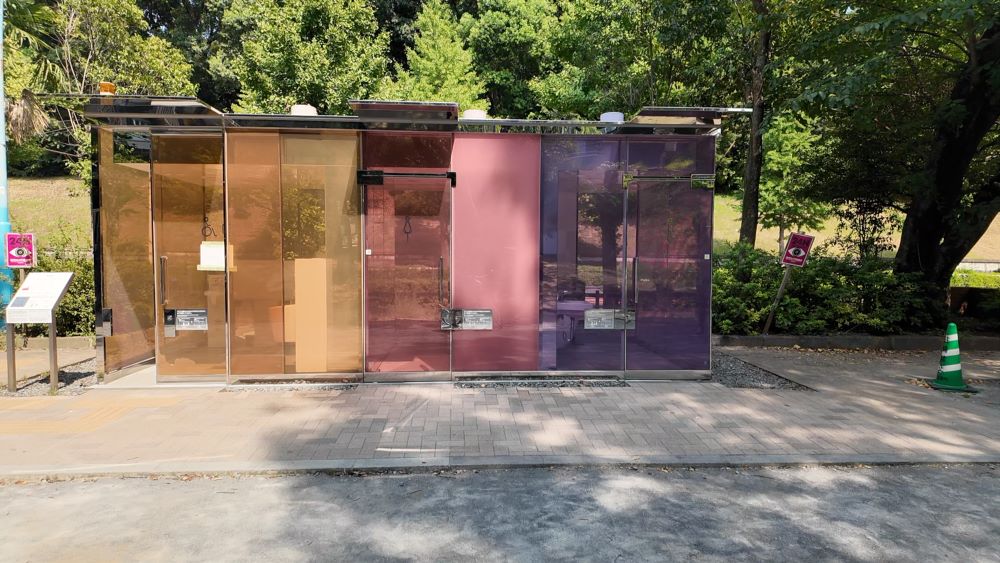
The Transparent Toilet by Shigeru Ban
Located in a park, this toilet’s transparent glass walls become opaque when locked. It’s all about combining modern design with practical needs, ensuring that users feel both safe and comfortable.
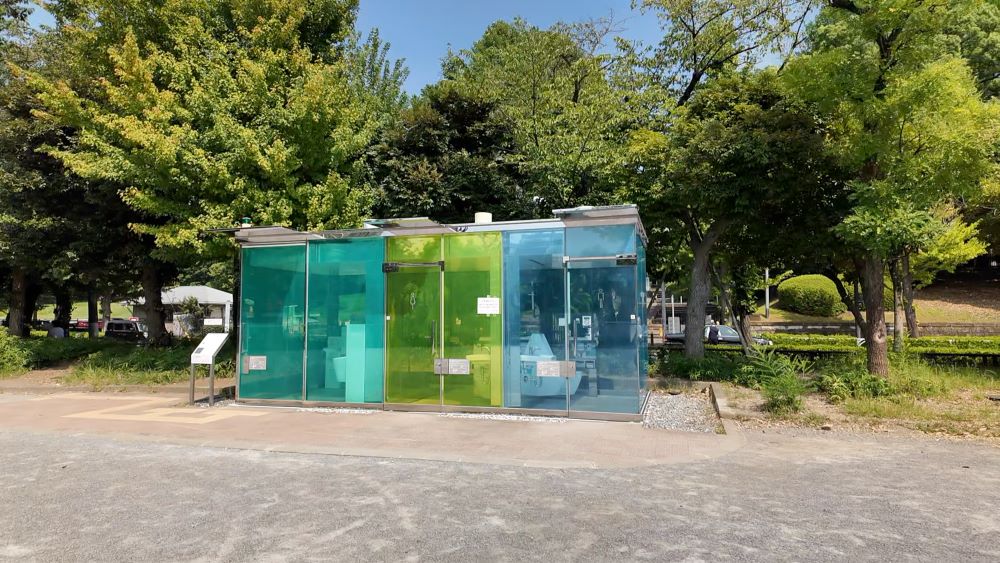
Haru-no-Ogawa Community Park Toilet
Also designed by Shigeru Ban, this toilet is a variation of the transparent design, featuring bluish glass walls that also turn opaque when occupied. It’s a subtle but beautiful addition to the park’s landscape. A Shibuya City notice says the glass of both Shigeru Ban toilets stays opaque at all times from mid-October to mid-May.
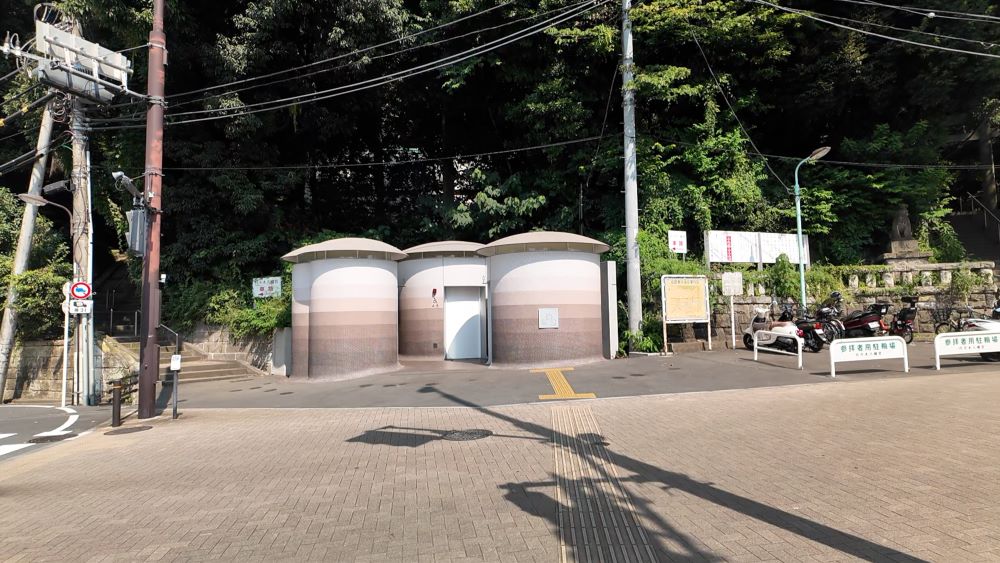
“Three Mushrooms” by Toyo Ito at Yoyogi Hachiman Shrine
This toilet is designed to look like three mushrooms growing in the forest, blending perfectly with the surrounding nature. Despite being near a busy road, it offers a peaceful and serene space for visitors.
“Andon” by Takenosuke Sakakura
This toilet replaces an old, uninviting facility with a bright, open design that feels like a welcoming lantern. It’s a place that invites you to use the space, making the park more attractive for everyone.
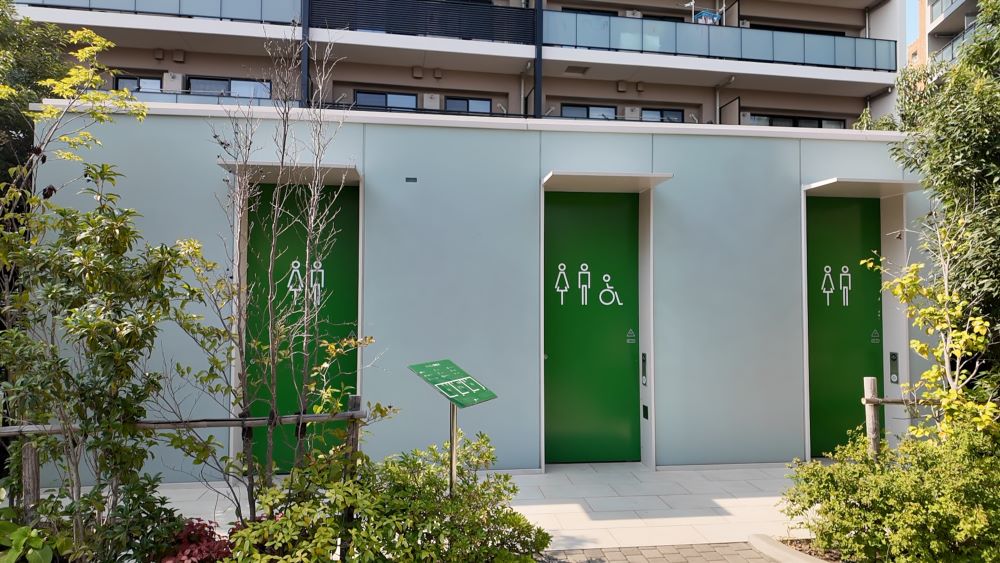
“Hi Toilet” by Kazoo Sato
A cutting-edge design that’s completely contactless, this toilet was ahead of its time. With voice commands, it’s designed to enhance hygiene, especially in a post-pandemic world.
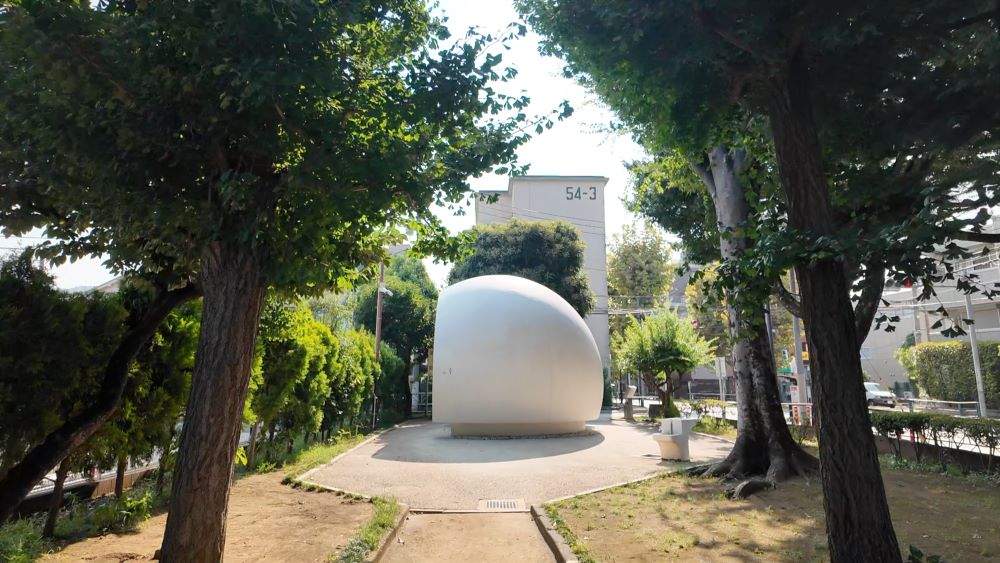
Ebisu East Park Toilet by Fumihiko Maki
Maki’s design is minimalist and modern, with a reflective surface that helps it blend into the park’s surroundings. It’s simple, functional, and elegant, perfect for all visitors.
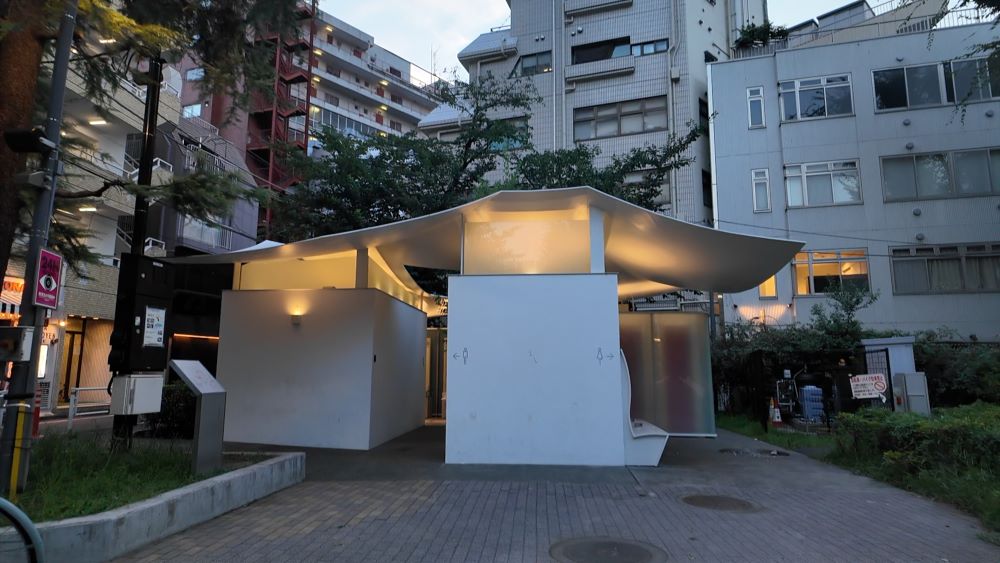
Kengo Kuma’s “A Walk in the Woods”
Kuma’s design in Shoto Park features five separate huts, each serving a different purpose. The open layout and use of natural materials make this a standout example of how public spaces can be both practical and beautiful.
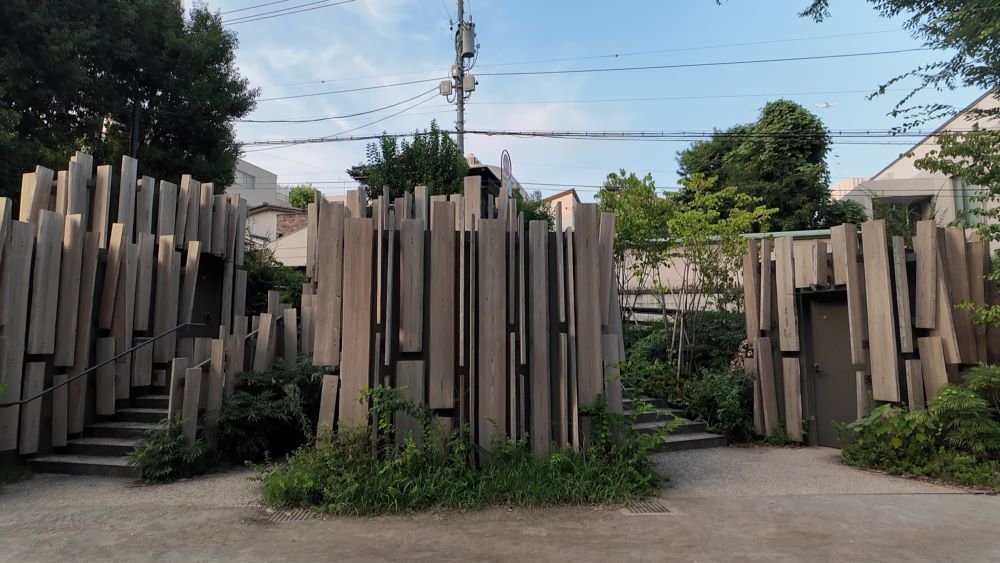
Tadao Ando’s “AMAYADORI”
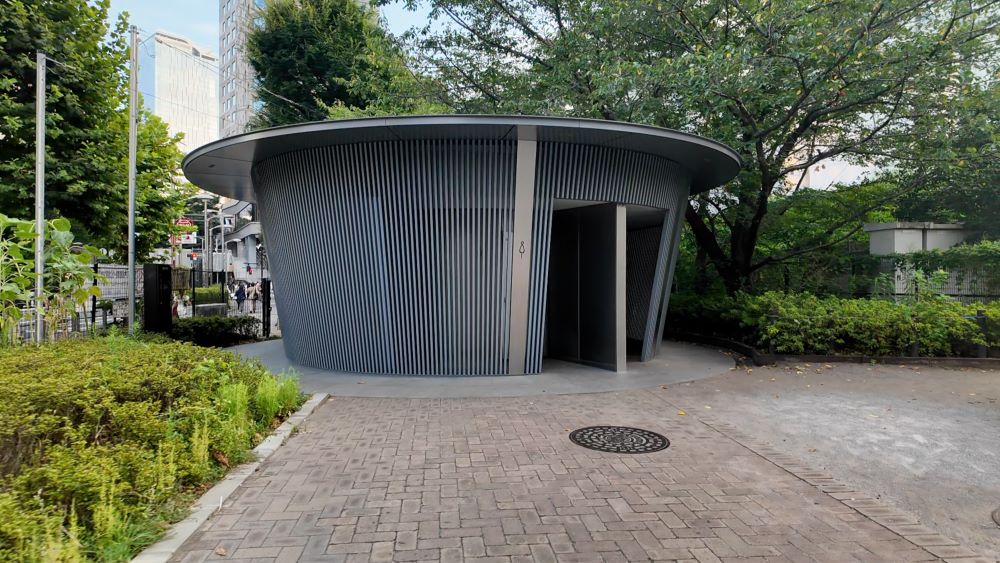
Ando’s design at the heart of Shibuya uses a circular floor plan with natural light flowing in through vertical louvers. It’s a space that feels both secure and serene, offering a unique experience for visitors.
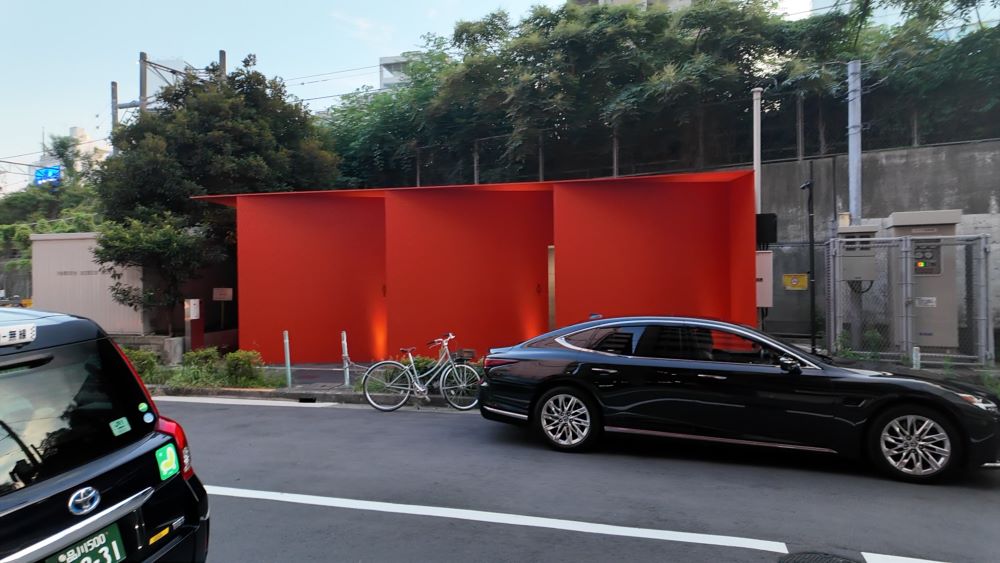
Nao Tamura’s Diversity Toilet
Located around Ebisu Station, this toilet was inspired by the LGBTQ community in New York. It offers three distinct spaces, each designed to provide safety and privacy, while also symbolizing hospitality for Shibuya’s international visitors.
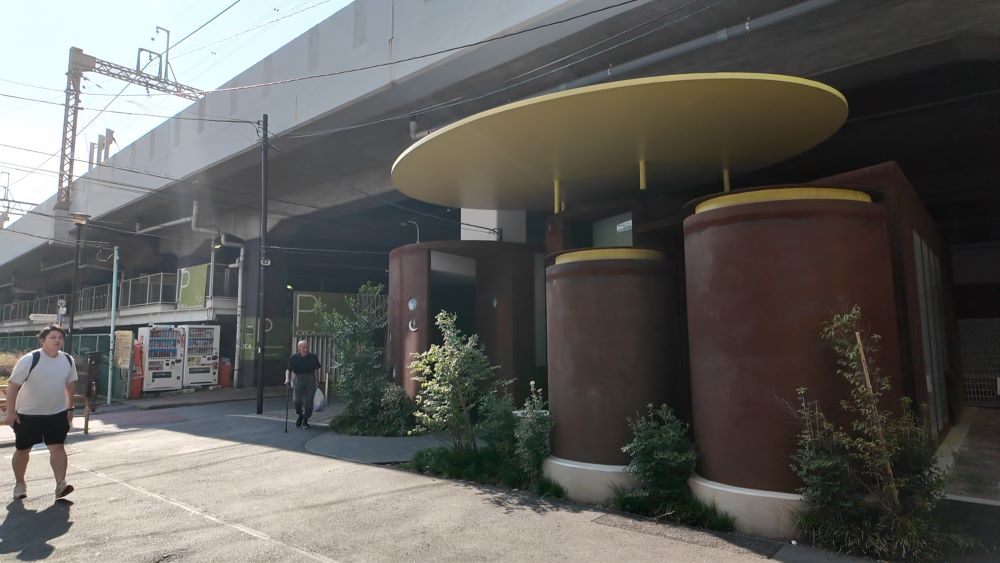
“Toilet of the town lights” by Junko Kobayashi
This playful design features a large yellow awning with rabbit silhouettes in the windows. Located under railway tracks, it’s a bright and cheerful space that contrasts with the typically dark and enclosed feeling of similar locations.
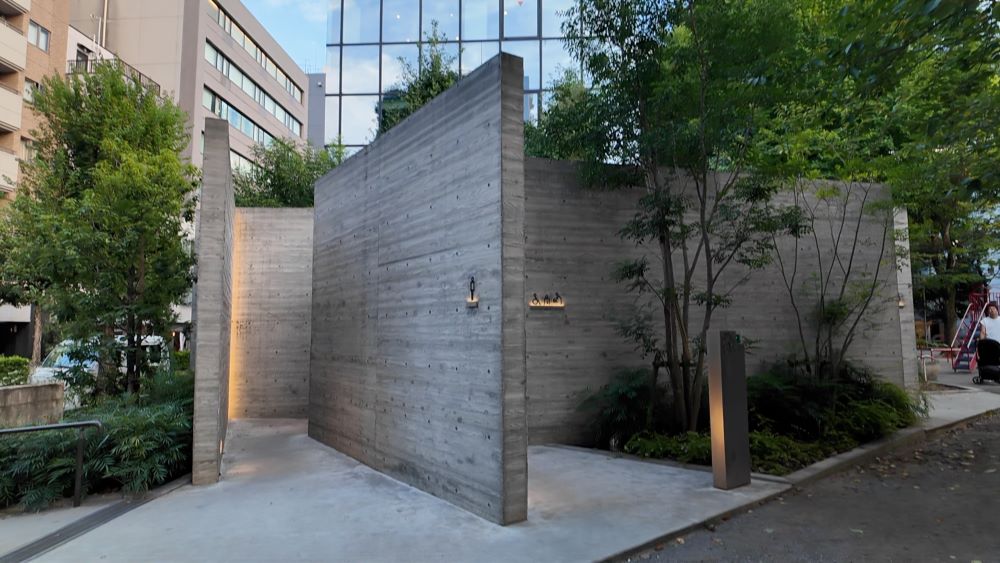
“Modern Kawaya” by Masamichi Katayama
Katayama’s maze-like design of 15 concrete walls is sleek and minimalist, offering a comfortable and accessible space that blends modern aesthetics with the park’s natural environment.
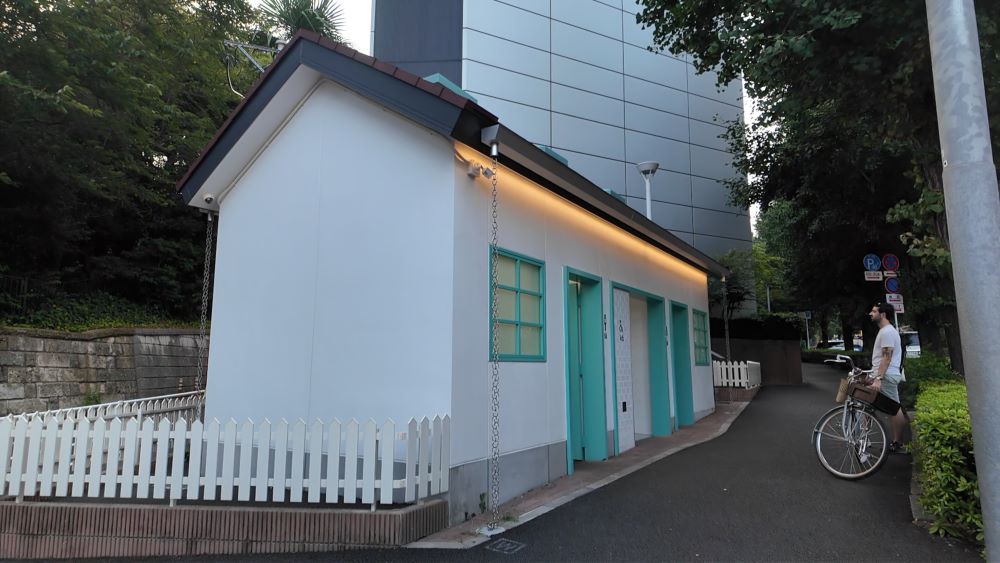
“THE HOUSE” by NIGO
Inspired by the idea of learning from the past, this design evokes the comforting feeling of a traditional home, providing a familiar and homely atmosphere in the middle of Harajuku.
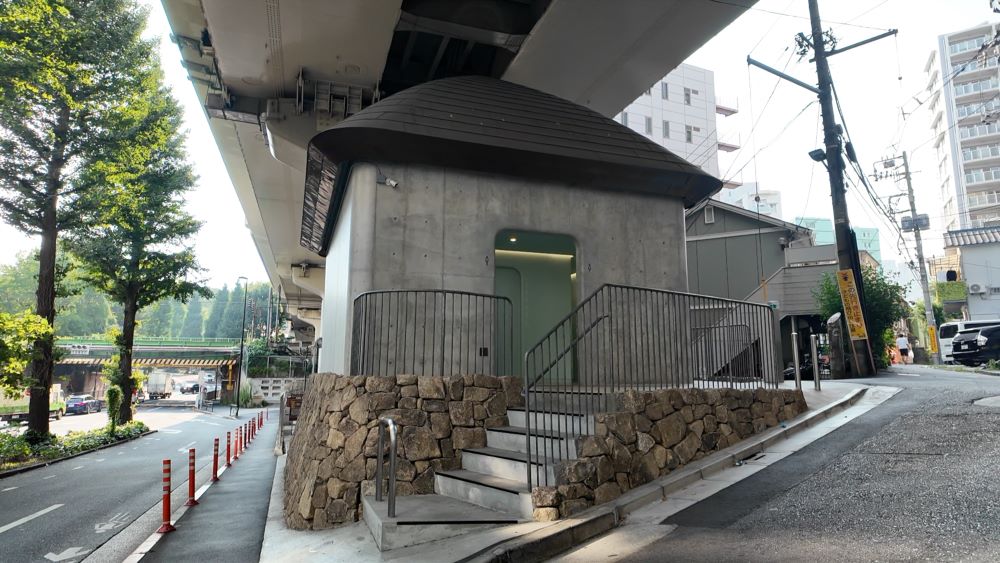
Marc Newson’s Copper Roof Toilet
Drawing from traditional Japanese architecture, this toilet features a copper roof that will develop a patina over time, blending seamlessly into Tokyo’s cityscape.
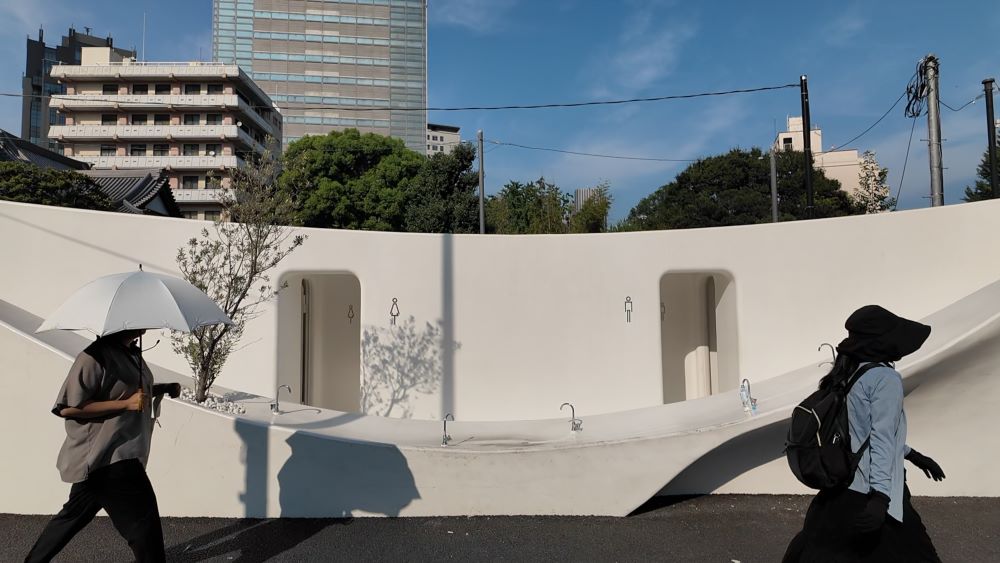
“Vessels and Fountains” by Sou Fujimoto
Designed as an urban gathering place, this toilet turns hand washing into a social experience, with various heights for different users to encourage interaction.
“…With Toilet” by Miles Pennington
Located at a busy intersection, this toilet also serves as an exhibition space, pop-up kiosk, and meeting spot, making it a multifunctional area that’s valued by the community.
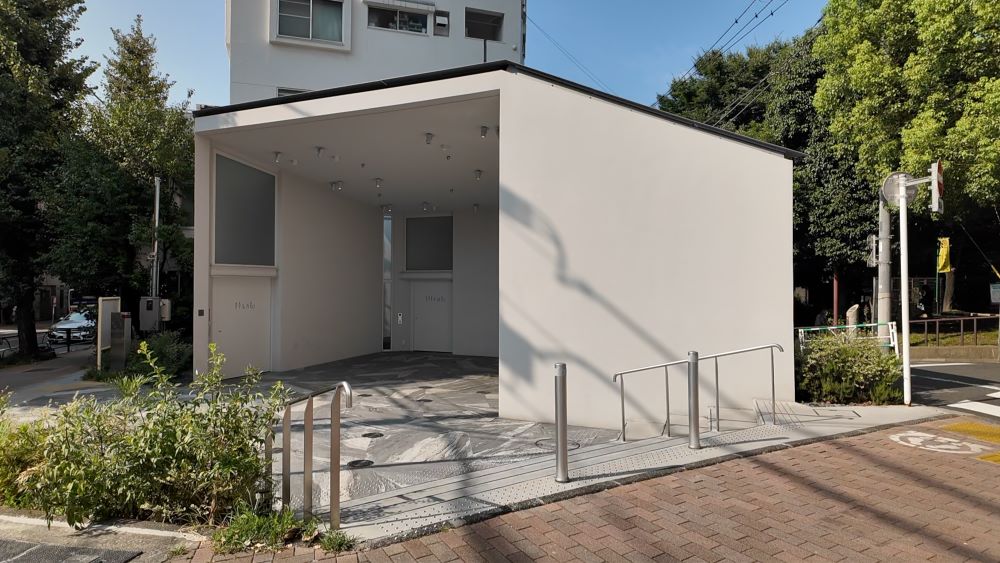
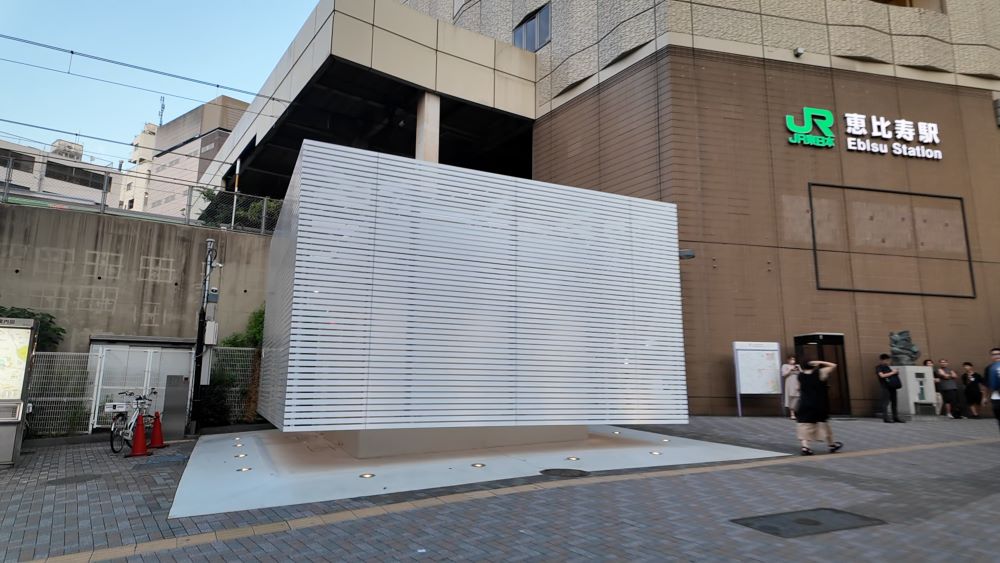
“WHITE” by Kashiwa Sato
This simple, pure white design near Ebisu Station is easy to enter and use, creating a fresh and uplifting atmosphere for passersby.
Final Thoughts
These public toilets are more than just places to go. They’re a testament to Japan’s commitment to cleanliness and innovative design. They’re all free to use, making them even more appealing.
If you’re in Shibuya, why not take a moment to check them out? You might be surprised by the creativity and thought that went into each one. And if you’re up for it, I highly recommend renting a bike to explore them all.
For more details, don’t forget to check out my YouTube video:
Frequently Asked Questions
Where are Tokyo’s designer public toilets?
The 17 toilets of The Tokyo Toilet project are all in Shibuya City, Tokyo. Shibuya City lists ten as park toilets, including Nabeshima Shoto Park (Kengo Kuma), Ebisu Park (Masamichi Katayama) and Jingu-Dori Park (Tadao Ando), and seven as other public toilets, including Nishisando (Sou Fujimoto), Urasando (Marc Newson) and Jingumae (NIGO). The official site, tokyotoilet.jp, lists every address and has a location map.
Who designed the Tokyo Toilet project in Shibuya?
Sixteen architects and designers created the 17 toilets of The Tokyo Toilet in Shibuya. Four of them won the Pritzker Prize: Tadao Ando, Shigeru Ban, Toyo Ito (the Three Mushrooms toilet at Yoyogi-Hachiman) and Fumihiko Maki. Others include Kengo Kuma, Sou Fujimoto, Marc Newson and NIGO. Shigeru Ban designed two toilets, which is why 16 creators account for 17 sites.
Are the transparent toilets in Tokyo always see-through?
No. Shigeru Ban’s two transparent toilets, at Yoyogi Fukamachi Mini Park and Haru-no-Ogawa Community Park, have glass that is clear when unoccupied and turns opaque when locked. A Shibuya City notice from October 2023 says that, for the time being, the glass switches normally from mid-May to mid-October and stays opaque at all times from mid-October to mid-May, because cold weather slows the change.
Is there a tour of the Tokyo Toilet project?
Yes. The Tokyo Toilet Shuttle Tour, organized by NearMe, runs on Thursdays and Saturdays from Shibuya Excel Hotel Tokyu. Two routes, the East course and the West course, together cover all 17 toilets, and each takes 2 to 3 hours. The official tour page lists the price as 6,500 yen per person before tax.
Share