
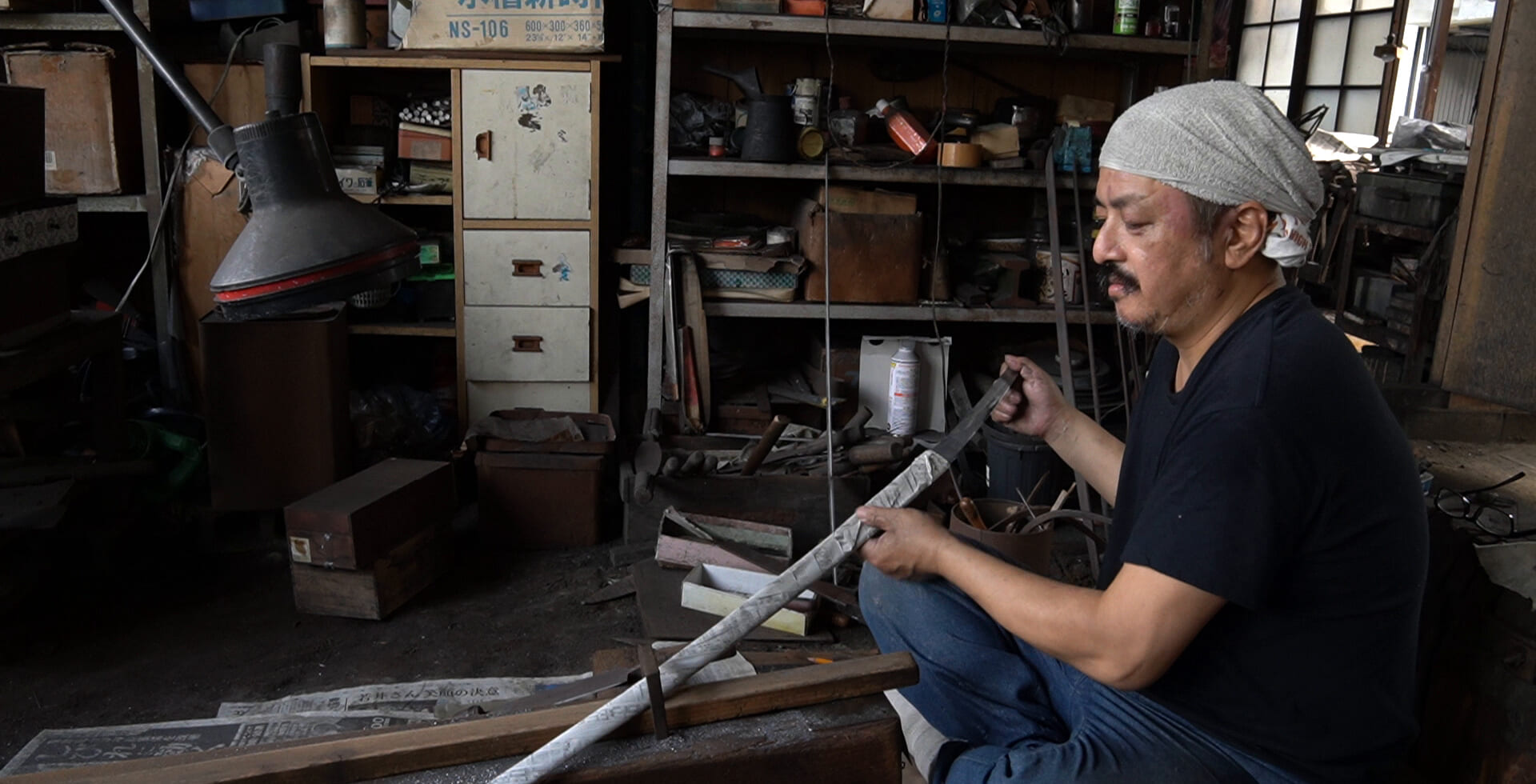
The Japanese Sword Museum (Token Hakubutsukan) is a museum of Japanese swords in Ryogoku, Sumida City, Tokyo, run by the Society for Preservation of Japanese Art Swords (NBTHK). It shows swords as works of art in changing exhibitions on its third floor, beside the Former Yasuda Garden and a 7-minute walk from JR Ryogoku Station. Until December 20, 2026, the hall holds a special exhibition on the Edo-period swordsmiths Kotetsu and Sukehiro, with adult tickets at 1,500 yen.
| Address | 1-12-9 Yokoami, Sumida City, Tokyo 130-0015 (official access page) |
|---|---|
| Hours | 9:30 AM to 5:00 PM, last entry 4:30 PM |
| Closed | Mondays (Tuesday when Monday is a national holiday), exhibition changeovers, New Year holidays |
| Admission | Adults 1,000 yen, or 1,500 yen for the special exhibition to December 20, 2026 (prices) |
| Nearest station | Ryogoku: 7 minutes from the JR West Exit, 5 minutes from Oedo Line Exit A1 |
| Now showing | Master Swordsmiths of East and West: Kotetsu and Sukehiro, to December 20, 2026 |
| English | Exhibition basics and the list of works are published in English |
What is the Japanese Sword Museum in Tokyo?
The museum belongs to the NBTHK, a foundation set up in February 1948, when the Occupation Forces were trying to confiscate Japanese swords after World War II, according to the NBTHK English page. The museum opened in May 1968 and moved to its current site in Ryogoku in 2017, from Yoyogi. The NBTHK describes it as a museum devoted to Japanese swords with almost no equivalent in Japan.
The collection covers swords, mountings, sword fittings, armour and metalwork, centred on early masterpieces from the Heian, Kamakura and Nanbokucho periods. It includes three National Treasures, all tachi: one signed Nobuyoshi and two signed Kuniyuki, attributed to the Rai and Taima schools.
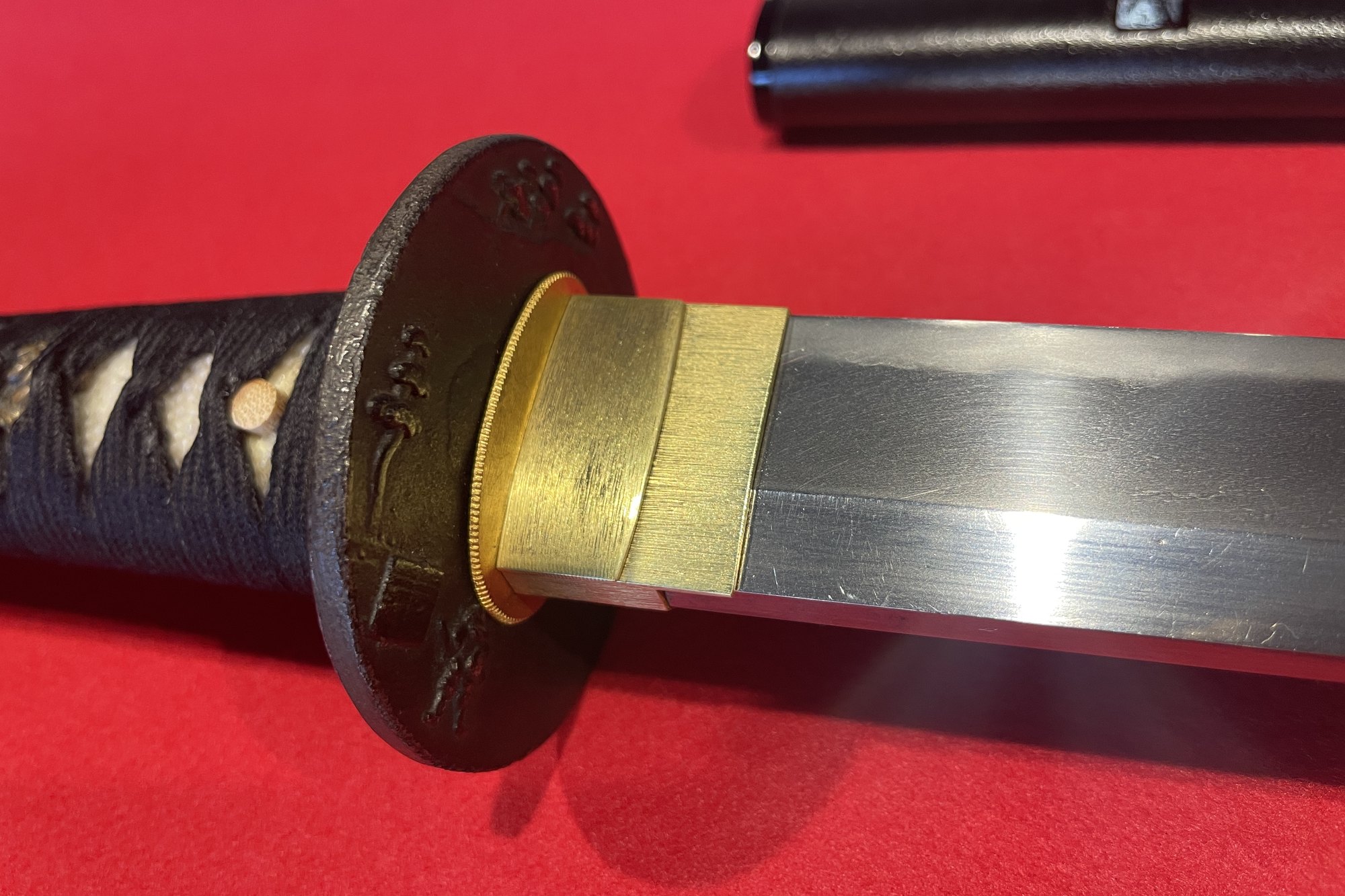
The NBTHK also ranks swords, and two exhibitions a year show newly ranked pieces. For the story behind the objects, read our history of the Japanese sword before you go.
Sword museum in Tokyo: what is on now and next
The museum shows its swords in themed exhibitions that run for one to three months each, and it closes while it changes them. Dates below are from the official annual schedule and can change.
| Dates | Exhibition | What it shows |
|---|---|---|
| October 24 to December 20, 2026 | Master Swordsmiths of East and West: Kotetsu and Sukehiro (special exhibition) | Nagasone Kotetsu of Edo and Tsuda Echizen-no-Kami Sukehiro of Osaka, held jointly with the Fukuyama Museum of Art |
| January 9 to March 7, 2027 | The 72nd Newly Designated Important Swords and Fittings | Swords and fittings newly ranked Important Sword in the NBTHK examinations of 2026 |
| March 20 to May 23, 2027 | Collection masterpieces (provisional title) | Swords, mountings, fittings and other crafts, mainly from the museum’s own collection |
Kotetsu and Sukehiro, to December 20, 2026
The museum names Kotetsu and Sukehiro as the two great swordsmiths of the Edo period. Kotetsu worked in Edo, and his practical swords reflect samurai culture. He is known for juzuba, a hamon of evenly topped rounded peaks that look like a string of prayer beads. Sukehiro worked in Osaka and created toran, a hamon whose name means billowing waves, in a showier style suited to merchant culture.
The English list of works has 45 entries, including three Important Cultural Properties and no National Treasures. Kotetsu’s section also includes helmets and sword guards. Some swords are shown only from October 24 to November 23 and others only from November 25 to December 20, so the two halves of the show differ.
Will National Treasures be on display?
Only when an exhibition includes them. None of the museum’s three National Treasures is on the current list of works, and the schedule does not name them for the next two shows. The spring 2027 show draws on the museum’s own collection, so check its list of works when published.
How to read the labels
Labels mix government designations with NBTHK ranks.
| Label | Given by | What it means |
|---|---|---|
| National Treasure | Government of Japan | An Important Cultural Property with exceptionally high cultural value from a global perspective (Agency for Cultural Affairs) |
| Important Cultural Property | Government of Japan | An especially significant cultural property that cannot be exported without approval |
| Important Art Object | Recognised under a 1933 law | A work recognised to stop fine Japanese crafts from leaving the country (museum schedule) |
| Special Important Sword | NBTHK | The NBTHK’s top rank, given as comparable to an Important Cultural Property |
| Important Sword | NBTHK | An NBTHK rank given as comparable to an Important Art Object |
How to look at a Japanese sword at the museum
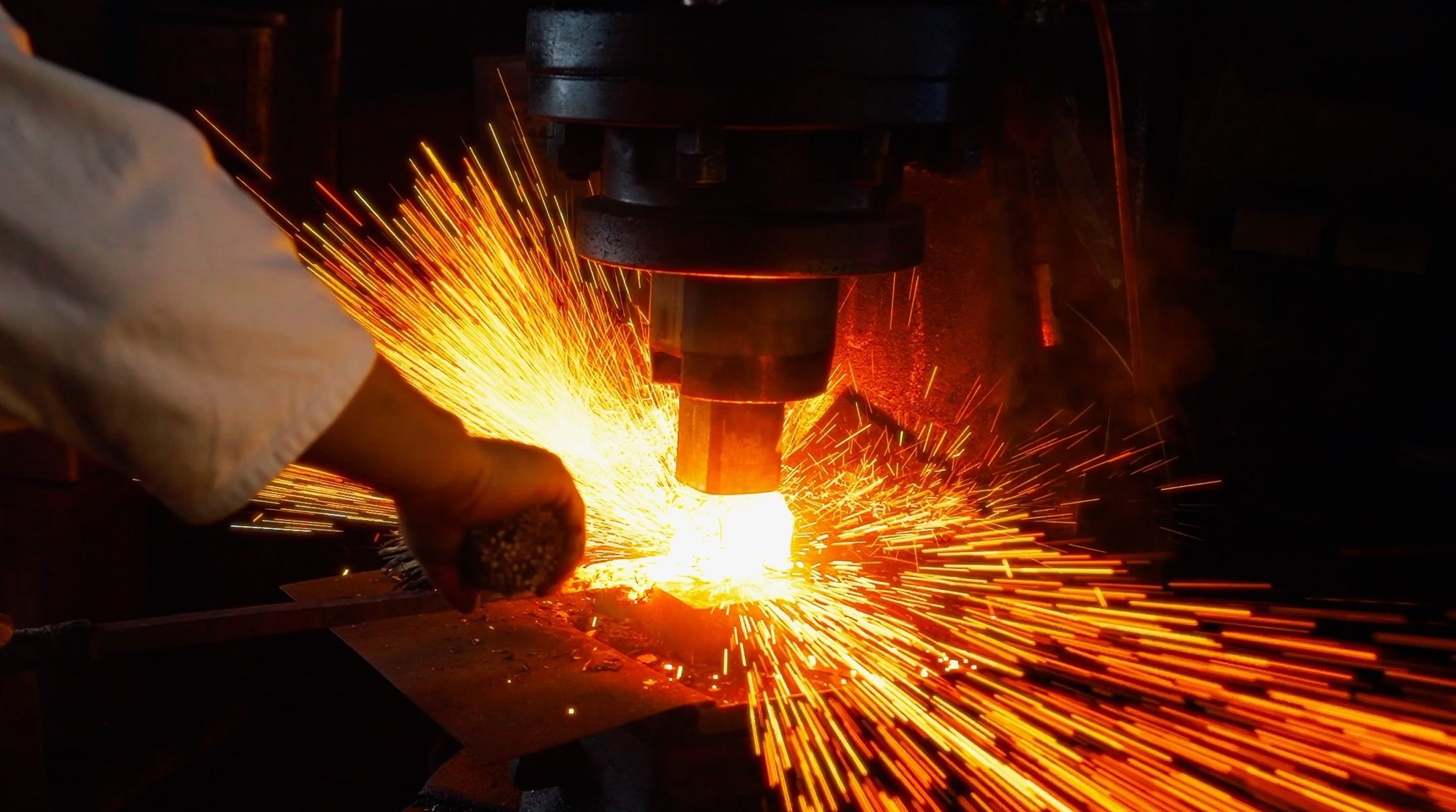
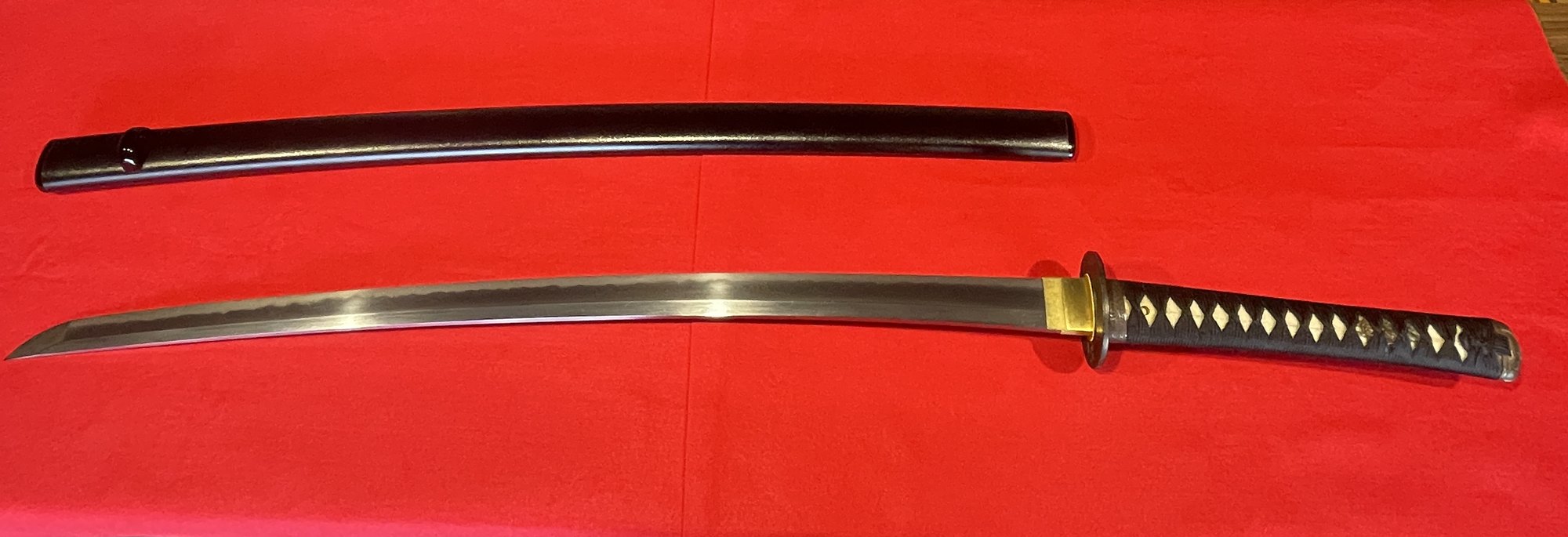
The NBTHK’s own guide to the sword points visitors to three things: the shape, the steel and the hamon. Smiths fold tamahagane steel about 15 times, which the NBTHK calculates at about 33,000 layers, then wrap a soft core in harder outer steel.
- Sugata (shape). The shape and curve developed to suit the needs of each period, so they reflect when and why a sword was made.
- Jigane (steel surface). Folding leaves a grain that the NBTHK compares to wood: itame (wood grain, the most common), masame (straight grain), mokume (burl) and ayasugi. Bizen blades can show utsuri, a white mist in the steel like a shadow of the hamon.
- Hamon (hardened edge pattern). The smith coats the blade in clay, thin where the edge should harden, heats it to about 800 degrees Celsius and quenches it. A straight hamon is suguha and an irregular one is midareba.
- Nie and nioi. Along the hamon, nie are crystals large enough to see that sparkle like stars. Nioi are so fine they read as a haze, like the Milky Way.
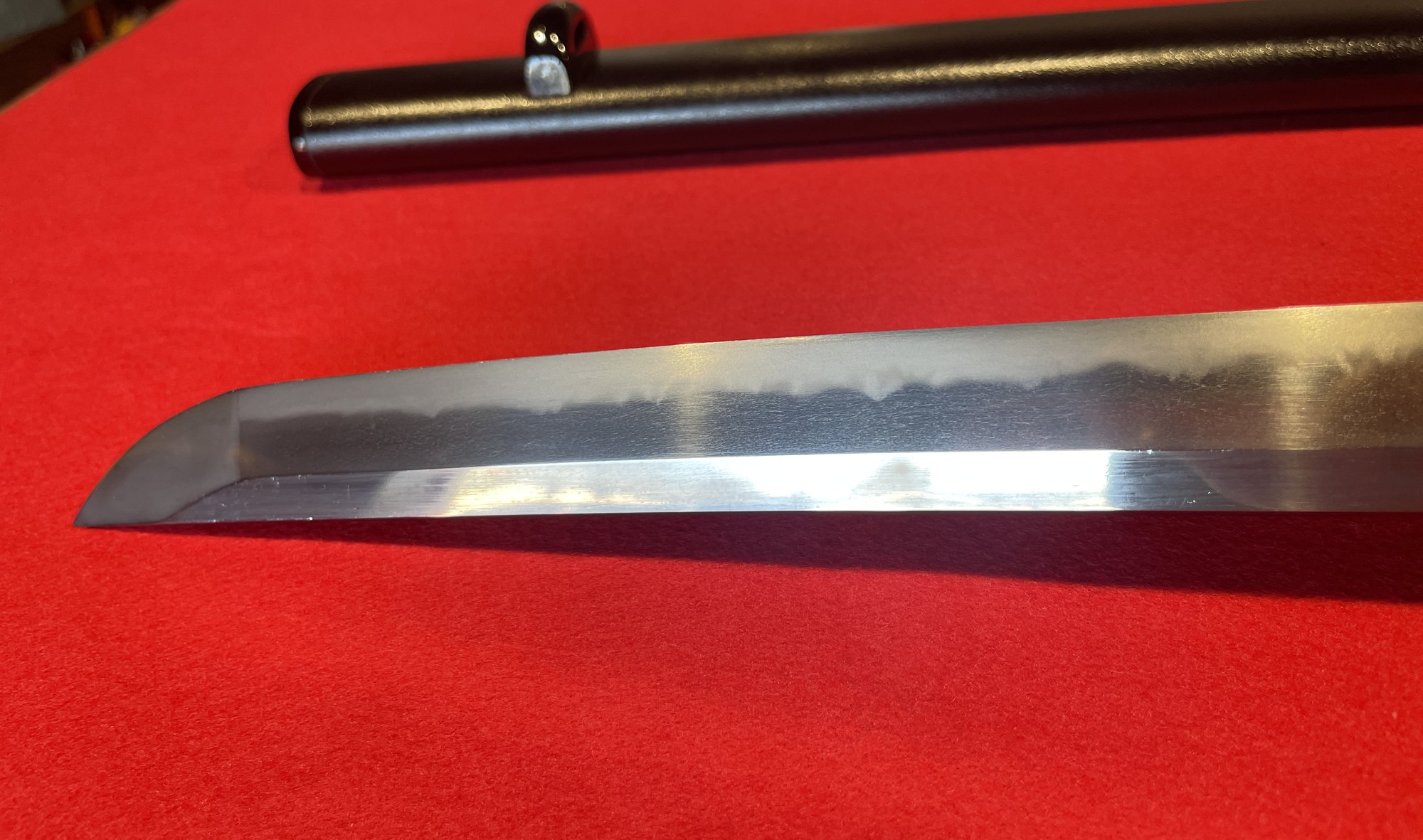
The museum lends monoculars free of charge in the third-floor exhibition hall. Use one for close detail such as the grain of the steel and the nie along the hamon. The list of works gives each sword’s type, signature, length in centimetres and owner, and marks the few shown with their mountings.
Japanese Sword Museum hours, closed days and admission prices
The museum is open 9:30 AM to 5:00 PM, with last entry at 4:30 PM. It closes on Mondays (Tuesday when Monday is a national holiday), between exhibitions and over the New Year holidays, according to the admission page. The annual schedule shows no exhibition between December 20, 2026 and January 9, 2027, or between March 7 and March 20, 2027.
| Visitor | Special exhibition (October 24 to December 20, 2026) | Other exhibitions |
|---|---|---|
| Adults | 1,500 yen | 1,000 yen |
| Adults in groups of 20 or more | 1,200 yen | 700 yen |
| NBTHK members | 1,000 yen | 700 yen |
| High school, university and vocational school students | 500 yen | 500 yen |
| Junior high school students and younger | Free | Free |
| Disability certificate holders and one carer | Free | Free |
- Students and members show the original ID or membership card.
- Advance tickets are sold at Lawson and Ministop convenience stores.
- A same-day paid ticket stub from the Sumida Hokusai Museum takes 100 yen off the adult price.
- During the special exhibition, museum association cards and guide-interpreter licences do not give free entry.
How to get to the Japanese Sword Museum from Ryogoku Station
The museum is at 1-12-9 Yokoami, Sumida City. The official access page gives these routes.
- JR Sobu Line: 7 minutes on foot from the West Exit of Ryogoku Station.
- Toei Oedo Line: 5 minutes on foot from Exit A1 of Ryogoku Station.
- Bus: 1 minute from the Toei bus stop Kyu-Yasuda Teien-mae, or from the Sumida City loop bus stop Token Hakubutsukan (Kyu-Yasuda Teien).
- Car: the museum has free parking spaces. When they are full, use paid car parks nearby.
From Narita or Haneda Airport, the museum’s suggested routes all change at Akihabara to the JR Sobu Line for the 3-minute ride to Ryogoku.
Photography, English support and holding a real sword
Can you take photos?
Photography rules at the Japanese Sword Museum change with each exhibition, and the museum states the rule on each exhibition page. The current Kotetsu and Sukehiro exhibition page does not state one, so ask at the first-floor ticket desk before you take photos, and never use flash. Photography is not allowed in the library reading room or at the handling sessions.
Is there English information?
Partly. The current exhibition page gives the title, dates, hours, closed days and prices in English as well as Japanese. The English list of works says an English explanation is available through a QR code. The museum’s English page covers hours, regular prices, the floor map and access. Event pages, such as the handling course, are in Japanese only.
Can you hold a real sword?
Yes, at a booked course, not in the exhibition hall. In the museum’s sword etiquette course, participants hold a real Japanese sword while NBTHK staff explain how to handle and view it. It runs once a month except in August and December, costs 1,000 yen, is open to people aged 16 or older or in high school, takes five people per session and is booked online only.
Finishing it qualifies you for the monthly appreciation sessions (3,000 yen for non-members), where participants guess the smiths of five blades with hidden signatures. For a hands-on session aimed at visitors, see our samurai sword-cutting experience in Tokyo. Our guide to iaido and battodo explains the two sword arts.
The museum building and the Former Yasuda Garden
Designed by Maki and Associates, the building stands in one corner of the Former Yasuda Garden and was planned as a garden museum. It echoes the former Ryogoku Public Hall that stood here, with a cylindrical section reaching toward the pond and a low vaulted roof in place of the hall’s dome. The first floor has the ticket desk, shop, cafe, information corner and lecture hall, and the third floor holds the exhibition hall and a roof garden.
The Former Yasuda Garden (Kyu-Yasuda Teien) is a stroll garden around a pond shaped like the character for heart (kokoro), built to change with the tides of the Sumida River. The tide is now recreated artificially. Yasuda Zenjiro, founder of the Yasuda business group, owned it from 1891. It was donated to Tokyo City in 1922, restored after the 1923 Great Kanto Earthquake and opened in 1927.
- April to September: 9:00 AM to 7:30 PM
- October to March: 9:00 AM to 6:00 PM
- Only part of the garden is open after 4:30 PM, and it is lit after sunset.
- Closed December 29 to January 1
What to see near the Token Museum in Ryogoku
Ryogoku puts the sword museum within a short walk of sumo, Edo history and Hokusai.
| Place | From Ryogoku Station | Hours | Closed | Adult admission |
|---|---|---|---|---|
| Sumo Museum, Ryogoku Kokugikan (official) | 1 minute from JR | 10:00 AM to 4:30 PM, last entry 4:00 PM | Weekends and national holidays, with exceptions | Free (tournament ticket needed on tournament days) |
| Edo-Tokyo Museum (official) | 3 minutes from JR West Exit | 9:30 AM to 5:30 PM, Saturdays to 7:30 PM | Mondays (next weekday after a holiday Monday), year-end and New Year holidays | 800 yen, permanent exhibition |
| Sumida Hokusai Museum (official) | 9 minutes from JR East Exit | 9:30 AM to 5:30 PM, last entry 5:00 PM | Mondays (Tuesday after a holiday Monday), December 29 to January 3 | 400 yen, Discover Hokusai room |
The only days all four can be open are Tuesday to Friday, because the Sumo Museum closes on weekends and the others close on Mondays.
Ryogoku Kokugikan and sumo
Ryogoku Kokugikan hosts the January, May and September grand sumo tournaments. In 2027 they run January 10 to 24, May 9 to 23 and September 12 to 26, and advance tickets for January go on sale on December 5, 2026, according to the Japan Sumo Association. The Sumo Museum on the arena’s first floor shows woodblock prints, ranking sheets and ceremonial aprons in changing themes. For the people inside the sport, read our interviews with former wrestlers Konishiki and Tochinoshin.
Edo-Tokyo Museum and Sumida Hokusai Museum
The Edo-Tokyo Museum reopened on March 31, 2026. Its permanent exhibition covers about 9,000 square metres with full-scale reconstructions and scale models of historic Edo and Tokyo. At the Sumida Hokusai Museum, special exhibitions are priced separately from the Discover Hokusai room, and the paid ticket stub takes 100 yen off the sword museum’s adult price that day.
Frequently Asked Questions
How much is admission to the Japanese Sword Museum in Tokyo?
Admission to the Japanese Sword Museum is 1,500 yen for adults during the Kotetsu and Sukehiro special exhibition, which runs October 24 to December 20, 2026, and 1,000 yen for other exhibitions. Students pay 500 yen, and junior high school students and younger enter free.
Is the Japanese Sword Museum closed on Mondays?
Yes, the Japanese Sword Museum closes every Monday. When Monday is a national holiday, it opens that day and closes on Tuesday instead. It also closes between exhibitions and over the New Year holidays, so check the annual schedule before you go.
Can you take photos at the Japanese Sword Museum?
Photography at the Japanese Sword Museum depends on the exhibition. Some past shows allowed photos without flash, and one in early 2026 banned photography. The current Kotetsu and Sukehiro page states no rule, so ask at the first-floor ticket desk before taking photos.
Does the Japanese Sword Museum have English information?
The Japanese Sword Museum publishes exhibition dates, hours, closed days and prices in English, plus an English list of works for the current show, which points to an English explanation by QR code. Event pages, such as the sword etiquette course, are in Japanese only.
Can you see National Treasure swords at the Japanese Sword Museum?
The Japanese Sword Museum owns three National Treasure tachi, but shows them only when an exhibition includes them. The current Kotetsu and Sukehiro list has three Important Cultural Properties and no National Treasures, so check each exhibition’s list of works first.
Can you hold a real sword at the Japanese Sword Museum?
Visitors can hold a real sword at the Japanese Sword Museum only through its monthly etiquette course, not in the exhibition hall. The course costs 1,000 yen, takes five people per session, is open to those 16 or older and is booked online in Japanese.
Last checked: October 2026. Exhibitions, prices and photo rules change, so confirm with the official sources linked above before you visit.
Share