
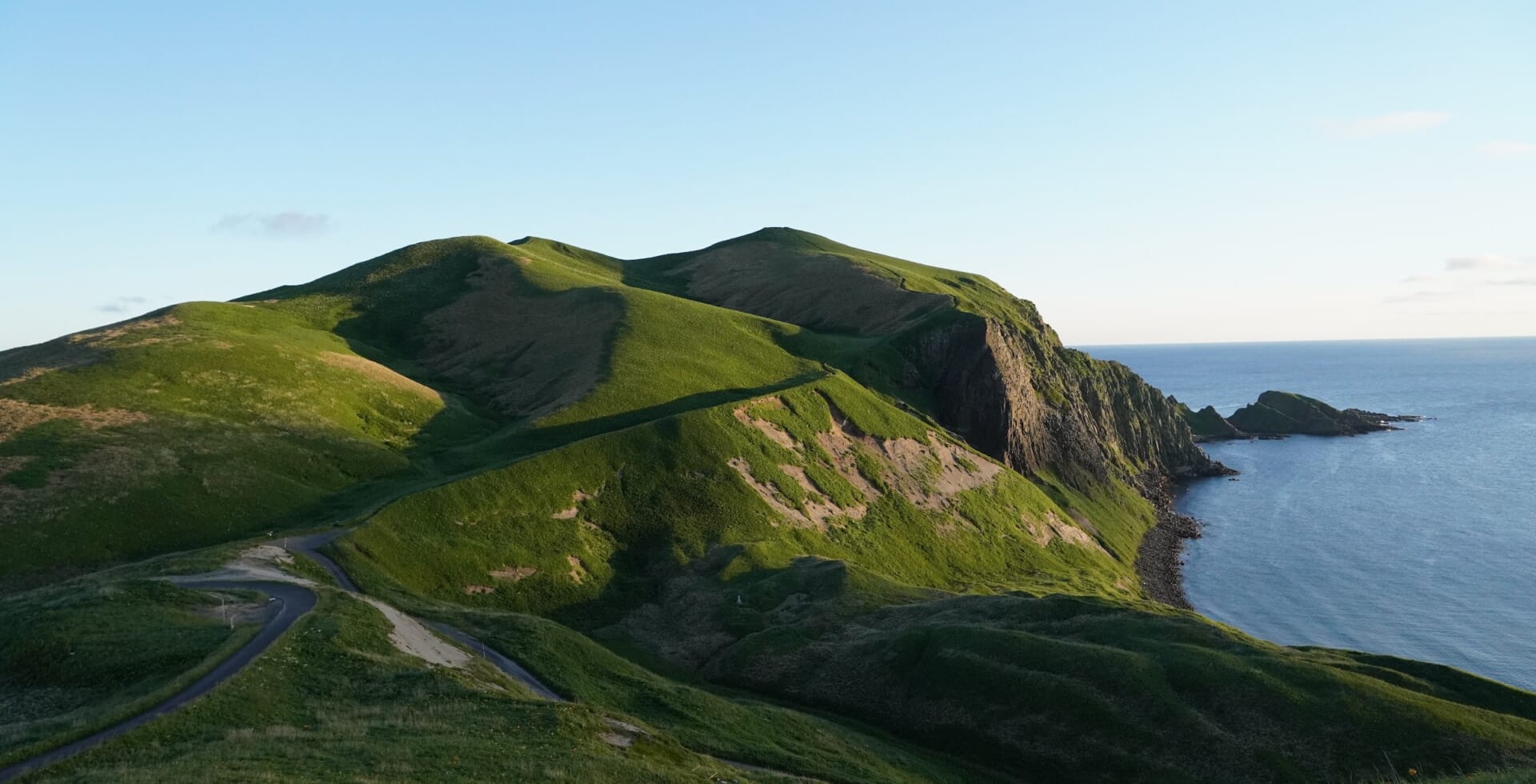
This five-day Rishiri and Rebun itinerary combines a rental car, ferries and coastal walks across two islands off the northern tip of Hokkaido. Starting in Wakkanai, the route crosses to Rishiri, hops over to Rebun, and loops back to Rishiri for a seasonal flight to Sapporo’s New Chitose Airport. Day two circles Rishiri by car for fresh uni bowls and views of 1,721-meter Mount Rishiri, day three stops at a local whisky distillery before the ferry to Rebun, and day four follows the Misaki Meguri Course, a trail of about 12 kilometers along Rebun’s northern capes.
| Route | Wakkanai, Rishiri (Oshidomari and Kutsugata), Rebun (Kafuka to Cape Sukoton), then back to Rishiri |
|---|---|
| Length | 5 days and 4 nights: one night in Wakkanai, one on Rishiri, two on Rebun |
| Tokyo to Wakkanai | Flight from Haneda, about 2 hours |
| Wakkanai to Rishiri | Heartland Ferry to Oshidomari, 1 hr 40 min |
| Rishiri to Rebun | Ferry to Kafuka, 40 to 45 minutes |
| Rishiri to Sapporo | Seasonal ANA flight to New Chitose (June to September), about 50 minutes |
| Main walk | Misaki Meguri Course, about 12.4 km, roughly 4 hours one way |
| Best season | June to August, when uni season and Rebun’s wildflowers overlap |
Checked in November 2026 against heartlandferry.jp, ana.co.jp, visit-hokkaido.jp.
Rishiri and Rebun sit side by side in the Sea of Japan, just off Wakkanai at the northern tip of Hokkaido. Rishiri is a round island built around a single volcano: Mount Rishiri, 1,721 meters high, ringed by a coastline of about 60 kilometers. Long, narrow Rebun is known as the “floating island of flowers” because alpine plants bloom there nearly at sea level. Both islands are part of Rishiri-Rebun-Sarobetsu National Park.
Though less than an hour apart by ferry, the two islands feel worlds apart. On Rishiri, you follow the coastal road with the mountain always in sight. On Rebun, you explore from cape to cape on foot. And in summer, both islands serve sea urchin raised on prized Rishiri kombu.
I flew up from Tokyo and spent four nights and five days across the two islands, traveling by plane, ferry and rental car. What follows is the actual record of those five days, ready to use as a template for your own trip.
Who This Rishiri and Rebun Itinerary Is For
This itinerary is a great fit if you:
- have already seen Hokkaido’s classics (Sapporo, Otaru, Furano) and want to venture further north
- enjoy road-tripping and pulling over every time the scenery shifts
- want to eat fresh uni right where it is caught, at the peak of the season
- are happy spending half a day or a full day hiking across grassy sea cliffs
- want to watch sunsets and stargaze under skies with almost no artificial light
Three reasons I wanted to go, personally:
- Island life fascinates me. I find Japan’s remote islands deeply appealing precisely because the infrastructure isn’t all there. Compared with a city, very little is in place; there may not even be a hospital. I’m curious about the people who choose to live without city-level conveniences even when better-equipped places exist, and about what daily life looks like for them. I have visited many islands, mostly in Okinawa, and the people there share a strong appetite for life and real mental toughness. That contrast with city life is what draws me in.
- The scenery and the hiking. The landscapes are stunning, and both Rishiri and Rebun are known for hiking. Rebun in particular is famous for accessible, casual trails with plenty to see, so it had been on my list for a long time.
- Food you can only taste at the source. Rishiri and Rebun are famous for kombu, and even beyond that, I wanted to eat uni don right where the uni is caught, in season.
Quick Overview: 5 Days on Rishiri and Rebun
The times below are a suggested guide rather than a fixed schedule. Ferry timetables change with the season and the weather, so always check the latest departures before you set out.
Day 1: Into the Far North
- 13:20: Fly from Haneda to Wakkanai
- Evening: Dinner at Zakoya, a local izakaya in Minami-Wakkanai
Day 2: Rishiri by Car
- 07:15: Ferry from Wakkanai to Rishiri
- 09:00: Pick up a rental car in Oshidomari
- Midday: Sea urchins in the tide pools, followed by uni don
- Afternoon: Oshidomari, Rishirisan Shrine and Nozuka Observatory
- Night: Pension Rera Mosiri
Day 3: Whisky, Ramen and the Crossing to Rebun
- Morning: KAMUI Whisky distillery
- Lunch: Rishiri Ramen Miraku
- 14:25: Ferry from Kutsugata to Rebun
- Afternoon: Kita no Canaria Park
- Evening: A scenic drive through Rebun’s hills
Day 4: Rebun’s Northern Capes on Foot
- Morning to afternoon: The Misaki Meguri Course
- Evening: Sunset at Minshuku Sukoton Misaki
Day 5: Back to Rishiri and Home
- Morning: Momoiwa Observatory Course
- 10:40: Ferry from Kafuka to Rishiri
- Midday: One last look at Mount Rishiri
- 14:05: Fly from Rishiri to New Chitose
Day 1: Haneda to Wakkanai
13:20: Fly from Haneda to Wakkanai
Day one is a travel day. The flight from Haneda to Wakkanai takes about two hours, and our tickets for two people came to 46,000 yen.
From Wakkanai Airport, head straight into town. Because the first ferry to Rishiri leaves just after 7:00 the next morning, spending the first night in Wakkanai is the most practical option.
Evening: Dinner at Zakoya, a Local Izakaya in Minami-Wakkanai
For dinner, we stopped into Zakoya, an izakaya in the Minami-Wakkanai area.
I chose it because it is a proper neighborhood izakaya. The fish is fresh, and since it sits right in the nightlife district, you also get a good feel for the town after dark. There are several other local izakaya nearby, so you could have just as much fun at any of them.
Day 2: Ferry to Rishiri and a Day Around the Island by Car
📍 Day 2 route on Google Maps: View the Day 2 route
Start: Wakkanai Ferry Terminal
→ Oshidomari Port, Rishiri
→ Drive around the island (uni don, Rishirisan Shrine, Nozuka Observatory)
→ Pension Rera Mosiri
07:15: Ferry from Wakkanai to Rishiri
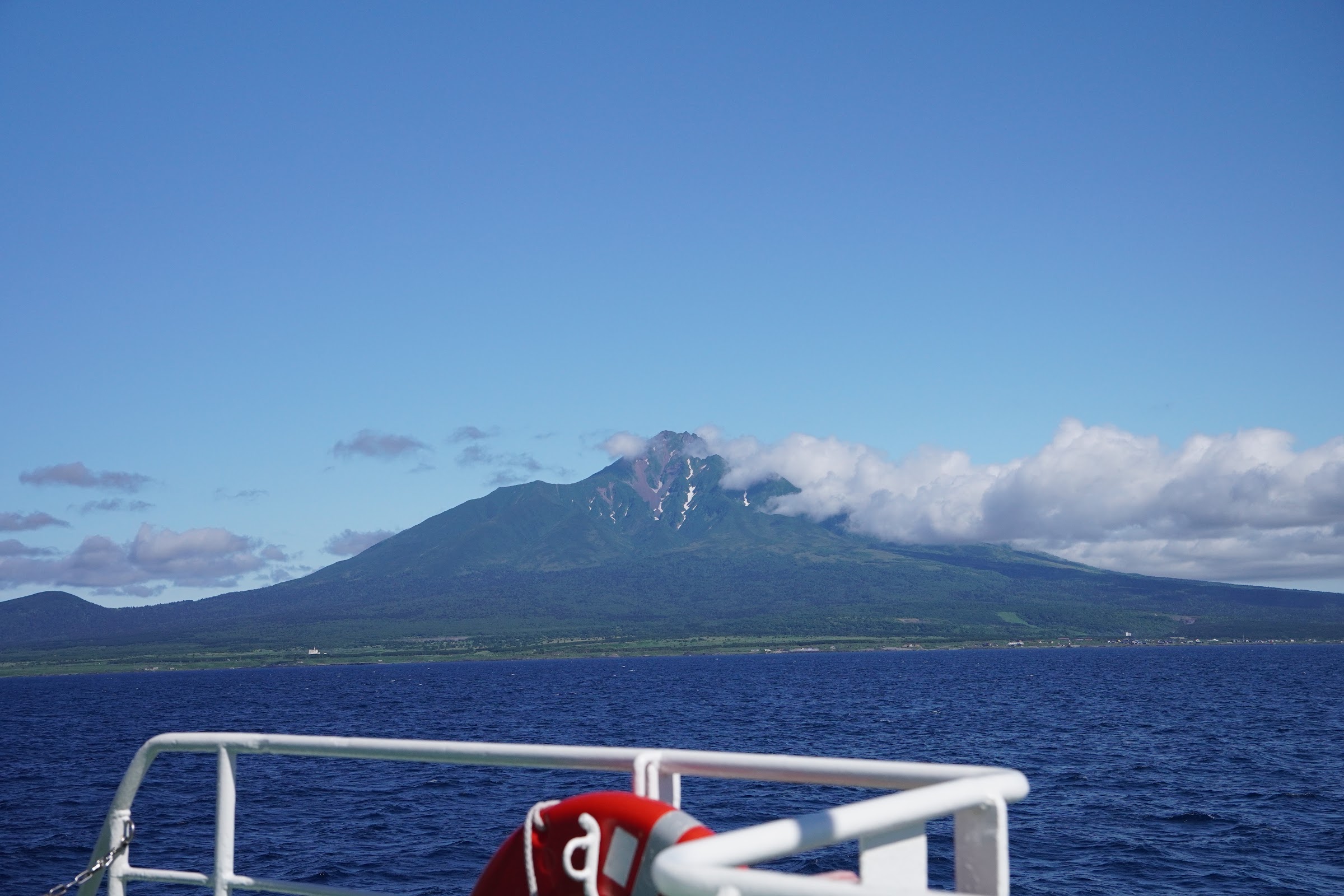
The Heartland Ferry from Wakkanai to Oshidomari Port on Rishiri takes 1 hour 40 minutes. On a clear day, you can watch Mount Rishiri rise larger and larger across the water as you approach.
From the deck, seeing Rishiri Fuji (the local nickname for the mountain) draw closer and grow bigger by the minute was striking. When the peak is free of clouds, you can trace the ridgeline in crisp detail. I was genuinely moved.
09:00: Pick Up a Rental Car in Oshidomari
From the port, we explored the island by rental car. Rishiri is round, with a coastline of about 60 kilometers, and a single coastal road loops all the way around it.
Our rental cost 41,000 yen. As a rough guide, expect to pay 40,000 to 50,000 yen for two to three days with a one-way drop-off. Reservations are generally handled by phone rather than online, so keep that in mind.
In summer, rental cars book up quickly, so reserve as early as you can.
You can take a rental car between Rishiri and Rebun on the ferry. The weather on both islands is changeable and the wind can be strong, making getting around by bicycle or bus stressful.
Buses in particular run infrequently and can fall behind schedule. If you have plenty of spare time, buses work fine, but for a smooth, comfortable trip I decided a rental car was the better choice. Traffic on the islands is minimal, so driving is easy.
Midday: Sea Urchins on the Rocks, Then an Uni Bowl
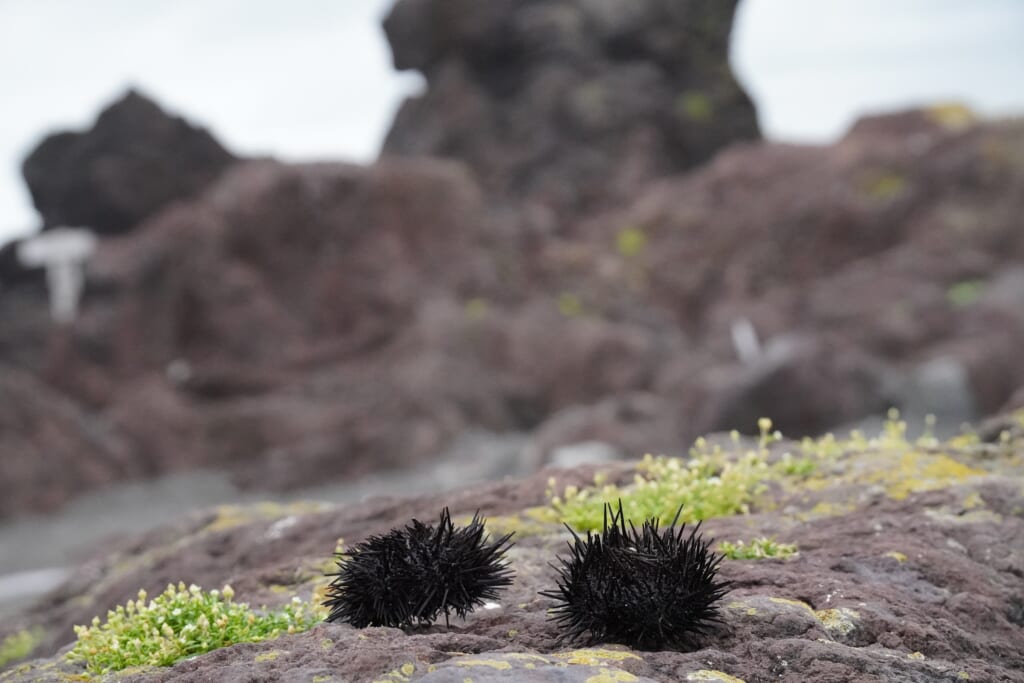
Driving along the coast, you can spot sea urchins resting in the shallow rock pools. Rishiri uni feed on Rishiri kombu, the island’s prized kelp. The season runs roughly from June to September for kitamurasaki uni and from June to August for ezo bafun uni, making late June the very start of the harvest.
Lunch was one of the main reasons for this trip: uni don.
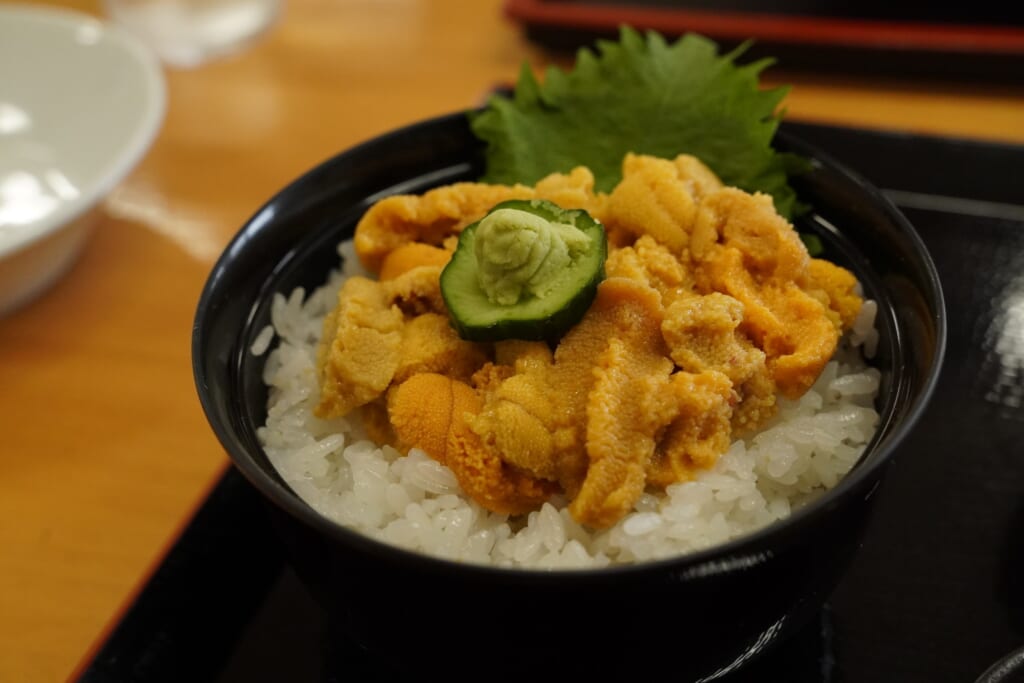
You can find uni don almost anywhere on the island, and since uni is Rishiri’s signature specialty, that is what I ordered.
Prices have climbed steeply in recent years, turning uni into something of a luxury ingredient. Still, for sheer freshness, nowhere else compares. Seafood ramen is another good option, though even a small bowl of uni don is delicious and deeply satisfying.
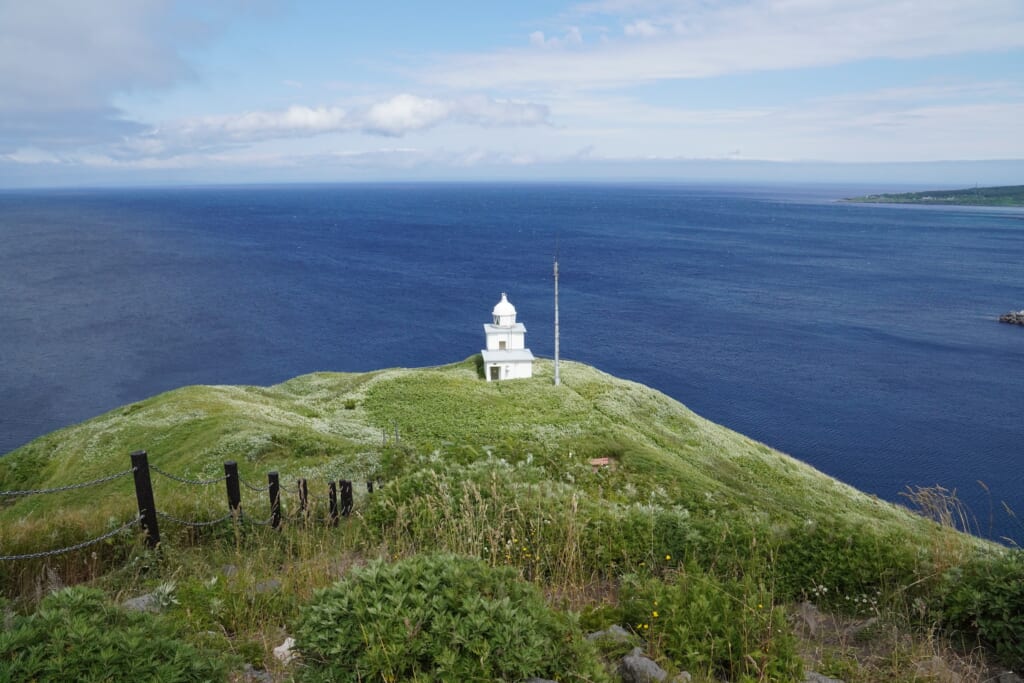
Afternoon: Oshidomari, a Lighthouse Cape and Rishirisan Shrine
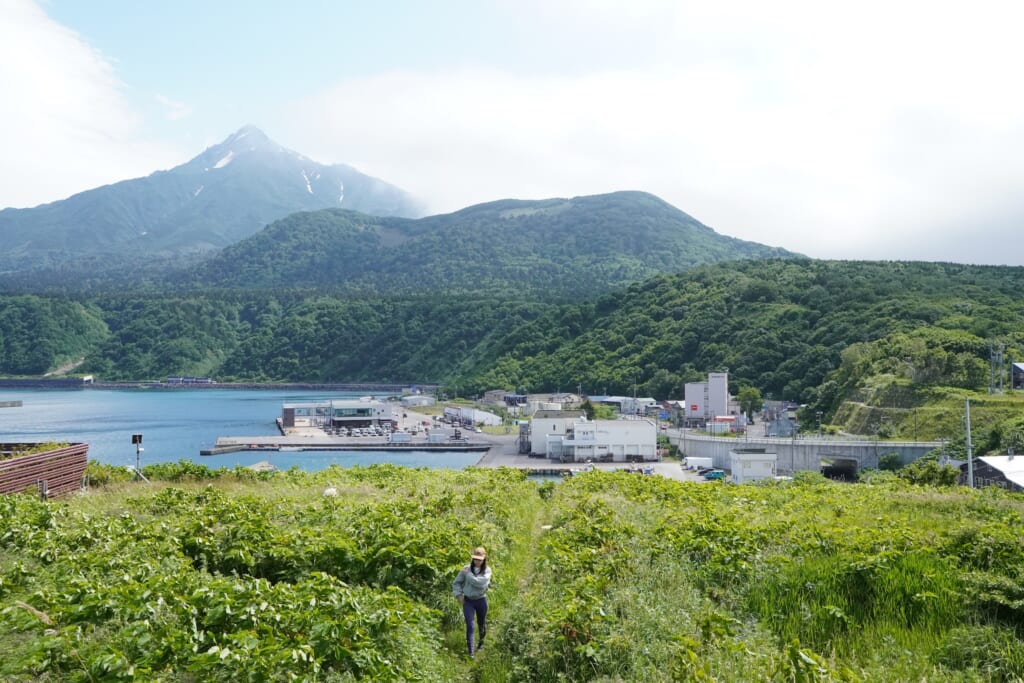
From the high ground above Oshidomari, Mount Rishiri towers behind the harbor and rooftops. No matter where you go on the island, the peak is never far out of sight.
A quiet forest path leads up to Rishirisan Shrine.
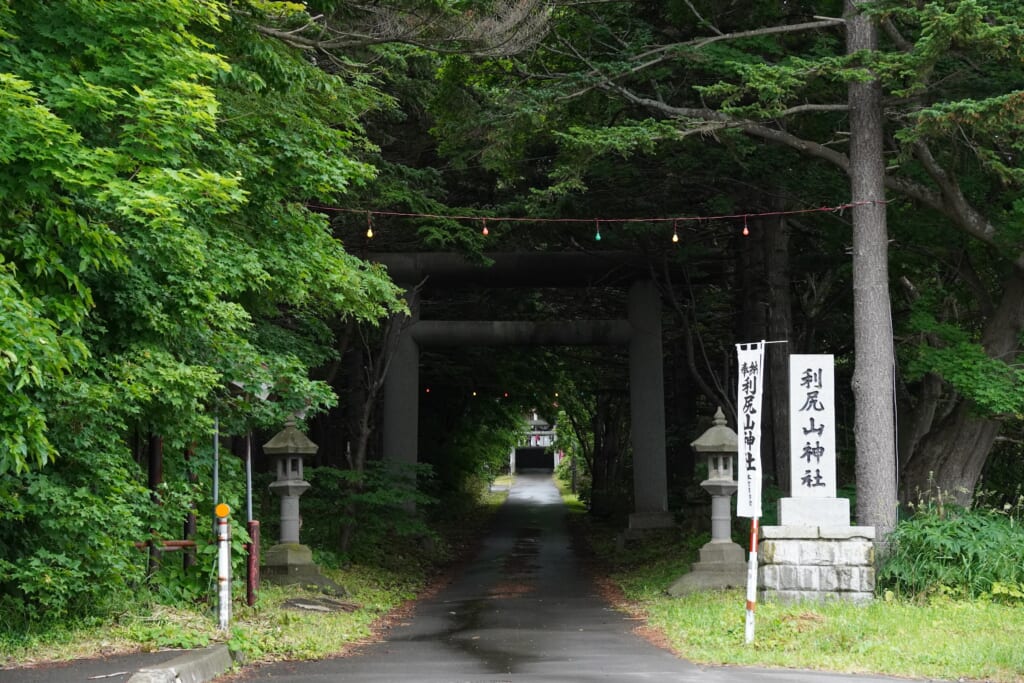
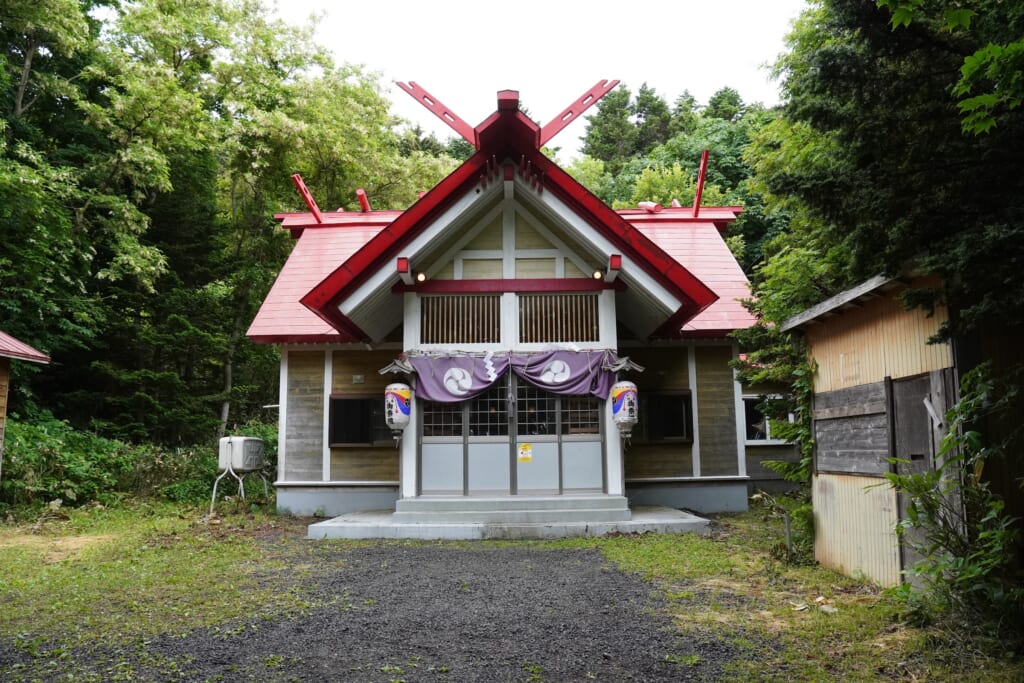
Rishiri isn’t an island travelers visit for its shrines. Yet wherever you go in Japan, you will find a local shrine, so I stopped by to soak up the atmosphere. What stayed with me most was the mysterious feel of the entrance.
Afternoon: Nozuka Observatory and the Ranald MacDonald Monument
Near Oshidomari, at Nozuka Observatory, stands a monument marking the landing of Ranald MacDonald. In 1848, five years before Commodore Perry arrived, the 24-year-old American left a whaling ship and came ashore here, posing as a castaway. He was later sent to Nagasaki, where he taught English to Japanese interpreters, earning recognition as Japan’s first native English teacher.
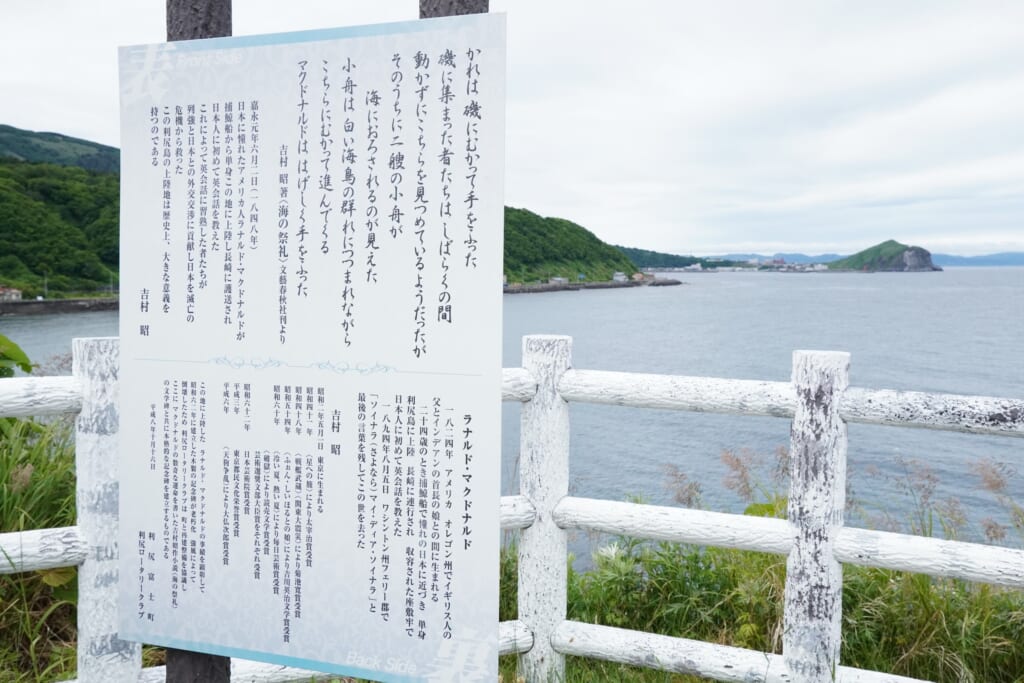
Right where Rishiri Fuji fills the horizon stands a monument to an American who reached Japan while the country was still closed to the outside world. He was a true pioneer: at a time when few were paying attention to Japan, he was captivated by its culture and poured his life into the country. I found that deeply inspiring. Unless you visit places like this, you rarely have the chance to stumble across stories like his, let alone grow curious about them, so it really moved me.
Night: Pension Rera Mosiri
We spent our second night at Rishiri Fuji Onsen Pension Rera Mosiri in Oshidomari. For two people with dinner and breakfast included, we paid 35,000 yen at the property.
Options for places to stay on the island are limited, but dinner featured a thoughtful course built around local ingredients and was very satisfying.
Unfortunately, Rishiri Fuji was hidden behind clouds that day. On a clear day, however, the mountain rises right in front of you, making this a lovely pension.
Day 3: A Whisky Distillery, Ramen and the Ferry to Rebun
📍 Day 3 route on Google Maps: View the Day 3 route
Start: Pension Rera Mosiri
→ KAMUI Whisky distillery
→ Rishiri Ramen Miraku
→ Kutsugata Port
→ Kafuka Port, Rebun
→ Kita no Canaria Park
Morning: KAMUI Whisky, a Distillery at the Edge of Japan
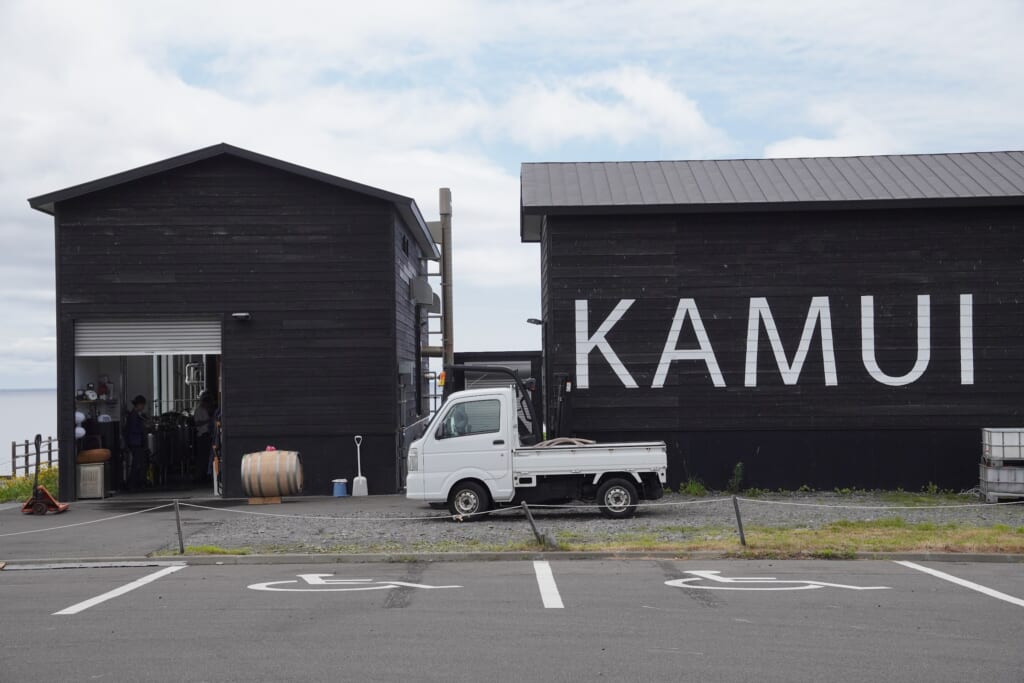
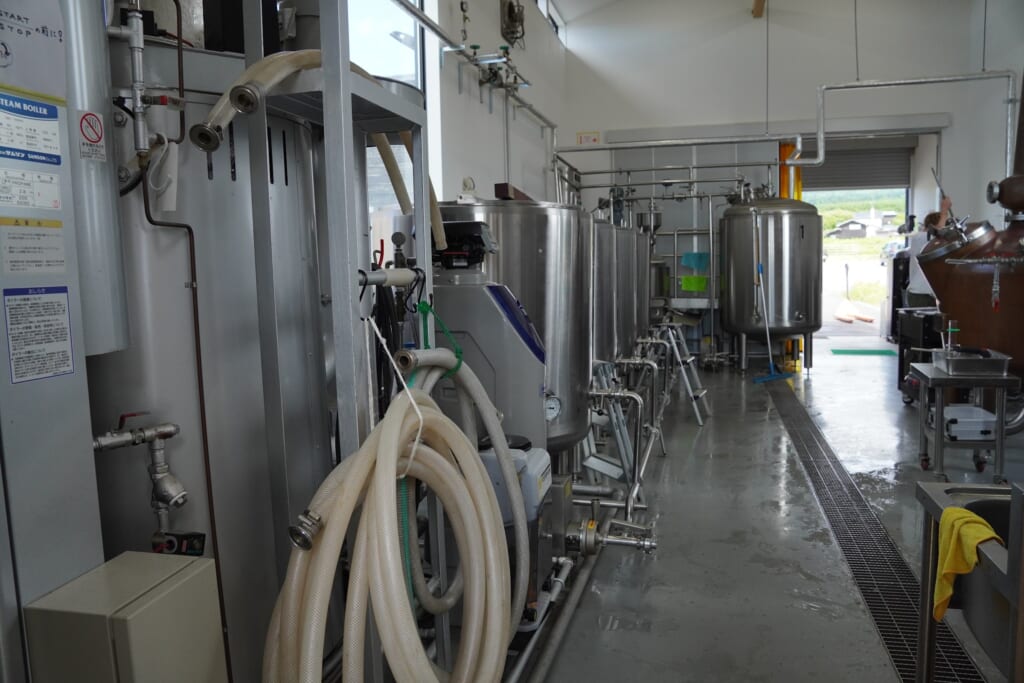
Rishiri even has its own craft whisky distillery. Founded by American entrepreneur Casey Wahl, KAMUI Whisky began distilling in 2022, making it Japan’s northernmost whisky distillery. Its pot stills were built in Kentucky, a first for Japanese whisky, and while its whisky matures, the distillery releases its unaged spirit as Kamui Genshu.
Lunch: Rishiri Ramen Miraku
For lunch, we headed to Rishiri Ramen Miraku, sometimes called “the hardest ramen shop in Japan to get to.” Its signature dish is yaki shoyu ramen, made with a wok-seared soy sauce base and plenty of Rishiri kombu, and the Rishiri main shop earned a Bib Gourmand in the Michelin Guide Hokkaido special edition. Opening hours are short, so double-check the hours and closing days before you go.
The shop does not take reservations. Thanks to its awards and reputation among travelers, we waited in line for about an hour. I can say with confidence that the ramen was worth every minute. It was outstanding, and if I ever get the chance to visit the island again, I would gladly go back.
14:25: Ferry from Kutsugata to Rebun
From Kutsugata Port on Rishiri’s west coast, we caught the ferry across to Kafuka Port on Rebun. The crossing takes about 40 minutes. Step out onto the deck and you can watch Mount Rishiri appear to float on the sea as it recedes behind you.
Afternoon: Kita no Canaria Park, with Mount Rishiri Across the Sea
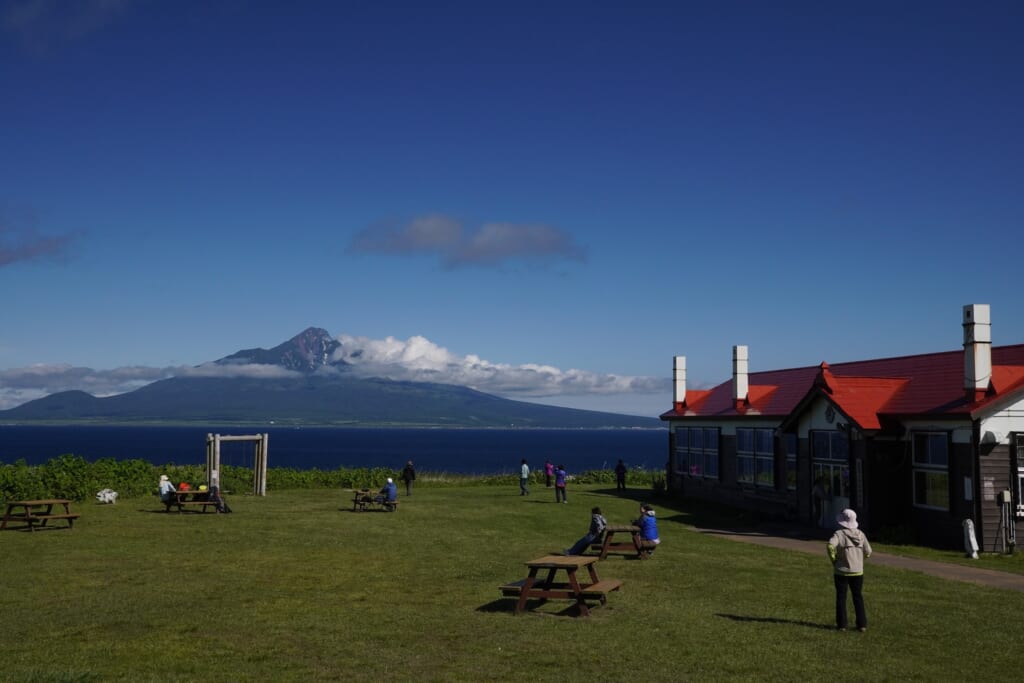
On a hillside near Shiretoko, at the southern tip of Rebun, sits Kita no Canaria Park. The wooden schoolhouse built as a set for the 2012 film A Chorus of Angels (Kita no Kanaria-tachi), starring Sayuri Yoshinaga, has been preserved here and is open to visitors from roughly May to October.
A green lawn stretches out in front of the schoolhouse, framing a view of Mount Rishiri straight across the water. Even if you haven’t seen the film, it is an easy place to lose track of time.
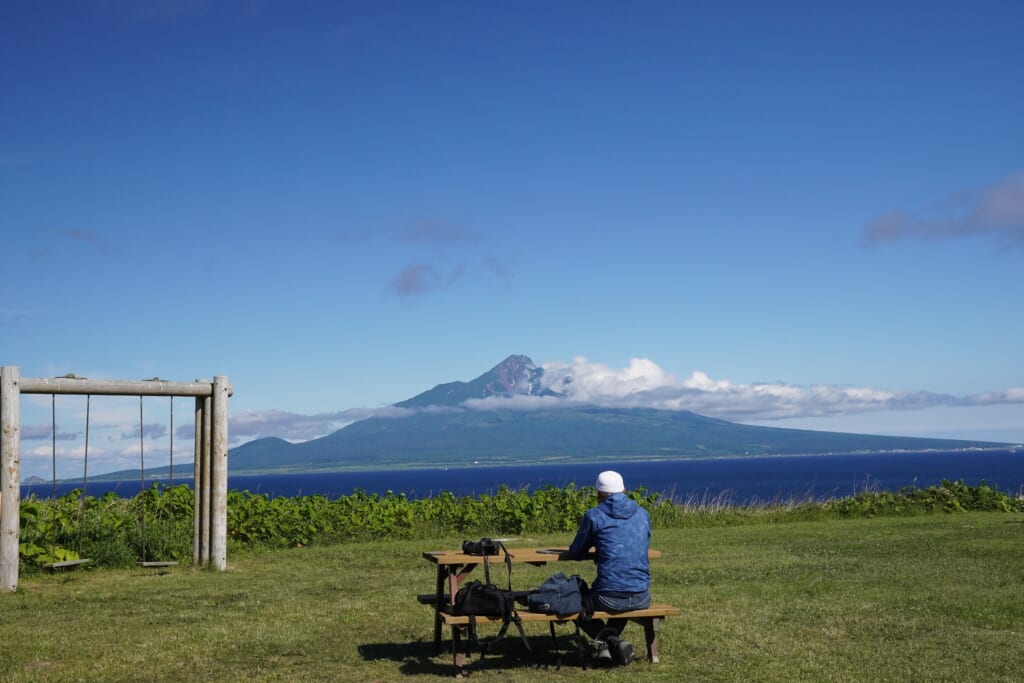
Evening: A Drive Through Rebun’s Hills
We spent the evening cruising through Rebun’s rolling green hills, pulling over whenever the late light hitting the slopes and the sea caught our eye.
Day 4: Walking the Misaki Meguri Course on Northern Rebun
📍 Day 4 route on Google Maps: View the Day 4 route
Start: Kafuka
→ Misaki Meguri Course (Awabikotan entrance)
→ Cape Gorota
→ Cape Sukai
→ Minshuku Sukoton Misaki
Morning to Afternoon: The Misaki Meguri Course
The Misaki Meguri Course (literally “cape tour course”) is a coastal trail across northern Rebun linking three capes: Sukoton, Gorota and Sukai. It stretches about 12.4 kilometers and takes roughly four hours. We started out from the Awabikotan trailhead.
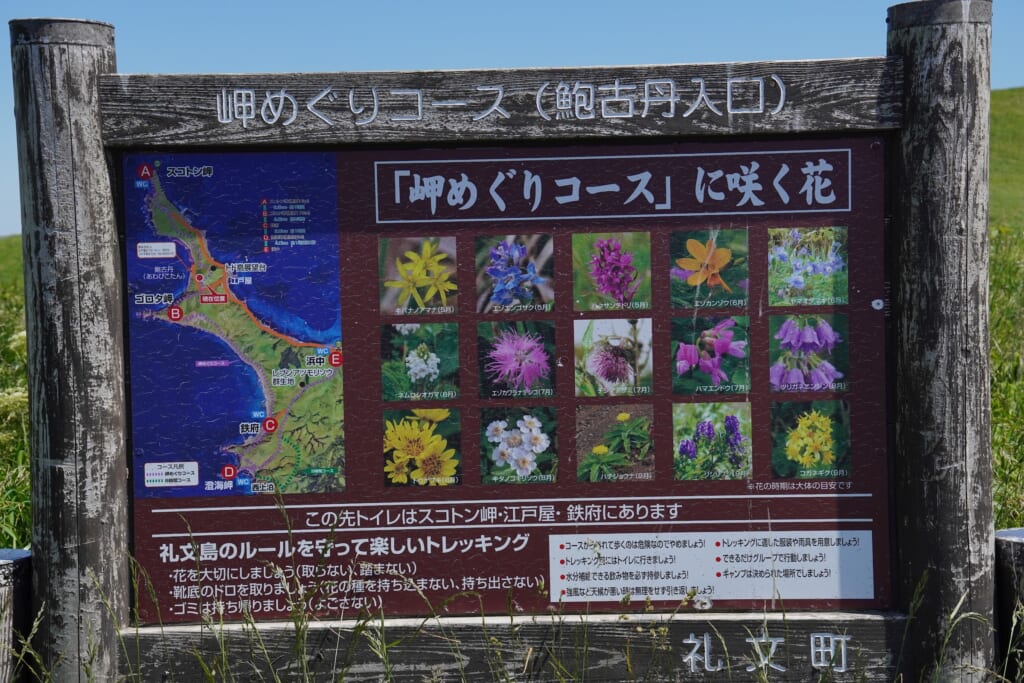
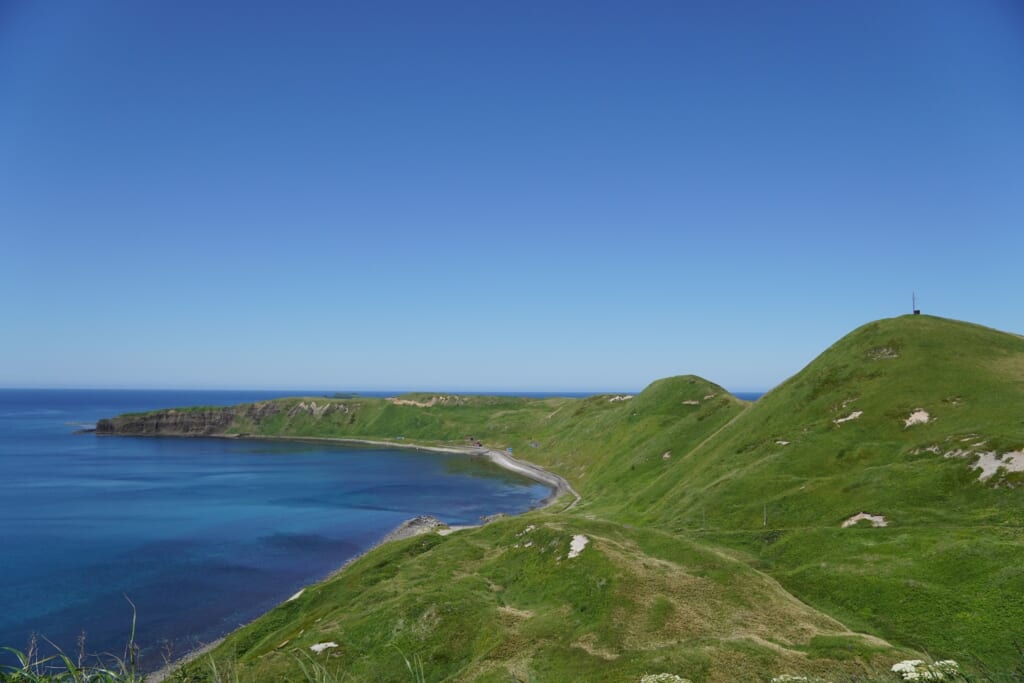
As you climb the grassy ridge, the sea opens up on both sides. Cape Gorota rises to 176 meters, offering sweeping views down the island’s west coast and a curving beach below.
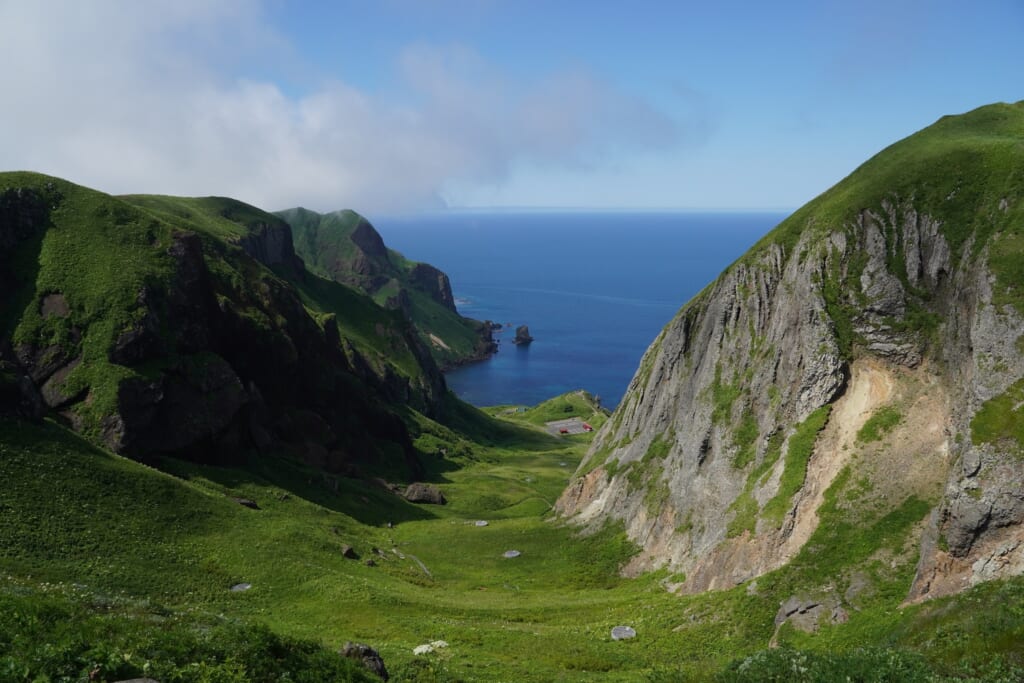
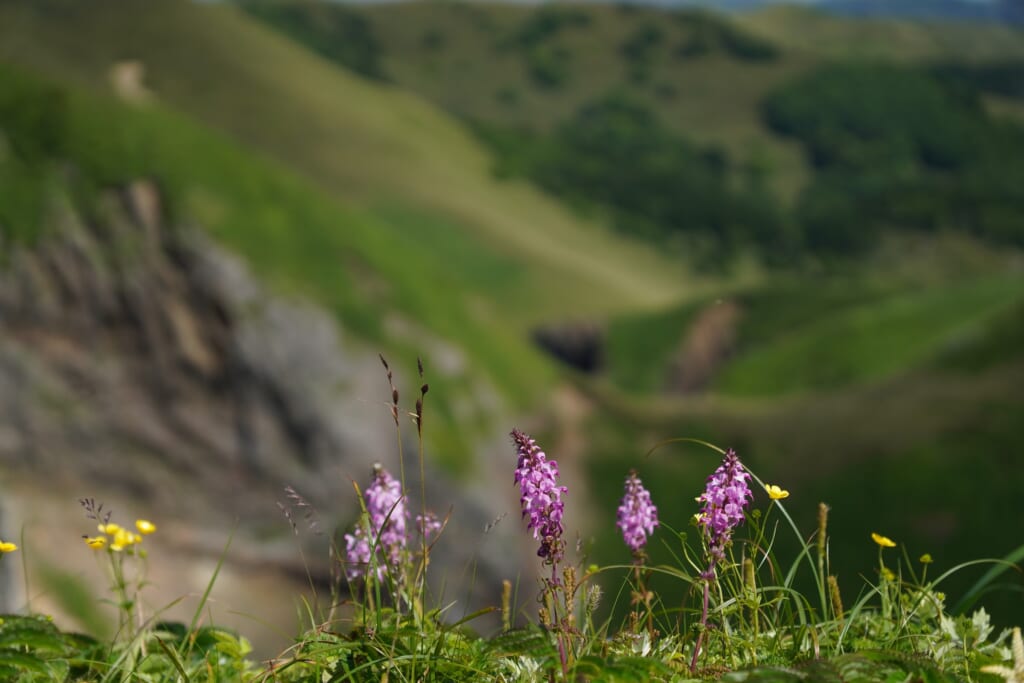
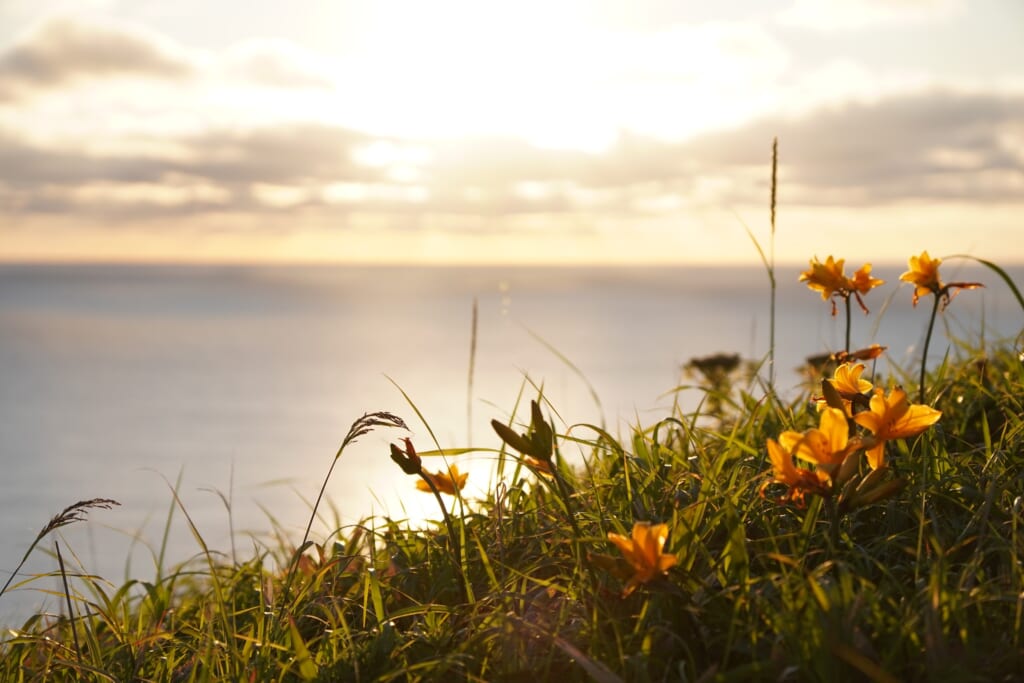
Right at your feet bloom wildflowers that, on Japan’s main island, grow only high in the mountains.
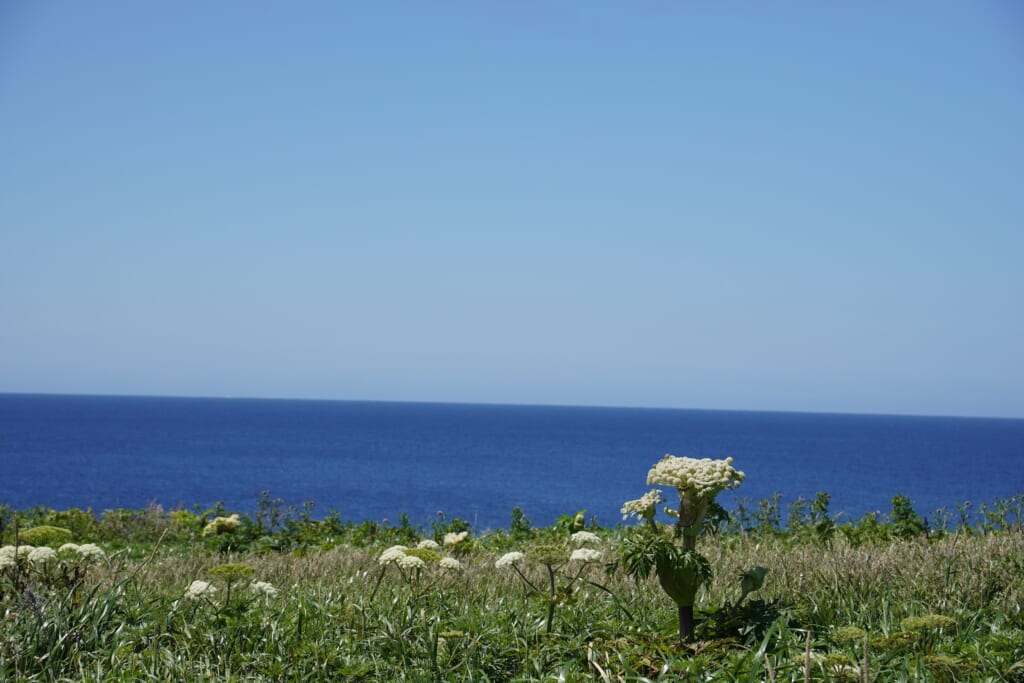
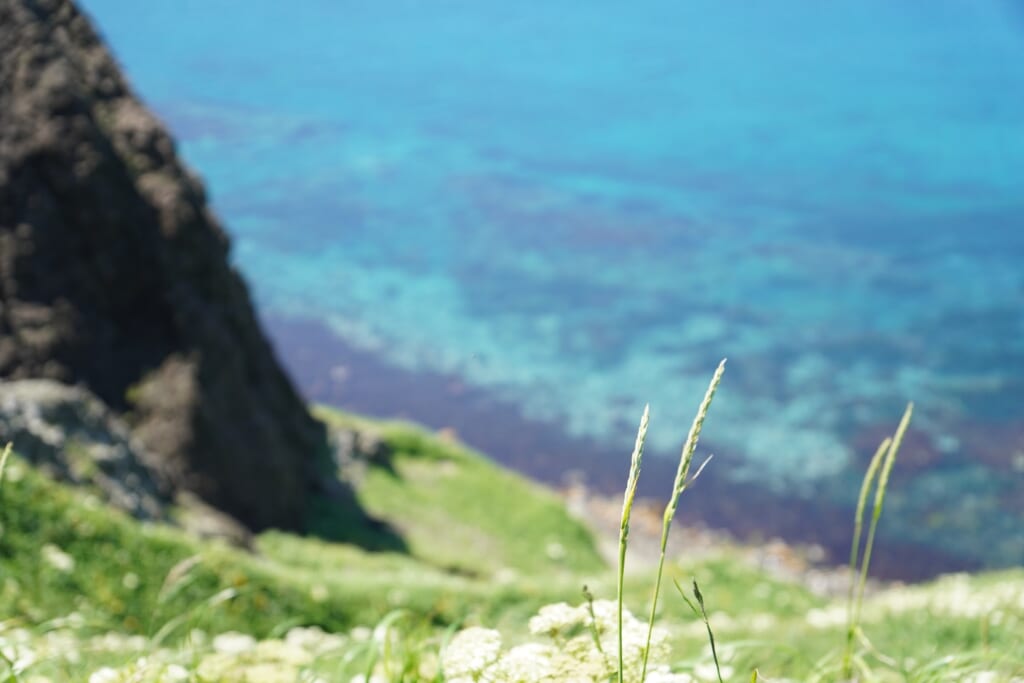
Cape Sukai is a sheltered cove said to have the clearest water on Rebun; its name is written with the characters for “clear sea.” Depending on the light, the water shifts from emerald green to deep cobalt.
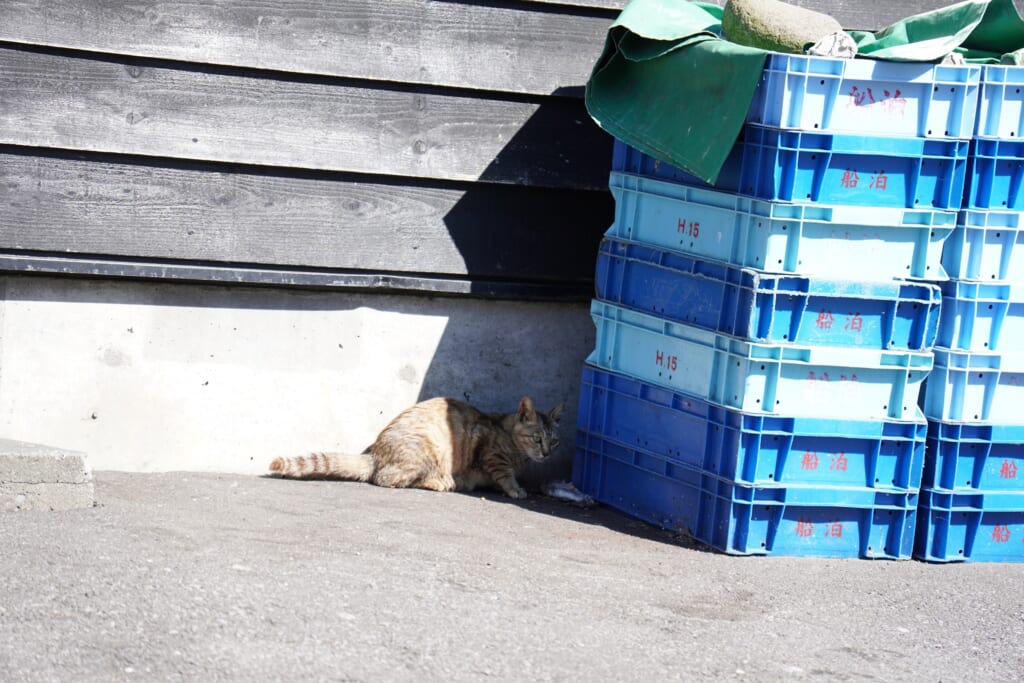
At a small fishing harbor along the trail, we spotted a cat napping in the sun.
Surrounded by raw, expansive nature, it feels like a place out of a dream. Better yet, there were very few tourists or hikers around, just the occasional solo walker in the distance. It felt wonderful, and the wind died down while we were on the trail, making the walk even better.
That said, the island is notorious for fast-changing weather, so keep an eye on the forecast and stay flexible about which day you tackle this hike.
Because it is a one-way trail, travelers arriving by car will need to pick a point to turn around and walk back. The route involves plenty of ups and downs, so choose your turnaround spot based on your own fitness level.
There is also a local bus route, though departures are infrequent. Miss one and you could be stranded for hours, so check the timetable carefully before setting out.
Evening: Sunset from Minshuku Sukoton Misaki
Our fourth night was spent at Minshuku Sukoton Misaki, which bills itself as “the inn where you can see seals.” Tucked beneath the cliffs at Cape Sukoton, Rebun’s northernmost tip, it cost 13,500 yen per person, paid at the property. The uninhabited island of Todojima sits just off the cape, and on a clear day you can sometimes spot Sakhalin on the horizon.
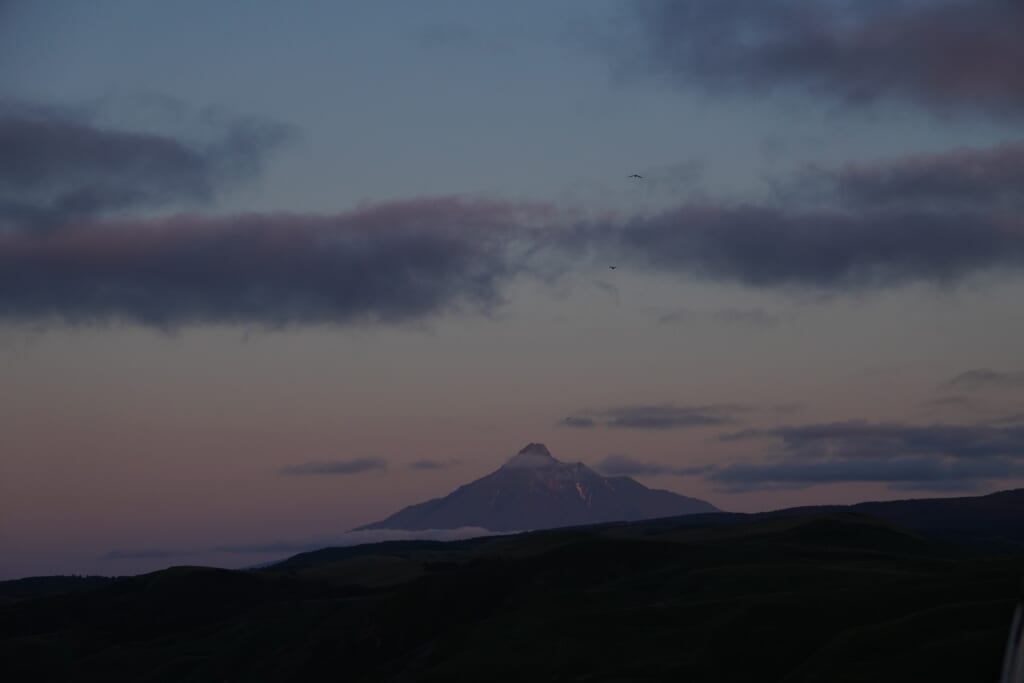
As the sun dipped below the water, the silhouette of Mount Rishiri floated across the sea.
Day 5: A Morning Hike and Mount Rishiri’s Farewell
📍 Day 5 route on Google Maps: View the Day 5 route
Start: Minshuku Sukoton Misaki
→ Momoiwa Observatory Course
→ Kafuka Port
→ Oshidomari Port, Rishiri
→ Rishiri Airport
Morning: Momoiwa Observatory Course
On our final morning, we headed for the Momoiwa Observatory Course, easily reached from near Kafuka Port. The rolling hills between Momoiwa Observatory and Motochi Lighthouse are blanketed with alpine flowers, and as you follow the ridge, Mount Rishiri rises across the water.
10:40: Ferry from Kafuka Back to Rishiri
The ferry from Kafuka to Oshidomari takes about 45 minutes.
Midday: One Last Look at Mount Rishiri
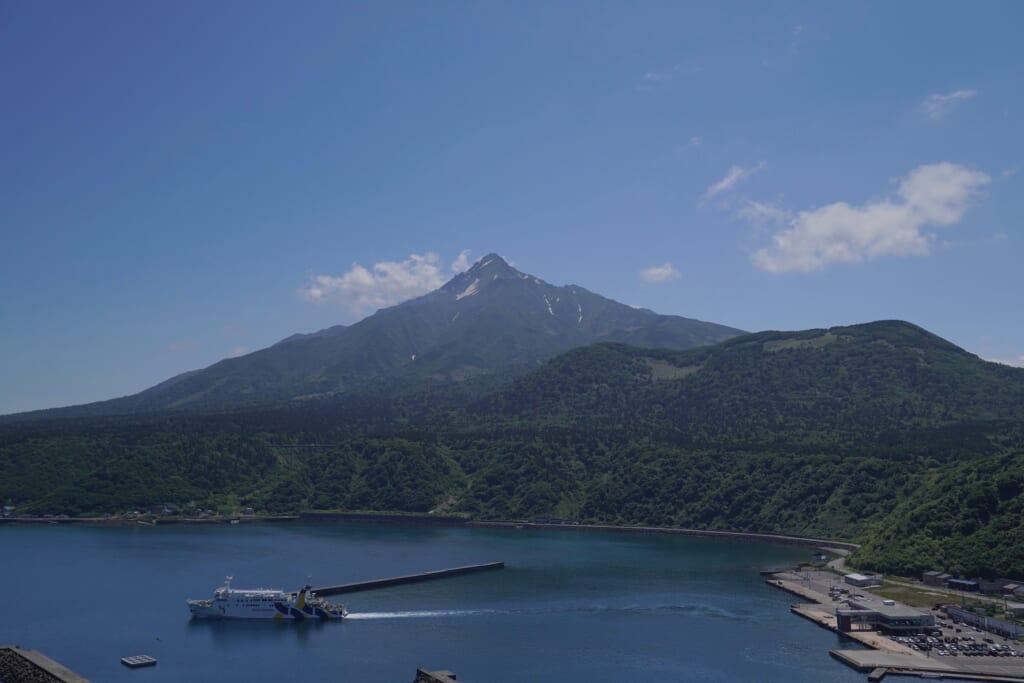
Back at Oshidomari Port, Mount Rishiri stood watch solidly over the harbor.
14:05: Fly from Rishiri to New Chitose
We flew home on the direct flight from Rishiri Airport to New Chitose. The flight takes about 50 minutes and cost 37,000 yen per person. Because this route operates only in summer (June to September in 2026), travelers visiting at other times of year will need to take the ferry back to Wakkanai or fly to Sapporo’s Okadama Airport.
Practical Tips for Visiting Rishiri and Rebun
Do You Need a Car on Rishiri and Rebun?
On Rishiri, yes. The real joy of having a car here is the freedom to pull over wherever you like along the 60-kilometer coastal loop. Rebun, by contrast, is an island made for walking, so treat your car as transport between trailheads and pair one-way hikes like the Misaki Meguri Course with local buses or your inn’s pick-up service. In summer, both rental cars and taxis sell out quickly.
If your budget allows, I would definitely rent a car. Buses are infrequent and the weather is unpredictable, so having your own wheels gives you flexibility everywhere, saving you both time and money in the long run.
That said, riding the bus lets you do things like wander around a quiet bus stop while you wait, so each approach has its own charm.
When Is the Best Time to Visit Rishiri and Rebun?
June to August is ideal, when uni season overlaps with Rebun’s alpine flower bloom. The direct flight between Rishiri and New Chitose also operates only in summer (June to September in 2026).
The exposed capes along the Misaki Meguri Course catch strong sea winds, and the weather can turn on a dime. Even in midsummer, pack rain gear and a warm layer.
How Long Are the Ferries?
| Route | Crossing | Summer 2026 departures (June to September) |
|---|---|---|
| Wakkanai → Oshidomari (Rishiri) | 1 hr 40 min | 07:15, 11:15, 16:40 |
| Wakkanai → Kafuka (Rebun) | 1 hr 55 min | 06:30, 10:30, 14:50 |
| Oshidomari → Kafuka | 45 min | 09:30, 13:15 |
| Kutsugata → Kafuka | 40 min | 14:25 |
| Kafuka → Oshidomari | 45 min | 10:40, 15:30 |
| Kafuka → Kutsugata | 40 min | 12:50 |
Sailings vary considerably by season, so check the Heartland Ferry website for the exact timetable on your travel dates. Up to two additional sailings per day may be added when needed.
How Much Does a 5-Day Trip Cost?
| Item | Cost |
|---|---|
| Flights, Haneda to Wakkanai (2 people) | 46,000 yen |
| Rental car | 41,000 yen |
| Pension Rera Mosiri, dinner and breakfast (2 people) | 35,000 yen |
| Guesthouse on Rebun, room only (2 people) | 17,000 yen |
| Minshuku Sukoton Misaki (13,500 yen × 2) | 27,000 yen |
| Flights, Rishiri to New Chitose (37,000 yen × 2) | 74,000 yen |
| Subtotal | 240,000 yen (120,000 yen per person) |
This subtotal does not cover ferry fares, accommodation in Wakkanai, meals, or onward transport beyond New Chitose.
Rishiri or Rebun: Which Island Should You Choose?
The main difference is that Rebun offers easy, casual hikes, whereas serious hiking on Rishiri means climbing a proper mountain, with all the preparation that entails. If you are making the journey this far north, I recommend visiting both. Still, if I had to pick just one, I would choose Rebun next time.
Final Thoughts: Are Rishiri and Rebun Worth It?
Absolutely, especially if you love hiking, want to immerse yourself in nature, or hope to experience scenery that is unmistakably in Japan yet looks nothing like the Japan most travelers know. Getting here takes effort, and there is always the chance of rough weather, but if you love being outdoors and taking in wide-open landscapes, I cannot recommend it enough.
The memory that stayed with me most was hiking on Rebun. The trails are approachable enough to start casually, yet the views that unfold along the way are extraordinary. That was the true highlight of the trip.
Key points to remember:
- Visit between June and August, when uni season and the wildflowers overlap
- Drive on Rishiri and walk on Rebun, planning ahead for how you will get back to your car on one-way trails
- Ferry and flight schedules shift with the season, so book both directions early
- Pack rain gear and a warm layer, even in summer
Frequently Asked Questions
How do you get to Rishiri and Rebun from Tokyo?
Fly from Haneda to Wakkanai, which takes about two hours, and transfer to the Heartland Ferry at Wakkanai Port. The ferry to Oshidomari on Rishiri takes 1 hour 40 minutes, while the ferry to Kafuka on Rebun takes 1 hour 55 minutes. From June to September 2026, ANA operated two daily round trips between Haneda and Wakkanai alongside a seasonal flight between New Chitose and Rishiri taking about 50 minutes.
How long is the ferry between Rishiri and Rebun?
The crossing takes 40 to 45 minutes. Ferries bound for Kafuka on Rebun depart from Oshidomari on Rishiri’s north coast or Kutsugata on its west coast. Under the June to September 2026 timetable, ferries left Oshidomari at 09:30 and 13:15 and Kutsugata at 14:25, while return ferries departed Kafuka at 10:40 and 15:30 for Oshidomari and at 12:50 for Kutsugata.
How long does the Misaki Meguri Course take?
The Misaki Meguri Course on northern Rebun covers about 12.4 kilometers and takes roughly four hours one way. It connects Cape Sukoton, Cape Gorota (176 meters) and Cape Sukai, with plenty of elevation changes along the ridge. Because it is a one-way route, decide in advance whether you will turn back midway, catch the infrequent bus, or arrange a pick-up.
When is uni season on Rishiri?
Sea urchin season on Rishiri runs roughly from June to September for kitamurasaki uni and from June to August for ezo bafun uni. Late June marks the start of the season, and June to August is also when Rebun’s alpine wildflowers are in bloom.
Do you need to book a rental car on Rishiri in advance?
Yes, especially in summer, when rental cars sell out quickly. Bookings are generally made by phone rather than online. Expect to pay around 40,000 to 50,000 yen for two to three days with a one-way drop-off; our car cost 41,000 yen.
Share