
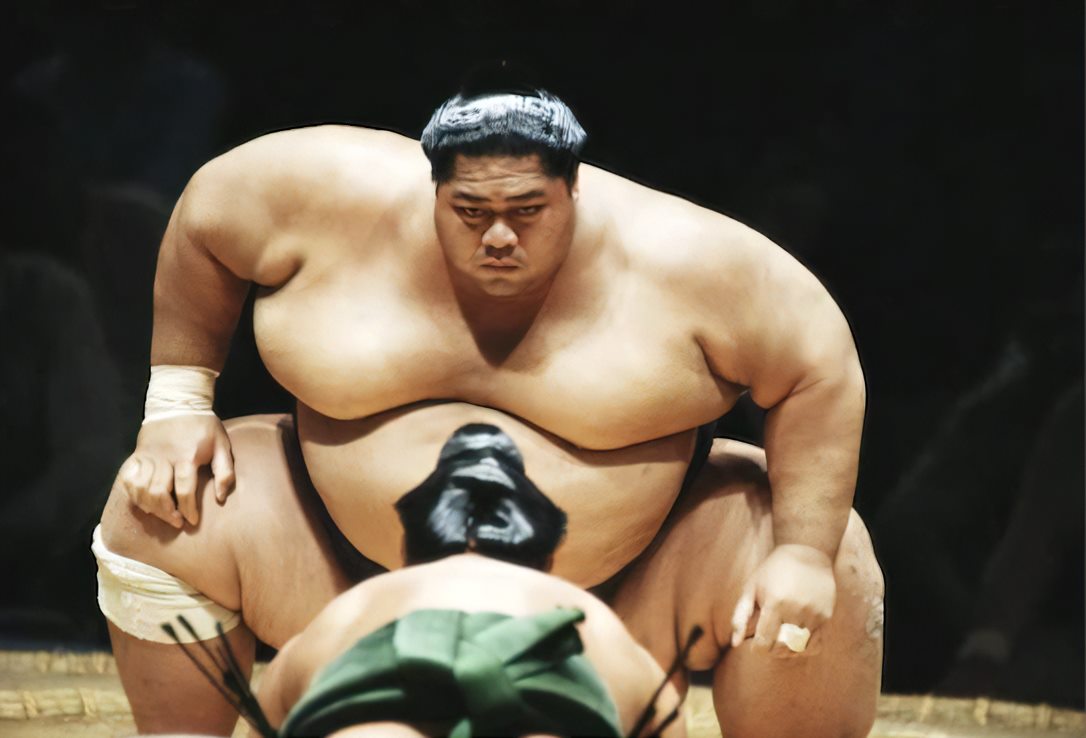
Konishiki Yasokichi is a Hawaiian-born former sumo wrestler who in 1987 became the first foreign-born wrestler to reach ozeki, the second-highest rank in professional sumo. Born Saleva’a Atisano’e on Oahu in 1963, he fought for Takasago stable from 1982 to 1997 and won three top-division championships. He never became a yokozuna. Fellow Hawaiian Akebono became the first foreign-born yokozuna in 1993.
Konishiki spoke with Japan Documented in an exclusive video interview for our Humans of Japan series. This page pairs what he told us with his verified career record, what he is doing now, and the other Hawaiian and Samoan wrestlers who shaped sumo.
Watch the full exclusive interview on the Japan Documented YouTube channel.
Konishiki at a glance
| Item | Detail |
|---|---|
| Ring name | Konishiki Yasokichi |
| Birth name | Saleva’a Fuauli Atisano’e |
| Born | December 31, 1963, Oahu, Hawaii (raised in Nanakuli) |
| Stable | Takasago |
| Recruited by | Takamiyama (Jesse Kuhaulua) |
| Professional debut | July 1982 |
| Highest rank | Ozeki, first tournament at the rank in July 1987 |
| Top-division championships | 3 (November 1989, November 1991, March 1992) |
| Top-division record | 649 wins, 476 losses, 89 absences over 81 tournaments |
| Final tournament | November 1997 |
| Japanese citizenship | 1994, legal name Shiota Yasokichi |
Records are from SumoDB. His recruitment by Takamiyama is confirmed by the Hawaii Sports Hall of Fame and the Honolulu Star-Advertiser.
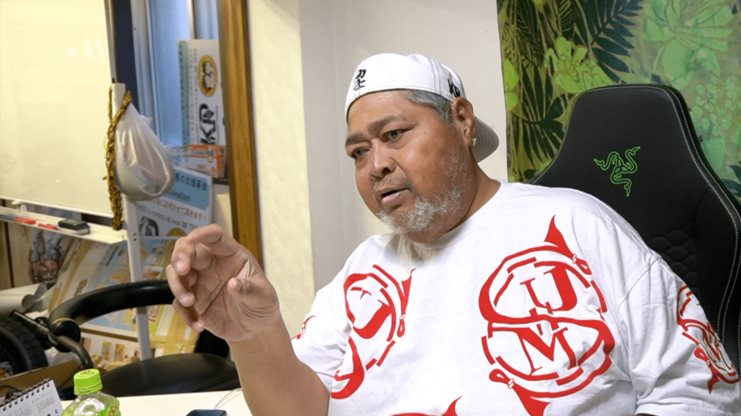
In our interview: Konishiki on sumo and Japan
Why he came to Japan
Konishiki moved to Japan at 18, the same year he graduated from University High School in Honolulu. Money was the main reason. As he put it in our interview: “The primary motivation was to support my family financially.” He saw sumo as a steady income that could help his parents.
The hardest part
Everything about the new life was unfamiliar. Speaking to us, he summed it up: “The cultural and language barriers were immense.” The stable routine was just as tough: “The training was incredibly strict and demanding, which was a significant challenge. Sumo life is all about discipline and perseverance.”
He adapted by learning the language and committing to the training, and he credits his family background: “My Samoan roots played a big part in keeping me grounded and motivated.”
Reaching ozeki
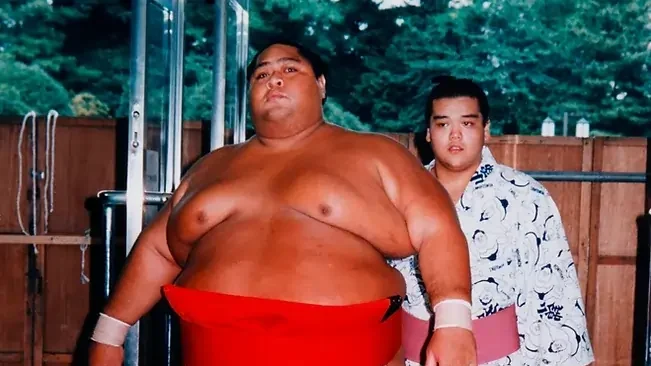
Konishiki was promoted after a 12-3 record as sekiwake in May 1987. Looking back, he described it plainly in our interview: “It was a tremendous honor. Reaching Ozeki was a testament to the hard work and sacrifices I made.” He also saw it as proof that someone from outside Japan could succeed at the top of the sport.
How Japan changed him
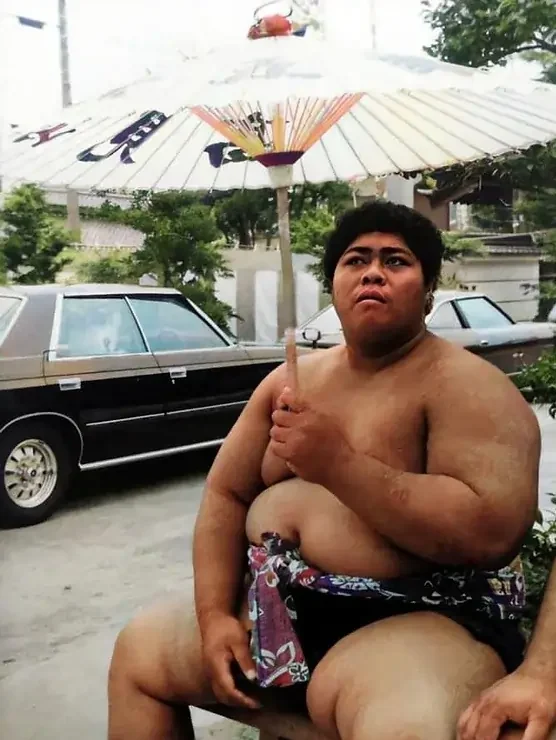
At first, he said, everything felt foreign. Over the years he came to respect the discipline and sense of community he found in sumo and in Japanese society. In our interview he added: “The sense of tradition in sumo and Japanese society as a whole is something truly special.”
His advice to young wrestlers
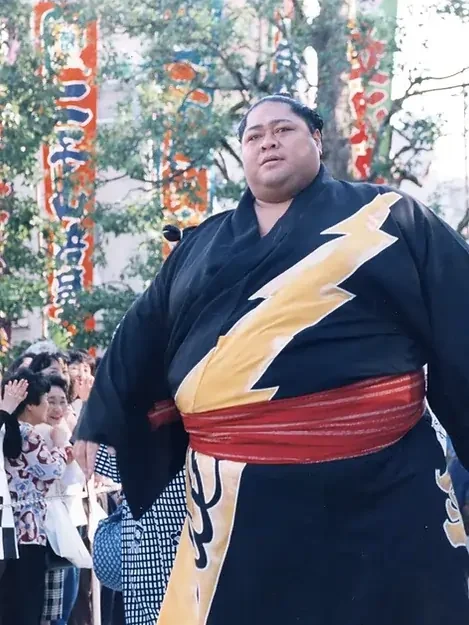
Konishiki sees his career as one that opened doors: “I believe my success helped pave the way for other foreign wrestlers.” His message to young wrestlers from other cultures was short: “Embrace the challenges and stay true to your roots. Sumo is not just a sport; it’s a way of life.”
How close Konishiki came to yokozuna
Konishiki won all three of his top-division titles as an ozeki. Between November 1991 and March 1992 he took two of three tournaments, which put him in the conversation for promotion to yokozuna, sumo’s highest rank. He was not promoted.
The 1992 promotion debate drew heavy press coverage. UPI reported that two newspapers quoted him as blaming racial prejudice for the delay, and that Konishiki denied making the accusation and apologized to the Sumo Association. UPI also described him that year as the heaviest sumo wrestler on record. SumoDB lists his weight as high as 285 kg (about 628 pounds). Akebono became the first foreign-born yokozuna the next year.
Konishiki now: life after sumo
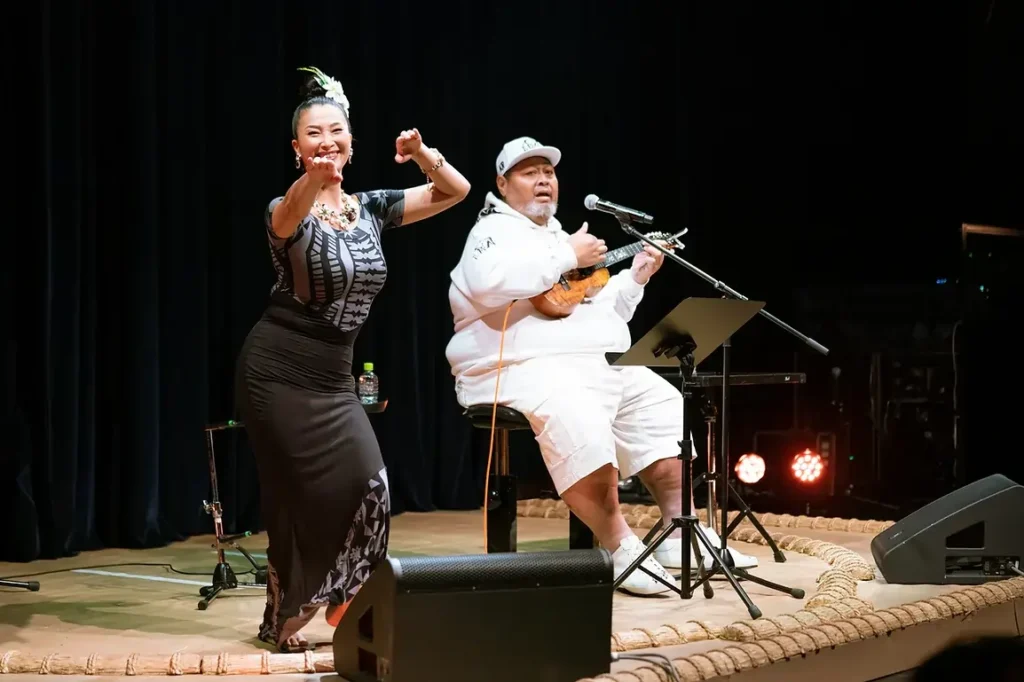
Konishiki fought his final tournament in November 1997. He stayed in the Sumo Association only briefly as an elder, under the name Sanoyama, before moving into entertainment. Nearly three decades later he is still a familiar face in Japan.
- Music. He has recorded for years. By October 2009 he had released his 10th album, according to Hawaii News Now.
- Television. He became well known on Japanese children’s TV as Koni-chan. In June 2025 his official site announced his appearance on Fuji TV’s documentary series The Nonfiction.
- Sumo+Sushi. In 2024 he hosted Sumo+Sushi, a live show of sumo exhibition bouts paired with a sushi meal, on a US East Coast tour that included New York and Nashville.
- Charity. He founded the Konishiki Kids Foundation to promote exchange between children in Hawaii and Japan.
- Sumo ties. The Honolulu Star-Advertiser reported in May 2026 that he sells his own sumo wear from a pop-up tent at tournaments and helps run practice sessions and mentor wrestlers at Musashigawa stable, led by fellow Hawaiian Musashimaru.
Konishiki’s weight loss and health
Konishiki had gastric bypass surgery in Honolulu in early 2008. By October 2009, Hawaii News Now reported that he had lost more than 300 pounds.
His kidneys were a longer fight. Chunichi Sports reported that his kidney function had been declining for about eight years before he was hospitalized with kidney failure on November 20, 2024. On December 4, 2024, he received a kidney transplant from his wife, Chie, at a hospital in Kanagawa Prefecture. In the May 2026 Star-Advertiser profile, he said the biggest thing he has achieved since sumo is simply staying alive, and he credited Chie’s donation.
Hawaiian and Samoan sumo wrestlers
Konishiki belongs to a small group of Hawaii-raised wrestlers who changed sumo between the 1960s and the early 2000s. Two of them, Konishiki and Musashimaru, have Samoan roots.
| Wrestler | From | Highest rank | Known for |
|---|---|---|---|
| Takamiyama (Jesse Kuhaulua) | Maui | Sekiwake | First foreigner to win a top-division title (July 1972); recruited Konishiki |
| Konishiki (Saleva’a Atisano’e) | Oahu | Ozeki | First foreign-born ozeki (1987); 3 titles |
| Akebono (Chad Rowan) | Oahu | Yokozuna | First foreign-born yokozuna (1993); 11 titles |
| Musashimaru (Fiamalu Penitani) | Born in Samoa, raised on Oahu | Yokozuna | Promoted in 1999; 12 titles |
Takamiyama grew up on Maui and debuted in March 1964. He later ran Azumazeki stable, where he coached Akebono.
Akebono grew up on Oahu and fought for Azumazeki stable. He retired in 2001 and died of heart failure in April 2024 at age 54.
Musashimaru grew up in Hawaii and debuted in 1989. He retired in 2003 and now runs Musashigawa stable as the elder Musashigawa, according to the Japan Sumo Association.
Foreign-born ozeki are no longer unusual. Georgia’s Tochinoshin reached the rank in 2018, and he talks about stable life and the other foreign wrestlers of his era in our interview with Tochinoshin.
FAQ
Was Konishiki a yokozuna?
No. Konishiki’s highest rank was ozeki, which he held for 39 tournaments from 1987 to 1993. Akebono became the first foreign-born yokozuna in 1993.
Is Konishiki Hawaiian or Samoan?
Both. He was born on Oahu, Hawaii, UPI described him in 1992 as an ethnic Samoan from Hawaii, and in our interview he spoke of his Samoan roots.
What is Konishiki doing now?
He works in entertainment, hosts live sumo shows, sells his own sumo wear at tournaments, and helps coach at Musashigawa stable. He received a kidney transplant from his wife, Chie, in December 2024.
How much weight did Konishiki lose?
After gastric bypass surgery in 2008, he had lost more than 300 pounds by October 2009, according to Hawaii News Now.
Who brought Konishiki into sumo?
Takamiyama, the Maui-born wrestler Jesse Kuhaulua, scouted him and brought him to Takasago stable in 1982.
Is Konishiki a Japanese citizen?
Yes. He became a Japanese citizen in 1994 under the legal name Shiota Yasokichi.
Want more first-hand stories from people who built lives in Japan? Explore the Humans of Japan series.
Share