
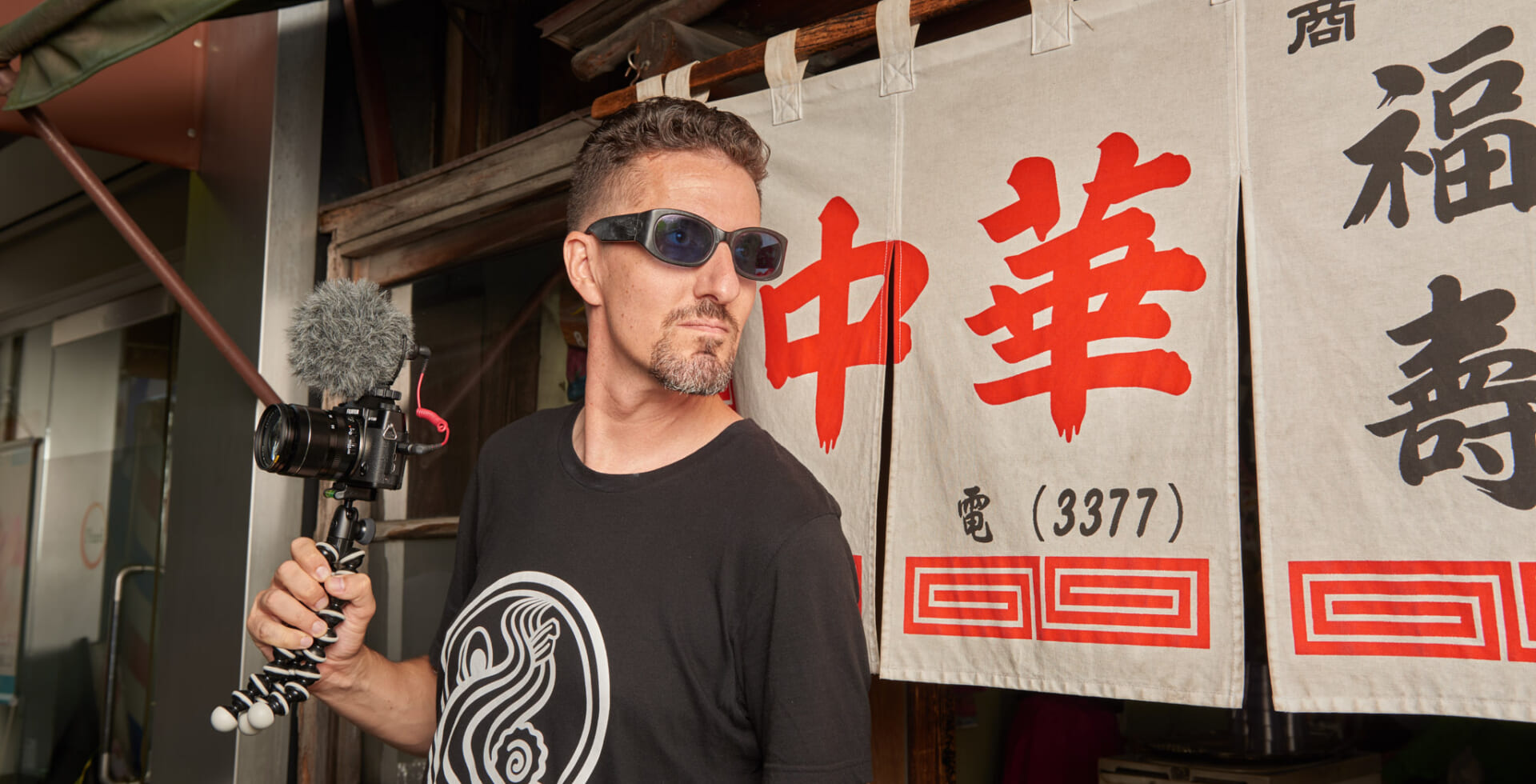
It's the soul food of Japan.
For most people, a bowl of ramen is lunch. For Brian MacDuckston, it has been a research project running for nearly two decades. The San Francisco native arrived in Japan in 2006 as an English teacher, started a ramen blog, Ramen Adventures, in 2008 because nobody else was writing about it in English, and was standing in the right place when the rest of the world suddenly decided ramen was the food of the moment. Today he works as a ramen tour guide, writer and consultant, and he has eaten his way through roughly 3,000 shops.

He Was 28, Burned Out, and Bound for Japan
What were you doing before Japan?
I was in tech in my twenties in the States, just programming video games, and I hated it so much. By the time I was 28 years old, I was completely stressed out. I was very overweight. I was not in a good place physically, mentally.
A buddy of mine was teaching English in Japan. At that time, they would literally hire anybody to come out here. You just showed up to the interview. “Oh, you want to go? Okay.” Here’s your ticket, your apartment, your visa. They take care of everything for you.
And the job itself?
The pay was bad. It’s still bottom tier. But you’re in Japan. I was loving it. I went from this high-stress job in front of a computer to literally just playing with children every day, teaching them English. Zero stress. Really, really changed my life.
He came as what he calls “a generic eikaiwa teacher.” Eikaiwa are the private English conversation schools that have been the entry point to Japan for a generation of foreign residents. “Like most of us,” he adds.
The Only Person Writing About Ramen in English
What is ramen to Japan?
It’s the Japanese comfort food. It’s the soul food of Japan. So it’s for everybody. The cost is not expensive, so everybody can have it. It’s full of umami. It makes people happy.
“It’s the Japanese comfort food. It’s the soul food of Japan. It’s full of umami. It makes people happy.”
How did the ramen start?
Around 2008 I started a blog, a ramen blog. At the time I was the only person writing about ramen in English living in Japan. There was no information about ramen, so I kind of started this blog.
Why ramen, and not soba or udon?
The ramen culture in Japan is like nothing else. Of course there’s soba and udon, there are other food cultures, but what other culture has ramen magazines like this? I have hundreds of ramen magazines. In Tokyo alone there are four or five different ramen magazines every year. You don’t have soba like this. You don’t have udon like this.
He pulls a copy of Ramen Walker off the shelf: a regional annual, one of several, with separate editions for Tokyo, Tōkai, Hokkaidō. He flips it open. “This has 392 shops that it talks about. It’s crazy.”
Is that what got you started?
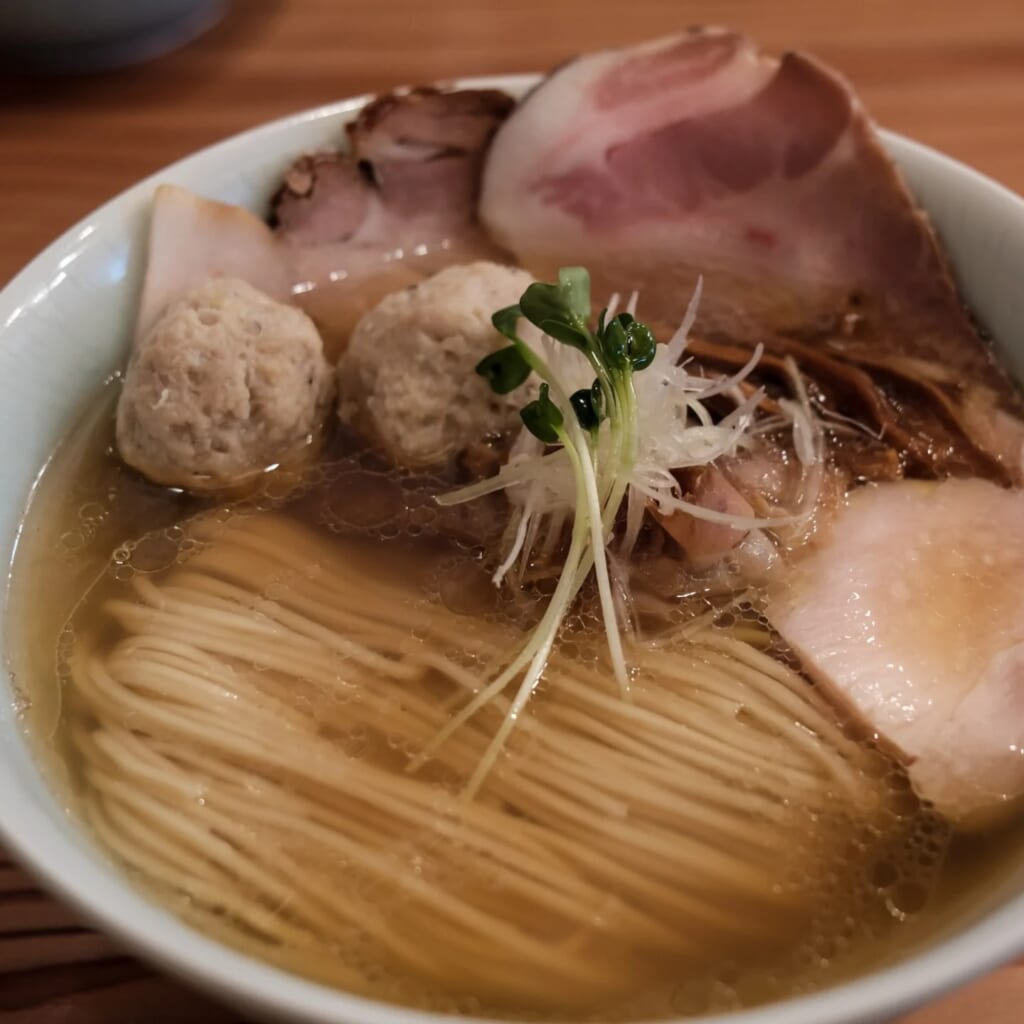
That’s what got me into it at first. I had a good bowl of ramen, went home, went online, and tried searching where the best ramen shops in Tokyo were, where else I could go, and there was no information in English. But you have these magazines. So I started picking up the magazines, going to the shops that looked good, the shops that were highly ranked.
When Ramen Went Global
Then, as he remembers it, 2010 happened.
Around 2010 ramen became this huge phenomenon, especially in New York City, across America, Europe. It became this new cuisine that people wanted to try. I was the only person who had written extensively about it in English, so I kind of became the default expert.
Why 2010?
A couple of things happened. First, this big celebrity chef named David Chang opened a restaurant in New York City called Momofuku, which was doing some ramen, and he had a TV show, so he was hyping it up. And then there was also Ippudo, the famous ramen shop in Japan. They opened in New York City. Huge buzz. This place was packed, huge waiting list. It was like a nightclub almost.
I went there back in 2010, 2011. The place is wild, completely different than Ippudo in Japan, but the ramen was the same: Japanese-style tonkotsu ramen, and people went crazy for it. Then people realized, hey, we can open ramen shops and make some money. And then it spiraled out of control.
Momofuku Noodle Bar had in fact opened in 2004, and Ippudo’s first New York branch in 2008. From where MacDuckston sat in Tokyo, the wave arrived around 2010.
What did that look like from Tokyo?
I started getting a lot of interest from restaurateurs and media people. Your average tourist wasn’t going crazy for ramen at that time. It was more people in the business noticing, oh, here’s this new food, this is going to be the big trend. So at first those people started reaching out to me. I’d take them on tours, I’d do work with them, this and that. And then it just started to become crazy. Lots of shops opening.
Why does ramen travel differently overseas?
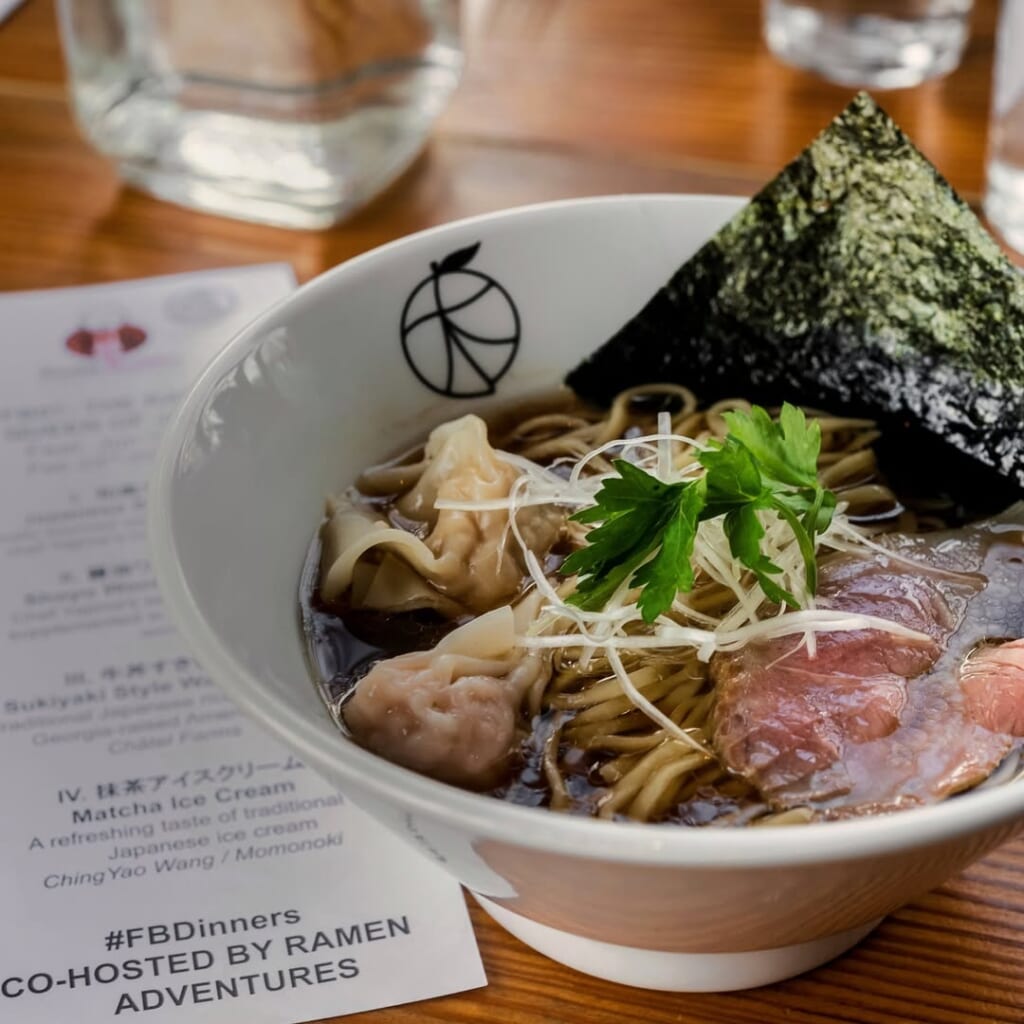
Japan has these small shops with a counter serving one thing. People come in, they eat, they get out. That’s very hard in the West. If you wait 30 minutes, an hour, and then sit down and you’re expected to just eat and get out immediately, it doesn’t work. People want to relax, sit, chat.
So for a ramen shop in America to just serve ramen, they’re leaving money on the table. Now restaurants in America think, okay, we might as well serve drinks, beer, sake, and we might as well serve some otsumami, some snacks. So the ramen shops kind of morph into more of a restaurant, where people want to spend an hour or two with friends drinking nihonshu, eating ramen, gyōza. That business model just works better overseas.
Three Thousand Bowls, and Counting
How many shops have you been to?
Every new shop I go to gets a post on my site. I’m up to around 3,000 or so. Somewhere between 2,500 and 3,000. Different shops. It’s a lot. So I’ve done my work, but it’s fun.
Do you plan trips around it?
Sometimes I make that the reason for travel. I’m like, okay, there’s this famous ramen shop on the coast of Yamagata. I don’t know what’s up there. Let’s just go for the ramen and then see what else is up there. And then you have this awesome little vacation, you discover some shrines, meet some cool people. I make the ramen the reason for travel, and then everything else kind of just flows in.
Do you have a favourite?
It’s tough. But there’s a place in Shinjuku called Ramen Shima. They’re actually the number one ranked ramen shop on Tabelog in Tokyo. Delicious, delicious place. Before you could book online, people would line up for two, three, four hours. Is it worth that much of a wait? I don’t know, that’s up to you. But for me, sometimes I’m just chilling, I’ve got nothing to do. I’ll go wait in line. I’ll bring my folding chair, my camp chair, sit down, read a book, play on Instagram. Why not?
And right now, what style are you into?
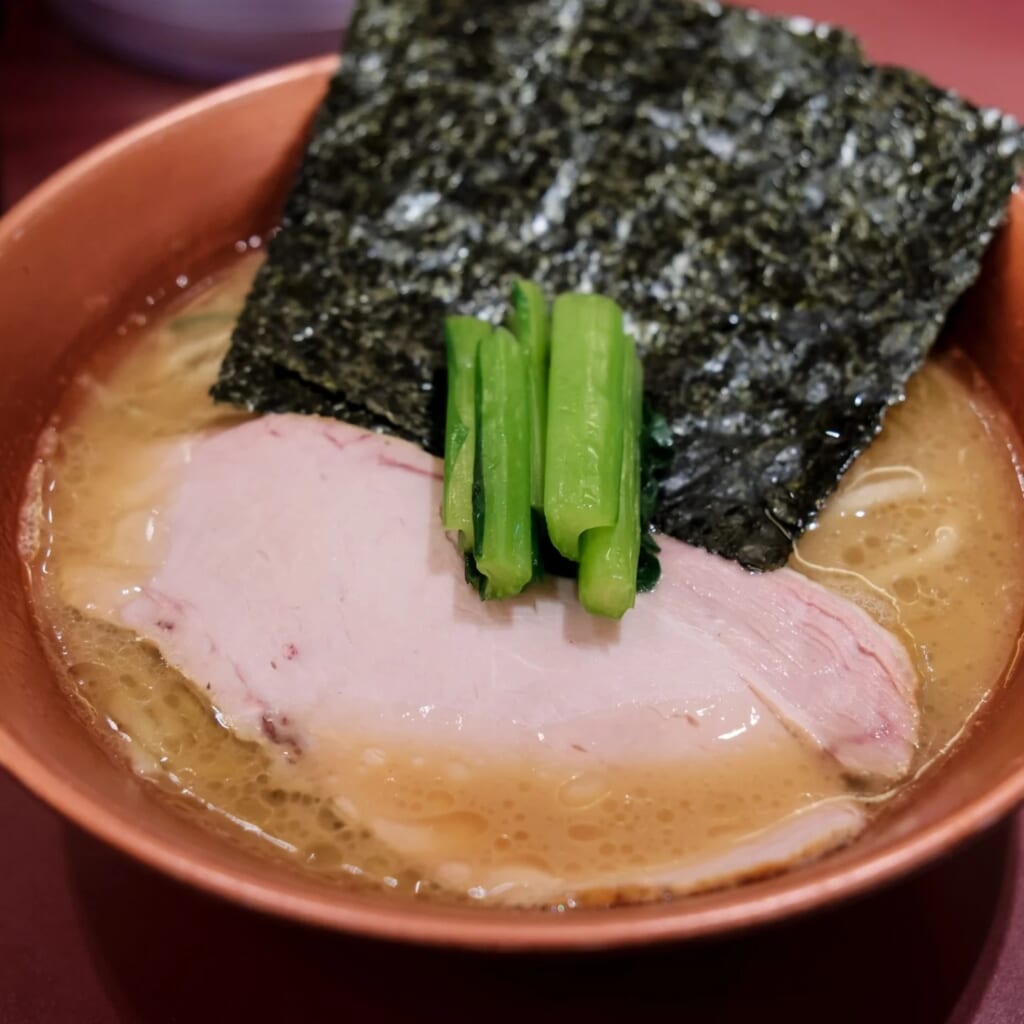
It changes a lot. Right now I’m actually a little bit obsessed with iekei style, the Yokohama, Kantō-area tonkotsu ramen. Creamy pork broth, lots of soy sauce, lots of MSG, thick noodles. It’s a fascinating style, and people are obsessive about it. I know people who only eat iekei. That’s the only kind of ramen they’ll eat.
It’s heavy though, so you really can’t eat too much of it. You’ll start to feel pretty bad. Drink a liter of water for every bowl of ramen you eat. That’s a rule.
Ten Minutes of Joy
A tourist lands in Tokyo. How should they find ramen?
I think people should just wander into a couple of shops without doing any research. Quite often, if you’ve never really had much ramen, the bar is set low. You’ll go to some regular shop and for you it’s going to be a mind-blowing experience. Maybe some food nerd will say, oh, that place is only a 3.5 on Tabelog, that’s not great. But you had an incredible experience.
That said, Ramen Walker has a best-of ranking every year. And on Tabelog there’s a list called Hyakumeiten, the top 100 shops in an area. Go look at that, see what’s good, see what’s near where you’re staying. It’s a balance. Do a little from A, a little from B.
Any rules for eating it?
When you’re eating it, there’s no rules. However you like it. You can slurp, you don’t have to slurp. It is the culture, though, especially if a place has a line, that you eat and get out. Don’t linger.
A lot of Americans, we think the customer is always right. Once I’m in that seat, I own it. And that’s fine, a lot of shops aren’t going to kick you out. But it’s a courtesy to other people to hurry up.
Has anyone ever told you to leave?
Personally, I leave the second I’m done with the ramen, even when I’m with friends. Gochisōsama, and I’ll wait outside. I started my ramen hunting as a solo thing, so I got used to behaving the same as the other customers. I’d observe people. Okay, this is how they order, this is how they eat, they get out.
I actually really like this about Japanese casual restaurants. You’re there to focus on your food, eat and get out. If it’s just 10 minutes, that’s what it is. It’s 10 minutes of joy.
“If it’s just 10 minutes, that’s what it is. It’s 10 minutes of joy.”
It is, he admits, a hard sell for the people he guides. “When I work as a tour guide, a lot of people, if there’s any silence, they’ve got to talk. And when they finish, I say, okay, I’ll be waiting outside. I hope they’re not offended, but this is how we do it. I explain to people, this is how the culture is.”
And slurping?
It’s great. I don’t know why people are so weirded out by it. Other food, if you eat it and you’re making noise, like a hamburger, that’s nasty. But ramen, I have no issue with it. The slurping makes it taste better, it sends the aromas around your mouth, and it helps cool it down so you can eat it while it’s really, really hot. So it has benefits.
Sometimes my dad yells at me because I’ll be slurping spaghetti or something. I forget about it when I’m in the States. Don’t slurp all noodles, just the soup noodles.
Nearly Two Decades In, the Crowds Still Get Him
What’s still the biggest culture shock?
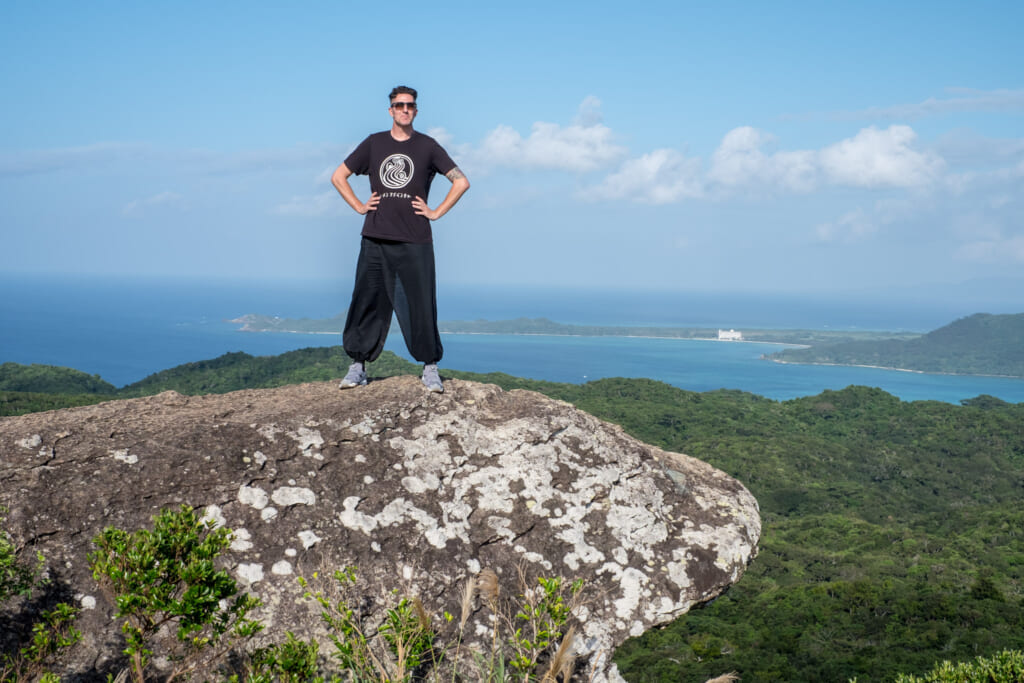
It’s still the sheer number of people in Tokyo. You go to Shinjuku Station at 8:30 in the morning and it’s madness. Millions and millions of people, packed onto these trains. I’m from a big city, I’m from San Francisco, but this is a lot of people. Sometimes I think, how could you do this every day? I’m a freelance worker, so Monday to Friday I’m chilling, doing different ramen things. I’m definitely not commuting at 8 in the morning. I don’t know how people do it, but they do.
What else is different from San Francisco?
For me the lack of driving was a big one. In the States, even in the cities, most people have cars. It’s simple to call up your buddy: hey, come by, let’s have a barbecue. Hop in your car, drive over. In Japan, at least in the city, you can’t just say spur of the moment, hey, let’s hang out. I’ve got friends in Yokohama; that’s an hour-and-a-half train ride, and then I’ve got to worry about the last train.
It affects your social life, and it affects your dating life big time. That date is either over by 11 o’clock, because that’s when the last train is, or you’re going all night. Everything revolves around the trains. It’s easy to get around, but it’s also hard to get around, if that makes sense.
Where do you actually like to spend time?
I like the west side: Hatagaya, Shimokitazawa, a little bit of Kōenji. You’ve got Shinjuku and Shibuya, which are wild and fun, but go a couple of stops west and there are these cool neighbourhoods. Shimokitazawa, super nice, a lot of live houses, a chill vibe. Once the trains stop running, all these neighbourhoods become kind of locals-only. It’s a cool vibe.
And to eat and drink?
Same answer. Every station on that side has a shōtengai culture, the shopping streets next to the station, always a bunch of cool little local spots. And yokochō culture is becoming a bigger thing again. Historically yokochō are these dingy alleyways outside the city centre with a bunch of restaurants crammed in, but recently they’ve been building new ones all over: Shinjuku, Yoyogi, Shibuya. Twenty, thirty restaurants packed into one small area. Lively, fun. It kind of looks touristy, and then you get there and you’re like, no, this is just people having a good time.
Do you ever get tired of ramen?
I can talk for hours about ramen. I’m traveling all over the country trying ramen shops and I still don’t get tired of it. I’ll go spend a week in some city and just basically eat ramen for the entire week. Love it. Super happy.

And ramen is something everyone in Japan has an opinion about, usually a positive one. You can ask some old grandpa, “Is there good ramen around here?” and he’ll tell you the spot. You can ask a little kid about ramen and they’ll know something. It’s a real nice icebreaker. Ask someone where their hometown is, then ask if there’s good ramen there, and now you’ve got a conversation. People love to talk about this.
Frequently Asked Questions
How many ramen shops has Brian MacDuckston visited?
Around 2,500 to 3,000 different shops, each one written up on his blog, Ramen Adventures.
How do you find good ramen in Tokyo as a visitor?
MacDuckston suggests a mix: wander into a shop with no research at all, and cross-check the established rankings: the annual Ramen Walker best-of lists and Tabelog’s Hyakumeiten top-100 list for the area you’re staying in.
Is it rude to slurp ramen in Japan?
No. Slurping is normal and, MacDuckston argues, practical: it carries aroma and cools the noodles so you can eat them very hot.
How long should you stay in a ramen shop?
As long as you like, but if there’s a line outside, the courtesy is to eat and leave rather than linger.
Want to hear more stories from the people who make their lives in Japan? Read more from our Humans of Japan series: conversations with artisans, residents, travelers and storytellers shaping contemporary Japan.
Read Next
Share