
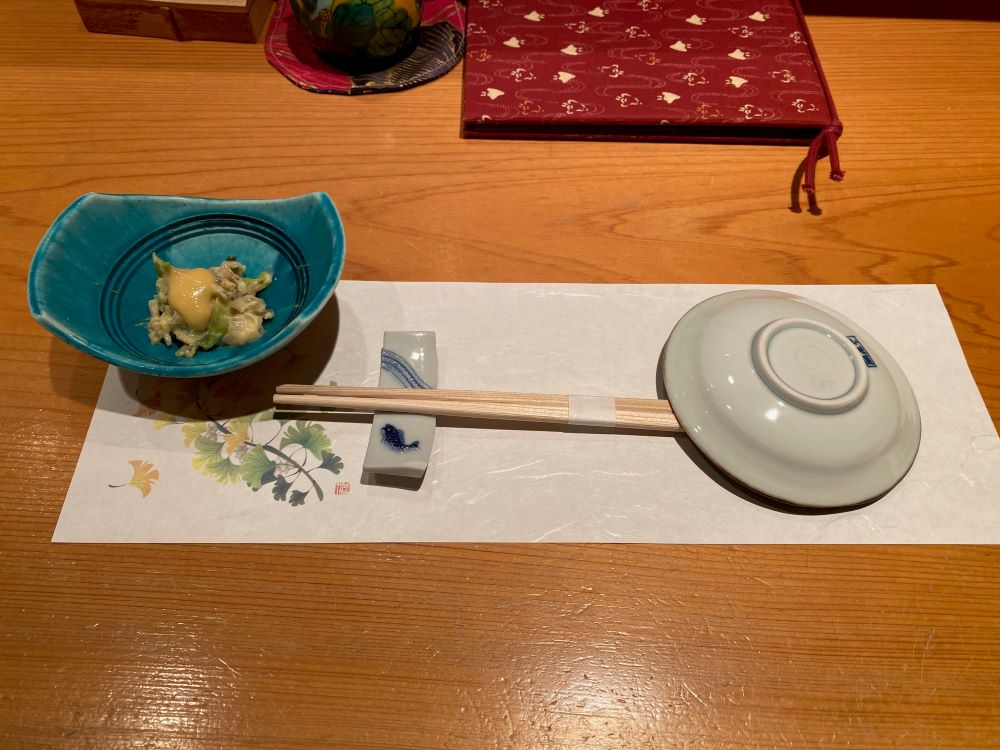
Otoshi is a small appetizer that izakayas (Japanese-style pubs) and similar restaurants in Japan serve to each customer at the start of a meal, without it being ordered. In many cases it doubles as a seat charge added to the final bill. In the Kansai region the same dish is often called Tsukidashi.
| Where it is served | Izakayas (Japanese-style pubs) and similar restaurants |
|---|---|
| Written in Japanese | お通し |
| Typical charge | A few hundred yen to around 1,000 yen per person |
| How it is billed | Added to the bill, in effect a table charge (National Consumer Affairs Center of Japan) |
| Related names | Tsukidashi in the Kansai region. Sakizuke is the similar appetizer in formal course meals |
Checked in October 2026 against cht.kokusen.go.jp.
Here’s a closer look at what Otoshi is, why it’s served, and what you need to know when you encounter it.
What is Otoshi?
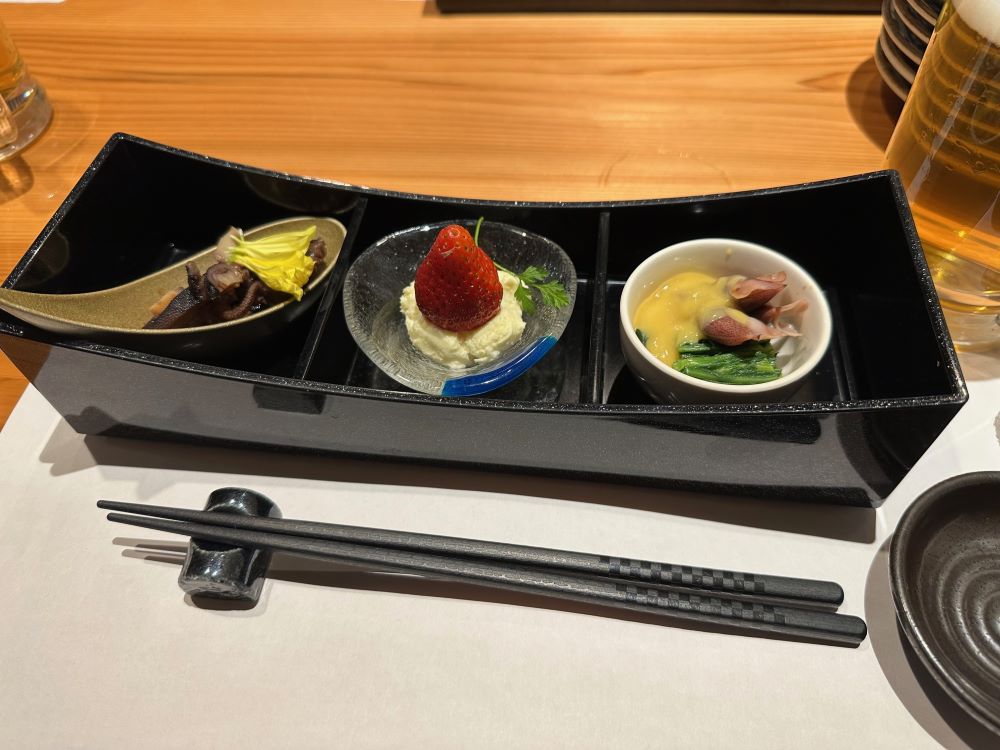
Otoshi is a small dish served at the beginning of a meal, typically at izakayas (Japanese-style pubs). It’s a practice deeply rooted in Japanese dining culture, serving as a kind of welcome snack while you wait for your main order. The term “Otoshi” comes from the Japanese word “tōsu,” which means “to pass through”, referring to passing the order to the kitchen or the customer being seated. The dish itself can vary widely, ranging from pickled vegetables to small portions of fish or other seasonal ingredients.
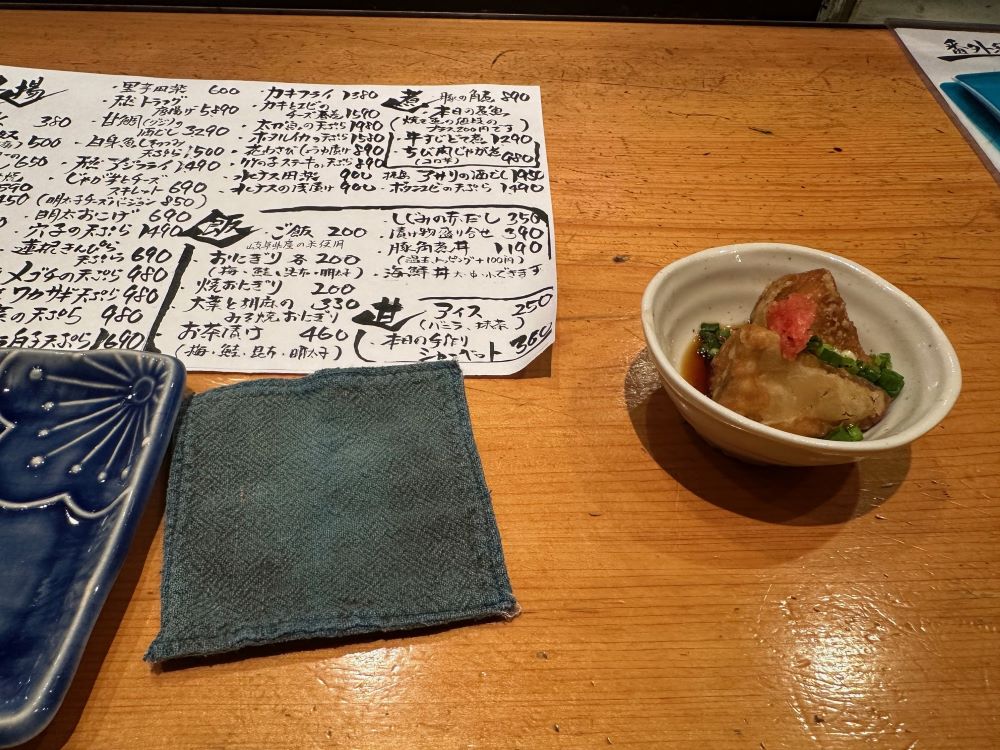
Why is Otoshi Served?
Otoshi serves several purposes:
Introduction to the Restaurant’s Flavors
It offers a glimpse of the restaurant’s culinary style. For new customers, it’s a way to sample the establishment’s offerings.
Seat Charge
In many cases, Otoshi acts as a seat charge, with the cost being added to the final bill. This charge typically ranges from a few hundred yen to around 1,000 yen per person (approximately $2 to $7 USD).
Avoiding Idle Time
It helps keep customers engaged while they wait for their main dishes, making the overall dining experience more pleasant.
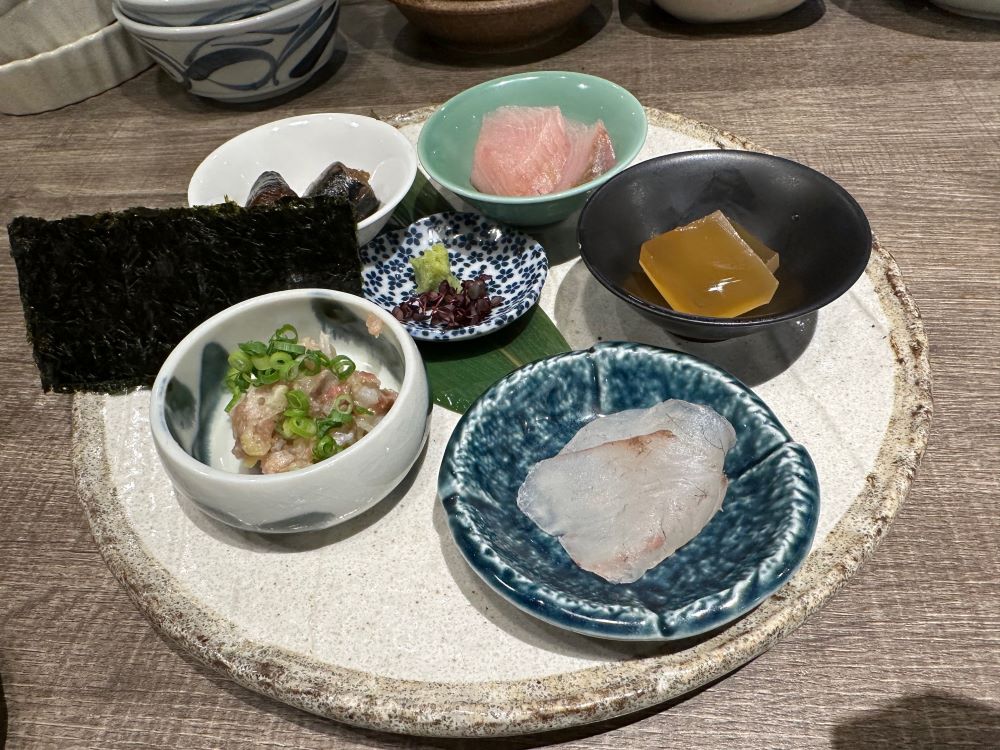
Otoshi is often said to reflect the skill and care of the restaurant. In more refined establishments, Otoshi is carefully prepared with attention to detail, offering a taste of the chef’s capabilities and the quality of the restaurant. On the other hand, even in chain restaurants or budget izakayas, Otoshi is often served, though in these cases, it tends to be simpler and more utilitarian, functioning more as a seat charge than a culinary showcase.
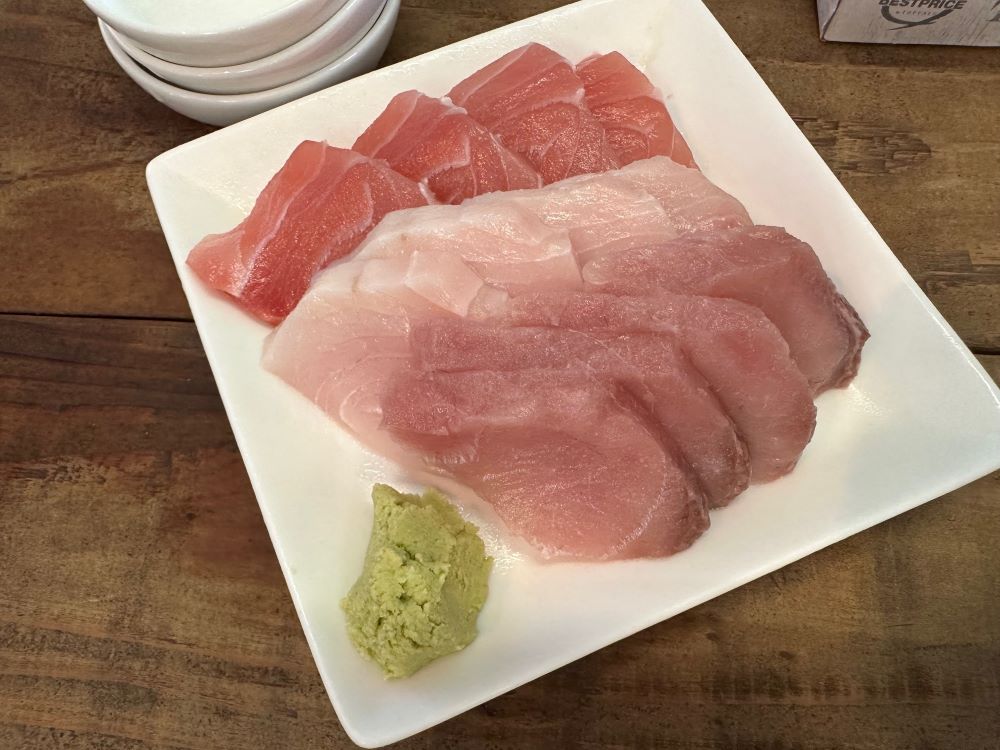
Can You Refuse Otoshi?
In most cases, Otoshi is not optional. It’s an ingrained part of the dining experience, and since it doubles as a seat charge, it’s automatically added to the bill. Refusing it is generally considered bad form and may not be possible in many establishments.
Differences in Regional Terminology
In the Kansai region, Otoshi is often referred to as “Tsukidashi,” but the concept remains the same. Meanwhile, in formal Japanese dining settings, a similar concept called “Sakizuke” is served, which is an appetizer included as part of a multi-course meal.
Tips for Foreign Visitors
It may feel strange at first to be served, and charged for, something you didn’t explicitly order. However, understanding that it’s a standard practice in Japan can help you appreciate this unique part of the dining experience. Think of it as an opportunity to try something new and get a taste of what the restaurant has to offer.
Caution: If you encounter an Otoshi charge that exceeds the usual range, especially in the thousands of yen, it could be a sign of a scam or an unscrupulous establishment. This is something to be particularly aware of when dining in areas like Shinjuku’s Kabukicho district. Always review your bill carefully and be cautious in these restaurants.
Conclusion
Otoshi is more than just an appetizer; it’s a window into the local dining culture and a subtle way for restaurants to introduce their culinary offerings. While it may be unfamiliar to foreign visitors, embracing this tradition can enhance your dining experience in Japan. Next time you’re in an izakaya, enjoy the Otoshi and the glimpse it gives you into the flavors of Japan.
Frequently Asked Questions
What does the word Otoshi mean in Japanese?
Otoshi (お通し), the small dish served first at an izakaya, is said to come from the Japanese word tōsu, which means to pass through. The name is explained as the customer’s order being passed on, or the customer being shown to a seat.
How much does Otoshi cost in Japan?
Otoshi typically costs from a few hundred yen to around 1,000 yen per person. In one complaint recorded by the National Consumer Affairs Center of Japan in 2019, two diners at an izakaya were each charged about 400 yen for Otoshi they had not ordered.
What kind of food is served as Otoshi?
Otoshi is usually a light dish that goes well with a drink. The Japanese culinary dictionary Nihon Ryori Yurai Jiten names vinegared dishes, dressed dishes, delicacies and shiokara (salted seafood) among the foods used, and describes Otoshi as lighter than the dishes that follow.
What should you do if an Otoshi charge seems too high?
An Otoshi charge in the thousands of yen is outside the usual range, so check the menu prices and ask staff before paying. If the bill is still disputed, the National Consumer Affairs Center of Japan advises calling the police on the spot. Its Consumer Hotline for Tourists, 03-5449-0906, takes calls on weekdays, except national holidays and December 29 to January 3, in seven languages including English.
Share