
Japanese dining etiquette is the set of table manners followed at restaurants, izakaya (Japanese pubs) and group meals in Japan, based on gratitude for the food and consideration for the people sharing it. The two biggest chopstick taboos are standing chopsticks upright in a bowl of rice and passing food from one pair of chopsticks to another. Slurping noodles is accepted, tipping is not customary, and meals begin with the word itadakimasu.
| Before and after eating | Say “itadakimasu” before the meal and “gochisousama” after it |
|---|---|
| Chopstick taboos | Never stand them upright in rice or pass food from chopsticks to chopsticks |
| Noodles | Slurping ramen, soba and udon is accepted, and not required |
| Pouring drinks | Pour for others and let someone else fill your glass |
| Tipping | Not customary. Pay only the amount shown on the bill |
| Otoshi at an izakaya | A small appetizer, often served automatically and billed as a table charge |
Checked in October 2026 against japan.travel.
Here’s a guide to the key points of Japanese dining etiquette:
1. Chopstick Etiquette
Chopsticks are the main utensils used in Japan, and there are several important rules to follow:
NEVER stick chopsticks upright in a bowl of rice: This resembles a funeral ritual and is considered bad luck. Instead, rest your chopsticks on a chopstick rest or place them horizontally across your dish.
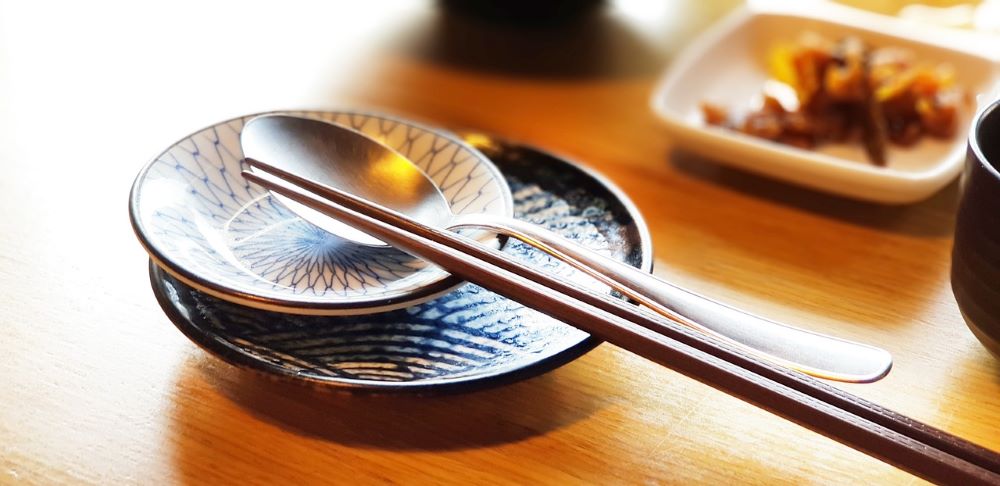
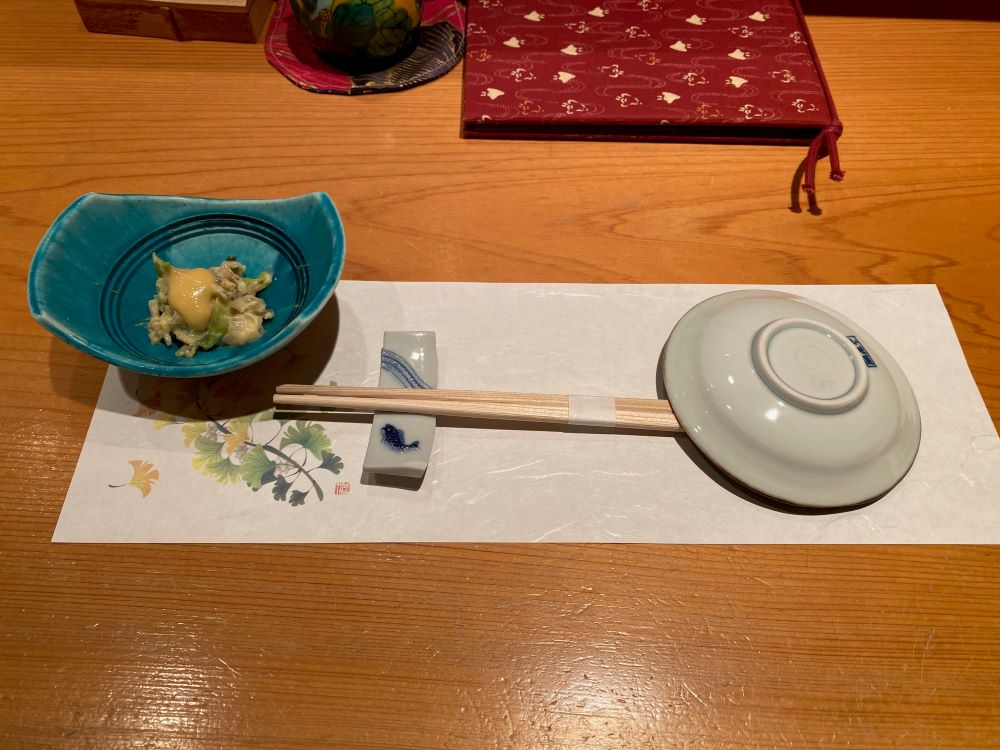
NEVER pass food from chopstick to chopstick: This also resembles a funeral custom.
NEVER point or gesture with your chopsticks: Always place them on the chopstick rest when not in use.
(Use the back end of your chopsticks): If you’re taking food from a shared dish, it was once common to use the back end of your chopsticks. However, this practice is now sometimes frowned upon. You don’t need to actively follow this custom, instead, use the serving chopsticks provided. That said, don’t be surprised if some people still use the back of their chopsticks, as this habit persists among certain individuals.
2. Slurping Noodles Is Okay
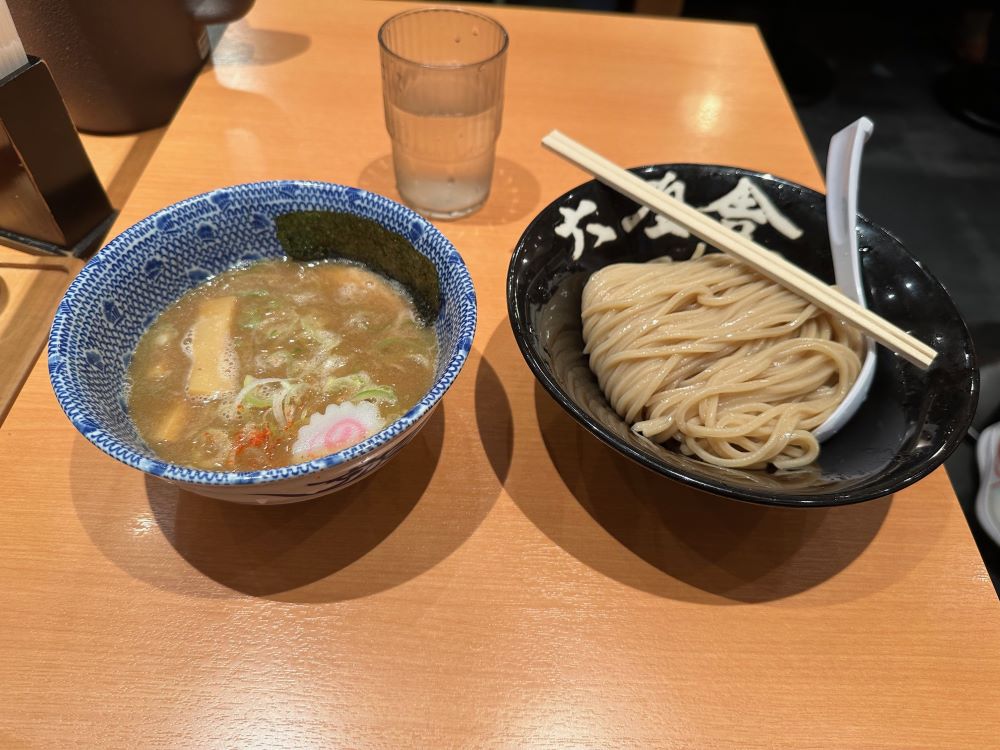
In Japan, it’s perfectly acceptable: and even encouraged, to slurp your noodles, whether it’s ramen, soba, or udon. This not only shows that you’re enjoying the meal but also enhances the flavor. If slurping goes against your own cultural norms or manners, you don’t need to feel pressured to do it, but personally, I find that slurping makes the noodles taste even better. Give it a try. You might enjoy the experience!
3. Say “Itadakimasu” and “Gochisousama”
Before starting your meal, say “Itadakimasu” (I humbly receive) as a way of showing gratitude for the food. After finishing, it’s polite to say “Gochisousama” (Thank you for the meal) to express appreciation for the meal.
4. Respect for Others When Eating
In Japanese culture, it’s considered impolite to:
Eat while walking: While it’s considered poor manners to walk and eat in restaurants or most public areas, there are exceptions. In certain tourist spots, especially at food stalls or festivals, eating while walking is actually encouraged and part of the local experience. Always check the surroundings, as some places embrace the culture of eating on the go.
Talk with your mouth full: Finish chewing before speaking to others at the table. If you can’t wait until you’re done eating, it’s best to cover your mouth with your hand while speaking to maintain good manners.
5. Sharing Dishes
When eating in a group in Japan, it’s more common to order several dishes to share, rather than each person ordering individually. In these cases, use the serving utensils provided, or the back of your chopsticks, to take food from the communal plate. This ensures hygiene and shows respect to others at the table. However, if you order a course meal, individual portions are typically served, so there’s no need to share in that case.
When dining with Japanese people, you might notice that the last piece of food is often left on the plate. This is known as “enryo no katamari” (literally, “a lump of restraint”), a sign of being considerate toward others. However, you don’t need to worry too much about it, if no one else is reaching for it, feel free to enjoy that last bite! Very few people would be uncomfortable eating it.
6. Drinking Etiquette
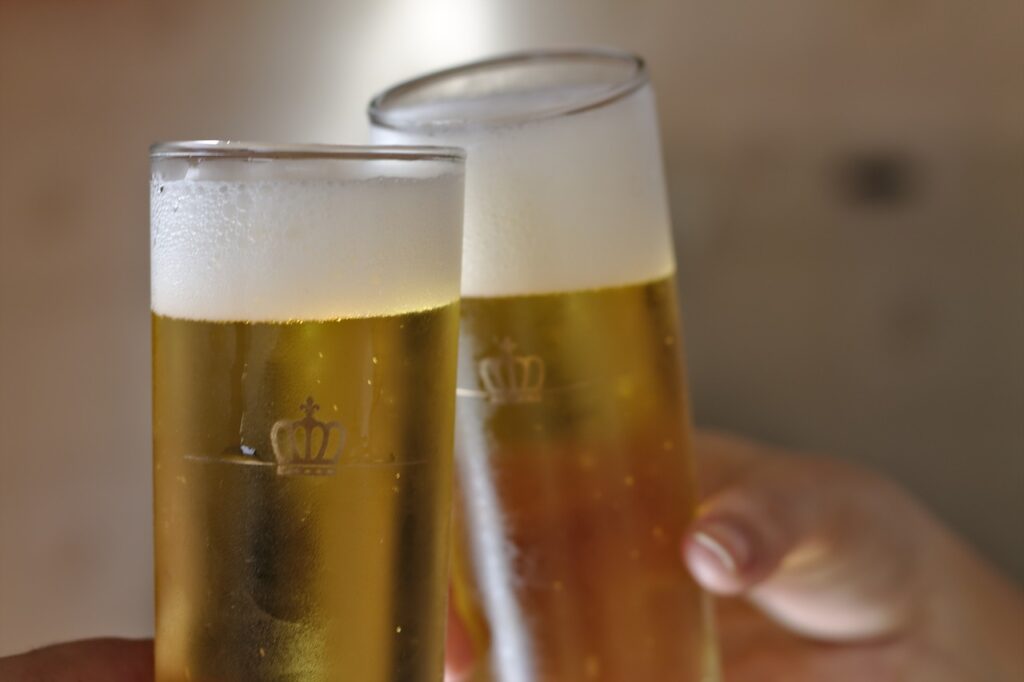
If you’re having drinks with others, it’s customary to wait until everyone’s glass is filled before raising a toast. The Japanese toast is “KAMPAI” (Cheers!). When pouring drinks, it’s polite to pour for others, and they’ll do the same for you.
7. Paying the Bill
In casual dining situations, it’s common for everyone to split the bill evenly. When eating at restaurants, especially smaller establishments, the bill is typically placed on the table during the meal, and you’ll pay at the counter as you leave. Tipping is not customary in Japan, and leaving extra money may cause confusion.
8. Otoshi: The Small Appetizer You Didn’t Order
When dining at an izakaya (Japanese pub), you may receive a small appetizer called “otoshi” before your meal. This is a cover charge, and it’s a common practice, so don’t be surprised if it appears on your bill.
Conclusion
By following these simple etiquette guidelines, you can show respect for Japanese dining customs and enjoy your meals with confidence. Whether you’re using chopsticks correctly, slurping noodles, or practicing politeness with others, these small efforts go a long way in ensuring a pleasant dining experience in Japan.
Frequently Asked Questions
Why is it rude to stick chopsticks upright in rice in Japan?
Standing chopsticks upright in a bowl of rice is avoided in Japan because it copies the way rice is offered to the deceased. Passing food from one pair of chopsticks to another is avoided for a similar reason. It recalls a funeral ritual and is believed to bring bad luck. To share a bite, place the food on a plate for the other person to pick up.
Do you tip at restaurants in Japan?
Tipping is not customary at restaurants in Japan, and diners pay only the amount shown on the bill. Leaving extra money may confuse the staff. In smaller restaurants the bill is typically placed on the table during the meal and paid at the counter on the way out.
Is it rude to eat while walking in Japan?
Eating while walking is considered poor manners in most public places in Japan, and people generally do not eat or drink on the go. Food stalls and festivals in certain tourist spots are exceptions, where eating on the go is part of the local experience, so check the surroundings first. On trains, eating is acceptable on the shinkansen but is considered bad manners on commuter trains.
What does enryo no katamari mean?
Enryo no katamari literally means “a lump of restraint” and refers to the last piece of food left on a shared plate in Japan. Diners leave it as a sign of consideration for the others at the table. Visitors do not need to worry much about it. When no one else is reaching for the last piece, eating it is fine, and asking the table first is good manners.
Share