
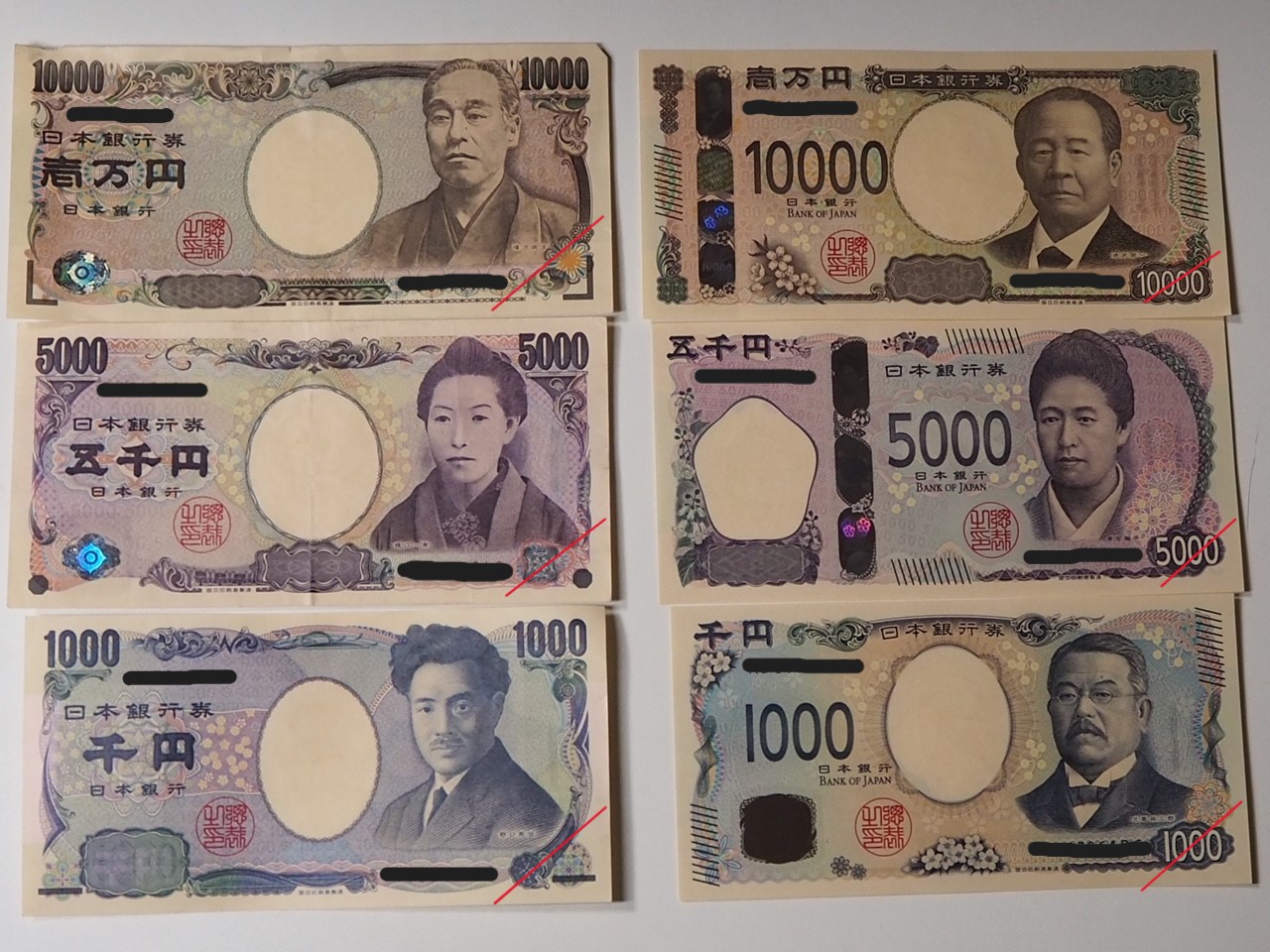
Japan’s new series of yen bills is the redesigned set of 10,000, 5,000 and 1,000 yen banknotes that the Bank of Japan first issued on July 3, 2024. The bills show Shibusawa Eiichi, Tsuda Umeko and Kitasato Shibasaburo, and each carries a 3-D hologram portrait that rotates when the note is tilted, a first for banknotes. The previous bills, first issued in 2004, remain valid.
| First issued | July 3, 2024, by the Bank of Japan |
|---|---|
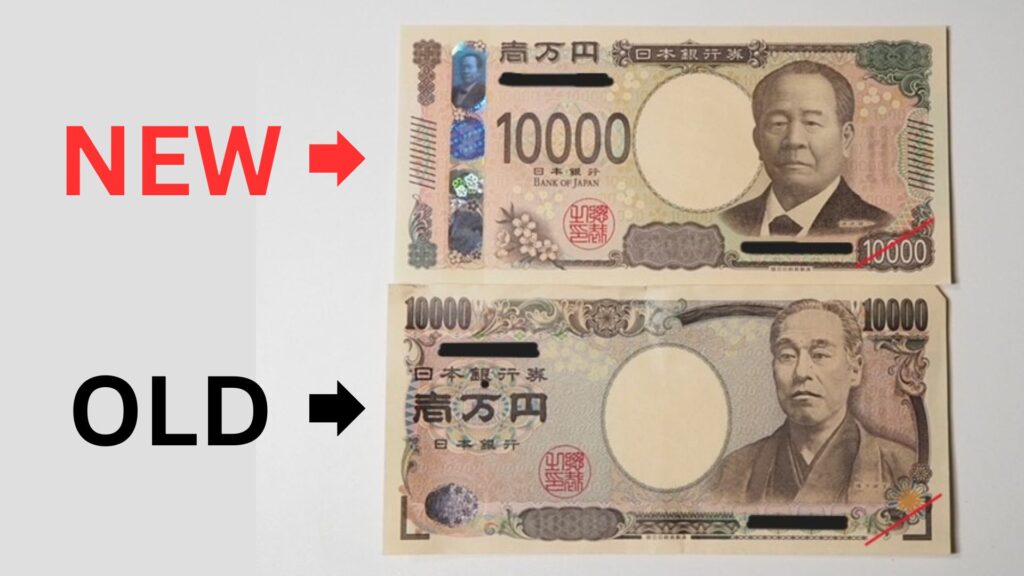
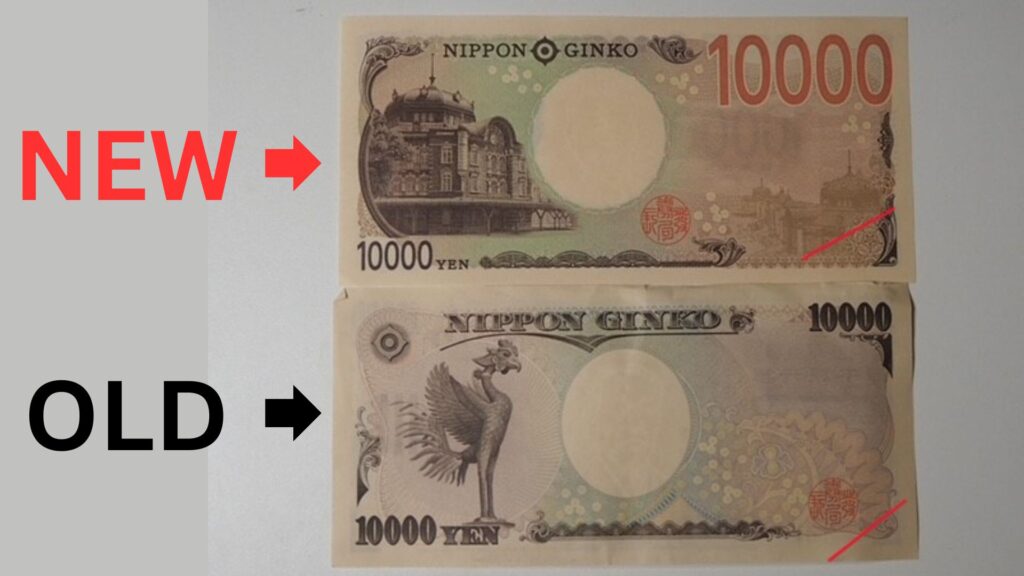
| 10,000 yen bill | Shibusawa Eiichi (front), Tokyo Station Marunouchi Building (back) |
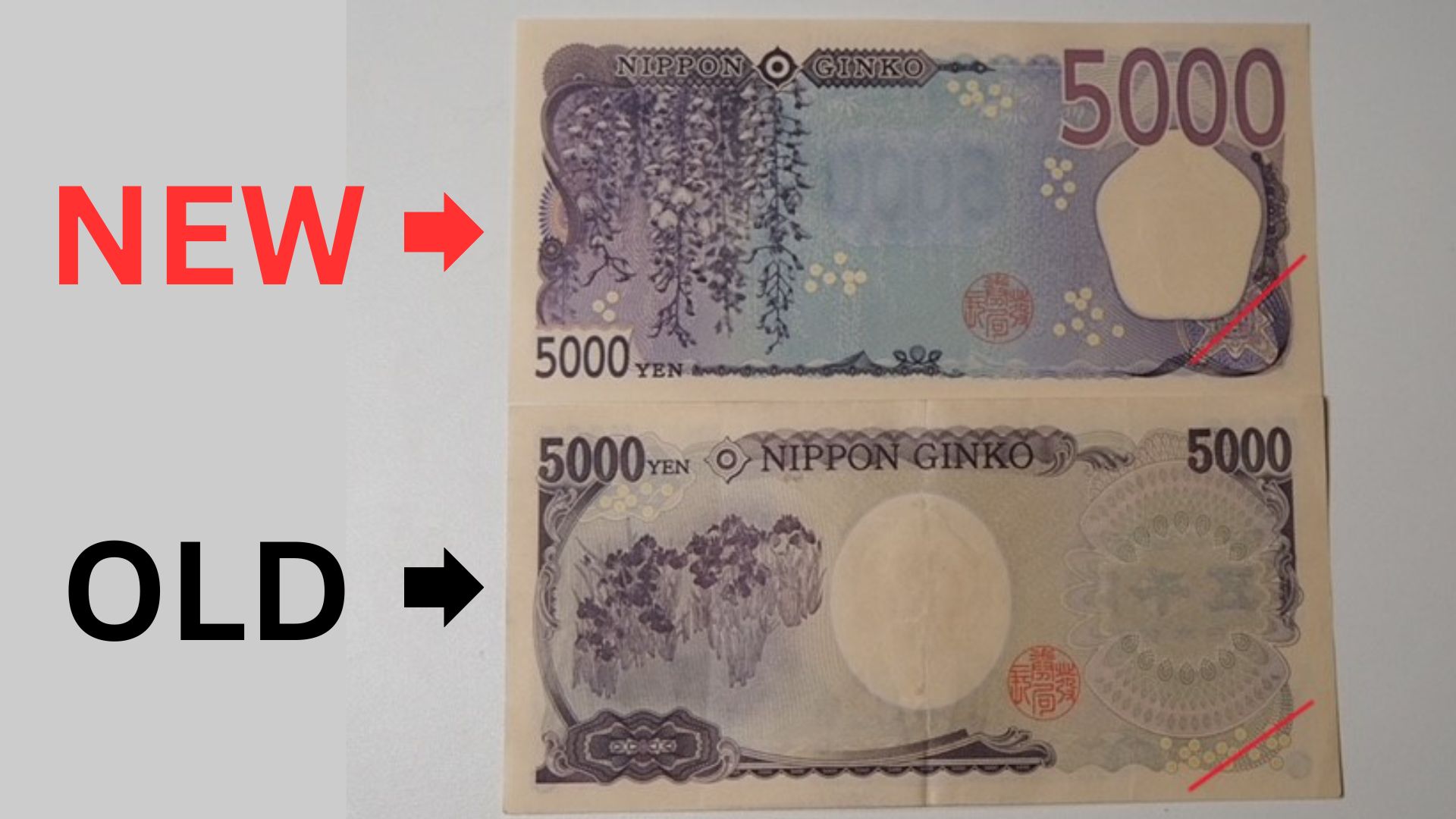
| 5,000 yen bill | Tsuda Umeko (front), Japanese wisteria flowers (back) |
| 1,000 yen bill | Kitasato Shibasaburo (front), The Great Wave off Kanagawa by Hokusai (back) |
| New security feature | 3-D hologram portrait that rotates when tilted, a first for banknotes |
| Old bills (2004 series) | Still valid. No exchange for new notes is needed |
Checked in October 2026 against boj.or.jp.
Curious about what’s changed and what each bill features? Knowing this might add a bit of fun to your trip. Plus, we’ll share some tips on using the new bills while traveling.
First Major Redesign in 20 Years!
The Bank of Japan has released redesigned bills for the first time in twenty years. These new notes feature advanced security features and updated designs that pay homage to Japan’s cultural heritage. The primary denominations, 1,000 yen, 5,000 yen, and 10,000 yen, all have new looks that are both modern and traditional.
What’s NEW in the Design?
1,000 Yen Bill:
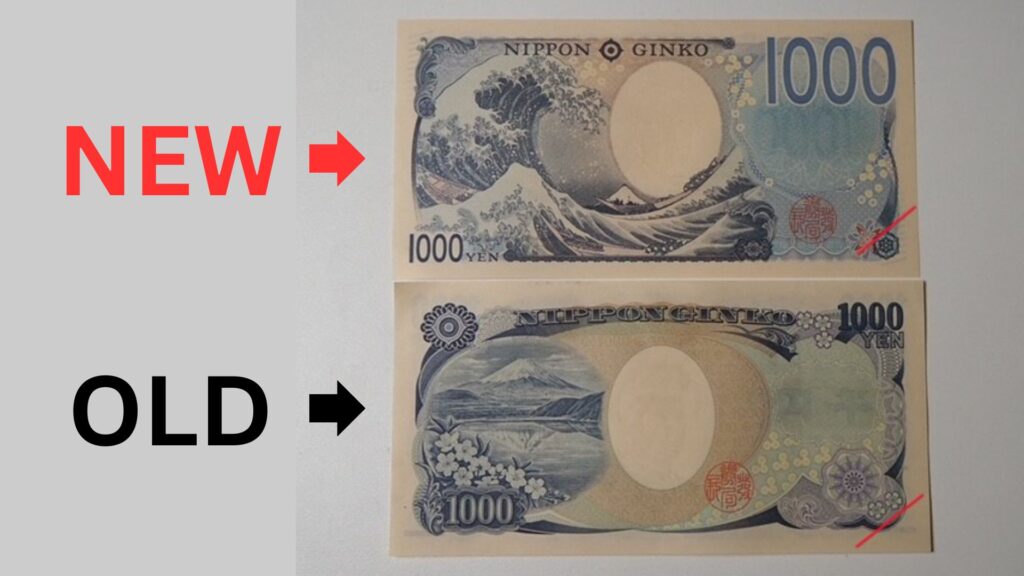
Front: The NEW design features Kitasato Shibasaburo, a prominent bacteriologist who made significant contributions to medical science.
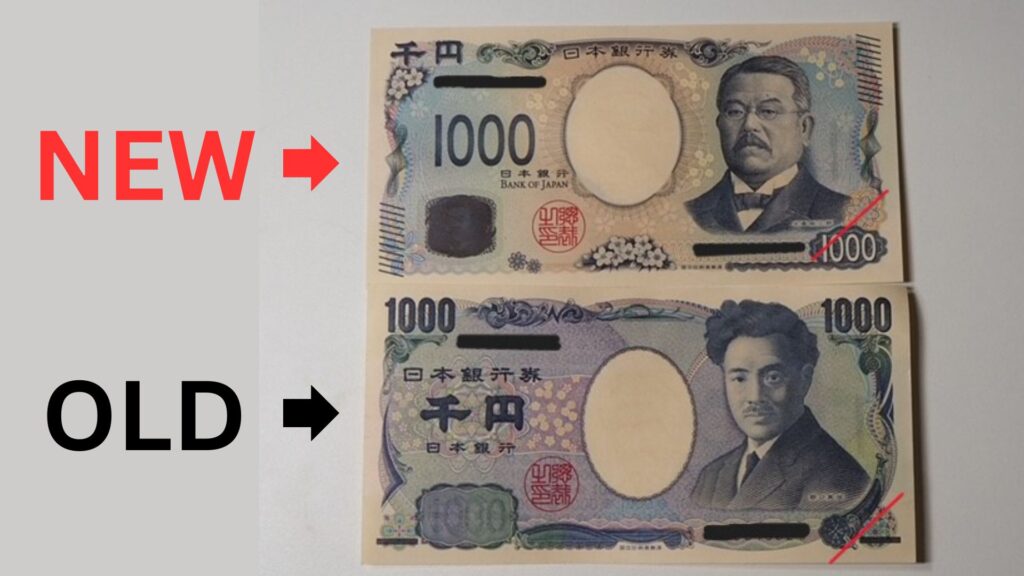
Back: The back of the NEW bill showcases “The Great Wave off Kanagawa” by Hokusai, depicting a giant wave and Mount Fuji, symbolizing Japan’s natural beauty and artistic heritage.
5,000 Yen Bill:
Front: Tsuda Umeko, a pioneering figure in women’s education in Japan, is depicted on this bill, highlighting her contributions to modernizing Japanese education.
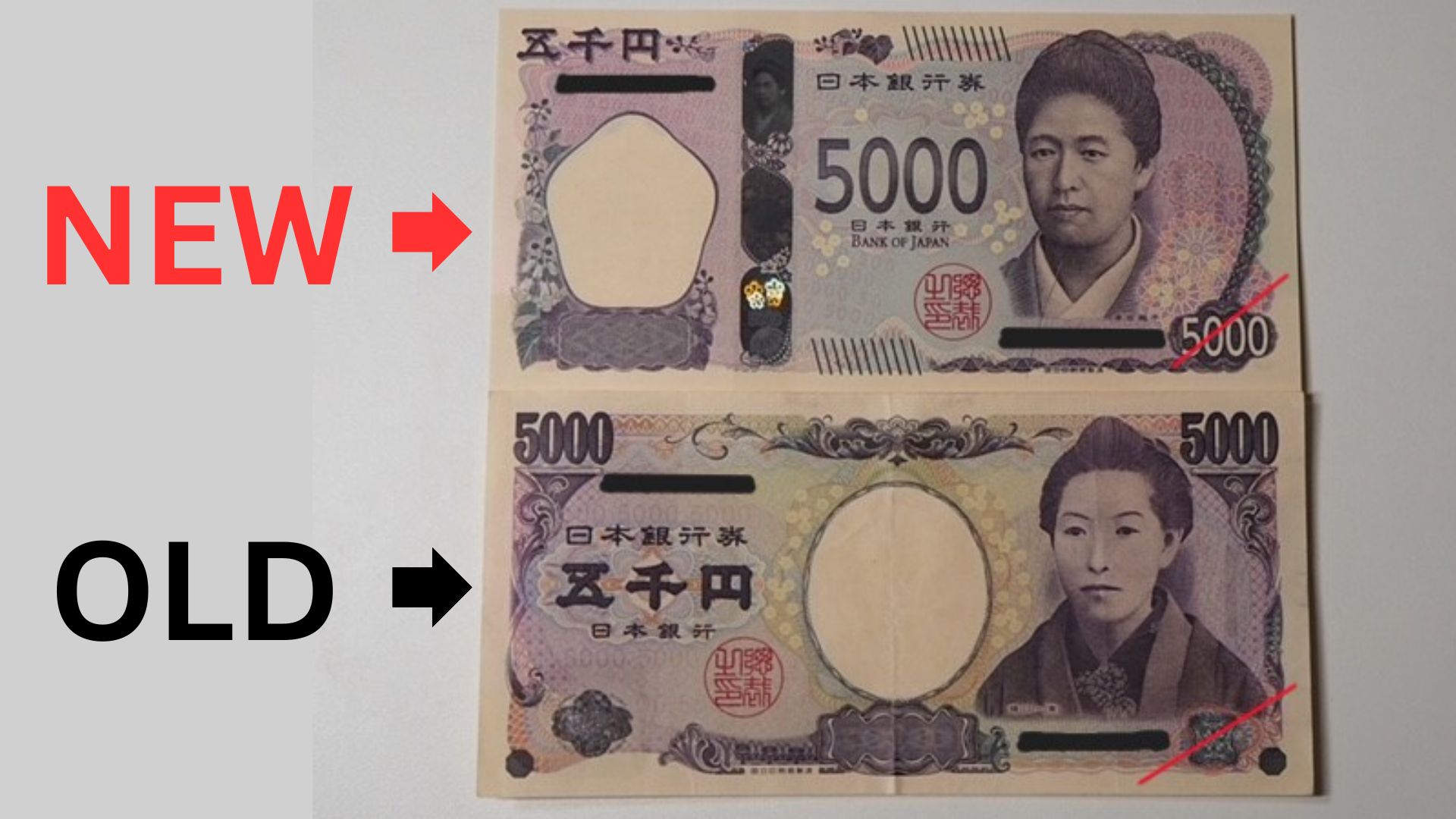
Back: The background features traditional Japanese art, specifically WISTERIA flowers, which are a symbol of elegance and simplicity in Japanese culture.
10,000 Yen Bill:
Front: The NEW 10,000 yen bill now features Shibusawa Eiichi, known as the father of Japanese capitalism, recognizing his role in the development of Japan’s economy.
Back: The back of the NEW bill includes a depiction of Tokyo Station, an iconic landmark and a symbol of Japan’s modernization and connectivity.
Enhanced Security Features
These new bills come with advanced security features to prevent counterfeiting. They include holograms, watermarks, and pearl ink. Not only do these features make the bills more secure, but they also add to their visual appeal.
TIPS for Travelers!
While these new bills are a welcome change, here are a few practical tips to keep in mind for a smooth experience:
Machine Compatibility: Some older machines, like vending machines, ticket machines and ATMs, might not recognize the new bills right away. It’s a good idea to carry some smaller bills, older bills, or coins, just in case. Be prepared for potential issues, especially in rural areas. Become familiar with the new design to distinguish between old and new bills right away.
At Stores: Banks and exchange kiosks are ready for the new bills, but some small or rural stores may take time to adjust to the new bills. Be patient if they need to verify them.
Final Thoughts
Japan’s new bills are more than just money; they’re incredibly well-crafted. Instead of relying solely on credit cards, try using these bills for payments. It adds a unique touch to your experience and allows you to appreciate the blend of tradition and innovation that makes Japan so special.
Frequently Asked Questions
Can you still use old yen bills in Japan?
Old yen bills from the series first issued in 2004 are still valid in Japan. The Bank of Japan states that this series, with Fukuzawa Yukichi on the 10,000 yen, Higuchi Ichiyo on the 5,000 yen and Noguchi Hideyo on the 1,000 yen, remains valid after the July 3, 2024 redesign. No exchange is needed, and the bank warns of false claims that old notes are no longer valid.
How can you tell new yen bills from old ones?
New yen bills have larger Arabic numerals for the face value on the front and back, and a 3-D hologram portrait that rotates when the note is tilted. The portraits and back designs also changed. Each new bill is the same size as the previous bill of the same value, for example 76 by 160 mm for the 10,000 yen.
Which Japanese bill has the Great Wave on it?
The Great Wave appears on the back of Japan’s 1,000 yen bill, in the design first issued on July 3, 2024. The image is Hokusai’s The Great Wave off Kanagawa, from the series Thirty-six Views of Mount Fuji. The front of the same bill shows the bacteriologist Kitasato Shibasaburo.
Share