
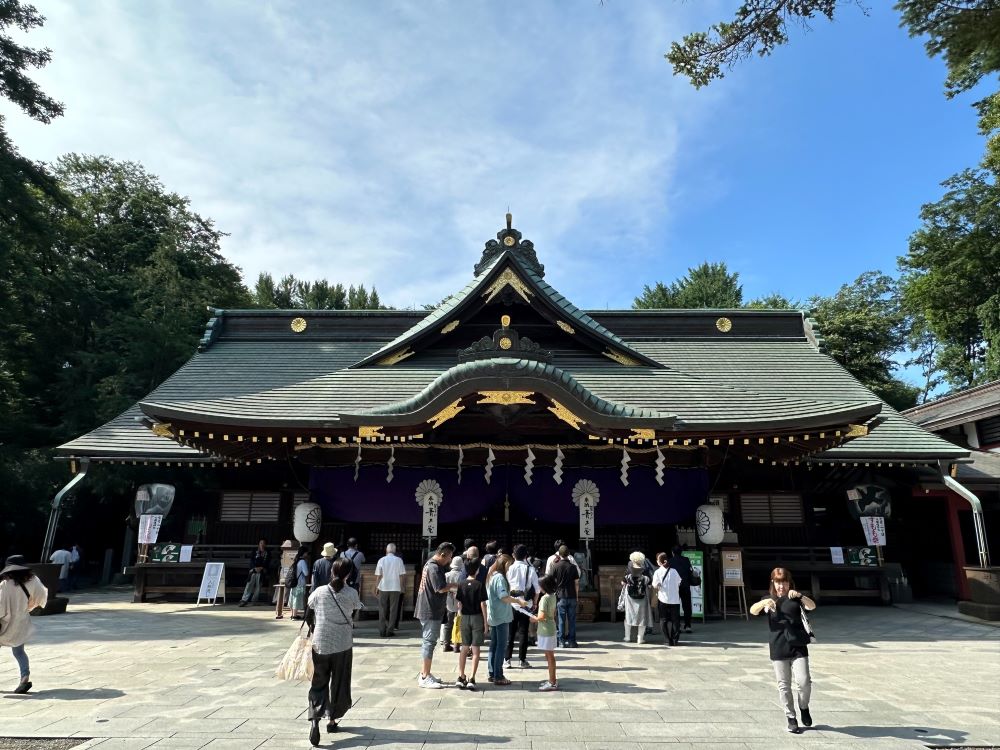
Okunitama Shrine is one of the oldest Shinto shrines in Tokyo, located in the city of Fuchu. Shrine tradition dates its founding to 111 AD, and it is dedicated to Okunitama-no-Okami, the guardian deity of the former Musashi Province. As the Soja of Musashi, it also enshrines the deities of six major shrines of the province, and its grand festival, the Kurayami Matsuri, runs from April 30 to May 6 each year.
| Location | 3-1 Miyamachi, Fuchu, Tokyo 183-0023 |
|---|---|
| Nearest stations | Fuchu (Keio Line) south exit, 5-minute walk. Fuchu-Hommachi (JR), 5-minute walk |
| Gate hours | 6:30 AM to 5:00 PM, September 15 to March 31. 6:00 AM to 5:00 PM, April 1 to September 14 |
| Admission | Free (shrine grounds) |
| Founded | 111 AD by shrine tradition, in the 41st year of Emperor Keiko |
| Main festival | Kurayami Matsuri, April 30 to May 6 (main rite on May 5) |
| Official site | ookunitamajinja.or.jp |
Checked in October 2026 against ookunitamajinja.or.jp, gotokyo.org.
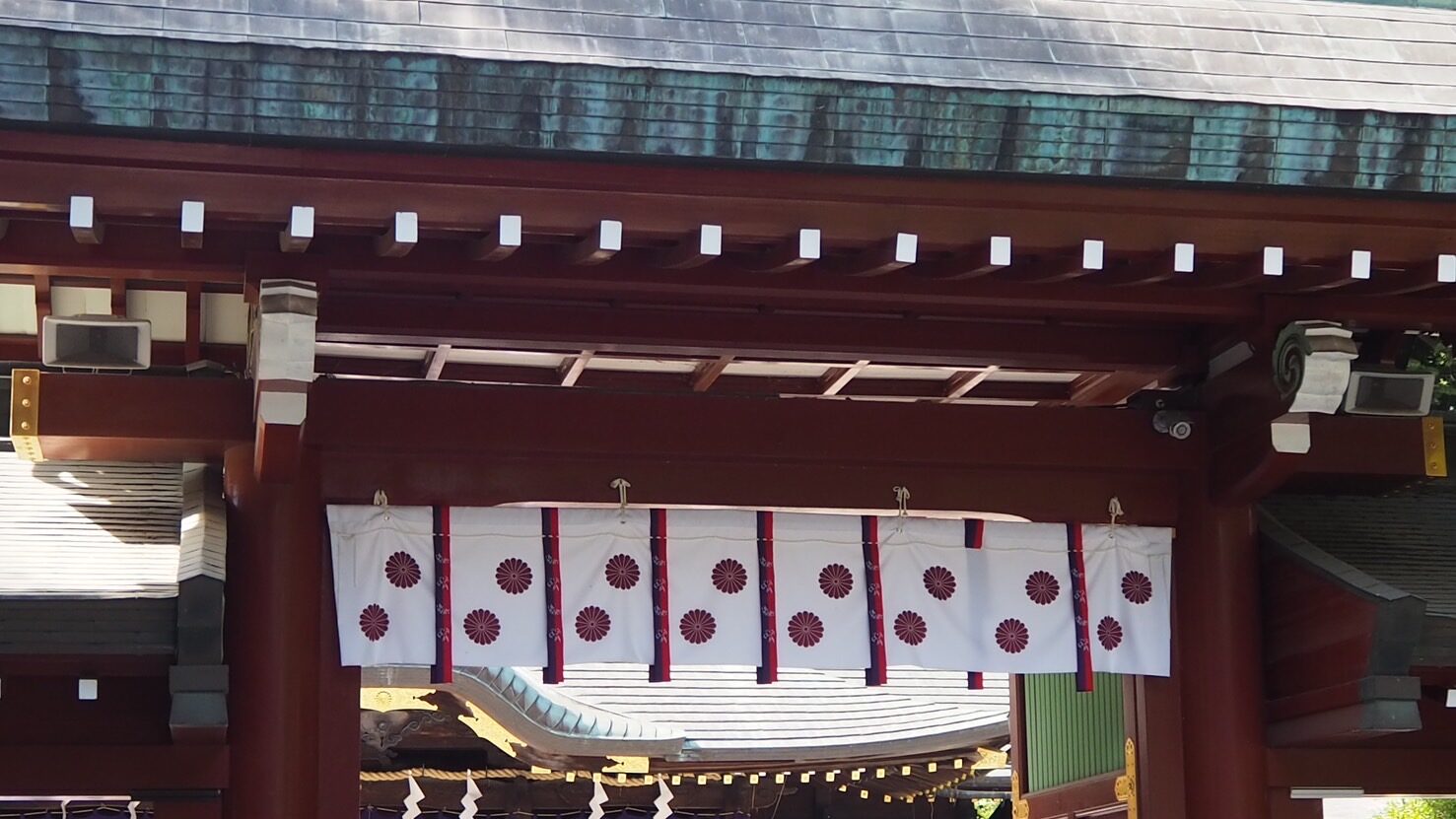
A Brief History
Officially known as Okunitama Shrine, it is dedicated to the deity Okunitama-no-Okami. The shrine was founded in 111 AD during the reign of Emperor Keiko, making it one of the oldest shrines in Japan. The name “Fuchu” originates from the fact that this area was once the administrative center of Musashi Province, encompassing present-day Tokyo, Saitama, Kawasaki, and Yokohama.
After the Taika Reform of 645 AD, Fuchu became the provincial government center, and the shrine served as the ritual site of the provincial office. Historical records tell of Minamoto no Yoriyoshi and his son Yoshiie praying for victory in battle here, and Minamoto no Yoritomo, their descendant, sending an envoy to pray for his wife’s safe childbirth.
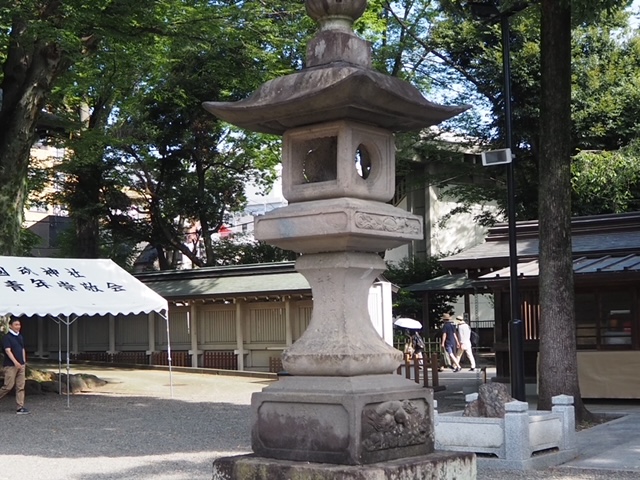
Significance of Okunitama Shrine
Okunitama Shrine is the Soja Shrine of Musashi Province, meaning it enshrines deities from six key shrines within the province. This consolidation allowed officials to offer prayers to multiple deities at a single location, making it a significant religious site. The six shrines represented are:
- Ono Shrine (Tokyo, Tama City)
- Ninomiya Shrine (Tokyo, Akiruno City)
- Hikawa Shrine (Saitama, Omiya Ward)
- Chichibu Shrine (Saitama, Chichibu City)
- Kanasana Shrine (Saitama, Kamikawa Town)
- Sugiyama Shrine (Kanagawa, Yokohama City)
Praying at Okunitama Shrine is believed to provide the same blessings as visiting all six shrines individually.
Architectural and Natural Beauty
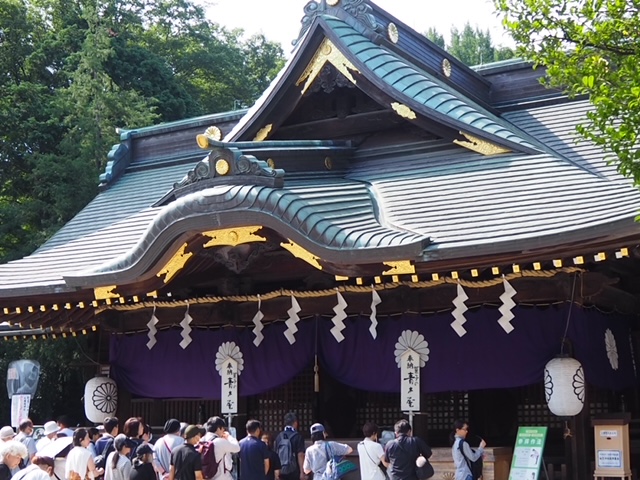
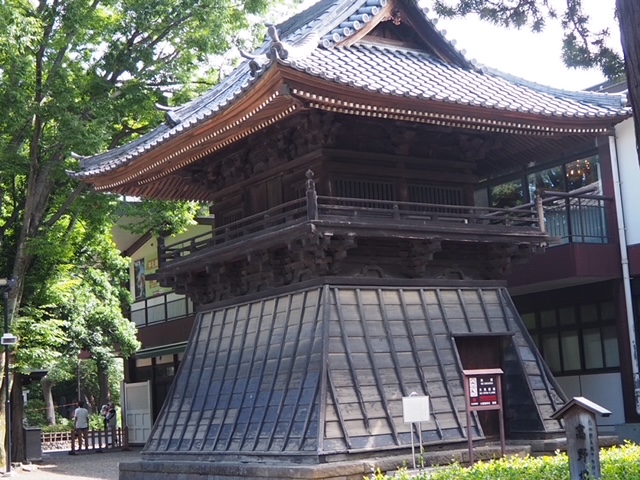
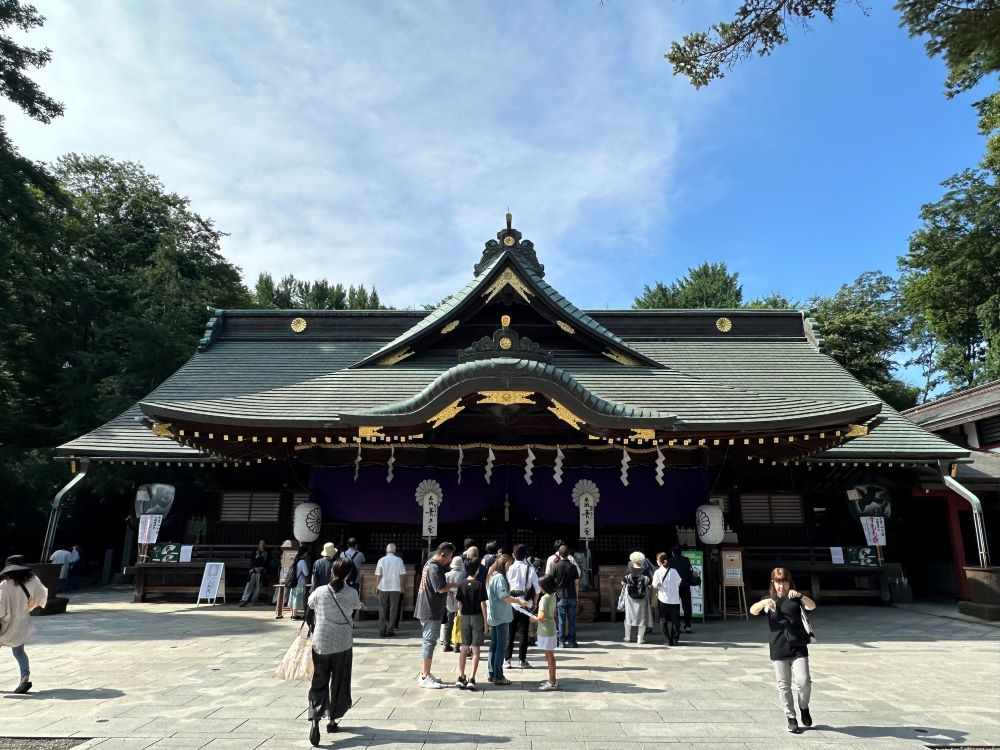
The shrine complex features historical structures, including the main hall (honden) built in 1667 and the drum tower (korou) rebuilt in 1854. These buildings showcase traditional Japanese architectural styles and are surrounded by ancient trees, adding to the shrine’s timeless atmosphere.
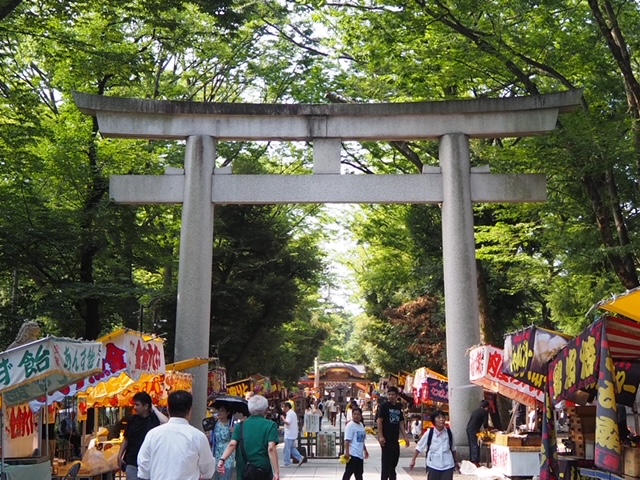
The approach to the shrine is lined with an impressive avenue of zelkova trees (Keyaki), known as Baba Daimon Keyaki Avenue. The avenue is designated as a National Natural Monument and adds to the serene and majestic ambiance of the shrine.
Famous Worshippers
Notable historical figures such as Minamoto no Yoriyoshi, Minamoto no Yoshiie, and Tokugawa Ieyasu have all prayed at Okunitama Shrine, adding to its historical significance. Their faith in the shrine underscores its importance as a spiritual center.
Seasonal Highlights
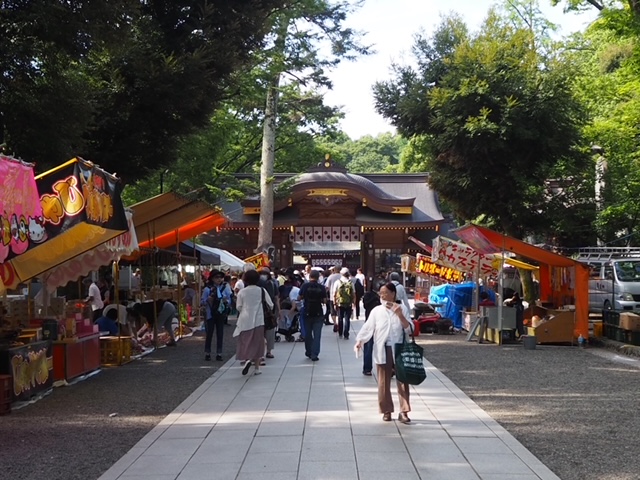
Throughout the year, Okunitama Shrine hosts various festivals and events. When I visited, there was a Sumomo Festival going on, where I enjoyed various games and food.
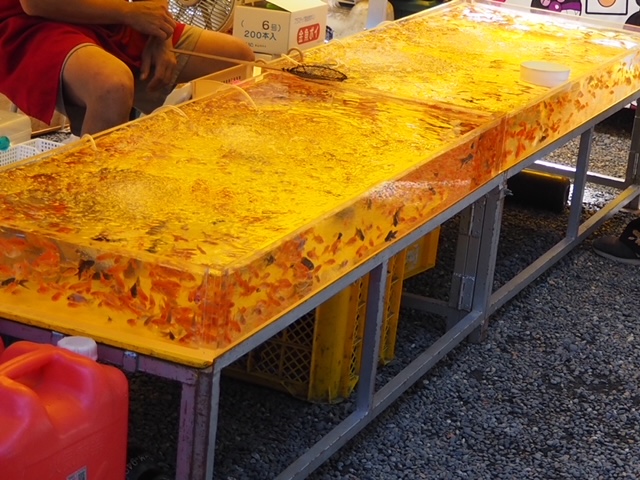
This is called “kingyo-sukui,” a game where you scoop live goldfish with a paper scoop. You need to scoop the fish without tearing the paper, and the game ends as soon as the paper rips. You can take home the goldfish you manage to scoop, or you can choose to release them back into the tank.
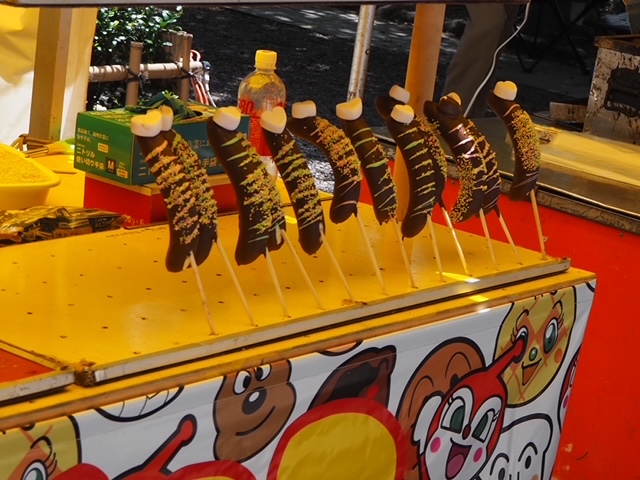
This is a banana covered with chocolate.
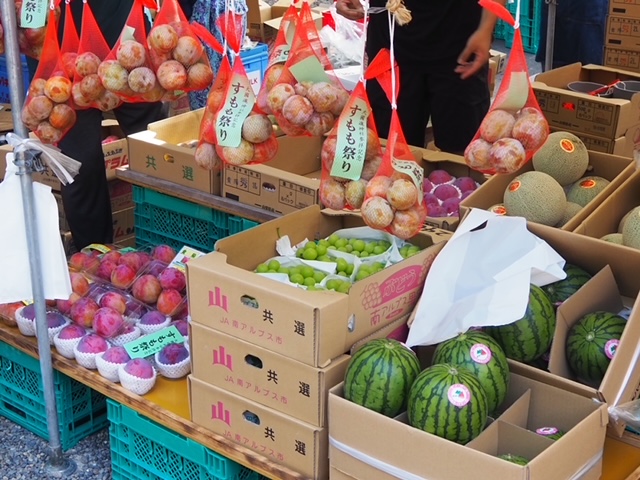
You can even buy fruit.
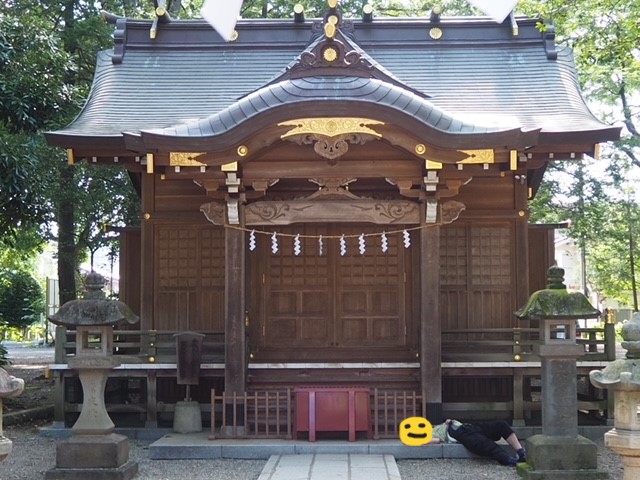
During my visit, I even saw a local enjoying a nap on the shrine grounds, a charmingly authentic sight! However, please note that this is considered disrespectful to the gods, so it’s best not to imitate this behavior.
Summary
Okunitama Shrine, with its ancient history and enduring local significance, continues to be loved by the community and hosts various events throughout the year. It’s a highly recommended spot for shrine enthusiasts, offering a rich blend of culture, history, and community spirit.
Access
Gate Opening Hours:
- 6:30 AM to 5:00 PM (September 15: March 31)
- 6:00 AM to 5:00 PM (April 1: September 14)
Prayer Services:
- 9:00 AM to 4:00 PM
Goshuin Reception:
- 9:00 AM to 5:00 PM
By Train:
- Keio Line: 5-minute walk from the South Exit of Fuchu Station
- JR Nambu Line and Musashino Line: 5-minute walk from Fuchu-Hommachi Station
Travel Time from Major Stations:
- Approximately 25 minutes from Shinjuku
- Approximately 30 minutes from Shibuya
For more details, see the official website.
Planning a shrine visit? If you’re unsure how to bow, clap, or make an offering once you’re at the shrine, read our step-by-step guide on how to pray at a Japanese shrine, explained by a Shinto priest at Yushima Tenjin in Tokyo.
Frequently Asked Questions
How old is Okunitama Shrine?
Okunitama Shrine is about 1,900 years old by its own tradition, which dates the founding to 111 AD, the 41st year of the reign of Emperor Keiko. GO TOKYO, the official Tokyo travel guide, describes it as one of Tokyo’s oldest shrines.
When is the Kurayami Matsuri at Okunitama Shrine?
The Kurayami Matsuri, the annual grand festival of Okunitama Shrine, runs from April 30 to May 6. The main event is the mikoshi procession on May 5 from 6:00 PM to 9:00 PM, when eight portable shrines are carried to the otabisho resting place, led by large drums. The procession was once held in darkness with the lights put out, which gave the festival its name.
When is the Sumomo Festival at Okunitama Shrine?
The Sumomo Festival (Sumomo Matsuri) at Okunitama Shrine takes place every year on July 20. About 120 stalls, among them sellers of sumomo plums, open from around 7:00 AM and close around 9:00 PM, and the shrine counts about 70,000 visitors on the day. Fans called karasu uchiwa (crow fans) are distributed only on July 20.
Share