
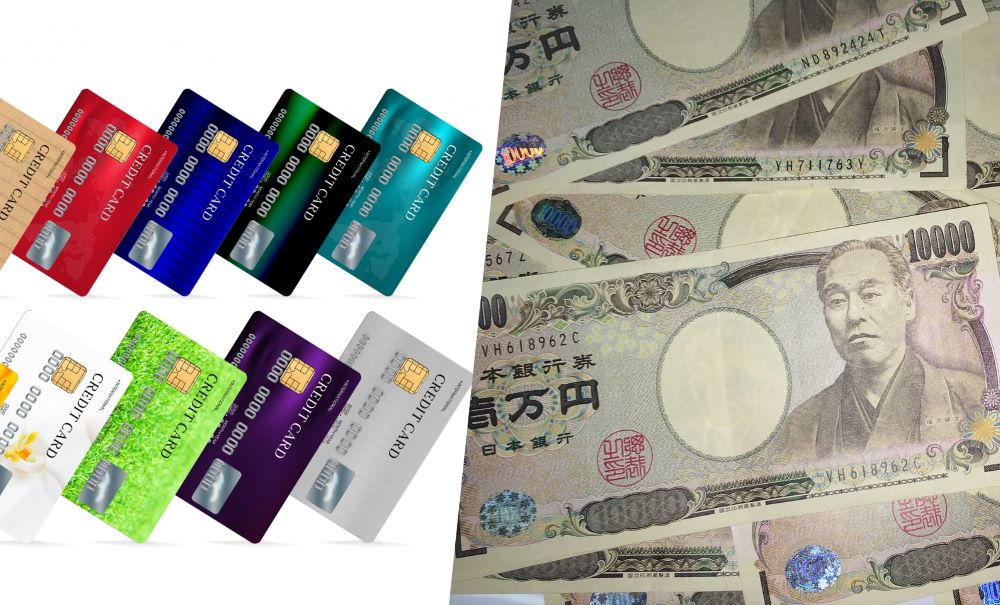
Payment in Japan is a mix of cash, credit cards and prepaid IC cards such as Suica and Pasmo. Most shops, restaurants and hotels in Tokyo, Osaka and Kyoto accept cards, with VISA the most widely accepted, followed by Mastercard and JCB. Many places around temples and shrines, in rural areas and among small local restaurants accept only cash, and ATMs in 7-Eleven stores pay out up to 100,000 yen per withdrawal on overseas cards.
| Most accepted cards | VISA, followed by Mastercard and JCB |
|---|---|
| Where cash is often needed | Temples, shrines, rural areas, small restaurants and local markets |
| 7-Eleven ATMs (Seven Bank) | Up to 100,000 yen per withdrawal with overseas cards, 365 days a year |
| Lawson Bank ATMs | Up to 50,000 yen per withdrawal with overseas cards, in 10,000 yen units |
| Japan Post Bank ATMs | Up to 50,000 yen per withdrawal with overseas cards |
| Welcome Suica card (for visitors) | No deposit, valid 28 days, tops up to 20,000 yen, no credit card top-up |
Checked in October 2026 against sevenbank.co.jp, lawsonbank.jp, jp-bank.japanpost.jp, jreast.co.jp.
When visiting Japan, understanding the local payment culture can save you from potential inconveniences, especially if you assume Japan’s cashless society is similar to nearby countries like South Korea. While South Korea is over 90% cashless, Japan still relies far more on cash, with cashless payments making up 58.0% of the total amount paid by consumers in 2025, according to the Ministry of Economy, Trade and Industry.
Cash is Still King
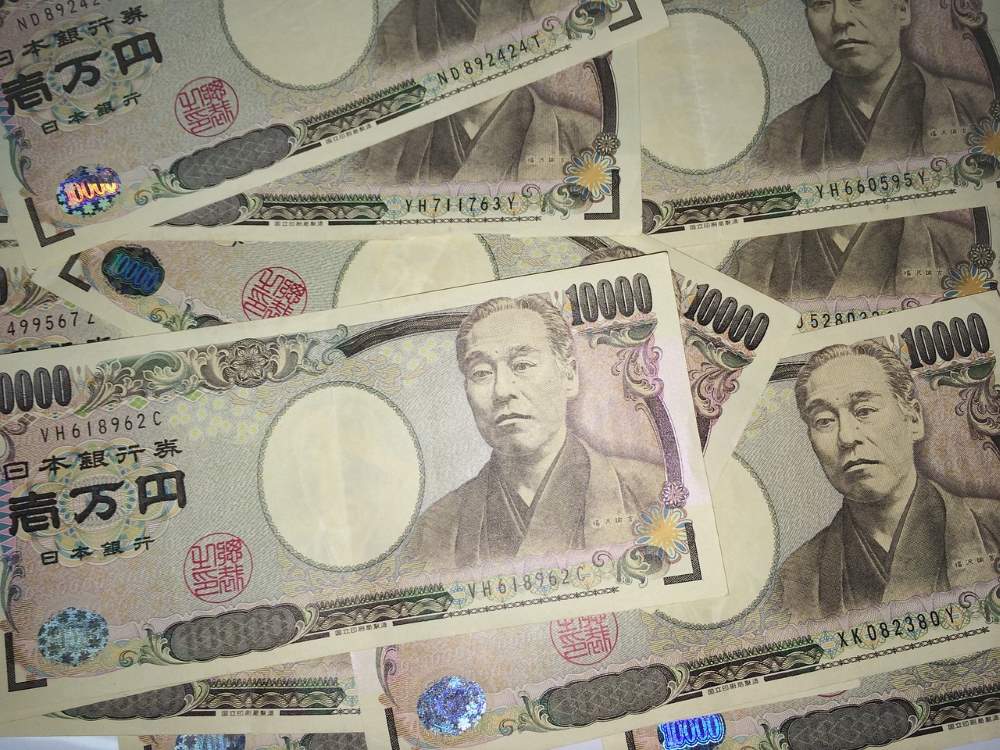
Japan’s preference for cash is most evident in traditional tourist spots, rural areas, and local eateries, where you’ll find that many establishments only accept cash. If you’re visiting temples, shrines, or traditional restaurants around these areas, it’s best to carry yen with you. ATMs, especially those found in convenience stores like 7-Eleven and Lawson, are your go-to spots for withdrawing cash with international cards.
Credit Cards in Major Cities
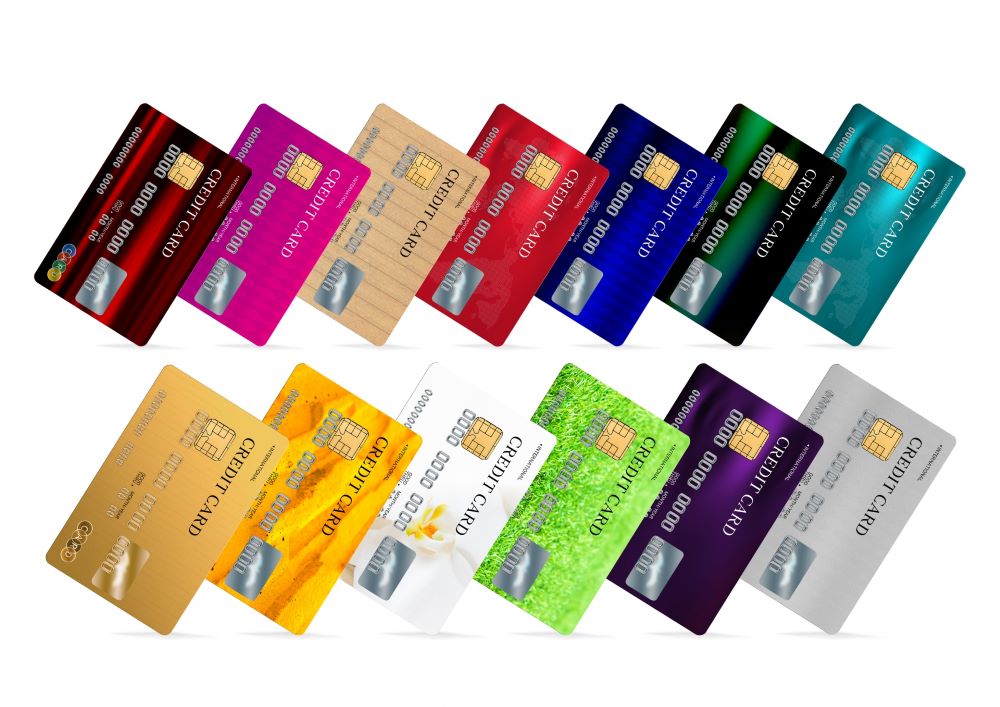
In major urban centers like Tokyo, Osaka, and Kyoto, the situation is different. Most shops, restaurants, and hotels in these cities accept credit cards, making it easier for international travelers. Among credit cards, VISA is the most widely accepted, followed closely by Mastercard and JCB. However, it’s always a good idea to carry multiple cards from different companies in case one isn’t accepted.
Prepaid IC Cards: A Convenient Alternative
Prepaid IC cards like Suica or Pasmo can be used not only for public transportation but also for payments at convenience stores, vending machines, and even some restaurants and shops. These cards are widely accepted in urban areas and offer a quick and easy way to make small purchases.
Tips for Visitors
Always have cash
Even in big cities, some places like small restaurants, local markets, or older establishments may not accept cards.
Multiple cards
Carry more than one credit card, preferably from different providers (e.g., VISA and Mastercard), to ensure you’re covered in various situations.
Check before dining
When entering a restaurant or café, look for card symbols at the entrance or ask if they accept credit cards before ordering.
ATMs for Foreign Cards
If you need more cash, head to a convenience store ATM or post office, where international cards are commonly accepted.
Your payment method also matters for tax-free shopping. From November 1, 2026, shops charge the full price and refund the consumption tax after you leave Japan, by a method you set up at the store, such as a credit card. Our guide to Japan’s new tax-free refund system explains the steps.
Understanding these differences will make your trip smoother, helping you enjoy both the modern and traditional sides of Japan without financial hassles.
Frequently Asked Questions
Can you get by in Japan with only a credit card?
A credit card alone is not enough for a trip to Japan. Many establishments in rural areas and around temples and shrines accept only cash, and some small restaurants and local markets in big cities do not take cards. Most shops, restaurants and hotels in Tokyo, Osaka and Kyoto accept cards. Carry yen, credit cards from two different companies and a prepaid IC card for small purchases.
How much cash can you withdraw from an ATM in Japan with a foreign card?
Seven Bank ATMs in 7-Eleven stores in Japan pay out up to 100,000 yen per withdrawal on a card issued overseas, or 30,000 yen on a magnetic stripe card. Lawson Bank ATMs and Japan Post Bank ATMs allow up to 50,000 yen per withdrawal. Card issuers may charge their own fees on top of any ATM fee.
Are ATMs in Japan open 24 hours for foreign cards?
Seven Bank ATMs in 7-Eleven stores serve VISA and Mastercard cards issued overseas 24 hours a day, 365 days a year. Lawson Bank ATMs also run 24 hours, apart from 15 minutes of maintenance between 3:00 and 4:00 a.m. Japan Post Bank lists 7:00 a.m. to 11:00 p.m. Monday to Saturday for ATMs at post offices, and says hours vary by ATM.
Can you top up a Welcome Suica card with a credit card?
A Welcome Suica card cannot be topped up with a credit card, and only yen may be used. Welcome Suica is a prepaid IC card from JR East for short-term visitors. The card needs no deposit, is valid for 28 days including the day of purchase and tops up to a maximum of 20,000 yen. Sales points include Narita Airport, Haneda Airport Terminal 3, Tokyo and Shinjuku stations.
Share