
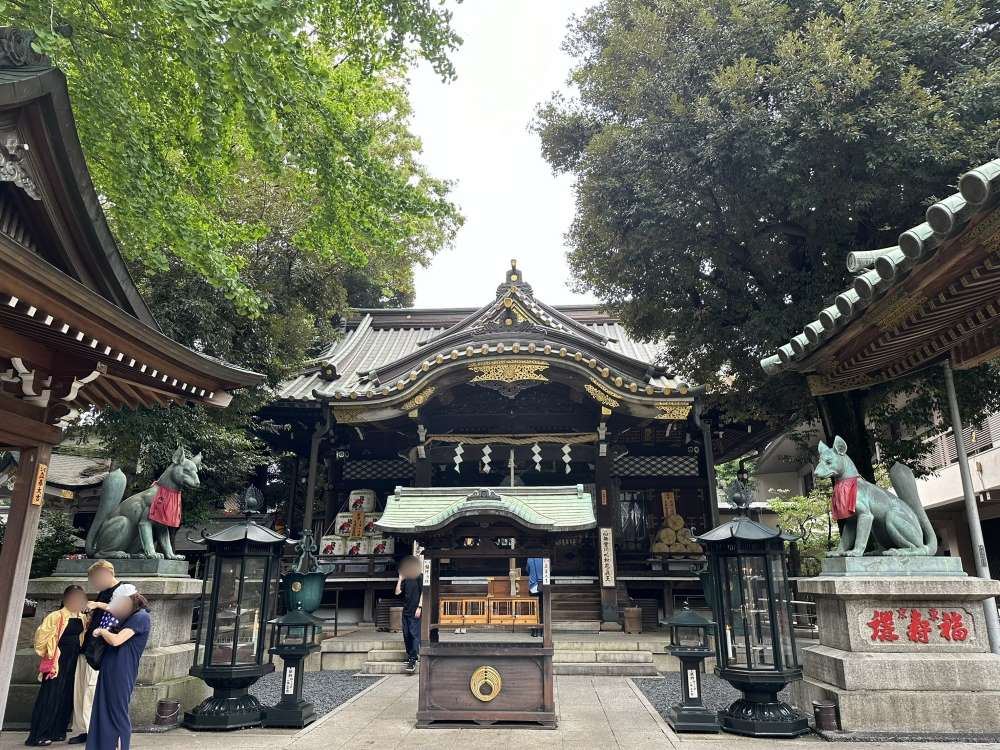
Toyokawa Inari Tokyo Betsuin is a notable Buddhist temple located in Akasaka, Tokyo. Despite the association with “Inari,” which is often linked to Shinto shrines, Toyokawa Inari is a Buddhist temple of the Soto Zen sect, serving as the Tokyo branch of the renowned Toyokawa Inari in Aichi Prefecture. Visitors come here to seek blessings for prosperity, business success, and personal protection, making it a popular spot for both spiritual practice and tourism.
| Location | 1-4-7 Moto-Akasaka, Minato-ku, Tokyo 107-0051 |
|---|---|
| Nearest stations | Akasaka-mitsuke (Exit B) and Nagatacho (Exit 7), each a 5-minute walk |
| Hours | 5:00 AM to 8:00 PM (opening time as listed on the temple’s Japanese site) |
| At this site since | 1887, after a move from the Ooka residence in Akasaka Hitotsugi |
| Festival days | Setsubun in February. Grand festivals on January 22, May 22 and September 22 |
| Official site | toyokawainari-tokyo.jp |
Checked in October 2026 against toyokawainari.jp, toyokawainari-tokyo.jp.
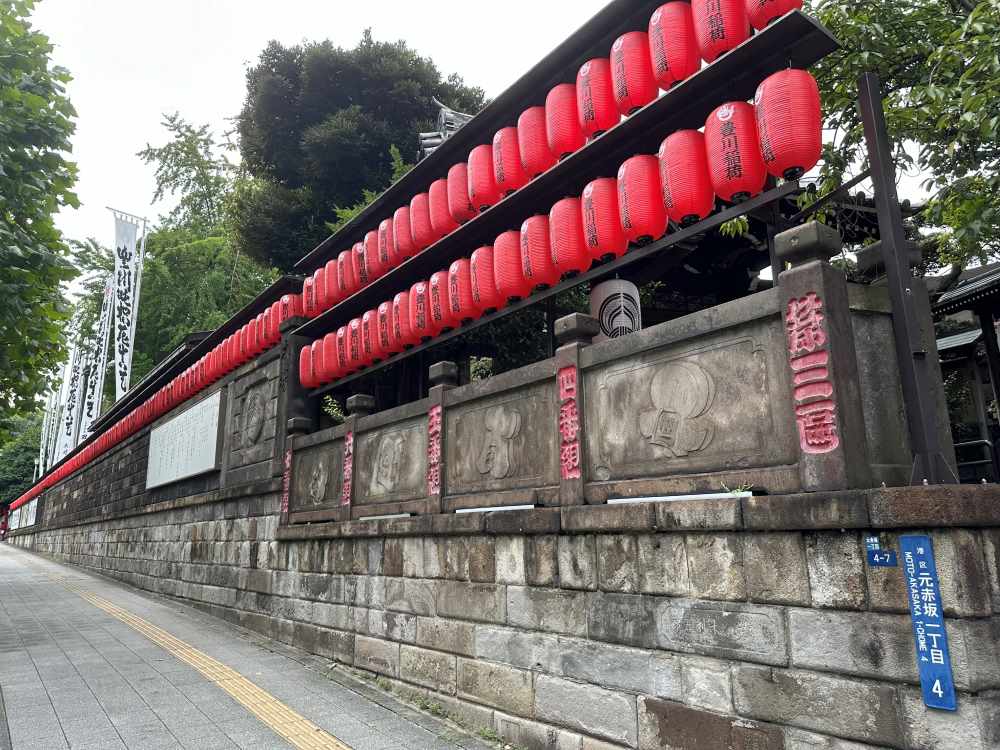
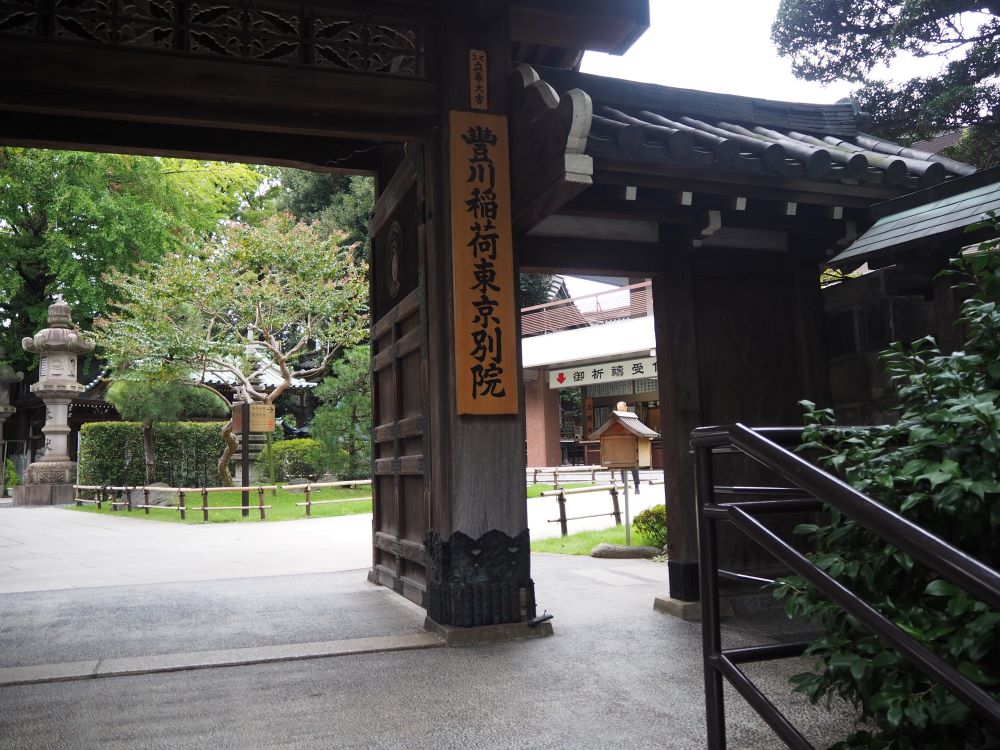
Historical Background
The original Toyokawa Inari was established in 1441 by the monk Tokai Gieki in Aichi Prefecture. The temple enshrines Toyokawa Dakini Shinten, a deity with origins in India, later adopted into the Buddhist tradition in Japan. While Toyokawa Inari bears the name “Inari,” traditionally associated with the Shinto god of rice and prosperity, it remains firmly a Buddhist institution. The Tokyo Betsuin (branch temple) was established to bring the blessings of Toyokawa Inari closer to those in the capital, expanding the spiritual reach of the temple.
Understanding the Misconception
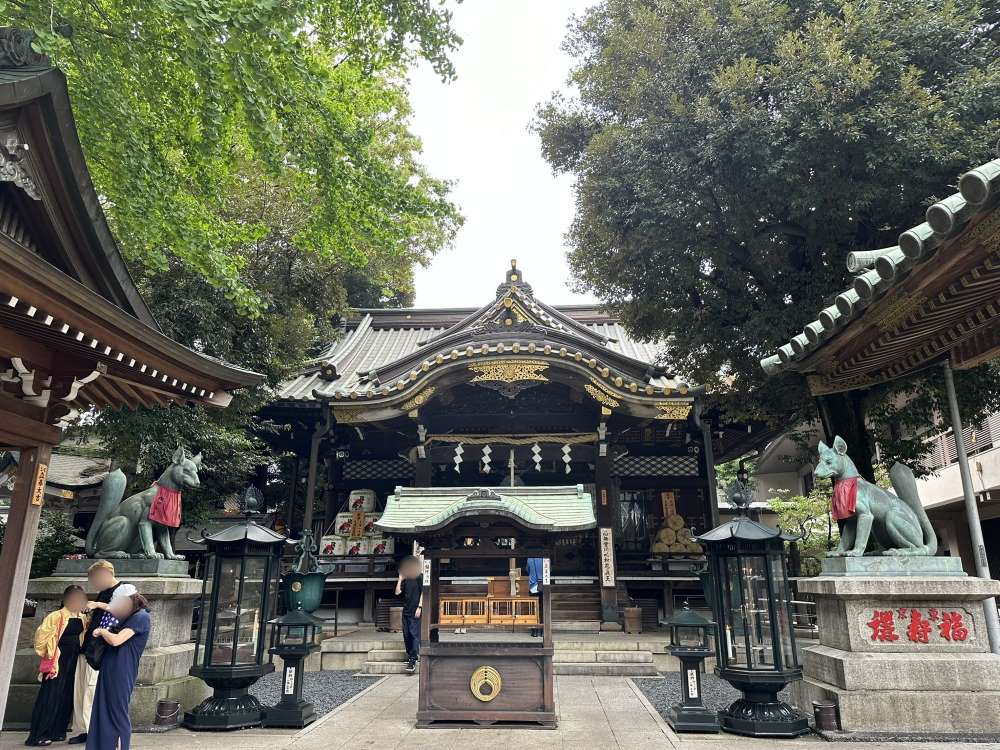
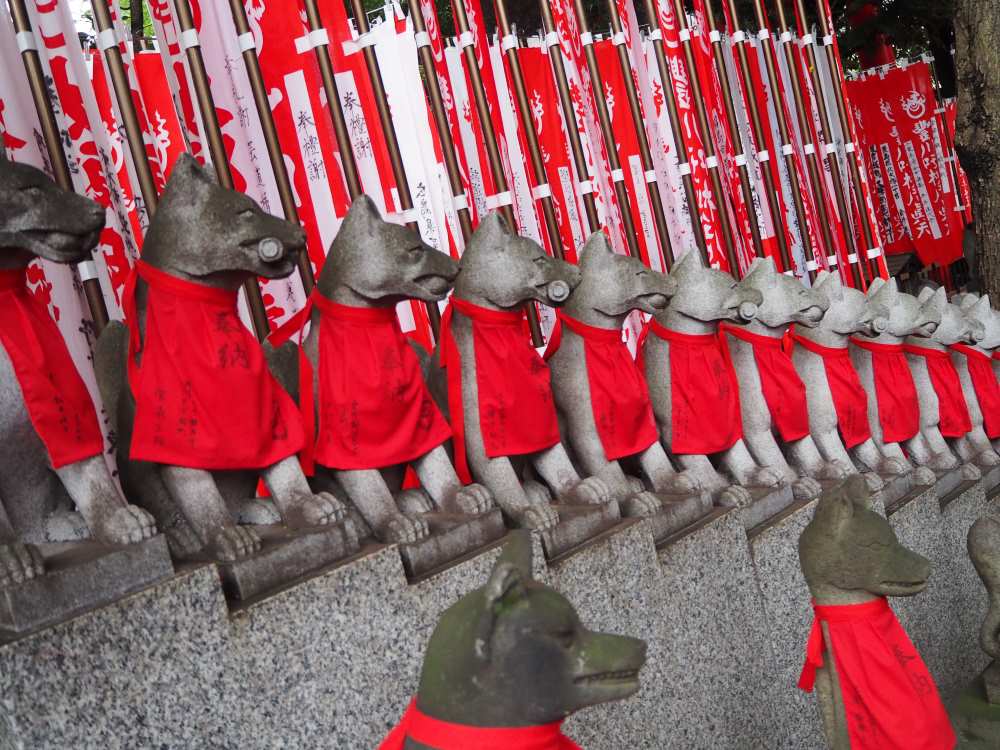
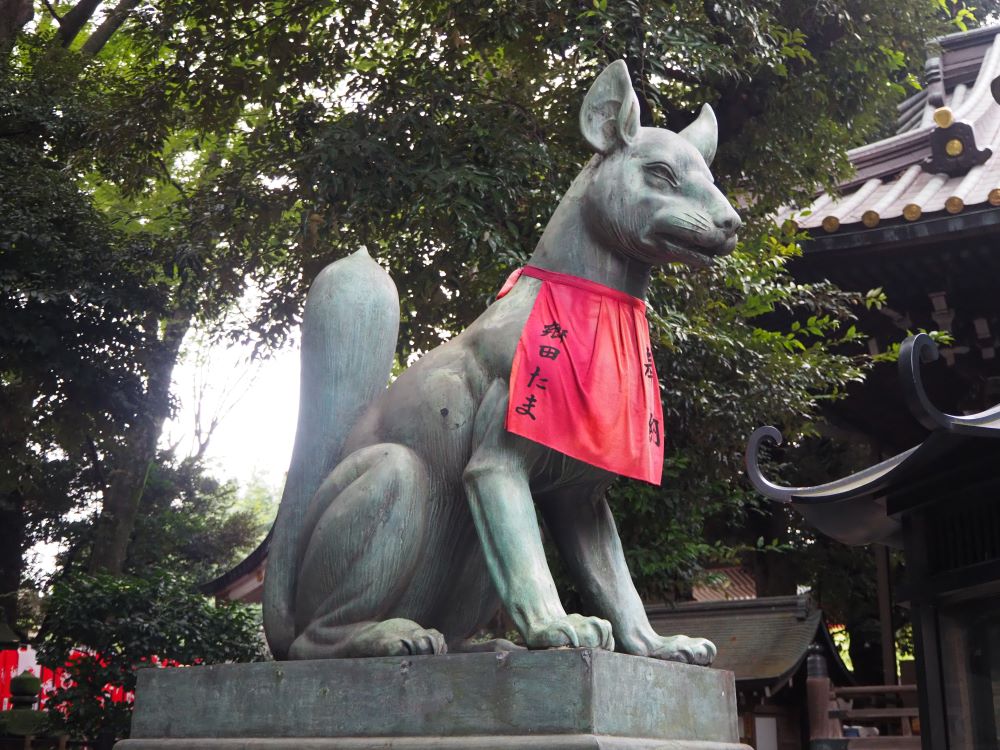
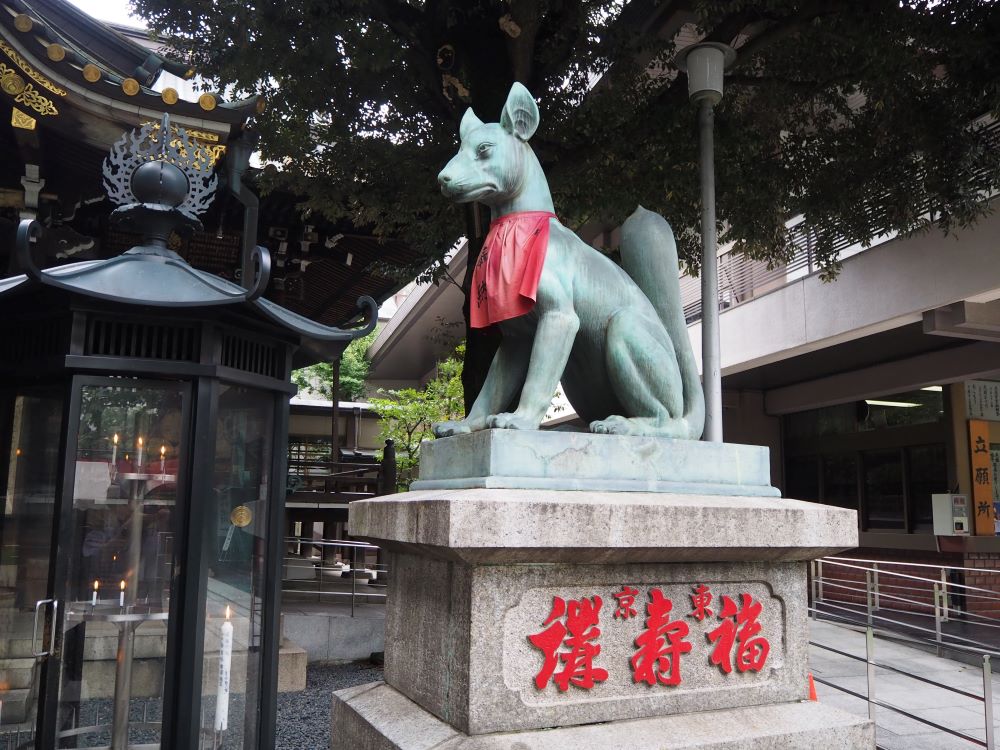
Although “Inari” typically refers to Shinto deities associated with foxes and rice, Toyokawa Inari is different. It is not a Shinto shrine but a Buddhist temple. The connection to “Inari” comes from the temple’s main deity, Toyokawa Dakini Shinten, often depicted riding a white fox, which is why fox statues are present in the temple grounds. These foxes are Buddhist representations, not Shinto symbols.
Key Areas to Visit
1. Yuzu Inari: For Financial Prosperity
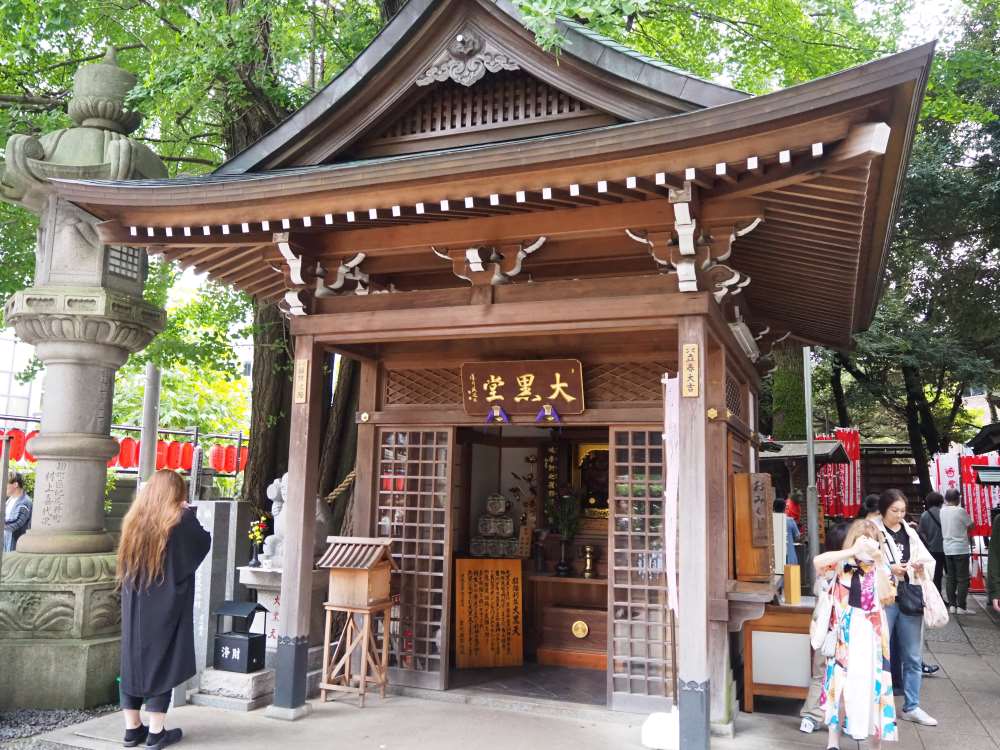
One of the most popular areas within the temple is the Yuzu Inari, where worshippers pray for wealth and financial success. The deity enshrined here, Namu Nyoihousho Sonten, is said to grant prosperity to those who offer sincere prayers. Visitors can take a small yellow pouch called “Yuzukin” (融通金), which is believed to bring good fortune and financial stability. It’s customary to return the pouch to the temple after one’s prayers have been fulfilled.
2. Kanou Inari: A Place to Cut Ties with Misfortune
Kanou Inari is a special place for those seeking to sever bad relationships or cut ties with negative influences. Although it carries the name “Inari,” this is a Buddhist practice within the temple grounds. Visitors come here to pray for guidance in removing obstacles and bad fortune from their lives, making it a popular spot for those looking for a fresh start.
3. Benzaiten: For Artists and Musicians
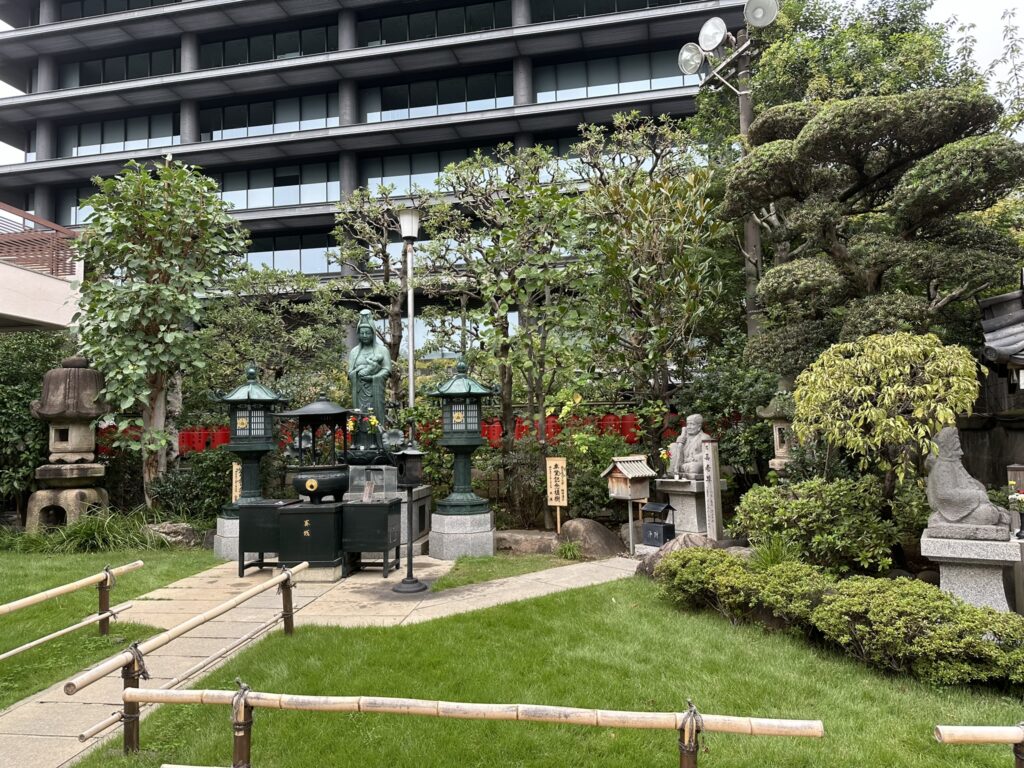
The Benzaiten shrine at Toyokawa Inari is dedicated to the goddess of music, wisdom, and the arts. Many artists, musicians, and performers visit this shrine to pray for inspiration and success in their creative endeavors. As one of Japan’s Seven Lucky Gods, Benzaiten is particularly revered for granting success in the arts.
4. A Unique Experience with Fox Statues
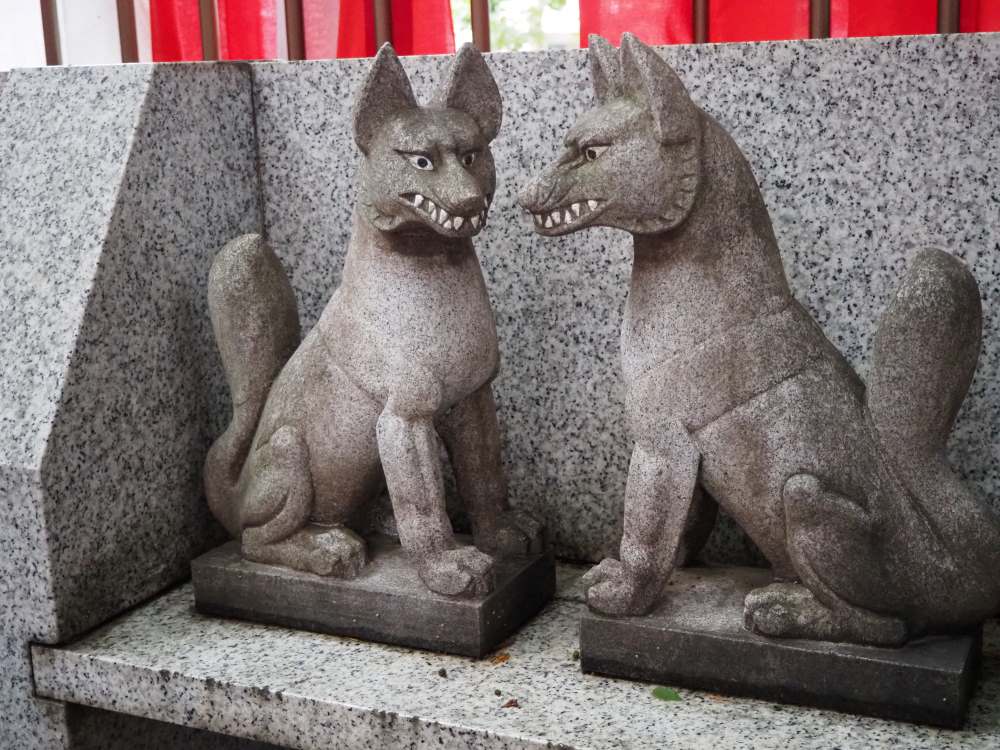
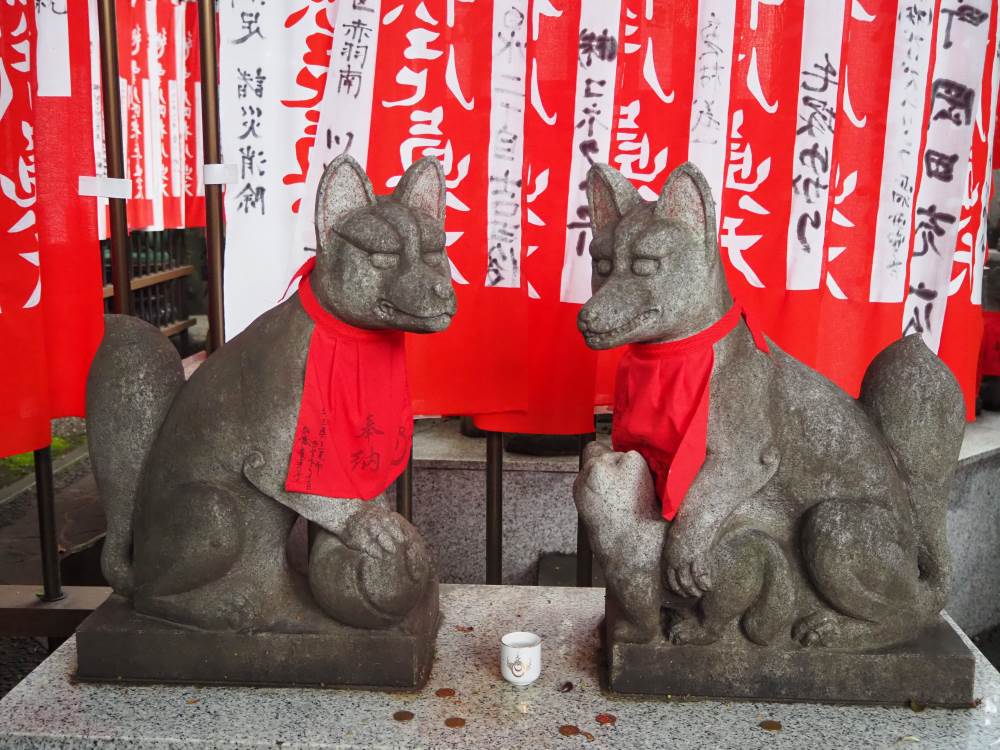
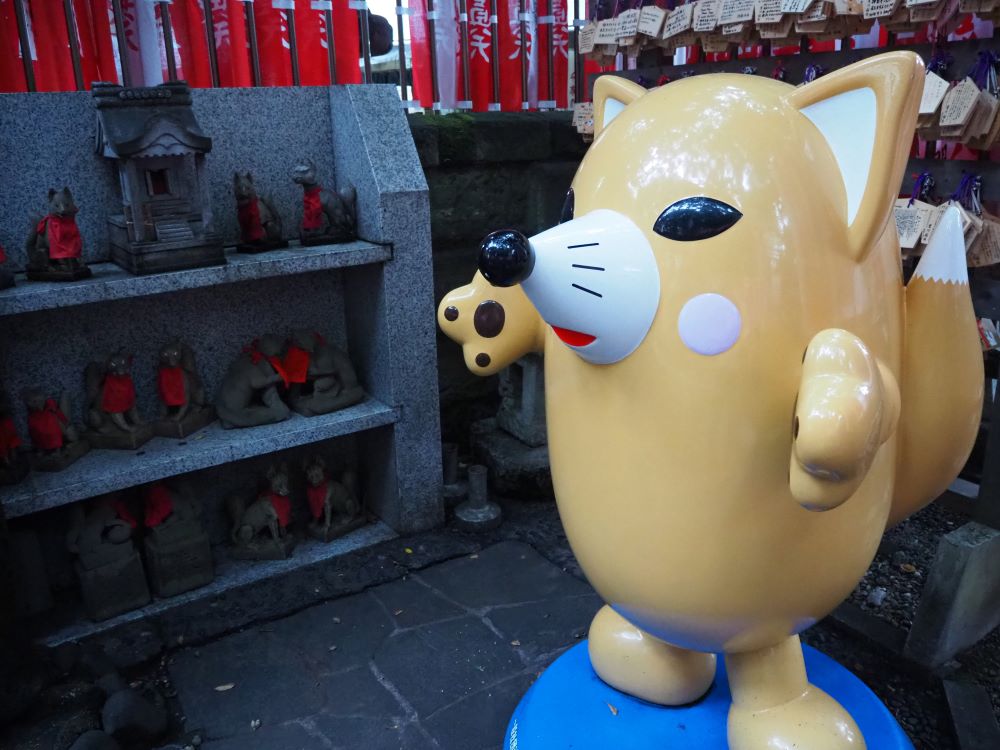
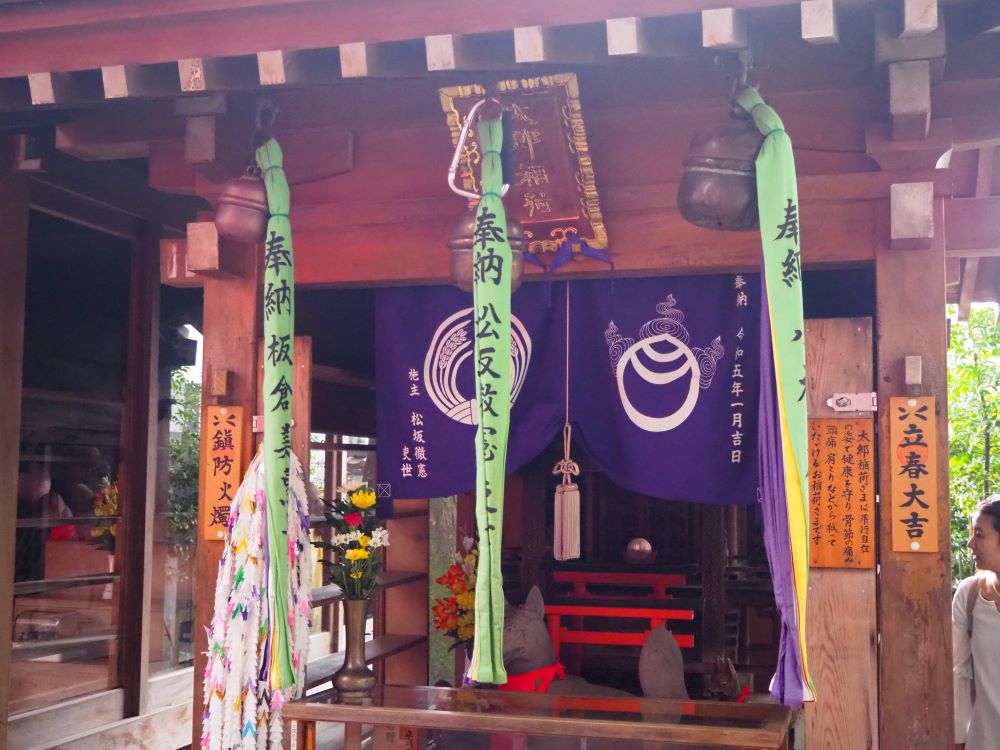
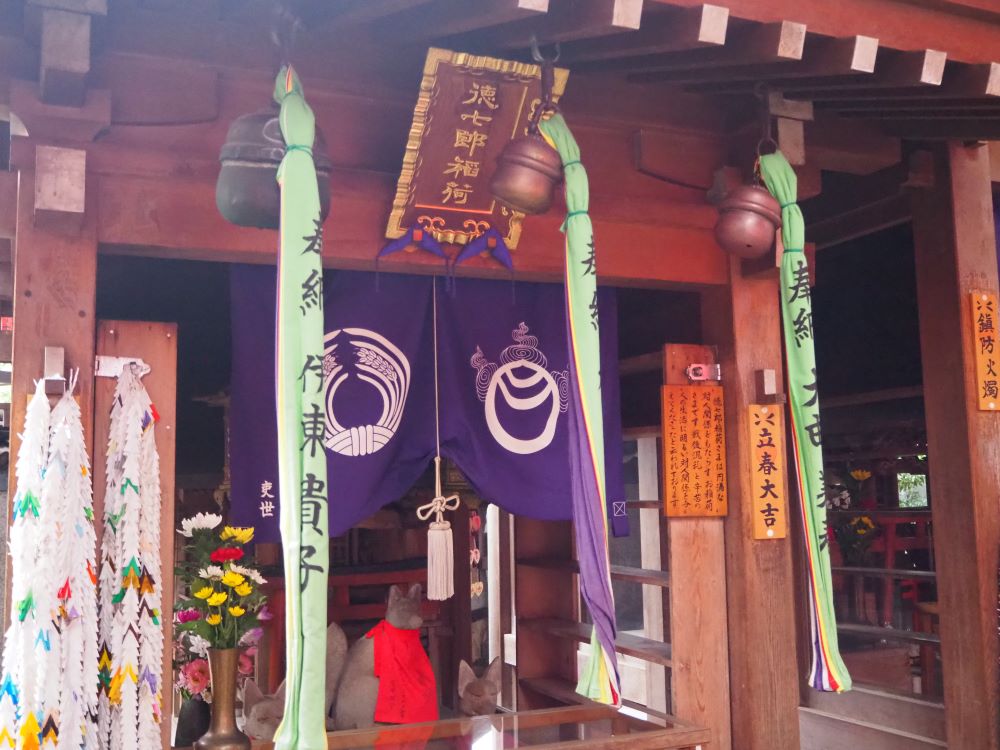
One of the distinguishing features of Toyokawa Inari is the abundance of fox statues, often associated with Shinto Inari shrines. However, these foxes are symbols of Toyokawa Dakini Shinten, a Buddhist deity. The foxes are seen as protectors and messengers of the deity, symbolizing prosperity and protection.
Festivals
Toyokawa Inari is a peaceful retreat, offering visitors an opportunity to reflect and pray. It is also home to various festivals, including events where worshippers gather to seek blessings for health, prosperity, and protection.
One of the most notable events is the Setsubun Bean-Throwing Ceremony in February, where famous figures and celebrities participate in throwing beans to drive away evil spirits and bring good fortune. This event attracts many visitors and highlights the temple’s role as a place of celebration and spiritual reflection.
Conclusion
Toyokawa Inari Tokyo Betsuin is a fascinating blend of Buddhist traditions and cultural elements commonly associated with Shinto. Its serene atmosphere, rich history, and spiritual significance make it a must-visit destination for those seeking blessings for prosperity, success, and protection. Whether you’re interested in the temple’s historical background, its connection to the arts, or its unique spiritual practices, Toyokawa Inari offers an enriching experience for all visitors.
Frequently Asked Questions
Is Toyokawa Inari Tokyo Betsuin a shrine or a temple?
Toyokawa Inari Tokyo Betsuin is a Buddhist temple of the Soto Zen sect, not a Shinto shrine. The name Toyokawa Inari spread as a popular name because the deity enshrined here, Toyokawa Dakini Shinten, is shown carrying ears of rice and riding a white fox.
How do you get to Toyokawa Inari Tokyo Betsuin?
Toyokawa Inari Tokyo Betsuin is a 5-minute walk from Exit B of Akasaka-mitsuke Station on the Tokyo Metro Ginza and Marunouchi lines. Exit 7 of Nagatacho Station, on the Yurakucho, Hanzomon and Namboku lines, is also 5 minutes away on foot. The temple stands on Aoyama-dori (National Route 246) at 1-4-7 Moto-Akasaka, Minato-ku, and its gate closes at 8:00 PM.
When was Toyokawa Inari Tokyo Betsuin established?
Toyokawa Inari Tokyo Betsuin was established at its present site in Moto-Akasaka in 1887 (Meiji 20). Its origin is older. Ooka Tadasuke (Ooka Echizen-no-kami), an Edo-period magistrate, kept a Toyokawa Inari altar at his residence in Akasaka Hitotsugi. That altar was moved in 1887, and the temple has been a direct branch of Myogonji, the head temple in Toyokawa, Aichi Prefecture, since then.
When is the Setsubun bean throwing at Toyokawa Inari Tokyo Betsuin?
Toyokawa Inari Tokyo Betsuin holds its bean throwing on Setsubun in February each year. In 2026 the temple scheduled it for February 3, with a procession and prayer from about 1:00 PM and bean throwing by invited sumo wrestlers and entertainers from about 2:00 PM. The temple’s notice also announced free lucky beans after the bean throwing.
Can you take photos at Toyokawa Inari Tokyo Betsuin?
Toyokawa Inari Tokyo Betsuin asks visitors not to take pictures in the praying area. Its notice for the 2026 Setsubun ceremony allowed photography outdoors in the grounds and asked visitors not to shoot indoors. Eating, drinking and smoking are permitted only in designated areas.
Share