
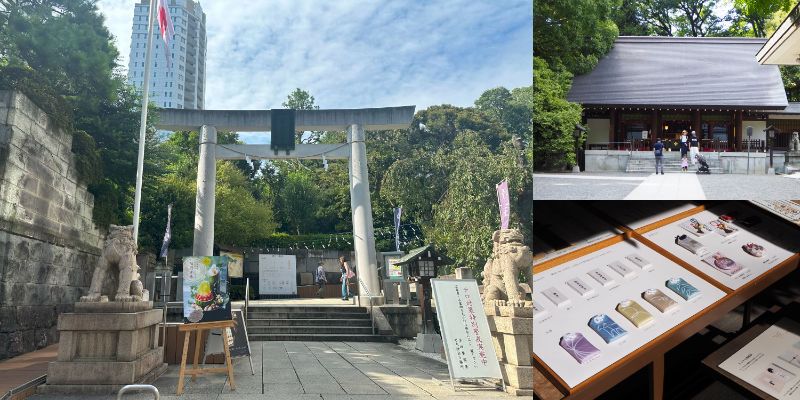
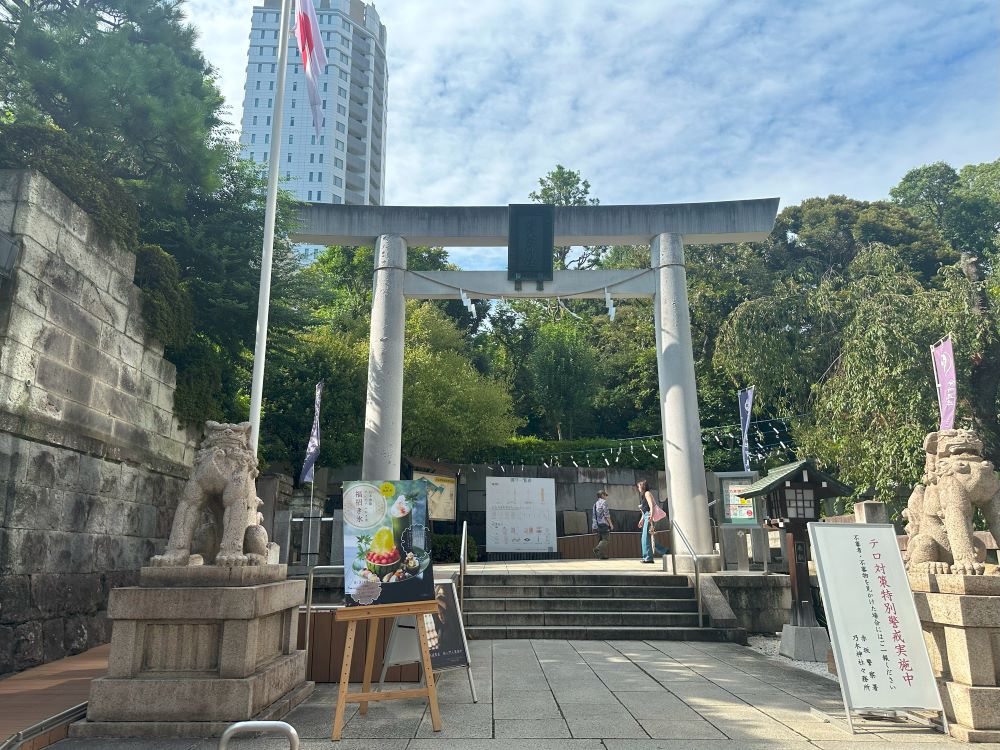
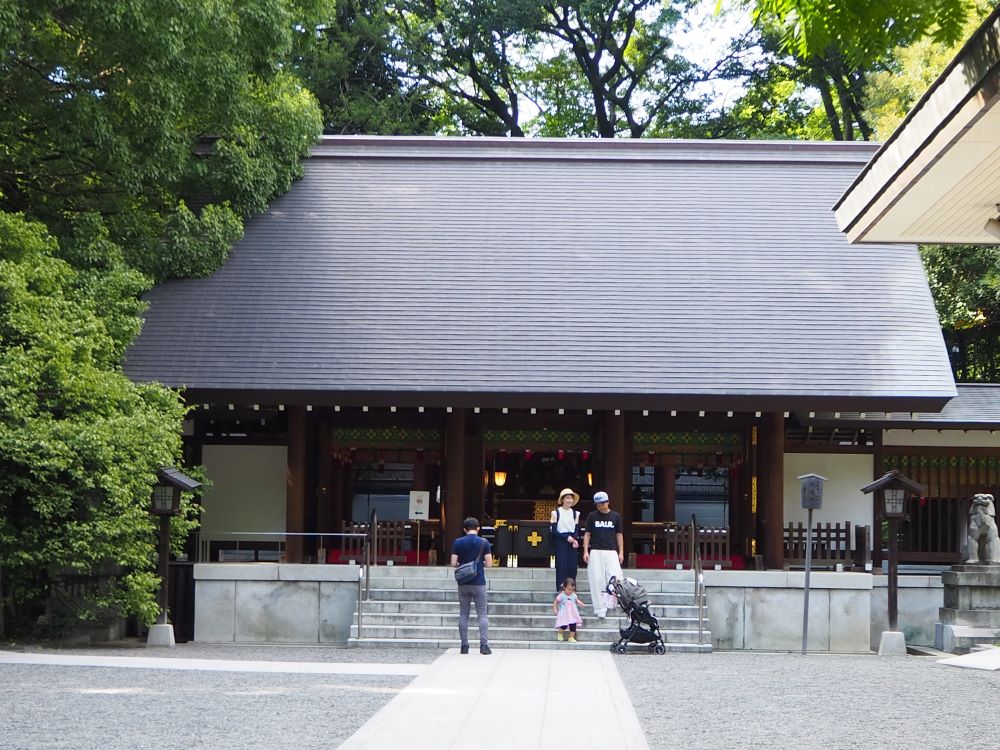
Nogi Shrine (Nogi Jinja) is a Shinto shrine in the Nogizaka area of Akasaka, Tokyo, that enshrines the Meiji-era general Nogi Maresuke and his wife Shizuko. It was founded on November 1, 1923 beside the couple’s former home, and its main halls were rebuilt in 1962 after an air raid destroyed them in 1945. The shrine stands about 15 meters from Exit 1 of Nogizaka Station, and members of the idol group Nogizaka46 have held coming-of-age ceremonies here.
| Location | 8-11-27 Akasaka, Minato City, Tokyo |
|---|---|
| Nearest station | Nogizaka Station (Tokyo Metro Chiyoda Line), about 15 m from Exit 1 |
| Hours | Grounds open 6:00 AM to 5:00 PM |
| Admission | Free |
| Founded | November 1, 1923 |
| Main festival | Reisai (annual festival), September 13 |
| Official site | nogijinja.or.jp |
Checked in October 2026 against nogijinja.or.jp.
Nestled in the bustling area between Roppongi and Akasaka, Nogi Shrine offers a serene and lush escape in the heart of Tokyo. This Shinto shrine is not just a place of worship but also a site of historical and cultural significance.
The Legacy of General Nogi Maresuke
Nogi Shrine is dedicated to General Nogi Maresuke and his wife, Shizuko. General Nogi, born in 1849, was a respected military leader who played a significant role in the Russo-Japanese War, where he led the successful capture of Port Arthur.
Despite his military achievements, Nogi was deeply burdened by the loss of many of his soldiers during the war. This sense of guilt eventually led him to take his own life along with his wife on the day of Emperor Meiji’s funeral, as a final act of loyalty and atonement.
Their story of sacrifice is a central part of the history commemorated at Nogi Shrine.
A Modern Shrine with Historical Roots
Though rooted in history, Nogi Shrine has adapted to the times, becoming a popular spot not only for those interested in Japan’s past but also for fans of modern culture.
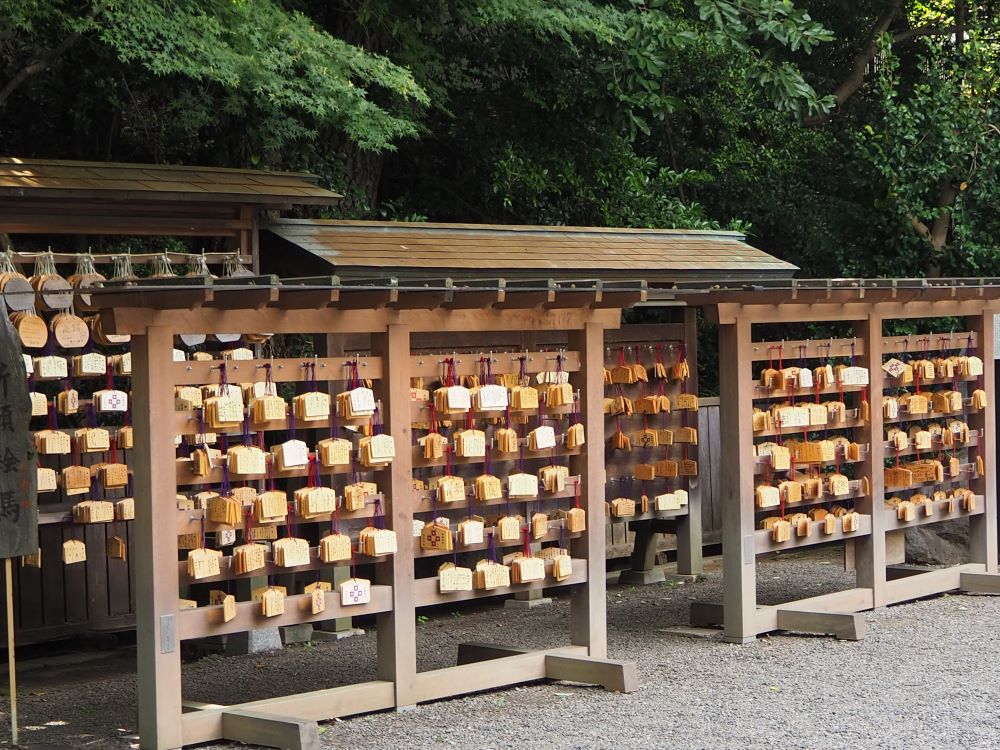
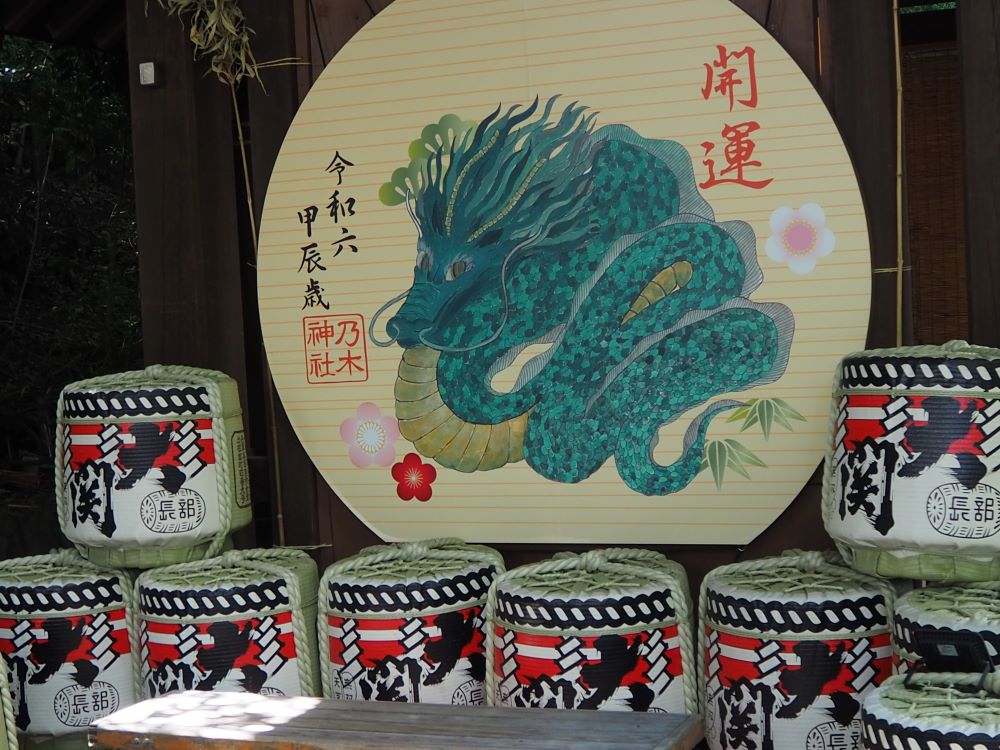
The shrine is particularly famous among fans of the Japanese idol group Nogizaka46. The group, named after the area where the shrine is located, often celebrates milestones like coming-of-age ceremonies at Nogi Shrine, attracting fans who visit to leave supportive messages on ema (votive tablets) and pray for the group’s success.
What to Expect When Visiting
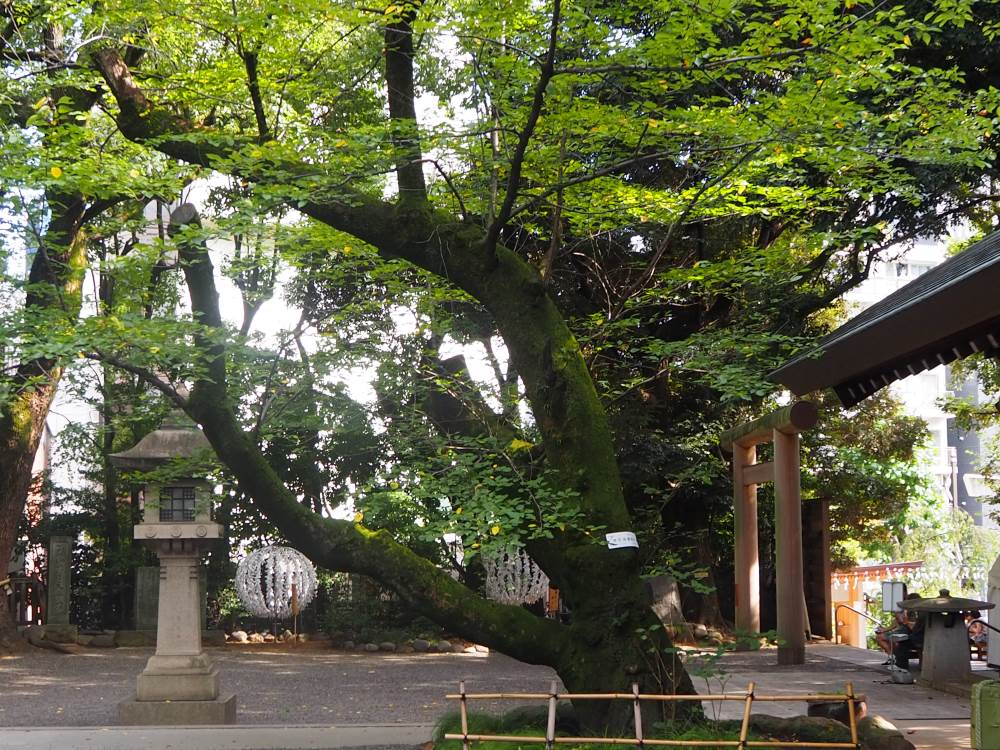
Nogi Shrine itself is an example of understated beauty, with its traditional yet modern “wa-modern” aesthetic. Surrounded by greenery, it offers a peaceful retreat from the city’s hustle and bustle.
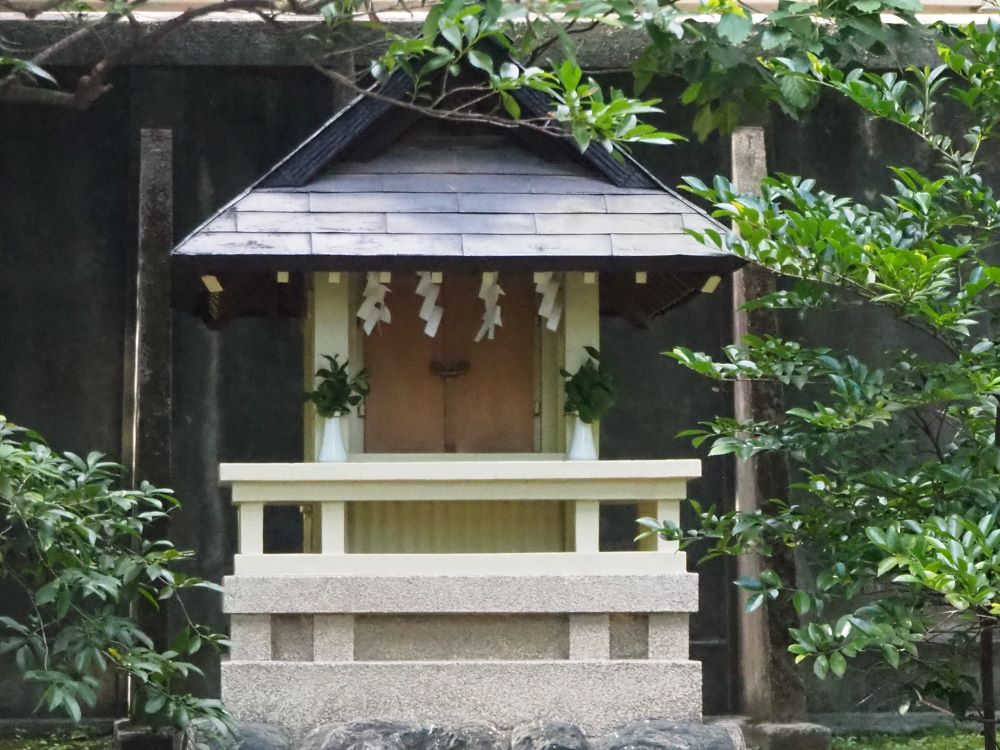
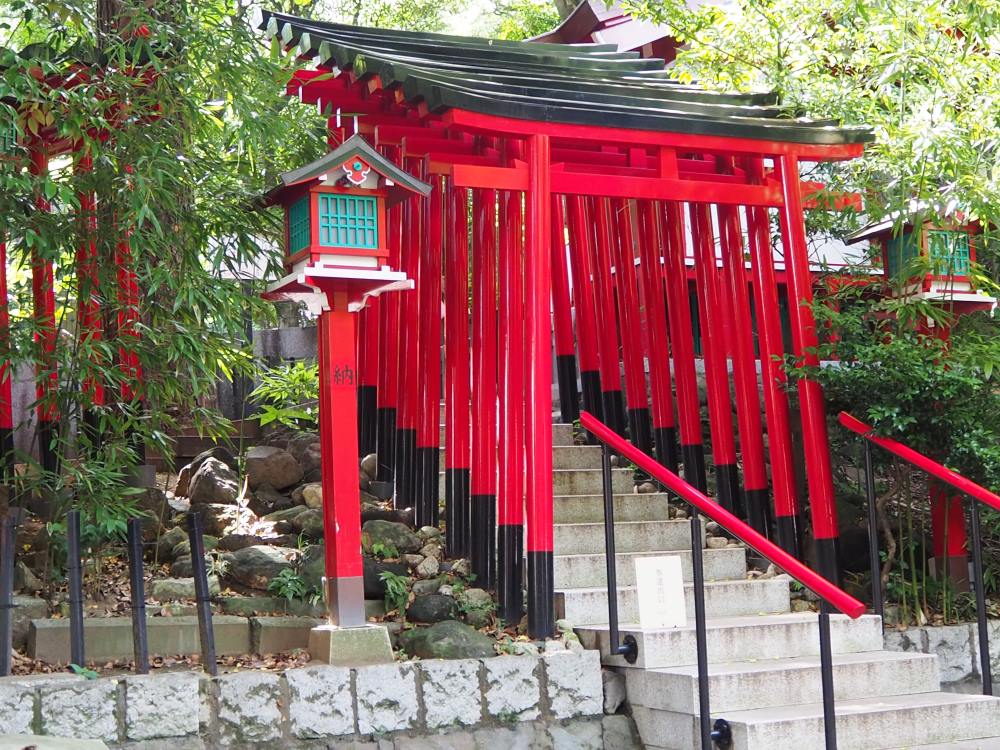
As you walk through the shrine grounds, you’ll notice various sub-shrines dedicated to different deities, including a small Inari shrine with numerous torii gates.
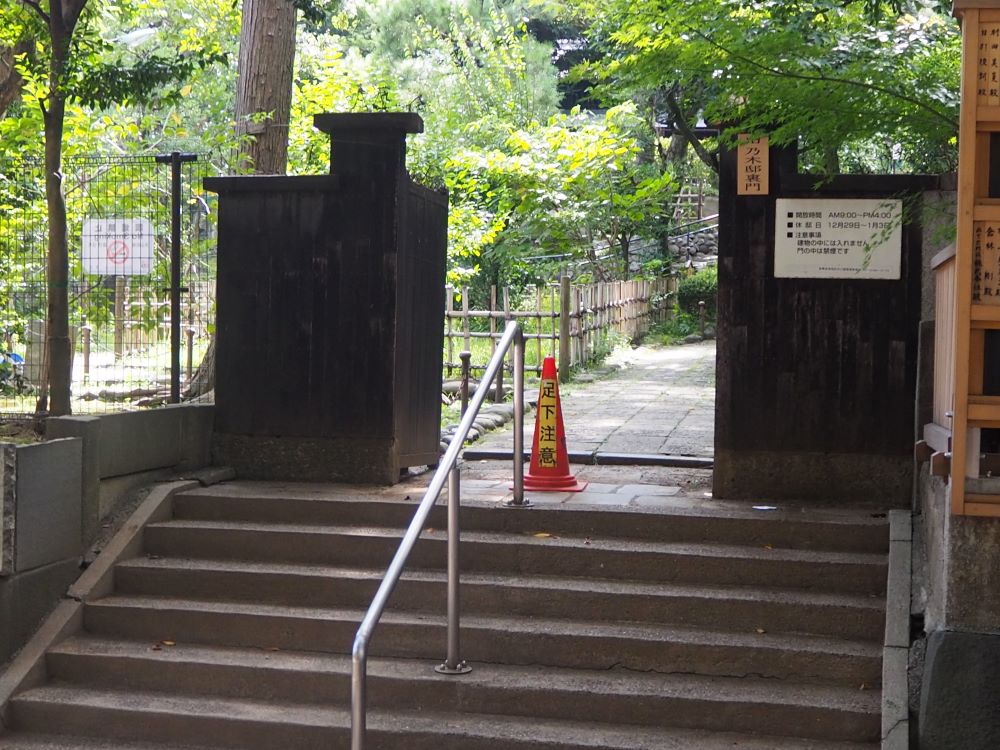
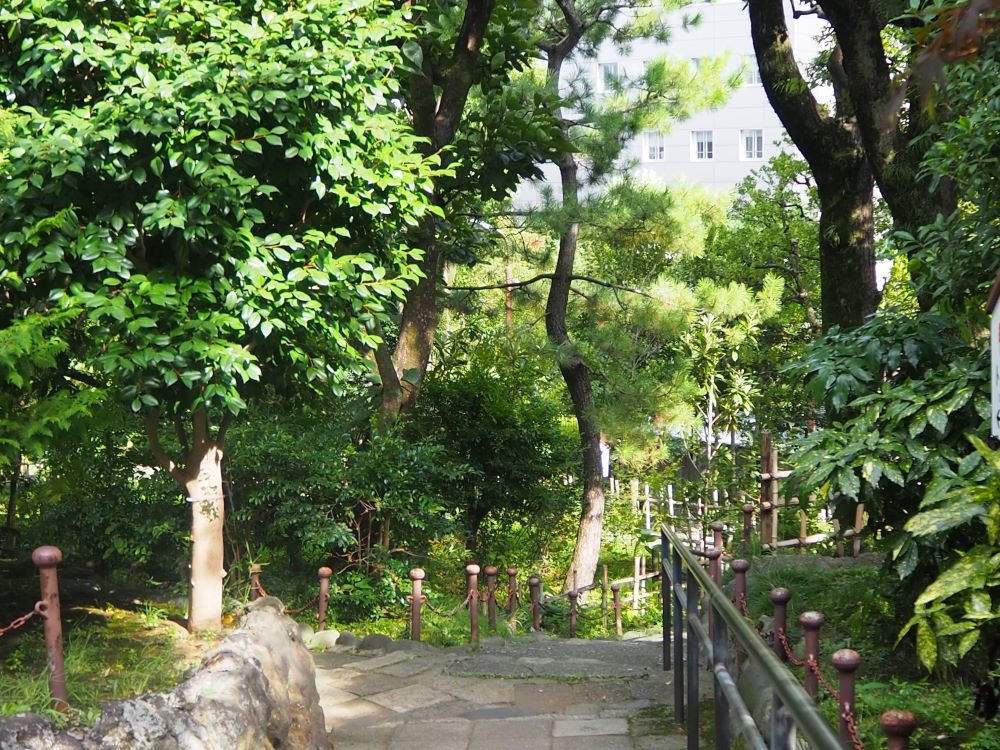
One of the highlights of the shrine is the Nogi Residence, which has been preserved as a cultural heritage site. Although the interior is normally closed and opens to the public only three times a year, visitors can view the garden and the exterior and imagine the life of the general and his family.
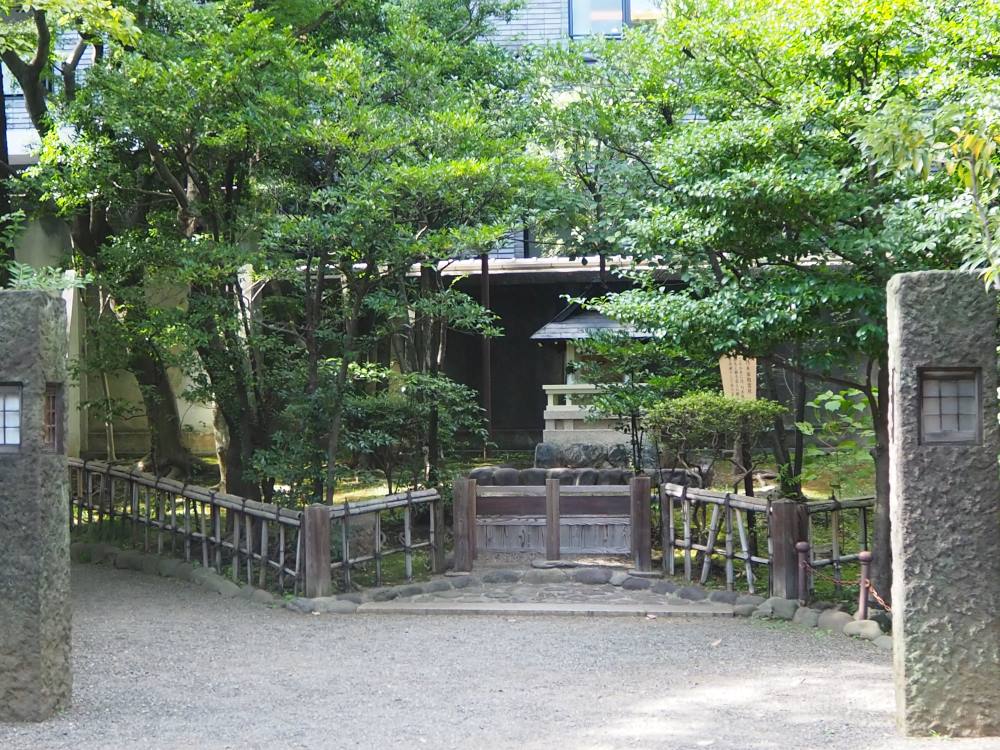
If you’re visiting in late winter, be sure to check out the blossoming plum trees, which add a touch of seasonal beauty to the shrine’s already picturesque setting.
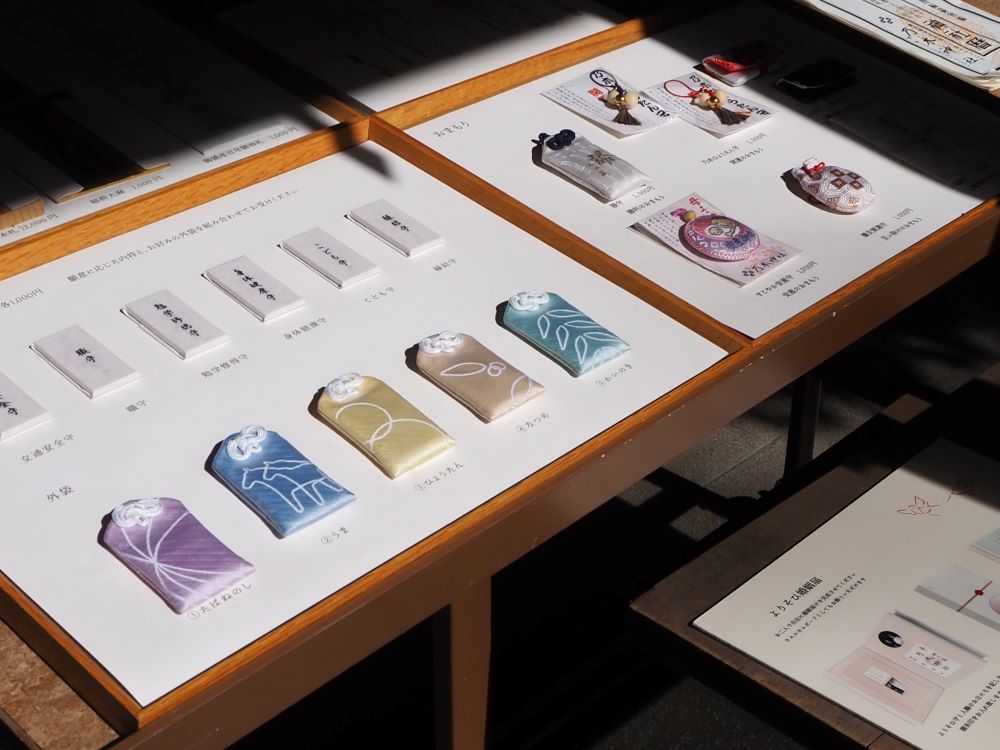
Additionally, the omamori (charms) sold at Nogi Shrine are particularly beautiful and make for meaningful souvenirs. I highly recommend purchasing one to commemorate your visit. If you have an interest in omamori, you can see them on the shrine’s omamori page, which is in Japanese only.
Final Thoughts
Whether you’re a history buff, a pop culture enthusiast, or simply seeking a peaceful place to unwind, Nogi Shrine is a must-visit destination in Tokyo. If you’re in the area, be sure to stop by and experience the tranquility and beauty of this unique shrine.
Access
Nogi Shrine is located just 15 meters from Exit 1 of Nogizaka Station on the Tokyo Metro Chiyoda Line.
Address:
8-11-27 Akasaka, Minato City, Tokyo 107-0052
TEL: 03-3478-3001
Hours:
Gate: 6:00 AM to 5:00 PM
Omamori Counter: 9:30 AM to 5:00 PM on weekdays, 9:00 AM to 5:00 PM on weekends and holidays
Prayer Reception: 10:00 AM to 4:30 PM on weekdays, 9:30 AM to 4:30 PM on weekends and holidays
Planning a shrine visit? If you’re unsure how to bow, clap, or make an offering once you’re at the shrine, read our step-by-step guide on how to pray at a Japanese shrine, explained by a Shinto priest at Yushima Tenjin in Tokyo.
Frequently Asked Questions
Why is the area called Nogizaka?
Nogizaka (Nogi Slope) is named after General Nogi Maresuke, who lived beside what is now Nogi Shrine. According to the shrine, the slope had been called Yureizaka (Ghost Slope), among other names, since the Edo period, and the Akasaka ward assembly voted to rename it in mourning after his death in 1912. The idol group Nogizaka46 shares the name.
Can you go inside the Nogi Residence next to Nogi Shrine?
The Nogi Residence interior is normally closed, but the rooms can be seen from an outside viewing path. Minato City, which manages the 1902 house, opens the interior three times a year. The last opening of 2026 is November 1 to 3, and dates are announced on the park website, akasaka-parks.jp. The exterior, stable and garden are open 9:00 AM to 4:00 PM, except December 29 to January 3.
Is there an entrance fee at Nogi Shrine?
Nogi Shrine is free to enter, and the grounds are open from 6:00 AM to 5:00 PM. The treasure hall on the grounds is also free and opens from 9:00 AM to 5:00 PM. The hall displays a plaster statue of General Nogi, his medals, his poems in classical Chinese and the text of his will.
What omamori and goshuin does Nogi Shrine offer?
Nogi Shrine lists several omamori on its website, including a victory charm at 1,000 yen and a charm against misfortune at 1,500 yen that holds a piece of the camphor tree struck by lightning on the eve of the shrine’s 1972 festival. Goshuin and goshuincho (stamp books) are issued at the same counter, the juyosho.
Share