
If you watch Grave of the Fireflies or Princess Mononoke, you would not call those cartoons.
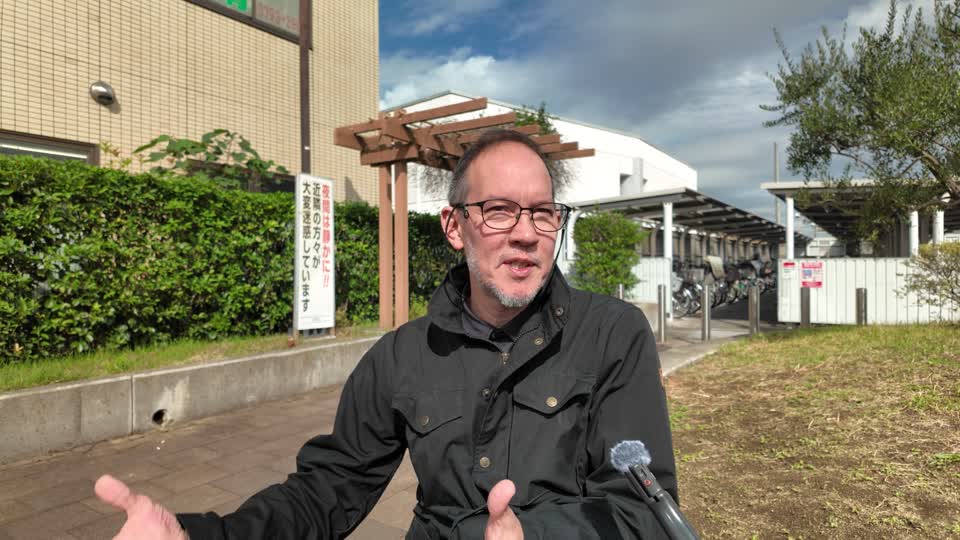
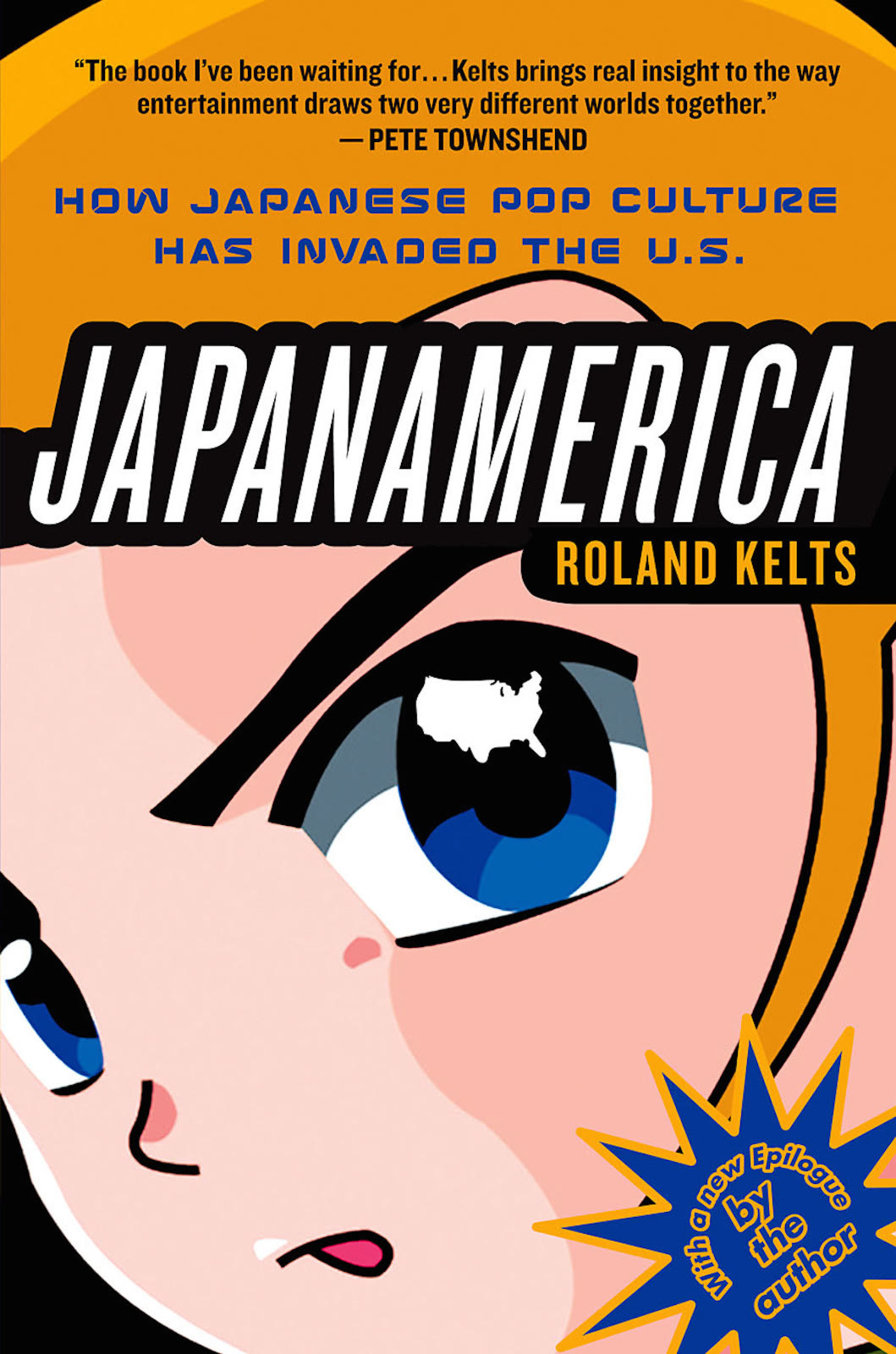
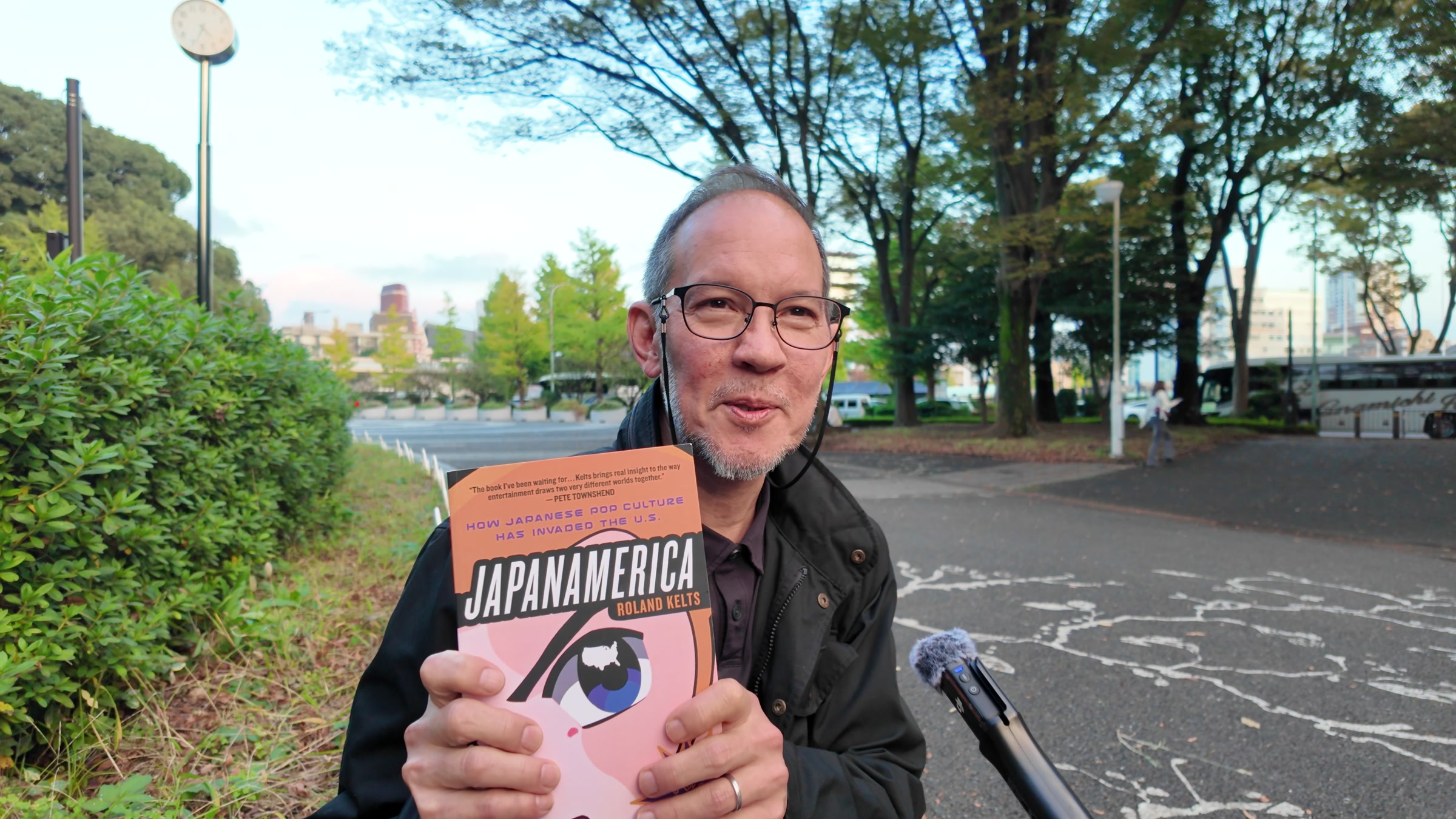
Roland Kelts has spent most of his life explaining two countries to each other. Born in New York to an American father and a Japanese mother, he moved to Japan as an adult in 1998 and wrote Japanamerica: How Japanese Pop Culture Has Invaded the U.S., a book still selling two decades later.
Today he teaches at Waseda University, serves as a contributing editor for the literary magazine MONKEY, and is part of the team behind TEZUKA! God of Manga, a documentary timed for Osamu Tezuka’s 2028 centenary. We discussed culture shock, why anime is not just a cartoon, and the “two Japans” most visitors miss.
A Kindergarten in Morioka
Q: Tell us about yourself and your relationship with Japan.
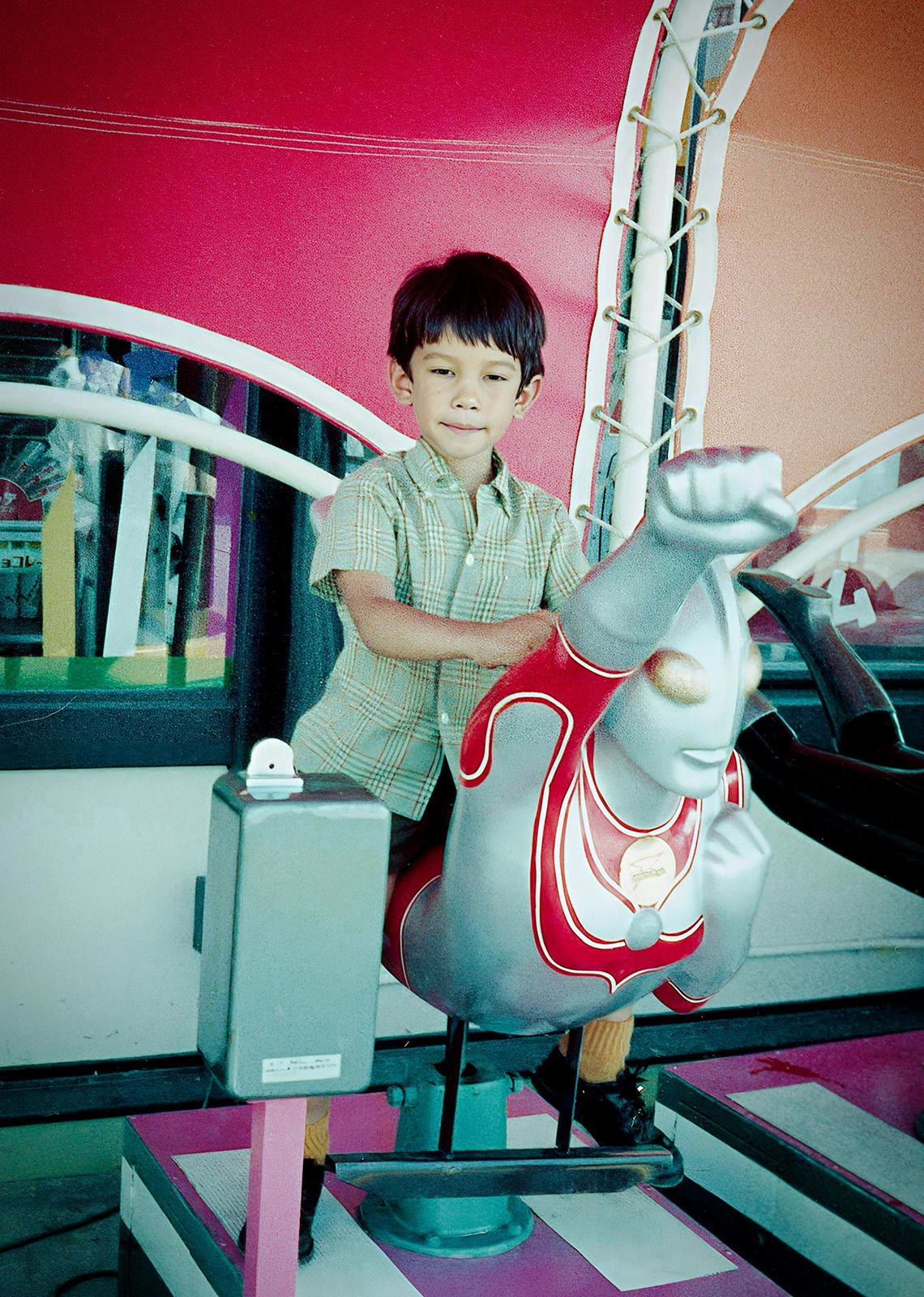
Roland: I was born in New York City and came to Japan with my Japanese mother when I was five and a half. I went to yōchien [kindergarten] in Morioka, lived with my grandparents, and fell in love with Ultraman Taro. I returned every summer as a teenager before moving here as an adult in 1998.
Q: What did Japan mean to you as a small child?
Roland: At home in America, my mother had kokeshi dolls, scroll paintings, and calligraphy on the walls, so Japan seemed like a pretty place to me. Serious and mysterious, but pretty.
Then I actually went to kindergarten here. I remember it as a happy time, but my mother says I was miserable. As the only hāfu [mixed-heritage child] at a Morioka kindergarten in the 1970s, I was bullied so badly the principal would call and ask her to take me home. I don’t remember any of it.
Lonely in Osaka, 1998
Q: When you came back as an adult, what was your biggest culture shock?
Roland: I didn’t have my mother. I was living in Osaka during a hot, humid August, teaching on the JET Program and writing a novella commissioned by Francis and Sofia Coppola for their magazine, Zoetrope. My Japanese was stiff, I couldn’t read the signs, and for the first couple of months I just wanted to go back to New York.
A few years later, Sofia Coppola’s Lost in Translation (2003) put a similar feeling on screen.
Q: Did that film feel close to your own experience?
Roland: Very close. It’s about an American who loves Japan’s beauty and food but feels deeply alienated by the language and culture. In many ways, the two cultures are opposites: Japanese reserve and quiet against American extroversion and volume. Opposites attract, but they can also repel.
As a child of both cultures, I spent my early life bridging the gap between my parents. My father was very American, expressive and funny. My mother kept to herself and really wanted me to get good grades.
The Book That Kept Him in Japan
In 1998, anime was still far from the American mainstream. Kelts was about to document the moment it broke through.
Q: Why did you decide to write about anime back then?
Roland: Macmillan, the New York publisher, asked me. They had read my work on Haruki Murakami and Hayao Miyazaki. I actually said no at first because I didn’t think anime was that big in the U.S.
Then I did the research. Pikachu was in the Macy’s Thanksgiving Day Parade, and universities where I had taught and studied had anime clubs full of American kids going crazy over it. It was blowing up. The response to the book changed my life and made me want to stay in Japan.
Q: Why did Pokémon in particular become so popular abroad?
Roland: Pokémon hit the U.S. in 1998, the year I arrived in Japan, and it taught a whole generation of Americans how to read Japanese storytelling. It was a Rosetta Stone.
It was also a perfect example of Japan’s media mix, what I call the golden triangle in Japanamerica: the anime, the collectible cards, and the games. Get into one and you get pulled into the others. When the first Pokémon movie opened in the U.S., it was number one at the box office, and it was anime. That was a double whammy.
Why Anime Is Not Just a Cartoon
Q: How is anime different from what people outside Japan call cartoons?
Roland: It’s a different set of aesthetics, born out of necessity. Japan had very little money after the war, so Osamu Tezuka pioneered limited animation by cutting the number of frames. That created the herky-jerky movements and sudden close-ups people still associate with anime. You can see it even in Demon Slayer.
Then there are the characters, defined by their outlines. You can recognize Pikachu from the silhouette alone. Takashi Murakami called it the superflat aesthetic.
The storytelling also goes much further. American cartoons ran on slapstick and superheroes, while anime covers the entire human experience, from sci-fi to romance to war. Isao Takahata’s Grave of the Fireflies is a stunning war film done entirely in animation.
If you watch Grave of the Fireflies or Princess Mononoke, you would not call those cartoons.
Miyazaki and the Spirits of Nature
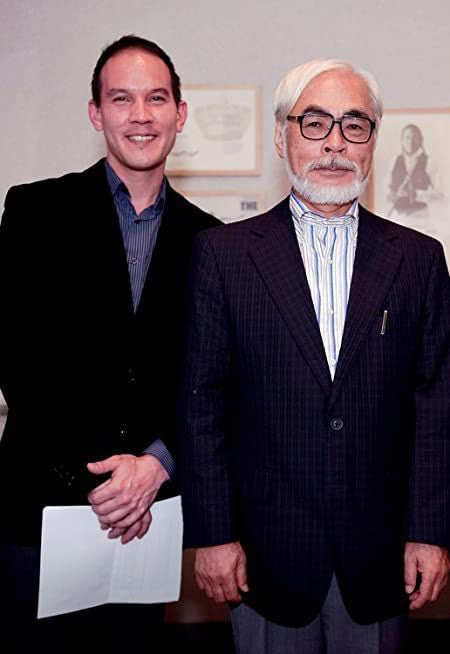
Kelts met and interviewed both Haruki Murakami and Hayao Miyazaki in 1999 while working as a journalist.
Q: Why did Ghibli films become so popular outside Japan?
Roland: Miyazaki is complex, sophisticated, and sometimes troubling. Most anime is adapted from manga, but his films mostly come straight from his own head.
He’s almost insistently nostalgic. His films are driven by the idea that we once had a connection to nature and its spirits, and that we need to revive it. It’s the spirit we have lost, or are losing.
What keeps them from being bleak is that this nature spirit often breathes new life into the human characters, even when it arrives as a violent storm, as in Ponyo. That belief makes his films incredibly hopeful.
“The Whole of Japan Is a Pure Invention”
Q: Do people in Japan enjoy anime the same way people elsewhere do?
Roland: No. Overseas, anime is still exoticized because it comes from a small country in the corner of the North Pacific in a language few people speak.
At the same time, early anime and manga artists grew up during the American occupation, surrounded by Disney, jazz, Elvis, and American TV. We’re exploring this in the Tezuka documentary. When anime travels abroad, Hollywood hero stories are already in its DNA. That’s why Demon Slayer feels familiar to Western audiences, yet completely fresh next to another Marvel movie.
Japanese viewers know anime is fantasy because they live here. Not every Japanese person is a fan, and anyone living here knows how strict school and office life can be.
That gap between image and reality is why Kelts opened Japanamerica with a line from Oscar Wilde’s 1889 essay “The Decay of Lying”: “In fact the whole of Japan is a pure invention. There is no such country, there are no such people.”
Roland: Wilde was being tongue in cheek. He was talking about what we now call Orientalism: the Japan Europeans saw in ukiyo-e prints was not the Japan they found upon arrival.
I realized many anime fans abroad were doing the same thing. They watched Sailor Moon and thought that was high school in Japan. Then they visited a real one and found students working hard and cramming at juku. It was the perfect epigraph.
Two Japans: Uchi and Soto
Q: You often talk about “two Japans.” What do you mean by that?
Roland: There’s a Japan for the Japanese, a world of unspoken codes and etiquette. It’s not just the language, it’s Japanese-ness, right down to how you hold yourself on the train. When I go from New York to Tokyo, my entire posture changes. You can’t walk down the street swinging your arms like on Sixth Avenue.
Then there’s the Japan for the rest of the world, built from anime, manga, and tourism. That’s the pure invention: not an invention of the Japanese, but of outsiders seeing what they want to see. What visitors interpret as personal politeness is often just how shopkeepers and train conductors are expected to behave.
Q: When did you first notice this yourself?
Roland: As a teenager. My Japanese family would eat nattō or soba, and I’d get a separate plate of hamburg steak or fried eggs and toast because I was the American relative. I had to ask them to let me eat what they ate.
Japan draws a clear line between soto and uchi, outside and inside. You take off your shoes at the door, and you even change slippers for the toilet. Inside, inside, inside.
The Rules Nobody Writes Down
Q: Many travelers want to experience Japan like locals, starting with the trains. What should they know?
Roland: The trains are where you truly notice that inside-outside divide. In a New York subway car, people talk loudly, perform, and even dance. In Tokyo, that’s not acceptable. You stay quiet, and if it’s crowded, you take your bag off your shoulder and put it at your feet.
It’s second nature to me now, but when I host overseas friends I sometimes have to ask them to lower their voices until the next stop. Elevators are the same. In Japan, you ride in silence.
Q: Is there anything you think is truly hard for foreigners to understand?
Roland: I don’t want to go that far. People are people. But tatemae and honne can be difficult. Tatemae is your public face. I thought honne simply meant how you really feel, but my colleague Motoyuki Shibata explained it’s closer to deep feelings that should be understood without words. It goes back to classical poetry, where a glimpse of the moon suggests love and nothing is ever spoken.
In Japanese offices, when a colleague who usually chats goes quiet, I’ve learned the best response is to stay quiet myself until they’re ready to talk.
So that quality of sitting with someone, even someone very, very intimate, in absolute silence, I think, can be difficult for a non-Japanese to navigate.
In America, there’s an unspoken belief that you can talk through anything. That’s why psychotherapy is such a huge industry there. I don’t think Japan shares that belief.
Suzuki-san After Hours
Q: Did you have any culture shock moments after hours?
Roland: When I first moved here, my colleagues were very majime, earnest and bowing at exactly the right angles. Then someone would say, “We’re having dinner on Thursday,” which isn’t really a question. You just go.
By ten o’clock, the same buttoned-up colleague, let’s call him Suzuki-san, is completely drunk with a loose tie, complaining about the boss. The next day he’s buttoned back up, and nobody mentions it.
In the U.S., that would come back to haunt you, and you might end up apologizing at the boss’s desk. It’s ironic since the Japanese are supposedly the ones who apologize all the time. Here, context matters more than any rule book.
Japan is spiritual in many ways, but not religious in an institutional sense. There’s no holy book and no Ten Commandments.
Q: So how does society hold together?
Roland: You learn ethics at home and at school. Japanese kids still clean their own classrooms, giving them an incredible sense of responsibility for others.
There’s a reasonable concern that as small towns empty out and young people move to Tokyo, this home learning is fading. But older people always complain about the youth. Hayao Miyazaki once told me young people get everything from virtual worlds, then ten minutes later said, “Old people are always complaining about the young. Don’t listen to me. I’m a fool.”
A Favorite Word: Naruhodo
Q: Do you have a favorite Japanese word?
Roland: Naruhodo [roughly, “I see”]. You never use it with a superior, but with peers or my students at Waseda, it fills the space elegantly. It shows you understand without committing to an agreement, and it keeps the conversation moving. It’s a nice, clean word that sounds good rolling off the lips.
Tezuka at 100
Q: Why does Osamu Tezuka still matter, and why make a documentary about him?
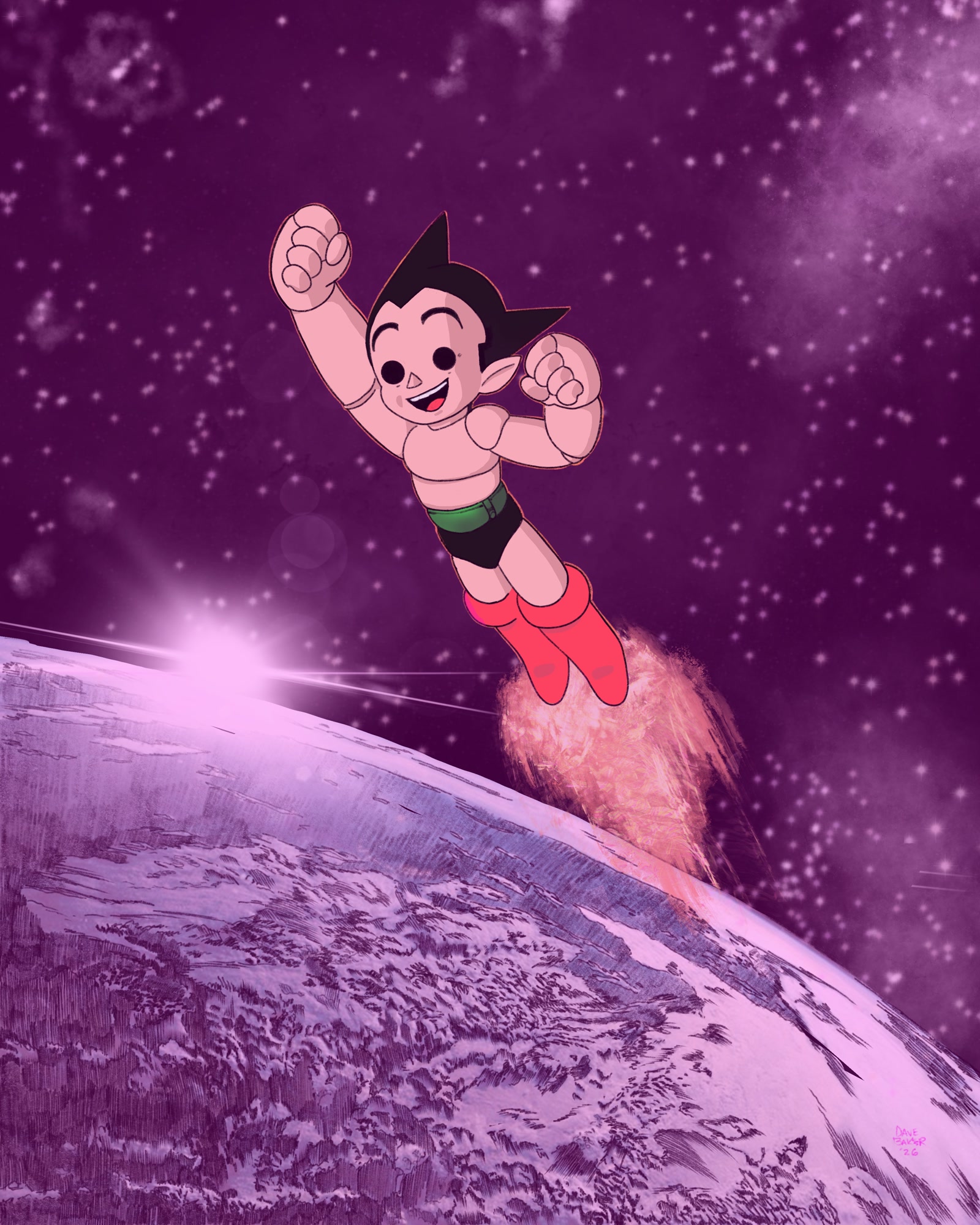
Roland: When I read his unfinished masterwork Phoenix in college, I couldn’t believe he was taking on stories like that in manga. He adapted Dostoevsky, tackled taboo subjects, created Astro Boy and Kimba the White Lion, and drew more than 150,000 pages. He was like a machine.
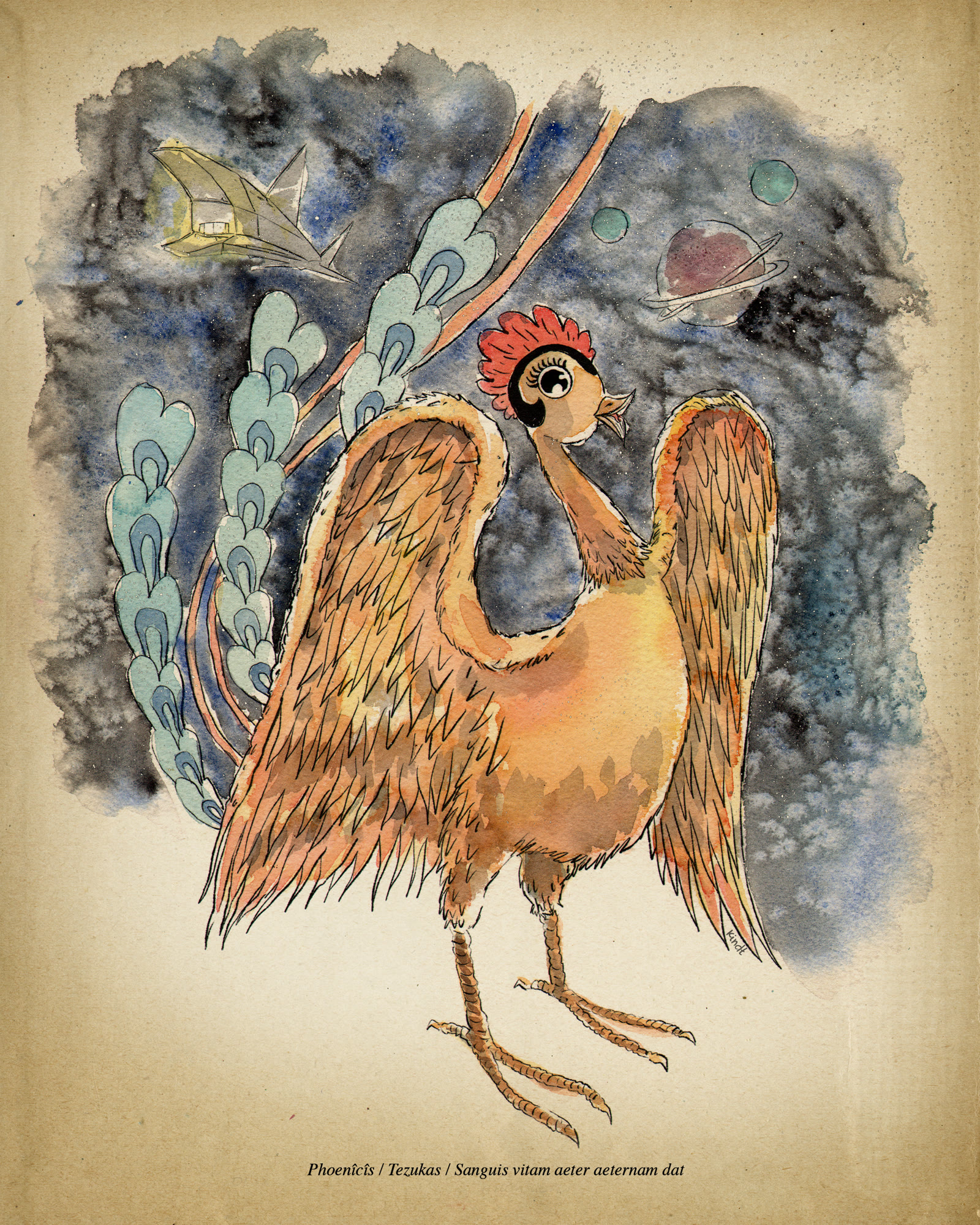

I think Tezuka largely created the template for modern manga and anime. He was a teenager during the firebombing near his home, and the war powered his stories. He built a medium capable of carrying the weightiest topics, the kind people associate with opera, novels, or Shakespeare. He was one of the great artists of the 20th century.
Some people think he would have embraced AI because he believed technology used correctly could make humans better. That’s one of the themes we explore in the film.
Q: How did you become part of the project?
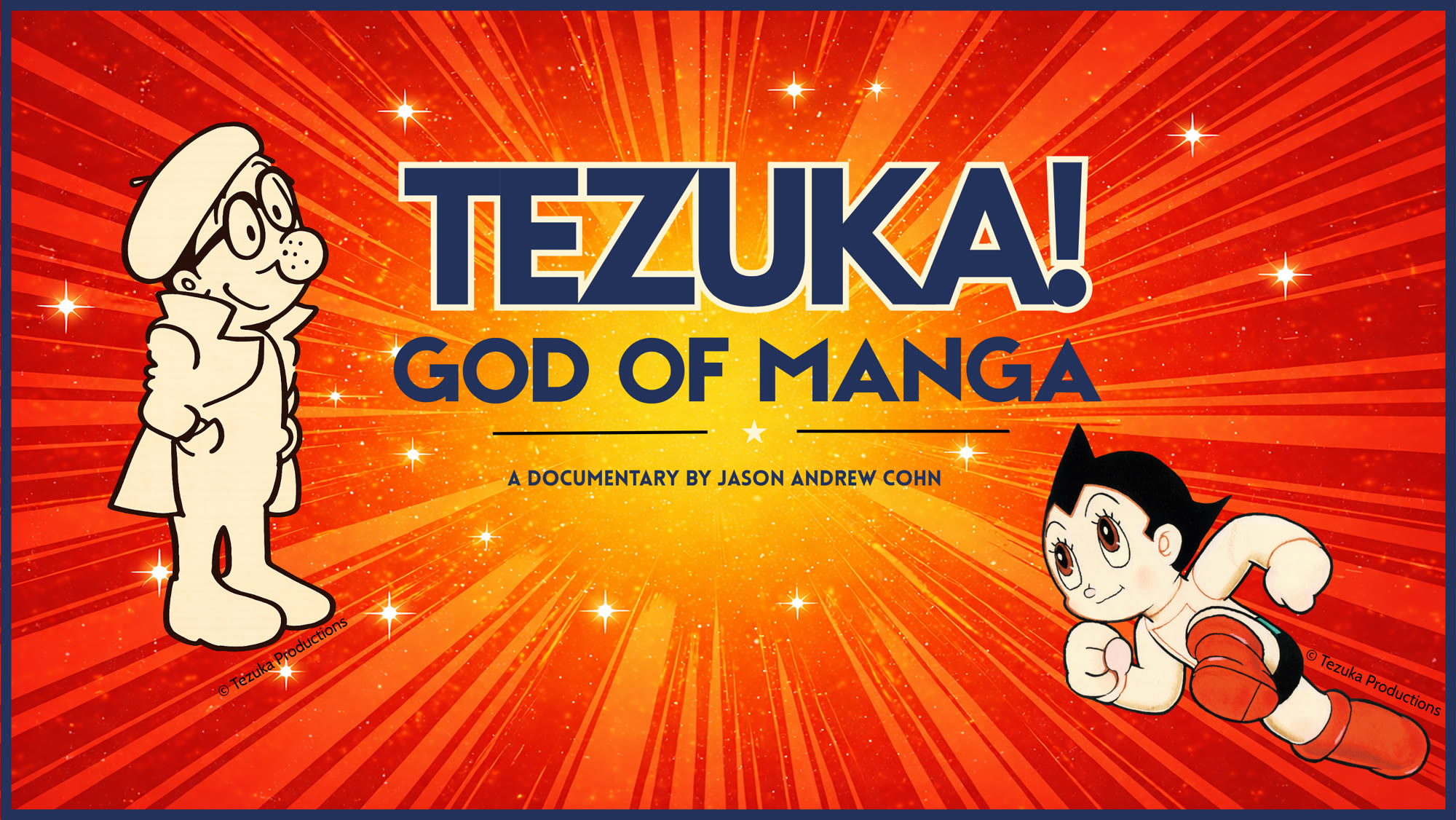
Roland: Director Jason Cohn approached me in 2021 because I had written and given talks about Tezuka. Once people started getting on board, I knew I had to join. We’ll release the film in 2028 for Tezuka’s centenary, and museums worldwide planning retrospectives want to screen it.
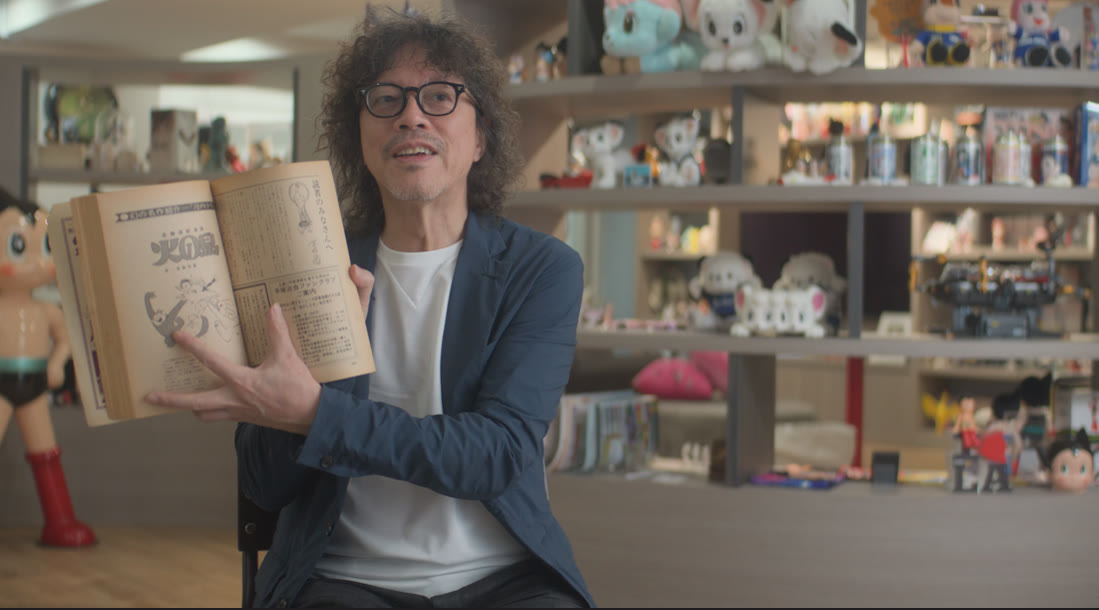
Directed by Jason Andrew Cohn and produced by Bread & Butter Films with Tezuka Productions, the film features interviews with Naoki Urasawa, Go Nagai, Yoshiyuki Tomino, and Katsuhiro Otomo, alongside tribute art by Jeff Lemire, Yuko Shimizu, and others. Readers can learn more about the film and support it on Kickstarter.
Meanwhile, Japanamerica is getting a second life as it officially turns 20 in late November 2026.
Roland: It’s been reissued, and I was hired to write an expanded, updated version. I can’t say much yet, but it’s on my desk right now.
MONKEY, Memory, and a Novel for 2028
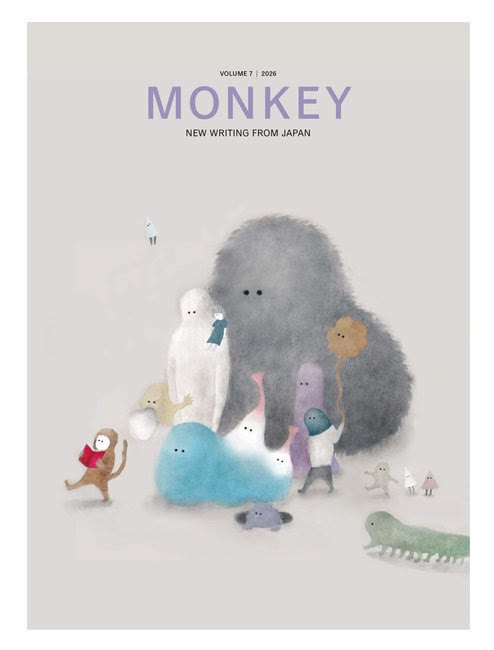
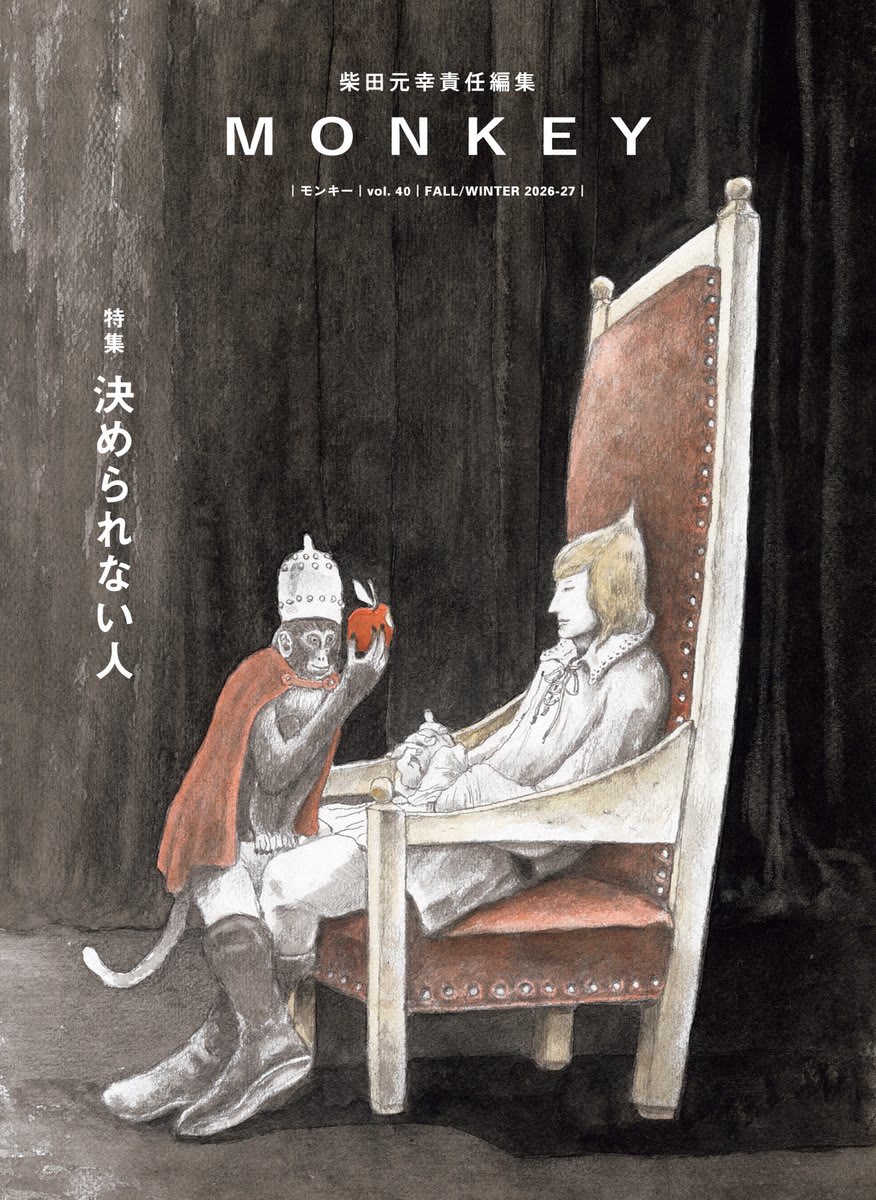
Roland: Since 2011, I’ve been a contributing editor for MONKEY: New Writing from Japan, the only English-language magazine devoted to Japanese culture and literature. It was founded by my dear friend Motoyuki Shibata and Ted Goossen, and the latest issue focuses on memory.
The Japanese edition just came out too, featuring a full translation of Hamlet and a cover by mangaka Taiyō Matsumoto. Through MONKEY, I get to meet writers like Haruki Murakami and introduce them to readers around the world. It’s a true privilege.
Q: What do you feel most passionate about these days?
Roland: The Tezuka film. I wrote Japanamerica 20 years ago, and Tezuka is a key figure in it, so this feels like coming full circle. But my deepest passion remains literature. I’m currently writing a novel and would love for it to come out in 2028 as well. That could be a very big year.
FAQ
Who is Roland Kelts?
Roland Kelts is a Tokyo-based writer, a Waseda University professor, the author of Japanamerica, and a contributing editor for MONKEY. He speaks widely on Japanese pop culture, including the NAJAS webinar “Godzilla & Modern Japan”, and shares updates on his blog.
What is Japanamerica about?
Japanamerica (2006) examines how manga, anime, and games took hold in the United States, pointing to Pokémon’s “golden triangle” of anime, cards, and games as a critical turning point.
What is TEZUKA! God of Manga?
TEZUKA! God of Manga is a feature documentary about Osamu Tezuka. Directed by Jason Andrew Cohn with Tezuka Productions, it is set for release in 2028 for the centenary of his birth. Kelts is part of the production team.
What does Roland Kelts mean by the “two Japans”?
He means a Japan for the Japanese, built on unspoken codes like quiet trains and the line between uchi (inside) and soto (outside), versus a Japan presented to the world through anime and tourism, which outsiders often mistake for the whole picture.
What is MONKEY: New Writing from Japan?
MONKEY: New Writing from Japan is an annual English-language literary magazine edited by Motoyuki Shibata and Ted Goossen, with Kelts serving as a contributing editor.
Read Next
Want to hear more stories from people living in Japan? Explore more conversations in Humans of Japan.
Share