
Chris Hart is a J-pop singer originally from San Francisco, California, who has built his music career in Japan, singing in Japanese. An appearance on a TV show led to his debut with a major label. In this interview he explains how he approaches Japanese lyrics and the idea behind his song “I Love You”.
Life Journey
Leo: Could you start by telling us a bit about yourself and how your journey in Japan began?
Chris: Sure! I’m originally from San Francisco, California, and I’ve lived in Japan for about 16 years now. My first exposure to Japan was through a two-week homestay program when I was 12. That short trip sparked my love for the culture, and I knew I wanted to live in Japan someday.

After I returned to the U.S., I continued studying Japanese and eventually moved here. From the beginning, music was a big part of my life, and I even sang in Japanese back in the States. Over the years, I’ve been lucky enough to build a career in music here in Japan.
Leo: Did you grow up wondering what Japan would be like?
Chris: Not exactly. It kind of happened naturally. I wasn’t driven by a particular passion for Japanese media like anime or video games, which is often the case for others. Instead, I just fell in love with the lifestyle and how natural it felt to live here.
Japanese Culture
Leo: Japan seems to have had a profound impact on you. How would you describe the differences between American and Japanese culture?
Chris: It’s interesting because when I moved to Japan, I made a conscious effort to forget everything I knew about American culture. I wanted to embrace Japanese culture without making comparisons. The simplicity of daily life here, the ease of connecting with others, and the deep sense of respect in social interactions are things I value.

Leo: What do you think is unique about how people in Japan express themselves, especially through music?
Chris: Japanese people can be reserved in expressing emotions directly, which often comes from a sense of not wanting to trouble others. This is reflected in their music, too. Songs here are deeply connected to cultural themes and emotions. Lyrics are very important. When you sing about something like spring, it’s not just about flowers blooming. It’s about the feeling of graduation, change, and nostalgia. As a singer, you have to capture that emotion or the song won’t resonate as deeply.
Music Career in Japan
Leo: Let’s talk about your music. How did you start your career in Japan?
Chris: My music career began with a mix of luck and timing. I participated in a TV show, and that led to my debut with a major label. From there, things just flowed naturally. I didn’t plan to be in the spotlight; I always imagined being in the background, maybe playing guitar. But I kept getting pushed to the front as the vocalist, and here I am.
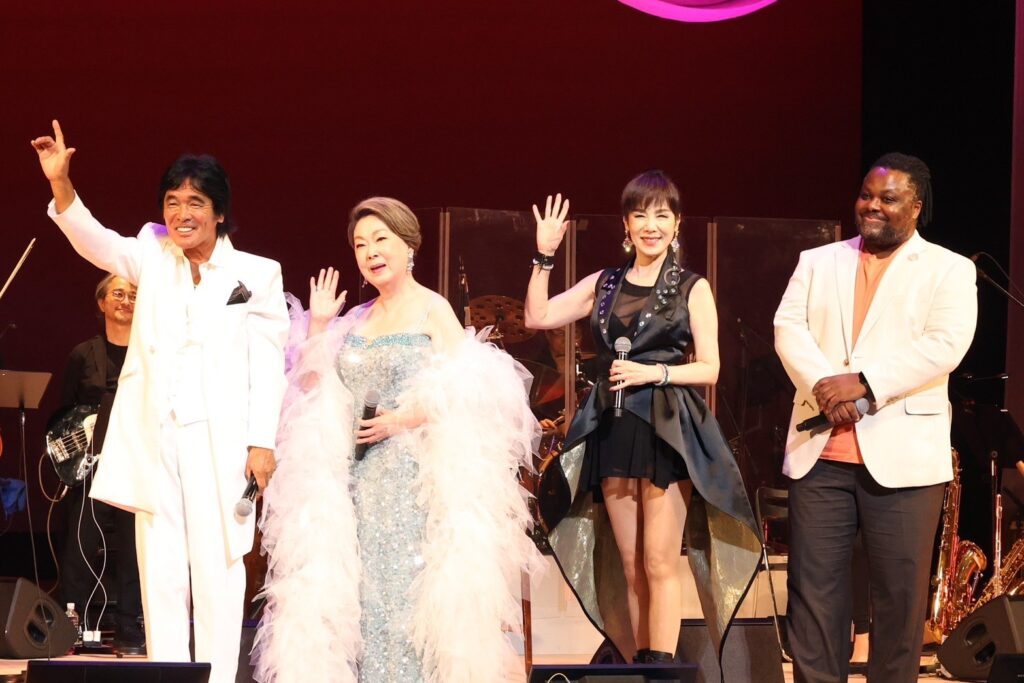
Leo: You’re known for your strong Japanese pronunciation and emotion in your songs. How did you approach singing in Japanese?
Chris: I’ve been singing in Japanese for over 20 years, and it’s all about practice. I never focused on learning Japanese phonetically from an English perspective. I approached it from the mindset of a native Japanese speaker. Over time, I’ve picked up nuances that help me express the right emotions when I sing. I also had a voice trainer in Japan who helped me refine my approach.
Leo: Among your songs, one of your most famous is “I Love You.” Can you share the concept behind it?
Chris: With “I Love You,” we wanted to fill a gap in how emotions are expressed in Japan. Japanese people don’t often say “I love you” directly, as it can be a bit embarrassing or too forward. So, we made it a song that bridged that cultural gap, allowing listeners to express feelings they might find difficult to voice.

Leo: Finally, what’s next for you in your career?
Chris: I never had a long-term plan, so I’ll continue making music as long as it’s fun. If I ever stop enjoying it, I’ll probably move on to something else. Maybe I’ll start a new venture, who knows! But for now, I’m just enjoying the journey.
Reference Video: From US to JPOP STAR in Japan Music Scene feat. Chris Hart
・・・
Want to hear more stories from people living in Japan? Explore more interviews in our Humans of Japan series →
Frequently Asked Questions
How did Chris Hart learn Japanese?
Chris Hart studied Japanese in the U.S. before he moved to Japan, and he sang in Japanese while still in the States. Hart says he has been singing in Japanese for over 20 years and that it is all about practice. He approached the language from the mindset of a native speaker, not phonetically from an English perspective. A voice trainer in Japan helped refine his approach to singing.
Why did Chris Hart move to Japan?
Chris Hart moved to Japan because he fell in love with the lifestyle and how natural it felt to live there, not because of anime or video games. He traces the wish to a two-week homestay at age 12, which he says sparked his love for the culture. When this interview was published in September 2024, he had lived in Japan for about 16 years.
How did Chris Hart start his music career in Japan?
Chris Hart’s music career in Japan began when he took part in a TV show, which led to his debut with a major label. He calls it a mix of luck and timing. Hart says he had imagined staying in the background, perhaps playing guitar, but kept being pushed to the front as the vocalist.
What is the concept behind Chris Hart’s song “I Love You”?
The concept behind Chris Hart’s song “I Love You” is to bridge a gap in how emotions are expressed in Japan. Hart explains that Japanese people do not often say “I love you” directly, because it can feel embarrassing or too forward. The song gives listeners a way to express feelings they find difficult to voice.
Share