
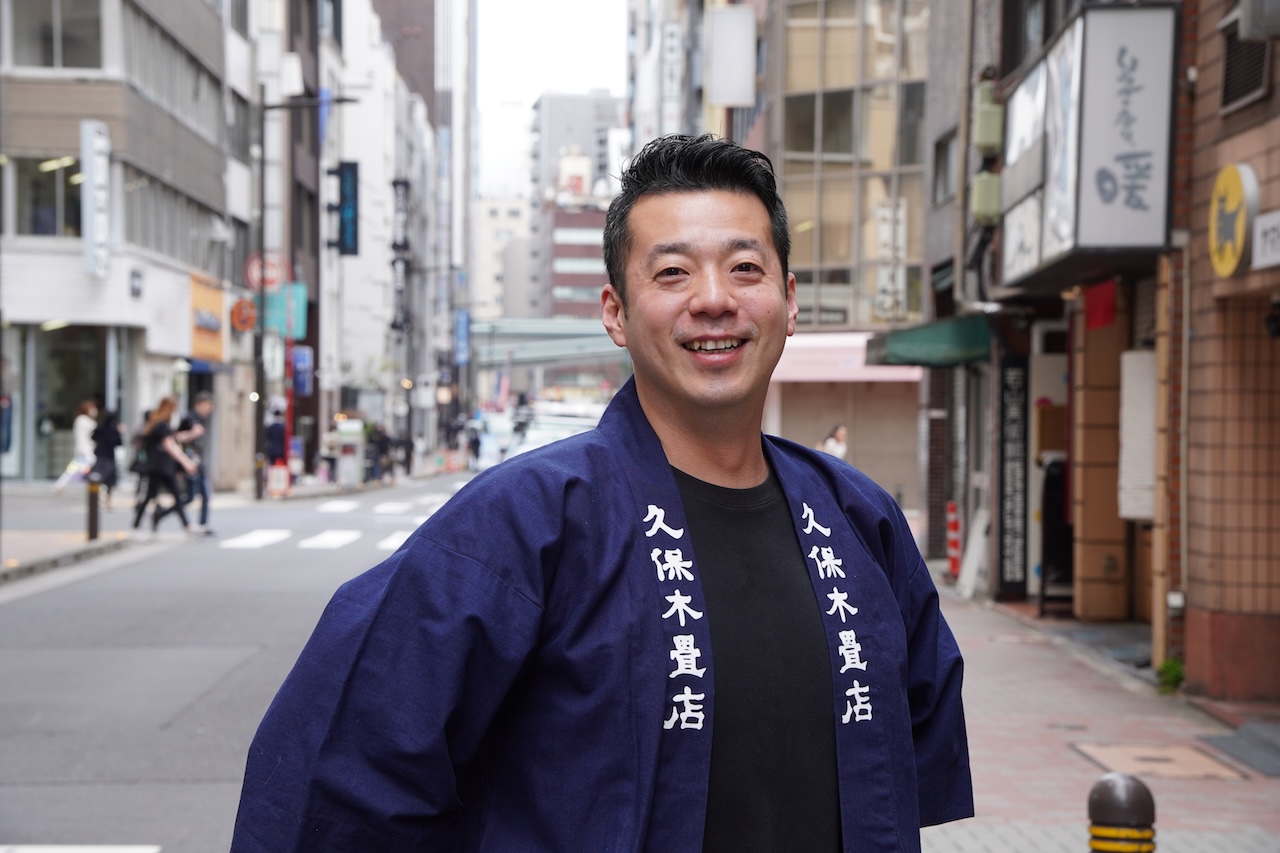
Fumio Kuboki inherited a dying craft in Fukushima. He found its future by first admitting he’d never understood it.
Fumio Kuboki makes tatami: the woven grass mats that once floored almost every home in Japan, in Sukagawa, Fukushima. Today he exports them to thirty countries and talks openly about a dream to carry tatami around the world. It is an unlikely thing for him to be doing, because for most of his life he wanted nothing to do with it. He grew up in a house full of tatami and longed for wooden floors; he left for Tokyo and chose an apartment without a single mat. He came back to the family trade only when he learned how close it was to vanishing, and stayed once he finally understood what he had been standing on all along.
An Old, Musty House
Q: What was tatami to you, growing up?
Kuboki: It was the family business. My father did tatami his whole life, so I grew up right next to it.
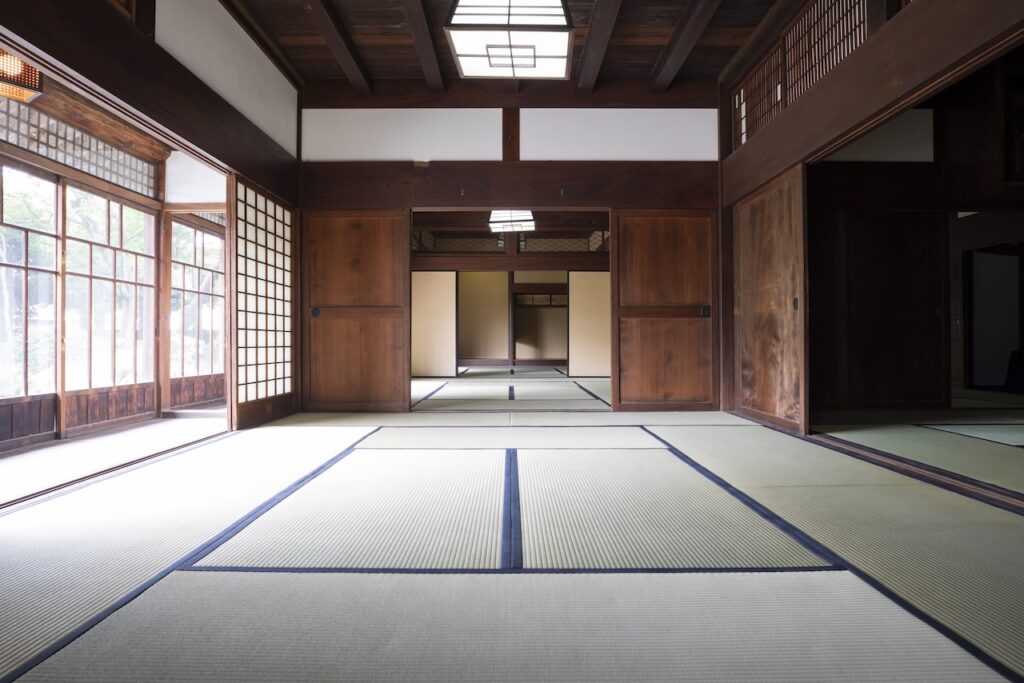
But because of that, our house was all Japanese rooms, all tatami, and I actually longed for wooden floors. I didn’t have a positive image of it. If anything, it felt like an old, musty house.
Q: So you didn’t like it.
Kuboki: Not really, no. When I came to Tokyo for university, I chose a place with wooden floors. I didn’t want a tatami room.
Coming Back to a Fading Craft
Q: You didn’t plan to take over the business?
Kuboki: There was no expectation that I would. I did normal job-hunting and worked at an ordinary company, nothing to do with tatami.
Then my father told me how harsh the industry had become, and how much the family business was struggling. I thought it over, and I decided I wanted to do something about it. I made up my mind quickly.
Q: How bad was the situation?
Kuboki: On the demand side, tatami rooms have dropped by 80% over twenty years, and 95% over thirty. Washitsu: Japanese-style rooms, are basically disappearing.
We kept the business going, but it ran at a loss. There was no work, and even though we employed people, paying their wages was hard, for years. And there was no clear path forward. Not knowing what to do. That’s the state of this industry.
What Tatami Actually Is
Q: What is tatami, exactly?
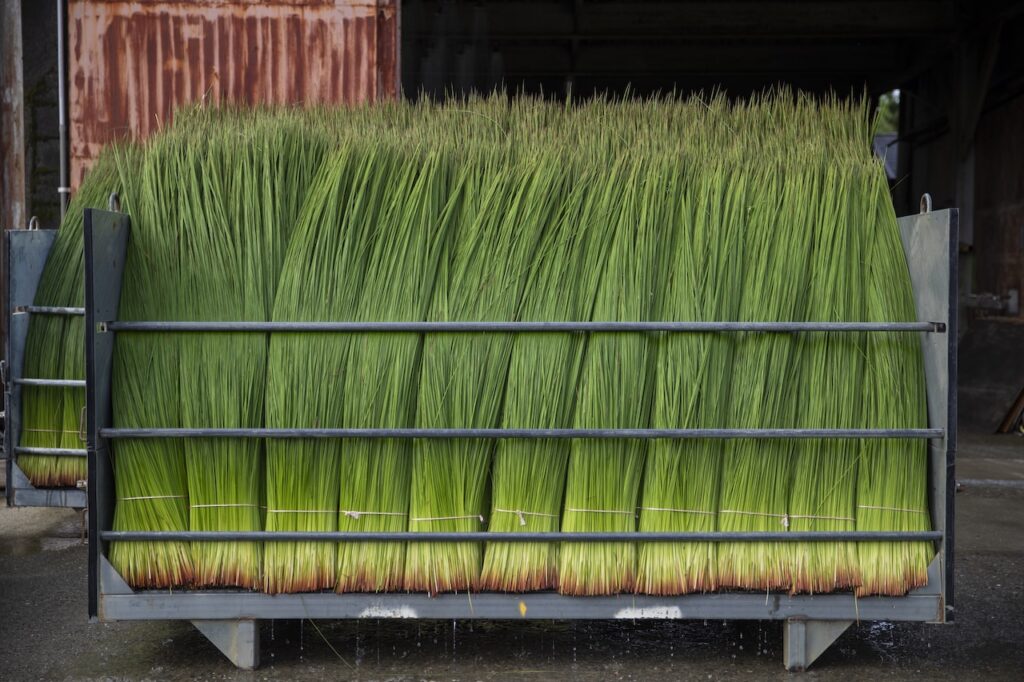
Kuboki: It’s a mat woven from a grass called igusa: rush.
Q: Why has it mattered so much in Japan?
Kuboki: I’ve thought a lot about what value it really has. One key point is that it’s made from natural grass. It has a scent, and that scent relaxes you. There are actual compounds behind it. Phytoncide, the same thing you get from a forest bath, and vanillin, the aromatic compound in vanilla. They deliver a sense of calm.
Think of a place like Ginza: concrete, buildings, an inorganic space. Living in it is fine; there’s a rhythm to it. But the settling-down you feel when you get home is different. Just as you might keep a houseplant indoors, tatami on the floor plays the role of the “off” in that on-and-off.
The Plastic Mistake
Q: You didn’t begin with natural igusa, though.
Kuboki: No. When I became a tatami maker I still disliked it, and I had to sell it somehow. I thought the igusa wasn’t good: it darkens, it isn’t pretty, and that clean, tidy plastic would make a better impression. You can do all kinds of colors. So I was selling plastic tatami and coasters.
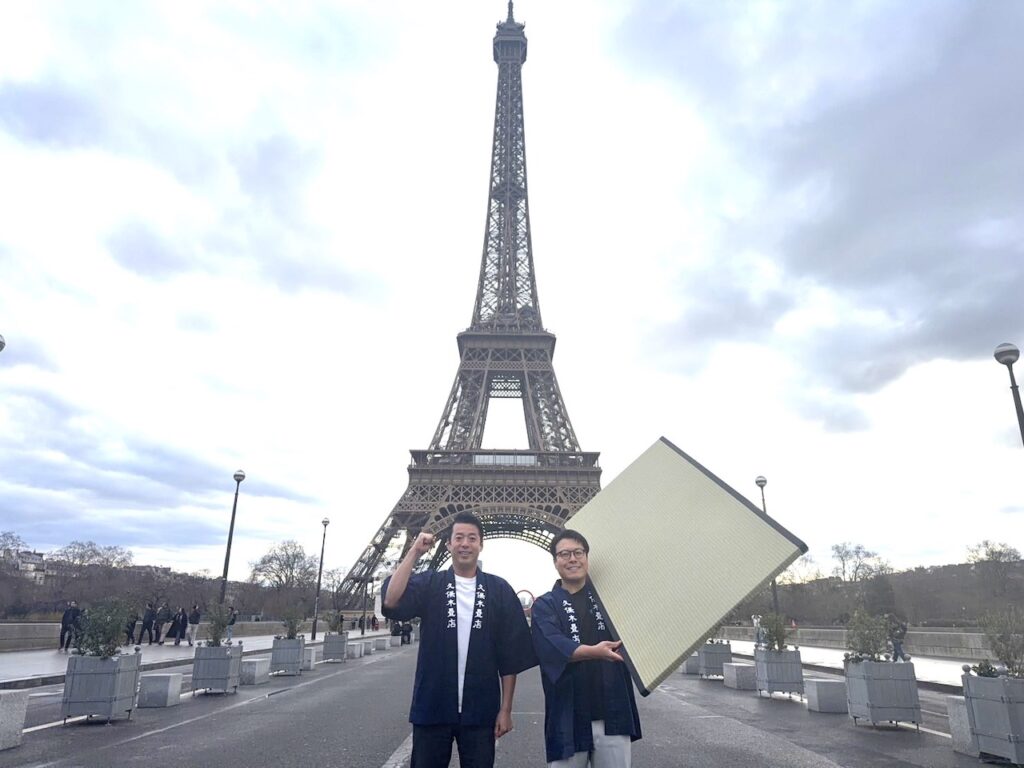
I made coasters and went to Paris to pitch them, to restaurants. And it was a total defeat. What they told me was: “Why are you selling this plastic toy? Isn’t tatami igusa? This isn’t tatami. It’s a fake.”
Q: That must have stung.
Kuboki: At the time it was a shock. The thing I’d believed was better had been rejected. But looking back, they were exactly right.
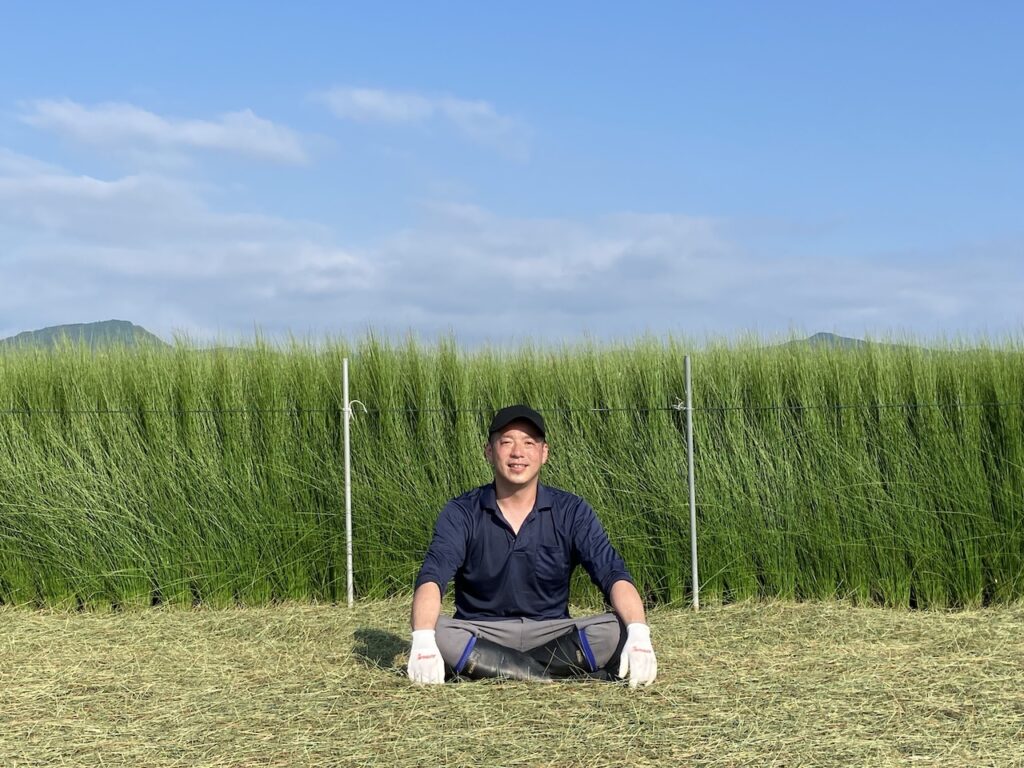
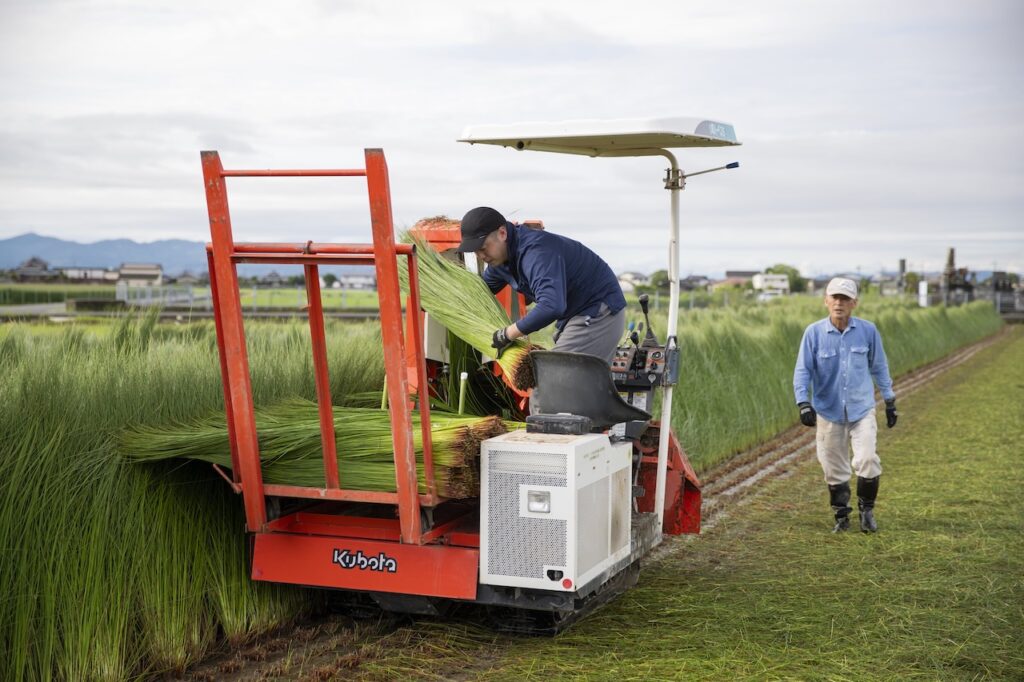
After that I started helping in the igusa paddies in Kumamoto, and there was this incredibly beautiful landscape spread out there. Something made from that is real tatami. It has a natural beauty. That’s when I began pouring my energy into igusa.
What the Igusa Farmers Taught Him
Q: What did you learn from the farmers?
Kuboki: Less any single comment than the work itself. I’d help in the paddies, and it’s genuinely brutal. We’d do it almost entirely in silence, heads down.
It was punishing, and that’s what stayed with me, that they struggle this much to grow igusa, every day, giving it water, fertilizer, sunlight, aiming for a mat that is beautiful and lasts. Learning that, through the labor rather than through words, was the turning point that changed my life.
Learning to Put Tatami Into Words
Q: You’ve said that tatami people couldn’t explain tatami.
Kuboki: When I first went to sell in New York, it was hopeless. They’d ask, “What’s good about tatami?” and I’d answer something like, “tatami is the heart of wa: of harmony.” And they’d go, “what is that?” It meant nothing.
That’s the reality. Tatami people don’t understand tatami; they can’t put it into words. You can’t sell something like that, and no culture or tradition survives that way.
Q: And now?
Kuboki: After going into the paddies to learn the material, standing on the ground, talking to people, I got to where I could say it: tatami delivers healing and a richer daily life, through its scent and its visual beauty. Good tatami even changes color beautifully as it ageskeinen-bika, we call it.
If you can’t get to saying that, you really can’t keep going. I feel that keenly.
Tatami Village and the Next Generation
Q: Why build a hands-on facility back in Fukushima?
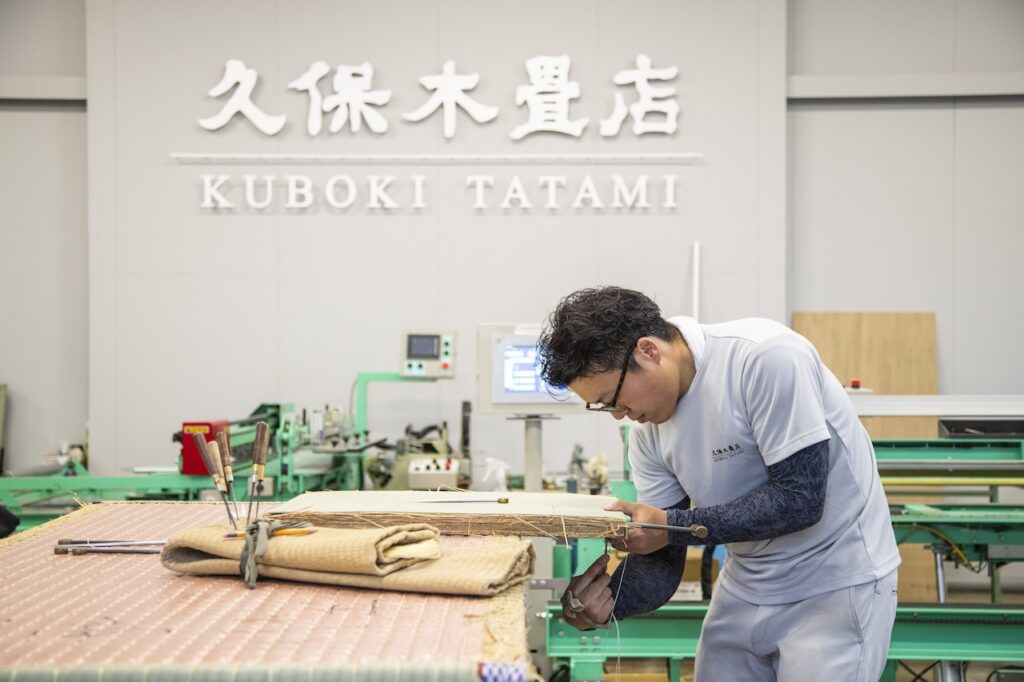
Kuboki: Our company philosophy is to preserve tatami for future generations. To do that, you can’t just sell things. You need experiences, so that children and everyone can rediscover Japanese culture. We renovated our factory in Fukushima and made Tatami Village, a hands-on tatami complex.
Q: Why does that rediscovery matter?
Kuboki: Honestly, I used to think it might be no problem even if tatami disappeared. But having lived abroad for five years, you feel Japan differently from the outside. Japan is a kind of black box, all sorts of things run on a logic you can’t quite make sense of.
I think that logic can only be passed on through the body, through felt experience, not verbalized and made scientific the way it is in the West. Traditional culture is one channel where it surfaces. So tatami can be a way for children to grow up as Japanese with that sense already in them.
Tatami for the World
Q: Who actually buys tatami abroad?
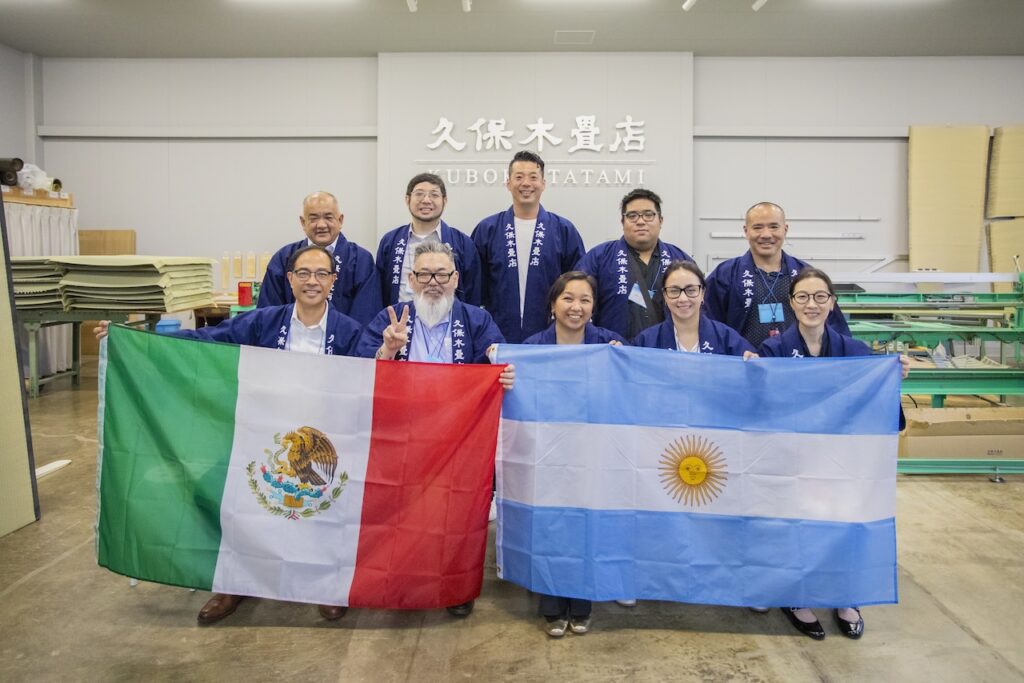
Kuboki: We export to thirty countries now. And the most common overseas customer is, surprisingly, Japanese people living abroad. The very first tatami we placed was for a Japanese person in Germany; there are many in America too. When I ask how they use it, they say they want to lounge around on itgorogoro: or sit at a kotatsu and eat mikan. It sounds funny, but that’s the truth of it. Tatami has value for exactly that kind of relaxation.
As for foreigners with no particular tie to Japan, what stands out is that they call it beautiful. Everyone uses that word. It surprised me, because I’d pictured the washitsu as run-down and musty. But we use the very best igusa, grown in Kumamoto, and it’s genuinely beautiful. People see it and react like, “something this beautiful exists?”
Q: What kind of tatami lands now?
Kuboki: A full washitsu is a big ask, so things you can own as a single accent, mini tatami, coasters, are seeing rising demand. Especially restaurants: sushi places, Japanese-cuisine restaurants, yakitori places. They choose it as one way to stage a Japanese atmosphere.
The Dream
Q: Why push overseas at all?
Kuboki: As the domestic pie keeps shrinking, I don’t want to compete with other tatami shops and fight over it. That’s not in my nature. I’d rather open up a new market no one else is in. And overseas, there’s a dream in it. For something that had only existed here to spread outward is a genuinely joyful thing.
Q: What is your dream now?
Kuboki: Doing tatami has brought all kinds of encounters, and challenges like going abroad. It’s become my reason for living. “Dream” is a good word, isn’t it. It becomes a driving force, and all sorts of possibilities open up.
“My dream is to spread the world of tatami.”
···
Want more stories from the people shaping life in Japan? Explore more interviews in our Humans of Japan series. And to see Kuboki’s tatami for yourself, visit Kuboki Tatami or the online shop.
Frequently Asked Questions
What is tatami made of?
Traditional tatami is a mat woven from igusa (rush grass). Kuboki uses premium igusa grown in Kumamoto.
Why is tatami said to be relaxing?
The natural grass gives off a scent, including phytoncide (associated with forest bathing) and vanillin, that Kuboki links to a sense of calm and to the “off” side of daily life.
Is tatami really disappearing in Japan?
Kuboki says tatami rooms have fallen by about 80% over twenty years and 95% over thirty, which is why he has turned toward experiences and overseas markets.
Who is Fumio Kuboki?
Fumio Kuboki is the tatami maker behind Kuboki Tatami in Sukagawa, Fukushima. He grew up next to his father’s tatami business, did not like tatami, and took a job at an ordinary company before coming back when he learned how much the family business was struggling. In this interview, published in July 2026, he says his company exports to thirty countries.
What is Tatami Village?
Tatami Village is a hands-on tatami complex in Fukushima, made by renovating the factory of Fumio Kuboki’s tatami company. Kuboki, who makes tatami in Sukagawa, Fukushima, says the company’s philosophy is to preserve tatami for future generations, and that selling products alone cannot do that. The complex was made so that children and everyone else can rediscover Japanese culture through experience.
Who buys tatami from Kuboki Tatami outside Japan?
Japanese people living abroad are the most common overseas customers of Kuboki Tatami, according to tatami maker Fumio Kuboki. He says there are many in America, and that they tell him they want to lounge around on the tatami. He adds that demand is rising for single accent pieces such as mini tatami and coasters, especially from sushi, Japanese-cuisine and yakitori restaurants.
Why does Fumio Kuboki focus on natural igusa?
Fumio Kuboki says he began pouring his energy into natural igusa (rush grass) after restaurants in Paris rejected his plastic coasters. They called the product a fake and asked whether tatami was not igusa. He then started helping in the igusa paddies of Kumamoto. He once thought igusa was not good because it darkens. He now says good tatami changes color beautifully as it ages, and calls this keinen-bika.
Share