
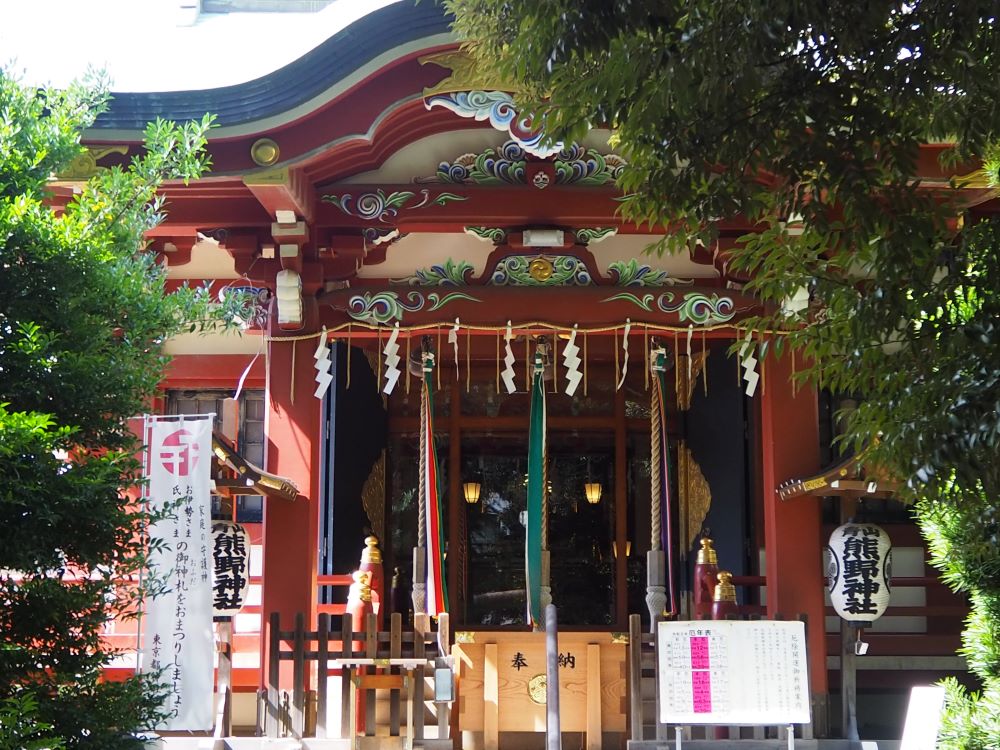
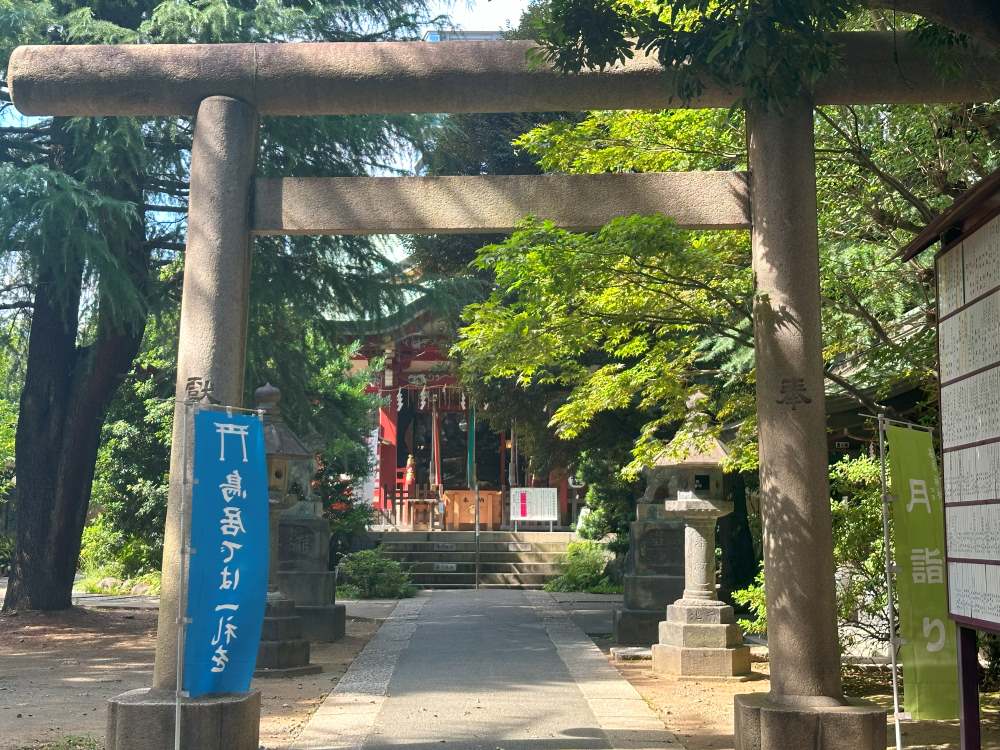
Aoyama Kumano Shrine (Aoyama Kumano Jinja) is a small Shinto shrine in Jingumae, Shibuya Ward, Tokyo, a 5-minute walk from Gaienmae Station on the Tokyo Metro Ginza Line. The shrine dates from 1619 and has stood on its present site since 1644, where it serves as the guardian shrine of the Aoyama area. Three of its four deities are linked with tree planting and forestry.
| Name in Japanese | 青山熊野神社 (Aoyama Kumano Jinja) |
|---|---|
| Location | 2-2-22 Jingumae, Shibuya-ku, Tokyo 150-0001 |
| Nearest station | Gaienmae Station (Tokyo Metro Ginza Line), 5 minutes on foot |
| Founded | 1619 (Genna 5). Moved to the current site in 1644 (Shoho 1) |
| Known for | Deities of tree planting and forests, revered by people in building and construction |
| Annual festival day | September 21 |
| Phone | 03-3408-0065 |
Checked in October 2026 against tokyo-jinjacho.or.jp.
As you walk through the bustling streets of Aoyama, one of Japan’s major urban districts, you might suddenly come across a small, yet cultural Shinto shrine. This hidden gem offers a serene escape from the city’s hustle and provides a unique opportunity to experience traditional Japanese culture right in the heart of the metropolis. Aoyama Kumano Shrine may be modest in size, but it stands as a good example of “Old Meets New,” blending historical significance with the modern surroundings. If you find yourself in Aoyama, a visit to this shrine is a nice detour.
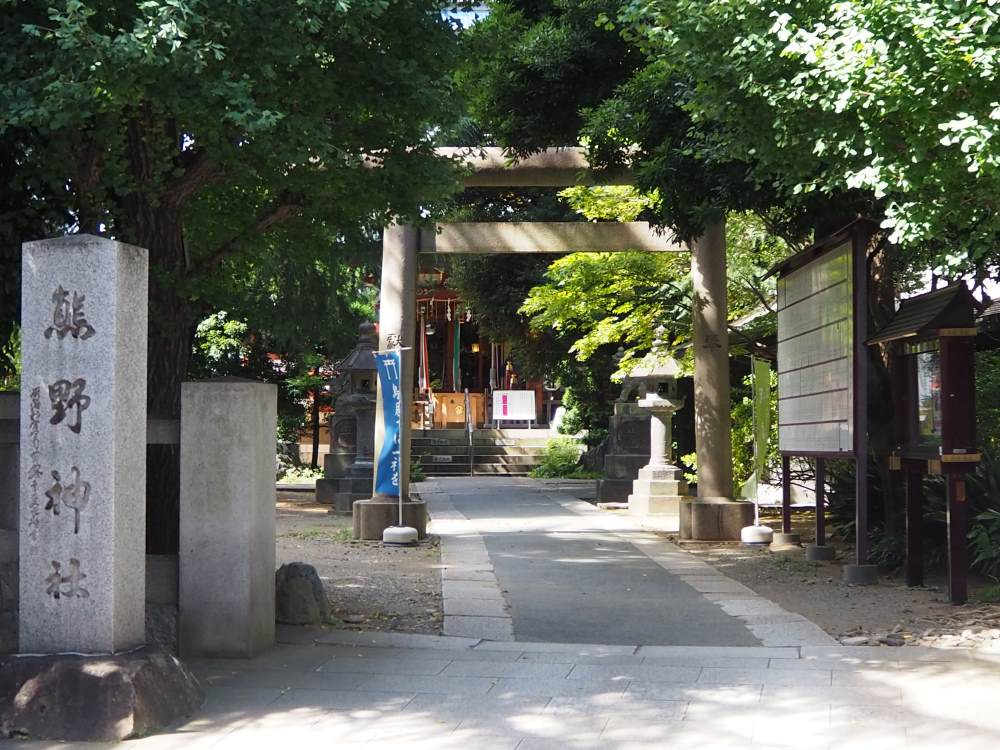
A Brief History of Aoyama Kumano Jinja
The shrine was originally founded by Tokugawa Yorinobu, the first lord of the Kishu domain (part of modern-day Wakayama Prefecture), in 1619. It was initially located within the Tokugawa family’s residence in Edo (modern-day Tokyo). In 1644, it was relocated to its current site in Aoyama at the request of local townspeople. Since then, Aoyama Kumano Shrine has served as the guardian shrine of the Aoyama area and has been closely associated with the Tokugawa family.
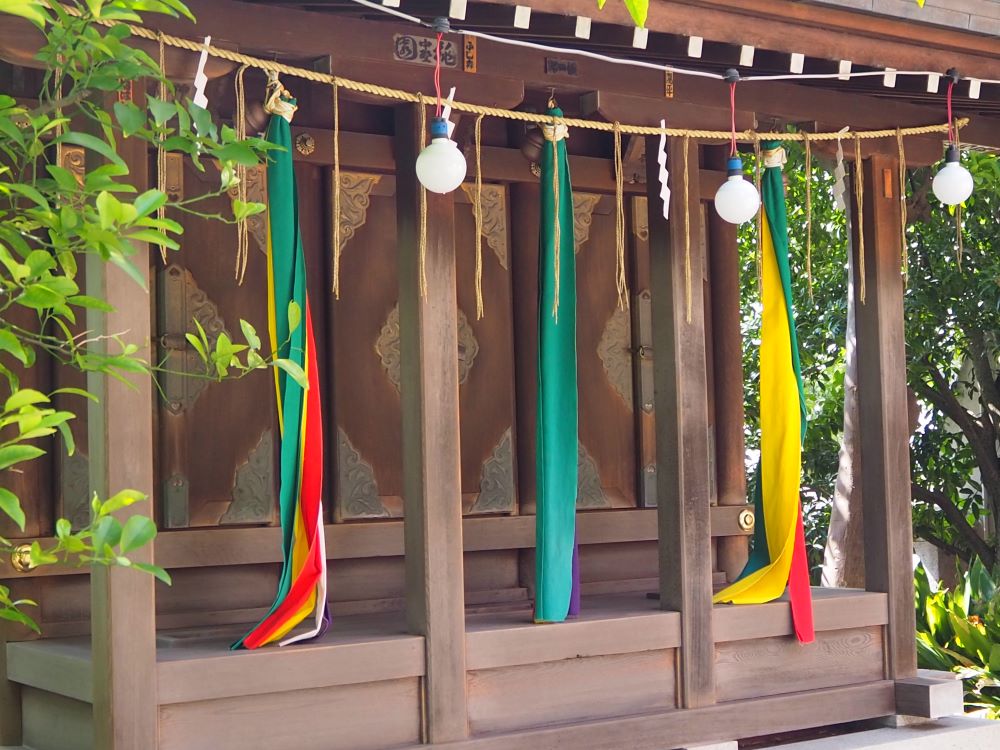
Deities Enshrined
The following deities are enshrined here. It is generally believed that by offering your prayers, you may receive blessings related to these deities.
Izanami-no-Mikoto: A goddess from Japanese mythology who, together with her partner Izanagi, created the Japanese islands and gave birth to many gods and goddesses. She is a highly significant deity in Japanese history.
Itakeru-no-Mikoto: A deity associated with forestry and wood, symbolizing the shrine’s deep connection to nature and the environment.
Ooyatsuhime-no-Mikoto: A goddess who, along with her siblings, helped plant trees across Japan, playing a key role in making the land green and fertile.
Tsumatsuhime-no-Mikoto: A goddess who also contributed to planting trees, emphasizing the importance of forestry and the natural world in Japanese culture.
What you can see
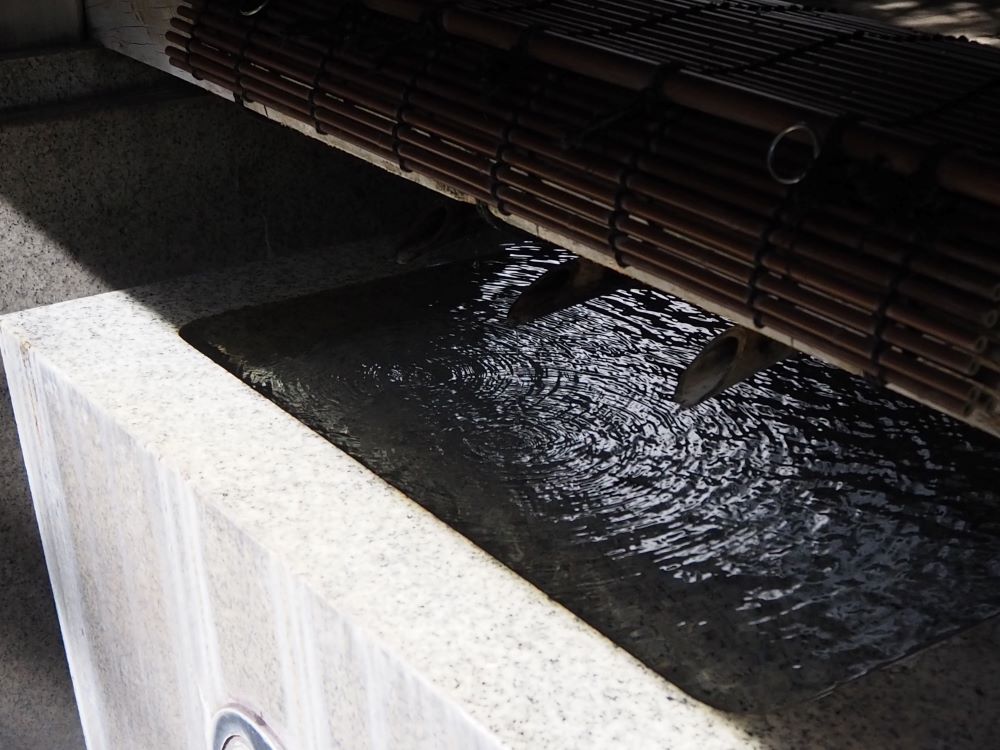
You can purify yourself at the temizuya (water purification basin) before entering the shrine.
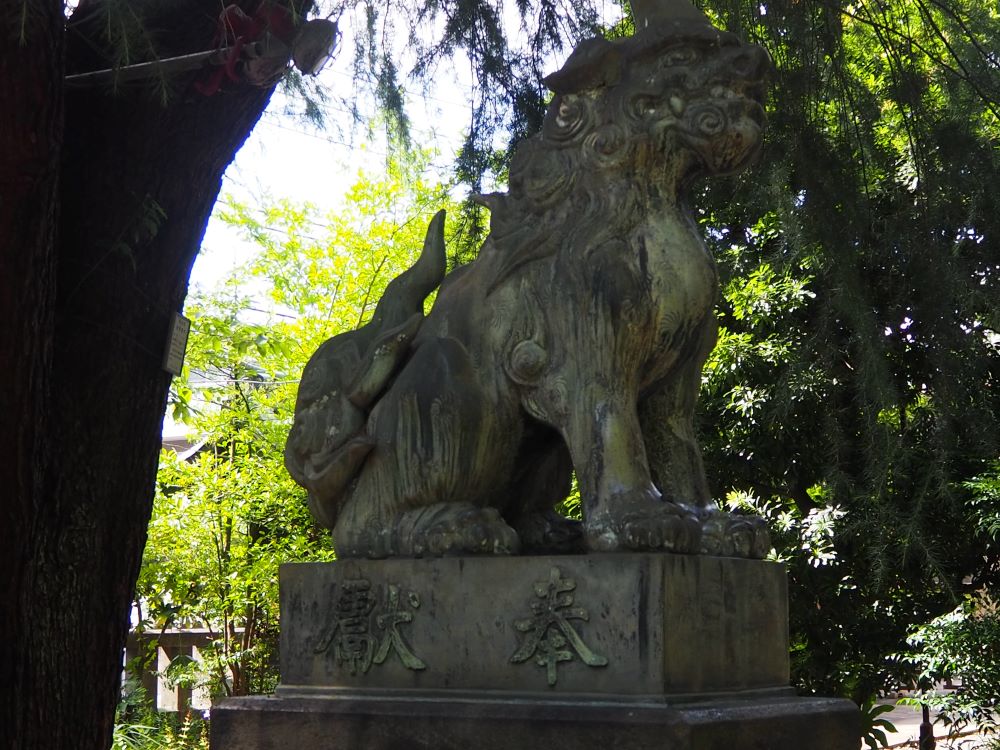
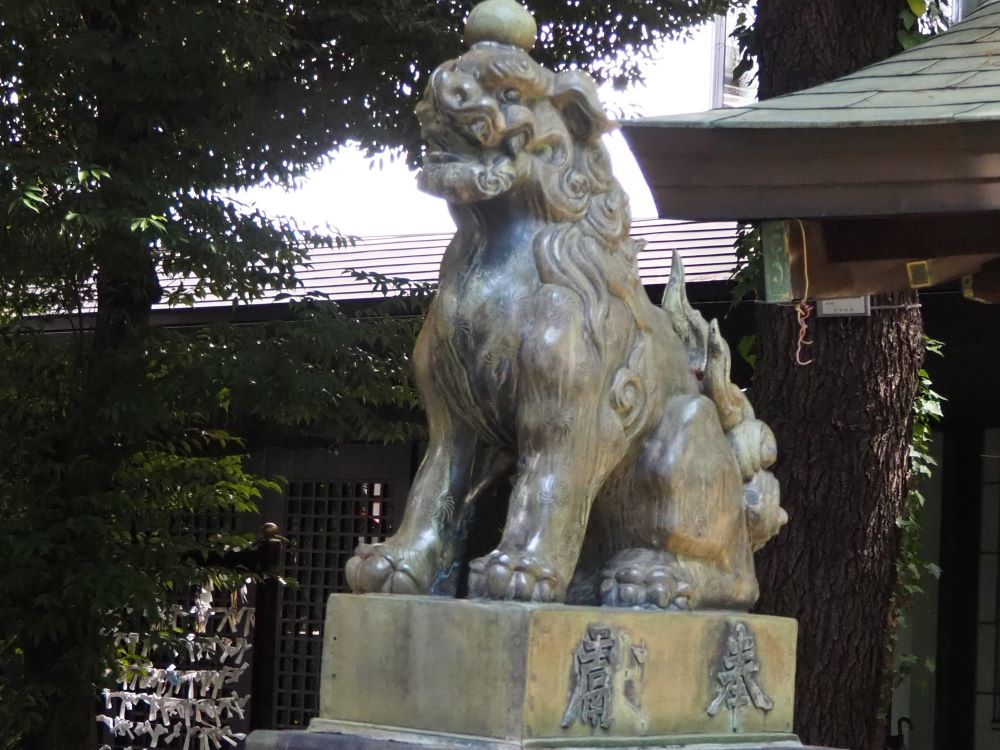
There are two statues called komainu (guardian lion-dogs) in front of the building. These mythical creatures are believed to protect the shrine from evil spirits.
ACCESS
The nearest station: Gaienmae Station on the Tokyo Metro Ginza Line.
The shrine is just a 5-minute walk from the station.
Planning a shrine visit? If you’re unsure how to bow, clap, or make an offering once you’re at the shrine, read our step-by-step guide on how to pray at a Japanese shrine, explained by a Shinto priest at Yushima Tenjin in Tokyo.
Frequently Asked Questions
What is Aoyama Kumano Shrine known for?
Aoyama Kumano Shrine is known for its deities of tree planting and forests. The Tokyo Shrine Association notes that people who work in building and construction hold the shrine in particular reverence. Three of its four deities are linked with planting trees and forestry, and the shrine is also the guardian shrine of the Aoyama area.
When is the annual festival at Aoyama Kumano Shrine?
The annual festival day of Aoyama Kumano Shrine is September 21, according to the shrine’s listing with the Tokyo Shrine Association. The listing gives the date only and no event schedule. Visitors who plan a trip around the festival can confirm the details with the shrine by phone at 03-3408-0065.
Is Aoyama Kumano Shrine the same as the Kumano Shrine in Shinjuku?
No. Aoyama Kumano Shrine and the Kumano Shrine in Shinjuku are separate shrines. Aoyama Kumano Shrine stands at 2-2-22 Jingumae in Shibuya Ward, a 5-minute walk from Gaienmae Station. The Shinjuku shrine, known as Juniso Kumano Shrine, stands at Shinjuku Chuo Park, at 2-11-2 Nishi-Shinjuku in Shinjuku Ward, a 4-minute walk from Tochomae Station on the Toei Oedo Line.
Share