
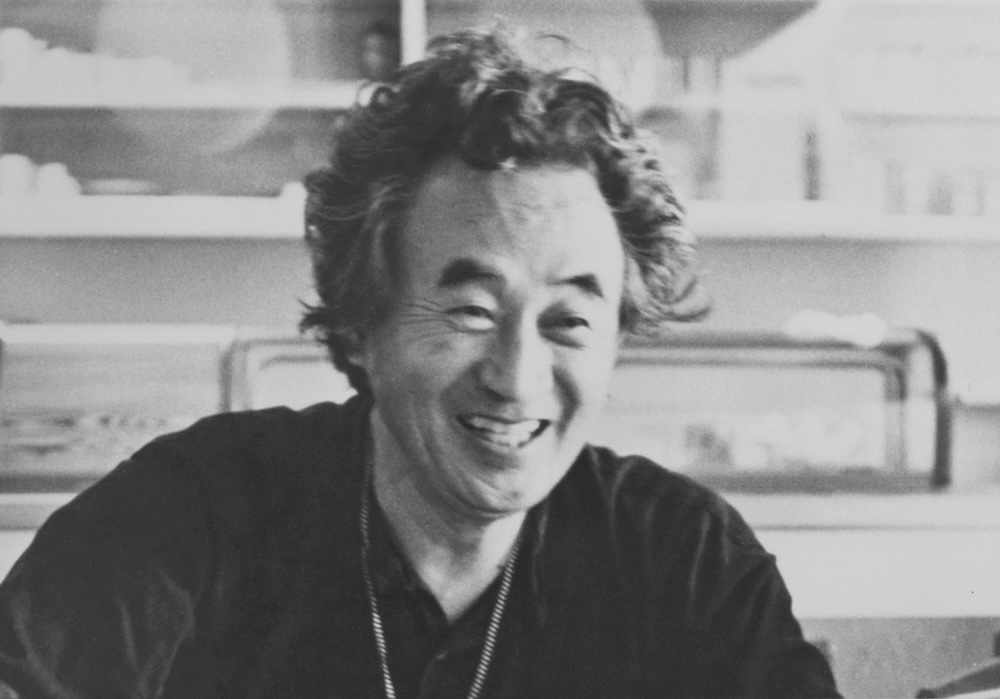
Sori Yanagi (1915 to 2011) is the Japanese industrial designer who created the Butterfly Stool and shaped furniture, tableware and kitchen tools by making models by hand. Born in Tokyo, the eldest son of Mingei movement founder Soetsu Yanagi, he opened his own design office in 1950 and directed the Japan Folk Crafts Museum from 1977 to 2006. The Museum of Modern Art in New York selected the Butterfly Stool for its permanent collection in 1958.
| Born | June 29, 1915, in Harajuku, Tokyo |
|---|---|
| Died | December 25, 2011, aged 96 |
| Father | Soetsu Yanagi, founder of the Mingei movement |
| Design office | Yanagi Design Office, founded in 1950 as the Yanagi Industrial Design Institute |
| Museum role | Director of the Japan Folk Crafts Museum, 1977 to 2006 |
| Known for | Butterfly Stool (Tendo Mokko), stainless steel kettle and cutlery (Sato Shoji) |
| Official site | yanagi-design.or.jp |
Checked in October 2026 against yanagi-design.or.jp.
What if the simple, everyday objects you use, the cutlery in your drawer, the pot on your stove, the chair you sit in, could bring you a small moment of quiet satisfaction?
Sori Yanagi dedicated his life to this very idea. As one of Japan’s most celebrated industrial designers, his career successfully merged the nation’s Mingei (folk craft) tradition with the clean lines of Western modernism. He was the designer of enduring classics, from the monumental Olympic Cauldron for the 1972 Sapporo Winter Games to the humble, perfectly balanced cutlery used in homes globally.
Decades after their creation, his designs are not relics of the past. They are actively used and loved, feeling just as relevant today as they did when they were first conceived.
The secret to this timeless, universal appeal lies not in a fleeting trend, but in his unique, hands-on philosophy.
“Thinking with the Hands”
Sori Yanagi’s approach was deeply influenced by his father, Soetsu Yanagi, the founder of the Mingei movement. Mingei champions the idea of “yo-no-bi,” or the beauty found in practical, everyday objects made by nameless artisans. Sori believed that true beauty was not found in ornate decoration, but in functionality and honest form.
His design process was unconventional. He didn’t start with sketches on paper. Instead, he worked directly with materials like plaster, shaping and refining models with his own hands. He would create countless prototypes, sometimes taking over a year for a single product, testing each one, feeling its weight, its curve, its balance, until his hands told him it was right.
“When you use your hands to make something, a natural form is born. Designs conceived only in the mind can often feel unnatural.”
He truly “thought with his hands.” To create a single spoon, he would endlessly pursue the perfect weight for balance, the ideal curve for scooping, and the most comfortable shape for the mouth. This is the kind of human-centric beauty that a computer algorithm could never replicate.
Objects That Reveal Their Worth Through Use
Sori Yanagi’s designs are not meant to be admired from afar. Their true value is unlocked through daily use.
The Stainless Steel Series (Kettle, Bowls, Tongs)
Yanagi’s kitchenware is a masterclass in refining everyday tools. His design for the stainless steel kettle, for example, is now a beloved staple in design-conscious kitchens worldwide.
It is celebrated not for being the first, but for its perfection of the form. The wide base allows water to boil quickly. The ergonomic handle fits snugly in the hand, providing excellent balance and control even when full. The perfectly calculated spout allows water to pour straight down with precision, making it a favorite for pour-over coffee enthusiasts.
His mixing bowls and kitchen tongs are designed with the same care. They are not just durable and easy to clean; they are shaped to make the physical acts of cooking, stirring, tossing, gripping, feel effortless and intuitive.
The Butterfly Stool
Perhaps his most internationally recognized work, the Butterfly Stool (1956) is a marvel of simplicity. Made from just two pieces of moulded plywood joined by a single metal rod, it blends Japanese aesthetics, like the shape of a Shinto shrine’s torii gate: with modern manufacturing techniques. It is both a beautiful sculpture and a functional piece of furniture.
Why Do Sori Yanagi’s Designs Never Feel Dated?
Trends come and go. Yet, Sori Yanagi’s work remains untouched by the passage of time. This is because his goal was never to be fashionable. He pursued universality.
By observing human life and focusing on the fundamental relationship between a person and their tools, he created forms that speak to a basic, shared experience. Because they were born from the hands, for the hands, they transcend time and culture to become a global standard of good design.
Bring Authentic Design Into Your Life
A Sori Yanagi object is more than just a product. It is a quiet companion in your daily life, designed to make small moments more pleasant and tasks more seamless. It is a testament to an honest, thoughtful approach to making things.
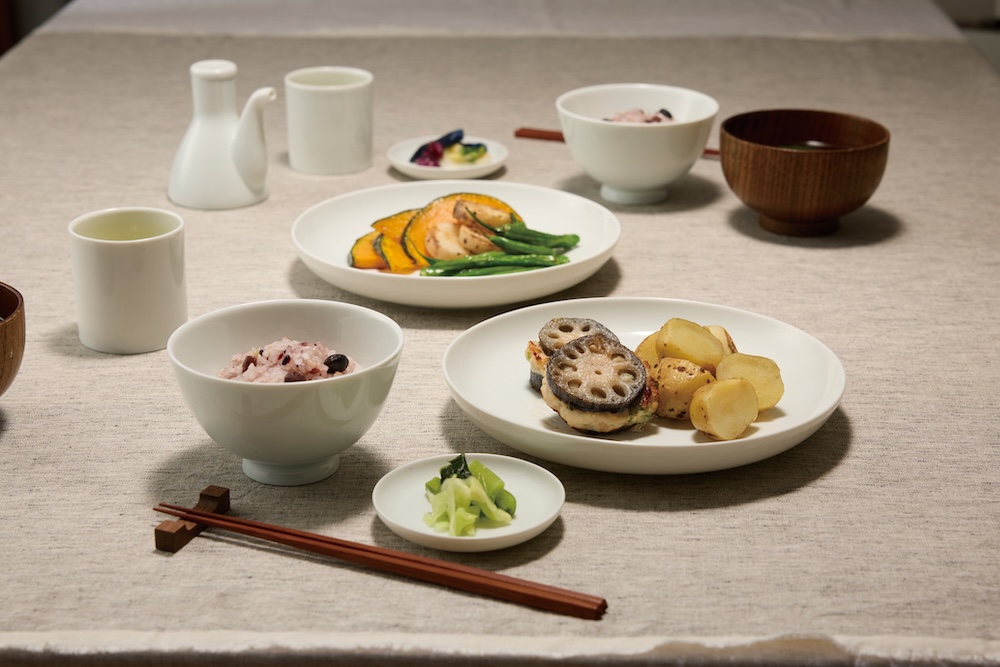
At Japan Documented, we celebrate this philosophy by offering a curated selection of Sori Yanagi’s authentic, high-quality products.
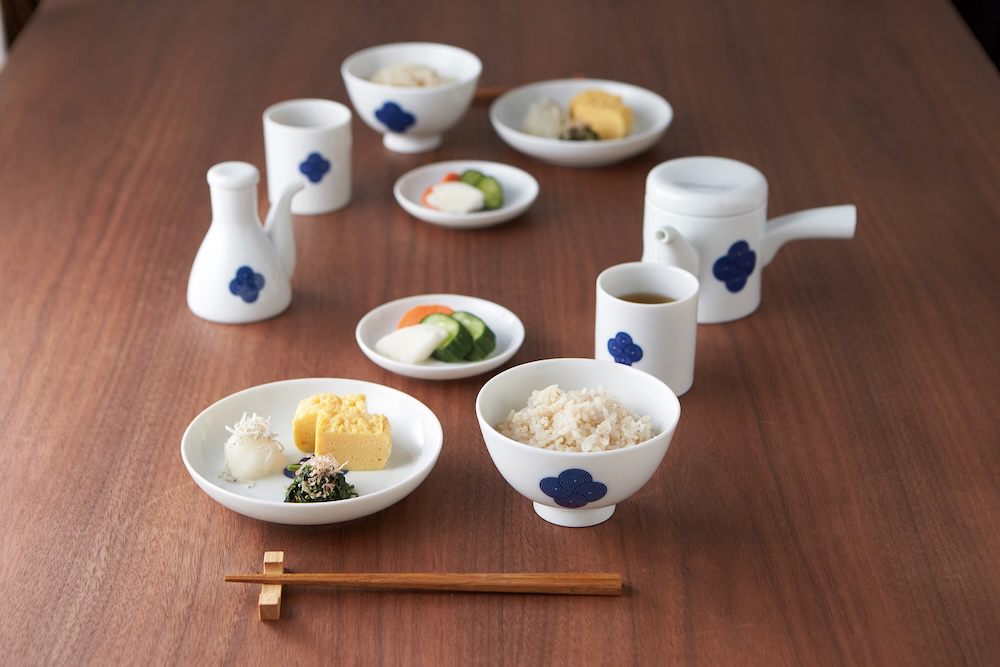
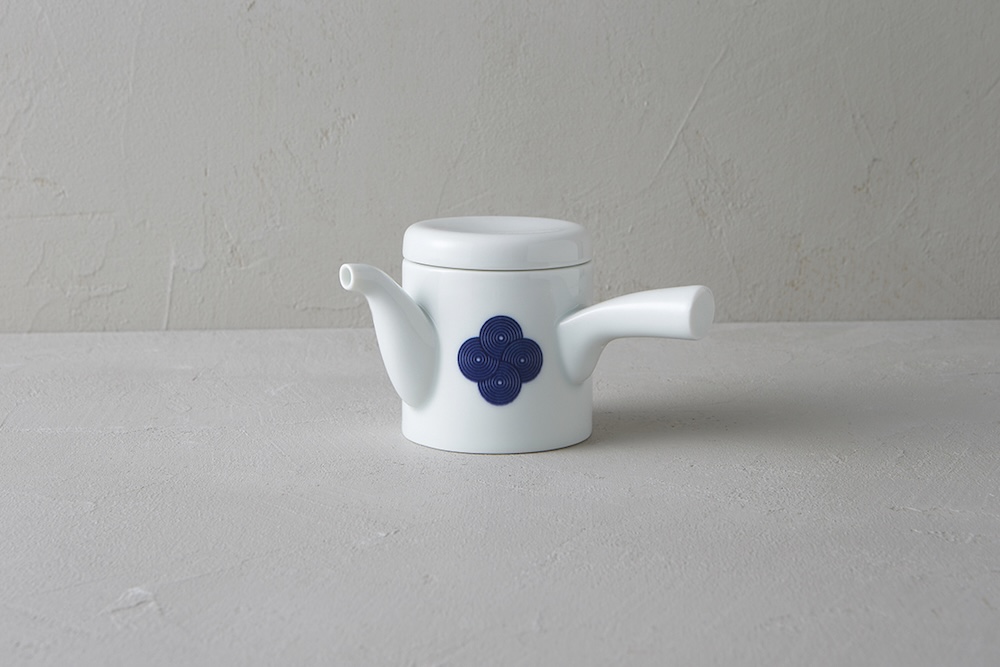
From his porcelain teapots and teacups to his rice bowls and plates, we invite you to experience the enduring “beauty in use” for yourself. We are certain you will find a timeless piece of Japanese craftsmanship to cherish for a lifetime.
→ Explore the Sori Yanagi Collection here.
Frequently Asked Questions
What is Sori Yanagi best known for?
Sori Yanagi is best known for the Butterfly Stool, built from two moulded plywood shells, and for stainless steel kitchenware such as his kettle and cutlery. The stainless steel kettle dates from 1994 and the No. 1250 cutlery series from 1974.
How is Sori Yanagi connected to the Mingei movement?
Sori Yanagi was the eldest son of Soetsu Yanagi, who founded the Mingei (folk craft) movement and opened the Japan Folk Crafts Museum in Tokyo in 1936. Sori Yanagi became the museum’s third director in 1977, after his father and the potter Shoji Hamada. Yanagi Design Office says he found common ground between design and Mingei in sturdy items that ordinary people could use comfortably.
What furniture did Sori Yanagi design?
Sori Yanagi designed the Butterfly Stool, the Elephant Stool, the Shell Chair series and a bentwood mirror, all still in production. Tendo Mokko makes the Butterfly Stool and the Shell Chair in Yamagata. Vitra has produced the Elephant Stool in polypropylene since 2004, and Akita Mokko makes the bentwood mirror, a design from 1975.
Which Sori Yanagi kitchenware and tableware products are still made today?
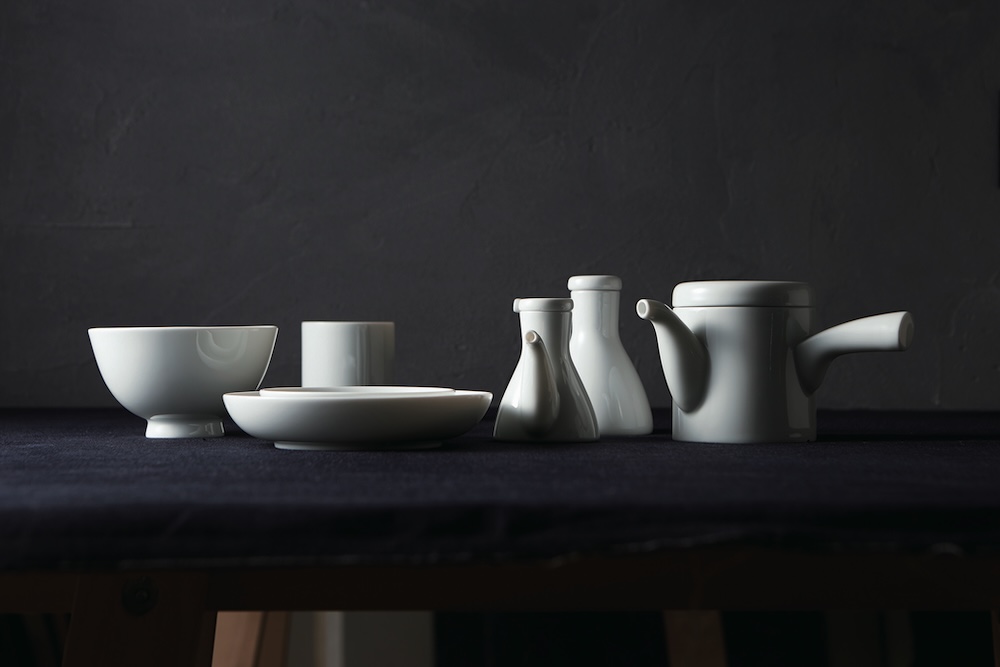
Sori Yanagi kitchenware and tableware still in production include the stainless steel cutlery, kettle and kitchen tools from Sato Shoji, made in Niigata. The porcelain Sometsuke Japanese Tableware Series, first produced in 1975 as his first tableware designed for Japanese cuisine, was reissued in 2022 by Miyama and is made in Mizunami, Gifu.
Share