
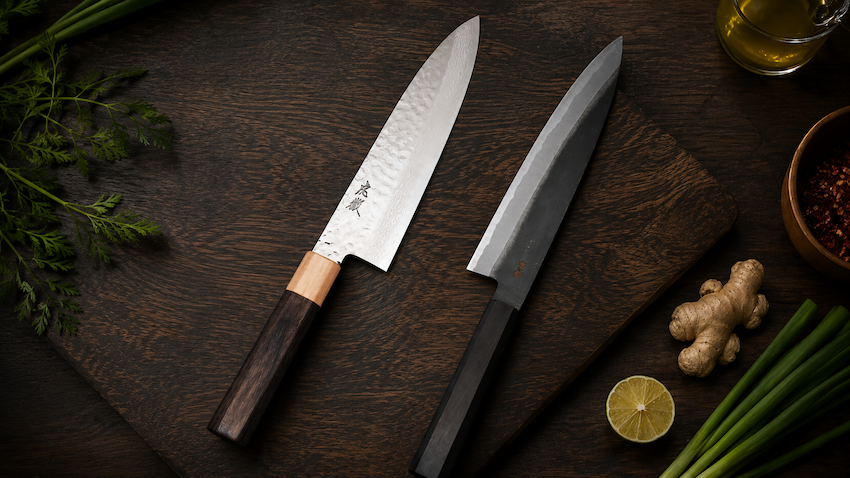
A good kitchen knife changes the way you cook.
Not in a dramatic way. More quietly. Vegetables become easier to prepare. Meat slices more cleanly. A simple dinner feels less like a task and more like a small ritual.
That is the appeal of a well-made Japanese kitchen knife. And among Japan’s great blade-making regions, Seki City in Gifu Prefecture holds a special place.
Seki’s blade-making history is said to go back to the Kamakura period, when the swordsmith Motoshige settled in the area and taught sword-making. Later, famous smiths such as Magoroku Kanemoto and Kanesada emerged, and the Mino-den tradition became one of Japan’s five great sword-making traditions.
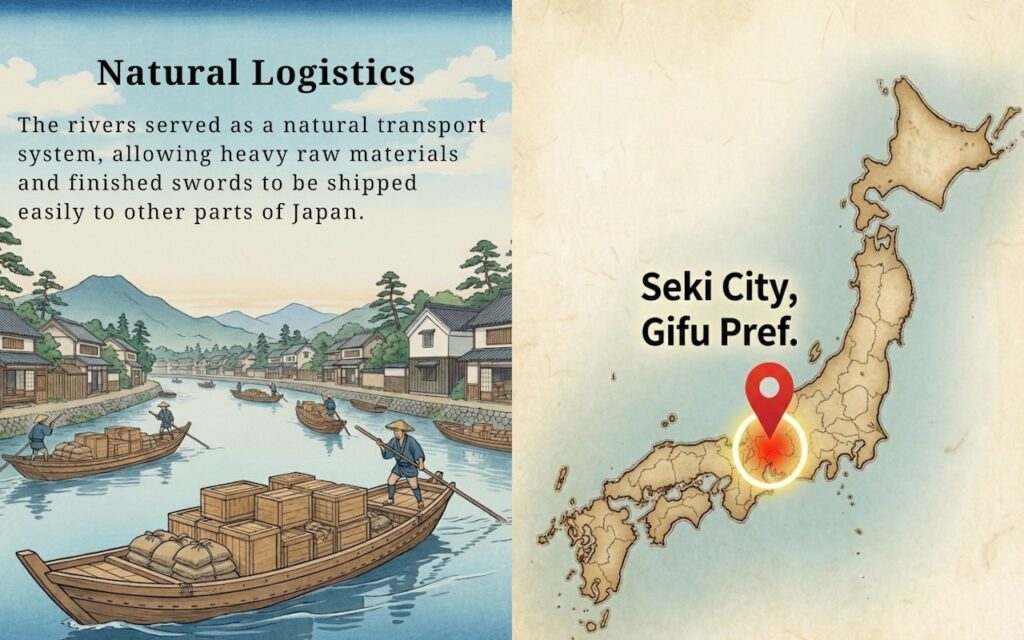
Over time, the same culture of blade-making moved from swords into everyday tools: small knives, kitchen knives, scissors, and other cutting instruments.
Today, Seki is counted alongside Solingen in Germany and Sheffield in England as one of the world’s three great blade cities, sometimes called the “3S.”
For home cooks and knife enthusiasts, this matters because Seki knives sit in a rare position. They carry serious Japanese blade heritage, but many are still practical enough for daily use.
New to Japanese knives?
Start with a Seki santoku if you want one premium knife for everyday cooking.
What Are Seki Knives?
Seki knives are kitchen knives and cutting tools associated with Seki City in Gifu Prefecture, one of Japan’s most important blade-making regions.
The phrase “Seki knife” does not refer to only one brand. It refers to a wider regional ecosystem of makers, factories, workshops, and blade specialists. Seki is home to many knife-related businesses and makers, and its reputation comes from this concentration of blade-making skill.
There is also a formal regional identity behind the name. “Seki no Hamono” was registered as a regional collective trademark in 2008.
That means Seki is not simply using history as a marketing story. It is a region with a recognized blade-making identity, a long production tradition, and a modern industry that still produces kitchen knives at many levels, from accessible mass-produced knives to high-end hand-forged pieces.
Seki Is a Region, Not Just a Brand
If you have searched for Japanese knives before, you may have seen names such as Seki Magoroku, MIYABI, Misono, KASUMI, Yaxell, or Seki Kotetsu.
These are not all the same company. They are examples of how broad the Seki knife world is. Some are large brands. Some are professional-use names. Some focus on specific steel types, finishes, or handle designs.
Why Seki Became Japan’s Blade Capital
Seki’s reputation begins with sword-making.
The city’s blade-making history is traced to the Kamakura period, when the swordsmith Motoshige settled in the area and taught sword-making.
During the Nanboku-chō and Muromachi periods, major swordsmiths such as Magoroku Kanemoto and Kanesada emerged from the region. Seki also became closely connected with the Mino-den tradition, one of Japan’s five great sword-making traditions.
Mino-den blades became known for a simple but powerful idea: they were said to not break, not bend, and cut well.
That phrase still explains much of the appeal of Seki knives today. Buyers are not only looking for beauty. They want confidence. A knife should feel sharp, reliable, and made for real use.
From Samurai Swords to Kitchen Knives
Seki’s story did not end with swords.
During the Edo period, as demand for swords declined, smiths began producing smaller blades, kitchen knives, scissors, and other everyday cutting tools.
This is one of the most important points for modern buyers to understand.
The value of Seki is not only that it once made swords. The value is that sword-making knowledge was transferred into practical tools for daily life.
A kitchen knife from Seki is not a sword. It should not be treated like one. But the culture behind it, sharpness, edge quality, division of labor, respect for materials, and pride in cutting performance, comes from a much older blade-making world.
Why Seki Knives Are Trusted Worldwide
Seki is often introduced as one of the world’s three great blade cities, together with Solingen and Sheffield.
That comparison matters because it places Seki in a global context. Solingen is widely associated with German blades. Sheffield is historically known for British steel and cutlery. Seki holds a similar position for Japan.
Gifu Prefecture, where Seki is located, also has the largest share of Japan’s domestic kitchen-knife production. Available figures show Gifu holding around 55 to 58% of Japan’s domestic kitchen-knife or household-blade shipment share, depending on the year and category.
This scale does not mean every Seki knife is automatically excellent. It does mean that Seki has a deep, specialized manufacturing base.
A Blade-Making Ecosystem, Not Just Individual Craftsmen
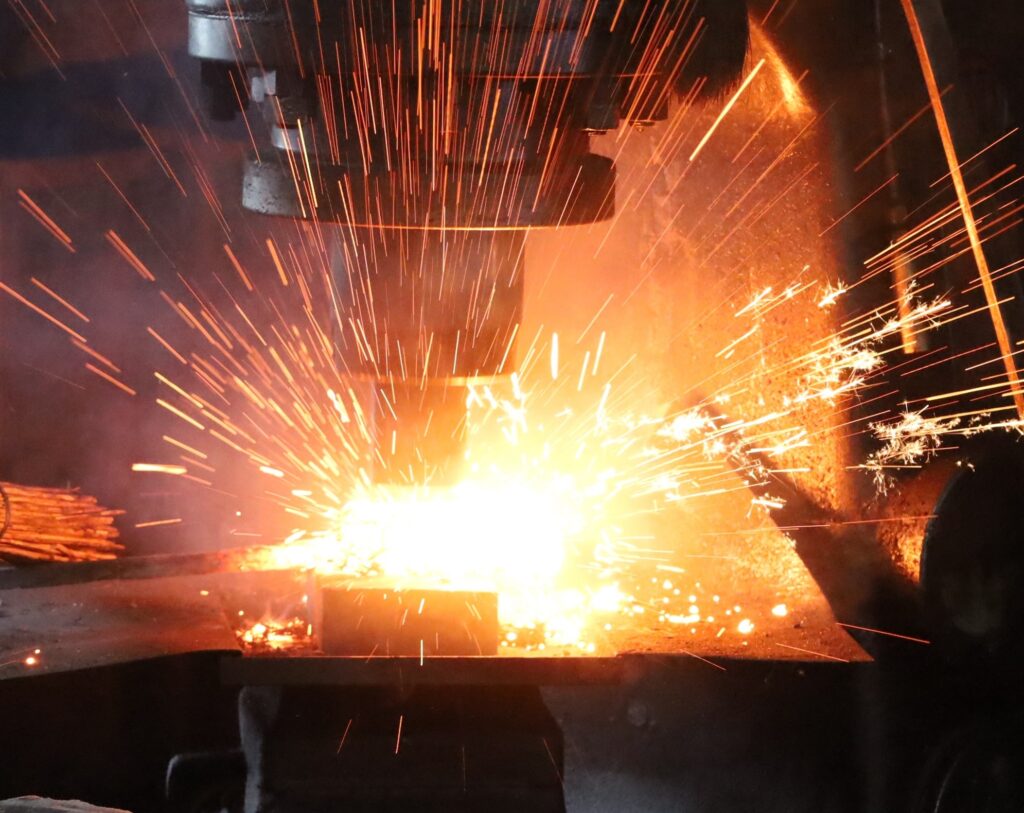
Seki’s strength is not only individual master craftsmen. It is the ecosystem around them.
The city has roughly 400 blade-related businesses and around 100 makers, sustaining a specialized production network.
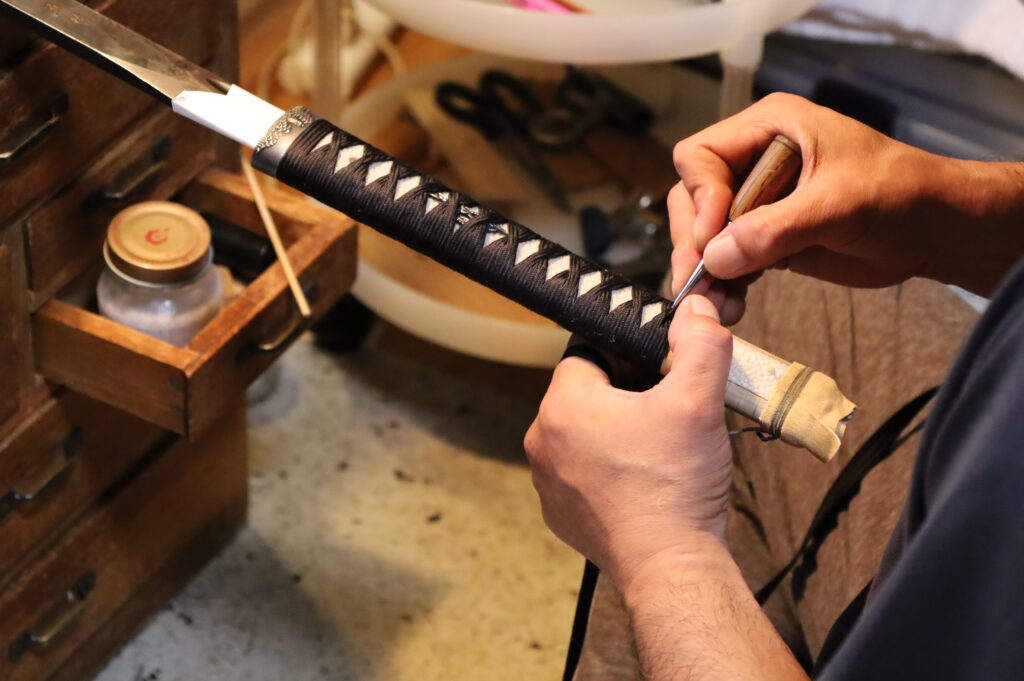
This matters because Japanese sword-making historically involved a division of labor. Different specialists handled different parts of the process, such as polishing, scabbard-making, and metal fittings. Seki’s modern blade industry inherited a similar culture of specialization.
For buyers, this helps explain why Seki can produce knives that are both refined and practical. The region has the industrial depth to make high-quality blades consistently, while still preserving specialist knowledge.
From Price Competition to Quality
Seki’s modern export strategy also evolved over time.
After the Plaza Accord in 1985, Seki faced stronger price competition from China. Instead of relying only on lower prices, the industry shifted toward a more quality-focused export strategy.
That shift is important. It explains why Seki knives are often positioned not as the cheapest option, but as high-value tools with a strong balance of quality, usability, and heritage.
Looking for a Seki knife for daily use or gifting?
We keep our selection small on purpose: knives for home cooks who want authentic Japanese craftsmanship without overcomplicating the first purchase.
Browse our Japanese kitchen knives →Seki Knife Types: Which One Should You Buy First?
Before choosing a brand or finish, choose the right knife type.
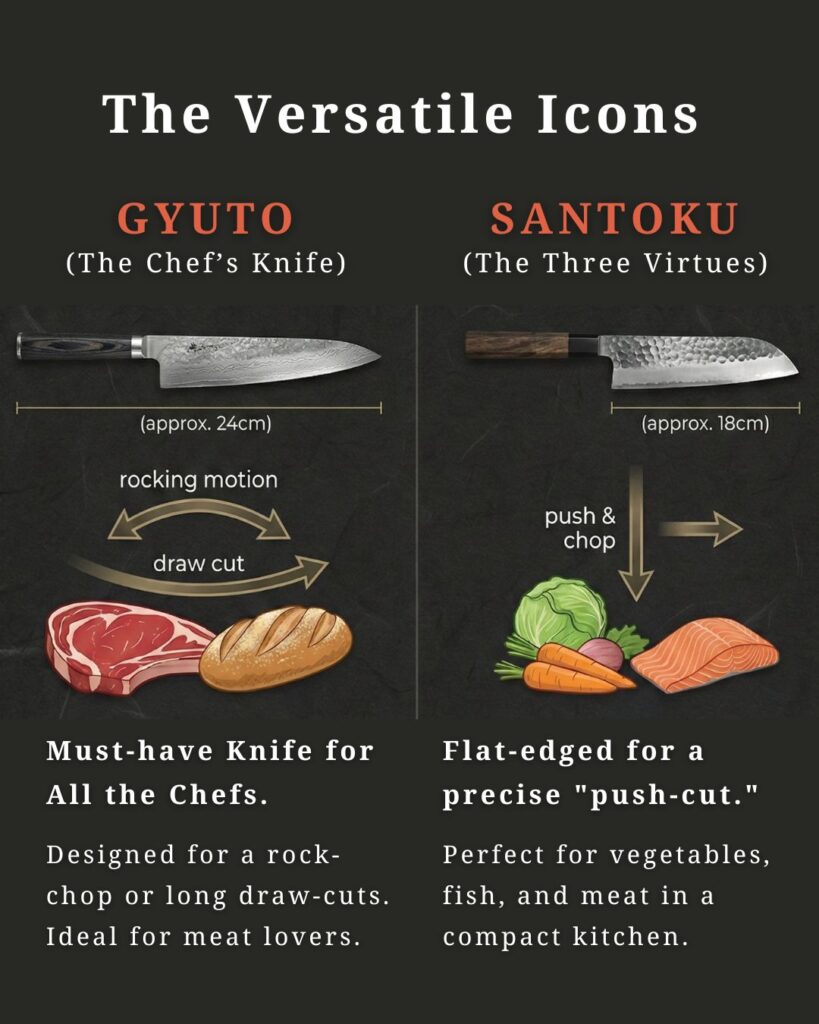
For most home cooks buying their first premium Japanese knife, the decision usually comes down to two types:
Santoku or Gyuto.
Japan Documented currently focuses on both, through the Kotetsu Santoku (Seki, Gifu) and the Shirasagi Gyuto (Tosa, Kochi).
Santoku Knife: The Best First Japanese Knife for Most Home Cooks
A santoku is one of the most standard all-purpose Japanese kitchen knives. It became common after the post-war period, and a typical santoku blade length is around 16.5 cm.
The santoku is popular because it is easy to understand. It is designed for everyday cooking and can handle many common tasks: vegetables, meat, and fish.
For most English-speaking home cooks buying their first Japanese knife, this is usually the safest starting point.
It is not too specialized. It is not too large. It does not require you to completely change the way you cook.
Best for:
- Everyday home cooking
- Vegetables
- Meat prep
- Fish prep
- Buyers who want one main knife
- Gift buyers who want a safe, useful choice
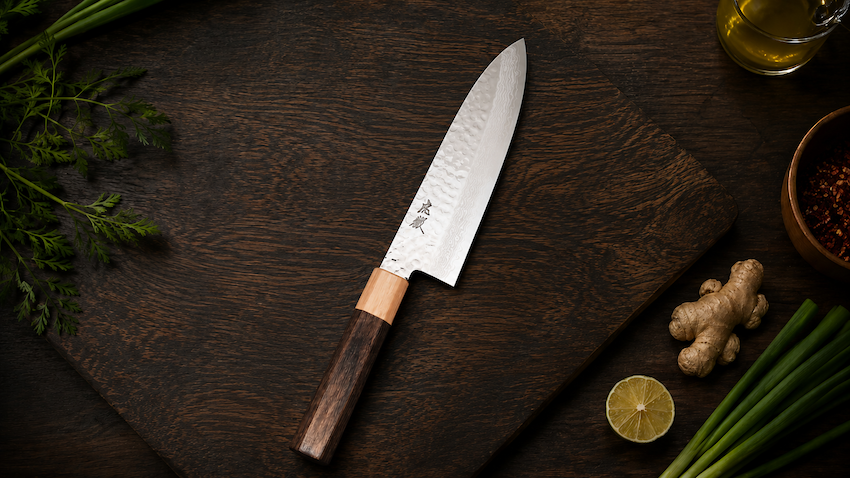
Japan Documented Recommendation: Kotetsu Santoku
Shop the Kotetsu Santoku
A VG-10 Damascus santoku, 180mm. One knife for vegetables, meat, and fish, available from the Japan Documented Shop.
View it in our shop →The Kotetsu Santoku is the better choice if you want one premium Japanese knife for daily cooking or a gift that is easy to understand.
Gyuto Knife: The Japanese Chef’s Knife for Serious Home Cooks
A gyuto is the Japanese version of a chef’s knife.
Compared with a santoku, a gyuto usually appeals to people who like a more Western-style chef’s knife shape or who want a blade that feels suitable for larger prep work.
For home cooks upgrading from a standard Western chef’s knife, a gyuto can feel familiar but sharper, lighter, and more refined depending on the knife.
Best for:
- Western-style cooking
- Meat prep
- Larger vegetables
- Serious home cooks
- Buyers upgrading from a standard chef’s knife
- People who prefer a longer blade profile
Japan Documented Recommendation: Shirasagi Gyuto
The Shirasagi Gyuto is the better choice if you already like chef’s knives and want a premium Japanese-style upgrade.
Shop the Shirasagi Gyuto
Hand-forged Blue #2 carbon steel, 210mm, with a kurouchi finish and an ebony handle. For cooks ready for a premium chef’s knife.
View it in our shop →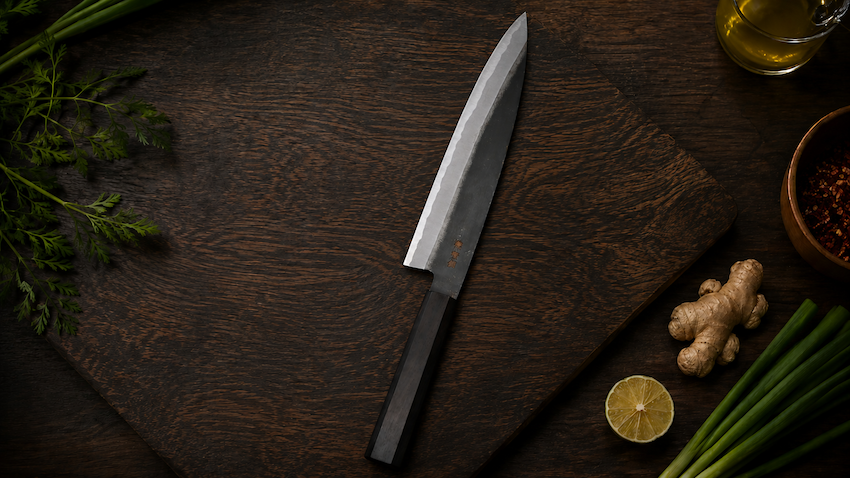
Santoku vs Gyuto: Which Should You Choose?
If you want the simplest answer:
Choose a santoku if you want one practical Japanese knife for daily cooking.
Choose a gyuto if you already like chef’s knives and want a Japanese-style upgrade.
| Buyer Type | Better Choice | Why |
|---|---|---|
| First Japanese knife | Santoku | More compact and versatile for daily home cooking |
| Gift for a home cook | Santoku | Safer and easier for most kitchens |
| Upgrade from a Western chef’s knife | Gyuto | More familiar chef’s knife profile |
| Serious cooking enthusiast | Gyuto | Better if they prefer a longer, chef-style blade |
| Small kitchen or smaller cutting board | Santoku | A standard santoku is around 16.5 cm |
Still deciding?
Compare the Kotetsu Santoku and Shirasagi Gyuto side by side.
Compare our Japanese kitchen knives
Other Japanese Knife Types to Know
Even if you only buy one knife today, it helps to understand the wider knife family.
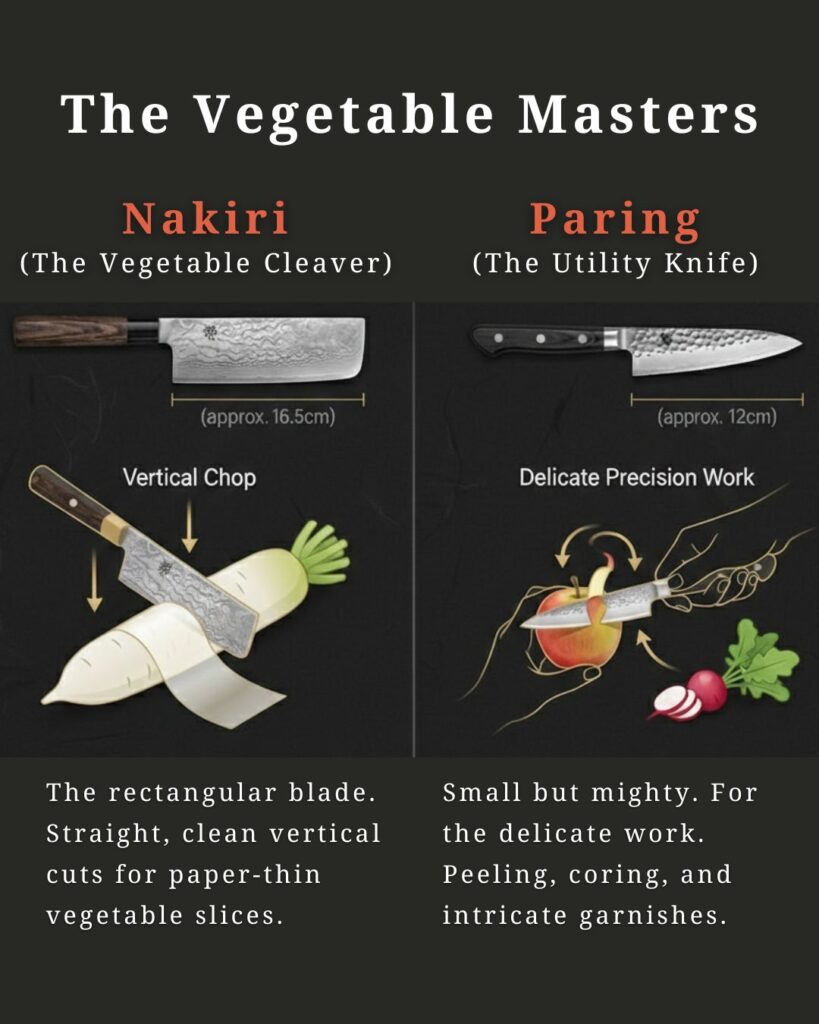
Petty Knife
A petty knife is a small utility knife, often around 80 to 150 mm. It is useful for fruit, peeling, trimming, herbs, and smaller prep tasks.
Nakiri
A nakiri is designed for vegetables.
Deba
A deba is a thick, heavy knife traditionally used for fish.
Yanagiba
A yanagiba has a long blade and is used for sashimi slicing.
Bread Knife
A bread knife uses a serrated edge.
These knives are useful, but they are more specific. For a first premium Japanese kitchen knife, most buyers should start with a santoku or gyuto.
Blade Materials Explained: Stainless, Carbon Steel, Damascus, Ceramic, and More
Knife material affects sharpness, maintenance, rust resistance, weight, appearance, and price.
Here is the practical version.
Stainless Steel: Best for Most Home Cooks
Stainless steel is the most common kitchen-knife material. It is valued because it is more resistant to rust and easier to maintain than carbon steel.
For buyers who want a premium knife but do not want complicated maintenance, stainless steel is usually the best starting point.
This is especially true if the knife will be used daily, given as a gift, or used by someone who may not already know how to maintain carbon steel.
Best for:
- First Japanese knife buyers
- Daily cooking
- Gift buyers
- Lower-maintenance ownership
- People who want rust resistance
Carbon Steel / Hagane: Sharp, Hard, and Higher Maintenance
Carbon steel, or hagane, is known for excellent sharpness and hardness.
However, it requires more care than stainless steel.
This makes it attractive for enthusiasts but less ideal for people who want a low-maintenance first knife.
Carbon steel can be wonderful, but it should be bought honestly. If the buyer will not dry it properly or maintain it carefully, stainless steel is usually the better choice.
Damascus Steel: Beauty, Layering, and Premium Appeal
Damascus steel is known for layered construction and visible grain patterns.
It is one of the easiest knife materials for buyers to emotionally understand because the beauty is visible immediately. A Damascus knife feels special even before the first cut.
Seki is also associated with pioneering Damascus steel in Japan.
Some Seki knife lines, such as Seki Magoroku’s Damascus series, use layered stainless construction.
Best for:
- Premium gifts
- Buyers who care about visual beauty
- Enthusiasts who want something more distinctive
- People who want a knife that feels special on the counter
Titanium and Ceramic: Practical but Different
Titanium is light and rustproof, though slightly less sharp.
Ceramic is rustproof and dishwasher-safe.
These materials can be useful, but they do not provide the same steel-blade experience that many people expect when they search for a Japanese kitchen knife.
For most Japan Documented customers, the main decision should be between practical stainless steel, premium layered finishes such as Damascus, or more specialized carbon steel.
How Much Do Seki Knives Cost?
Seki knives cover a wide price range.
Mass-produced Seki knives can cost from a few thousand yen to tens of thousands of yen. AI- and robotics-assisted production helps maintain quality while keeping prices accessible.
At the high end, hand-forged knives can exceed ¥100,000, and some may have multi-year waitlists from top chefs.
That range is important because it shows there is no single “correct” price for a Seki knife.
A buyer does not need to buy the most expensive knife to experience Seki quality. At the same time, a premium Seki knife can make sense when the buyer wants something more refined, more giftable, and more emotionally meaningful than a basic kitchen tool.
At around $400, a knife should not be positioned as a casual kitchen purchase. It should be positioned as:
- A daily-use premium tool
- A serious cooking upgrade
- A long-lasting gift
- A piece of Japanese craft culture
- A practical object with a story behind it
Why Some Japanese Knives Cost More Than Others
Several factors can affect the price of a Japanese knife.
1. Blade Material
Stainless steel, carbon steel, titanium, ceramic, and Damascus steel all have different properties and production requirements.
2. Construction and Finish
Layered Damascus construction and refined finishing can increase both visual appeal and perceived value.
3. Production Method
Seki produces both accessible mass-produced knives and high-end hand-forged knives.
4. Craft Ecosystem
Seki’s blade-making industry is supported by a specialized regional production network and a division-of-labor culture rooted in older sword-making systems.
5. Brand and Professional Recognition
Some Seki-related brands have international recognition. For example, Sumikama’s knives won DESIGN PLUS at Ambiente in Germany in 2002, and Alain Ducasse is cited as a notable user.
Are Expensive Seki Knives Worth It?
For most home cooks, the best knife is not automatically the most expensive knife.
The best knife is the one you will actually use, maintain, and enjoy.
A premium Seki santoku or gyuto can be worth it if it improves your daily cooking experience and feels meaningful enough to keep for years. But a highly specialized hand-forged knife is not always the right first step.
That is why Japan Documented focuses on knives that work in real homes.
The goal is not to sell museum pieces. The goal is to offer knives that feel premium, cut beautifully, and still make sense for everyday cooking and gifting.
How to Choose the Right Seki Knife
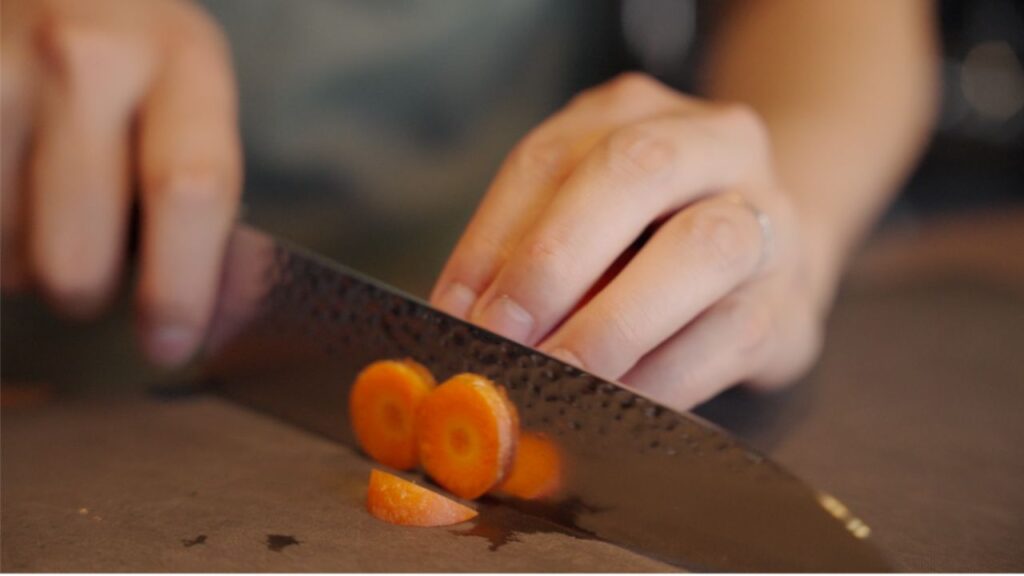
Here is the simplest buying framework.
Choose by Cooking Style
| Cooking Style | Recommended Knife | Reason |
|---|---|---|
| Everyday home cooking | Santoku | The most versatile first Japanese knife |
| Western-style cooking | Gyuto | Japanese version of a chef’s knife |
| Fruit, herbs, small prep | Petty | Small utility knife, often 80 to 150 mm |
| Vegetable-heavy cooking | Nakiri | Designed for vegetables |
| Fish preparation | Deba | Thick, heavy fish knife |
| Sashimi | Yanagiba | Long blade for slicing sashimi |
For Japan Documented customers, the main choice is currently:
- Kotetsu Santoku for versatile daily cooking.
- Shirasagi Gyuto for a chef’s knife-style upgrade.
Choose the Right Blade Length
A standard santoku is around 16.5 cm.
One practical rule is that the blade should not exceed the width of the cutting board.
This sounds simple, but it matters. A knife that is too large for your kitchen setup can feel awkward, even if it is technically high quality.
For many home kitchens, comfort and control are more important than dramatic blade size.
Choose the Right Weight
A weight around 100 g is cited as an ideal benchmark.
That does not mean every good knife must weigh exactly 100 g. But it does show the importance of balance and ease of handling.
A premium knife should not feel like a burden. It should make cooking feel smoother.
Choose the Right Handle and Construction
Handle material and construction affect hygiene, durability, and maintenance.
Stainless one-piece construction can be strong from a hygiene and durability perspective. Wooden handles require more care.
For gift buyers, this is especially important. If the recipient is not already a knife enthusiast, low-maintenance construction is usually safer.
Choose the Right Material
Here is the blunt version:
- Choose stainless steel if you want practical daily use.
- Choose carbon steel if you value sharpness and hardness and are willing to handle more maintenance.
- Choose Damascus steel if visual beauty and gift value matter.
- Choose ceramic if rustproof and dishwasher-safe qualities matter more than a traditional steel feel.
How to Care for a Seki Knife
Many people hesitate before buying a premium Japanese knife because they worry about maintenance.
That concern is reasonable. But care does not need to be complicated.
Do You Need a Whetstone?
Whetstones include rough stones, medium stones, finishing stones, and diamond stones.
For daily home care, a medium stone is generally enough.
That is reassuring for first-time buyers. You do not need a professional sharpening setup to begin. You need a basic maintenance habit.
Basic Knife Care
At a high level, good knife care means:
- Use the right cutting surface.
- Wash after use.
- Dry after washing.
- Sharpen before the blade becomes completely dull.
- Be more careful with carbon steel and wooden handles.
A Seki knife is not fragile, but it deserves respect. That is part of the ownership experience.
Can You Put a Japanese Knife in the Dishwasher?
Ceramic knives are described as dishwasher-safe.
For premium steel knives, the safer habit is hand washing and drying. This is especially important if the knife uses materials that require more care, such as carbon steel or wood.
The point is not to make ownership feel difficult. The point is to protect a tool that is worth keeping.
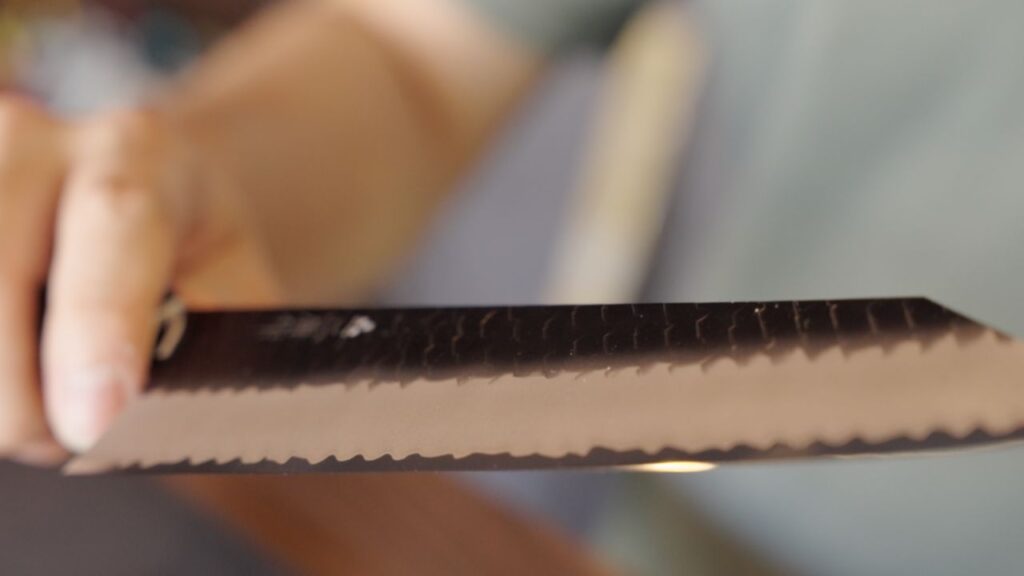
The Human Story Behind Seki Knives
Seki is often described through large facts: roughly 800 years of history, one of the world’s three great blade cities, and Japan’s leading domestic kitchen-knife production region.
Those facts matter. But they are not the whole story.
The real appeal of Seki is easier to understand when you enter a small knife shop, speak with the owner, and see how deeply blades are woven into the identity of the city.
Japan Documented will soon publish a separate story about the owner of Blacksmith, a tiny knife and sword shop located in Seki, Gifu.
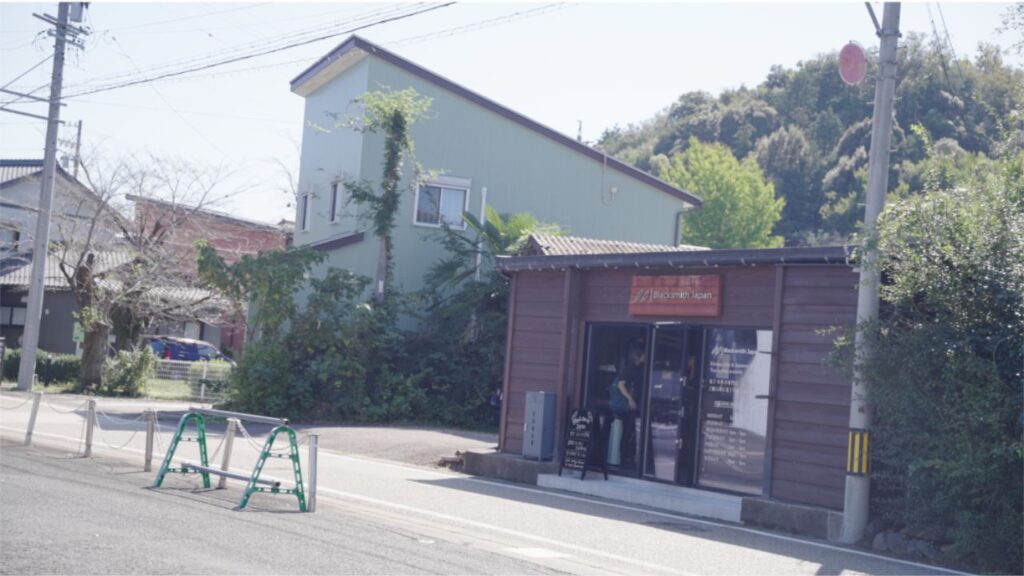
That story will explore the human side of Seki’s blade culture: the shop, the owner, the customers, and why this city still treats knives as more than ordinary tools.
Forge your own knife in Seki
Start from a lump of tamahagane and forge a kitchen knife beside Masaya, a licensed swordsmith in Seki. Private, with English guidance, and we reply in English within 24 hours.
Enquire about this experience →Are Seki Knives Good for Beginners?
Yes, if you choose the right type.
A Seki knife can be an excellent first Japanese knife because the region offers both heritage and practical modern production.
For most beginners, the best choice is a stainless santoku. Santoku knives are versatile, approachable, and suited to everyday home cooking.
A gyuto is also a strong choice if the buyer already likes Western chef’s knives and wants a Japanese-style upgrade.
The mistake is buying a knife only because it looks impressive. The better approach is to buy based on actual cooking habits.
For most home cooks:
- First knife: Santoku
- Chef’s knife upgrade: Gyuto
- Second knife later: Petty
- Specialist fish prep: Deba or Yanagiba
- Vegetable-focused cooking: Nakiri
Seki Knives vs Other Japanese Knives
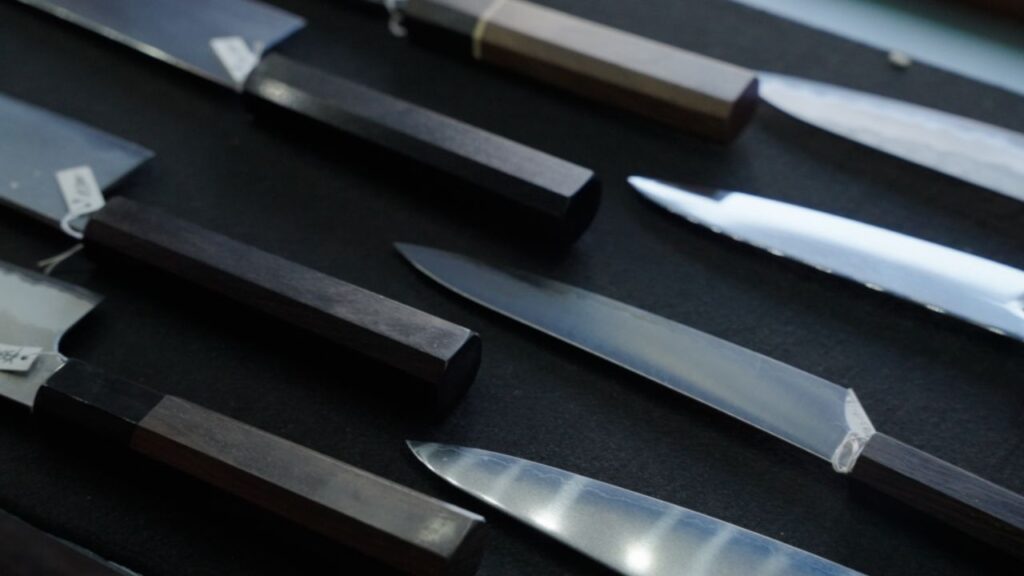
Japan has several respected blade and metalworking regions. Seki is not the only place in Japan that makes excellent knives.
But Seki is one of the strongest choices for buyers who want a balance of:
- Blade-making heritage
- Modern production quality
- Broad maker ecosystem
- International recognition
- Practical kitchen use
- Strong gift appeal
Seki’s position as one of the “3S” blade cities gives it global authority.
Its large share of Japan’s domestic kitchen-knife production gives it industrial credibility.
Its history connects sword-making traditions with everyday kitchen tools.
For a first premium Japanese knife, that combination is hard to ignore.
Recommended Seki Knives from Japan Documented
Japan Documented currently focuses on two hand-forged Japanese knives: the Kotetsu Santoku, made in Seki, and the Shirasagi Gyuto, forged in Tosa, Kochi.
Kotetsu Santoku
Best for: daily cooking, first Japanese knife buyers, and practical gifts.
A santoku is the safest first choice for most home cooks because it is a versatile all-purpose Japanese kitchen knife. A standard santoku is around 16.5 cm, making it manageable for everyday use.
The Kotetsu Santoku is the knife for people who want one premium Japanese knife they will actually use.
Kotetsu Santoku
- Knife type: Santoku
- Best for: Daily cooking
- Recommended buyer: First premium Japanese knife buyer or gift buyer
- Positioning: Practical, premium, and approachable
Shirasagi Gyuto
Best for: serious home cooks, chef’s knife users, and premium upgrades.
A gyuto is the Japanese version of a chef’s knife.
The Shirasagi Gyuto is for buyers who already cook seriously or are upgrading from a Western-style chef’s knife.
It is less of a “safe first knife” than a santoku, but it may be more appealing to someone who wants a premium main knife with a chef’s knife profile.
Which Japan Documented Seki Knife Should You Buy?
Choose the Kotetsu Santoku if:
- You want your first premium Japanese knife.
- You want a gift that is easy to understand.
- You cook a mix of vegetables, meat, and fish.
- You want one main knife for daily use.
Choose the Shirasagi Gyuto if:
- You already like chef’s knives.
- You want a more serious cooking upgrade.
- You prefer a longer, chef-style blade profile.
- You are buying for someone who cooks often.
Bring Seki craftsmanship into your kitchen
Explore the Seki knives we curate for daily cooking and meaningful gifts, from an everyday santoku to a premium upgrade.
Shop Japanese kitchen knives →FAQ About Seki Knives
Are Seki knives good?
Yes. Seki is one of the world’s three great blade cities, alongside Solingen and Sheffield. The region also has roughly 800 years of blade-making history and is strongly associated with Japan’s kitchen-knife production.
Where are Seki knives made?
Seki knives are associated with Seki City in Gifu Prefecture, Japan.
What is Seki famous for?
Seki is famous for blades. Its history includes Japanese sword-making, later developing into kitchen knives, scissors, small knives, and other cutting tools.
What is the best Seki knife for beginners?
For most beginners, a santoku is the best first choice because it is a versatile all-purpose Japanese kitchen knife.
What is the difference between santoku and gyuto?
A santoku is a standard all-purpose Japanese kitchen knife, while a gyuto is the Japanese version of a chef’s knife.
Are Damascus Japanese knives better?
Damascus steel is valued for its layered construction and visible grain pattern. Whether it is “better” depends on what the buyer wants: beauty, performance, maintenance level, or gift appeal.
How much do Seki knives cost?
Mass-produced Seki knives can range from a few thousand yen to tens of thousands of yen. High-end hand-forged knives can exceed ¥100,000.
How do you sharpen a Japanese knife?
Whetstones include rough, medium, finishing, and diamond stones. For normal home maintenance, a medium stone is generally enough.
Can Japanese knives go in the dishwasher?
Ceramic knives are described as dishwasher-safe. For premium steel knives, hand washing and drying is the safer habit, especially for materials that require more care.
Final Buying Advice: Start with the Knife You Will Actually Use
A Seki knife is not just a souvenir from Japan. It is a tool.
That is why the best first purchase is not always the rarest or most expensive knife. It is the knife that fits your kitchen, your hand, and your cooking habits.
Choose a santoku if you want one versatile knife for daily cooking.
Choose a gyuto if you want a Japanese chef’s knife for more serious prep.
Choose stainless steel if you want easier maintenance.
Choose Damascus if visual beauty and gift value matter.
Choose Seki if you want a knife from a city with deep blade-making heritage, global recognition, and a living production ecosystem.
At Japan Documented, our goal is simple: to introduce Japanese craft products that are beautiful, usable, and backed by real cultural context.
If you want a premium Seki knife for daily cooking or gifting, start here.
References
Share