
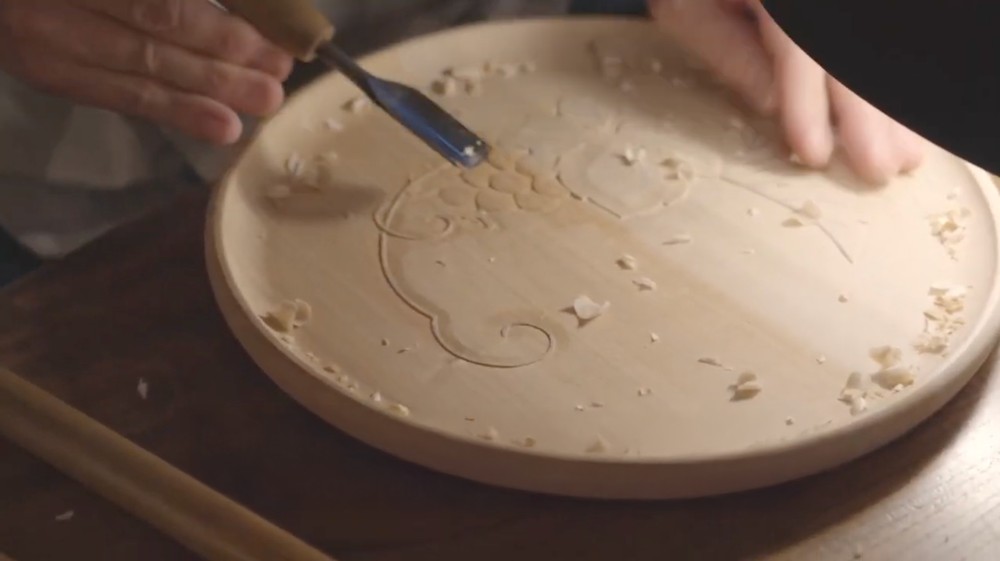
Kamakurabori (also written Kamakura-bori) is a carved wood lacquerware craft made in and around Kamakura, Kanagawa Prefecture. Artisans carve patterns by hand into wood such as katsura or ginkgo, then finish each piece with urushi lacquer. The craft began in the Kamakura period (1185 to 1333), when Buddhist sculptors (busshi) made temple implements in carved, lacquered wood, and it has been a nationally designated Traditional Craft since 1979.
| Origin | Kamakura, Kanagawa Prefecture, in the Kamakura period (1185 to 1333) |
|---|---|
| Main wood | Katsura, air-dried for 6 months to 1 year. Ginkgo is also used |
| Signature techniques | Visible chisel marks, and makomo powder sprinkled on red lacquer to bring out the relief |
| National status | Designated a Traditional Craft on January 12, 1979 |
| Featured shop | Sansuido, 1-9-24 Yukinoshita, about 7 minutes on foot from JR Kamakura Station |
Checked in October 2026 against kamakuraborikaikan.jp, kougeihin.jp, kamakurabori-kougeikan.jp, sansuido.co.jp.
Just one hour by train from Tokyo. The historic city of Kamakura, where Japan’s first Samurai government was established.
Home to the Great Buddha and numerous Zen temples, this city is also where Kamakurabori is made. Used in modern dining for items like Japanese chopsticks and bowls, it condenses 800 years of Japanese history, advanced craftsmanship, and wisdom for daily living.
What is Kamakurabori: A Craft of Wood and Urushi
Kamakurabori begins with carefully selected wood (such as Japanese Katsura or Ginkgo). Skilled artisans use a wide variety of carving chisels to hand-carve powerful patterns and textures one by one.
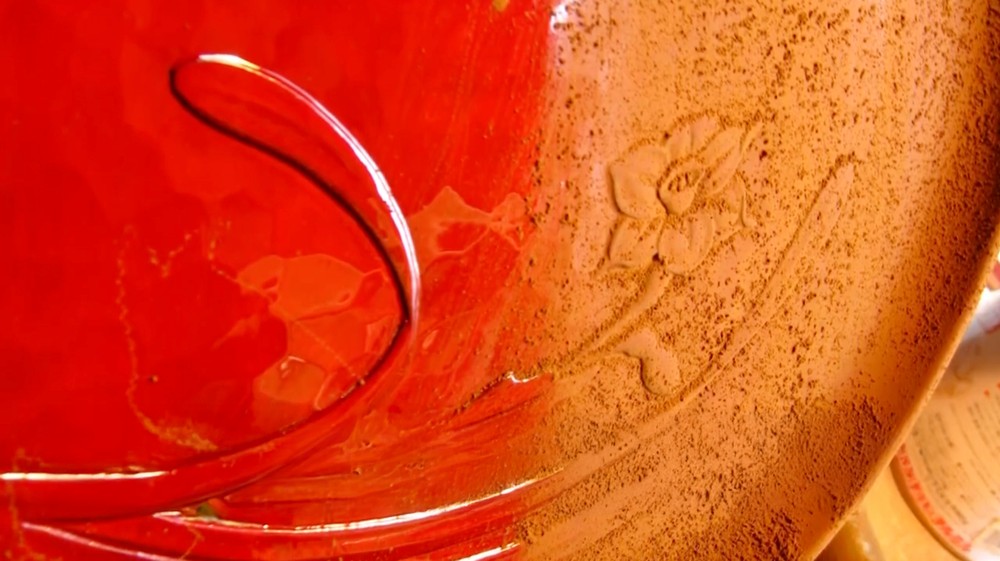
After carving, Urushi (lacquer) is applied, dried, and polished repeatedly. This process involves 10 to 15 steps and takes about 3 months to complete. This time-consuming technique unifies the wood and lacquer, creating a three-dimensional beauty where the shadows of the carving resonate with the luster of the lacquer.
Characteristics: Wisdom in Artistry and Practicality
The reason Kamakurabori has been loved for 800 years is not just for its beauty. It lies in the fusion of Artistry and Practicality filled with Japanese wisdom.
[Artistry: The Joy of Nurturing and Strength]
- Aging: The greatest feature of Kamakurabori is the joy of nurturing. The moment of purchase is not the peak. Because each piece is handmade, as you use it for 10 or 20 years, the lacquer becomes transparent and changes into a deep amber color, growing into your own unique color.
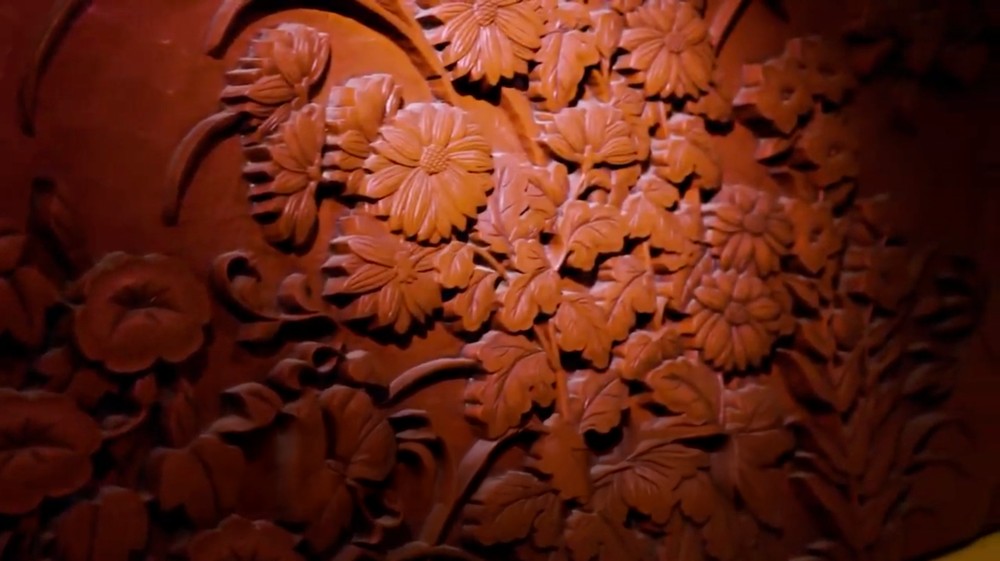
Shadow and Power: The deep, powerful shadows of the carving floating inside the glossy lacquer. This is an overwhelming presence unique to Kamakurabori that no other lacquerware possesses.
[Practicality: Wisdom of Ancestors]
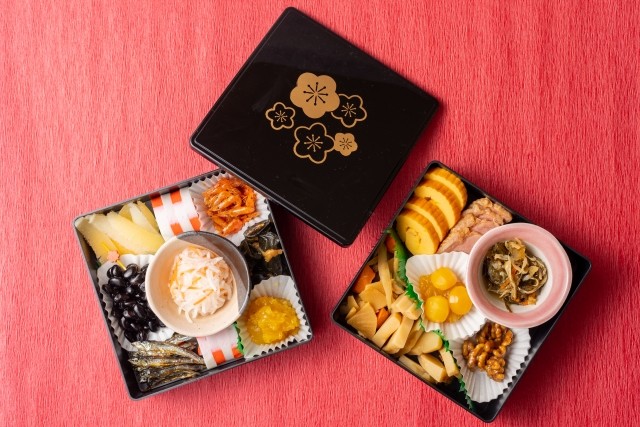
- Natural Antibacterial Properties: It has been scientifically proven that Urushi has powerful natural disinfectant and antibacterial effects. Historically, Japanese people used lacquerware for Jubako (tiered food boxes) for Osechi (New Year’s dishes) to protect food from spoilage. This hygienic characteristic makes it ideal for Japanese chopsticks and tableware used daily.
- Surprising Lightness and Durability: Contrary to its heavy appearance, you will be surprised by its lightness when you hold it. The enzymes contained in Urushi react with moisture in the air to chemically change into a hard, solid state. It is resistant to heat and acid, and does not break easily even if dropped. Kamakurabori, which is very light yet sturdy, is truly an item for a lifetime.
History: Born from Buddhist Sculptors and the Zen Spirit
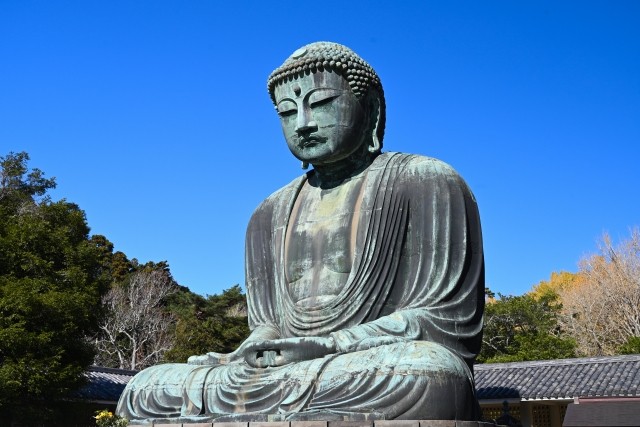
The roots of this craft date back to the 13th century Kamakura Period.
When the Samurai took power, many Zen temples were built in Kamakura. Consequently, a professional group of “Busshi (Buddhist Sculptors)”, who carved Buddha statues and temple decorations, gathered from all over Japan. They used their advanced carving skills to begin making not only Buddha statues but also Buddhist implements and incense containers used in temples. This was the beginning of Kamakurabori.
The Samurai preferred the “fortitude and vigor” beauty that leads to the teachings of Zen, rather than flashy decorations. The powerful carving and calm colors of Kamakurabori represent the very spirit of the Samurai.
Bridging 800 Years of History to the Present
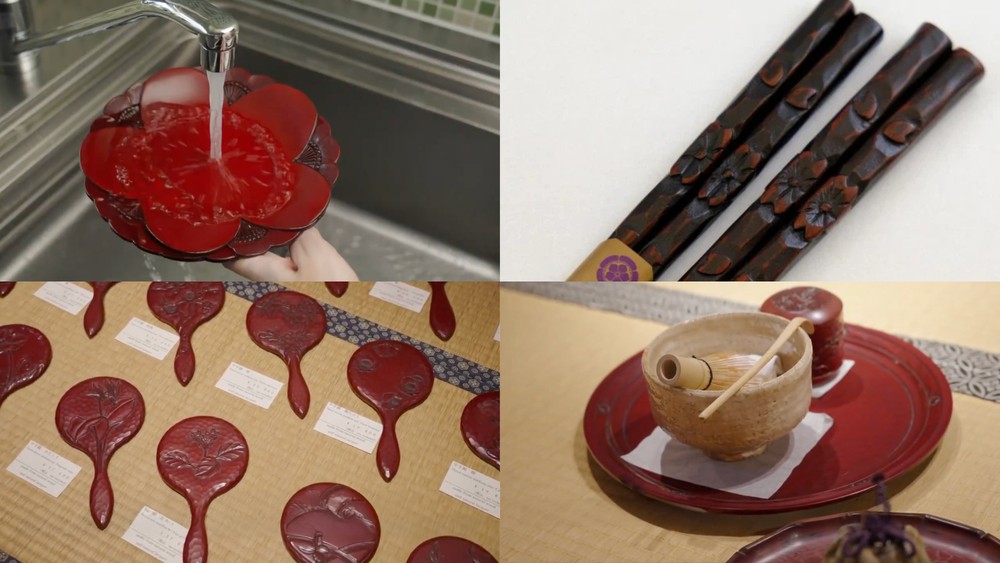
Kamakurabori has continued to evolve with the times. Once a luxury item only for temples and the Samurai class, it spread as daily necessities and tea tools for common people after the Edo period.
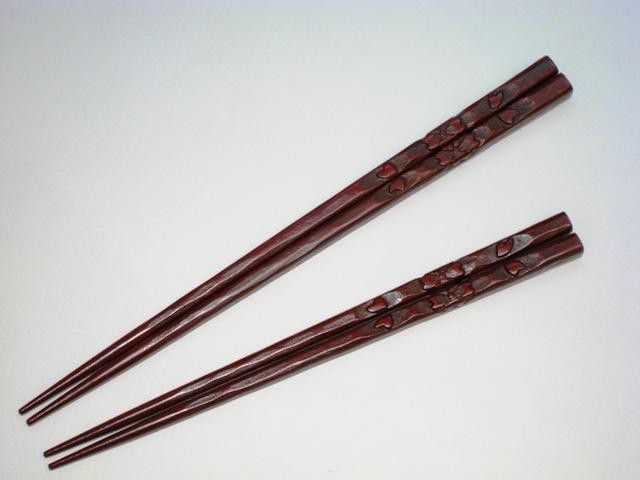
Today, the technique continues to change its form to fit modern lifestyles. It is loved as items used in daily life, such as Japanese chopsticks, trays, and hand mirrors.
In a modern age overflowing with mass-produced plastic products, Kamakurabori, created from natural materials like wood and Urushi through about 3 months of time and artisan skills, is a precious existence. The delicate carving influenced by “Zen” and the profound beauty of its subdued tones. Not “disposable,” but “repairing and using.” This sustainable spirit is needed now more than ever.
Kamakura Souvenir Shop: Sansuido
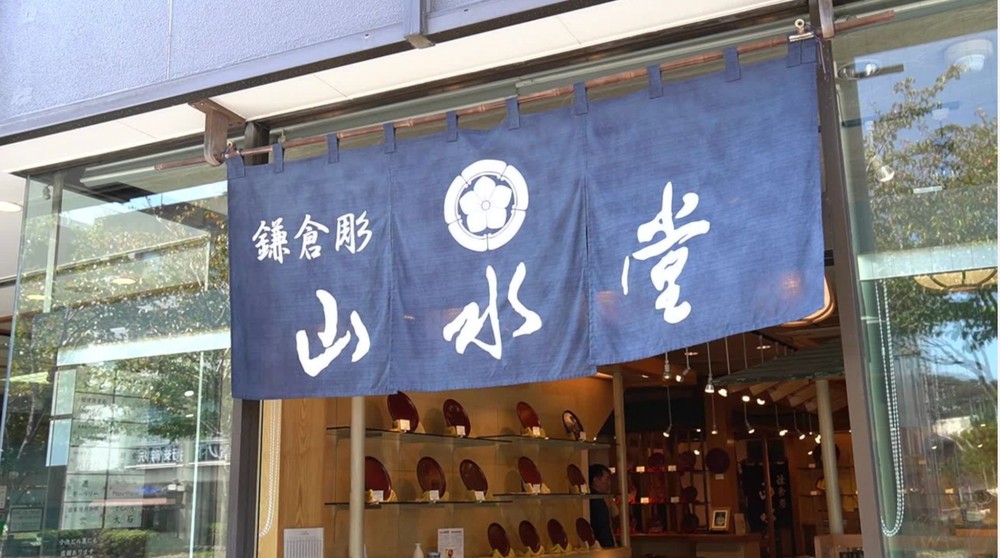
There is a place that continues to protect this 800-year tradition. It is “Sansuido,” a shop located right near Kamakura‘s symbolic shrine, “Tsurugaoka Hachimangu.”
Sansuido works to protect the tradition of Kamakurabori and pass it on to the next generation. In the store, Japanese chopsticks, trays, and accessories, each handmade by skilled artisans, are lined up. Delicate carvings of Japanese symbols such as Cherry blossoms, flowers, and Chrysanthemums can be found there.
It is a place where you can feel the weight of 800 years of history and the warmth of wood. Please visit when you come to Kamakura.
Frequently Asked Questions
What does the name Kamakurabori mean?
Kamakurabori means Kamakura carving, an English wording that the Kamakurabori Shiryokan museum in Kamakura uses on its history page. The name is also written Kamakura-bori or Kamakura bori, and all three spellings refer to the same craft.
How do you wash and care for Kamakurabori?
Kamakurabori can be washed by hand with neutral dish detergent and a cloth or soft sponge, then wiped with a soft dry cloth, according to the traditional Kamakurabori makers’ cooperative in Kamakura. The cooperative advises against scrubbing brushes, polishing powder, dishwashers and direct sunlight, because the pieces are made of wood and can discolor or warp.
Can Kamakurabori be repaired?
Kamakurabori can be repaired and recoated. Sansuido, a Kamakurabori shop near Tsurugaoka Hachimangu in Kamakura, says it repairs cracked or chipped pieces and reapplies lacquer to surfaces worn by long use. Sansuido states that the lacquering in a repair usually takes one to two months and that the price depends on the piece and its condition.
Where can you see Kamakurabori in Kamakura?
Kamakurabori is on display at Kamakurabori Shiryokan, a museum of the craft’s history and works on the third floor of Kamakurabori Kaikan, 2-15-13 Komachi, a 5-minute walk from Kamakura Station. As of October 2026 the museum opens 10:00 AM to 4:00 PM from Wednesday to Sunday and closes on Mondays, Tuesdays and during summer and New Year holidays. Admission to the permanent exhibition is 500 yen for adults.
Share