
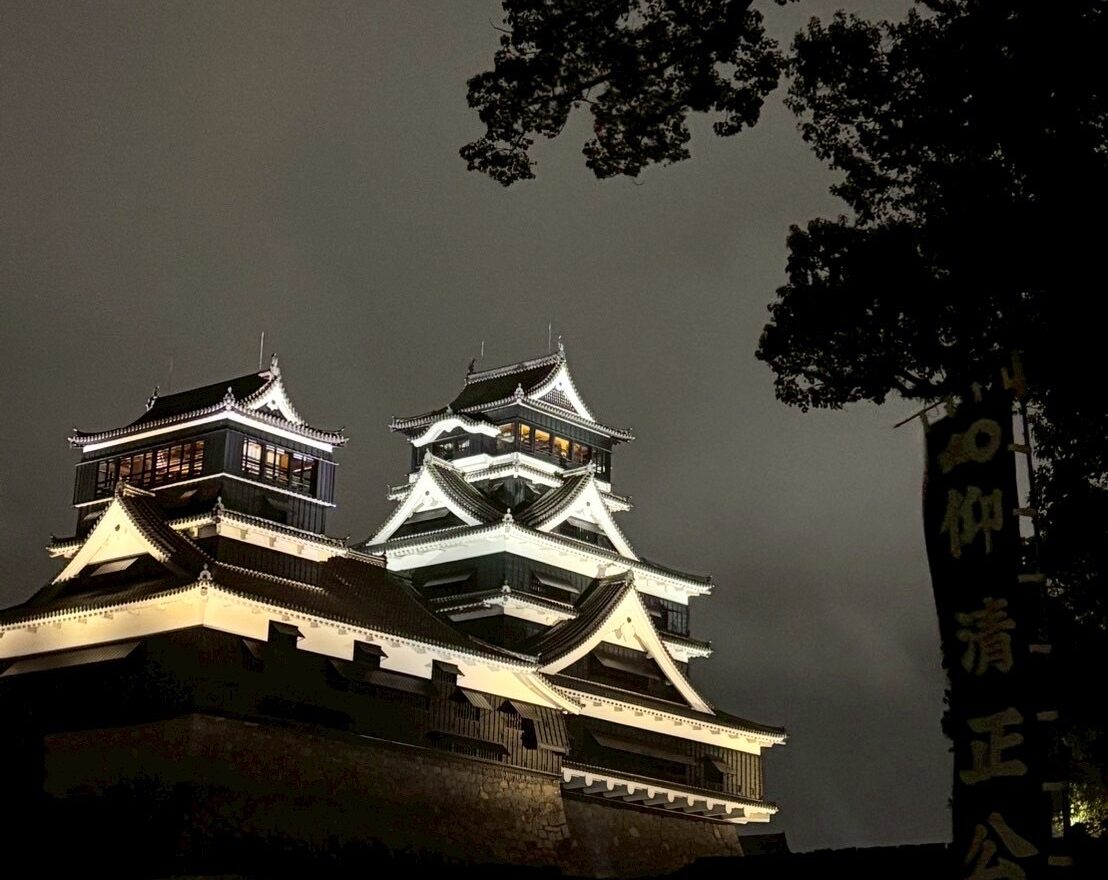
Kato Shrine is a Shinto shrine inside the grounds of Kumamoto Castle in Kumamoto City, dedicated to Kato Kiyomasa (1562 to 1611), the samurai lord who built the castle. Founded in 1871 as Nishikiyama Shrine, it has stood on its present site since 1962. Visitors pray here for shōun, the fortune to win, and for safe building work, and the castle keep is in view from the grounds.
| Location | Inside the Kumamoto Castle grounds, 2-1 Honmaru, Chuo-ku, Kumamoto City |
|---|---|
| Enshrined | Kato Kiyomasa (1562 to 1611), the lord who built Kumamoto Castle |
| Founded | 1871 as Nishikiyama Shrine. Renamed Kato Shrine in 1909. On this site since 1962 |
| Hours | Worship hall gates 6:00 AM to 6:00 PM, varies by season. Shrine office 8:00 AM to 5:00 PM |
| Known for | Prayers for shōun (the fortune to win) and for safe building and engineering work |
| Festival | Seishoko Matsuri procession, held every year on the fourth Sunday of April |
| Official site | kato-jinja.or.jp |
Checked in October 2026 against kumamoto-guide.jp, kato-jinja.or.jp.
Historical Background
Kato Shrine (加藤神社) honors Kato Kiyomasa, a samurai leader from the 1500s. He fought in major battles and built Kumamoto Castle. People still respect him for his strong spirit and building skills.
In 1871, the shrine was built to remember his legacy. Even now, locals visit to show respect and gain inspiration from his story. As a result, the shrine remains a symbol of strength in the region.
Spiritual Significance
Unlike many shrines, Kato Shrine is known for bringing luck in big moments. In Japanese, this is called “shōun” (勝運), which means “the fortune to win.”
Therefore, people come here before tests, games, or starting something new. They pray for the power to succeed.
In addition, the shrine is linked to building and safety. That’s because Kiyomasa was a skilled builder, not just a warrior. So, people pray here to build strong homes, and strong futures.
Visiting Experience
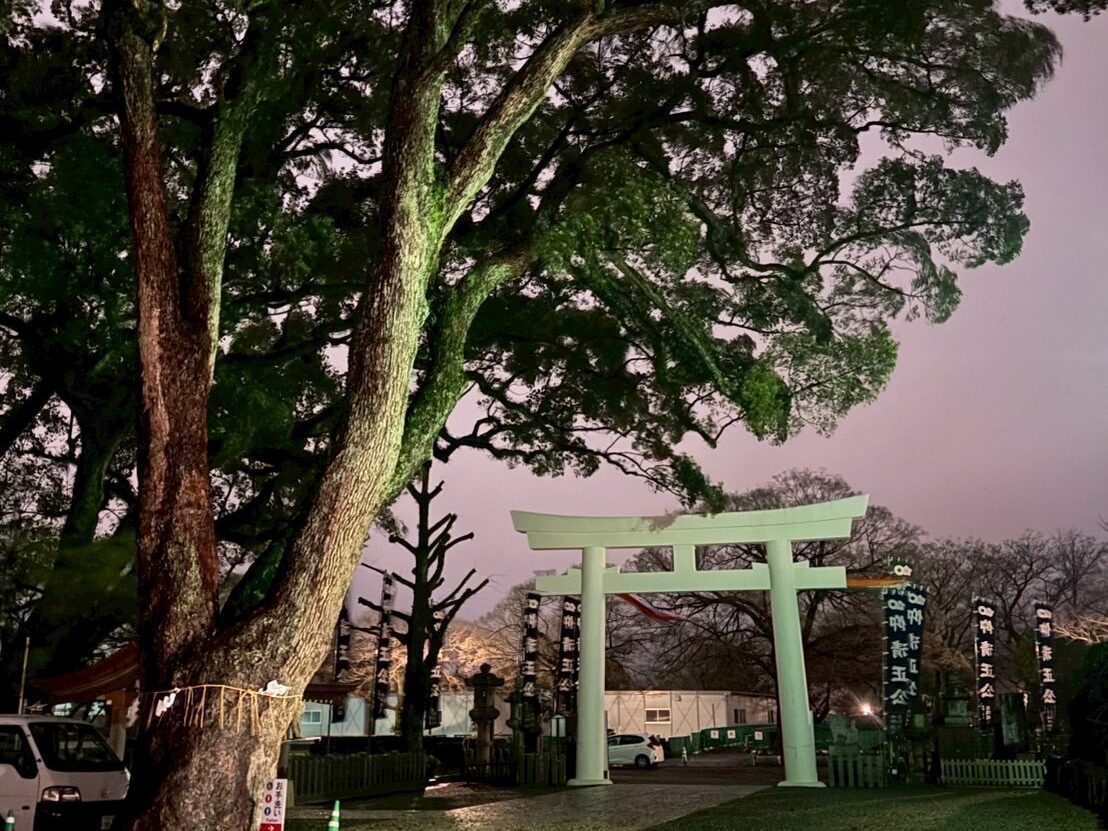
The grounds are quiet and open. As you walk in, you’ll pass stone lanterns and a tall gate made of wood. From the shrine, you can see Kumamoto Castle up close.
The main hall is simple and strong, just like the man it honors. You may see locals praying or students learning about history. Overall, the atmosphere is calm, making it easy to relax and reflect.
How to Get There
Getting to Kato Shrine is simple. From JR Kumamoto Station, take the city tram to “Kumamoto Castle/City Hall” (熊本城・市役所前). From there, it’s a 10-minute walk through quiet park paths.
If you’re already at the castle, just walk north. The shrine is very close and easy to find. So, it’s a great addition to your castle visit.
Tips for Visitors
- Visit in the early morning for a peaceful start to your day.
- While you’re nearby, explore Kumamoto Castle and the Josaien shopping street.
- Before entering the shrine, bow once at the gate. Try to stay quiet inside.
- Be sure to check out the unique omamori (charms) for success or building safety. They make meaningful gifts.
What You Can See
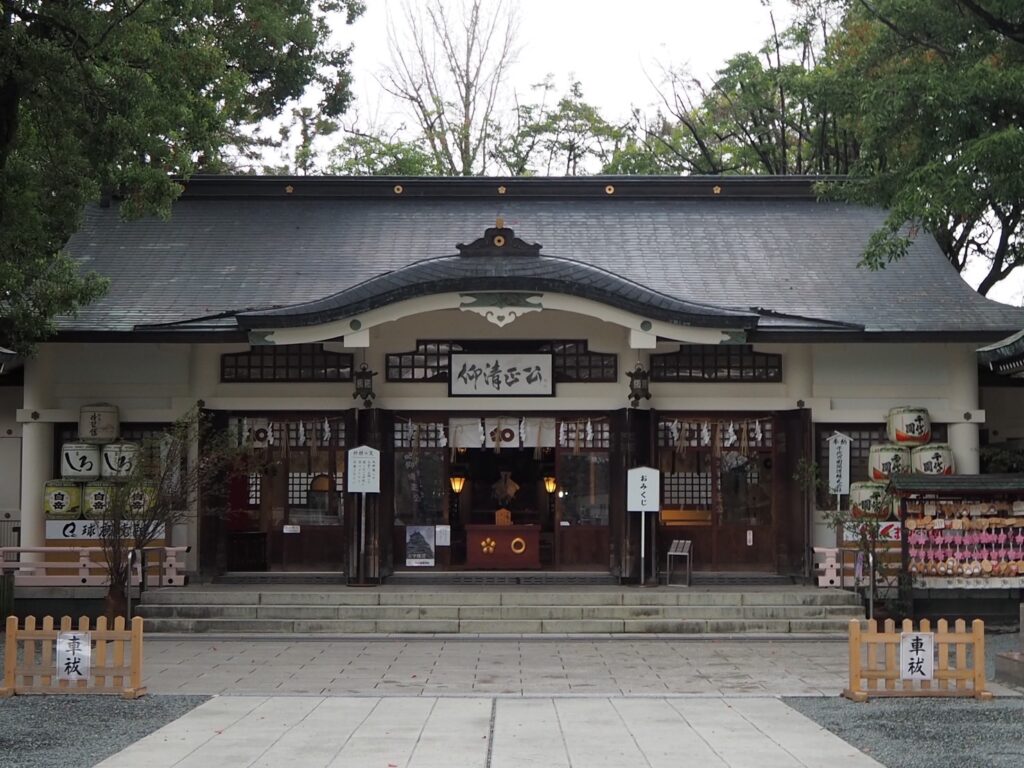
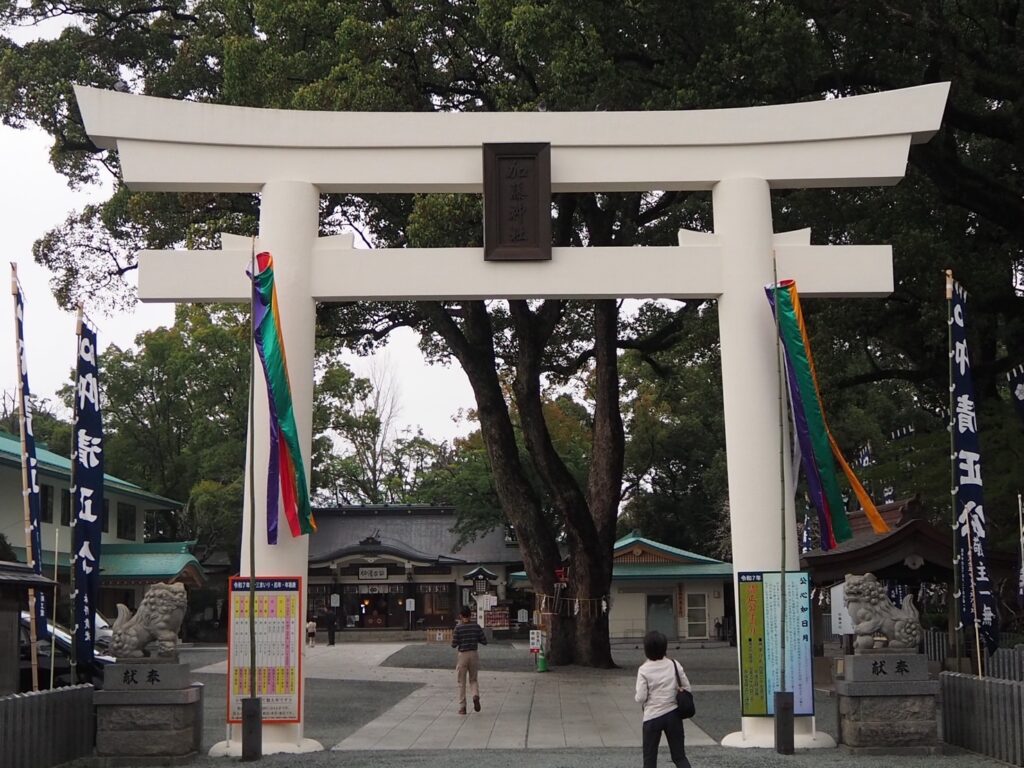
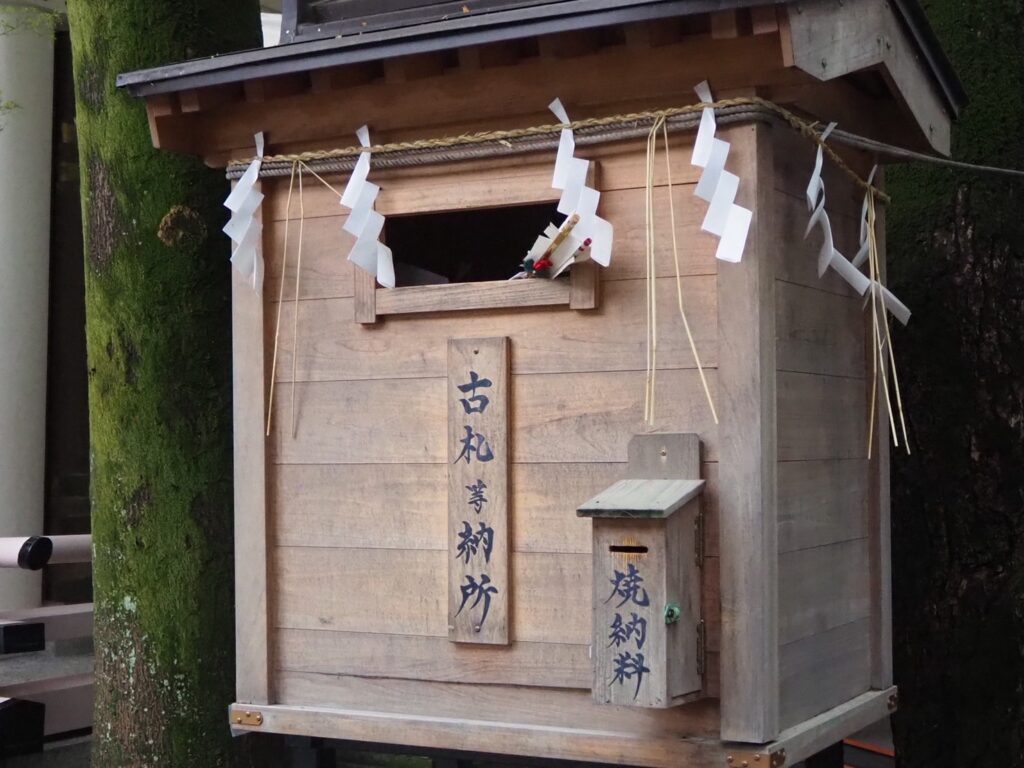
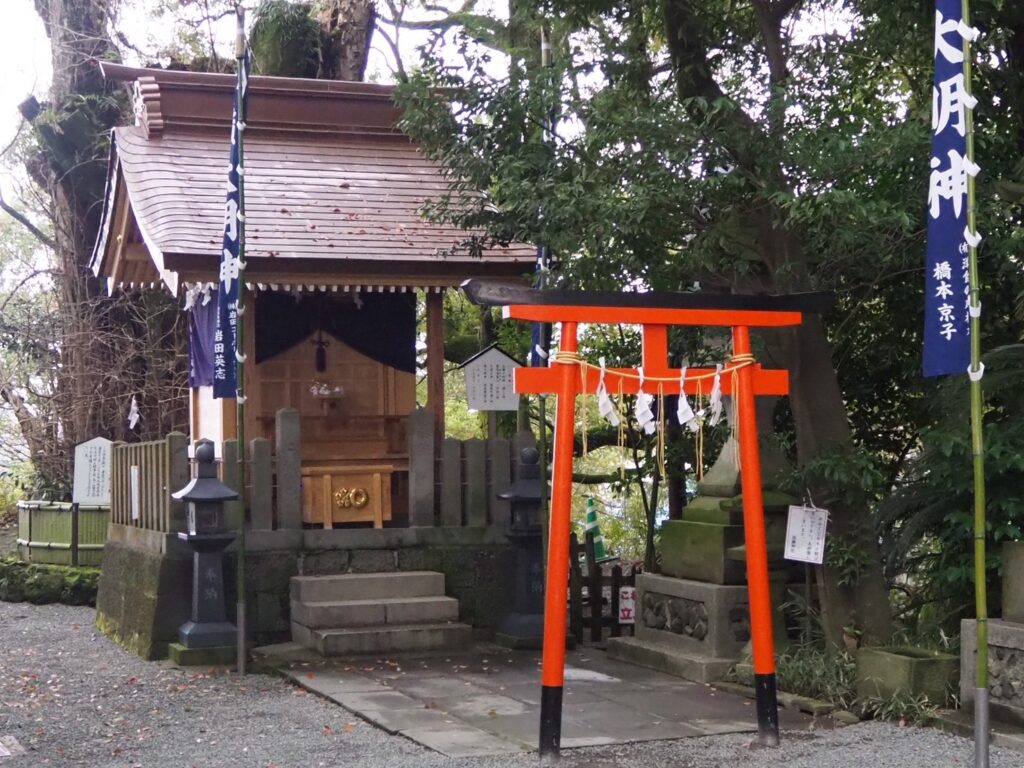
Kato Shrine is small, but it holds great meaning. It connects you to the heart of Kumamoto’s history.
Here, strength, success, and peace come together. So, if you’re visiting Kumamoto, don’t miss this quiet and powerful place.
Here is the official link for more information: Kato Shrine official website (in Japanese).
Planning a shrine visit? If you’re unsure how to bow, clap, or make an offering once you’re at the shrine, read our step-by-step guide on how to pray at a Japanese shrine, explained by a Shinto priest at Yushima Tenjin in Tokyo.
Frequently Asked Questions
Who is enshrined at Kato Shrine in Kumamoto?
Kato Shrine enshrines Kato Kiyomasa, the samurai lord who built Kumamoto Castle. Two retainers who followed him in death, Oki Kaneyoshi and the Korean-born Kinkan, are enshrined alongside him. People in Kumamoto call Kiyomasa Seishoko-san, a name that carries both respect and affection.
Is Kato Shrine inside Kumamoto Castle?
Kato Shrine stands inside the Kumamoto Castle grounds, at 2-1 Honmaru in Kumamoto City. The shrine was first built in the castle in 1871, moved to Kyomachi in 1874 after an army garrison was stationed in the castle, and returned to the grounds in 1962.
Can you get a goshuin at Kato Shrine?
Kato Shrine gives goshuin (hand-written shrine seals) at its amulet counter. Staff write the goshuin directly into the visitor’s own goshuin book, and limited designs are issued at certain times of year. The counter is open from 8:00 AM to 5:00 PM. Direct writing may not be available at some times of year, such as New Year.
Is Kato Shrine open after the July 2026 Kumamoto earthquake?
Kato Shrine has been open again since August 7, 2026, when the road to it reopened after the Kumamoto earthquake of July 28, 2026. The shrine reported no major damage. Its reopening notice says traffic near the Kita-Otemon gate site alternates in one lane and asks drivers to park at the Ninomaru parking lot and walk. On September 17, 2026, Kumamoto Castle’s site said traffic controls toward the shrine continue.
Share