
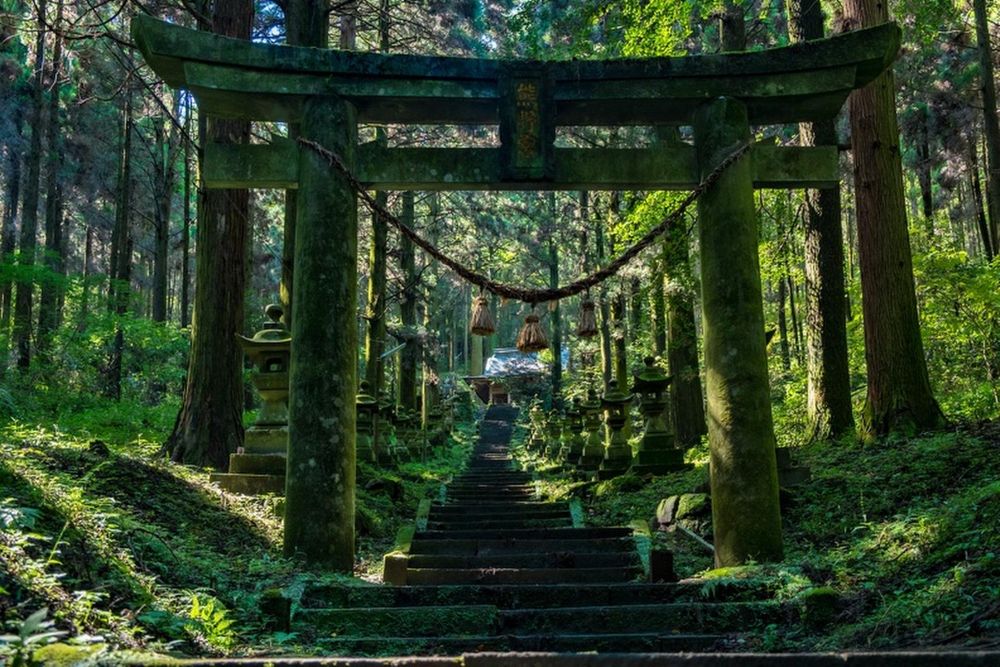
Kamishikimi Kumanoimasu Shrine (also read Kamishikimi Kumanoza Jinja) is a Shinto shrine in the cedar forest of Takamori, a town in the Aso area of Kumamoto Prefecture. An approach lined with 97 stone lanterns climbs to the hall, and behind it stands Ugetoiwa, a rock pierced by a wind hole more than 10 meters high and wide. The shrine is the setting of the anime film Hotarubi no Mori e.
| Location | 2619 Kamishikimi, Takamori, Aso District, Kumamoto Prefecture |
|---|---|
| Japanese name | 上色見熊野座神社, read Kamishikimi Kumanoza Jinja on official sites |
| Nearest station | Takamori Station (Minami-Aso Railway), about 10 minutes by car |
| Parking and toilets | Lot takes large vehicles. No parking at the post office next door. Toilets on the approach |
| Founded | Said to date from the late Kamakura to the Muromachi period |
| Goshuin | Issued at the tourist office 1 minute on foot from Takamori Station, 9:00 AM to 5:00 PM |
| Official information | Takamori Tourism Promotion Organization, asotakamori-kanko.com |
Checked in October 2026 against asotakamori-kanko.com, kumamoto.guide.
When traveling in Aso, Kumamoto, most people wait for sunny skies to explore the sweeping grasslands and crater views. But when the weather turns gloomydon’t cancel your plans. Change them.
Because this mystical forest shrine becomes even more magical in the mist and rain.
With its ancient stone steps, towering cedar trees, and moss-covered lanterns, this shrine transforms under cloudy skies into something straight out of a fantasy.
If you’re seeking nature, serenity, and storytelling all in onethis is where to go when the weather says “stay inside.”
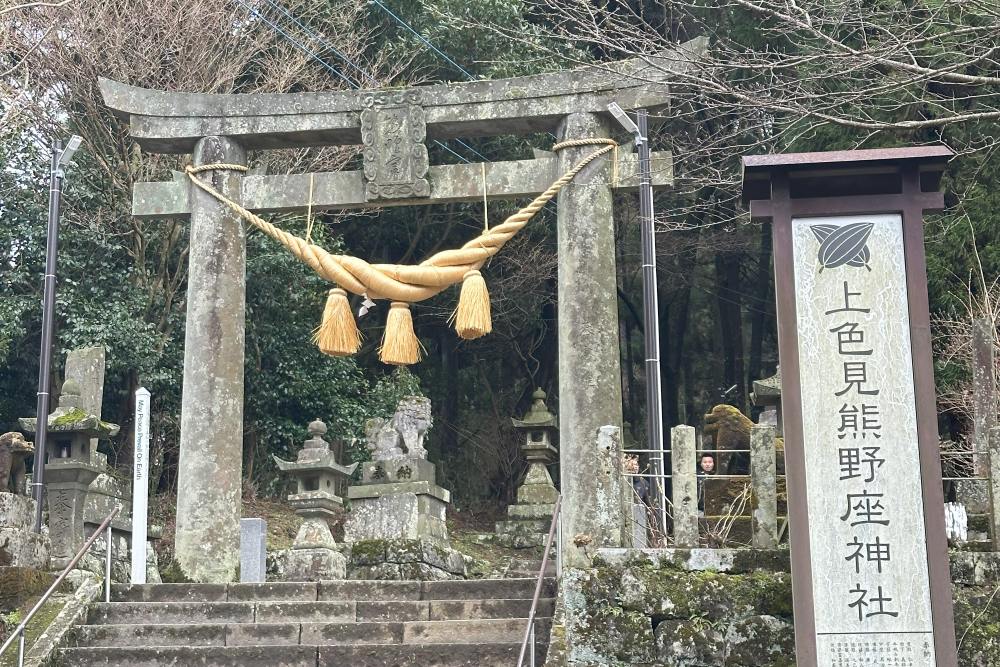
Why Rainy Days Make This Shrine Even More Magical
Most shrines shine in sunlight: but this one glows in the shadows. As clouds roll in and the forest fills with mist, the air thickens with atmosphere. The moss glistens, the cedar bark deepens in tone, and the stone lanterns seem to hum with life.
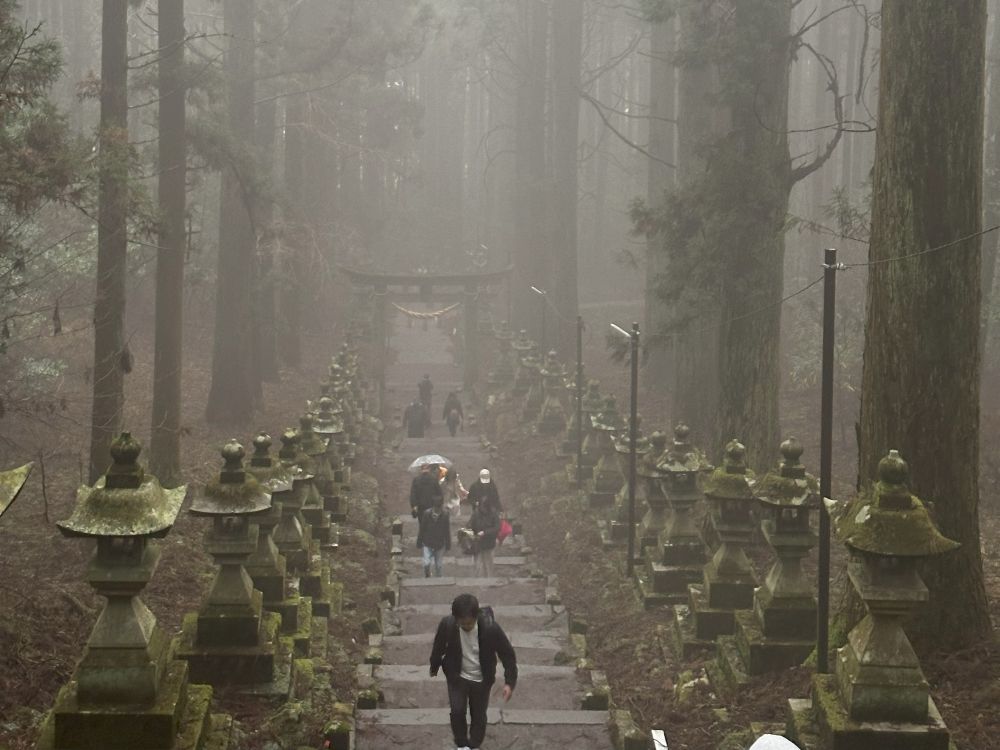
Rain muffles sound, intensifying the stillness. You’ll hear only your footsteps and the occasional rustle of leaves. It’s not just peaceful. It’s hauntingly beautiful.
If sunny Aso is for sightseeing, this shrine is for feeling.
And rain? It’s the final ingredient in the spell.
280 Steps to a Hidden World
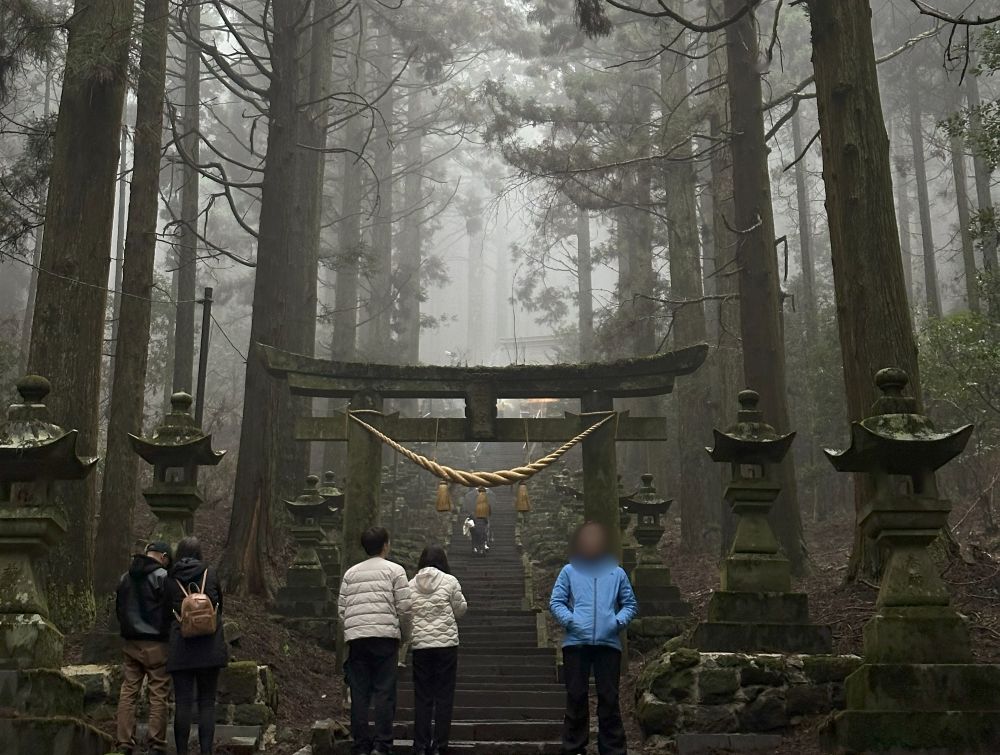
Your visit begins with a stone stairway of 280 steps, ascending quietly into the forest. Moss-covered tōrō (lanterns) line the path, and towering cedar trees form a canopy overhead.
Light filters in only gently, especially on cloudy days, creating a scene that feels timeless and untouched.
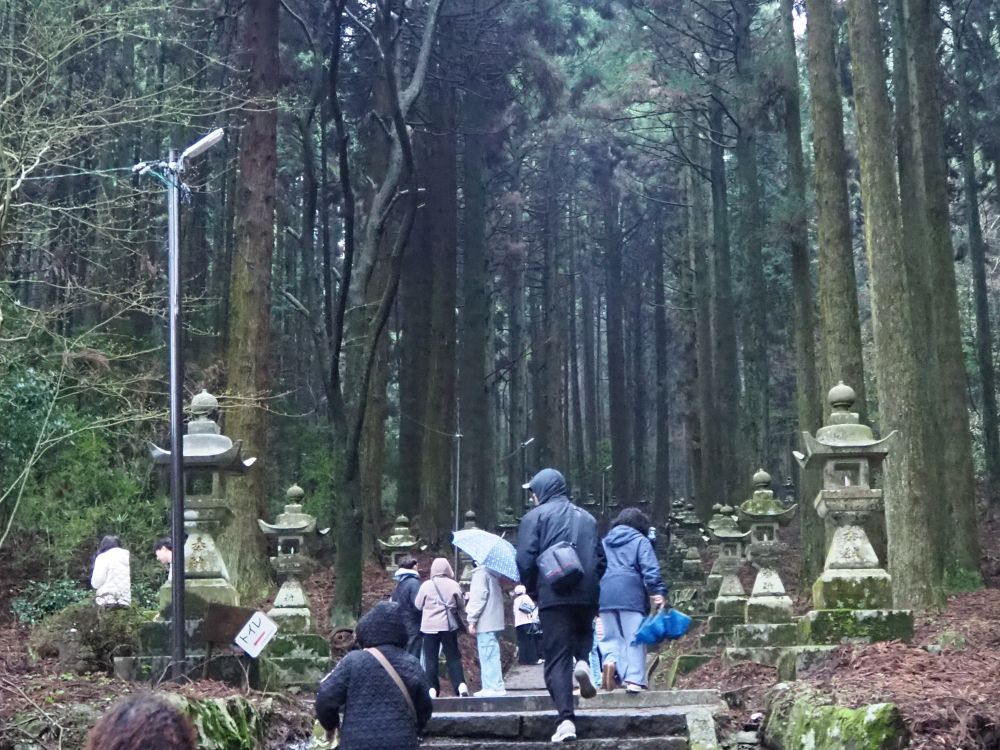
This is the exact setting depicted in Hotarubi no Mori e. Whether you’ve seen the film or not, the atmosphere pulls you in. It’s not hard to imagine forest spirits watching from behind the trees.
Photo Tip: Rainy weather + wide-angle lens = stunningly moody shots. Crouch low and aim upward to capture the full scale of the scene.
Ugetoiwa: A Rock That Breathes Resilience
At the end of the path lies Ugetoiwa, a massive stone pierced by a natural wind hole. It looks like something out of a myth, and in a way, it is. Legend says it holds the power to break through all obstacles, and visitors often pray here for strength in tough times.
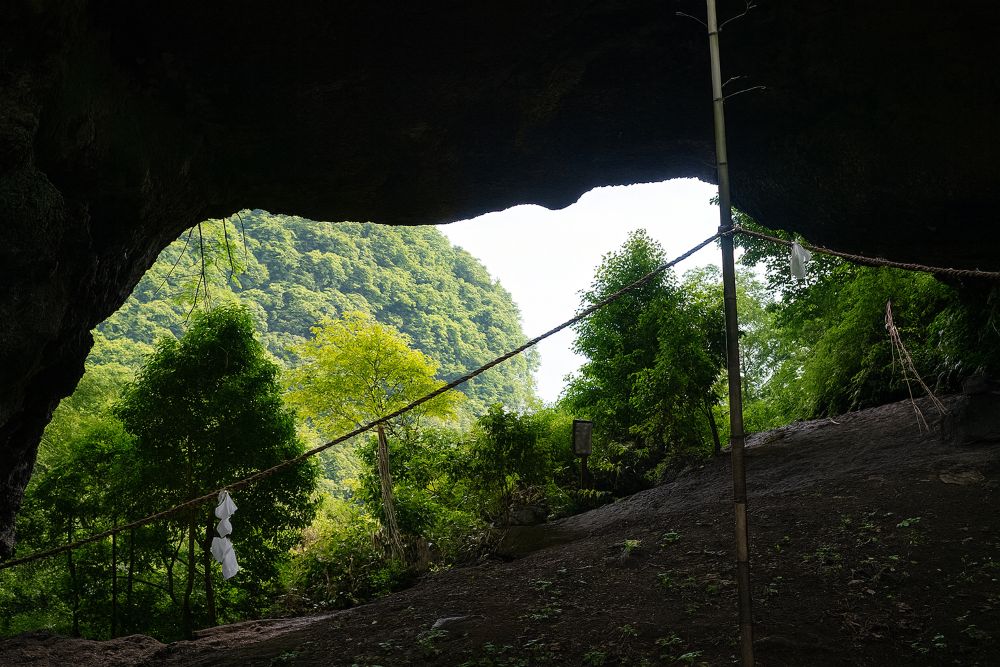
When the fog curls around its base and the wind whispers through the hole, it feels alive. Especially in the rain, Ugetoiwa exudes a quiet power that’s hard to describe, but impossible to forget.
Nagi Tree: Where Bonds Are Forged, Not Broken
Near the shrine’s main hall grows the sacred Nagi tree. Its smooth, horizontal-tear-resistant leaves have long symbolized unbreakable ties.
Visitors leave wishes for lasting love, strong partnerships, and lifelong friendships. Amid the sound of raindrops and rustling leaves, it’s a deeply personal place to reflect on the connections that matter most.
A Place Where Fiction Becomes Real
Kamishikimi is more than a spiritual retreat. It’s a piece of pop culture.
In addition to its anime fame, the shrine was a filming location for “Rurouni Kenshin: The Final.” The production team preserved the shrine’s natural ambiance, blending real and CG imagery to create some of the film’s most emotional scenes.
For fans, standing where those stories were born is a surreal, immersive experience.
Essential Tips for Visiting Kamishikimi Kumanoimasu Shrine
- Go when it rains or after a storm: That’s when the shrine truly comes alive.
- Early morning or late afternoon: Best for soft light and solitude.
- Parking: Free lot nearby, but limited on weekends.
- Goshuin (stamp): Issued at the Takamori Tourism Promotion Organization’s tourist office, 1 minute on foot from Takamori Station (9:00 AM to 5:00 PM).
Final Thoughts: The Best Rainy Day Destination in Kyushu
Kamishikimi Kumanoimasu Shrine isn’t just another stop on your travel mapit’s a portal to another world.
In the rain, its presence deepens. In the mist, its beauty sharpens. And in the silence, it speaks louder than words.
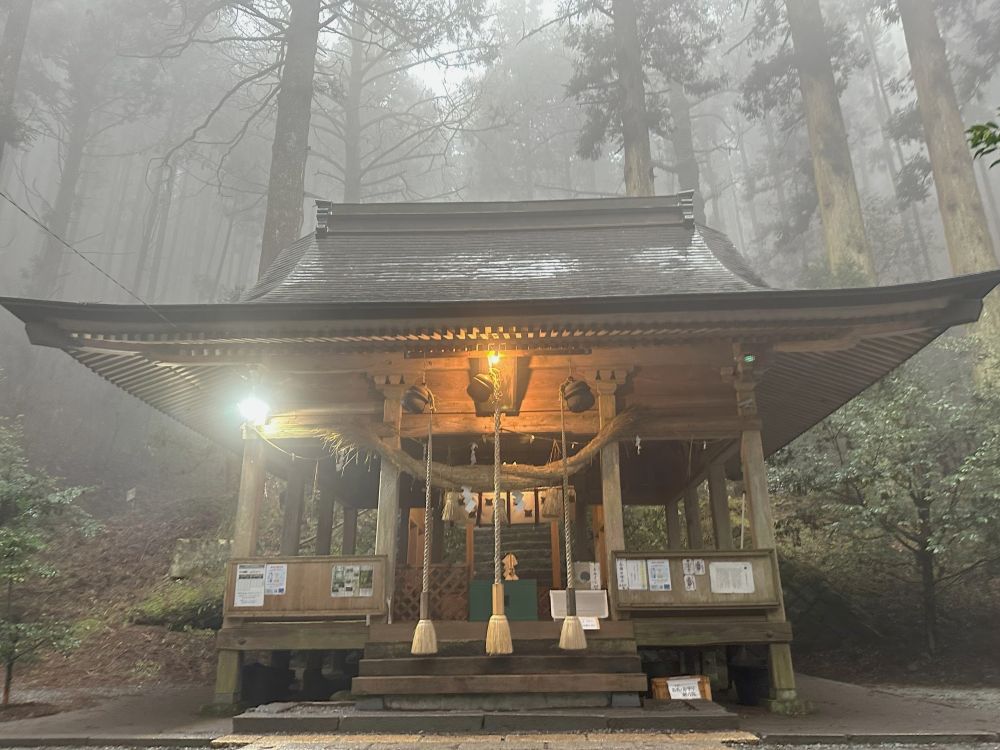
So when the forecast in Kumamoto turns grey, don’t stay inside.
Head into the forest. Climb the mossy steps. Touch the stone.
And discover that sometimes, the most magical places aren’t found in sunshine. They’re born in shadows.
Planning a shrine visit? If you’re unsure how to bow, clap, or make an offering once you’re at the shrine, read our step-by-step guide on how to pray at a Japanese shrine, explained by a Shinto priest at Yushima Tenjin in Tokyo.
Frequently Asked Questions
How do you get to Kamishikimi Kumanoimasu Shrine?
Kamishikimi Kumanoimasu Shrine is about 10 minutes by car from Takamori Station, the last stop on the Minami-Aso Railway. The Takamori town bus on the Kamishikimi Kumanoza Jinja Line takes 16 minutes from the Takamori Ekimae stop to the shrine entrance stop (上色見熊野座神社入口), with three or four runs a day under the timetable revised in July 2025. The shrine has a parking lot that takes large vehicles.
Where can you get a goshuin for Kamishikimi Kumanoimasu Shrine?
Goshuin for Kamishikimi Kumanoimasu Shrine are issued at the Takamori Tourism Promotion Organization’s tourist office, a 1 minute walk from Takamori Station, because the shrine has no resident priest. The office is open from 9:00 AM to 5:00 PM and closed over the year-end and New Year holidays. The office also carries shrine goods and local snacks.
Is Kamishikimi Kumanoimasu Shrine the shrine in Hotarubi no Mori e?
Kamishikimi Kumanoimasu Shrine is the setting of the anime film Hotarubi no Mori e, by manga artist Yuki Midorikawa of Kumamoto Prefecture, according to the Takamori Tourism Promotion Organization. The organization says the film drew attention to the shrine, and that in recent years its otherworldly atmosphere became a topic on social media and brings visitors from Japan and abroad.
Which deities are enshrined at Kamishikimi Kumanoimasu Shrine?
Kamishikimi Kumanoimasu Shrine enshrines Izanagi, Izanami and Iwagimi Taishogun, the rough spirit of Aso Daimyojin. The shrine is said to date from the late Kamakura to the Muromachi period, and it joins older rock worship with the Kumano faith brought by mountain ascetics. The story told about Ugetoiwa is that Kihachi Hoshi kicked open its wind hole while fleeing Aso Daimyojin.
Share