

Bear attacks in Japan are caused by two native species, the brown bear (Higuma) in Hokkaido and the Asiatic black bear (Tsukinowaguma) on Honshu and Shikoku. The Ministry of the Environment recorded 238 victims in fiscal 2025 (April 2025 to March 2026), including 13 deaths, the highest death toll on record. Kyushu and Okinawa have no wild bears.
| Fiscal 2025 casualties | 238 victims in 216 incidents, including 13 deaths (April 2025 to March 2026) |
|---|---|
| Worst month of fiscal 2025 | October 2025, with 89 victims and 7 deaths |
| Fiscal 2026, April to August | 62 victims in 58 incidents, including 6 deaths (provisional, to end of August 2026) |
| Bear species | Brown bear (Higuma) in Hokkaido, Asiatic black bear on Honshu and Shikoku |
| No recent sightings or captures | Kyushu (all seven prefectures) and Okinawa |
| Bear spray on flights | Not allowed in carry-on or checked baggage. Buy or rent it after landing. |
Checked in October 2026 against env.go.jp.
The Growing Threat: Bear Encounters in Japan
Japan is facing a serious bear problem. Attacks are surging, and the media is flooded with reports. This isn’t just a rural annoyance; it’s a deadly serious issue, especially for anyone looking to explore the country’s beautiful mountains.
Why Is This Happening Now?
The situation is a perfect storm of several factors. It’s not one single cause.
- Starvation: The main driver. Both 2023 and 2025 saw a massive failure of beech nuts and acorns, the bears’ primary food source. They were starving, and hungry bears are desperate.
- Depopulation: Rural Japan is emptying out. As villages age and shrink, abandoned farmland quickly becomes overgrown, blurring the line between wilderness and human territory. Bears are simply walking into areas that were once off-limits.
- Population Boom: Conservation efforts worked. Bear populations, particularly the Asiatic black bear, have rebounded from their lows. Now, there are too many bears competing for too little food in shrinking habitats.
- They’ve Lost Their Fear: Bears (especially young ones) that find food in garbage dumps or unattended campsites learn a fatal lesson: humans mean easy food. They are becoming bolder and see humans as obstacles, not threats.
The Bears of Japan: Know Your Opponent
Japan has two native bear species. Forget what you think you know about bears. These are not cartoon characters.
The Monster: Ussuri Brown Bear (Higuma)
- Where: Found only in Hokkaido, Japan’s northernmost island.
- Size: This is a monster, a true apex predator, and a close relative of the North American grizzly. We’re talking males nearly 2 meters (6.5 feet) long and weighing up to 400kg (880 lbs). They are walking tanks, capable of flipping cars and tearing down small structures. They are terrifyingly fast, strong, and aggressive.
- Threat: This is the bear of nightmares. It has a history of horrific, multi-victim attacks (search the “Sankebetsu incident” if you have the stomach for it). They are opportunistic hunters. They will see you as food.
The Brawler: Asiatic Black Bear (Tsukinowaguma)
- Where: Found on Japan’s main islands, Honshu and Shikoku (extinct on Kyushu). This is the bear you are most likely to encounter outside of Hokkaido.
- Size: Let’s get the numbers straight first. Males typically stand 110-150cm (3.5 to 5 feet) tall and weigh 50-120kg (110-265 lbs).
- Threat: You read those numbers and think, “That’s smaller than a Higuma.” That is the mistake that gets people killed. This bear, identified by the white crescent mark on its chest, is responsible for the vast majority of attacks in Japan. Don’t let the “smaller” size fool you. A 120kg brawler is still a dense block of muscle, claw, and teeth that can easily overpower and kill an adult human. They are agile climbers, fast runners, and incredibly dangerous when surprised or hungry.
Fatality Rates: Playing Russian Roulette
Here’s the brutal truth. These are not good odds.
- Asiatic Black Bear (Honshu): According to Japan’s Ministry of the Environment data for fiscal 2023, there were 192 black bear attacks resulting in 4 deaths. This puts the fatality rate at approximately 2.1%. This isn’t zero. It means 1 death for every 48 attacks.
- Ussuri Brown Bear (Hokkaido): This is where the numbers get terrifying. While encounters are less frequent, reports (like those from the Japan Mountaineering Association) place the fatality rate for a Higuma attack at a staggering 26.5%.
That is not a typo. If you are attacked by a brown bear in Hokkaido, you have a 1-in-4 chance of dying.
The bottom line: An attack from either species is a life-threatening event, but an encounter with a Higuma is a coin flip for survival.
The 2025 Statistics: A Record Year for Bloodshed
The numbers are grim. The 2025 Japanese fiscal year (April 2025 to March 2026) saw the worst statistics on record.
In that fiscal year, Japan recorded:
- 13 fatalities from bear attacks.
- 225 injuries
Reference: クマ類による人身被害について [速報値] 環境省
These aren’t just climbers in remote mountains. Many victims are farmers, elderly residents, or people attacked near their own homes. The bears are coming to town.
How Tourists Can Stay Safe (Or Just Avoid Bears Entirely)
Let’s be clear: we are not survival experts. An encounter with a starving, 400kg predator is not a simple “checklist” situation.
The best survival guide is blunt: Don’t risk the encounter.
The Safe Alternative: Hike Without Fear
If you want to experience Japan’s incredible nature without the lethal risk of bears, focus your plans on the southern islands.
- Kyushu: Japan’s third-largest island. Bears here are considered extinct. You can hike the stunning Kuju mountains or Kirishima-Kinkowan National Park worry-free. We especially recommend Aso, Kumamoto and Beppu, Oita. There you will find vast nature and famous onsen (hot springs).
- Yakushima: This World Heritage island south of Kyushu is famous for its ancient, moss-covered cedar forests. It has zero bears.
- Okinawa & Remote Islands: Japan’s tropical islands are beautiful, unique, and completely bear-free.
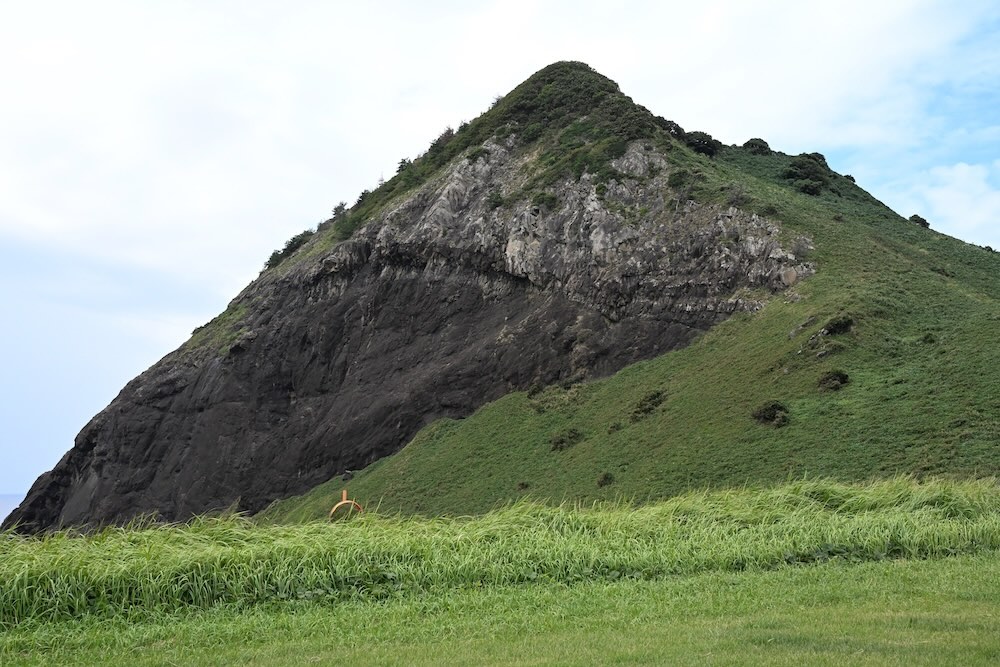
You can have an incredible wilderness adventure in Japan without ever having to check over your shoulder.
If You Absolutely Must Hike in Bear Country (Honshu, Hokkaido)
If you are absolutely set on hiking in Honshu, Shikoku, or (especially) Hokkaido, you must accept the risk. Do not treat this lightly.
- Follow Local Guidance. This is the most important rule. Before you hike, go to the local tourist information center or park ranger station. Ask about recent sightings. They have the most up-to-date information. If they advise against hiking, do not hike.
- Heed the Signs. If you see a warning sign (“熊出没注意”Kuma Shutsubotsu Chūi), it is not a suggestion. It means bears are active right there, right now. Turn back.
- Carry Bear Spray. Especially in Hokkaido, this is not optional. Buy it when you arrive (you cannot fly with it) and know how to use it.
- Make Noise. Wear bear bells (Kuma-suzu). Talk loudly. Do not let yourself surprise a bear.
We hope you will have a nice trip!
Frequently Asked Questions
What does Higuma mean?
Higuma is the Japanese word for the brown bear, the larger of Japan’s two bear species. In Japan the Higuma lives only in Hokkaido. Males weigh 150 to 400 kg, according to the Hokkaido Government, which put its median estimate of Hokkaido’s brown bear population at 12,190 at the end of 2024.
How many people did bears kill in Japan in 2025?
Bears killed 13 people in Japan in fiscal 2025 (April 2025 to March 2026), the highest number on record, according to the Ministry of the Environment. All 13 deaths happened between June and November 2025, 7 of them in October. The ministry counted 238 victims in 216 incidents, deaths included. Asiatic black bears caused 11 of the deaths and brown bears in Hokkaido caused 2.
What should you do if you meet a bear in Japan?
Japan’s Ministry of the Environment advises anyone who meets a bear to stay calm and back away slowly while watching it. Noise from a bell or voice is for avoiding a close encounter. Once a bear is in sight, the ministry warns against shouting, running, throwing objects or approaching for a photo. If a bear attacks, the ministry says to lie face down and protect the neck, face and abdomen.
Are there bears on Sado Island?
Sado Island has no bears. The Sado Tourism Association states on its visitor site that no large animals such as bears live on the island, and Niigata Prefecture’s black bear management plan covers the whole prefecture except Sado Island and Awashima. Mainland Niigata Prefecture does have Asiatic black bears, which injured 17 people there in fiscal 2025.
Where can you check recent bear sightings in Japan?
Recent bear sightings in Japan are published by prefectural governments, and the Ministry of the Environment keeps a list of links to the sighting pages of 32 prefectures, from Hokkaido to Tokushima. Akita Prefecture runs a sighting map called Kumadas, and Tokyo has its own map. The Hokkaido Government also lists the brown bear pages of its cities and towns.
Share