
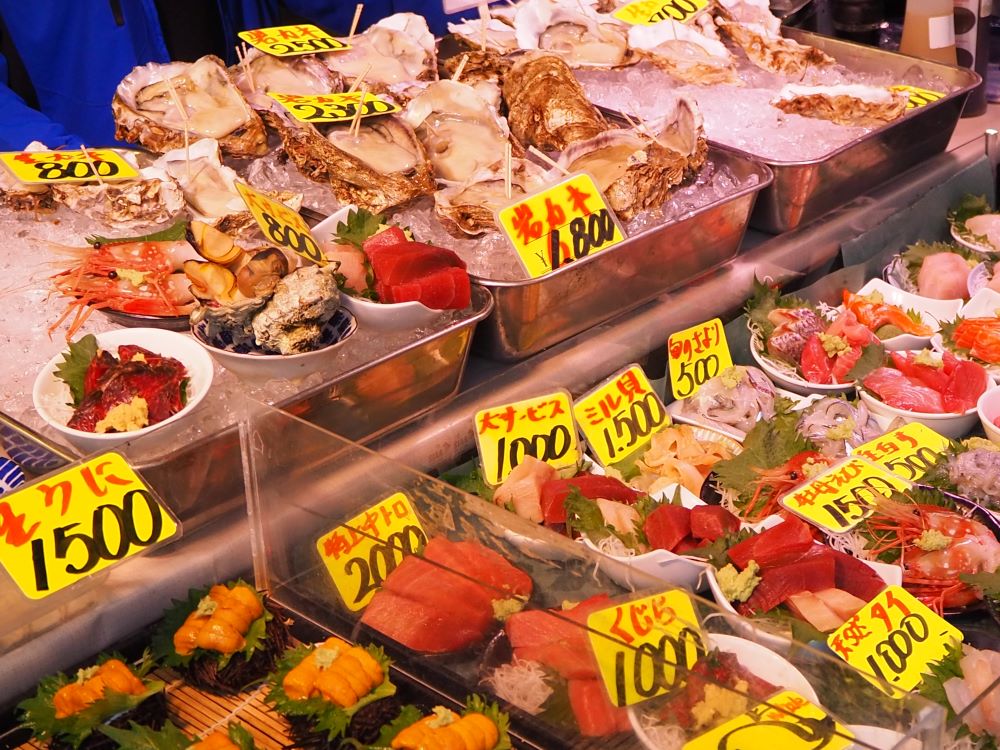
Tsukiji Outer Market is still one of Tokyo’s best places for seafood, sushi, street food, Japanese knives, and the feel of an old working market. The famous wholesale tuna auction moved to Toyosu in 2018, but the outer market remains in Tsukiji, with restaurants, food stalls, fish shops, and specialty stores still open to visitors.
| Location | Tsukiji 4-chome and 6-chome, Chuo Ward, Tokyo |
|---|---|
| Station access | Tsukijishijo Station (Toei Oedo Line), exit A1, 1-minute walk |
| Market hours | 6:00 AM to 9:00 AM mainly for professional buyers. Regular sales 9:00 AM to 2:00 PM |
| Shop hours and closed days | Set by each shop. Many close on Sundays, public holidays and some Wednesdays |
| Number of shops | More than 400, selling fresh fish, produce, dried goods, knives and kitchenware |
| Information center | Plat Tsukiji: market maps, coin lockers, Seven Bank ATM, English-speaking staff |
| Official site | tsukiji.or.jp |
Checked in October 2026 against tsukiji.or.jp.
For most first-time travelers, the best time to go is in the morning, ideally before lunch. Many shops are busiest early in the day, and popular dishes can sell out before the afternoon. If you only have time for one Tokyo food market, Tsukiji is easier to walk, more compact, and more atmospheric than Toyosu for casual visitors.
Is Tsukiji Outer Market Still Open?
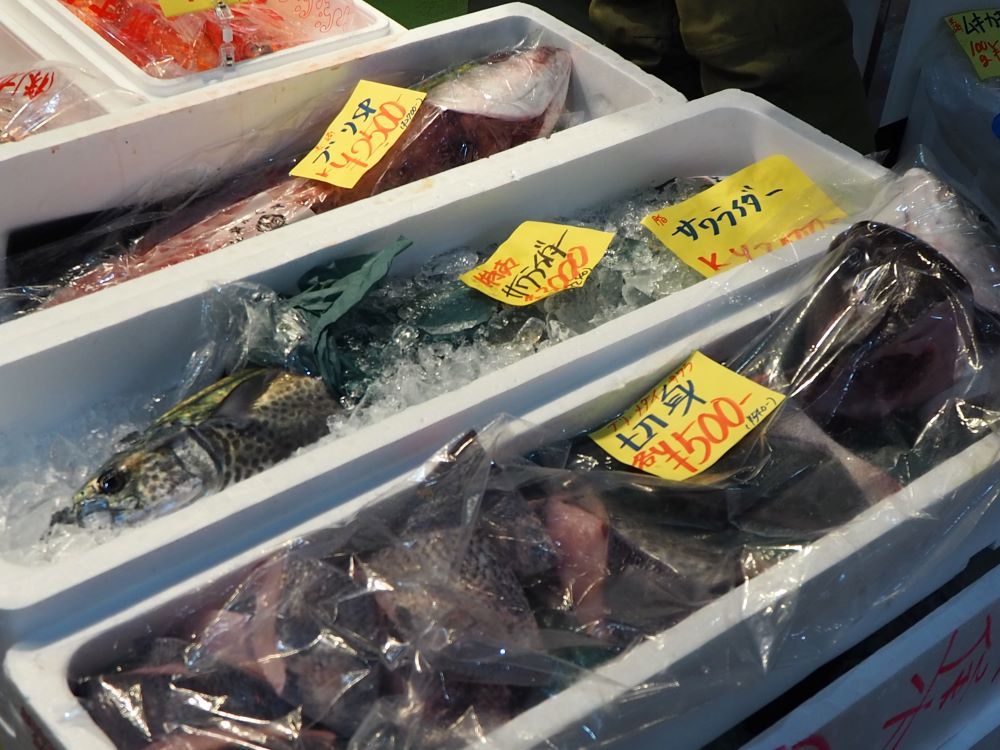
Yes. Tsukiji Outer Market is still open. According to the Japan National Tourism Organization (JNTO), what moved to Toyosu in October 2018 was the inner wholesale market, including the famous tuna auction. The outer market, with its restaurants, food stalls, fish shops, knife stores, and specialty food vendors, remains in Tsukiji and continues to operate as a working market with daily foot traffic from both locals and tourists.
So if you searched for “Tsukiji Fish Market” expecting the tuna auction, that part is now in Toyosu. But if you are looking for sushi breakfasts, grilled scallops on sticks, tamagoyaki, knives, and narrow lanes lined with shops, you still want Tsukiji.
Tsukiji Outer Market vs Toyosu Market: What’s the Difference?
This is the question that confuses most visitors. The short version: Tsukiji is the food and shopping experience, Toyosu is the modern wholesale facility. They serve different purposes, and most travelers will get more out of Tsukiji.
| What you want | Where to go |
|---|---|
| Street food and snacks | Tsukiji Outer Market |
| Sushi or a seafood bowl for breakfast | Tsukiji |
| Old Tokyo market atmosphere | Tsukiji |
| The famous tuna auction | Toyosu |
| Modern, indoor wholesale market facilities | Toyosu |
| Only one market on a first Tokyo trip | Tsukiji is easier to enjoy |
If you want the tuna auction, go to Toyosu. If you want a walkable food market with sushi, snacks, knives, narrow lanes, and old Tokyo character, go to Tsukiji Outer Market.
Best Time to Visit Tsukiji Outer Market
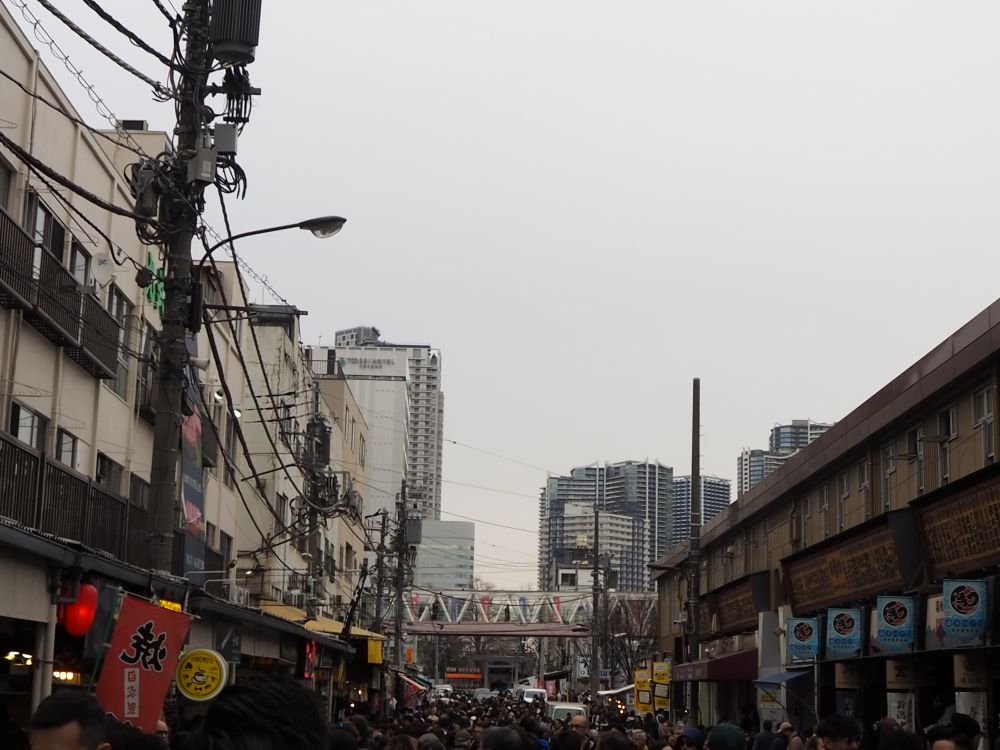
Morning is the answer. Tsukiji is a morning market, and by early afternoon the energy drops off and some shops start closing.
- Best overall time: 8:00 to 10:00 a.m.
- Fewer tourists: before 9:00 a.m., though professional buyers are still active, stay out of their way.
- Casual food walking: 9:00 to 11:00 a.m. is the easiest window for visitors.
- Too late: after noon, when many popular items are sold out or shops start closing.
- Avoid if possible: Sundays, public holidays, and some Wednesdays: closures vary shop by shop.
Opening hours and closing days are decided by each individual shop, so always check the specific restaurant or store you have in mind. As a rule of thumb, plan to arrive by 9 or 10 a.m. and you will catch the market at its best.
Tsukiji Outer Market Opening Hours
There is no single opening time for the whole market because Tsukiji Outer Market is a collection of independent shops and restaurants. In general:
- Most shops open around 5:00 to 8:00 a.m.
- Most shops close around 1:00 to 2:00 p.m., some earlier if sold out
- Common closed days: Sundays, public holidays, and some Wednesdays
If there is a specific restaurant you want to visit, look up its hours and closed days in advance. The official Tsukiji Outer Market site lists individual shop information, and Google Maps is usually accurate for the popular restaurants.
What to Eat at Tsukiji Outer Market
This is where Tsukiji is at its strongest. You do not need a long list of “must-try” restaurants, the better approach is to eat small portions at several shops, the way locals do.
Sushi and seafood bowls
Tsukiji is a solid choice for sushi and seafood bowls (kaisen-don), especially for a casual breakfast or early lunch. You do not need to chase the most famous shop with the longest line. In most cases, picking a place with a clear menu, fresh-looking toppings, and a reasonable wait will give you a better experience than queuing for an hour at a name brand.
Tamagoyaki
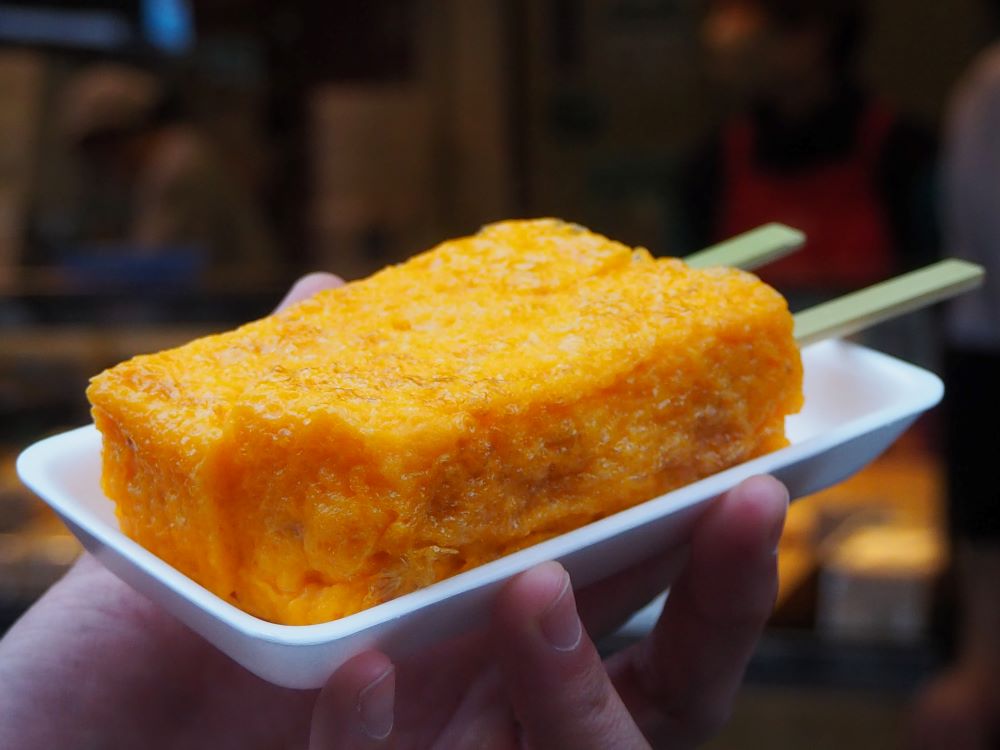
Tamagoyaki, a sweet rolled omelet served on a stick, is one of the easiest snacks to try at Tsukiji. It is inexpensive, quick to eat, and a good first bite for people who do not want raw seafood early in the morning. Several specialist shops in the outer market sell it freshly made.
Grilled seafood
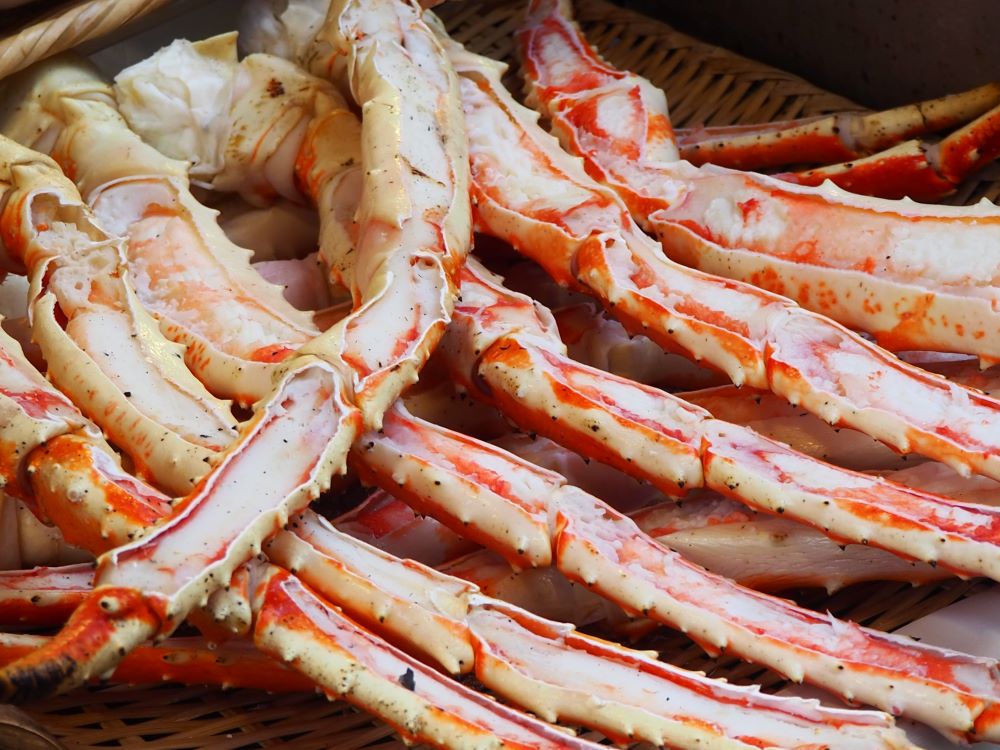
Grilled scallops, skewers of shrimp or wagyu, sea urchin in the shell, and grilled crab legs are good options if you want the Tsukiji experience without committing to a full sushi meal. Most are sold per piece, so you can sample without overcommitting.
Seafood soup and snacks
On a cold morning, a small bowl of miso soup with clams or a fish-based broth is one of the best things you can have at Tsukiji. Look for stalls with steam rising and a short standing area in front.
Non-seafood options
Even if you do not eat raw fish, Tsukiji is still worth a visit. Tamagoyaki, grilled snacks, miso soup, matcha, sweets, pickles, dried foods, and kitchenware shops all give you plenty to do. You can easily spend an hour or two here without ordering any sushi.
What to Buy at Tsukiji Besides Food
Tsukiji is not only about eating. The outer market is also a good place to shop for kitchen tools, ingredients, and souvenirs that are hard to find in standard tourist areas.
Japanese knives
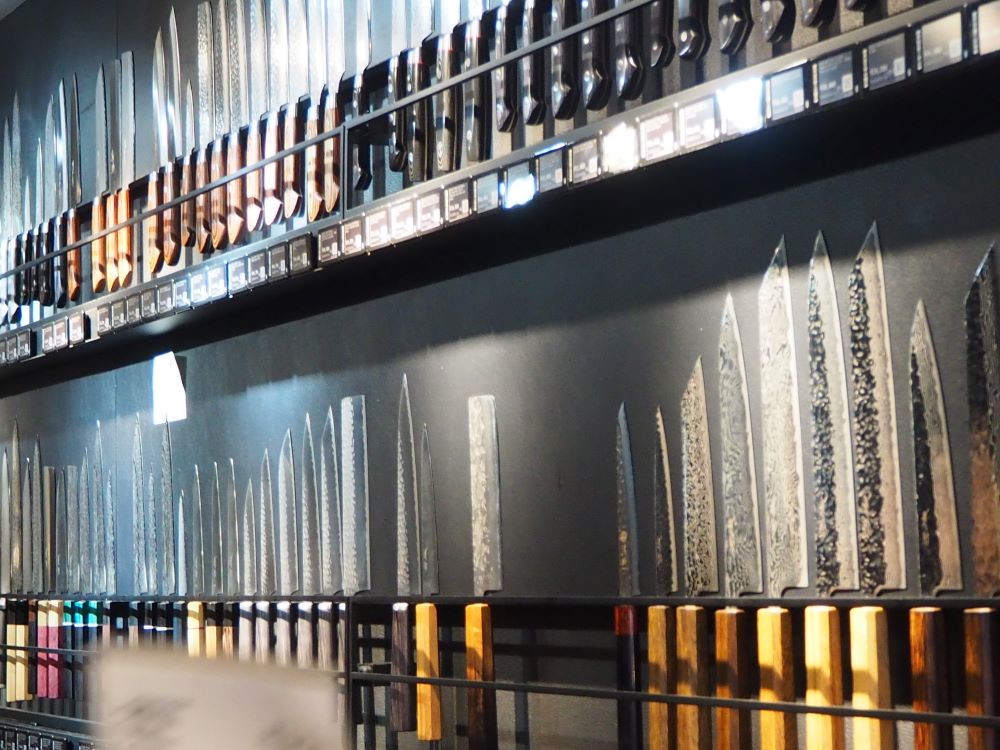
Tsukiji has several well-known knife shops, some of which have been in the area for generations. Staff at the larger shops usually speak basic English and can recommend a knife based on what you cook at home. Many shops also offer engraving on the blade.
Dried seafood and seasonings
Dried bonito flakes (katsuobushi), kombu, dried fish, nori, shichimi, and other Japanese seasonings are easy to find in the outer market. These travel well and are good gifts for anyone who cooks.
Tableware and kitchen tools
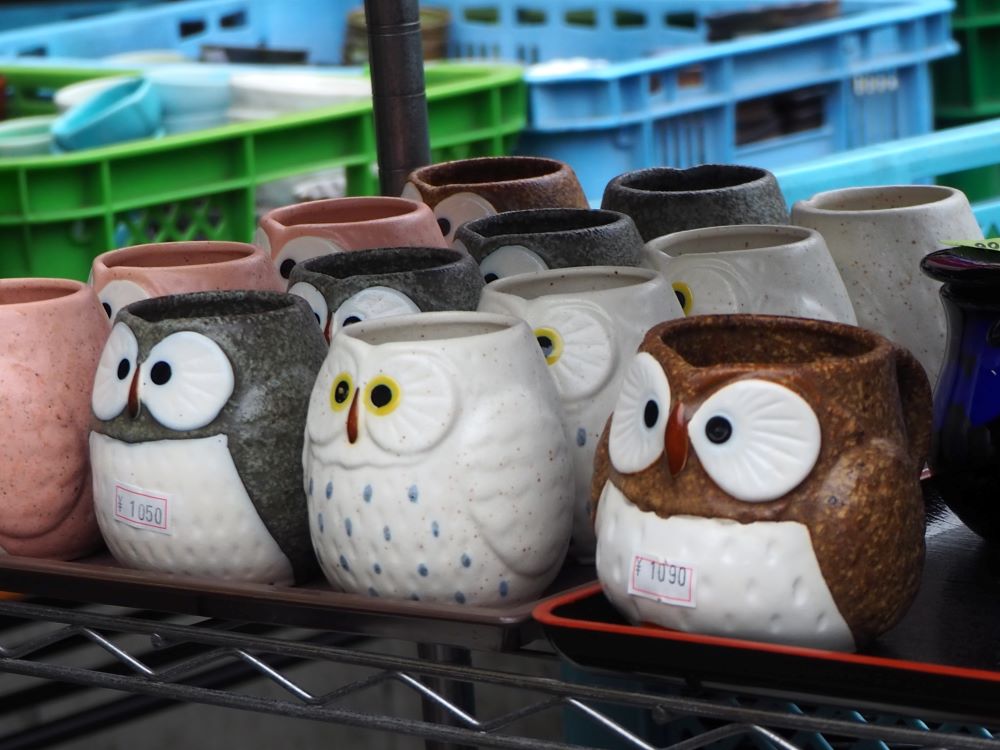
Ceramic bowls, cups, chopsticks, graters, tamagoyaki pans, and other small kitchen tools are sold at several shops. Prices are usually fair for the quality, and items are small enough to bring back in a suitcase.
Mistakes to Avoid at Tsukiji Outer Market
Most of the common problems at Tsukiji come from treating it like a theme park instead of a working market. Here are the mistakes that come up the most often.
Mistake 1: Expecting to see the tuna auction at Tsukiji
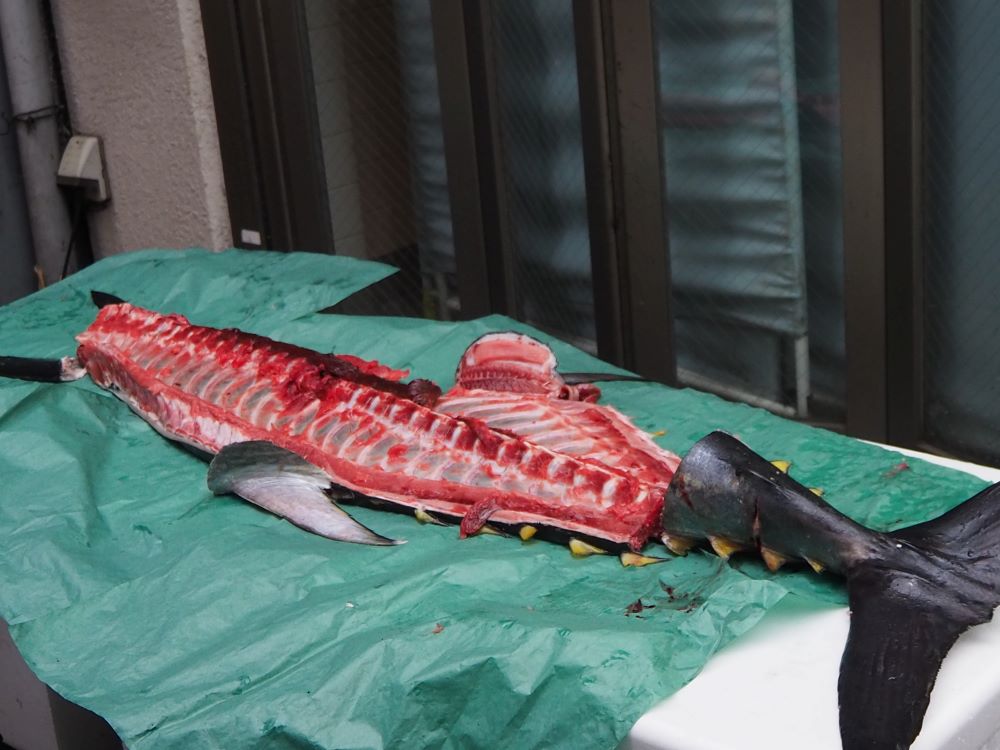
The tuna auction is no longer in Tsukiji. It moved to Toyosu Market in 2018. If watching the auction is your main goal, you need to go to Toyosu, not Tsukiji.
Mistake 2: Arriving too late in the day
Tsukiji is a morning market. By 1 or 2 p.m., many of the best shops are closed or sold out. Aiming to arrive between 8 and 10 a.m. is much safer than showing up at lunchtime.
Mistake 3: Only looking for sushi
Sushi gets the headlines, but tamagoyaki, grilled scallops, miso soup, and fresh fruit skewers are often more memorable for visitors. Try a few small things from different stalls rather than committing to one big meal.
Mistake 4: Walking while eating
Eating while walking is discouraged at Tsukiji. The lanes are narrow, and dripping food onto other shoppers or merchandise is a real problem. Eat near the shop you bought from, or at a designated standing area.
Mistake 5: Blocking narrow lanes with luggage
Tsukiji is not designed for suitcases. If you are coming from the airport or checking out of a hotel, drop your luggage at a coin locker before you visit.
Mistake 6: Taking photos without asking
Some shops are happy to be photographed, others are not. If you want a close-up of the shop, the staff, or the food, ask first. A short “Sumimasen, shashin ii desu ka?” goes a long way.
Mistake 7: Touching food or displays without permission
Do not pick up fish, fruit, or displayed items unless you are buying. Many items are fragile, and the shops are still selling to professional buyers who expect them to be untouched.
Mistake 8: Assuming every shop accepts cards
Card and IC payment have improved, but smaller stalls and older shops are still cash-only. Bring some yen in small bills, just in case.
Mistake 9: Treating Tsukiji like a theme park
Tsukiji is a working market. The shops are not there to entertain tourists. They are there to sell. Keeping that in mind shapes everything else: where you stand, how loud you are, how long you block a stall, and how you behave around staff who are working.
Manners and Etiquette at Tsukiji
A few simple habits will make your visit easier for both you and the shops around you:
- Eat near the shop you bought from, not while walking.
- Do not block narrow lanes: step to the side if you want to stop and look.
- Leave large bags and suitcases at a locker before you arrive.
- Ask before taking photos of staff, shops, or displays.
- Do not touch fish, fruit, or other goods unless you plan to buy.
- Travel in small groups rather than large tour groups when possible.
- Throw rubbish away at the shop where you bought the item. There are very few public bins.
How to Get to Tsukiji Outer Market
Tsukiji Outer Market is easy to reach by subway. The closest stations are:
- Tsukijishijo Station (Toei Oedo Line): exit A1, about a 1-minute walk.
- Tsukiji Station (Tokyo Metro Hibiya Line): exit 1 or 2, about a 1-minute walk.
- Higashi-ginza Station (Hibiya Line / Toei Asakusa Line): exit 5 or 6, about a 5-minute walk.
From Ginza, the outer market is also walkable in about 10 to 15 minutes, which makes it easy to combine the two on the same morning.
Suggested 2-Hour Tsukiji Itinerary
If you have around two hours, this is a practical way to spend the morning:
- 8:30 a.m.: Arrive at Tsukiji Outer Market.
- 8:45 a.m.: Walk the main lanes and look at the food stalls before deciding.
- 9:00 a.m.: Try tamagoyaki or a small seafood snack.
- 9:30 a.m.: Eat sushi or a seafood bowl at a sit-down place.
- 10:15 a.m.: Browse knife shops, dried seafood, and tableware stores.
- 10:45 a.m.: Walk to Tsukiji Hongwanji Temple.
- 11:15 a.m.: Continue to Ginza, Hamarikyu Gardens, or take the train to Toyosu.
Two hours is enough for a relaxed first visit. If you want to shop seriously for knives or souvenirs, give yourself three.
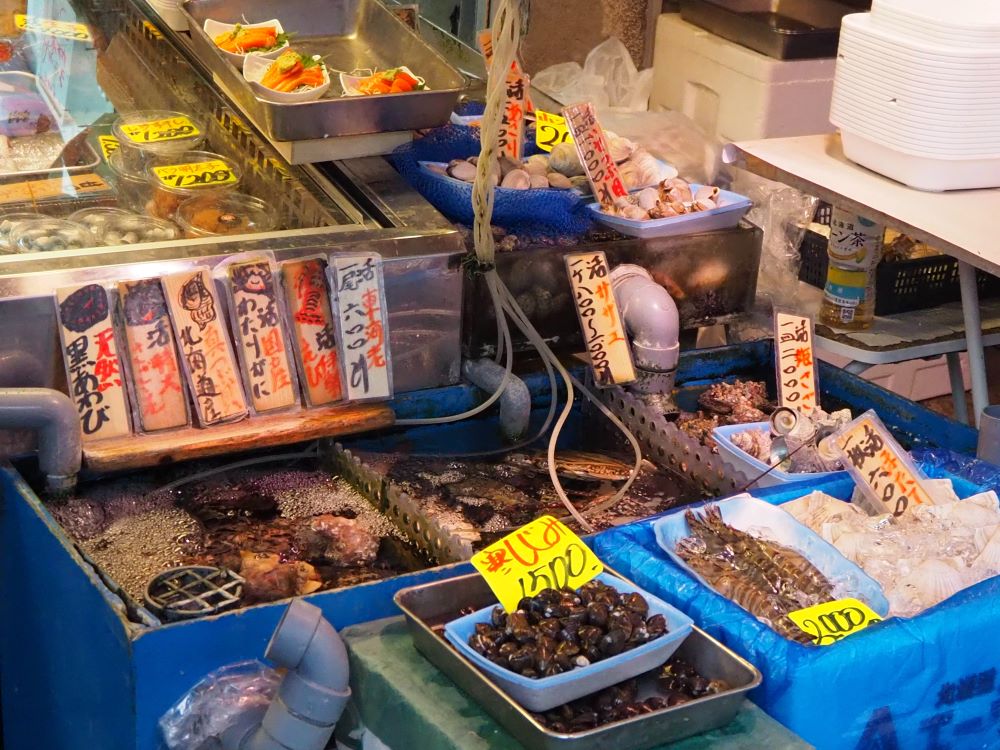
Places to Visit Near Tsukiji
Tsukiji works well as a morning stop on a longer day in central Tokyo. A few options that pair naturally:
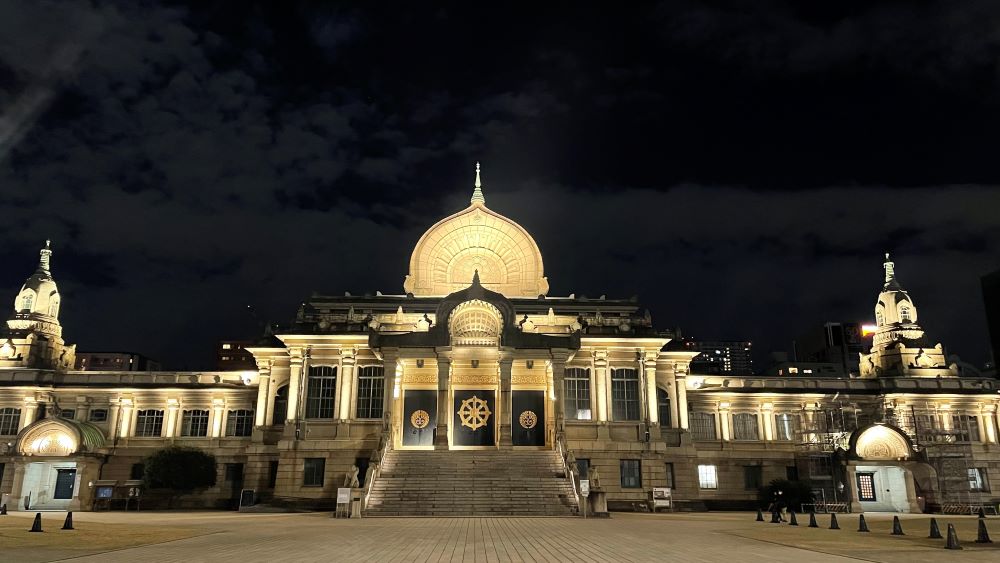
Tsukiji Hongwanji Temple
A short walk from the outer market, Tsukiji Hongwanji is a Buddhist temple with an unusual Indian-influenced design. It is quiet, free to enter, and a good place to slow down after the market.
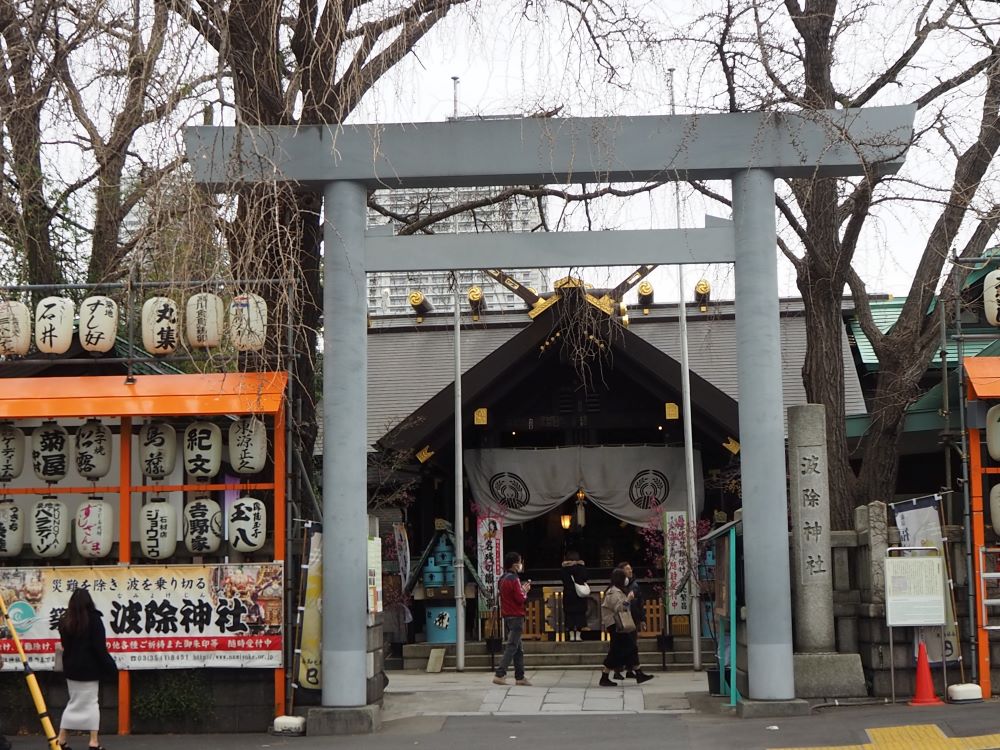
Namiyoke Inari Shrine
This small shrine sits at the edge of the outer market and has long been considered a protector of Tsukiji. The carved heads and stone monuments to the fish and seafood traded here are worth a few minutes.
Ginza
Ginza is a 10 to 15 minute walk from Tsukiji and works as a natural follow-up: market in the morning, shopping and lunch in Ginza afterward.
Hamarikyu Gardens
A short walk south of Tsukiji, Hamarikyu Gardens is a traditional Japanese garden with a teahouse on a pond. It is a good change of pace after the market.
Toyosu Market
If you specifically want to see the tuna auction or the modern wholesale market, take the Yurikamome line from Shimbashi to Shijo-mae Station. The auction itself happens very early in the morning, so plan accordingly.
FAQ
Is Tsukiji Outer Market still open?
Yes. The inner wholesale market and tuna auction moved to Toyosu in 2018, but the outer market remains in Tsukiji with restaurants, food stalls, fish shops, and specialty stores.
What time should I go to Tsukiji Outer Market?
Morning. For most travelers, 8:00 to 10:00 a.m. is the practical window. Arriving after 9 a.m. also helps you avoid interfering with the professional buyers who are working early.
Is Tsukiji better than Toyosu?
For street food, casual sushi, shopping, and atmosphere, Tsukiji is better. For the tuna auction and modern wholesale market facilities, Toyosu is better.
Can I eat while walking at Tsukiji?
No. Walking while eating is discouraged in the outer market. Eat near the shop you bought from, or in a designated standing area.
What should I eat at Tsukiji?
Sushi, seafood bowls, tamagoyaki, grilled scallops, miso soup, and small snacks are the easiest choices for first-time visitors. Try several small things rather than one big meal.
How long should I spend at Tsukiji Outer Market?
Plan for about two hours for a relaxed first visit. Three hours if you want to shop for knives or souvenirs.
Can I visit Tsukiji and Toyosu on the same day?
Yes, but you would need to start very early. The Toyosu tuna auction runs from 5:30 to about 6:30 a.m., so the typical plan is Toyosu first, then Tsukiji for breakfast and shopping.
Is Tsukiji Outer Market open on Sundays?
Tsukiji Outer Market is partly open on Sundays. About one third of its shops, mainly restaurants, open on Sundays and public holidays, according to the market’s official Q&A. The other shops are closed on those days, and many shops also close on some Wednesdays. Check the hours of a specific shop before you go.
Can you bargain at Tsukiji Outer Market?
Bargaining is not customary at Tsukiji Outer Market. The market’s official eight tips on manners say that shops sell carefully selected products at wholesale prices, and its official Q&A asks visitors to refrain from price negotiation. The official shopping hints add that the market is basically for wholesale and that no negotiation can be accepted.
Final Thoughts
Tsukiji Outer Market is no longer the place to see Tokyo’s tuna auction. But for most travelers, it is still the better place to feel Tokyo’s everyday food culture up close. Go in the morning, eat small portions from different shops, respect the working market, and leave time for nearby Tsukiji Hongwanji, Ginza, or Toyosu.
Share