
When planning your Tokyo trip, Harajuku’s Takeshita Street is probably already on your list, but just a short stroll away lies one of Tokyo’s best hidden shrines: Togo Shrine. Nestled in the heart of the city, it offers a peaceful mix of traditional Japanese culture, historical significance, and even a pop culture twist.
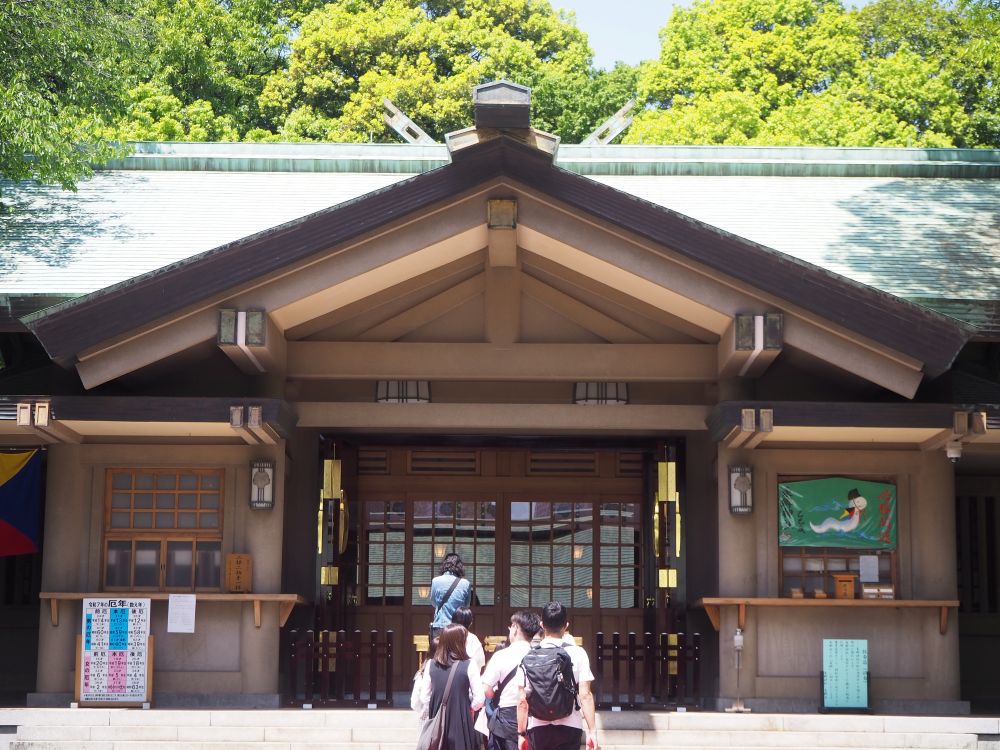
History of Togo Shrine
Togo Shrine (東郷神社) is dedicated to Admiral Togo Heihachiro, a legendary naval commander who led Japan to victory in the Russo-Japanese War. Known as the “God of Victory,” Admiral Togo is still admired today for his sharp military strategy and leadership. The shrine was established in 1940 to honor his legacy and to inspire strength in others.
Compared to other shrines, the komainu (guardian lion-dogs) here look especially muscular, perhaps a tribute to Admiral Togo’s power and determination!
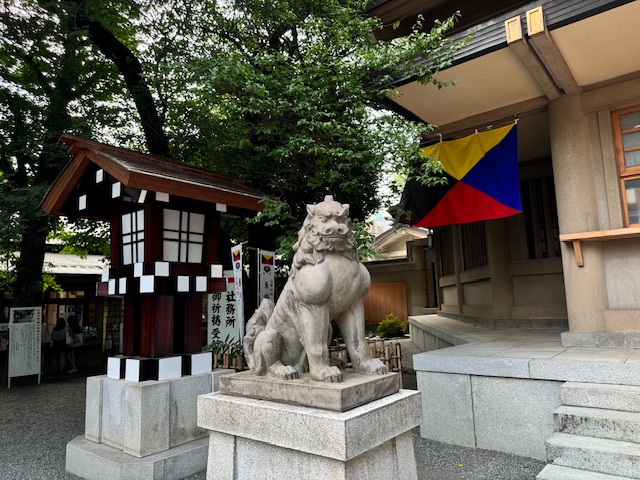
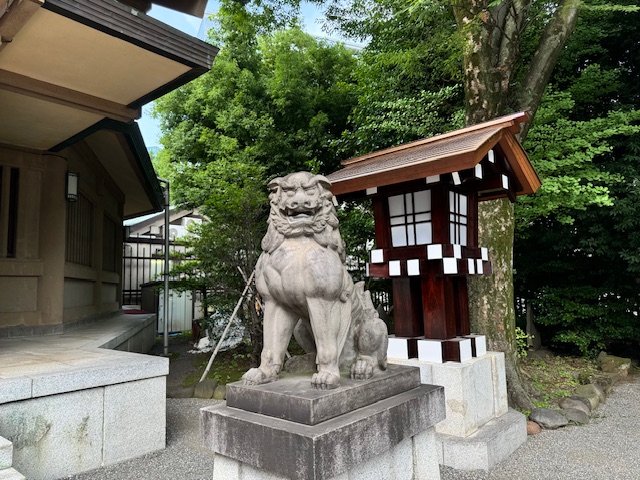
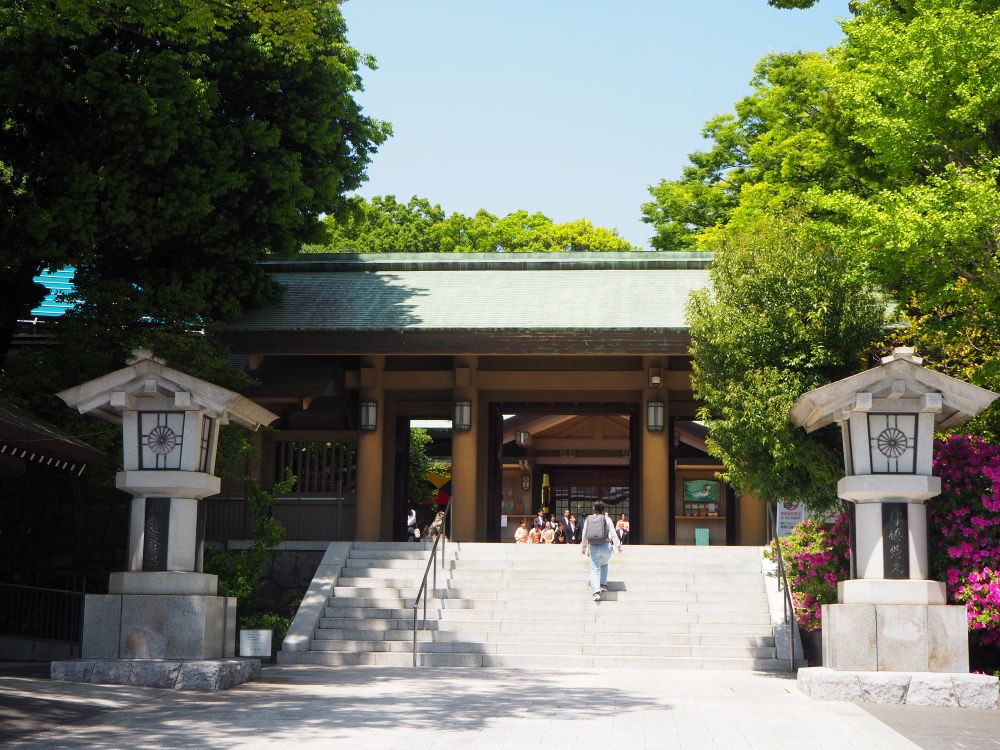
Today, people visit not just to learn history, but to pray for success in their own lives, whether it’s sports, exams, or career challenges. Despite its central location, Togo Shrine remains a serene escape from the crowds.
Unique Ema: “After Victory, Tighten Your Helmet”
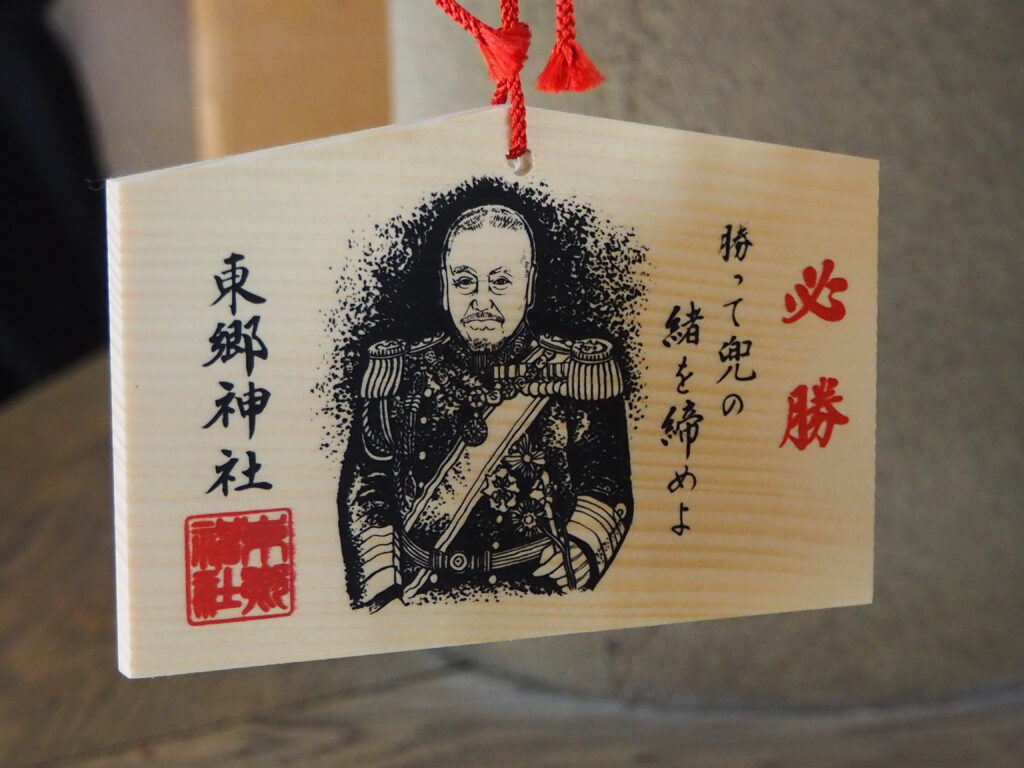
One of the highlights here is the unique ema (wooden prayer plaque) featuring Admiral Togo. It includes his famous quote:
“After victory, tighten your helmet straps.”
This Japanese proverb teaches the importance of staying focused and humble even after success. It’s said that U.S. President Theodore Roosevelt was so impressed by this philosophy that he had the English translation distributed to American soldiers.
What to See at Togo Shrine
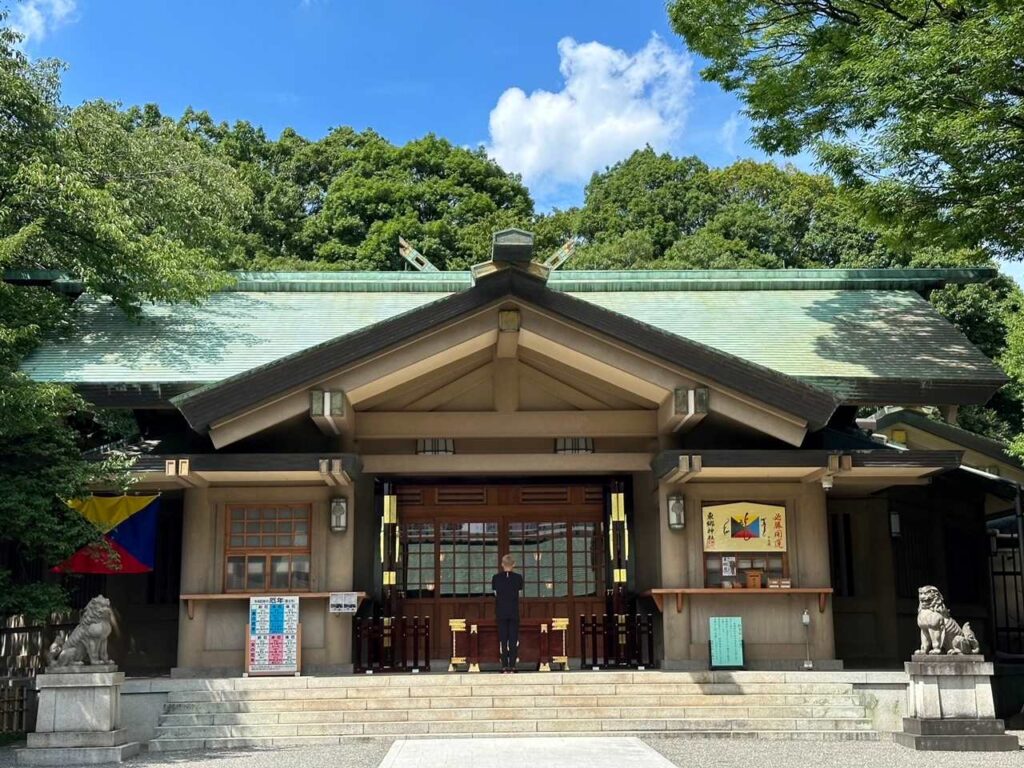
Main Hall (Honden):
・A traditional space for prayer and reflection
・Offers a calming, sacred atmosphere in contrast to Harajuku’s buzz
Unsure about the proper etiquette?
➡️ Check out our step-by-step guide on How to Pray at a Japanese Shrine by a real Shinto Priest before you go.
Japanese Garden:
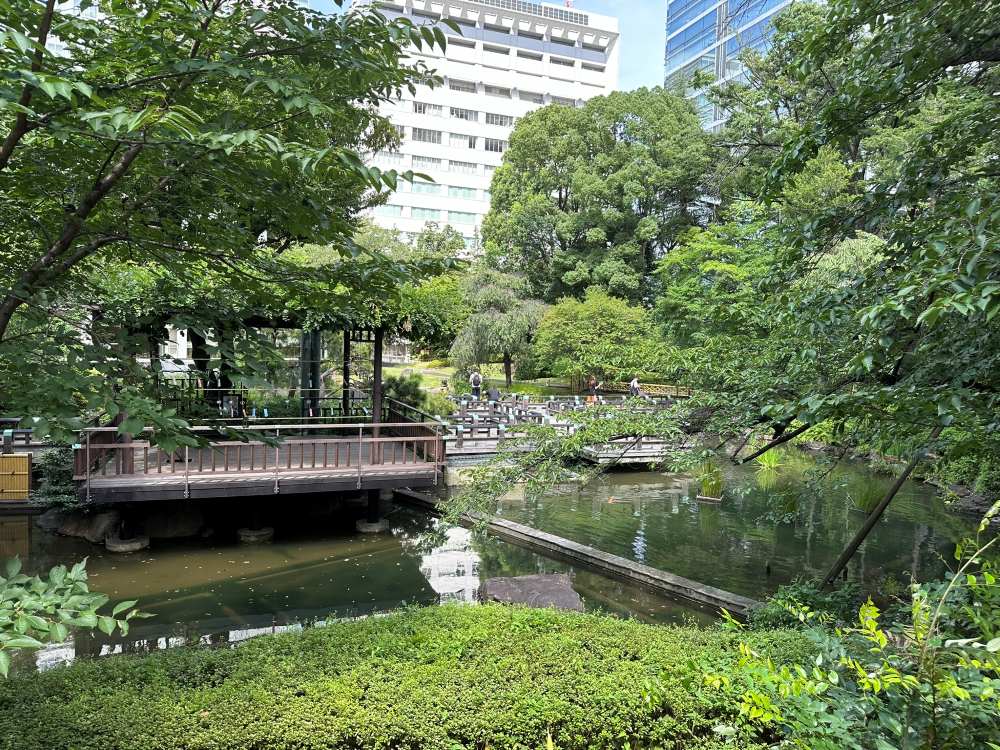
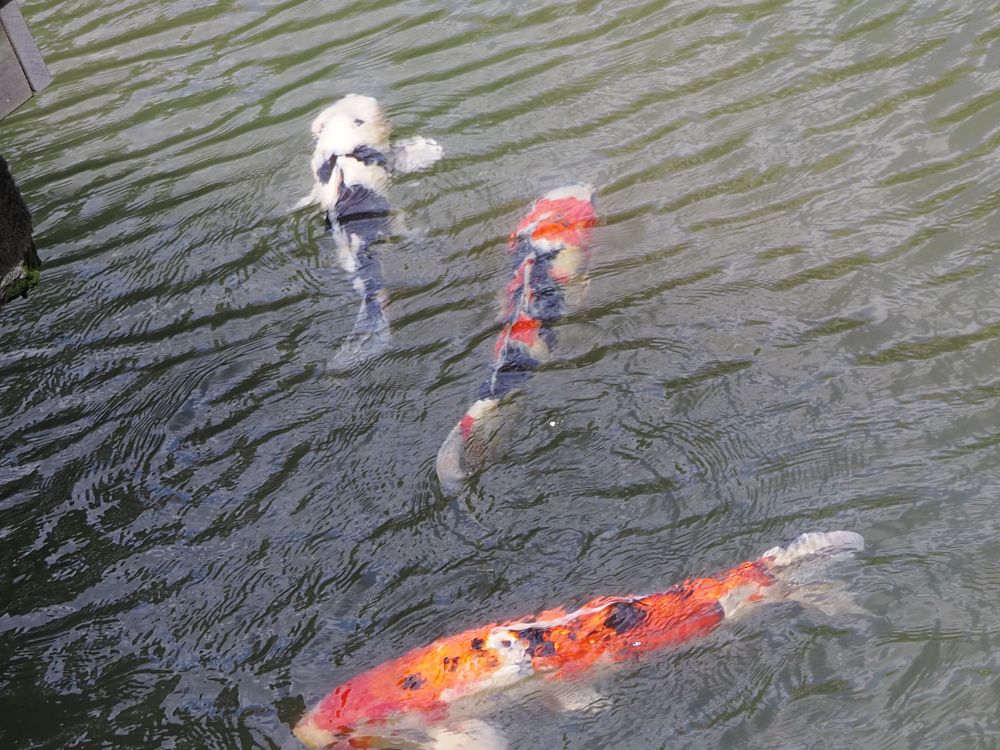
・Lush greenery, a tranquil pond, and colorful koi fish
・Ideal for a quiet stroll, especially during cherry blossom and autumn foliage seasons
Hello Kitty Collaboration
One unique aspect of Togo Shrine is its collaboration with Hello Kitty.
This partnership blends traditional Japanese culture with contemporary pop culture, making it a hit with both locals and tourists. You’ll find exclusive Hello Kitty-themed ema (wooden prayer plaques) and other merchandise that make for great souvenirs.
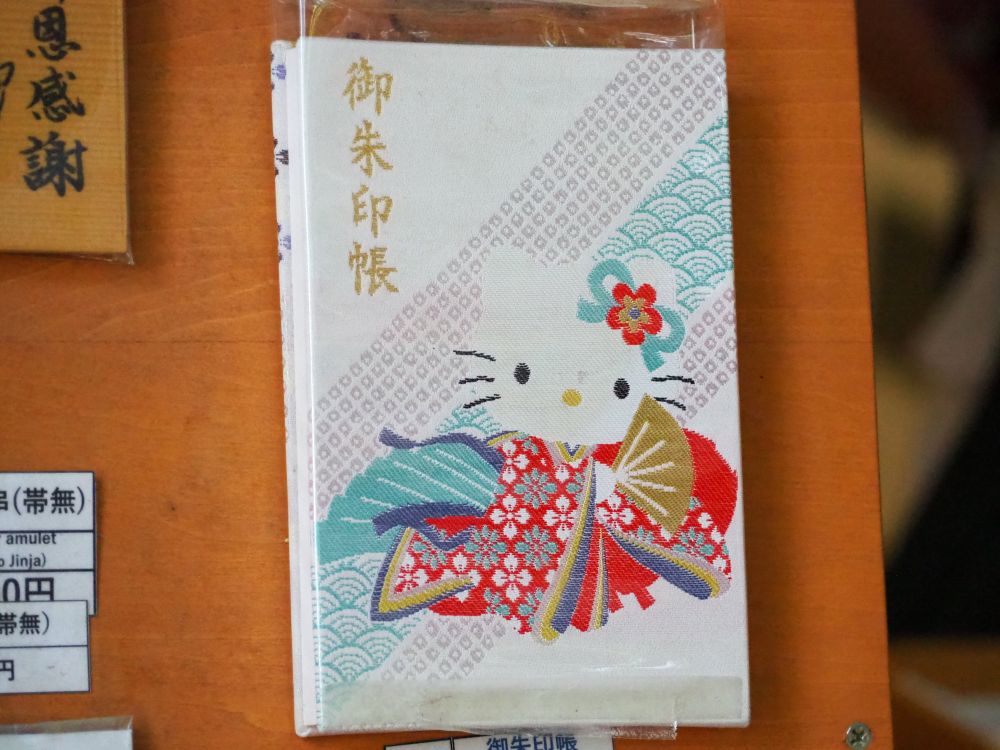
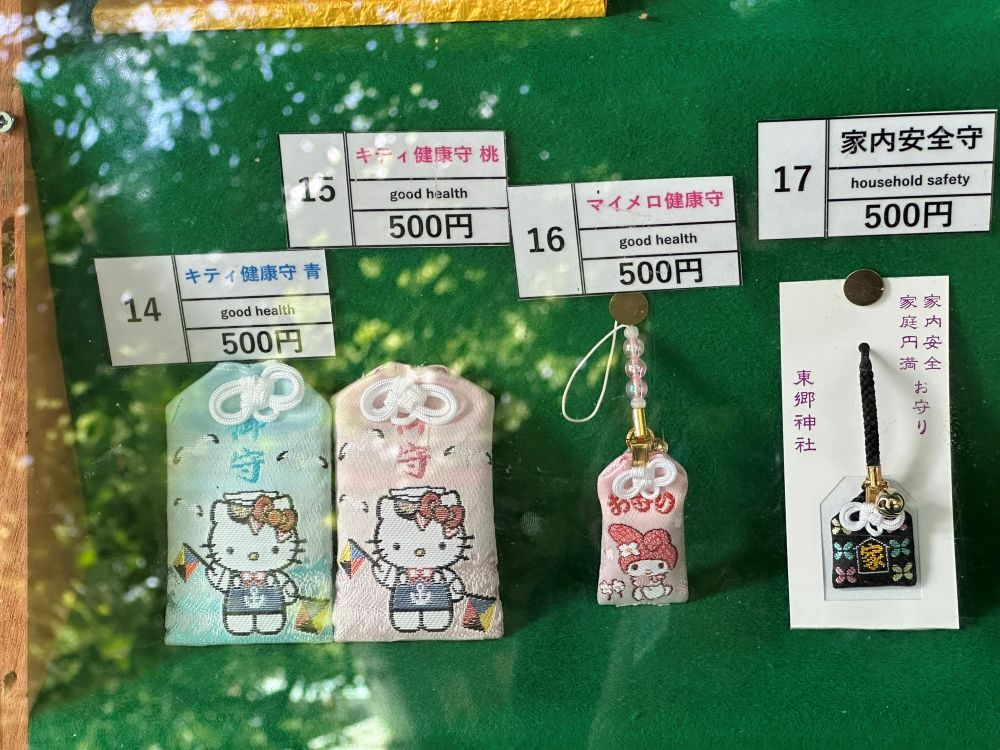
*You can purchase it to the left of the main hall that I mentioned earlier.
Recent Events & Limited-Edition Items
Togo Shrine regularly updates its lineup of seasonal goshuin (shrine stamps), charms, and Sanrio-themed items, so it’s worth checking what’s available before you visit. As of May 2026, the shrine has been actively releasing new collaborations and seasonal offerings.
- New Sanrio ema (May 2026): Three new types of Sanrio-themed wooden prayer plaques have been released for worshippers.
- Sanrio character health charms: The popular “character health charms” (キャラクター健康守) have been re-released, with stock updated regularly on the official site.
- May limited-edition goshuin: A special May goshuin (shrine stamp) is being distributed throughout the month.
- Annual festival (reisai) goshuin: A commemorative goshuin tied to the shrine’s annual festival was offered at the end of April 2026.
According to the shrine’s official site, the latest update notes “[新頒布] サンリオ絵馬 3種類” (newly released: three types of Sanrio ema). Because availability of Sanrio charms tends to change quickly, the best source for real-time stock and event information is the official Togo Shrine website: togojinja.or.jp.
Other Hello Kitty and Sanrio Shrines in Japan
Togo Shrine is not the only shrine in Japan with Sanrio charms. At least four others, in Kawasaki and Zama near Tokyo, in Kyoto and in Fukuoka, list Hello Kitty or other Sanrio character charms on their own pages or on official local tourism pages.
| Shrine and location | Sanrio items offered |
|---|---|
| Togo Shrine (this guide) Harajuku, Tokyo | Hello Kitty and My Melody health charms, a Hello Kitty traffic safety charm and Sanrio character health charms (700 yen each); Hello Kitty goshuincho (2,500 yen) |
| Hie Daijinja (日枝大神社) Kawasaki, Kanagawa | Sanrio character charms (700 yen for most charms) and Sanrio character kirie (paper-cut) goshuin. The shrine calls itself the birthplace of Sanrio character charm bags, first made in 1984. |
| Zama Shrine (座間神社) Zama, Kanagawa | Hello Kitty charms and a Keroppi frog charm, on the shrine’s undated charm list |
| Kisshoin Tenmangu (吉祥院天満宮) Kyoto | Hello Kitty charms for good fortune, traffic safety and a shrine maiden (miko) design, Hello Kitty zodiac omikuji, and a Hello Kitty figure in front of the main hall |
| Omuta Kumano Shrine (大牟田熊野神社) Omuta, Fukuoka | Sanrio collaboration charms with Hello Kitty, Cinnamoroll, My Melody and Kuromi designs (1,000 yen each), offered through the shrine’s online store, which ships by Japan Post EMS |
Plan for limited stock. Some shrines keep Sanrio charms all year, while others release designs in batches that sell out. Hie Daijinja says its Sanrio charms, like most of its items, are offered year-round rather than for a limited time. It allows up to five charms per person (usually up to three of one design), and its amulet counter is open 9:30 AM to 4:00 PM. Togo Shrine limits each Sanrio design to one per person and posts stock updates on its news page.
Hie Daijinja in Kawasaki is a different shrine from Hie Shrine in Akasaka, Tokyo, so check the address before you set out. Zama Shrine is a 5-minute walk from Sobudaishita Station on the JR Sagami Line. Kisshoin Tenmangu, in Kyoto’s Minami Ward, is about 15 minutes on foot from JR Nishioji Station. We checked the items and prices above in September 2026 on the shrines’ official pages, the Kyoto Jurokusha shrine association page (Kisshoin Tenmangu) and the Kyoto City Tourism Association. Designs and stock change often, so check again before a special trip.
Omikuji in English
What is Omikuji?
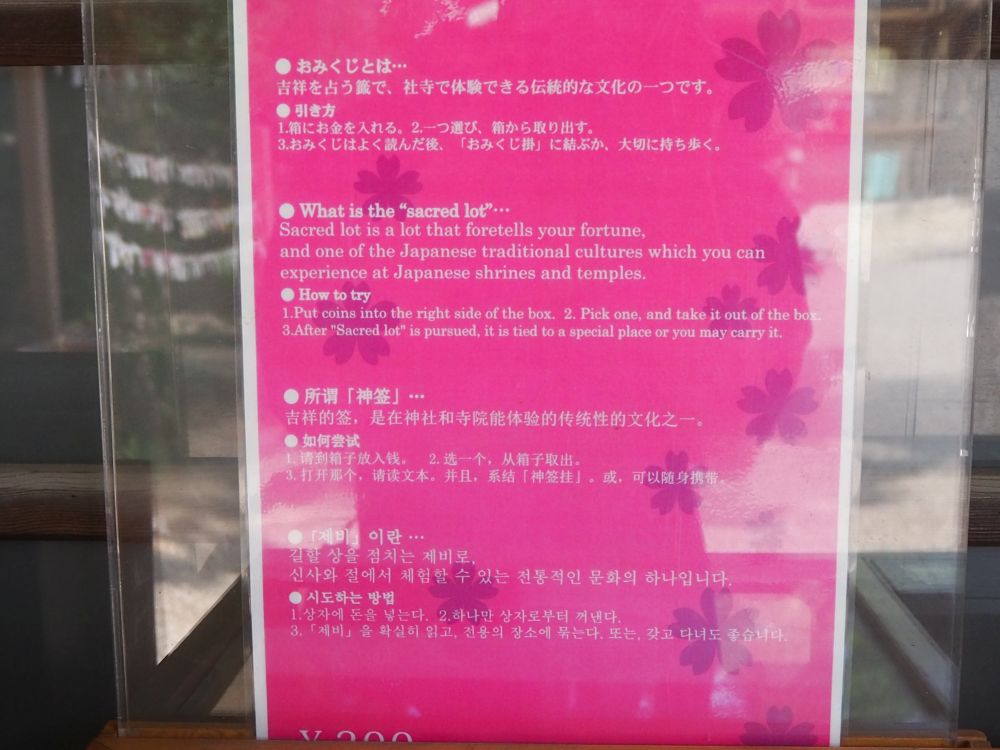
Omikuji is a traditional Japanese fortune-telling method. At shrines and temples, you can draw a fortune slip to see what the future holds for you.
To draw an omikuji, put money into the designated box and take one piece of paper from the container. The slip will reveal your fortune, which you can either take home as a keepsake or tie to the trees within the shrine grounds.
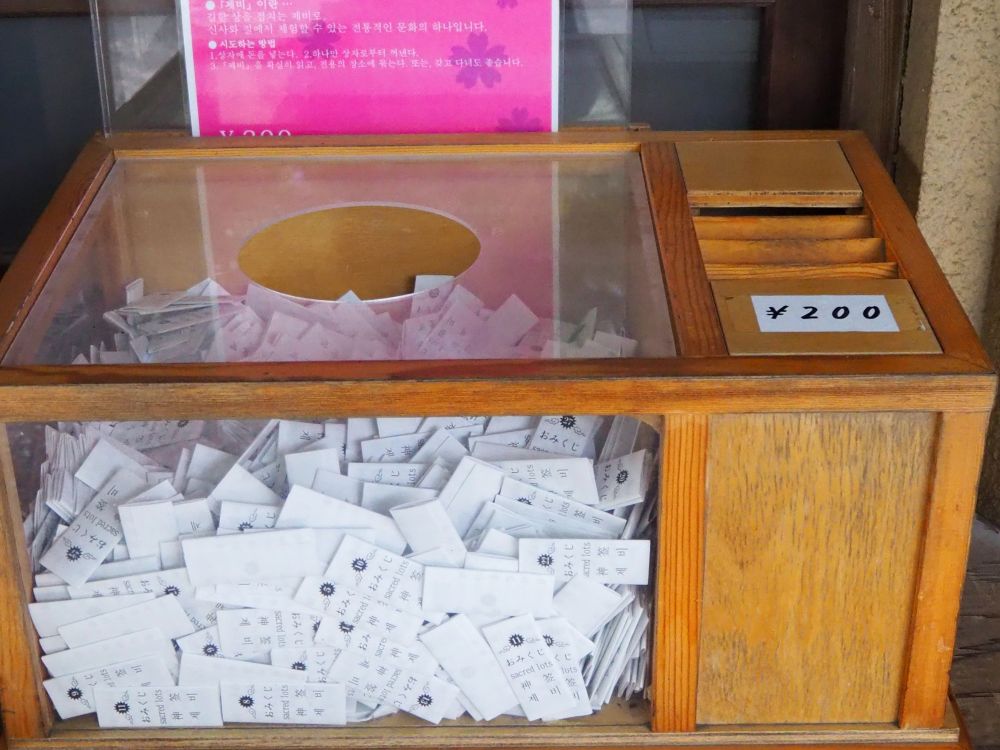
Additional Information about Omikuji:
Tying your omikuji to the trees is believed to imbue your wishes with the trees’ vital energy, helping them come true. There is also a tradition that says if you draw a bad fortune, you can turn it into a good one by tying the slip with your non-dominant hand, symbolizing the overcoming of difficulties.
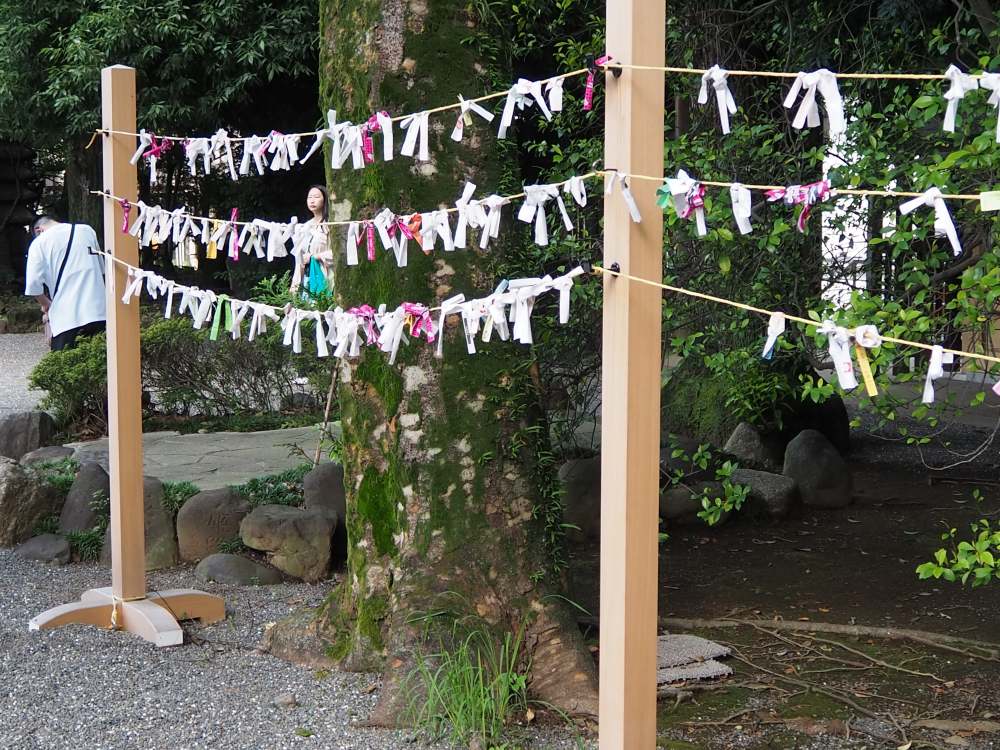
Just a Short Walk from Takeshita Street, Harajuku
Located just steps from the fashion-forward and youth-centric Takeshita Street in Harajuku, Togo Shrine provides a peaceful and unexpected contrast.
After immersing yourself in Harajuku’s street fashion, crepe shops, and trendsetting boutiques, take a moment to unwind in this oasis of calm.
Whether you’re visiting for cultural curiosity, spiritual inspiration, or to snap a few unique Tokyo travel photos, Togo Shrine’s proximity to Harajuku Station and Takeshita Street makes it a perfect addition to your itinerary.
Hello Kitty Shrine FAQ
Where is the Hello Kitty shrine in Tokyo?
It is Togo Shrine, at 1-5-3 Jingumae, Shibuya-ku, a short walk from Takeshita Street in Harajuku. Its official list includes an Admiral Togo Hello Kitty health charm, a Hello Kitty traffic safety charm and a Hello Kitty goshuincho. Just outside Tokyo, Hie Daijinja in Kawasaki also offers Sanrio character charms.
How much are the Sanrio omamori at Togo Shrine, and is there a limit?
Togo Shrine lists its Hello Kitty, My Melody and Sanrio character health charms at 700 yen each (checked September 2026). You can receive one of each design per person. Popular characters sell out, so check the stock notice on togojinja.or.jp before you go. The gate closes at 5:00 PM, but on crowded days the shrine may stop the queue for charms earlier.
Can I get Sanrio shrine charms online from overseas?
Usually you need to visit in person. We could not find a mail-order option on Togo Shrine’s official site, and Hie Daijinja closed its mail-order service on February 28, 2026. Omuta Kumano Shrine in Fukuoka is the exception on this list: its English online store offers Sanrio collaboration charms and ships by Japan Post EMS, with import duties and taxes paid by the buyer. Some designs sell out.
Final Thoughts
Togo Shrine in Harajuku is more than just a historical landmark. It’s a living blend of old-meets-new Tokyo.
From its ties to Admiral Togo Heihachiro to its Hello Kitty shrine merchandise and English-friendly omikuji, it offers a unique experience that bridges history, spirituality, and pop culture.
If you’re seeking off-the-beaten-path Tokyo attractions, a quiet escape from Harajuku’s crowds, or simply a unique Tokyo souvenir, Togo Shrine is a spot you shouldn’t skip.
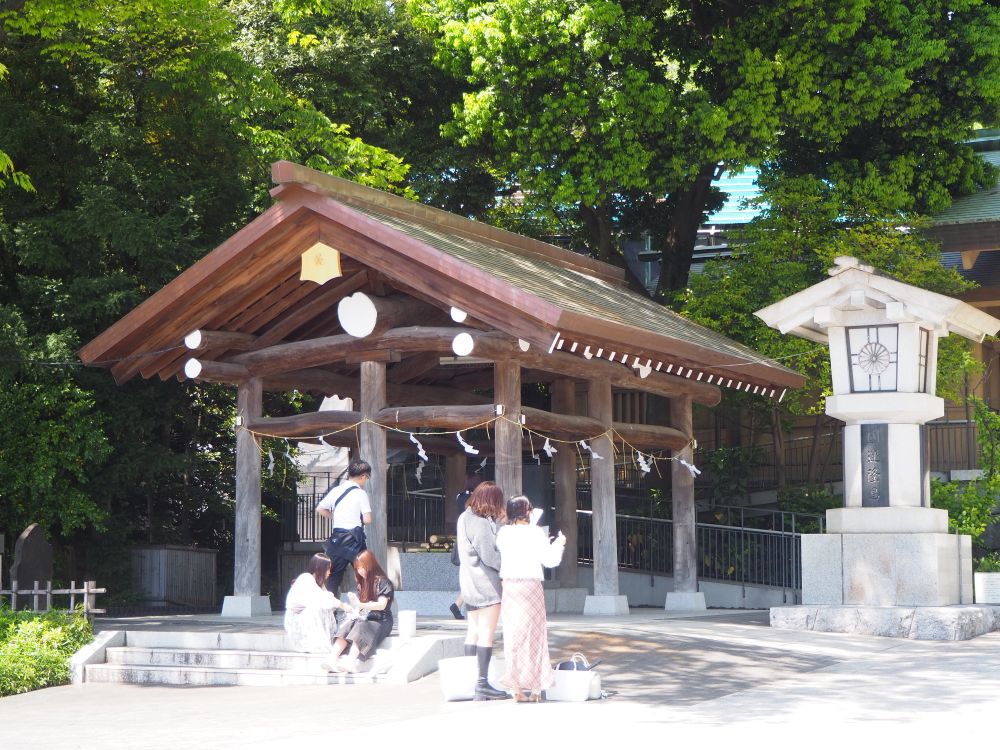
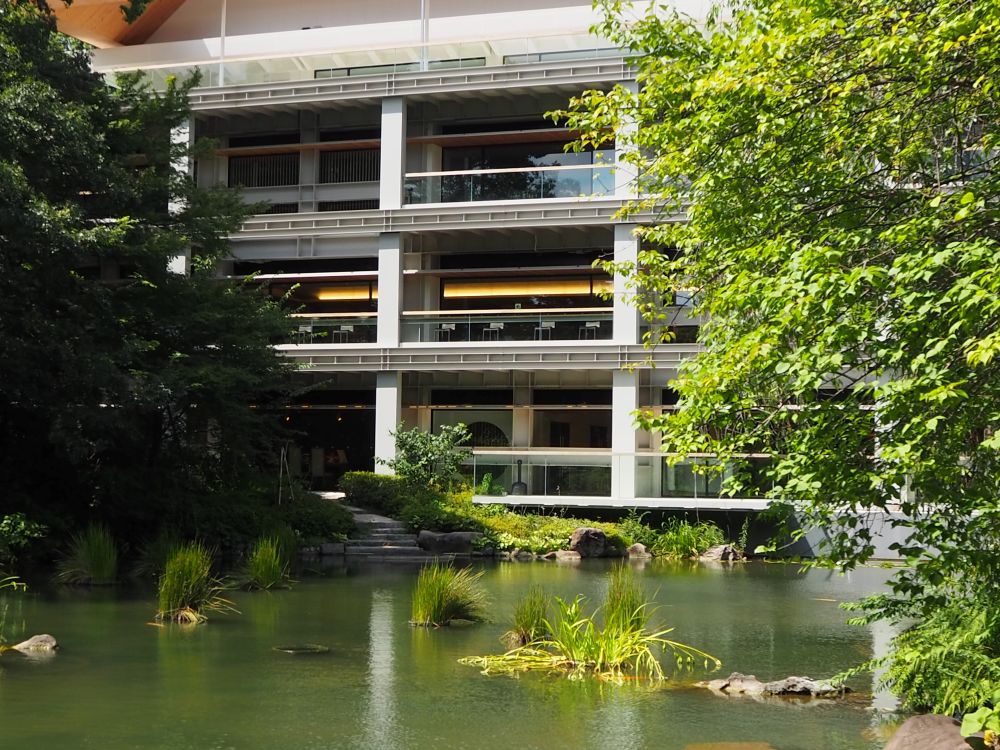
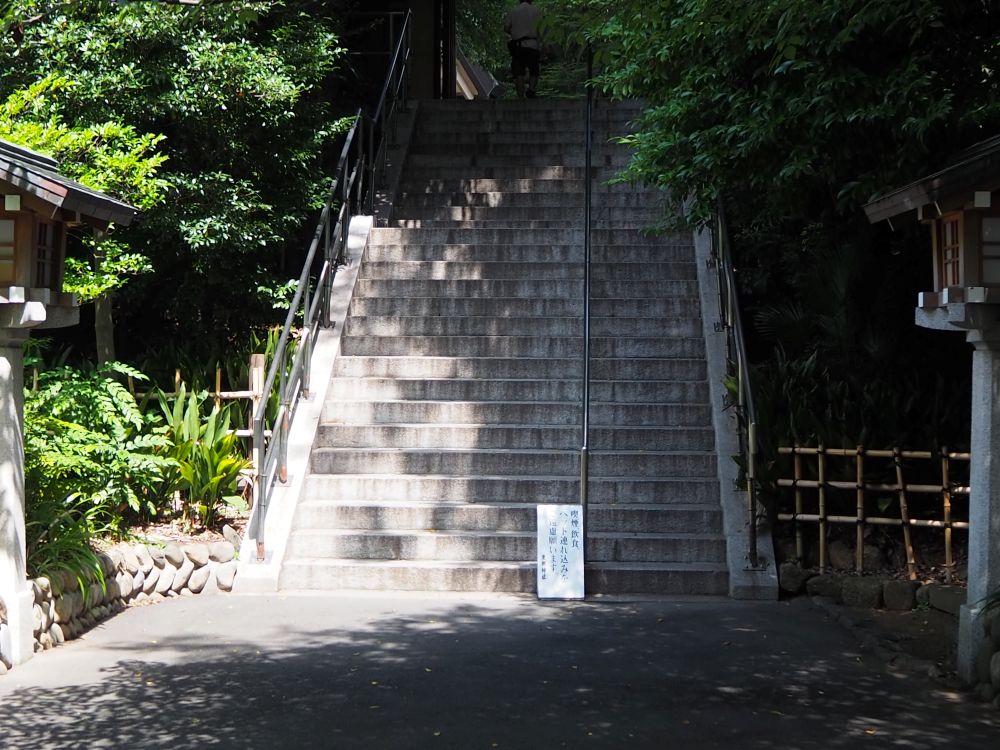
Access
Address:
1-5-3 Jingumae, Shibuya-ku, Tokyo, 150-0001
Opening Hours:
- April to October: from 6:00 AM
- November to March: from 6:30 AM
- New Year’s Day: from 12:00 AM
Closing Hours:
- Year-round: at 5:00 PM
- January 1st to 3rd: at 6:00 PM
➡️ To learn more about Japanese shrines, check out the link below.
Share