
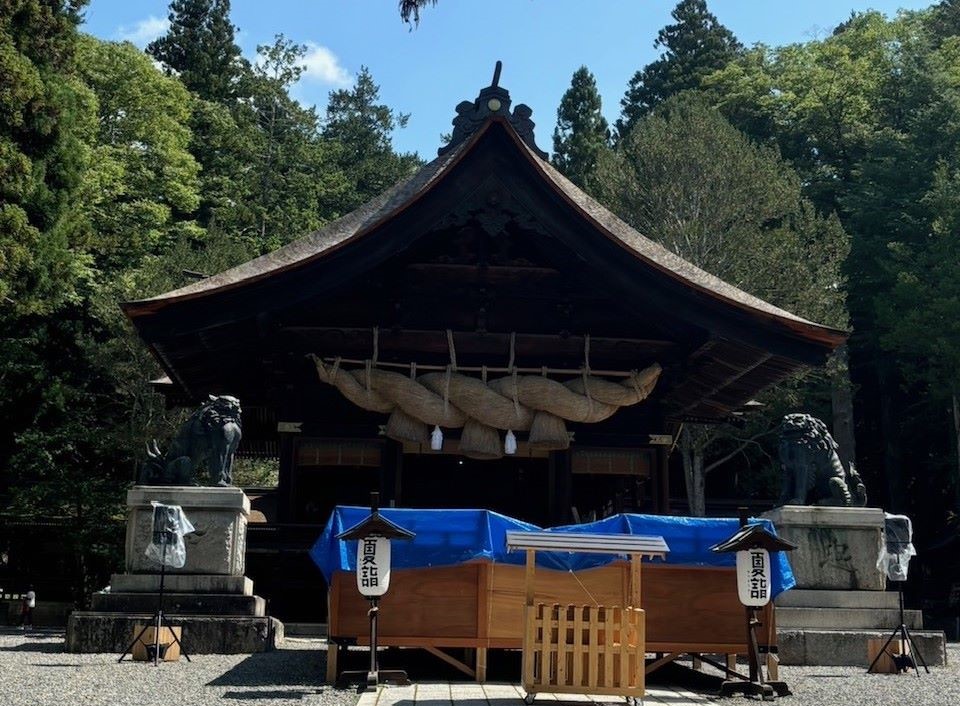
Suwa Taisha is a Shinto shrine made up of four separate shrines around Lake Suwa in Nagano Prefecture. Kami-sha Maemiya and Kami-sha Honmiya stand south of the lake, and Shimo-sha Harumiya and Shimo-sha Akimiya stand north of it. Suwa Taisha’s Onbashira Matsuri, held every six years, next takes place in April and May 2028.
| Location | Around Lake Suwa, Nagano Prefecture (Suwa City, Chino City and Shimosuwa Town) |
|---|---|
| Four shrines | Kami-sha Maemiya and Honmiya (south of the lake), Shimo-sha Harumiya and Akimiya (north) |
| Main deities | Takeminakata-no-Kami and his wife Yasakatome-no-Kami |
| Founded | Date unknown, said to be at least 1,500 to 2,000 years ago |
| Hours | Grounds never close. All four amulet offices are open at least 9:00 AM to 4:00 PM |
| JR stations | Shimo-Suwa, about 1 km to Harumiya or Akimiya. Kami-Suwa, about 6 km to Honmiya |
| Onbashira Matsuri | Every six years, in Tiger and Monkey years. Next in April and May 2028 |
Checked in October 2026 against suwataisha.or.jp, city.suwa.lg.jp.
If you’re planning a trip to Japan and looking to explore a destination that offers a deep connection with nature, away from the crowds of more famous tourist spots, consider visiting Suwa in Nagano Prefecture. Here, you can experience the serene beauty of the region and visit Suwa Taisha, one of Japan’s oldest and most revered shrines, with a history that stretches back over 1,500 years.
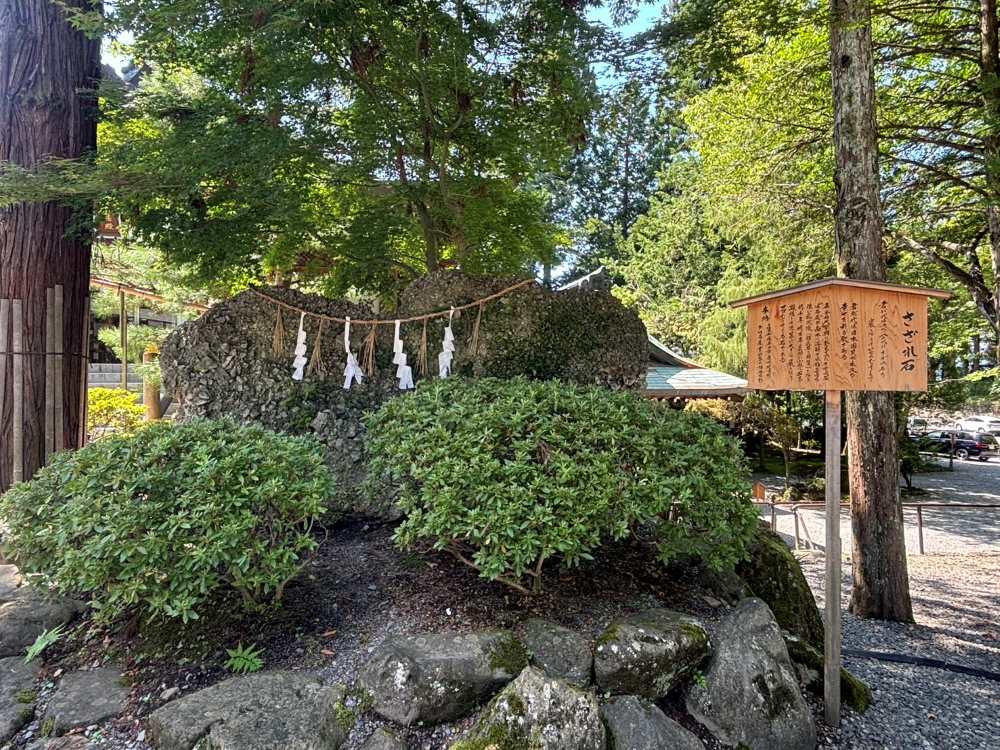
What is Suwa Taisha?
Suwa Taisha is the head shrine for more than 10,000 Suwa Shrines across Japan, making it a significant spiritual center. Its four main shrines are known as the “Two Upper Shrines” (Kami-sha) and the “Two Lower Shrines” (Shimo-sha).
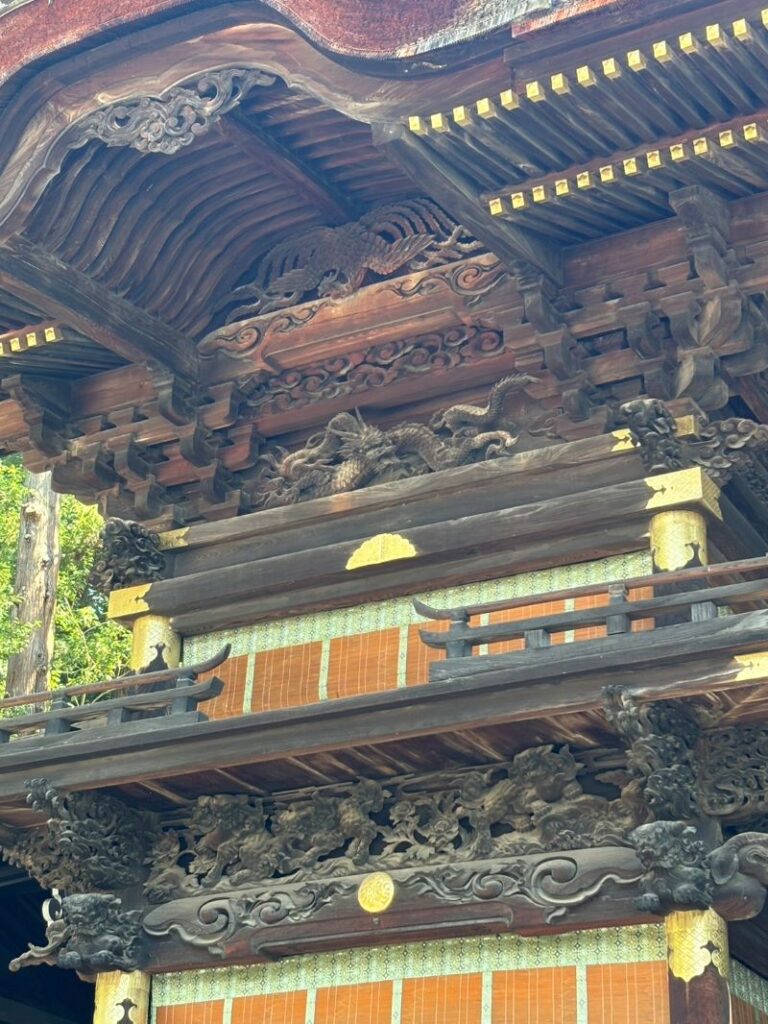
The History and Deities of Suwa Taisha
Suwa Taisha’s history is ancient, believed to have been established between 1,500 and 2,000 years ago, making it one of Japan’s oldest Shinto shrines. The shrine is dedicated to two main deities: Takeminakata-no-Kami, a god associated with wind, water, and military prowess, and his wife Yasakatome-no-Kami. These deities are deeply revered, and many visit the shrine seeking blessings for safe travels, prosperous business, and victory in endeavors.
The shrine complex is unique in that it doesn’t follow a specific visiting order; each of the four shrines, Kami-sha Maemiya, Kami-sha Honmiya, Shimo-sha Akimiya, and Shimo-sha Harumiya, holds equal importance. However, as the shrines are spread out and difficult to visit all on foot, it’s best to plan your visit according to your travel itinerary and explore the shrines that are closest to you.
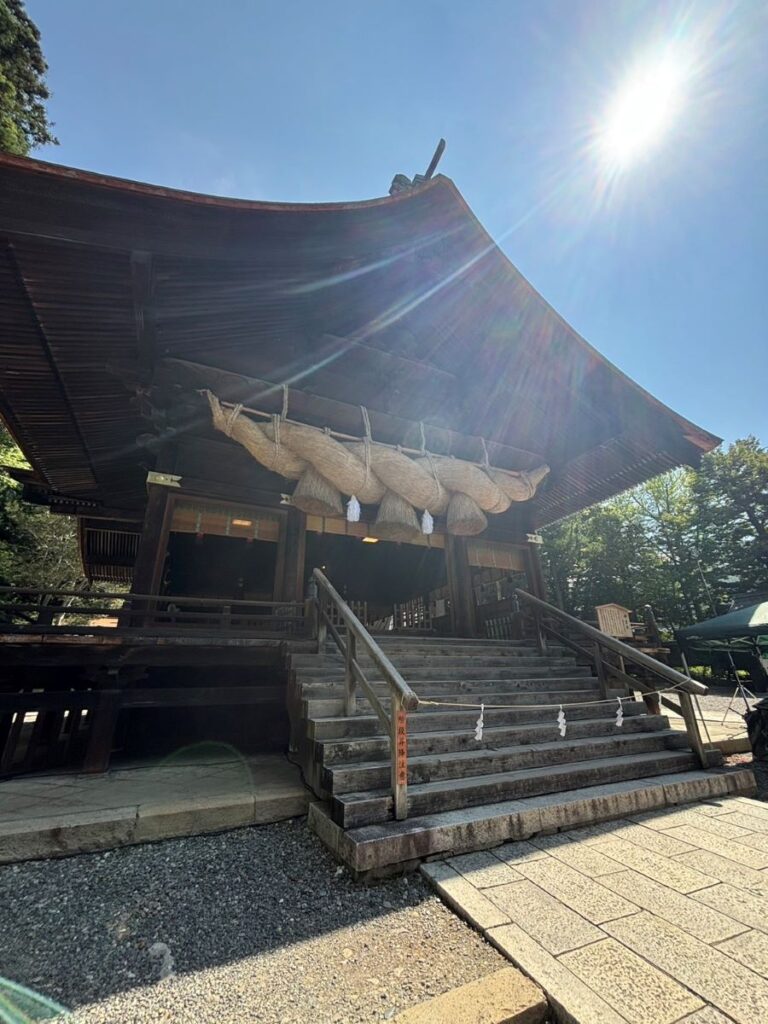
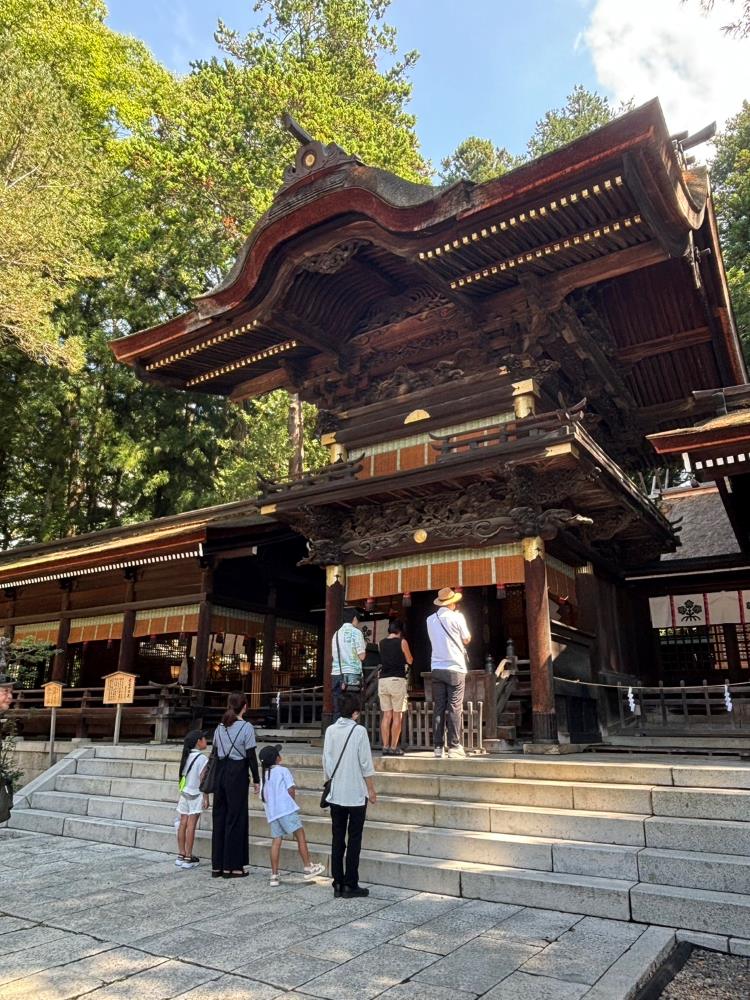
What Can You Expect When Visiting?
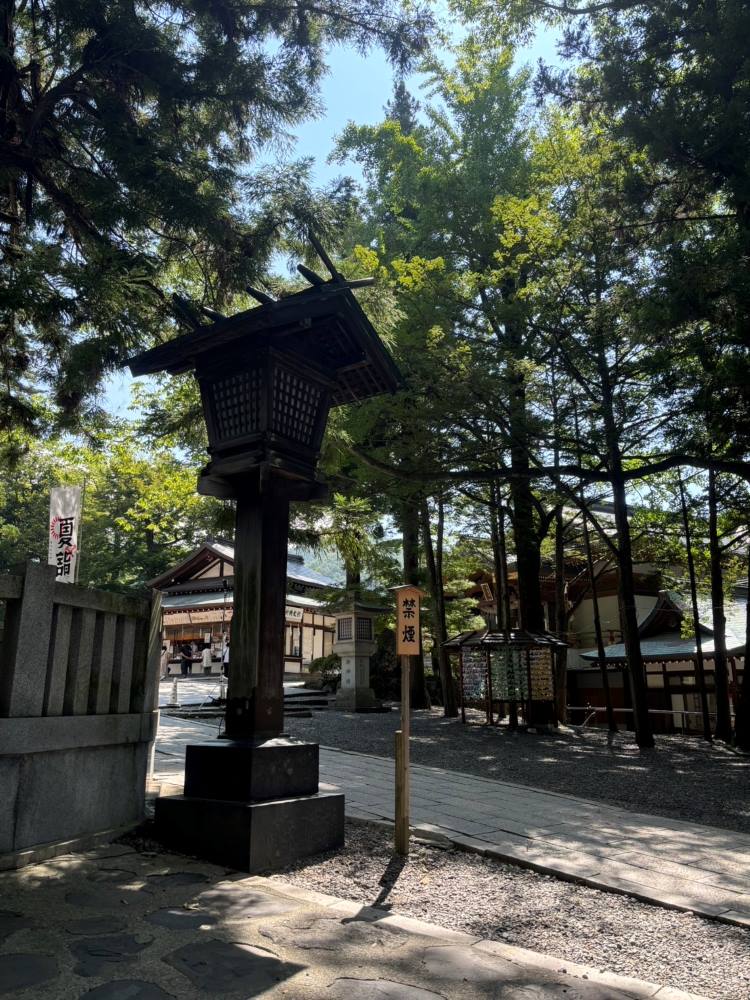
Suwa Taisha offers more than just a spiritual experience; it’s a journey through Japanese history and culture. The architecture of the shrines, with their distinct wooden structures and serene surroundings, provides a glimpse into ancient Japan. Visitors can stroll through the peaceful grounds, taking in the tranquil atmosphere that contrasts with the sometimes bustling nature of modern Japanese cities.
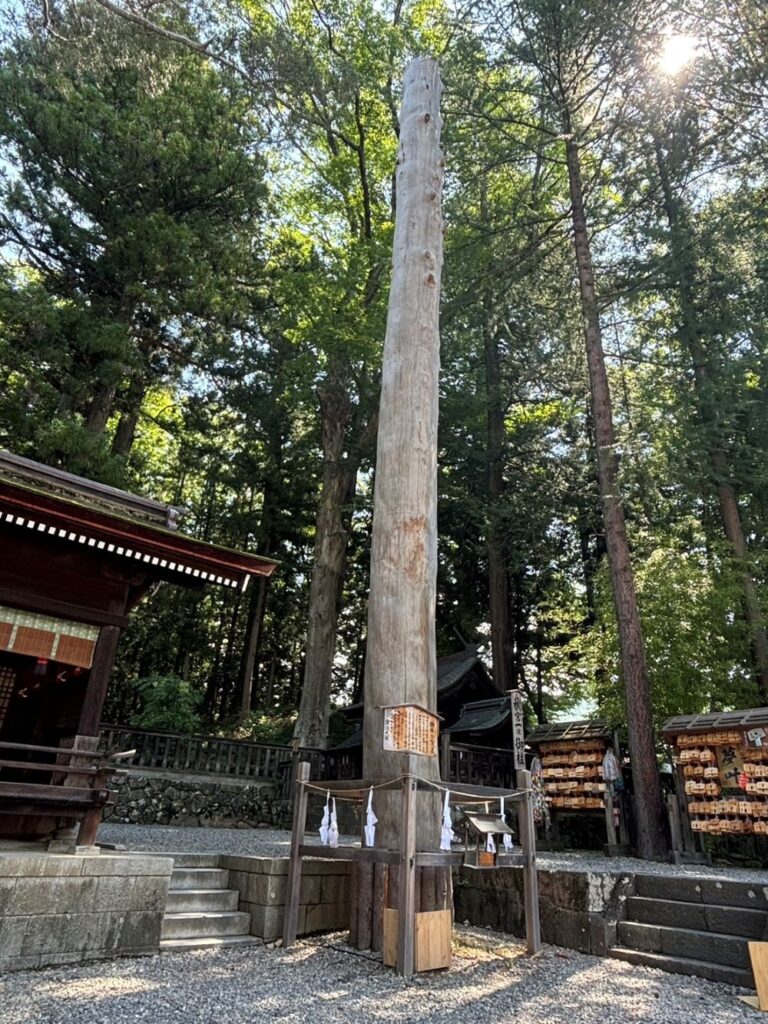
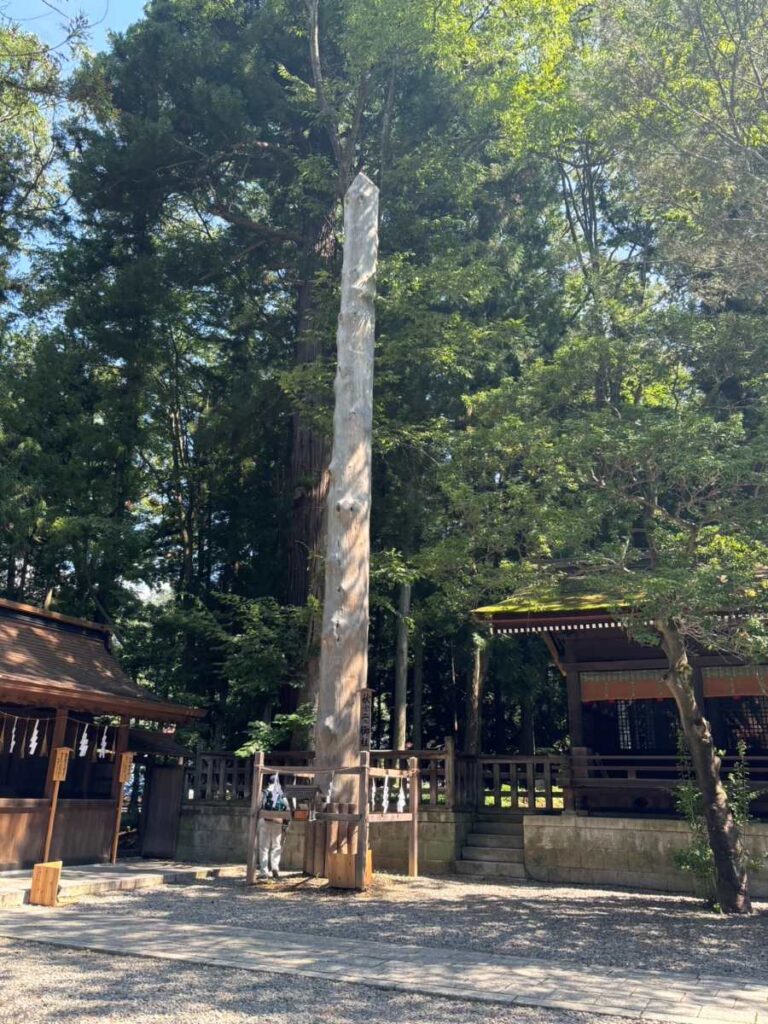
One of the most famous aspects of Suwa Taisha is its connection to the “Onbashira Matsuri,” a festival held every six years. This event involves cutting down massive trees from the mountains and transporting them to the shrine. The trees are then erected at the four corners of the shrine precincts. This festival, known for its intensity, includes the “Kiotoshi,” where participants ride the huge logs down steep slopes, a daring and dangerous tradition that has, unfortunately, resulted in injuries and even fatalities in the past. The Onbashira Matsuri is considered one of Japan’s Three Great Festivals, and its rough and vigorous nature contributes to Suwa Taisha’s reputation as a shrine with a somewhat intimidating aura.
The Mystique of Suwa Taisha
When searching for Suwa Taisha online in Japanese, we might come across suggestions like “Suwa Taisha scary” or “Suwa Taisha eerie.” This reputation comes from some of the shrine’s ancient practices and the intensity of its rituals. For example, during the “Ontosai” festival, held every year on April 15, deer heads are offered to the gods, a practice that resonates with the shrine’s deep connections to the natural world and its sometimes raw, primal rituals.
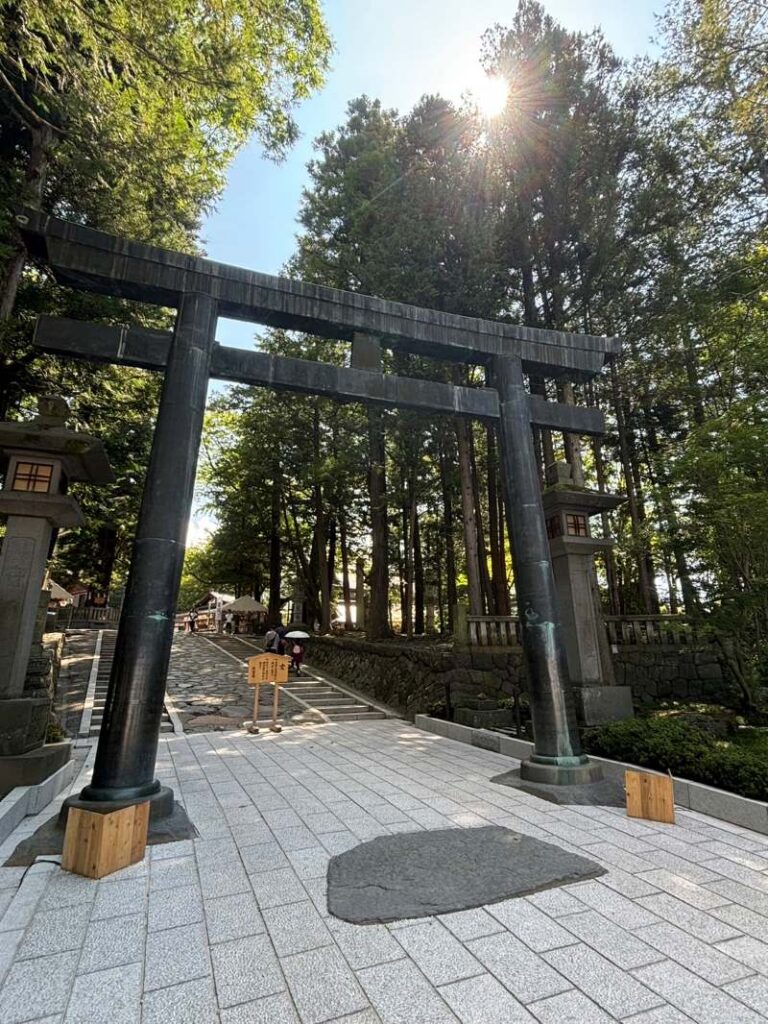
Why Are There So Many Suwa Shrines Across Japan?
Suwa Taisha’s influence isn’t limited to Nagano. The spread of Suwa Shrines across Japan is largely due to the “Suwa Shinko (belief),” or Suwa Faith, which was disseminated by traveling priests known as “Suwa Jinin.” These religious figures carried the teachings and practices of Suwa Taisha to different parts of Japan, establishing shrines in its name wherever they went.
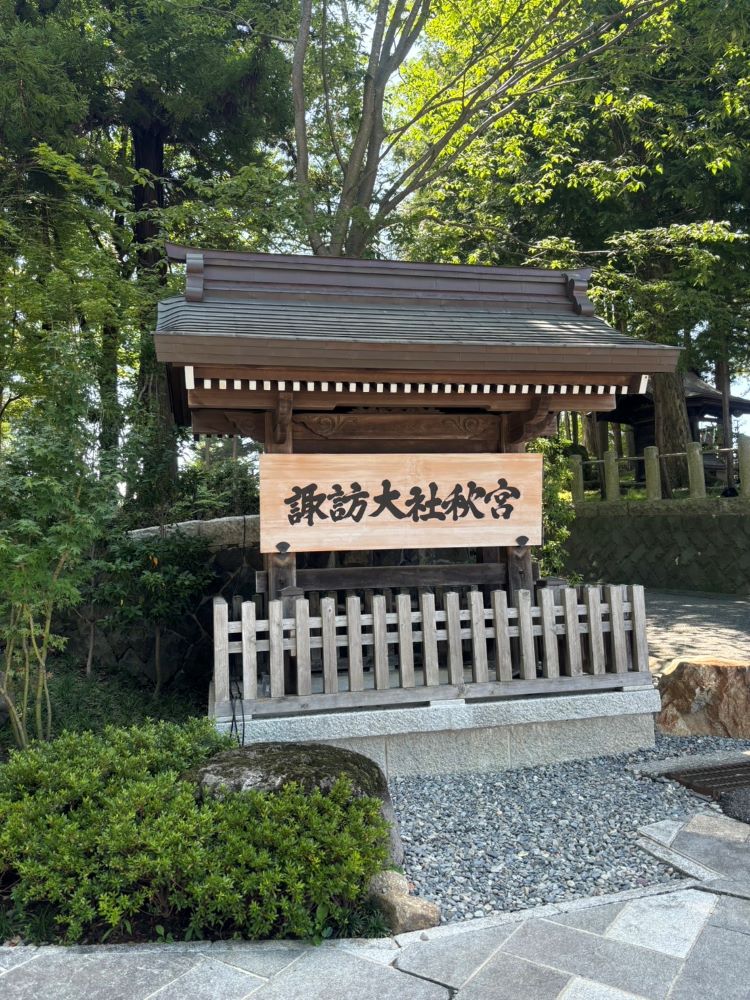
Tourist Spots Surrounding Suwa Taisha: Explore Lake Suwa, Hot Springs, and Japanese Sake
Surrounding Suwa Taisha, you’ll find an array of attractive tourist spots. After experiencing the rich cultural heritage of the shrine, you can relax your body and mind in the nearby hot springs or by the beautiful Lake Suwa. And don’t forget to enjoy some delicious Japanese sake while you’re at it!
Discover the Beauty of Lake Suwa
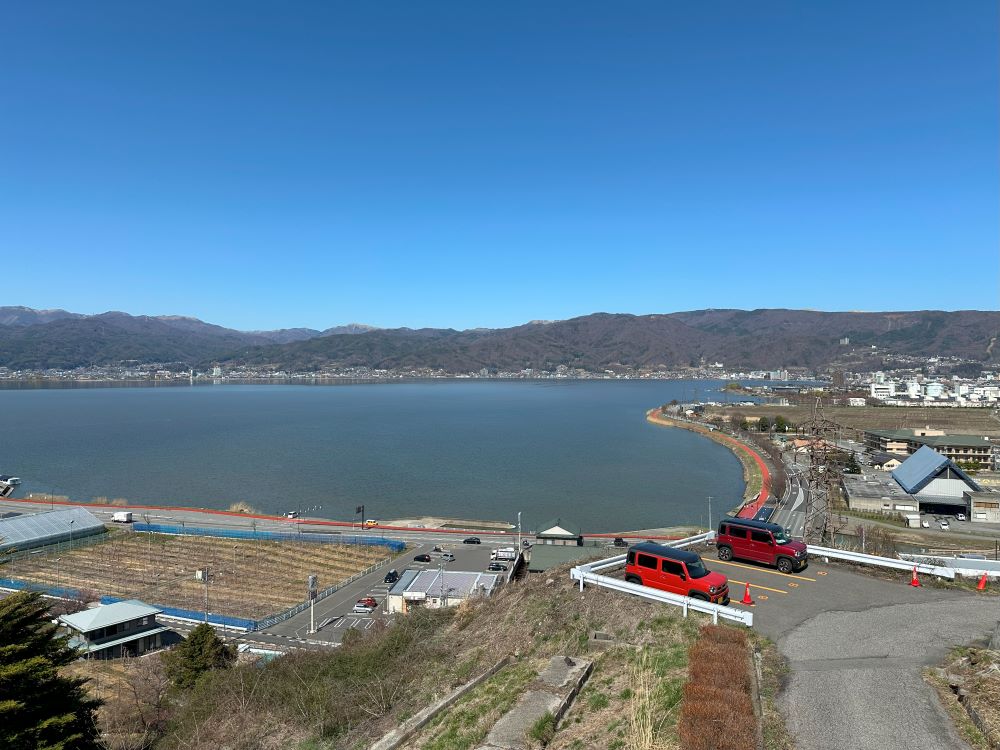
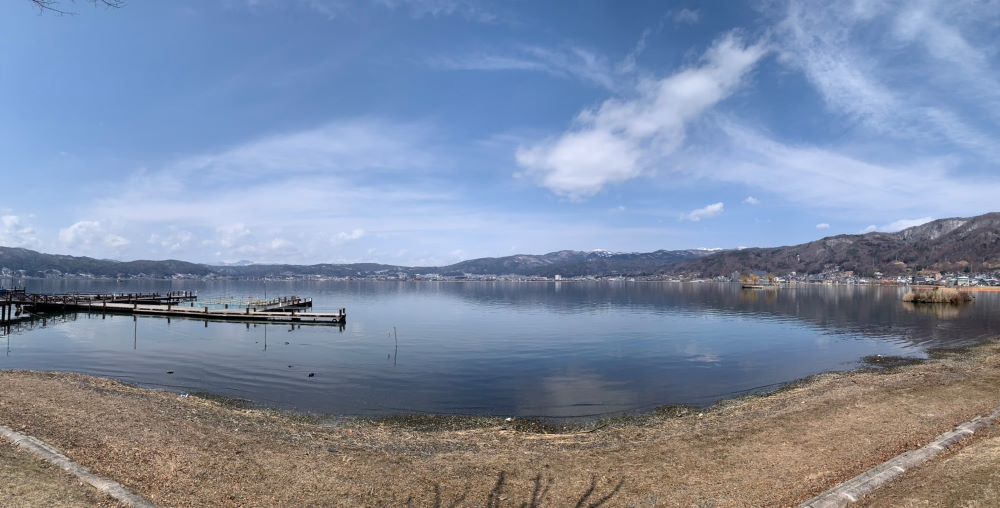
Lake Suwa (Suwa-ko) is a picturesque lake just a short distance from Suwa Taisha. It’s the largest lake in Nagano Prefecture, surrounded by majestic mountains, and offers breathtaking views in every season. The lake is a perfect spot for a leisurely stroll or bike ride along its shores, where you can enjoy the tranquil beauty of the water. In winter, you might even witness the rare phenomenon of “Omiwatari,” where cracks in the ice are believed to be the footsteps of the gods. Recently, Lake Suwa has also gained fame as a pilgrimage spot for fans of the anime Your Name (Kimi no Na wa), adding a modern layer of magic to its already spiritual atmosphere.
Relax in the Nearby Hot Springs
After exploring Suwa Taisha and Lake Suwa, there’s no better way to unwind than by soaking in one of the region’s many hot springs. The area around Lake Suwa is dotted with onsen (hot spring) resorts, where you can relax in warm, mineral-rich waters while enjoying views of the lake or the surrounding mountains.
One of the most popular onsen areas near Suwa Taisha is Kamisuwa Onsen. Here, you’ll find a variety of hot spring baths, including traditional indoor baths and open-air baths (rotenburo) that allow you to soak while taking in the natural beauty of the region. Many onsen also offer day-use options, making it easy to include a relaxing soak as part of your visit.
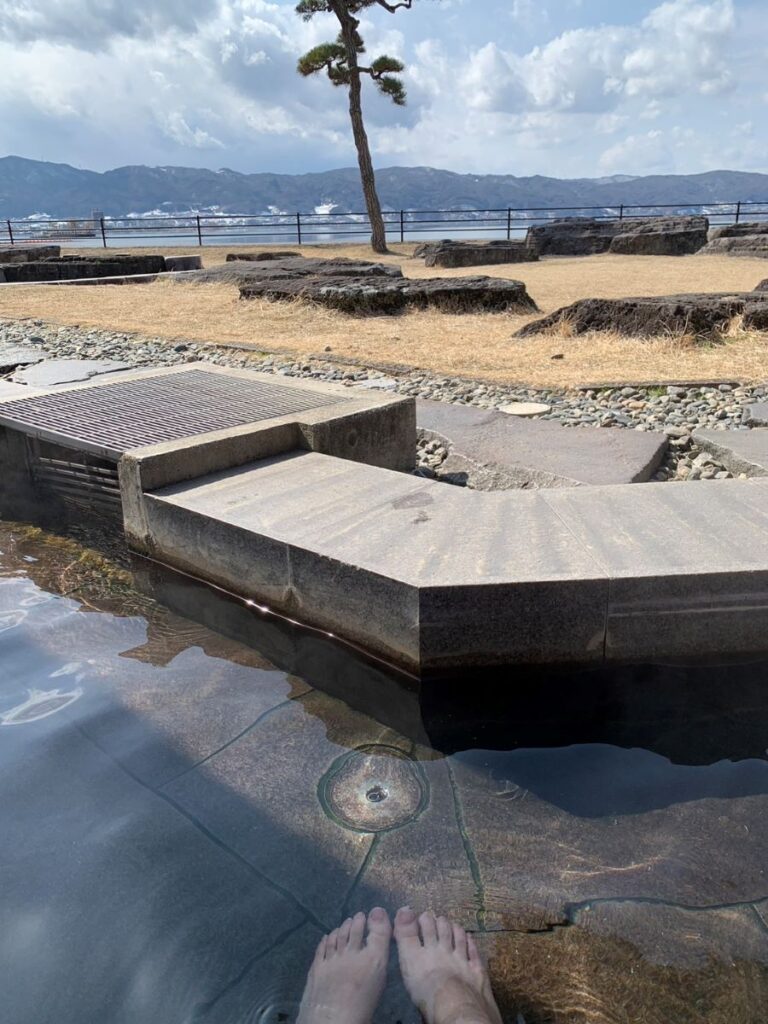
In addition, you can experience a foot bath called “Ashiyu”.
Savor the Flavors of Suwa: Japanese Sake
No visit to Nagano is complete without sampling some of the local Japanese sake (nihonshu). The Suwa region is renowned for its sake breweries, thanks to the pristine water from the surrounding mountains, which is ideal for brewing high-quality sake.
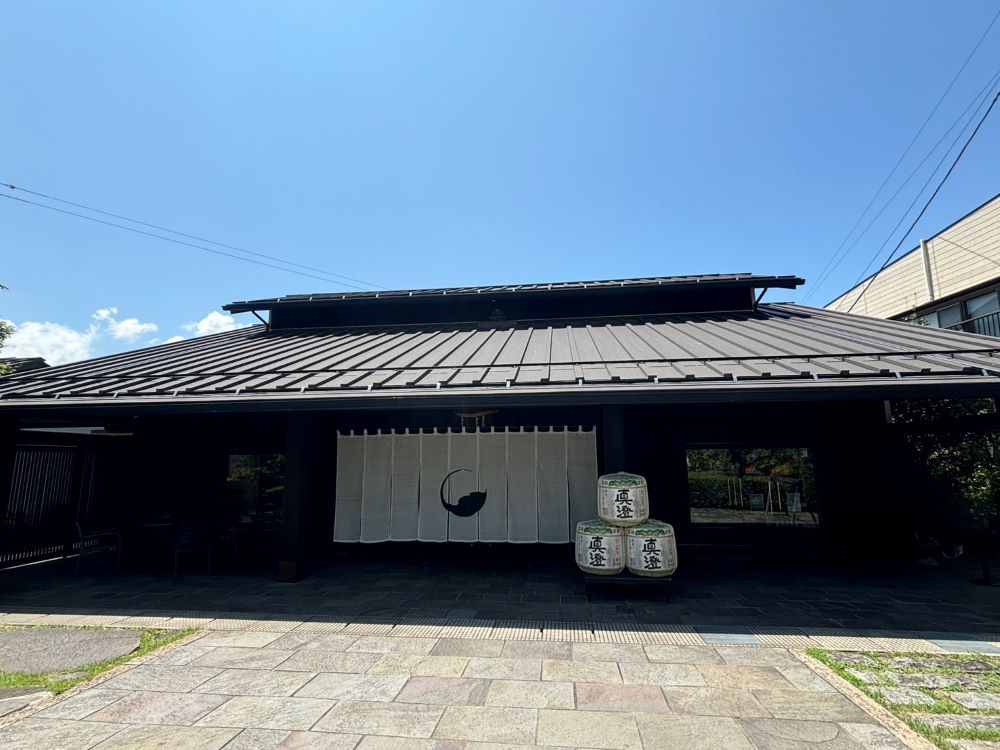
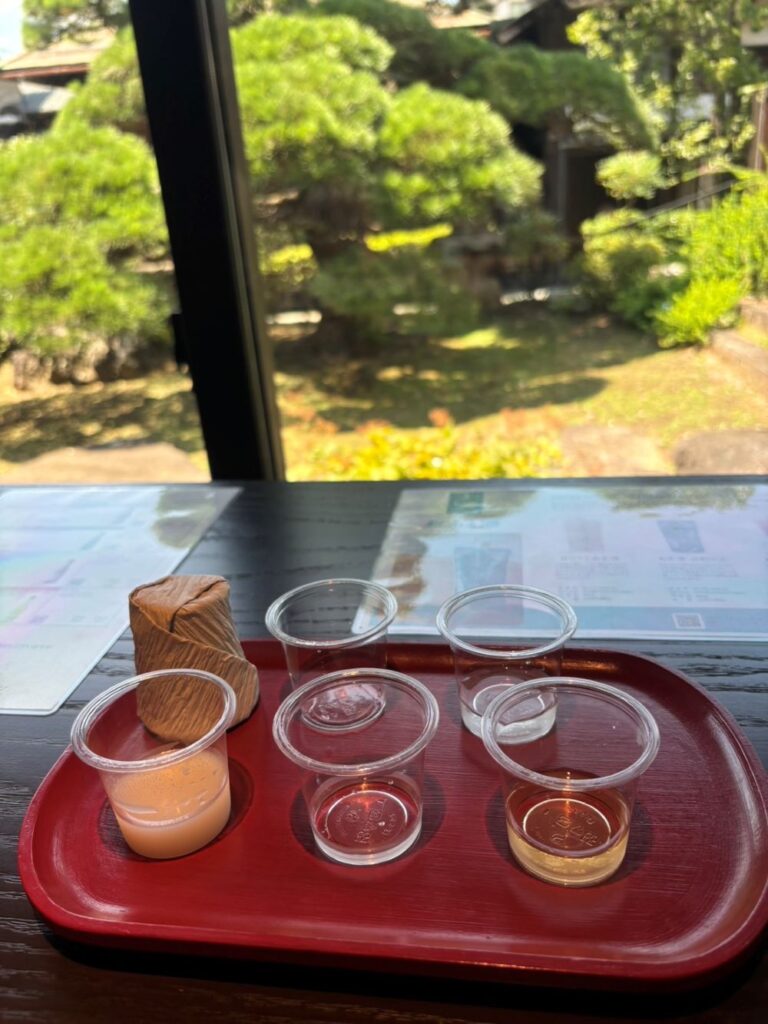
Several sake breweries around Lake Suwa offer tours and tastings, allowing visitors to learn about the traditional brewing process and sample a variety of sake styles, from crisp and dry to rich and sweet. Some of the most famous breweries in the area include Masumi, Reijin, and Yokobue, all of which have been producing sake for generations.
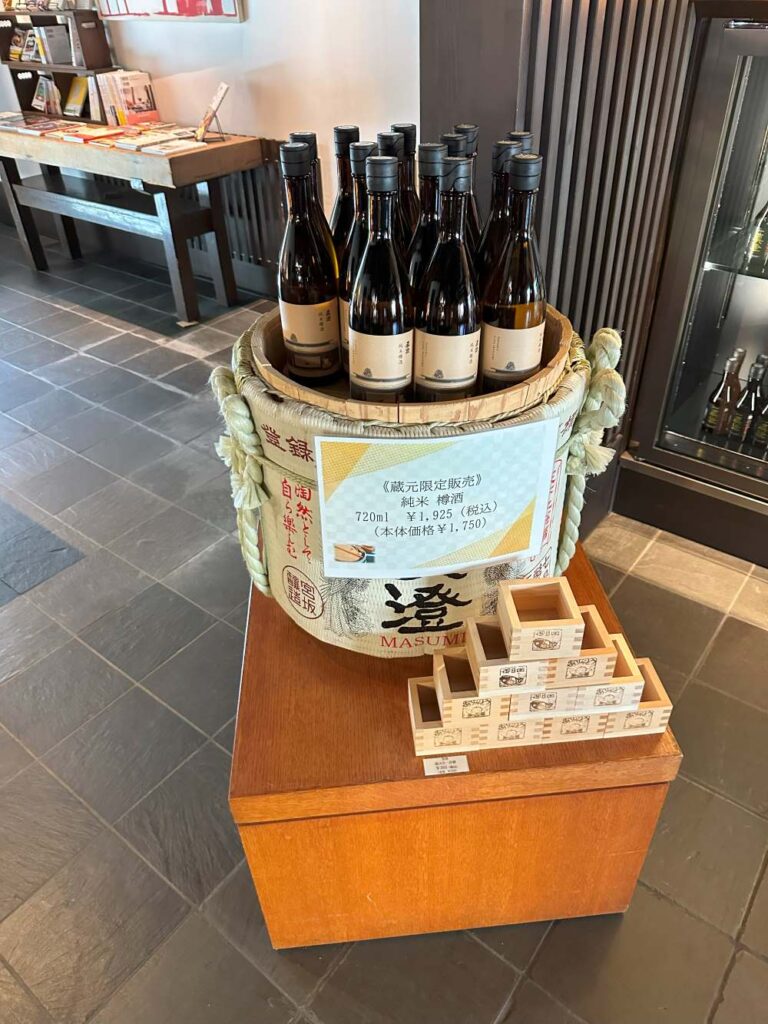
These breweries often have tasting rooms where you can try their products and even purchase bottles to take home as a souvenir. Pairing a sake tasting with a visit to a local onsen is a perfect way to fully experience the rich culture and traditions of the Suwa region.
Summary
Visiting Suwa Taisha is not just about experiencing a sacred shrine. It’s an opportunity to explore the natural beauty and cultural richness of the surrounding area. From the tranquil shores of Lake Suwa to the soothing hot springs and exquisite local sake, the Suwa region offers something for every traveler. Whether you’re seeking spiritual enlightenment, natural beauty, or simply a chance to relax and indulge, Suwa has it all.
You can check detailed information in English on the official Suwa Taisha website.
Planning a shrine visit? If you’re unsure how to bow, clap, or make an offering once you’re at the shrine, read our step-by-step guide on how to pray at a Japanese shrine, explained by a Shinto priest at Yushima Tenjin in Tokyo.
Frequently Asked Questions
How do you get to Suwa Taisha from Tokyo?
Suwa Taisha is reached from Tokyo by the JR Chuo Main Line limited express Azusa from Shinjuku Station to Chino, Kami-Suwa or Shimo-Suwa Station, a trip the shrine gives as about 2 hours 35 minutes. Shimo-sha Harumiya and Akimiya are each about 1 km from Shimo-Suwa Station. Kami-sha Maemiya is about 5 minutes by car from Chino Station, and Honmiya is about 6 km from Kami-Suwa Station.
What are the opening hours of Suwa Taisha?
Suwa Taisha never closes its gates, so all four shrines can be visited at any time. Amulet offices open 9:00 AM to 4:30 PM at Maemiya, 8:30 AM to 4:30 PM at Harumiya and 8:30 AM to 5:00 PM at Akimiya. For Honmiya the shrine’s pages differ, giving 8:30 AM to 5:00 PM or 9:00 AM to 4:00 PM. Treasure halls at Honmiya and Akimiya charge 500 yen for adults.
How long does it take to visit all four shrines of Suwa Taisha?
Visiting all four shrines of Suwa Taisha takes about 5.5 hours on the Shimosuwa Tourism Association’s model course, which also stops at a museum, a restaurant and the Manji Stone Buddha. The course uses a taxi from Chino Station to Maemiya and from Honmiya back to the station, then the JR Chuo Main Line to Shimo-Suwa Station. Akimiya and Harumiya are about 15 minutes apart on foot.
When is the next Onbashira Festival?
The next Onbashira Matsuri (Onbashira Festival) at Suwa Taisha is in 2028, a Monkey year, six years after the 2022 festival. Suwa City lists the hauling of the logs from the mountains (yamadashi) on April 1 to 3 for the Kami-sha and April 8 to 10 for the Shimo-sha. The pulling to the shrines (satobiki) follows on May 3 to 5 and May 12 to 14.
What is Omiwatari, the God’s Crossing on Lake Suwa?
Omiwatari, the God’s Crossing, is the name for the large cracks that appear in the ice of frozen Lake Suwa in the coldest winters. Suwa Taisha tradition holds that the cracks mark the path of Takeminakata-no-Kami crossing the lake to visit his wife Yasakatome-no-Kami at the Shimo-sha. The shrine lists the crossing among its Seven Unusual Aspects (nana fushigi).
Share