
Enoshima Shrine is a Shinto shrine on the island of Enoshima in Fujisawa, Kanagawa Prefecture. It consists of three separate shrines, Hetsumiya, Nakatsumiya and Okutsumiya, each dedicated to one of three sister sea goddesses who came to be revered as Enoshima Benzaiten. Shrine tradition dates its origin to 552.
| Location | 2-3-8 Enoshima, Fujisawa, Kanagawa Prefecture 251-0036 |
|---|---|
| Nearest stations | Katase-Enoshima, Enoshima and Shonan-Enoshima, about 15 to 23 minutes on foot |
| Founded | 552 by shrine tradition, on the order of Emperor Kinmei |
| Enshrined deities | Three sister sea goddesses, revered together as Enoshima Benzaiten |
| Prayer request hours | 8:30 AM to 5:00 PM at the shrine office, except year-end and New Year |
| Hoanden hall | 8:30 AM to 4:30 PM, 200 yen (junior high and high school 100 yen, elementary 50 yen) |
| Official site | enoshimajinja.or.jp |
Checked in October 2026 against enoshimajinja.or.jp.
Just off Japan’s Shonan coast near Tokyo lies Enoshima Island, a charming seaside getaway crowned by the revered Enoshima Shrine. This picturesque island shrine is celebrated as one of Japan’s “Three Great Benzaiten Shrines,” dedicated to Benzaiten: the goddess of fortune, music, and the arts.
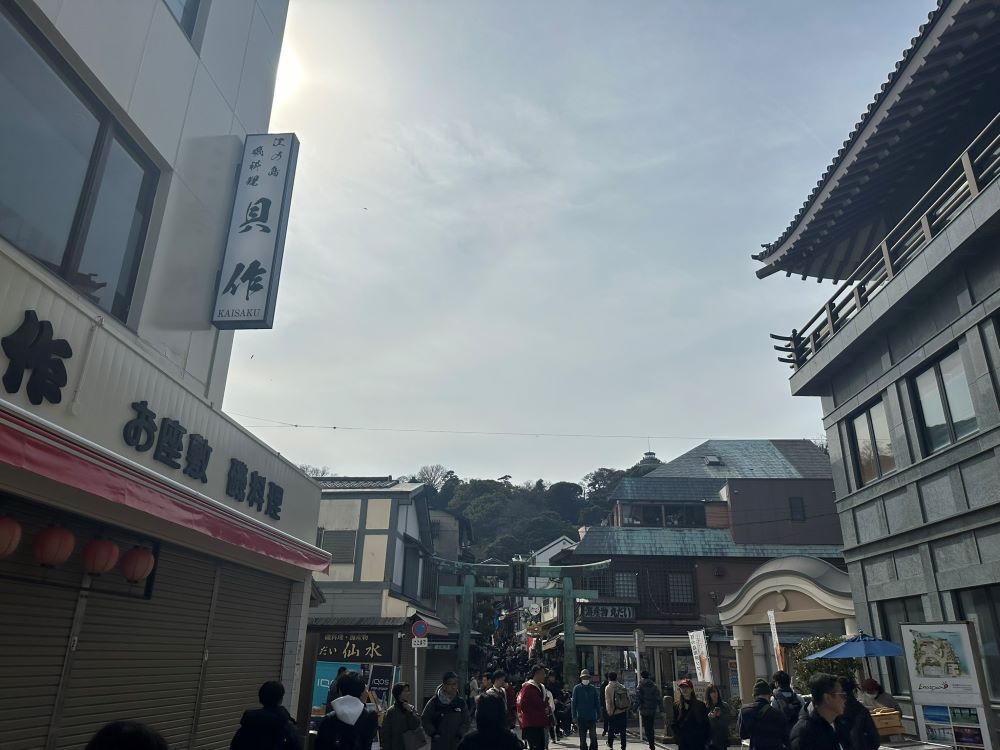
Enoshima Shrine’s appeal comes from its blend of spiritual ambiance and natural beauty: visitors cross a bridge over glittering waves to find vermilion torii gates, lush forested hills, and, on clear days, scenic views of Mt. Fuji across the ocean. Beyond its religious significance, the island also bustles with quaint shops and seafood eateries, making it an ideal cultural day trip.
In this article, we’ll delve into Enoshima Shrine’s rich history and mythology, guide you through its three shrine sections, highlight top attractions, from mystical caves to garden observatories, and introduce you to local food specialties that showcase the best of the island.
Historical and Mythological Background
Enoshima Shrine traces its origins back to the 6th century, when the first place of worship on the island was built in 552 C.E. near the Iwaya Caves, by order of Emperor Kinmei. Over centuries, these shrines became steeped in powerful legends.
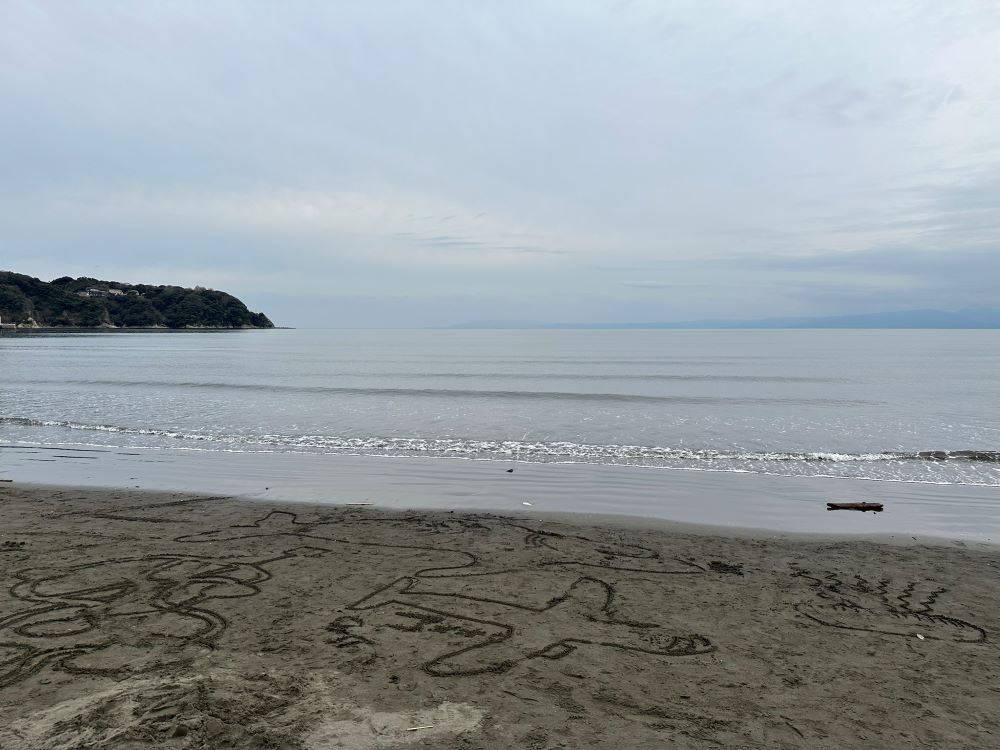
One of the most famous involves a five-headed dragon named Gozuryu who once terrorized the region. According to the tale, a beautiful goddess appeared in 552 and raised Enoshima Island from the sea. This goddess, Benzaiten, initially rejected the dragon’s marriage proposal due to his wicked deeds. Determined to prove his sincerity, the dragon reformed and was ultimately accepted, transforming himself into the nearby Dragon’s Mouth Hill to watch over Enoshima forever. Even today, symbols of the dragon and goddess can be found throughout the island, and Enoshima is often recognized as a sacred site for love and marriage.
Another noteworthy legend ties the shrine to the Kamakura-period Hojo clan. In the early 1190s, Hojo Tokimasa prayed fervently in the island’s caves for his clan’s prosperity. On the final night, Benzaiten is said to have appeared, promising to bless the Hojo lineage. She then vanished into the sea, leaving behind three dragon scales as a mark of her favor: these would become the Hojo family crest known as Mitsuuroko.
Through such stories and historical patronage, Enoshima Shrine emerged as a significant religious spot that blends Shinto and Buddhist traditions, revering Benzaiten as its central deity. Visitors today can still see dragon motifs and Benzaiten statues around the island, reminders of these timeless legends that give Enoshima its otherworldly charm.
Exploring Enoshima Shrine
Despite being referred to as a single entity, Enoshima Shrine is actually composed of three main shrines on the island’s wooded hill:
- Hetsumiya (Lower Shrine)
- Nakatsumiya (Middle Shrine)
- Okutsumiya (Inner Shrine)
A winding path (with optional escalators) connects them, each showcasing unique architectural features and spiritual treasures. From ancient gates to stone steps bordered by greenery, the journey itself evokes a sense of stepping back in time. Let’s take a closer look at each section.
Hetsumiya (Lower Shrine)
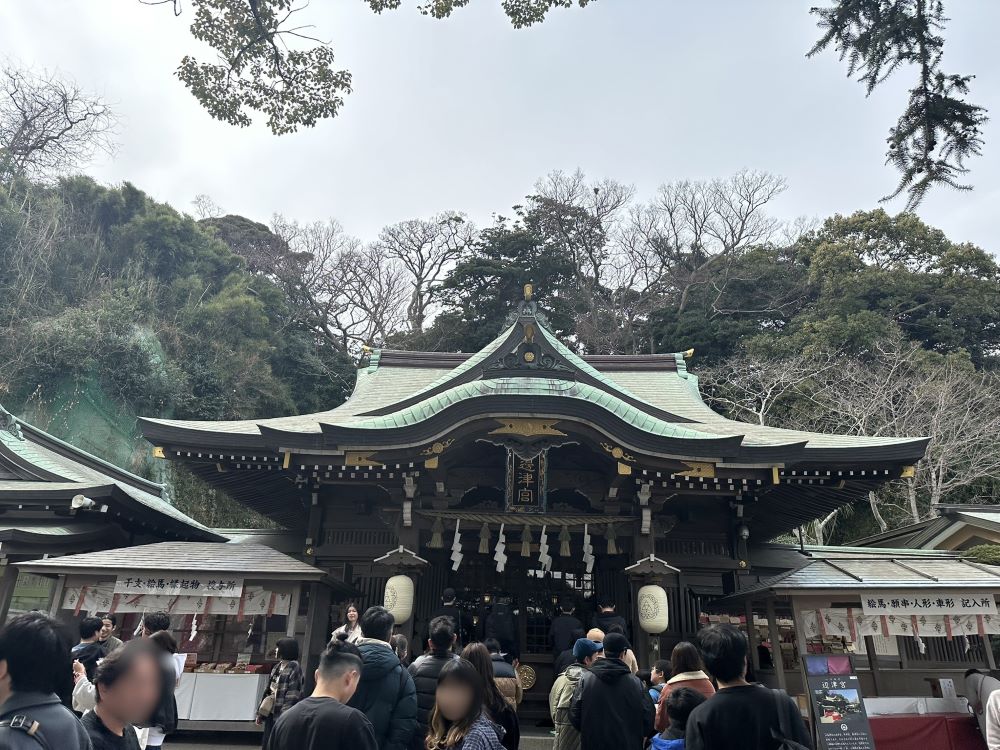
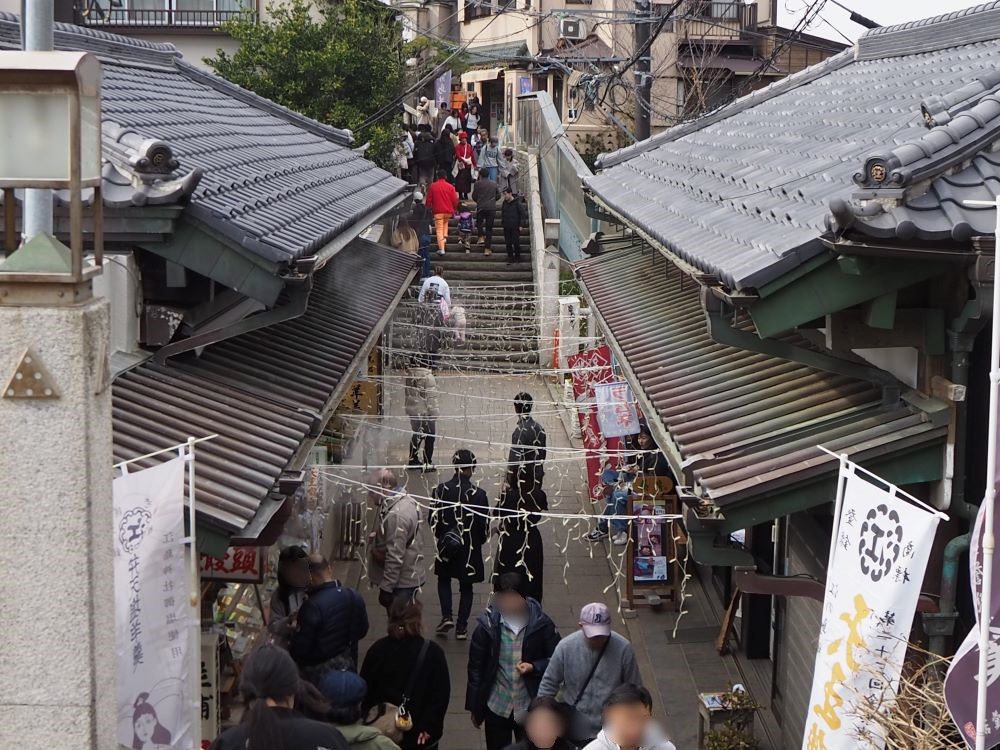
Upon entering Enoshima, a brief walk through a bronze torii gate and past bustling souvenir shops leads to Hetsumiya. Also known as “Shimonomiya,” it was first established in 1206 under the Kamakura shogun Minamoto no Sanetomo to honor Tagitsuhime-no-Mikoto, a goddess of water and navigation.
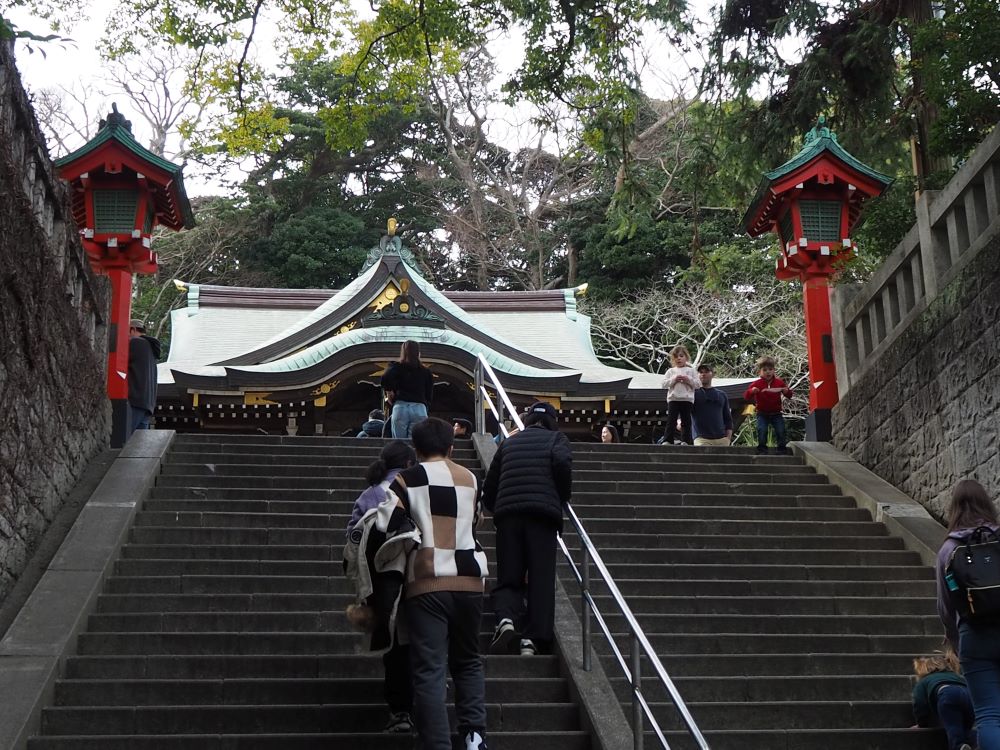
The shrine’s current structure, rebuilt in 1976, combines elegant Gongen-zukuri architecture with symbolic roof crests featuring the Hojo clan’s Mitsuuroko. An octagonal hall beside the main building, known as the Hoanden, houses two notable Benzaiten statues:
- Happi-Benzaiten (an eight-armed golden goddess), and
- Myoon-Benzaiten (the so-called “Naked Benzaiten”).
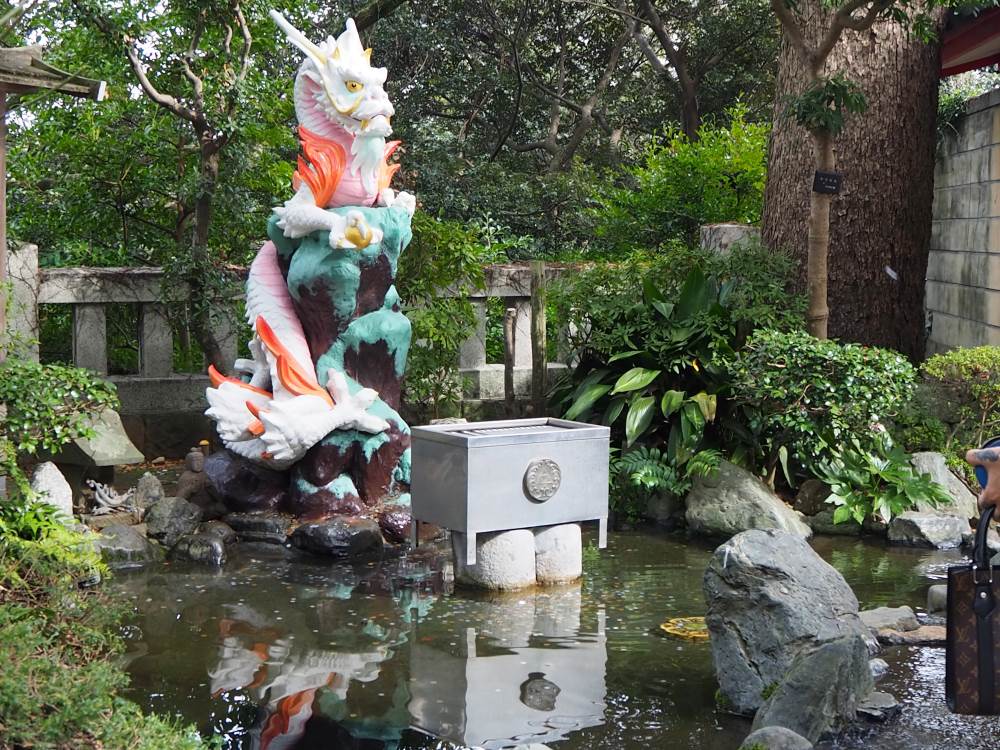
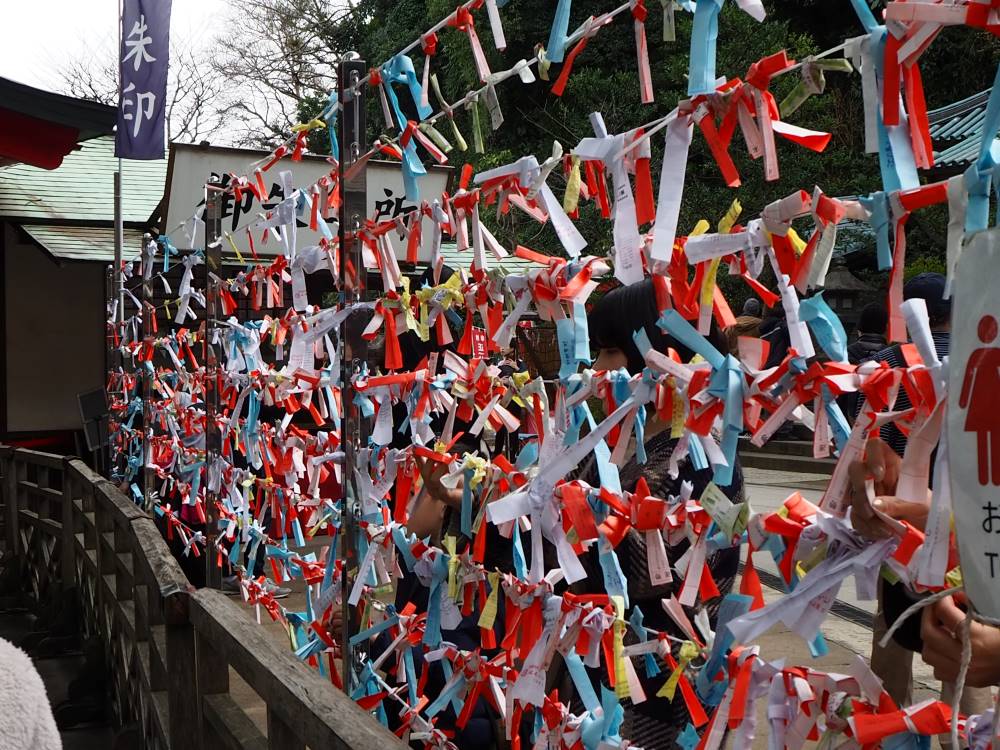
Nearby, the dragon coin-washing spot, with its clear spring, is believed to bring financial luck if visitors rinse their coins there before making an offering. The area’s vermillion-lacquered buildings, protective lion-dog statues, and breezy ocean air create a serene yet vibrant environment, an excellent spot to pick up a good-luck omamori or have a goshuin seal stamped in your travel notebook.
Nakatsumiya (Middle Shrine)
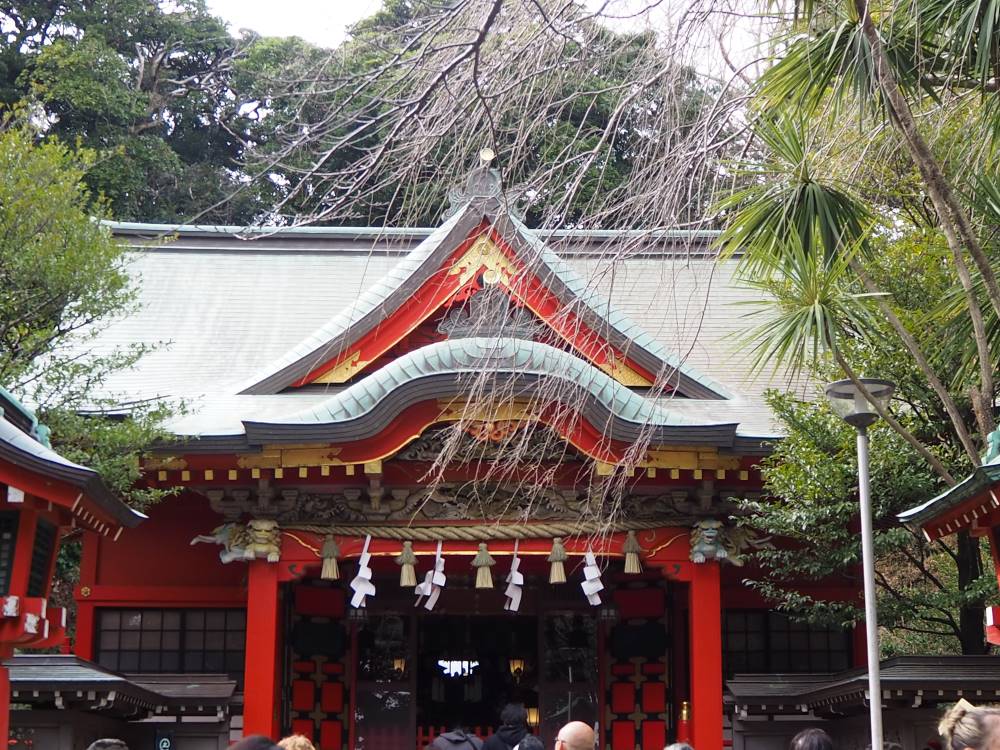
Continuing uphill leads to Nakatsumiya, dedicated to Ichikishimahime-no-Mikoto, another sister goddess of the sea. First established in 853, the current vermilion shrine buildings were more recently restored in 1996, lending a vivid contrast to the surrounding foliage.
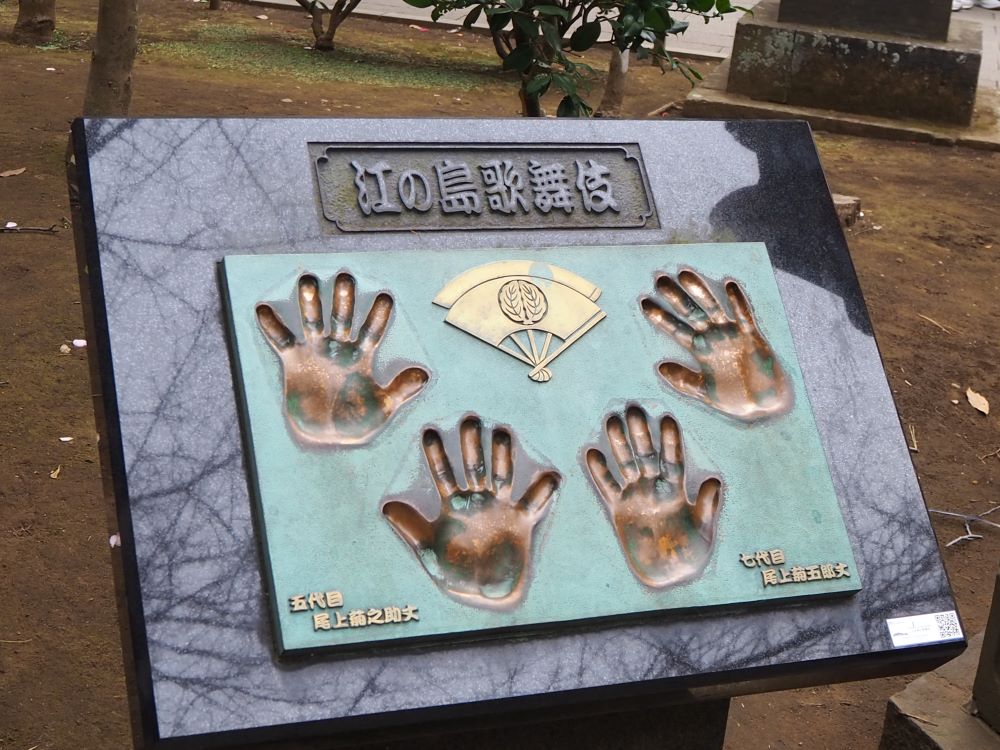
A series of historic stone lanterns lines the approach, many donated by famed Kabuki actors who once prayed for success in their performances. Nakatsumiya is also known for its suikinkutsu: a hidden, inverted pot that resonates with harp-like tones when water drips inside. Standing in a clearing with views of Sagami Bay, visitors often pause to ring the bell and offer prayers. The richly carved eaves and colorful architecture reflect the depth of devotion and artistry that have shaped Enoshima over centuries.
Okutsumiya (Inner Shrine)
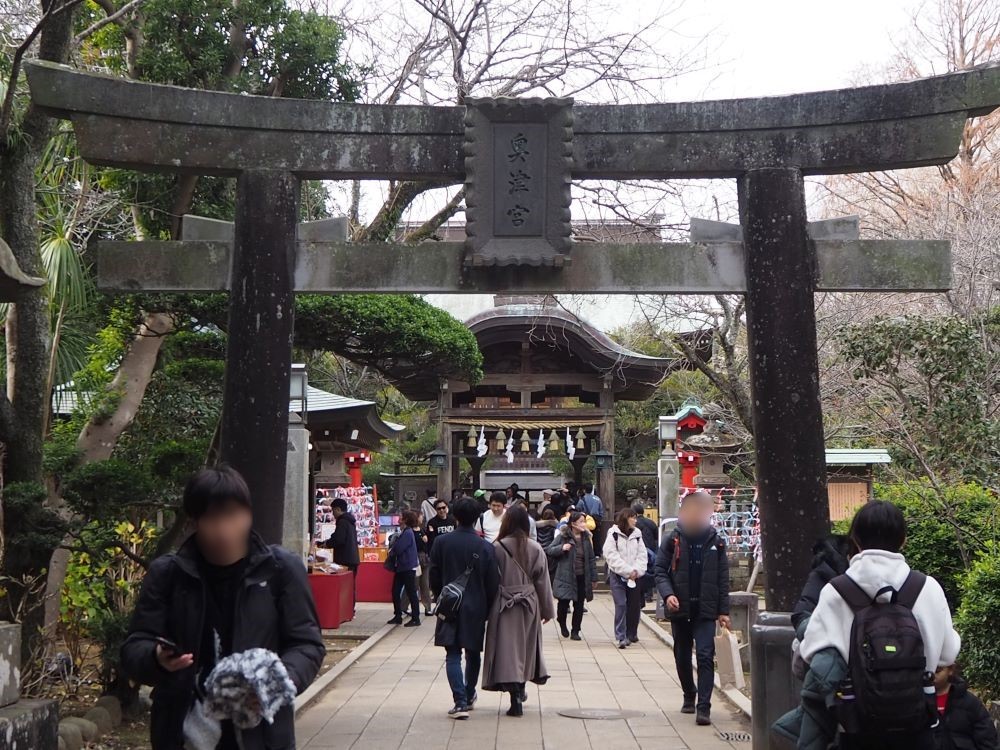
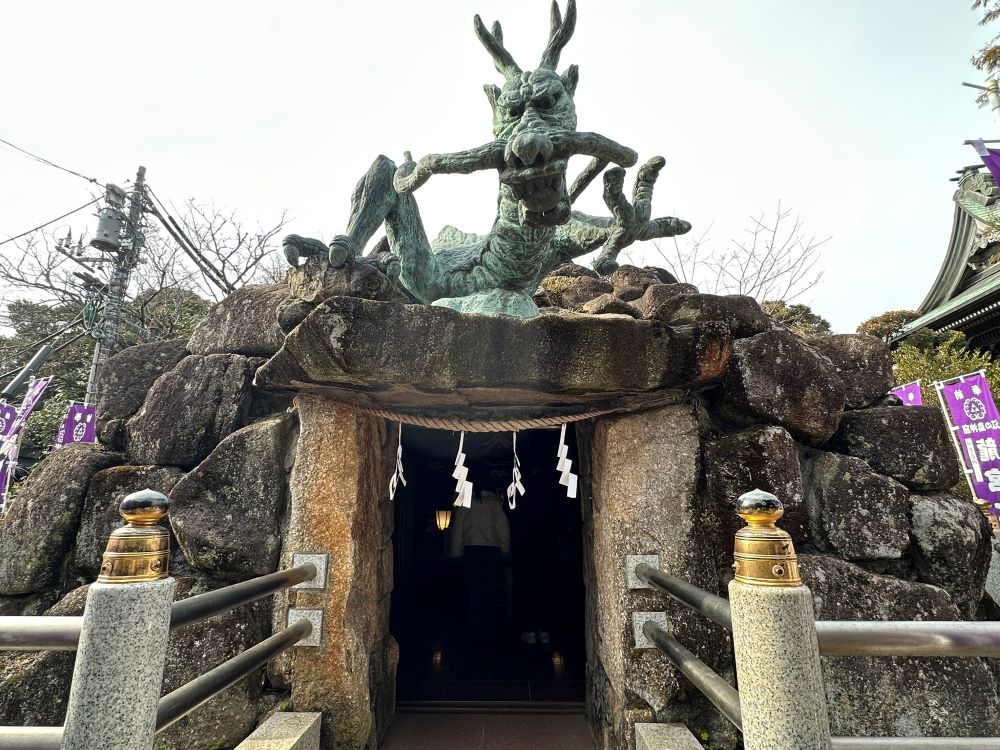
Located at the far end of Enoshima’s summit, Okutsumiya is dedicated to Tagirihime-no-Mikoto, eldest of the sea goddesses. Tucked away and linked historically to the island’s southern Iwaya Caves, it once served as the temporary lodging (otabisho) for Benzaiten statues from April to October each year, when seawater entered the caves. The current main building dates back to 1842, featuring a simpler style honed by centuries of coastal storms.
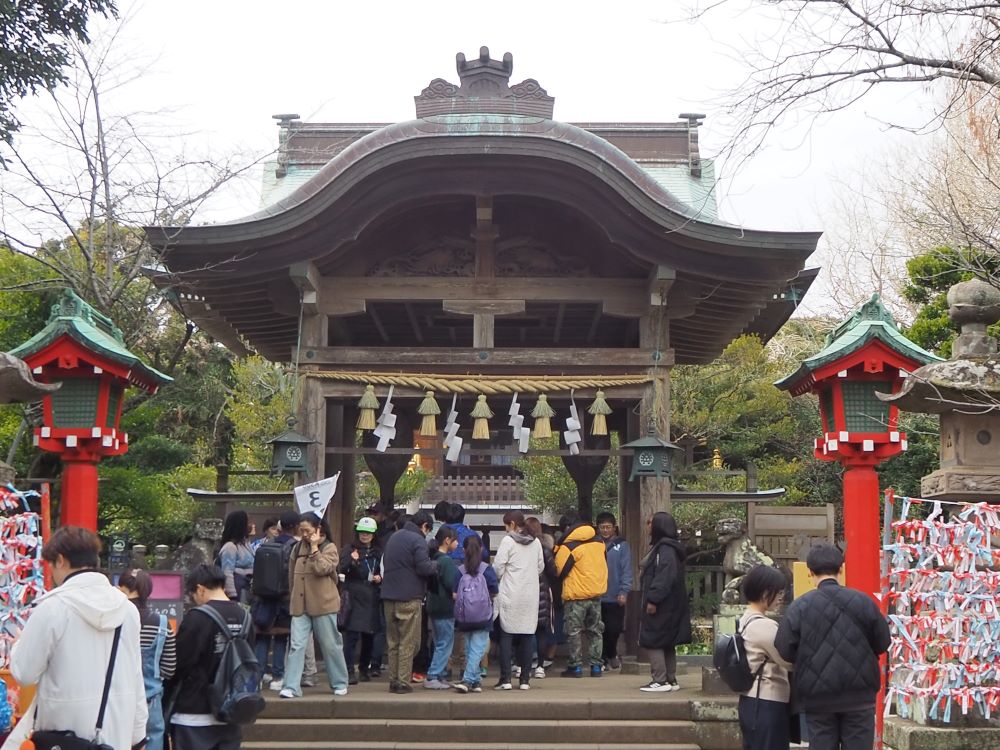
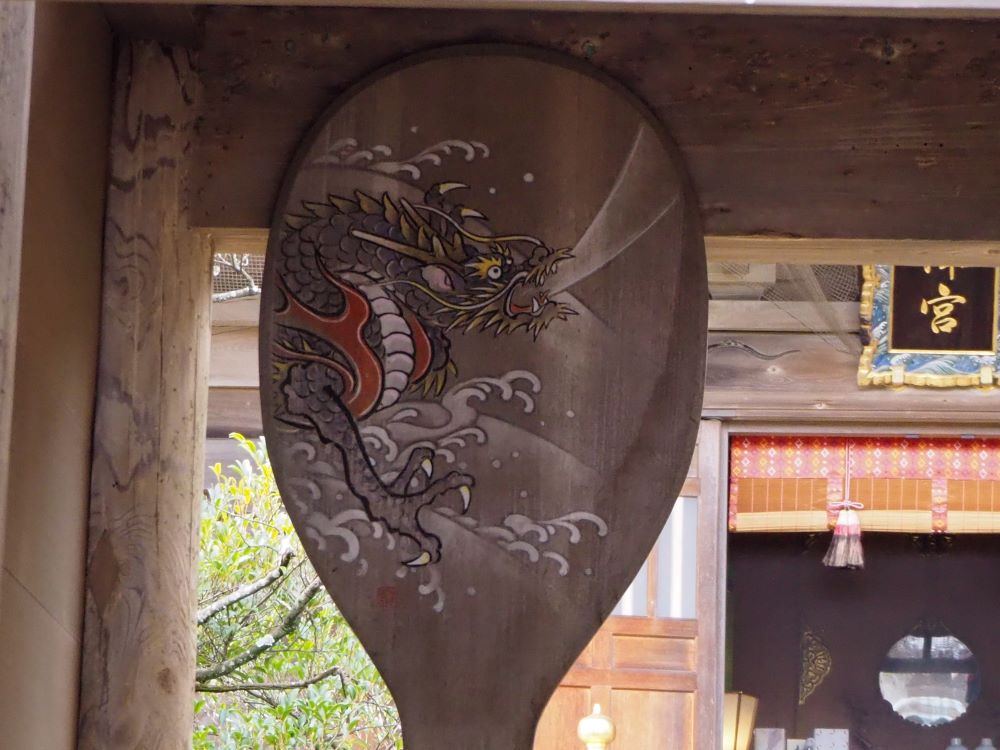
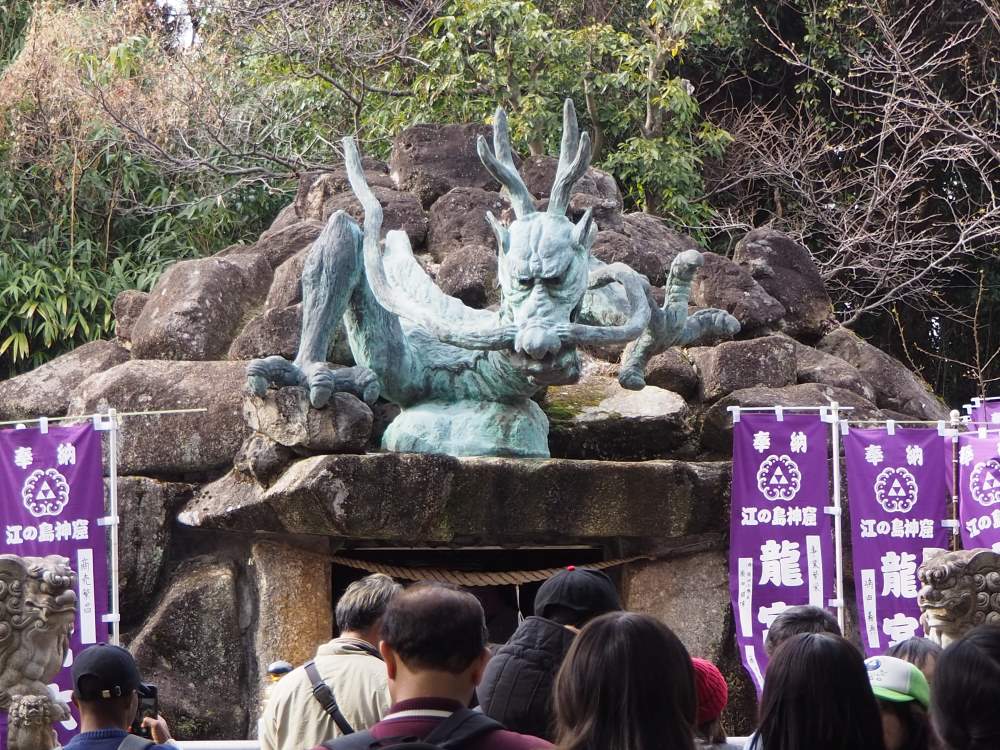
Inside the worship hall, the ceiling bears the “Happo Nirami no Kame,” a turtle that seems to glare at you from every direction, symbolizing longevity and spiritual protection. The painting is a 1994 reproduction of an Edo-period original. Visitors can also see a large Chinowa (woven grass ring) for seasonal purification rituals, and a small Dragon King shrine set beneath a rocky overhang near the sea. With its mossy stones and fewer crowds, Okutsumiya offers a quiet ambiance, perfect for imagining the legendary five-headed dragon still keeping watch.
Best Things to Do Around Enoshima
Though Enoshima Shrine is the island’s centerpiece, there are plenty of other activities to enrich your experience. From panoramic viewpoints to mysterious caves, here are some highlights not to miss:
Enoshima Sea Candle
At Enoshima’s summit stands the Sea Candle, a modern lighthouse and observation tower rising nearly 60 meters high. An elevator ride or stairs lead to a 360° vantage point over the coastline, offering stunning views of Sagami Bay, the Shonan beaches, and Mt. Fuji on clear days. Surrounding it is the Samuel Cocking Garden: a historical botanical park established in the late 19th century. Stroll among seasonal flowers, explore remnants of old greenhouses, and enjoy the illuminated tower at night for a romantic ambiance.
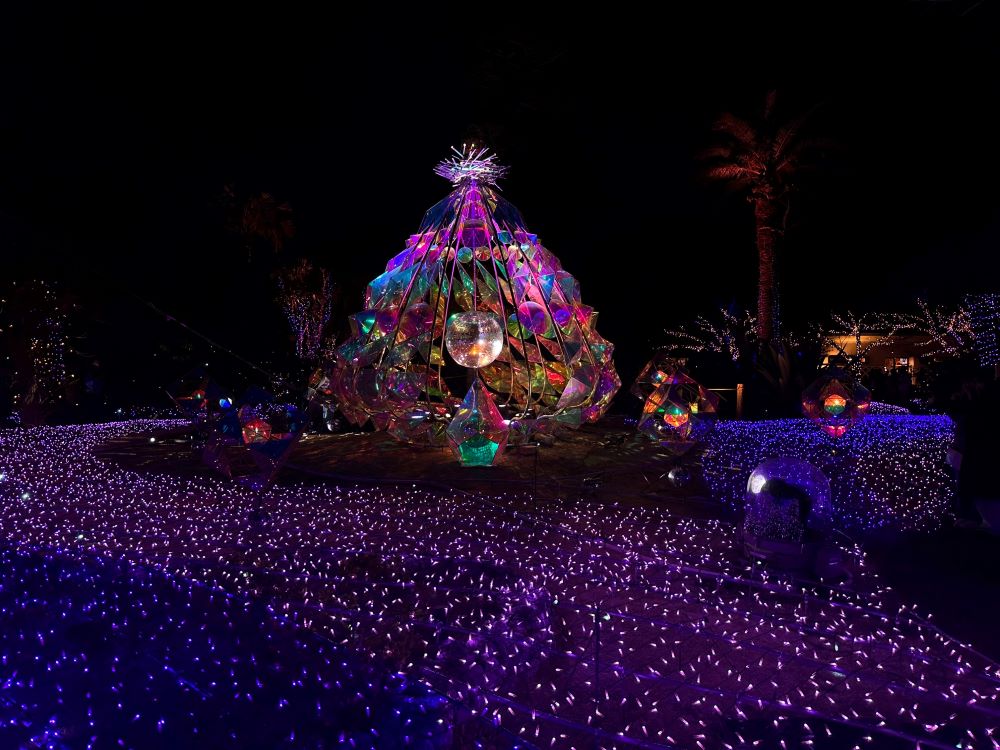
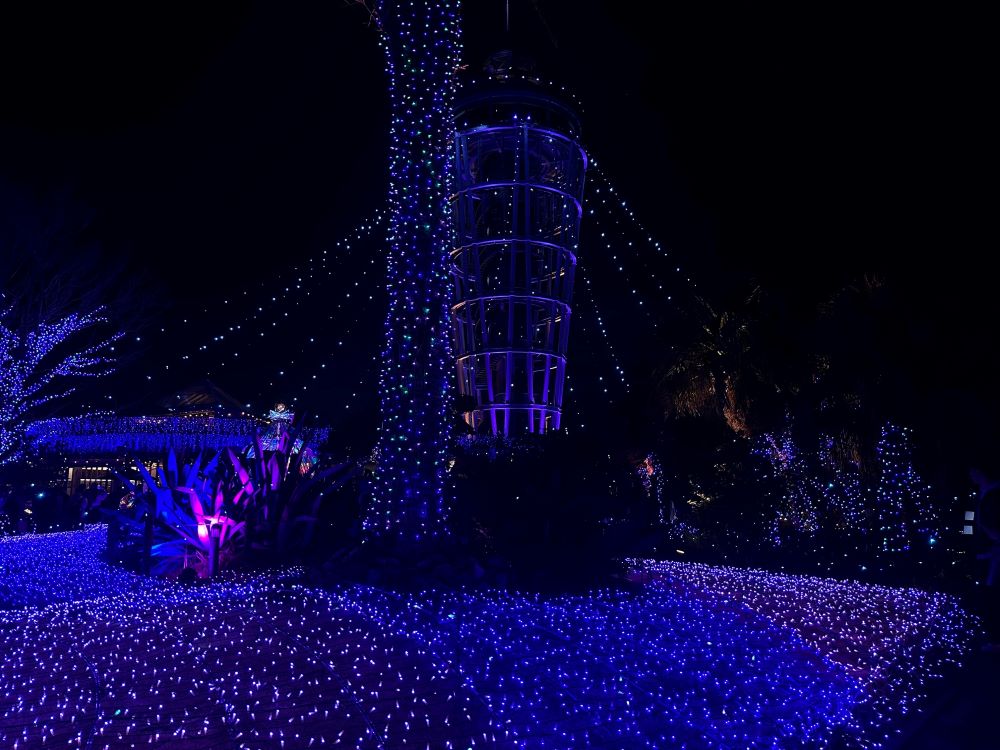
Details are below.
Official Site: Enoshima Seacandle
Enoshima Iwaya Caves
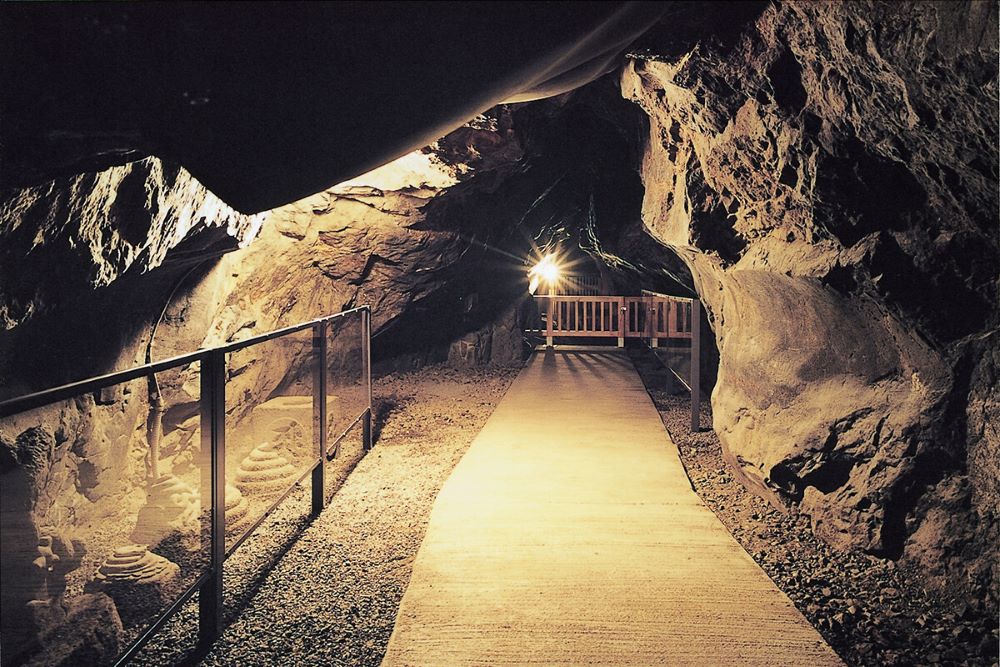
Carved naturally by ocean tides, the Iwaya Caves are set along the island’s southern shore. A steep path descends to these grottoes, which have been sacred sites for centuries. Nothing is enshrined there today, but visitors can see many stone Buddhist statues and carry candles to explore deeper sections where local lore says a dragon once dwelled. The caves are naturally refreshing, ideal for hot summer days, and the oceanfront setting is a striking reminder of Enoshima’s long tradition of sea worship.
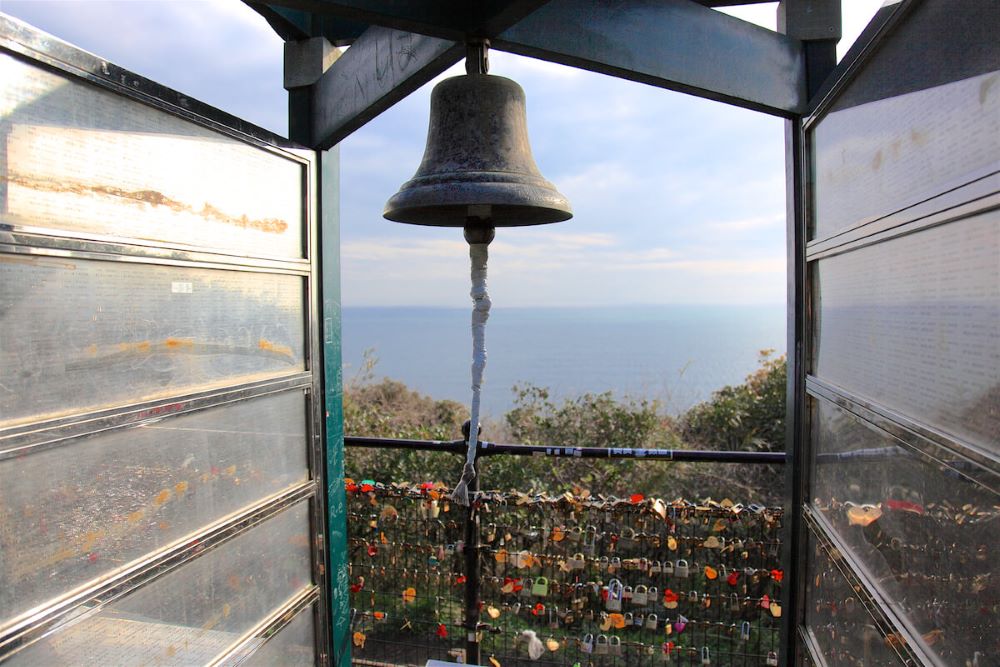
Love Bell (Ryuren no Kane)
Inspired by the legend of Benzaiten and the dragon, a “Love Bell” stands on a hill overlooking the sea. Couples often affix padlocks to the railing to symbolize eternal love, then ring the bell together. Even if you come solo, it’s a fun spot to enjoy the breeze and the romantic local custom, don’t be surprised to hear the bell’s gentle peals from time to time.
Beaches and Aqua Sports
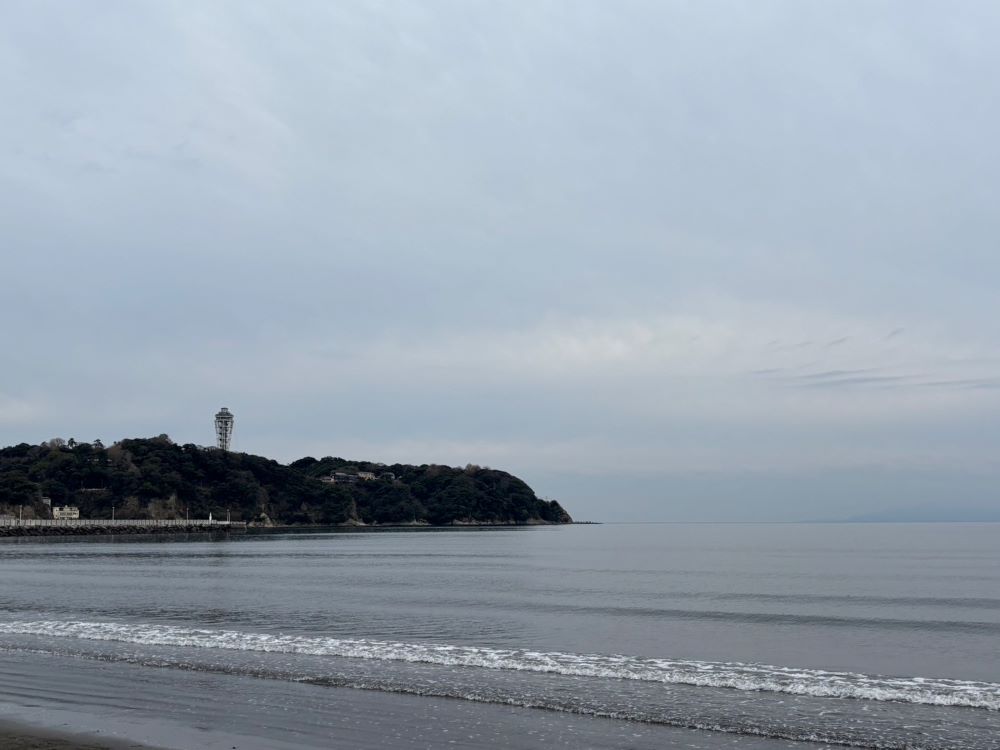
Before crossing to Enoshima, you’ll pass Shonan beaches popular for surfing and sunbathing in summer. Swimming isn’t allowed directly off Enoshima’s rocky coastline, but Katase and Kugenuma Beaches on the mainland offer ample shoreline activities. There’s also the Enoshima Yacht Harbor, host to Olympic sailing events, and the nearby Enoshima Aquarium for family-friendly marine exhibits.
Seafood and Local Cuisine
No visit is complete without sampling Enoshima’s renowned seafood. The island boasts a culinary heritage tied to the sea’s bounty, with restaurants and street stalls showcasing fresh catches from Sagami Bay. Here are some standout specialties:
Shirasu (Whitebait)
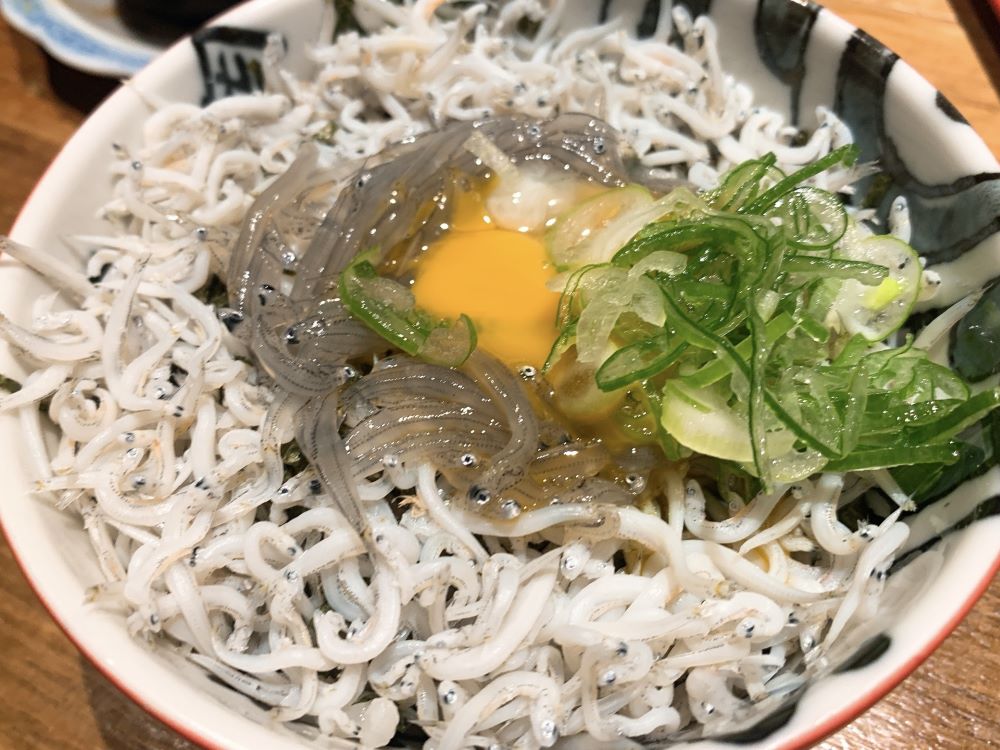
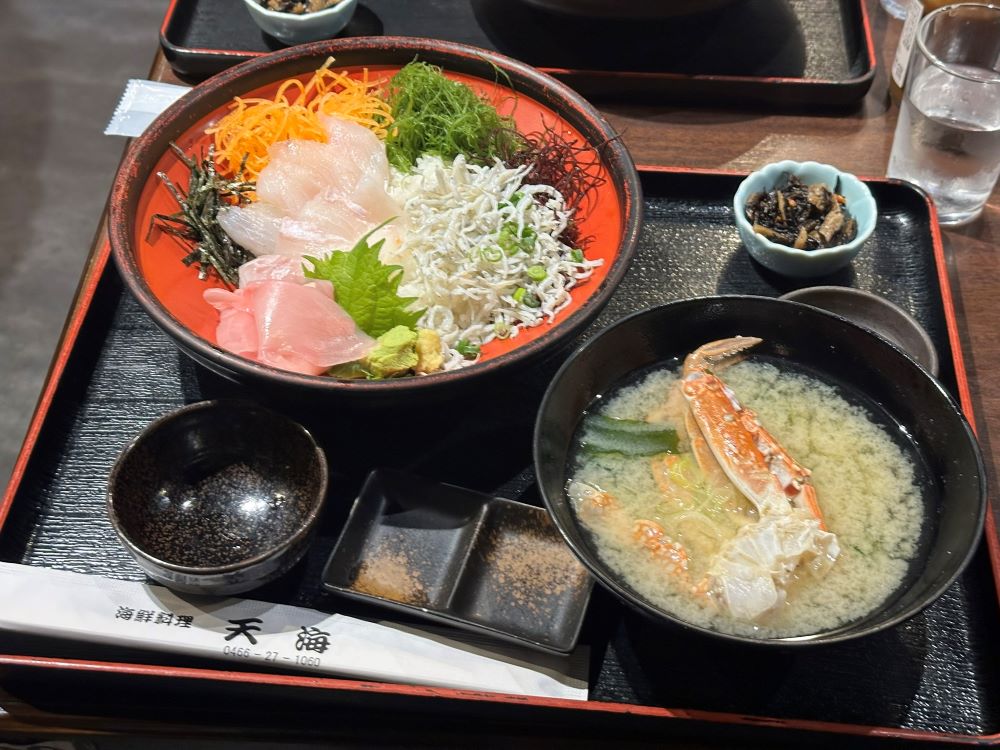
Enoshima’s signature ingredient is shirasu: tiny baby sardines or anchovies served either raw (nama-shirasu) or boiled (kama-age). Shirasu-don (a rice bowl topped with these delicate fish) is a quintessential local dish.
- Kama-age shirasu has a pleasantly mild flavor and is easy for anyone to enjoy.
- Nama-shirasu (raw) is more adventurous and can have a distinctive taste and texture, which some people love while others may find challenging. Because nama-shirasu must be extremely fresh, availability is seasonal (often spring to autumn) and considered a true local delicacy.
Enoshima-don (Turban Shell Bowl)
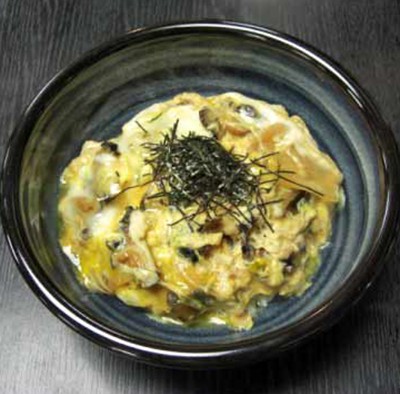
Another local favorite is Enoshima-don, which features sazae (horned turban shell) simmered in a soy-based sauce with egg and onions. Poured over rice like an oyster omelet, its chewy sazae imparts a subtle ocean taste, complemented by the sweet-savory flavor of the broth.
Other Seafood
Whether it’s grilled scallops, clams, or sizzling tako (octopus) skewers, Enoshima’s street stalls offer tempting bites at every turn. A crowd-pleaser is tako-senbei: whole baby octopus pressed into a crisp cracker. For dessert, look out for special puddings made with local eggs or novelty soft-serve (some shops even offer shirasu-flavored ice cream!). Sit-down restaurants near the harbor or the main street focus on the day’s fresh catch. Pairing it all with a cold beer or local soda makes for a perfect seaside meal.
Travel Tips
- Getting There: From Tokyo, take the Odakyu Line to Katase-Enoshima Station (about 1 hour), or ride the Enoden train from Kamakura. The Shonan Monorail from Ofuna is another scenic option. Once you arrive, Enoshima Shrine is about 15 to 23 minutes on foot across the pedestrian bridge.
- When to Visit: Enjoy Enoshima year-round. Spring has mild weather and blossoms, summer brings beach vibes and festivals, autumn offers fewer crowds and clear views, and winter provides crisp skies for spotting Mt. Fuji. Weekdays are less crowded than weekends.
- Practical Tips: Plan for at least half a day. Wear comfortable shoes for the hilly paths. If you’re also visiting Kamakura, consider the Enoshima-Kamakura Freepass. Watch out for local hawks that may try to snatch food, and keep an eye on the many friendly cats on the island.
Conclusion
Enoshima Shrine and its island sanctuary offer a captivating blend of spirituality, folklore, and seaside relaxation. From the moment you set foot on the bridge, you enter a world where dragon legends and Benzaiten’s blessings seem woven into every corner.
A stroll through Hetsumiya, Nakatsumiya, and Okutsumiya reveals the depth of local faith and artistry, while nearby gardens, caves, and beaches showcase Enoshima’s natural splendor. The island caters to both the curious traveler’s taste for history and the foodie’s appetite for fresh seafood, an ideal balance of sacred and savory.
Whether you choose to wash coins at a mystical spring, ring the Love Bell with someone special, or simply watch the sun melt into the horizon, Enoshima’s magic lingers. May your journey inspire you to explore more of Japan’s coastal wonders and discover the enchantment found just beyond Tokyo’s urban pace.
Enjoy your time in this legendary sanctuary of beauty, tradition, and culinary delights!
Planning a shrine visit? If you’re unsure how to bow, clap, or make an offering once you’re at the shrine, read our step-by-step guide on how to pray at a Japanese shrine, explained by a Shinto priest at Yushima Tenjin in Tokyo.
Frequently Asked Questions
Which deities are enshrined at Enoshima Shrine?
Enoshima Shrine enshrines three sister sea goddesses: Tagitsuhime-no-Mikoto at Hetsumiya, Ichikishimahime-no-Mikoto at Nakatsumiya and Tagirihime-no-Mikoto at Okutsumiya. Through the blending of Shinto and Buddhism, the three came to be revered as Benzaiten, known here as Enoshima Benzaiten, a deity of the sea and water who also brings happiness, wealth and progress in the arts.
How far is Enoshima Shrine from the nearest station?
Enoshima Shrine is about 15 to 23 minutes on foot from its three nearest stations: Katase-Enoshima on the Odakyu Line, Enoshima on the Enoden and Shonan-Enoshima on the Shonan Monorail. From the bronze torii at the island entrance, the shrine’s guide gives 2 to 3 minutes to the red torii and 3 to 5 minutes more up the stone steps to Hetsumiya.
How long does it take to walk between the three shrines of Enoshima Shrine?
Walking between the three shrines of Enoshima Shrine takes about 15 minutes in total by the shrine’s own guide: about 5 minutes from Hetsumiya to Nakatsumiya and about 10 minutes from Nakatsumiya to Okutsumiya. The Iwaya Caves are about 10 minutes beyond Okutsumiya. The shrine calls these times rough guides, and the paths are hilly with stone steps.
Is there an escalator at Enoshima Shrine?
Enoshima Shrine is served by the Enoshima Escar, a paid outdoor escalator in three sections, boarded by turning left in front of the red torii. The sections run to Hetsumiya, Nakatsumiya and the island summit. All three cost 500 yen for adults (junior high age and up) and 250 yen for elementary school children. The Escar runs from 8:50 AM to 7:05 PM and only goes up.
How much is a goshuin at Enoshima Shrine?
A goshuin at Enoshima Shrine costs 500 yen. The shrine revised its goshuin offering to 500 yen from August 1, 2026. The shrine office to the right of Hetsumiya, the lowest of the three shrines, handles goshuin along with omamori amulets and prayer requests.
Share