
Reference Video: https://youtu.be/MMYDhQBxpUo
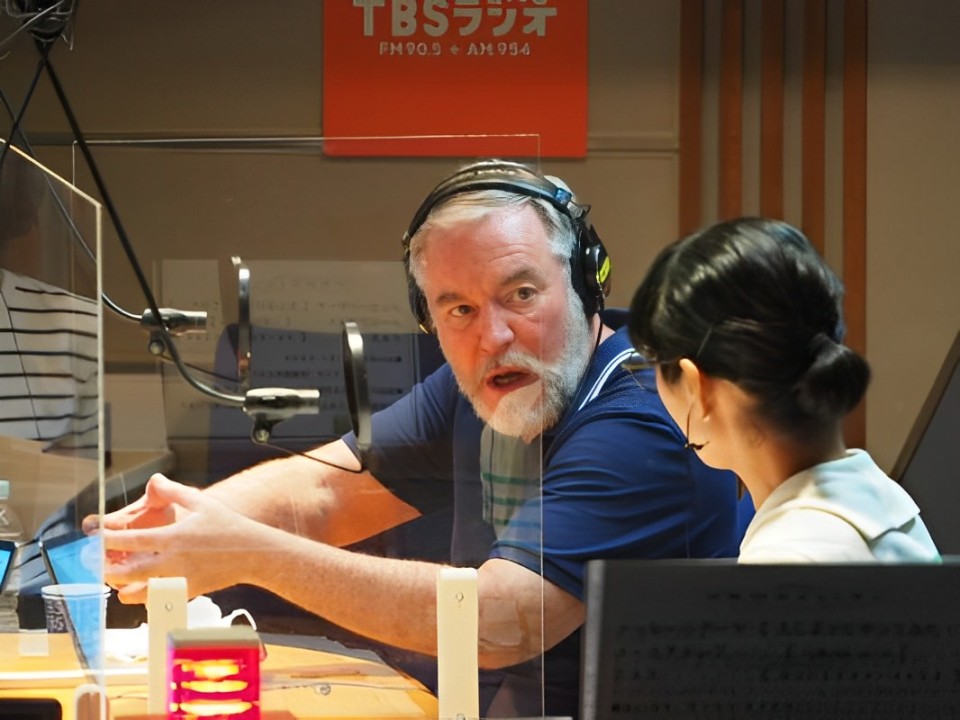
For over four decades, Daniel Kahl has been a familiar face and voice in Japan. Originally from Southern California, Kahl arrived in Japan as a 17-year-old exchange student. Today, he is a seasoned television personality, actor, and a deep well of knowledge regarding Japanese culture and regional dialects.
In this interview, Daniel shares his extraordinary journey, his love for Yamagata Prefecture, and his candid thoughts on the cultural differences between the US and Japan.
Learning Japanese and the TV Industry
Interviewer:
How did you start learning Japanese?
Daniel Kahl:
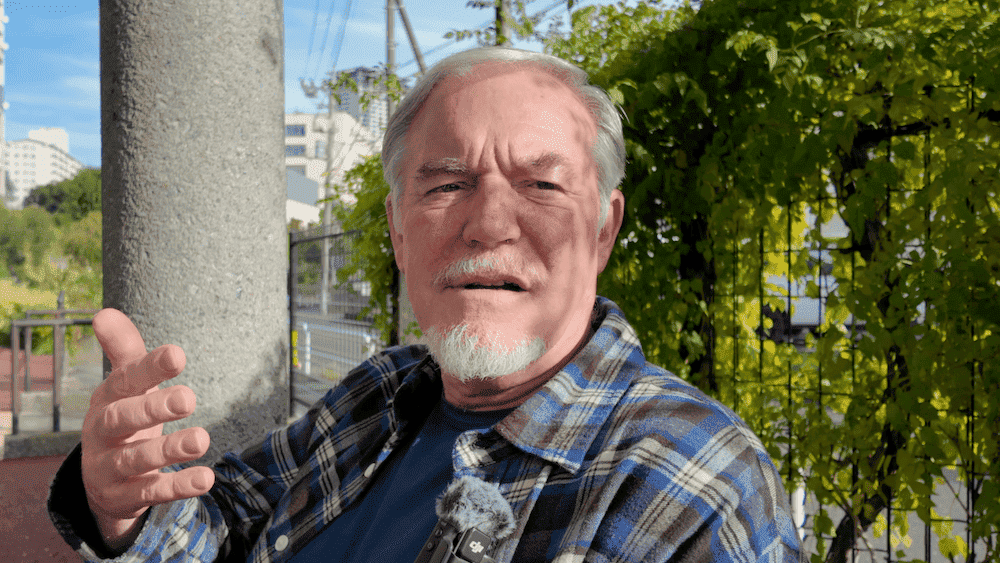
I came to Japan when I was 17. I wanted to learn more karate, so I came over as an exchange student.
Obviously, I didn’t speak any Japanese at all. I listened really hard to the students around me, identified words that came up frequently, wrote them down in Roman letters, and looked them up later. For example, I’d hear Sensei and realize they were talking about the teacher.
People laughed at me a lot because my Japanese was so bad in the beginning, but I was only 17 and didn’t really care. After one year of living in Japan and using nothing but Japanese every day, I learned enough to travel around the country.
Interviewer:
What got you into the entertainment industry?
Daniel Kahl:
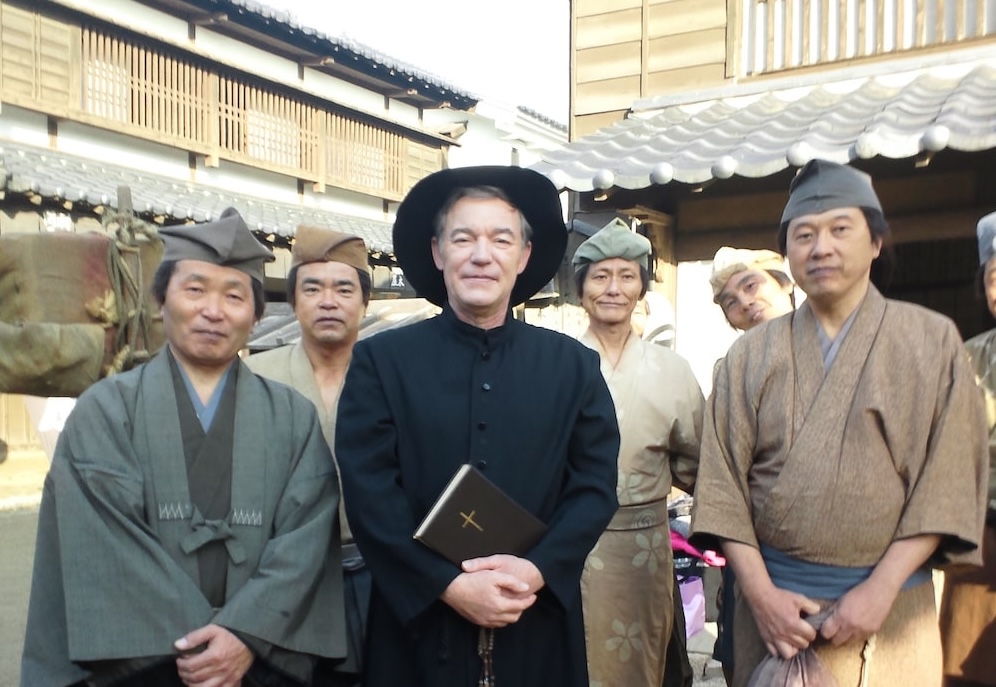
It was a fluke! I was running a translation and English education company in Tokyo. I got tangentially involved with a television program, and they were amazed because I was a foreigner speaking with a thick Yamagata dialect. One thing led to another, and I started getting busier. I’ve been on TV since 1989-doing gourmet programs, travelogues, and even serious reporting. I was even in two movies: Godzilla vs. King Ghidorah (1991) and Fukushima 50 (2020), where we got to film on the Yokota US Air Force Base!
The Deep Love for Yamagata Prefecture
Interviewer:
Do you have a favorite Japanese word?
Daniel Kahl:
My absolute favorite Japanese word is a dialectic word from Yamagata. If somebody asks you how you’re doing and you’re really busy, you say: “Sasukene!” (さすけねぇ). It literally sounds like “whoa,” but it’s a great expression used in the northern part of Japan.
Interviewer:
Out of all the places you’ve lived in Japan, what is the best place for you?
Daniel Kahl:
I’ve been to all 47 prefectures for my work, but if I was going to just live somewhere and hang out every day, I think I would go back to Yamagata. It’s very rural, agricultural, with beautiful mountains and rivers. The food up there is incredible.
If you visit Yamagata, I highly recommend trying their local specialties. They have almost everything except citrus:
- Imoni: A fantastic, hearty potato and beef stew made in big pots over campfires by the river in the fall.
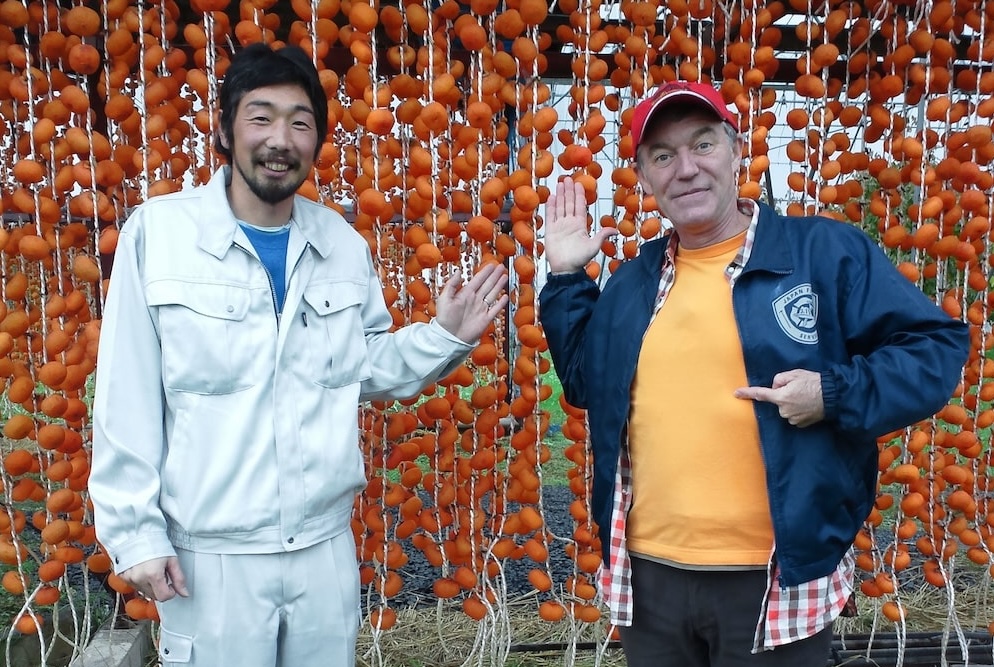
- Premium Fruits: Cherries (the most famous!), apples, persimmons, grapes, watermelon, peaches, and pears.
- Vegetables & Rice: Every kind of vegetable you can imagine, plus very high-priced, delicious rice.
- High-Quality Meat: They have a very large beef and pork production industry, producing incredibly high-quality meats.
USA vs. Japan: A Cultural Breakdown
Interviewer:
Is there anything you still do not understand about Japanese culture?
Daniel Kahl:
I understand most of it, but there are certain parts I don’t agree with, like the Senpai-Kohai (senior-junior) relationship. It comes from Confucianism, where the older people who know the ropes lead the younger ones. It’s a beautiful concept ideally. But the problem is, in schools and companies, some Senpai take advantage of their status to order underlings around.
In the US military, if you disagree with a superior officer, you can tell him, “Sir, I don’t think that’s correct,” and he has to explain his thinking. The Senpai-Kohai dynamic in Japan sometimes prevents healthy debate.
Interviewer: Simply put, what’s the biggest difference between the USA and Japan?
Daniel Kahl: Besides the language and the Senpai-Kohai dynamic, it’s how we express ourselves. Americans are very independent; we have a long history of debate. Japanese people hesitate to express their own opinions because they don’t want to step on other people’s toes. They are polite to a fault and practice self-deprecation (Kenson).
Many foreigners think Japanese people have no emotion, but I definitely disagree:
“Japanese people are amongst the most emotional people I know. They’re very good at hiding it. But if you give them a couple of beers, a little bit of sake, and say ‘let’s talk about this’… boy, they will go to town! You can learn more about Japanese politics and culture in the pubs and bars than you can anywhere else.”
Interviewer: Any final thoughts on living in Japan?
Daniel Kahl: Look at the public walkways here in Tokyo. They are clean, there’s no trash, and there are beautiful plants everywhere. Local people in their 70s and 80s come out and maintain these gardens. It’s a labor of love. They don’t talk about it; they just express themselves by their actions. I think this is one of the nicest things about living in Japan—people are really conscientious of what their neighborhood looks like.
Reference Video: https://youtu.be/MMYDhQBxpUo
・・・
Want to hear more stories from people living in Japan? Explore more interviews in our Humans of Japan series →
Share