
Isonokami Shrine (Isonokami Jingu) is one of Japan’s oldest Shinto shrines, set among quiet cedar groves in Tenri, Nara Prefecture. Founded in the Asuka period, it guards the Seven-Branched Sword (Shichishito), a national treasure that marks some of the earliest documented ties between Japan and the Korean kingdom of Baekje. The shrine was long tied to the powerful Mononobe clan, who oversaw the imperial court’s weapons and rituals. Today its wooded grounds are best known for the 30-plus sacred, free-roaming chickens that wander freely among the halls.
What Is Isonokami Shrine? A Historic Shinto Shrine in Nara
If you want to explore a lesser-known but deeply meaningful part of Japan’s spiritual heritage, consider visiting Isonokami Shrine in Nara Prefecture.
This ancient site dates back to the Asuka period (6th to 7th century). It is considered one of Japan’s oldest shrines and holds a key place in the country’s cultural and military history.
For visitors unfamiliar with Japanese religious practices, Isonokami Shrine is a Shinto shrine.
Shinto is Japan’s native faith. It centers on the worship of kami, or spirits, that are often linked to nature, such as rivers, mountains, or trees.
Shrines are sacred spaces where people pray for blessings like health, safety, prosperity, and personal success. Each shrine typically enshrines one or more kami. Isonokami Shrine is home to several powerful deities.
Let’s dive into the rich history, significance, and unique attractions of Isonokami Shrine.
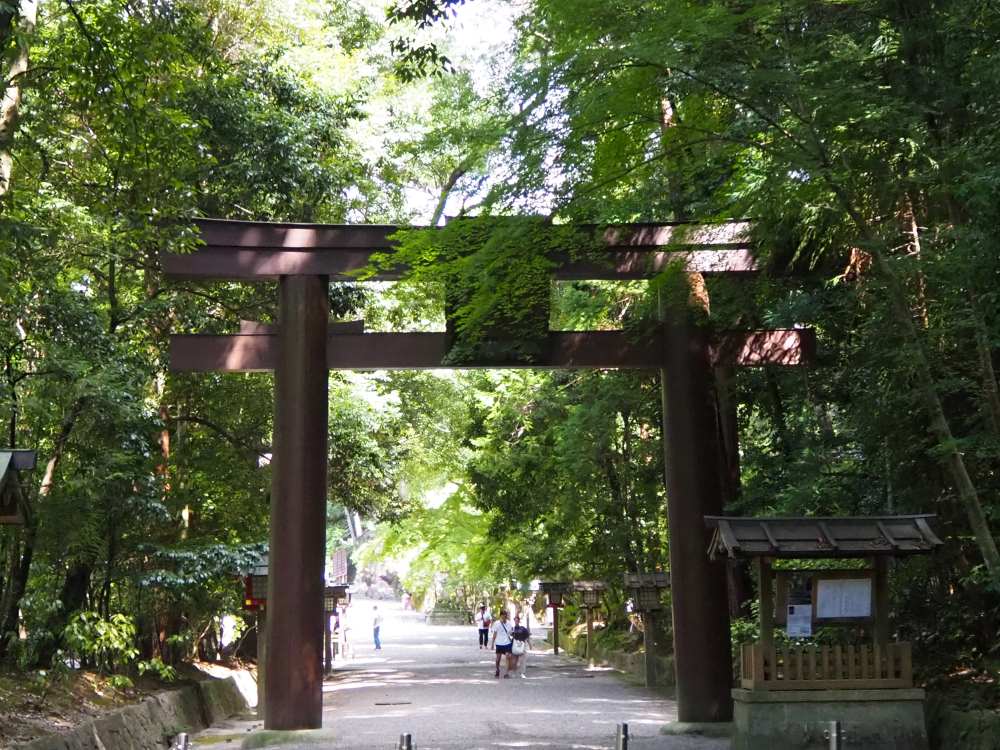
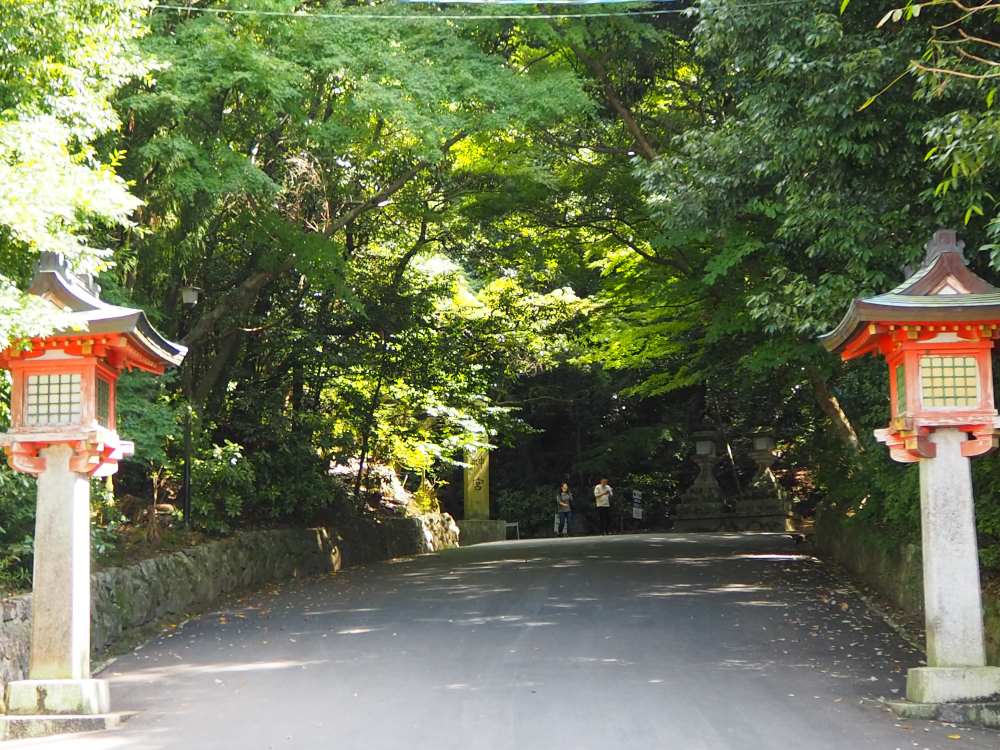
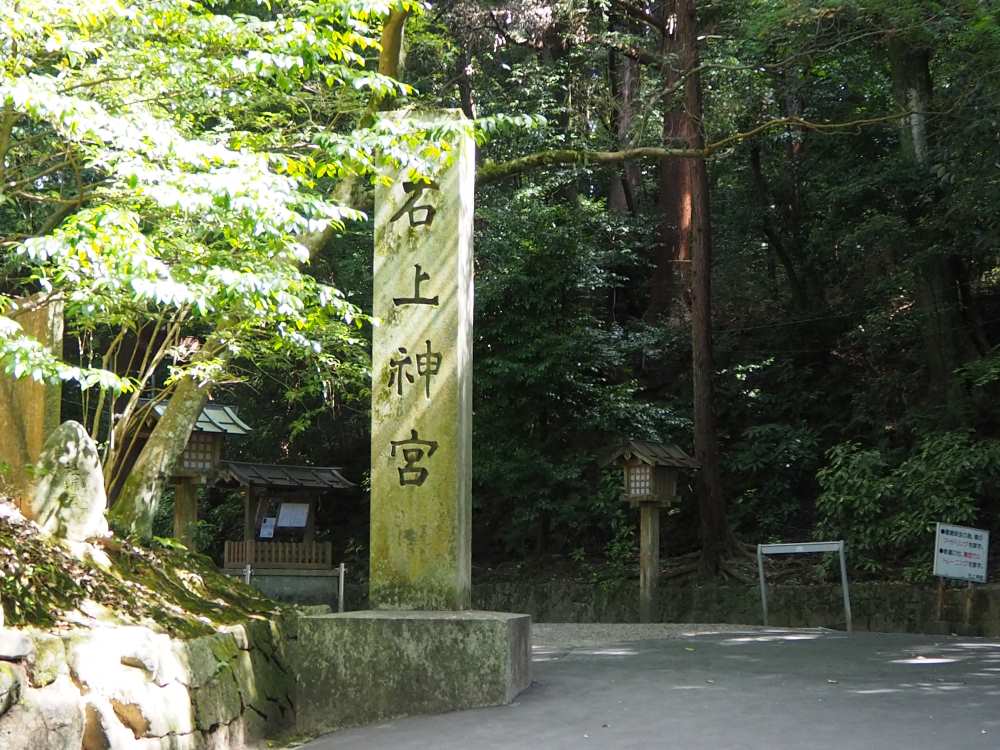
The Spiritual Heart of Isonokami Shrine: Enshrined Deities
Isonokami Shrine honors several important deities, especially Futsunomitama no Ōkami.
This deity carries a legendary sword called Futsunomitama. People believe this weapon helped Emperor Jimmu conquer Japan in myth.
In Japanese mythology, Emperor Jimmu stands as the first emperor. His military campaign holds an important place in Shinto beliefs.
Beyond this sacred sword, the shrine preserves other valuable artifacts. For example, the Tenchii Totsuka no Tsurugi served the storm god Susanoo to defeat the eight-headed serpent Yamata no Orochi.
These relics show the shrine’s deep connection to Japan’s legendary past. They also make Isonokami Shrine a place of worship for protection and strength.
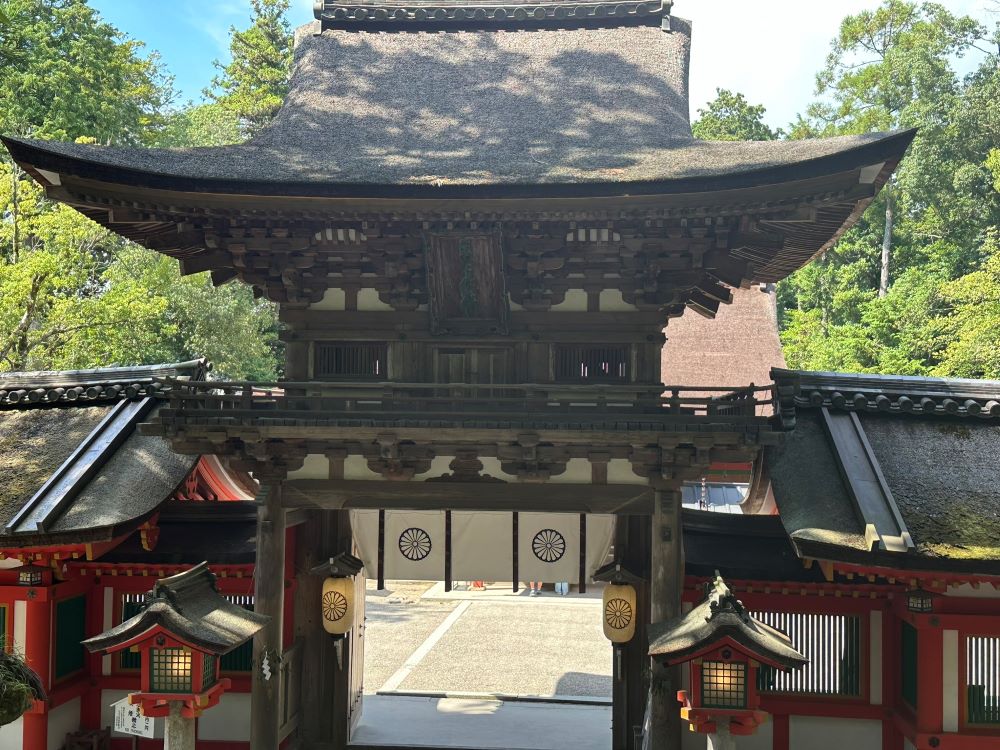
Historical Significance: A Shrine Linked to the Mononobe Clan
The shrine also has a close connection with the Mononobe clan, a powerful and influential family in ancient Japan. The Mononobe showed great military skill and actively opposed the spread of Buddhism during the Asuka period.
They were deeply connected to Shinto practices and to protecting sacred treasures. This strong bond helped establish Isonokami Shrine as a guardian of military strength and spiritual power.
The Mononobe clan’s rivalry with the Soga clan, who supported the spread of Buddhism, is one of the most famous political conflicts in early Japanese history. Isonokami Shrine, serving as the spiritual base of the Mononobe, played a key role in this clash of beliefs.
One of Japan’s Oldest Shrine
Isonokami Shrine is mentioned in Japan’s two oldest historical records, the Kojiki (Records of Ancient Matters) and the Nihon Shoki (Chronicles of Japan), which were compiled in the 8th century.
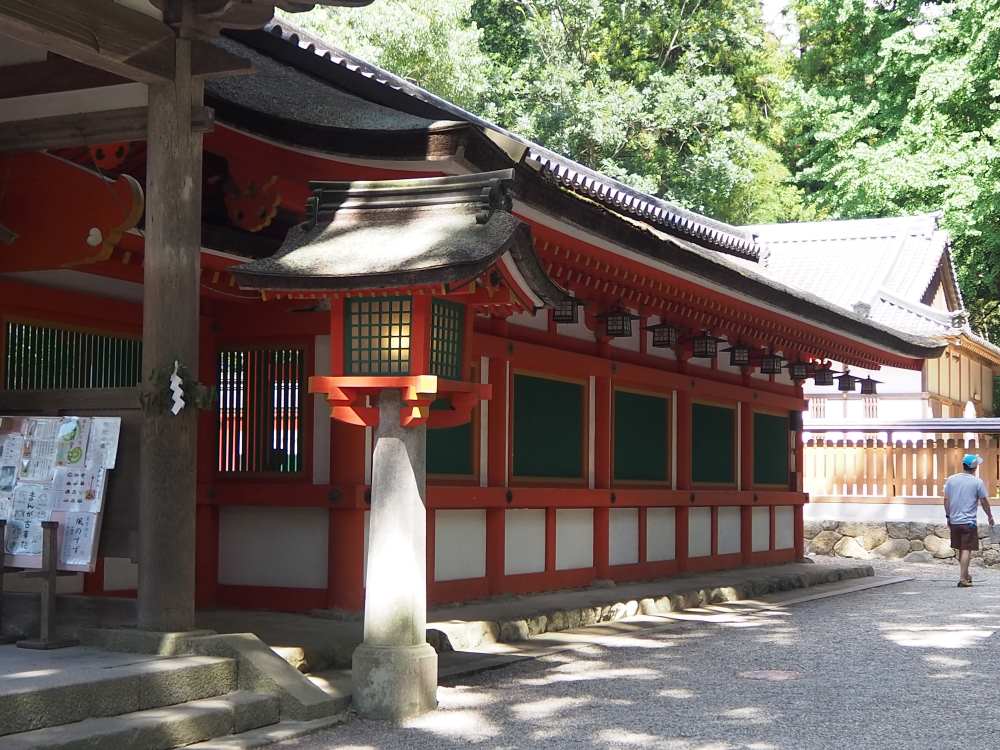
Not only is the shrine historically important, but it is also home to one of the oldest surviving shrine buildings in Japan, with the current structure dating back to the Kamakura period (1185–1333).
It’s a rare opportunity to see a piece of ancient Japanese architecture up close, making it a must-see for those interested in historical sites.
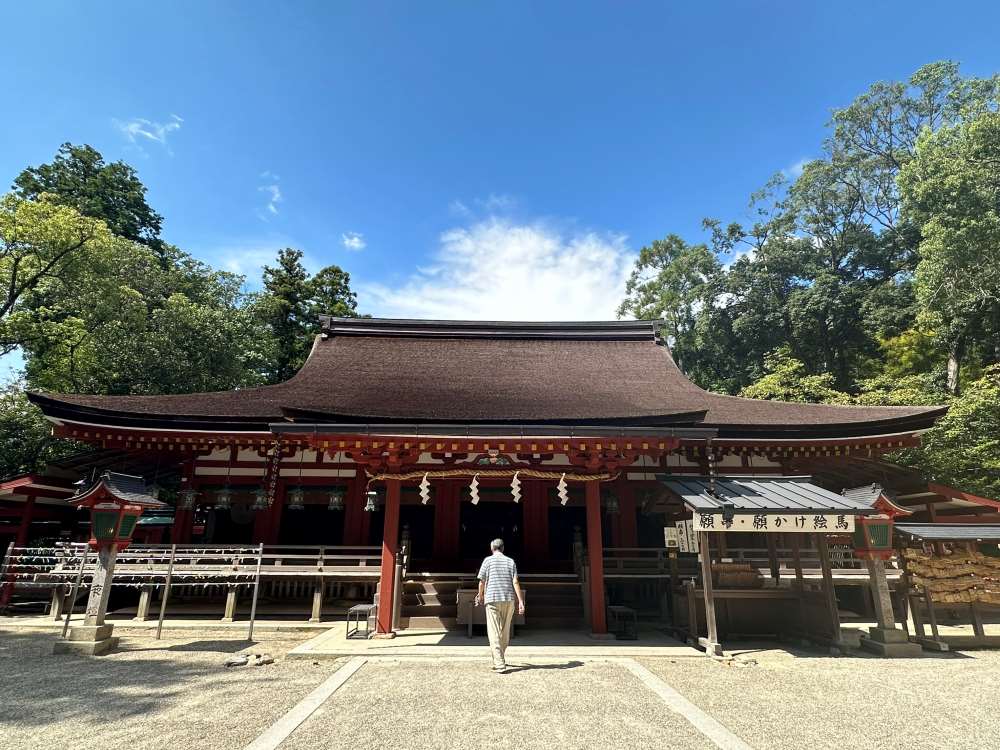
Sacred Treasures: The Seven-Branched Sword and More
One of the most fascinating aspects of Isonokami Shrine is its collection of sacred treasures. Among the most famous is the Seven-Branched Sword (Shichishitō), a rare and unique weapon gifted to Japan by the Korean kingdom of Baekje.
This sword is designated as a National Treasure of Japan and reflects the strong cultural and diplomatic ties between ancient Japan and the Korean Peninsula.
In addition to the Seven-Branched Sword, the shrine also houses other significant items, including iron shields and magatama (curved beads used in rituals).
These artifacts give visitors a glimpse into Japan’s ancient craftsmanship and its connection to spiritual and military power.
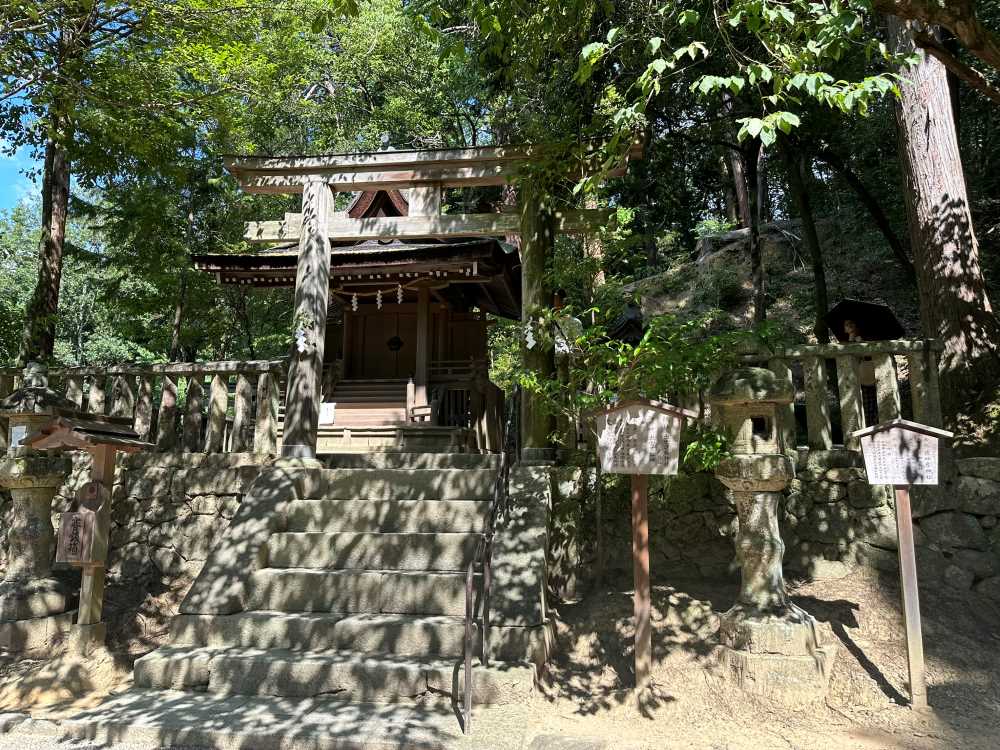
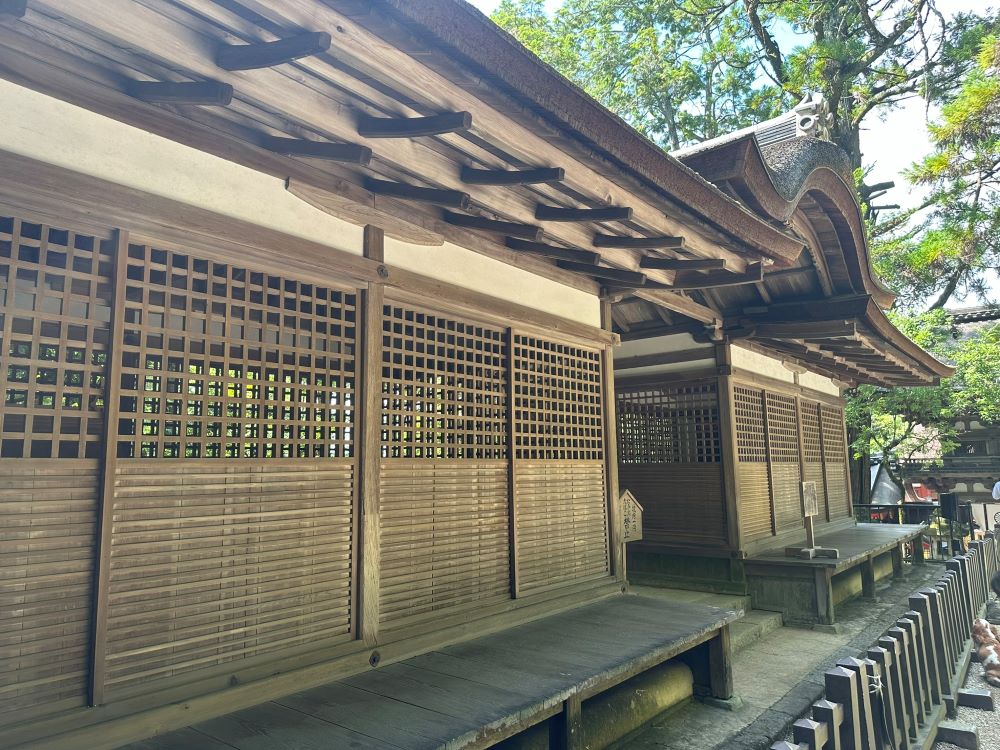
The Peaceful Grounds: A Unique Blend of Nature and History
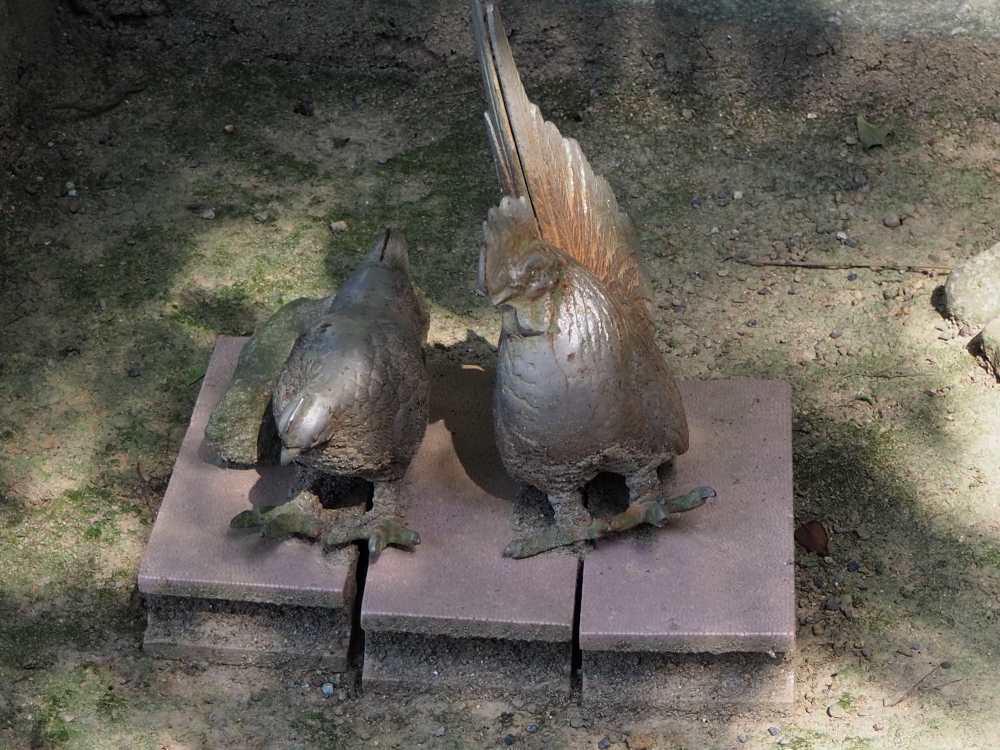
When you visit Isonokami Shrine, you step into a piece of Japan’s history and also immerse yourself in nature. The shrine grounds offer a peaceful retreat filled with greenery and, interestingly, over 30 free-roaming chickens.
People regard these chickens as sacred and see them as messengers of the gods. In Japanese mythology, roosters announce the arrival of the sun and play an important role in Shinto rituals.
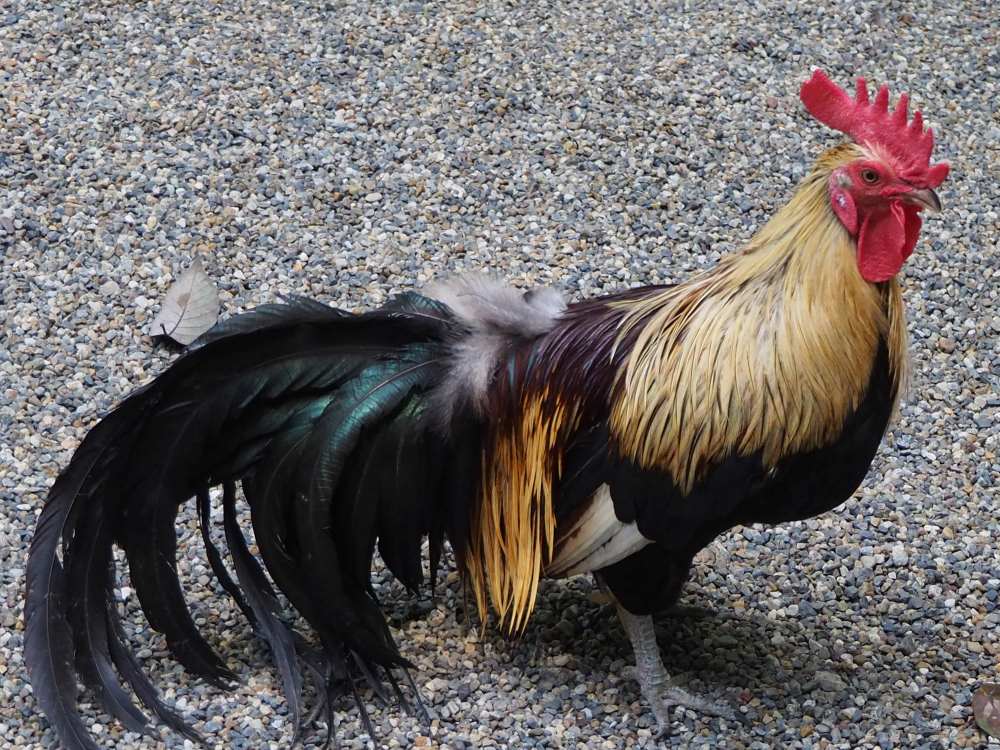
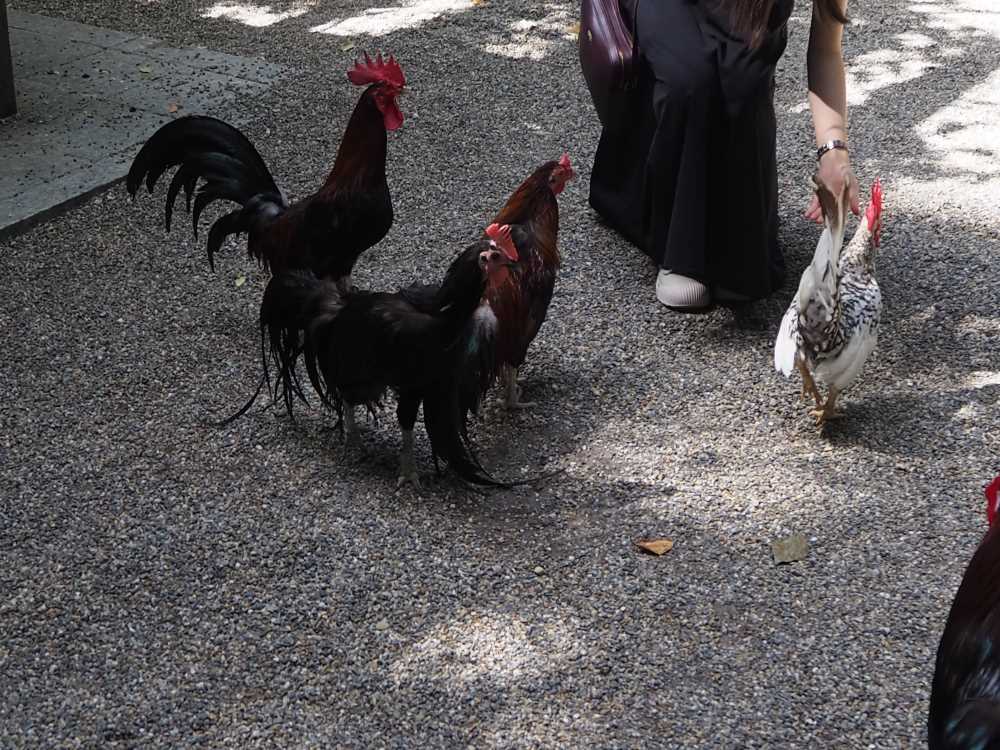
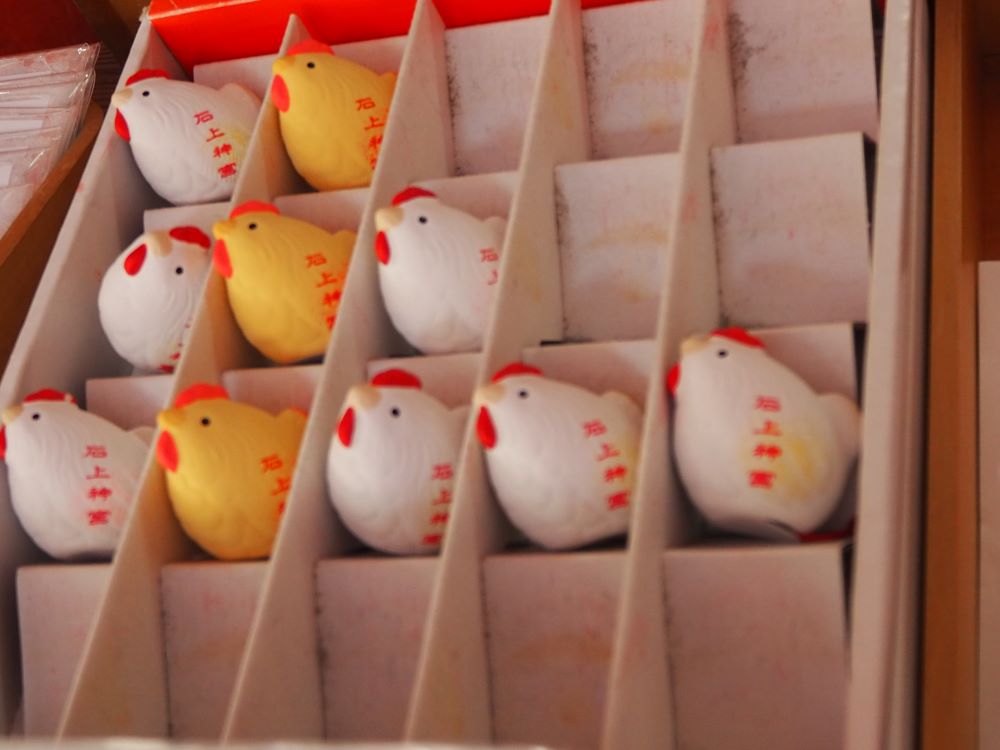
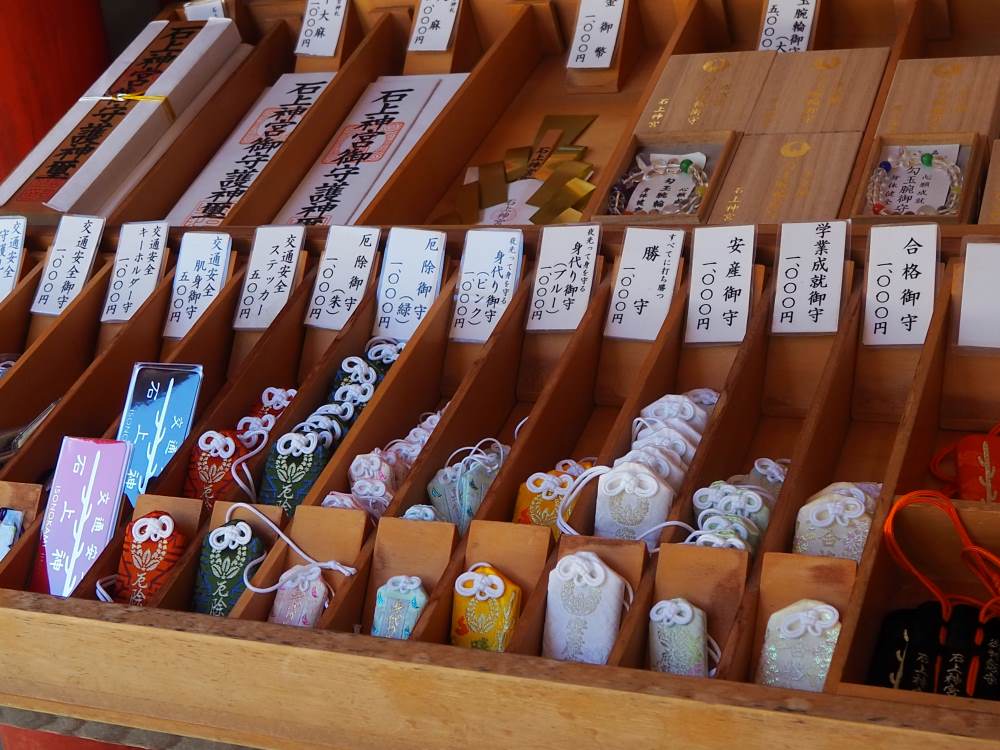
You can even purchase chicken-themed amulets (ema) at the shrine, which symbolize good luck and success in endeavors like exams, career progression, or personal challenges.
The shrine’s fortune-telling slips (omikuji) are also unique, often featuring a small wooden chicken, a charming keepsake for visitors.
Walking the Ancient Yamato Trail
The shrine is located near the Yamanobe no Michi, Japan’s oldest recorded road. This ancient path dates back thousands of years and offers visitors a chance to walk along a trail that has been used since the Yayoi period (300 BCE – 300 CE).
The path leads through beautiful rural landscapes and historic sites, making it an ideal spot for history lovers and those looking to explore the natural beauty of Nara.
Conclusion
Isonokami Shrine is not just a religious site; it’s a journey through Japan’s spiritual and military history.
Whether you’re interested in the shrine’s legendary swords and sacred treasures, the fascinating connection to the Mononobe clan, or simply want to enjoy the peaceful atmosphere surrounded by sacred chickens, Isonokami Shrine offers something for every visitor.
This shrine is a perfect stop for those who want to go beyond the typical tourist destinations and explore a deeper part of Japan’s rich cultural heritage.
How to Access Isonokami Shrine
Isonokami Shrine is located in Tenri City, Nara Prefecture. While it is accessible by public transport, renting a car is recommended for the easiest and most flexible access:
- By Train: You can reach the shrine from Tenri Station on the JR Sakurai Line, about a 30-minute walk from the station. However, for convenience, especially if you’re planning to explore other nearby historical sites, a short taxi ride or renting a car offers more flexibility.
- By Car: Renting a car provides the easiest access and allows you to explore the surrounding areas at your own pace. Parking is available at the shrine for visitors.
For those planning a more comprehensive visit to the region, a car offers the best way to experience the area comfortably.sight, historical context, or a quiet escape into nature, Isonokami Shrine offers a rich and fulfilling experience.
Planning a shrine visit? If you’re unsure how to bow, clap, or make an offering once you’re at the shrine, read our step-by-step guide on how to pray at a Japanese shrine, explained by a Shinto priest at Yushima Tenjin in Tokyo.
Frequently Asked Questions
Where is Isonokami Shrine and how do I get there?
Isonokami Shrine is in Tenri City, Nara Prefecture. From JR or Kintetsu Tenri Station it is roughly a 30-minute walk or a short taxi ride, and it sits along the Yamanobe no Michi, Japan’s oldest recorded road, so many visitors reach it on foot as part of that trail. Entry to the grounds is free.
Can visitors see the Seven-Branched Sword?
No. The Seven-Branched Sword (Shichishito) is a designated National Treasure of Japan and is not on public display, mainly for preservation. It is safeguarded by the shrine, and you can learn its history on site, but the blade itself is not shown to the general public.
Why are there chickens at Isonokami Shrine?
Over 30 chickens roam the grounds freely and are regarded as sacred messengers of the kami. Several long-tailed and colorful breeds wander between the halls, and they have become one of the shrine’s most photographed features.
What is Isonokami Shrine known for historically?
It served as the guardian shrine of the Mononobe clan, who managed the imperial court’s weapons and military rituals, so it has long been linked to arms, protection, and sacred swords. It is also counted among the oldest shrines in Japan, with roots in the Asuka period.
How long should I plan for a visit?
Most visitors spend about 45 minutes to an hour walking the grounds, seeing the main sanctuary and worship hall, and watching the chickens. Combining the visit with a stretch of the Yamanobe no Michi trail can easily fill half a day.
Is Isonokami Shrine really the oldest shrine in Japan?
It is one of several shrines with a strong claim, thanks to records reaching back to the Asuka period, but the answer depends on how you define oldest. See our guide to the oldest shrine in Japan for how the competing claims compare.
Further reading on Japanese sword culture: the oldest shrine in Japan, iaido and battodo, the living Japanese sword arts, try a samurai sword-cutting experience in Tokyo, the sword art of iaido and battodo.
Share