
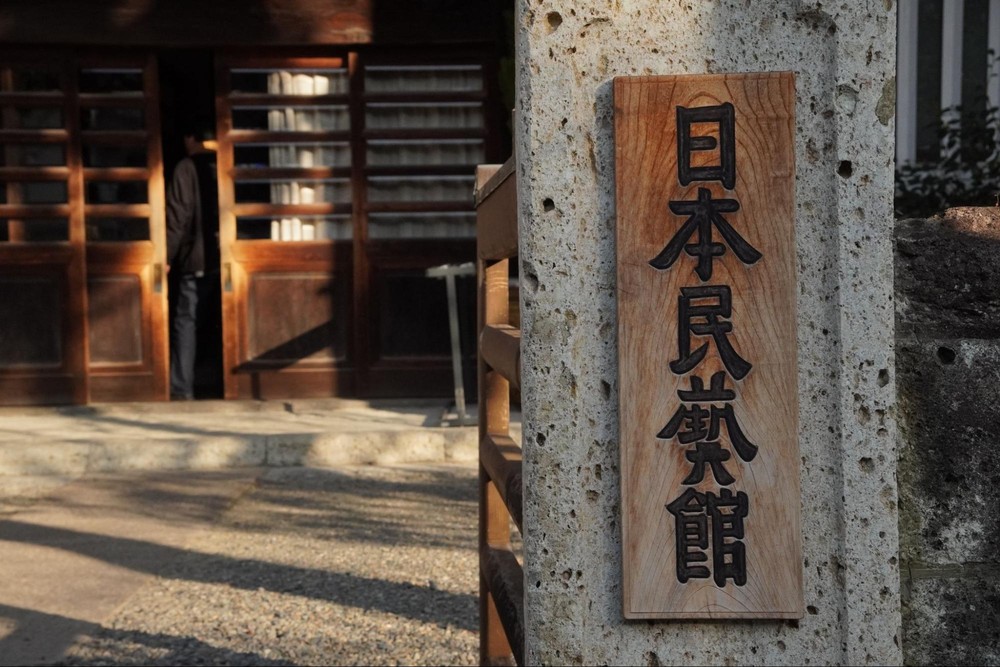
Did you know you can walk from Shimokitazawa, one of Tokyo’s most beloved youth-culture neighborhoods, all the way to the Japan Folk Crafts Museum (Mingeikan)? This is my favorite half-day route in Tokyo: it begins in the buzz of vintage shops, curry stalls, and live-music venues, and ends in the quiet refinement of a museum founded by Soetsu Yanagi, the father of Japan’s Mingei (folk craft) movement. Below is the exact timeline I followed, so you can recreate it step by step.
Why walk from Shimokitazawa to Mingeikan?
Shimokitazawa is famous for vintage clothing, indie theater, and live music, while the Japan Folk Crafts Museum showcases centuries of handmade Japanese aesthetics. Walking between them (only about 30 minutes on foot) lets you experience two completely different sides of Tokyo in a single afternoon.
A one-day itinerary, hour by hour
11:00 / Arrive at Shimokitazawa Station (Keio Inokashira & Odakyu Lines)
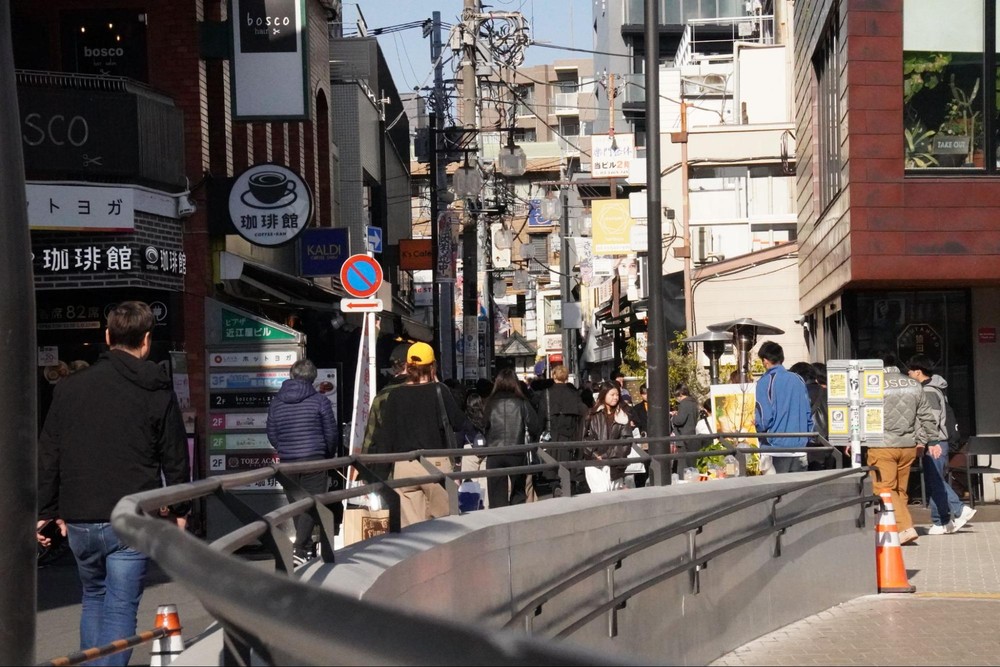
Since the post-pandemic tourism rebound, Shimokitazawa has become noticeably busier, especially on weekends, with frequent open-air markets right outside the station. Much of the area around the station is car-free, which is part of why it feels so densely packed with people, sound, and energy. It’s a concentrated taste of Tokyo’s creative chaos.
12:00 / Lunch in Tokyo’s curry capital
Shimokitazawa is widely known as Tokyo’s curry capital. It’s worth researching a few shops in advance, as they range from Japanese-style keema to South Indian thali. Every October the neighborhood hosts the Shimokitazawa Curry Festival, when the entire district fills with curry lovers.
13:00 / Vintage shopping in the back streets
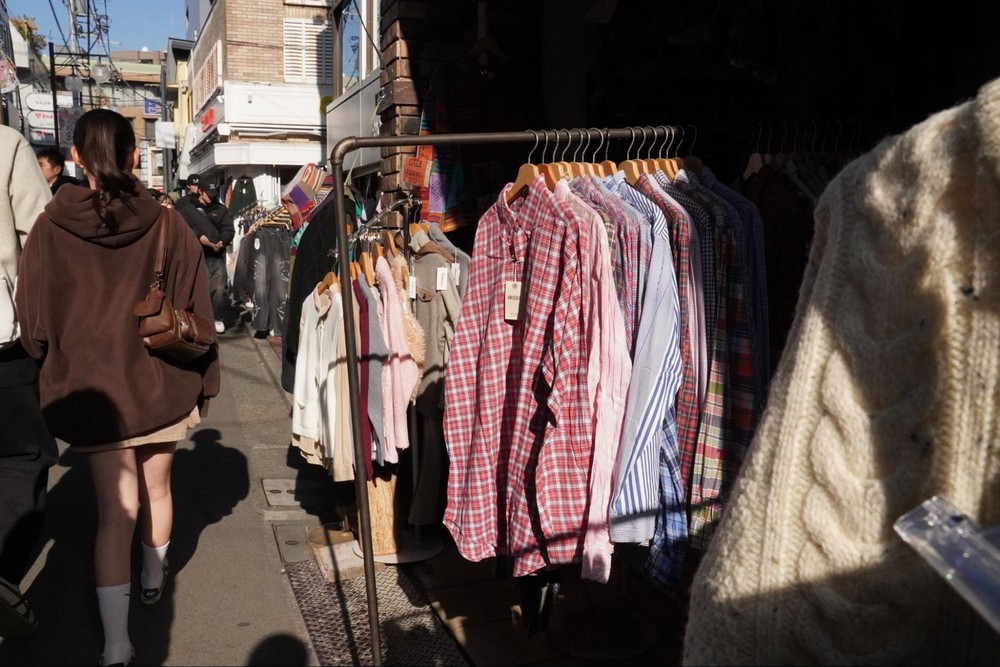
There are so many vintage stores here that the storefronts often blend into one another, so a quick search beforehand will help you find the right vibe. A personal note: vintage in Tokyo, including Shimokitazawa, has gotten noticeably more expensive in recent years. Demand is clearly strong, but I sometimes wonder whether overly priced “vintage” still counts as vintage at all.
14:00 / An open-air vintage market
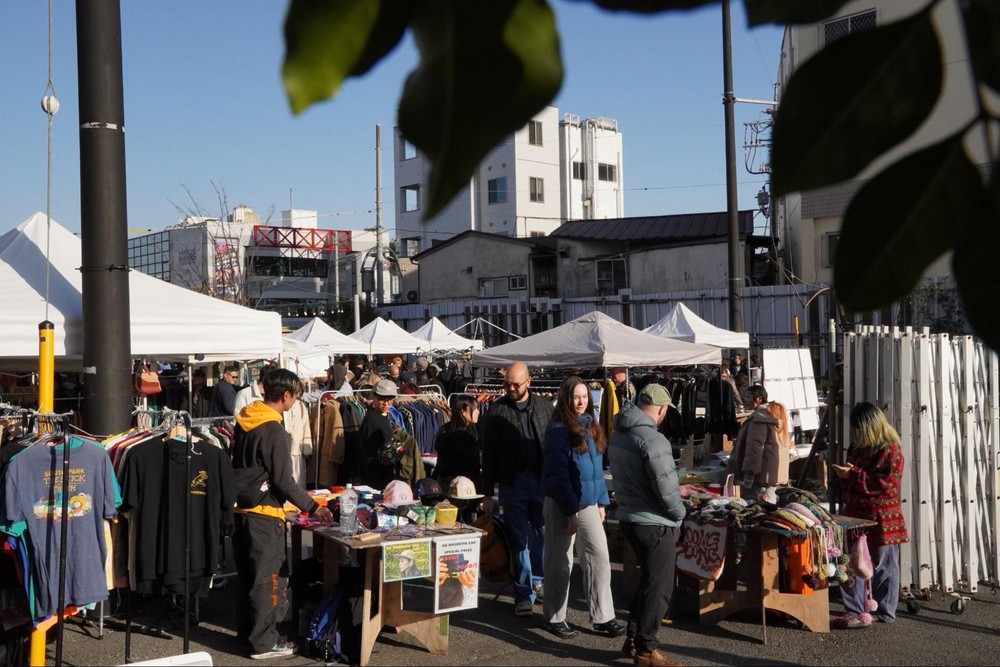
If you’re lucky, you’ll come across an open-air vintage market. These have a real festival feel. You can chat directly with the shop owners, and on a sunny winter day it’s a genuinely uplifting way to shop. More and more sellers speak English now and handle international visitors smoothly, which made the whole scene feel quietly hopeful.
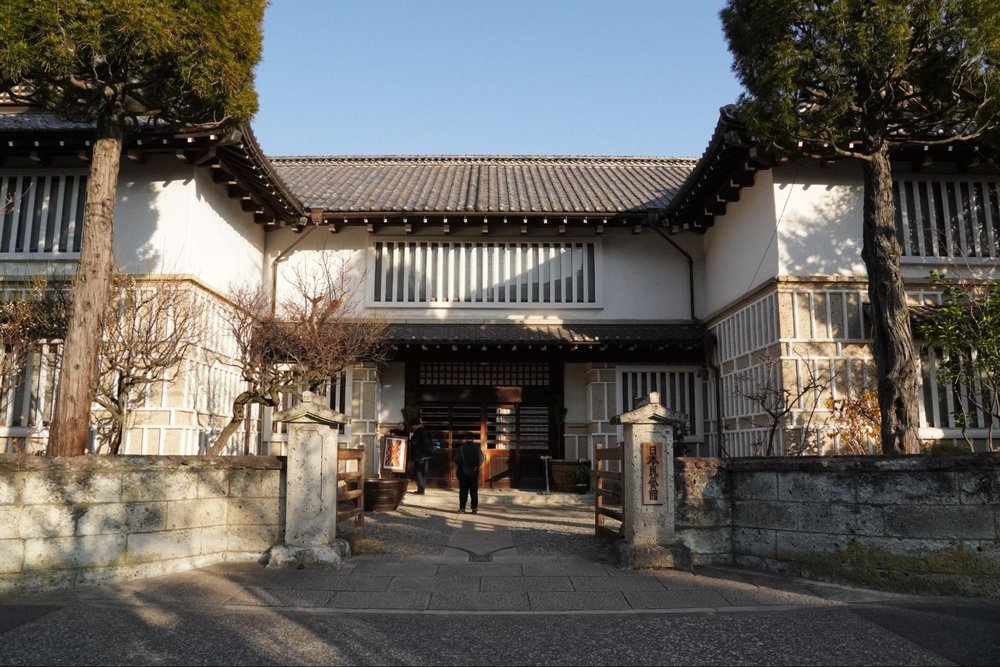
15:00 / A 30-minute walk to the Japan Folk Crafts Museum (Mingeikan)
Official site: Mingeikan
The walk south from Shimokitazawa Station to the museum takes about 30 minutes through residential Setagaya, a calm contrast to the streets you just left.
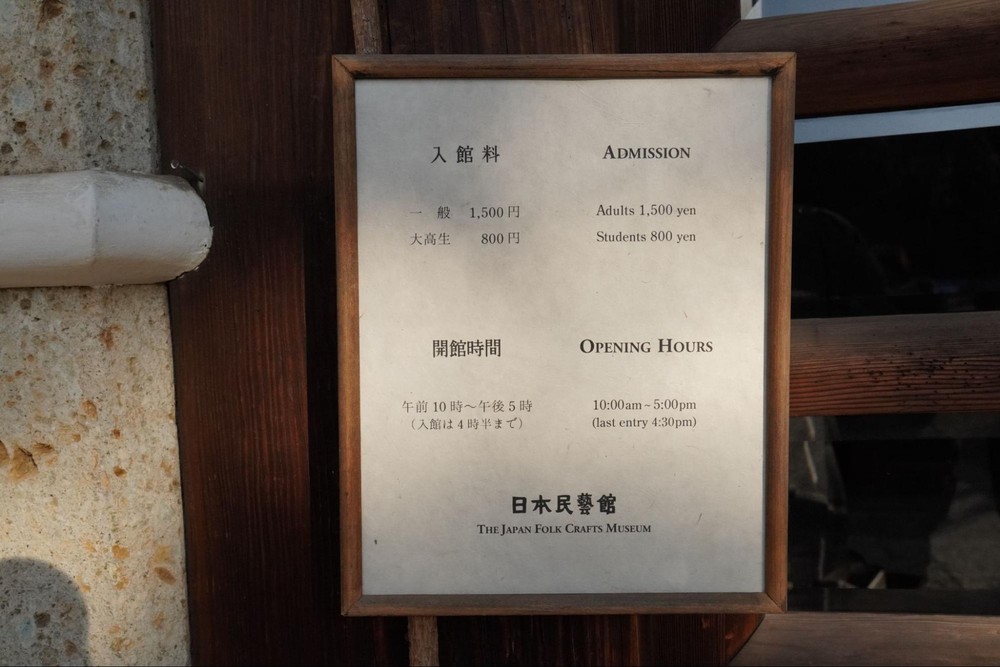
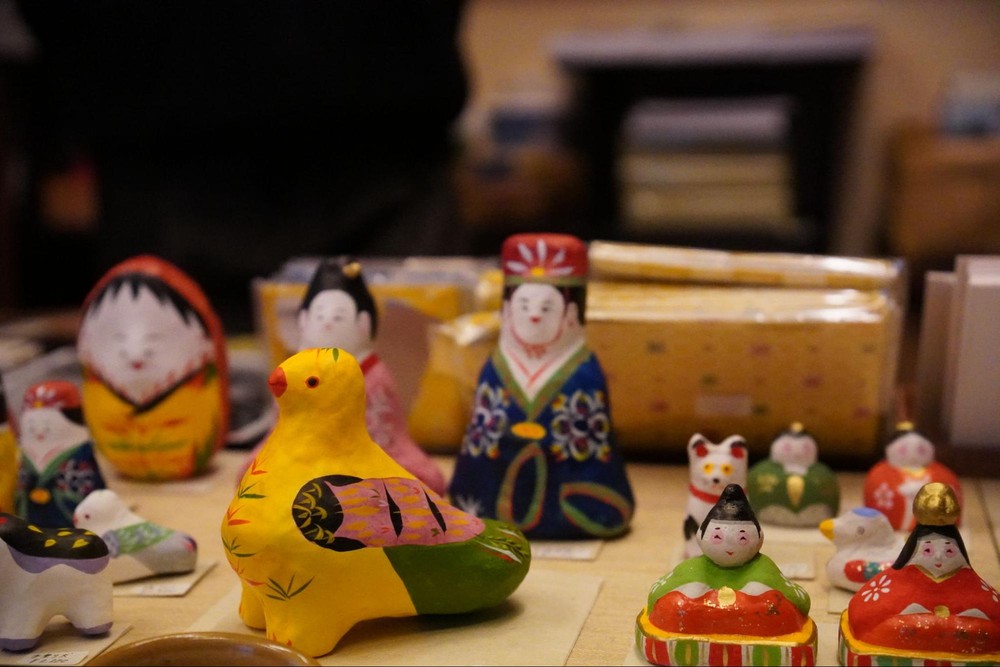
The Japan Folk Crafts Museum (Nihon Mingeikan) is a museum of folk crafts collected by Soetsu Yanagi, founder of the Mingei movement. Yanagi himself designed the building, a striking blend of Japanese and Western architectural elements where attention to beauty is visible in every detail. The atmosphere inside is hushed and refined. Both the staff and visitors give the space a contemplative quality. Many of the visitors I saw looked like creators themselves, but the museum offers fresh perspective to anyone. It’s a quiet, grown-up space that lingers in the memory.
16:30 / Walk 5 minutes to Komaba-todaimae Station
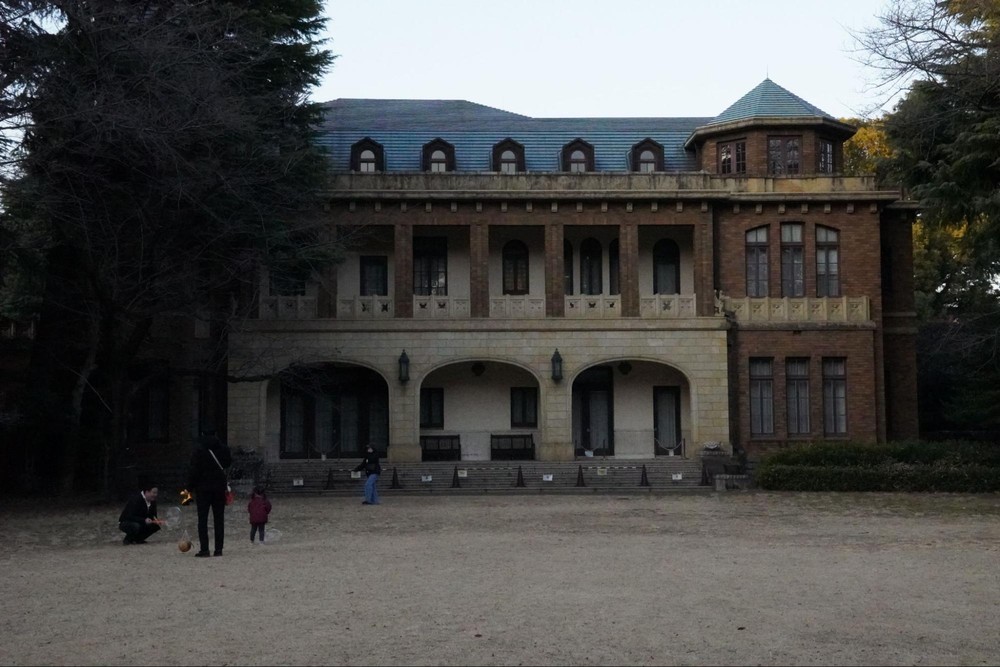
From the museum, it’s only about five minutes on foot to Komaba-todaimae Station on the Keio Inokashira Line. Komaba is home to a campus of the University of Tokyo, an aspirational place for many Japanese, myself included. The surrounding residential streets are calm and pleasant to wander; I stopped briefly at Komaba Park, where a group of high school students greeted me so cheerfully that I instinctively bowed back.
Evening / Dinner in Komaba, or hop to Shibuya
There are good izakaya near Komaba-todaimae for dinner. Or, since Shibuya is just two stops (about 5 minutes) away on the Inokashira Line, you can easily continue your evening there.
Final thoughts
Shimokitazawa and Komaba feel like two different cities, and that contrast is exactly what makes this walk worthwhile. If you’re spending time in Tokyo, this single afternoon shows you both the loud, expressive face of the city and its quiet, deeply crafted one.
Share