
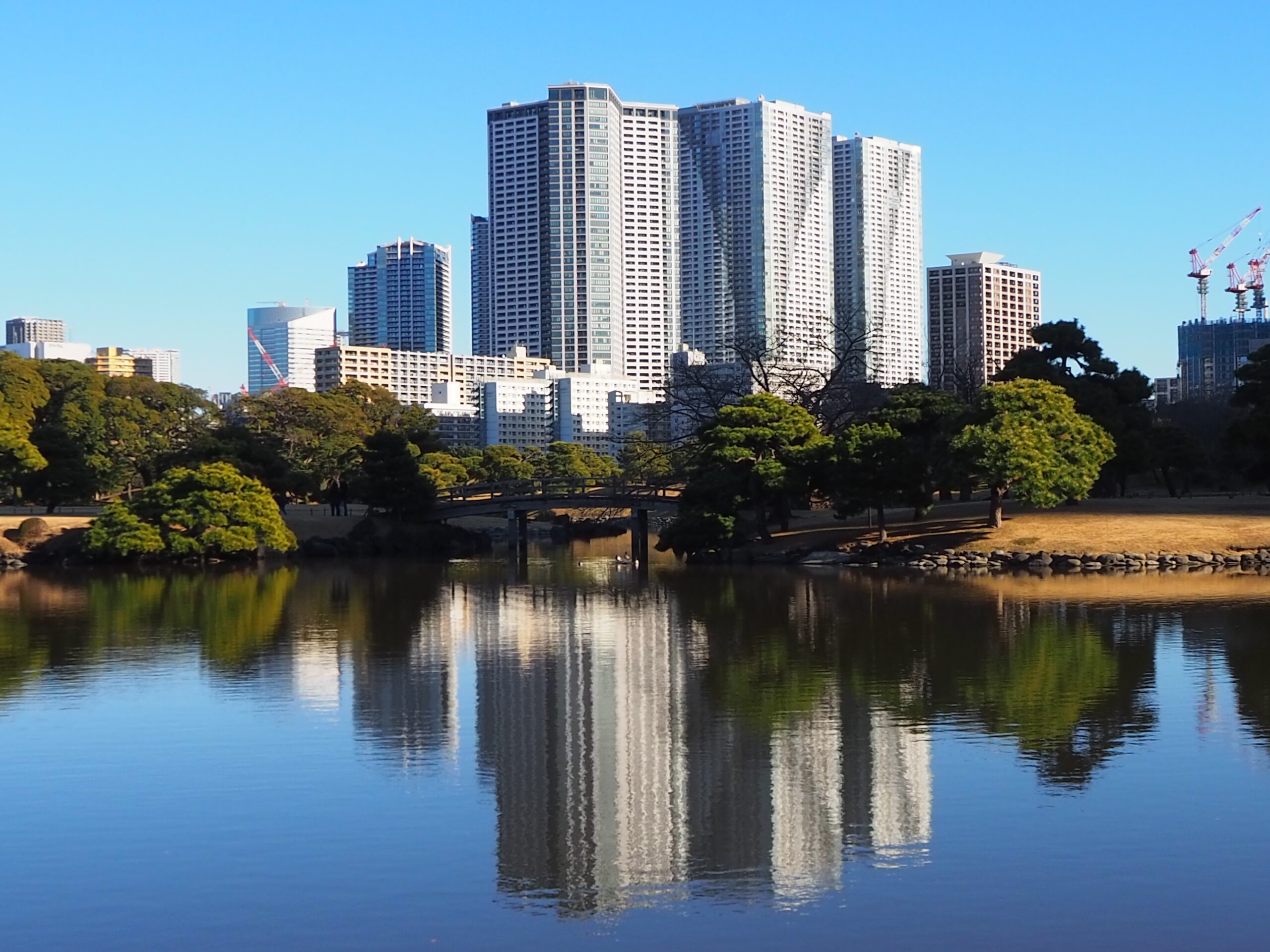
Hamarikyu Gardens (Hamarikyu Onshi Teien) is an Edo-period feudal lord’s garden in Chūō City, Tokyo, with a tidal pond that takes in seawater from Tokyo Bay. Its origins date to 1654, when Matsudaira Tsunashige, younger brother of the fourth Tokugawa shogun, received permission to reclaim part of the bay and build a villa. The garden opened to the public in April 1946 and covers about 25 hectares.
| Location | 1-1 Hamarikyū Teien, Chūō City, Tokyo |
|---|---|
| Nearest station | Shiodome Station (Toei Oedo Line, Yurikamome), 5 to 7 min walk depending on the gate |
| Hours | 9:00 AM to 5:00 PM (last entry 4:30 PM). Closed December 29 to January 1 |
| Admission | 300 yen adults, 150 yen ages 65 and over, free for primary school age and under |
| Founded | 1654 as a feudal lord’s bayside villa. Public garden since April 1, 1946 |
| Known for | Seawater tidal pond, 300-Year-Old Pine, national Special Place of Scenic Beauty |
| Official site | tokyo-park.or.jp |
Checked in October 2026 against tokyo-park.or.jp.
It is calm and peaceful.
You’ve roamed around shopping in the modern skyscrapers of Ginza or anywhere crowded in Tokyo, and craved a moment of calm? Then Hamarikyu Gardens might be your perfect escape.
In this guide, we’ll delve into Hamarikyu’s past, its standout features, nearby spots worth visiting, and tips on how to make the most of your trip.
A Brief History
- Edo Origins: Initially established as a feudal lord’s villa during the Edo period (1603 to 1868), Hamarikyu was later expanded by the Tokugawa shogunate. This legacy can still be felt in the garden’s design and layout.
- Imperial and Public Phases: Following the fall of the shogunate, the Imperial family came to own the land. Eventually, it was presented to the city of Tokyo, leading to the garden’s modern incarnation as Hamarikyu Onshi Teien (恩賜庭園, or “Gifted Garden”).
- Post-War Restoration: Like many parts of Tokyo, Hamarikyu was heavily damaged during World War II. The garden we see today is the result of meticulous restoration efforts aiming to preserve its unique Edo essence for future generations.
Note: The name “Hamarikyu” nods to the garden’s original seaside location, “Hama” means “beach” or “seashore,” and “Rikyu” refers to a “detached palace” or villa.
Designs and Landscape are unique.
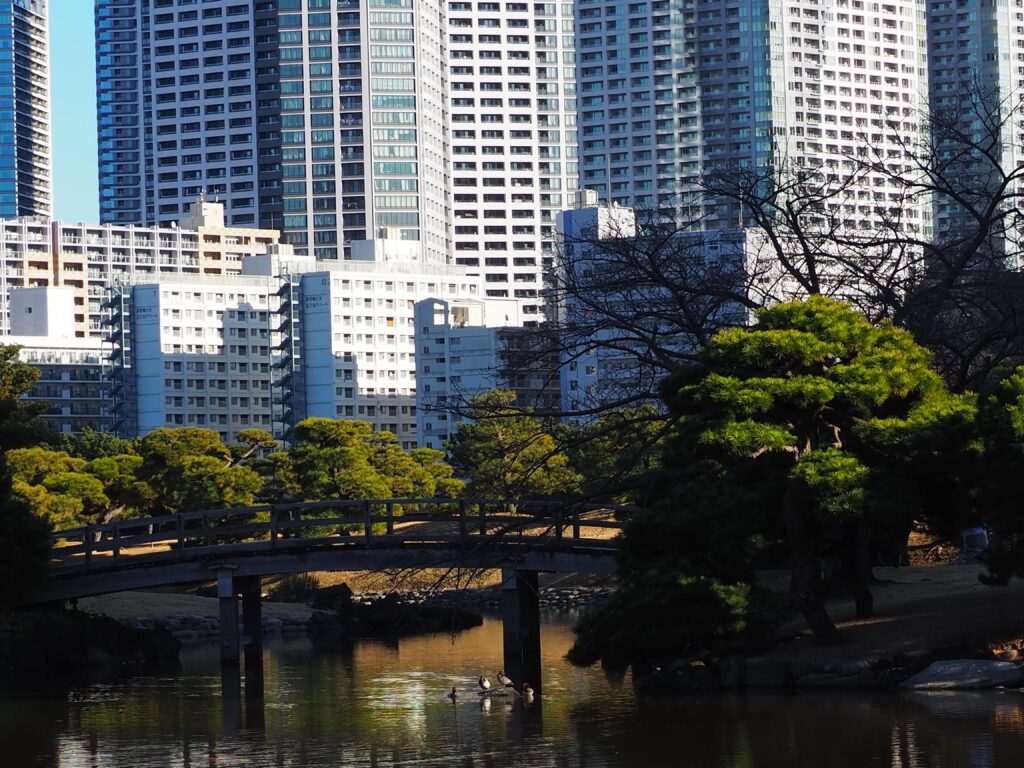
One of the garden’s hallmark features is its tidal pond, connected directly to Tokyo Bay.
- Tidal Pond Dynamics: Unlike most Japanese gardens, which rely on closed or recirculated water systems, Hamarikyu’s pond rises and falls with the ocean tide. This creates a dynamic environment for both plants and wildlife.
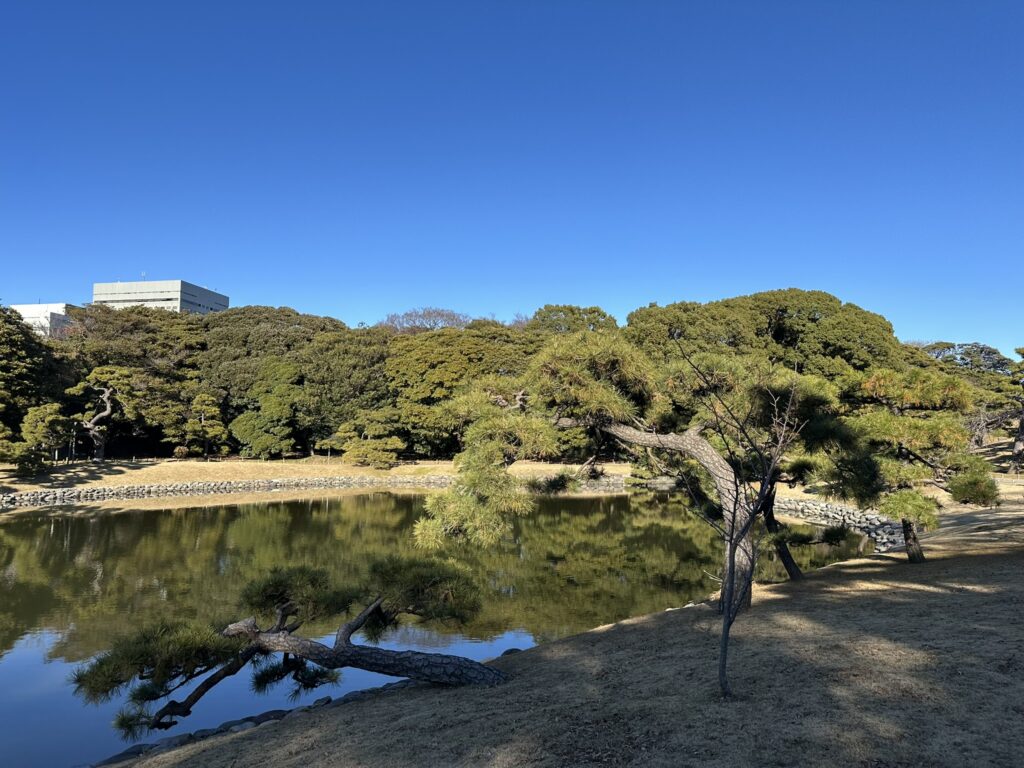
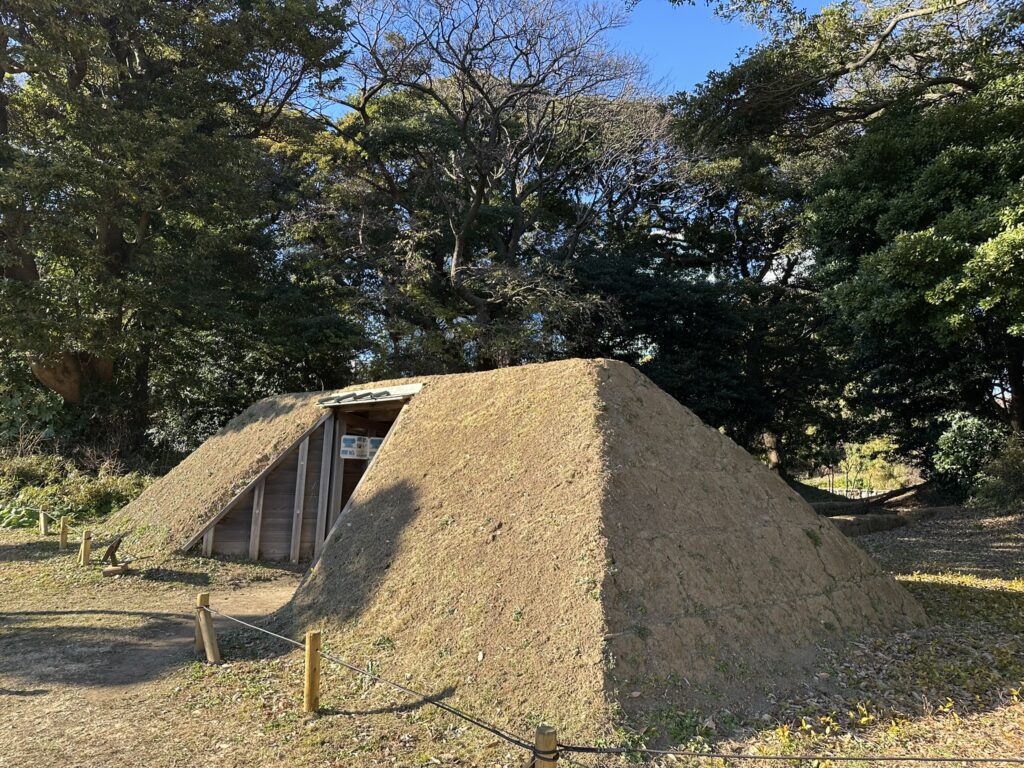
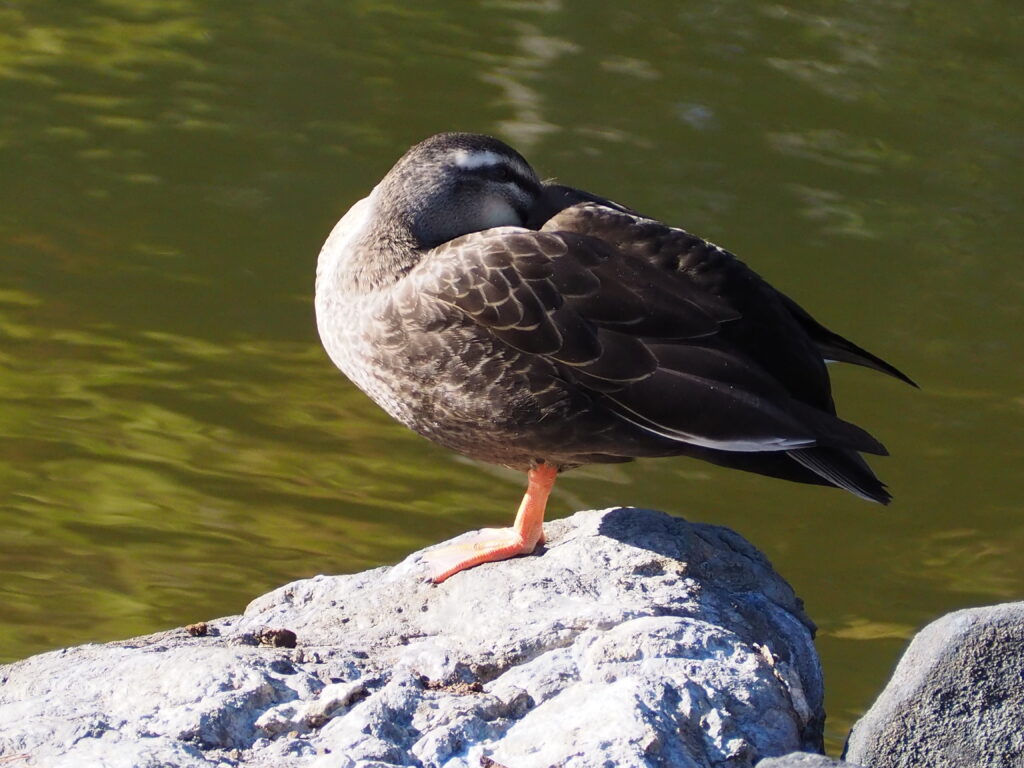
- Saltwater Ecosystem: Because saltwater flows in from the bay, you’ll encounter aquatic life not typically found in typical freshwater Japanese gardens, small fish and even occasional seabirds might make an appearance.
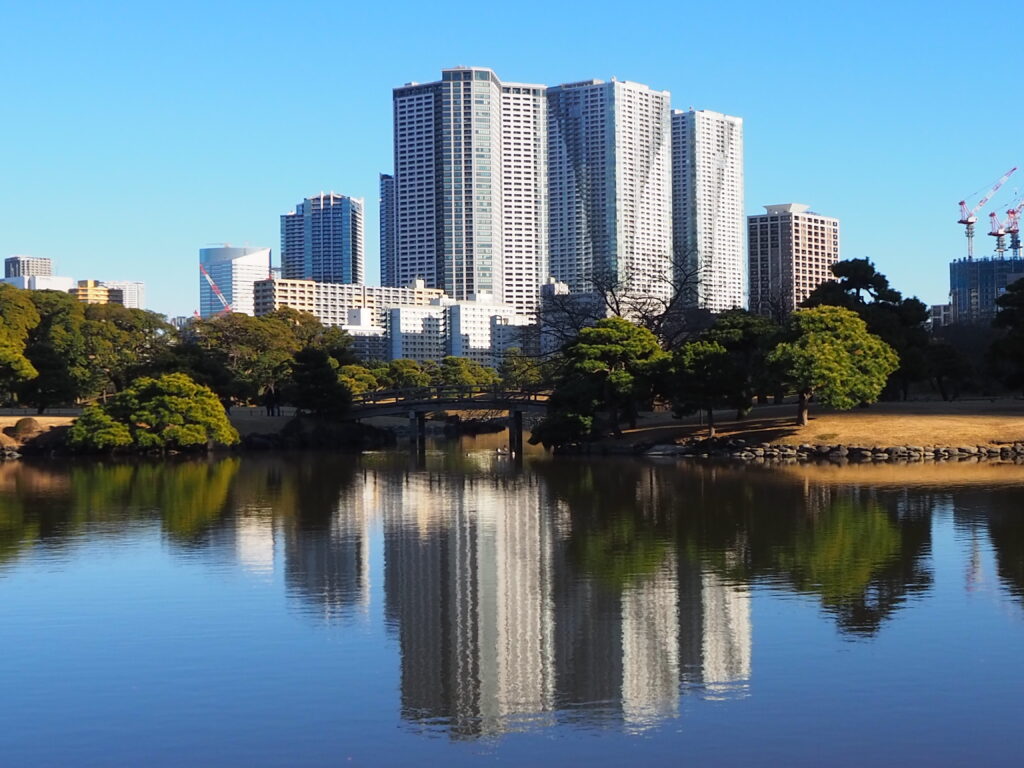
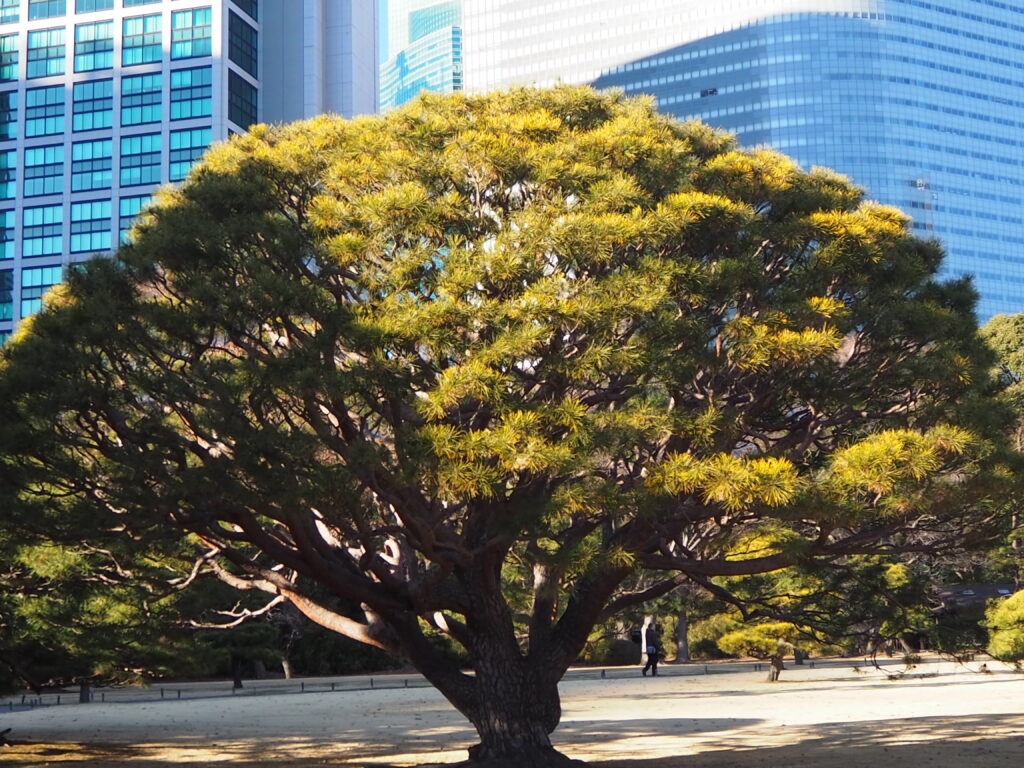
- Modern Contrasts: The garden is framed by some of Tokyo’s tallest skyscrapers, offering a stark yet captivating juxtaposition of old and new.
Seasonal Highlights
Spring (March: May)
- Canola Flower Field: Vibrant yellow blooms create a breathtaking vista each spring, perfect for photos.
- Cherry Blossoms: Though not as plentiful as in well-known cherry blossom hotspots, you can still spot sakura around the pond, especially if you visit in late March or early April.
Summer (June: August)
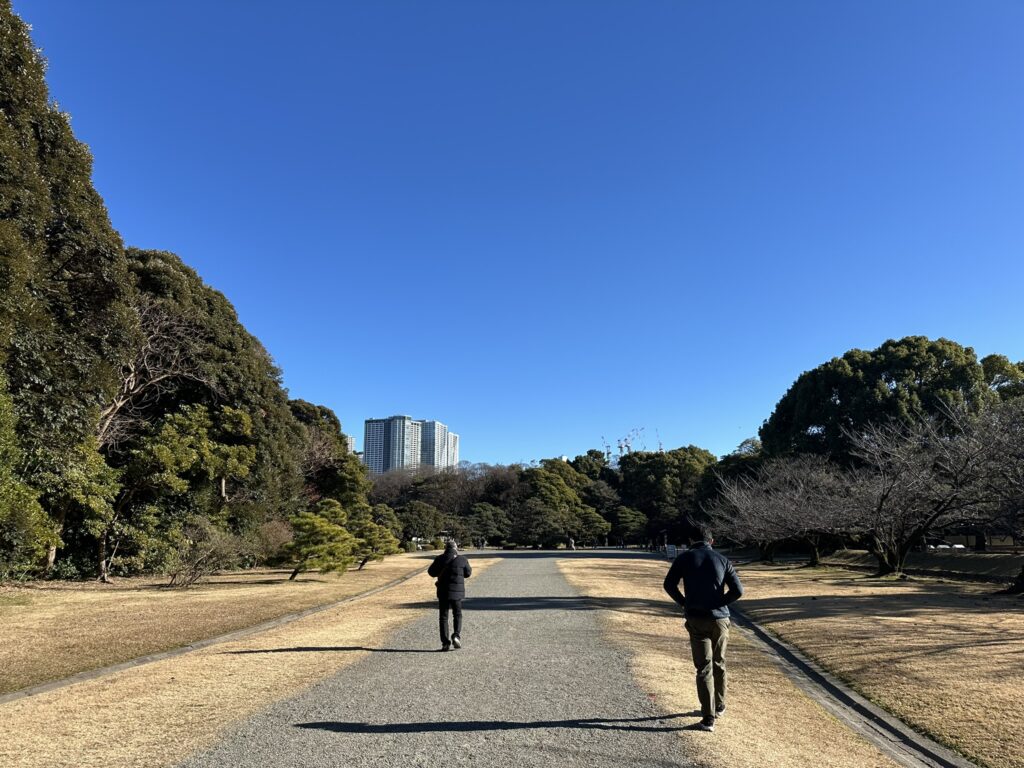
- Dense Greenery: Towering pine trees and leafy walkways offer shaded respite from Tokyo’s summer heat.
- Lotus Flowers: In early mornings, lotus blossoms open up on the pond, lending a dreamy quality to the waterscape.
Autumn (September: November)
- Fiery Foliage: Expect stunning reds, oranges, and golds as the leaves turn. The reflection of autumn colors on the water can be truly mesmerizing.
- Mild Weather: Lower humidity makes strolling around more comfortable compared to the summer months.
Winter (December: February)
- Serene Ambiance: With fewer crowds, winter can feel like having the entire garden to yourself.
- Crisp Reflections: Clear skies and crisp air often provide excellent photo ops, with sharp reflections of the city skyline in the pond.
Featured Spots Within Hamarikyu
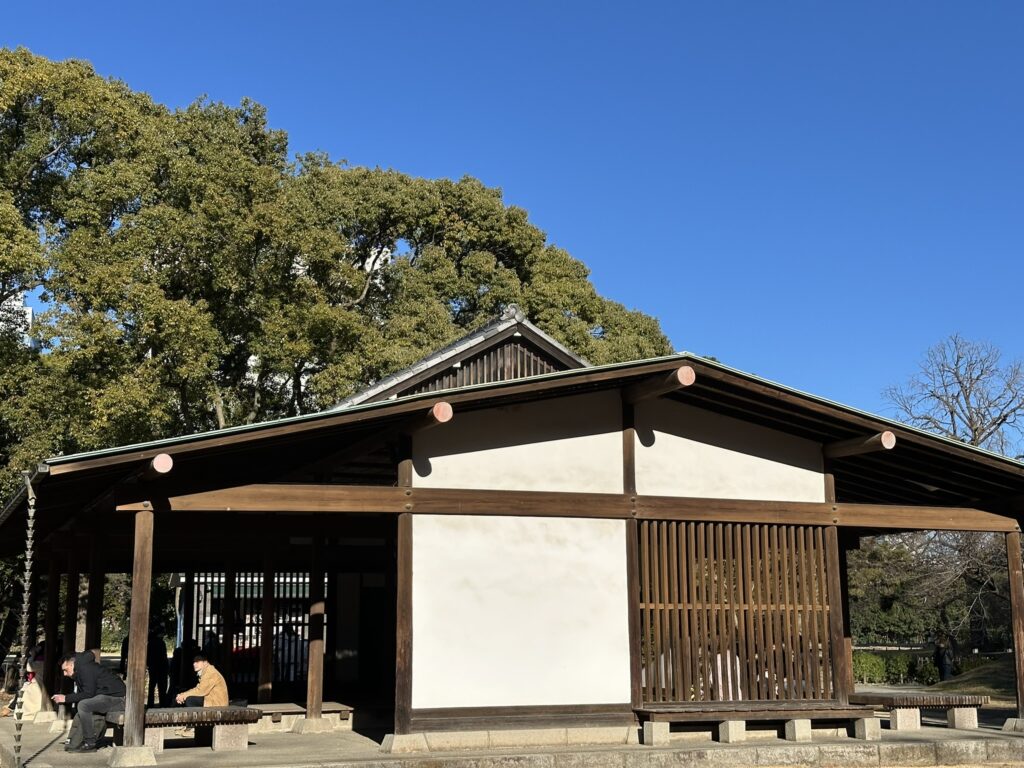
Nakajima no Ochaya (Mid-Pond Teahouse):
Enjoy matcha and wagashi (traditional sweets) while sitting on tatami mats and taking in panoramic garden views.

300-Year-Old Pine Tree:
A masterpiece of Japanese horticulture, this ancient pine has been meticulously pruned for centuries.
Otsutai Bashi (Wooden Bridge):
This charming bridge not only provides a great vantage point for photos but also lets you observe the changing tides up close.
Seasonal Flower Fields:
Depending on when you visit, you might find canola flowers in spring or cosmos in fall. Either way, the vibrant colors contrast beautifully with the manicured pine trees and urban skyline.
On the Surrounding Area
Hamarikyu’s central location puts you near several major districts and attractions:
Shiodome
- Home to modern office towers, upscale hotels, and shopping complexes like Caretta Shiodome. Venture up to a high-floor restaurant or bar for dramatic nighttime views of Tokyo.

Ginza
- One of the city’s premier shopping and dining areas. Browse flagship stores, art galleries, and luxury boutiques, or treat yourself to a Michelin-starred meal.
Tsukiji Outer Market
- Though the famous Tsukiji Fish Market wholesale section relocated to Toyosu, the outer market remains lively. It’s an ideal spot to enjoy fresh sushi, tamagoyaki on a stick, or a piping-hot bowl of ramen.
Sumida River Cruise
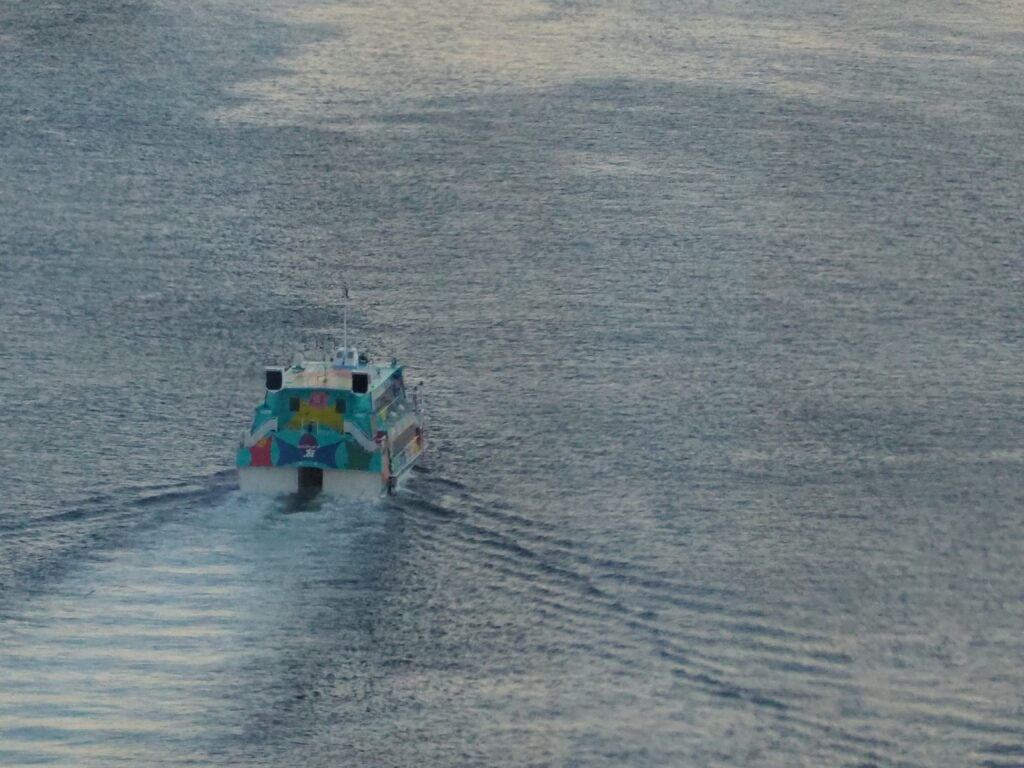
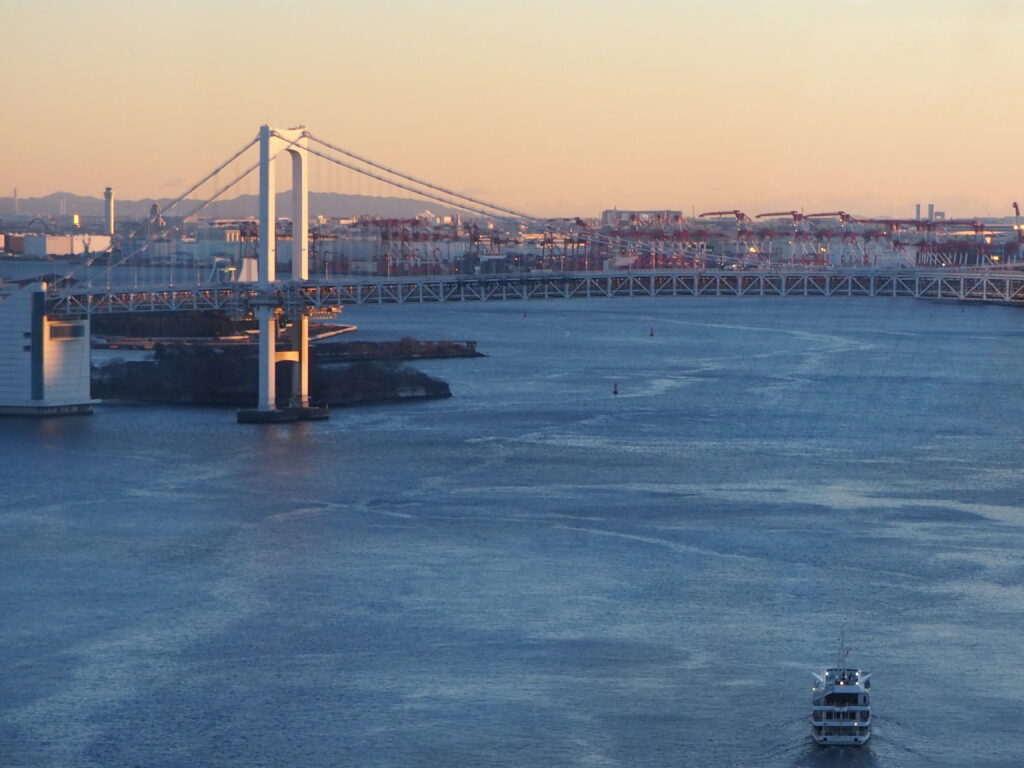
- Inside the garden is a water bus pier for boats that come down the Sumida River from Asakusa. Boarding at Hamarikyu is currently not available, so the ride runs one way, from Asakusa to the garden. This scenic boat trip is a relaxing way to pair a visit to Senso-ji Temple and Tokyo Skytree with Hamarikyu while taking in city views from the water.
Nearby Facilities & Attractions
Restaurants & Cafés
- Shiodome City Center & Caretta Shiodome: These complexes house a variety of dining options, from quick bites to elegant international cuisine. You’ll also find coffee shops like Starbucks for a midday pick-me-up.
- Hibiya & Yurakucho: A short stroll or a quick train ride away, these areas are full of izakayas (Japanese pubs), bistros, and even open-air terraces in the summer months.
Hotels & Accommodation
- Conrad Tokyo: Overlooking Hamarikyu Gardens, this luxury hotel features panoramic views of the garden from some guest rooms and lounges.
- Park Hotel Tokyo: Known for its “Artist Rooms,” each decorated with a unique theme, providing a cultural twist on a modern stay.
- The Royal Park Hotel Iconic Tokyo Shiodome: A comfortable, conveniently located option with easy access to trains and subways.
Cultural Spots
- Tsukiji Hongwanji Temple: Close to Tsukiji Station, this unique Buddhist temple blends traditional and South Asian architectural elements, worth a quick visit.
- Hibiya Park: Another green refuge in central Tokyo, often hosting outdoor events, concerts, and festivals.
Shopping & Entertainment
- Ginza Six & Mitsukoshi: High-end department stores that showcase both local and international brands. Ginza is famed for its luxurious atmosphere, but also has budget-friendly dining spots hidden away on side streets.
- Shimbashi Entertainment: If you want to experience a local salaryman vibe, head to Shimbashi’s yakitori bars and small pubs, about 10 to 15 minutes’ walk from Hamarikyu.
Access & Practical Information
- Location: 1-1 Hamarikyū Teien, Chūō City, Tokyo
- Nearest Stations:
- Shiodome Station (Toei Oedo Line/Yurikamome): About a 5-minute walk
- Tsukijishijo Station (Toei Oedo Line): About a 7 to 10-minute walk
- Shimbashi Station (JR/Tokyo Metro): About a 10 to 15-minute walk
- Operating Hours: Typically 9:00 AM to 5:00 PM (last entry at 4:30 PM). Check official sources for holiday or seasonal schedule changes.
- Admission Fee: 300 yen for adults and 150 yen for visitors aged 65 and over. Children of primary school age and under enter free.
- Facilities: Restrooms, seating areas, and vending machines are available. Check the garden’s official site for teahouse reservations and special events.
My take
Hamarikyu Gardens is a living tapestry weaving together Japan’s feudal past with the unrelenting pace of modern Tokyo. From the subtle tidal shifts in the pond to the meticulously groomed pines, each element invites you to pause and immerse yourself in a moment of history.
When skyscrapers and neon signs begin to blur into everyday scenery, step into Hamarikyu for a refreshing perspective, one where Edo-period elegance stands harmoniously against a 21st-century backdrop.
Whether you’re into historical sites, stunning cityscapes, or simply a quiet walk in nature, Hamarikyu has you covered. Pair your visit with local delicacies in Tsukiji, a relaxing boat ride along the Sumida River, or a shopping spree in Ginza.
You’ll leave with a deeper appreciation for how Tokyo preserves its heritage while forging new paths forward.
Frequently Asked Questions
How much is admission to Hamarikyu Gardens?
Admission to Hamarikyu Gardens is 300 yen for adults and 150 yen for visitors aged 65 and over. Primary school children and younger enter free. Entry is free for everyone on two days a year, Greenery Day (May 4) and Tokyo Citizen’s Day (October 1), according to the Tokyo Metropolitan Park Association.
How long does it take to walk around Hamarikyu Gardens?
A full loop of Hamarikyu Gardens takes about 1 to 1.5 hours, according to the garden’s official FAQ. The grounds cover about 25 hectares. Allow extra time for matcha at Nakajima no Ochaya, the teahouse on the island in the tidal pond, which opens from 9:00 AM to 4:45 PM with last orders at 4:30 PM.
Does Hamarikyu Gardens have guided tours in English?
Hamarikyu Gardens has free English guided tours for overseas visitors on Saturdays, Sundays and the second and fourth Mondays of the month, starting at 11:00 AM. Volunteer guides lead the tours. The tours pause in summer and can be canceled in bad weather, and the garden posts cancellations on its official X account.
Is Hamarikyu Gardens open in winter?
Hamarikyu Gardens stays open through winter, and its only regular closure is December 29 to January 1. The garden’s flower calendar lists plum, narcissus and wintersweet for the season, and migratory birds such as tufted ducks arrive on the tidal pond. Regular hours are 9:00 AM to 5:00 PM, with last entry at 4:30 PM.
Share