
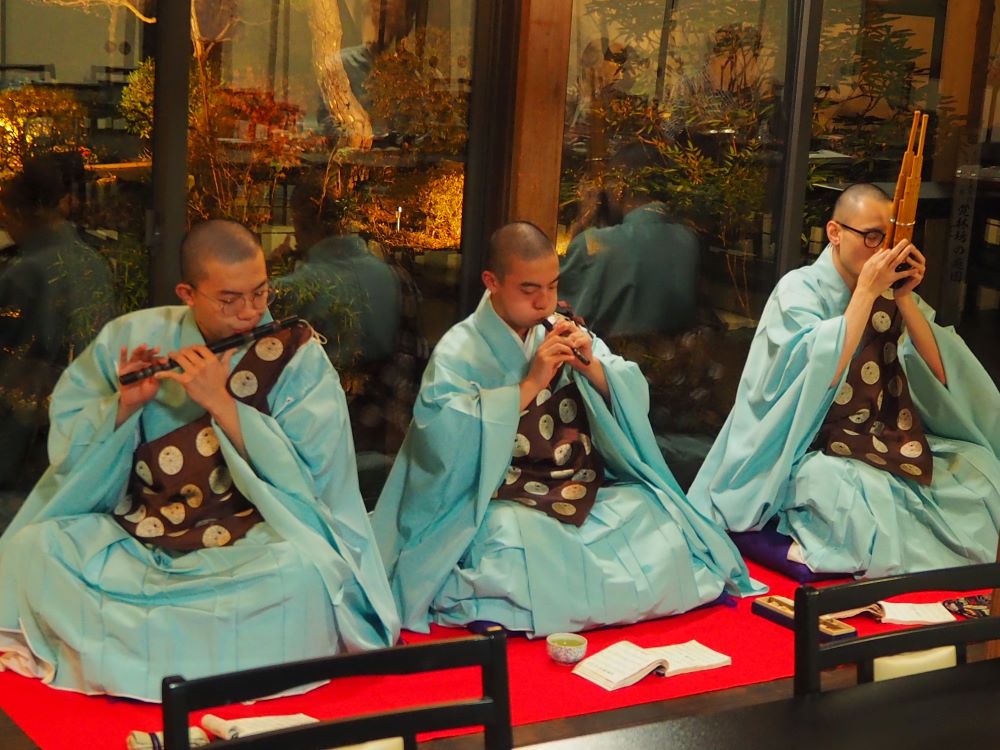
Kakurinbo, located at the base of Mt. Minobu near the historic Kuon-ji Temple, offers an unforgettable temple stay experience where guests can immerse themselves in Japanese spirituality, culture, and traditions.
Whether you’re a traveler seeking tranquility, a food enthusiast curious about Buddhist vegetarian cuisine, or someone eager to explore Japan’s rich cultural heritage, Kakurinbo has something for everyone.
| Accommodation Type | Temple Lodging (Shukubo) |
|---|---|
| Dining | Shojin Ryori (Buddhist Vegetarian Cuisine) |
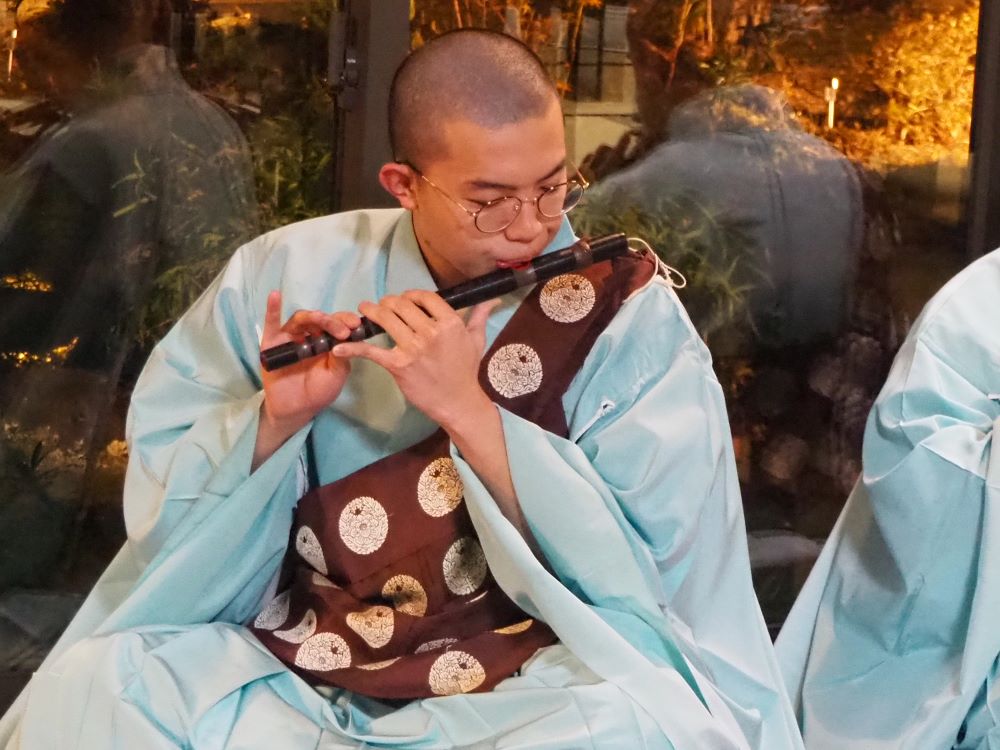
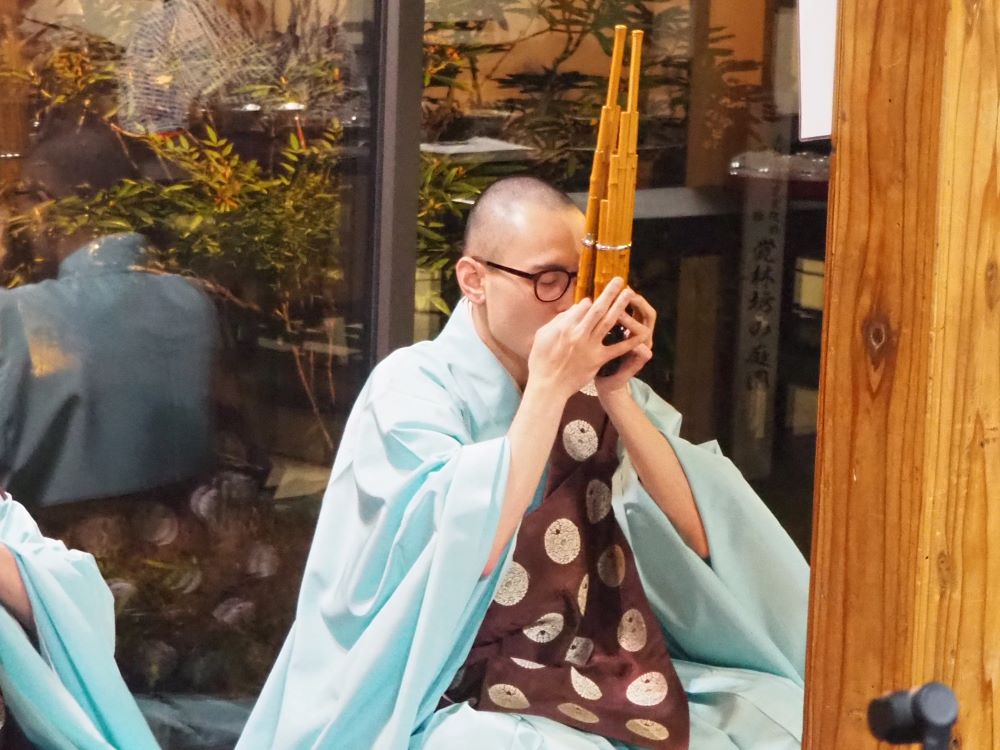
| Cultural Activities | Buddhist Chanting, Calligraphy, Udon-Making, Kimono Dressing, Gagaku Music |
| English Support | English-speaking staff available |
| Check-in/out | IN: 3:00 PM – OUT: 10:00 AM |
| Children Policy | Welcomes guests of all ages |
Dining Experience
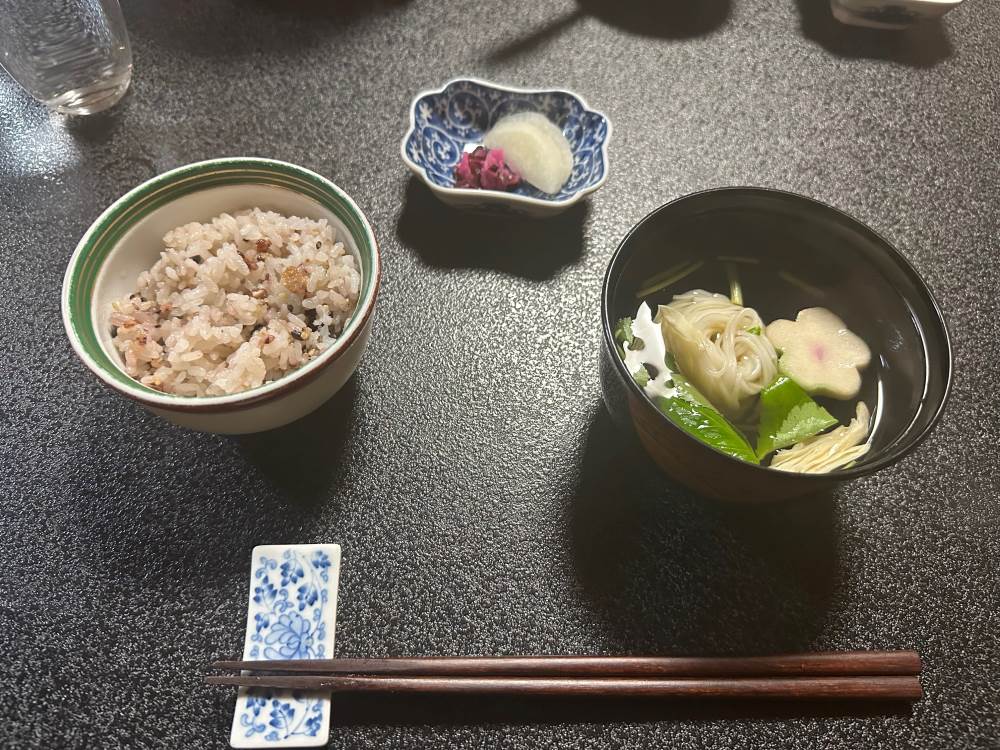
One of the highlights of staying at Kakurinbo is enjoying Shojin Ryori, a traditional Buddhist vegetarian cuisine made with seasonal, locally sourced ingredients. Not only is it a fantastic option for vegan guests, but it’s also highly recommended for anyone looking to experience a unique aspect of Japanese culture. Each dish is prepared with great care, offering a perfect balance of flavor and mindfulness that reflects Buddhist principles. Guests can savor their meals in a serene setting, making it an enriching and memorable part of their stay.
Cultural Activities
At Kakurinbo, guests can participate in a variety of hands-on activities that showcase Japan’s rich cultural traditions:
Buddhist Chanting:
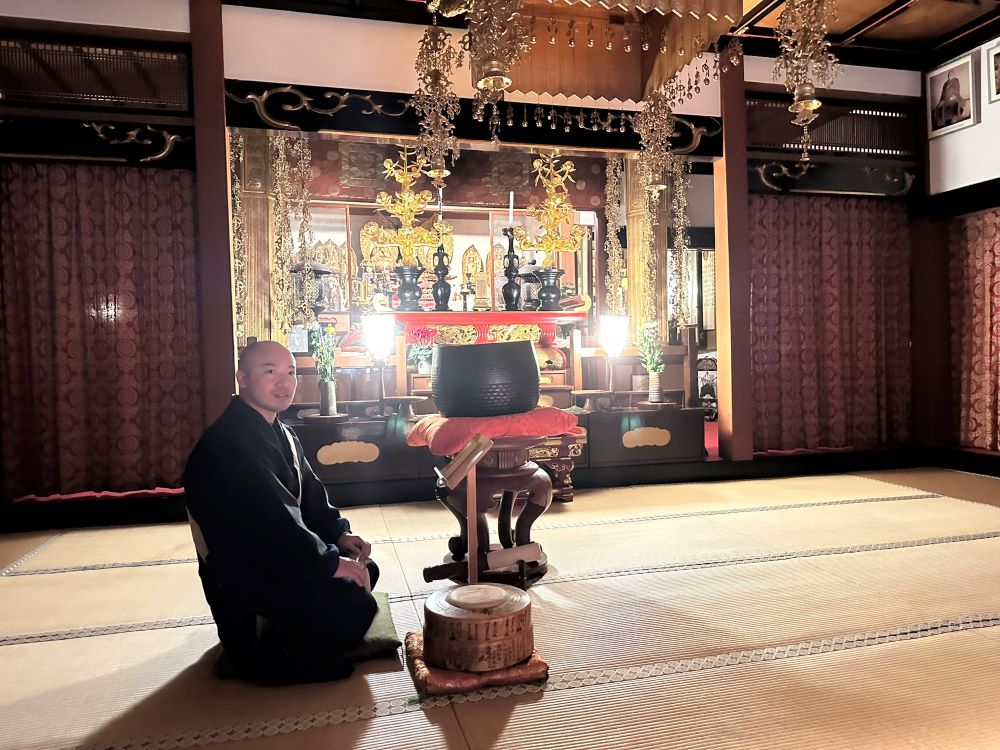
During my stay at Kakurinbo, I had the chance to participate in Shodai-gyo, a unique chanting meditation practiced in Nichiren Buddhism.
Unlike simply listening to monks, I joined them in chanting the sacred mantra, following their rhythm and tone.It was a rare experience, even for Japanese people, and I found it calming.
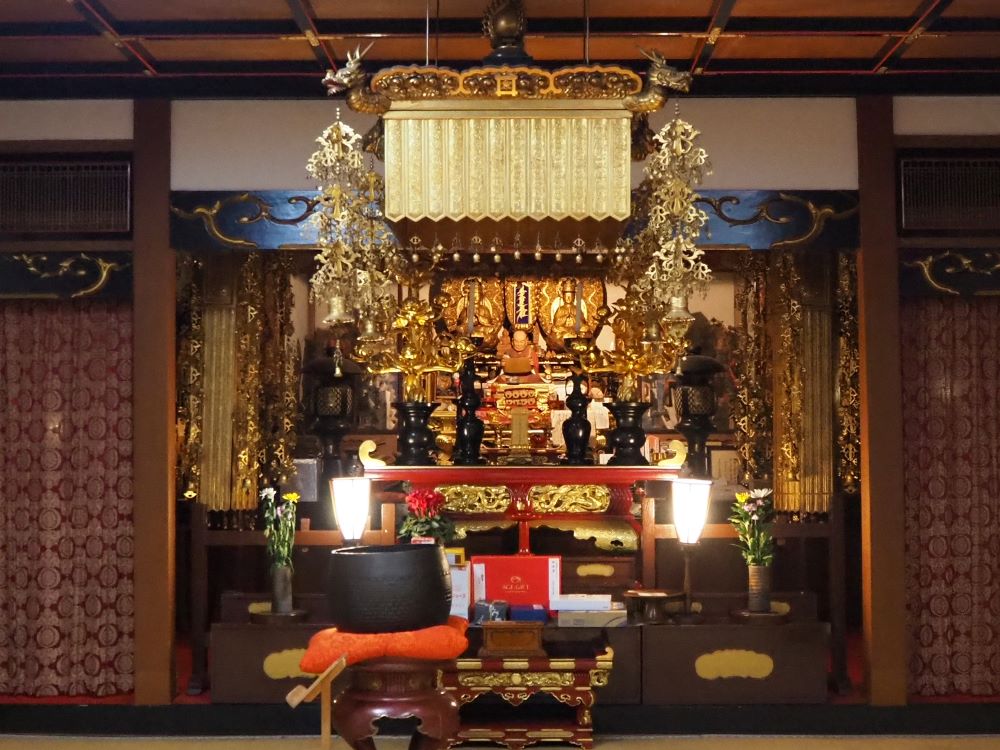
The act of chanting in unison created a sense of focus and tranquility that stayed with me long after the session.
If you’re looking for a meaningful and peaceful activity, Shodai-gyo is something I highly recommend trying during your visit.
Calligraphy:
Learn the graceful art of Japanese calligraphy, guided by skilled instructors.
First, you choose the character or word you want to write.
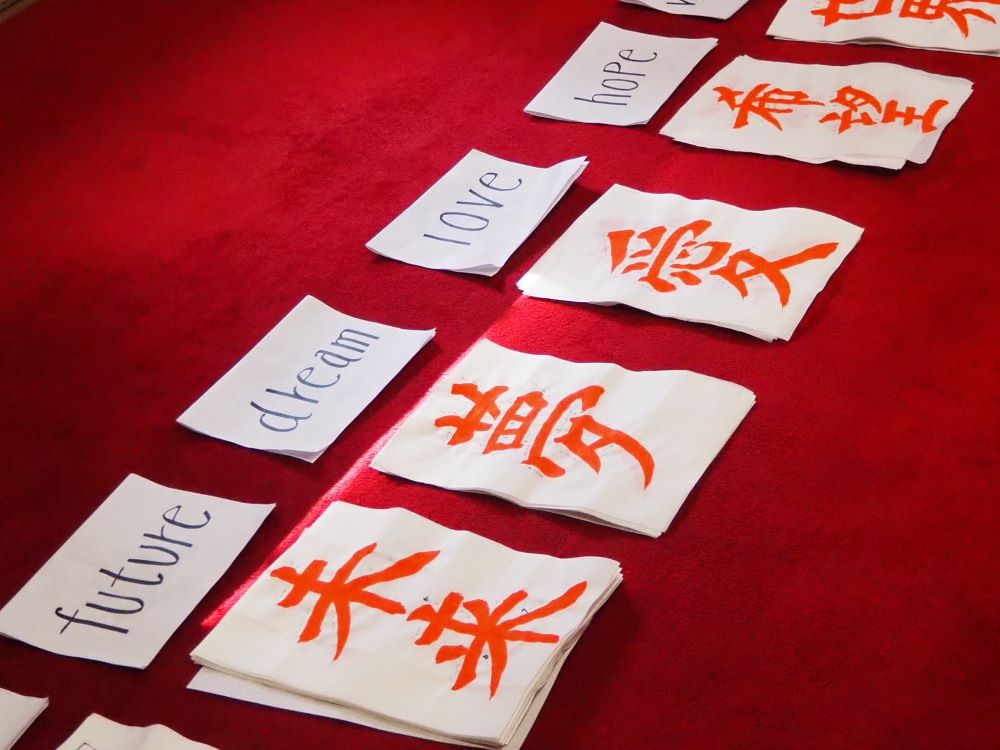
The instructor patiently guides you through the process of calligraphy, teaching you step by step as you practice.
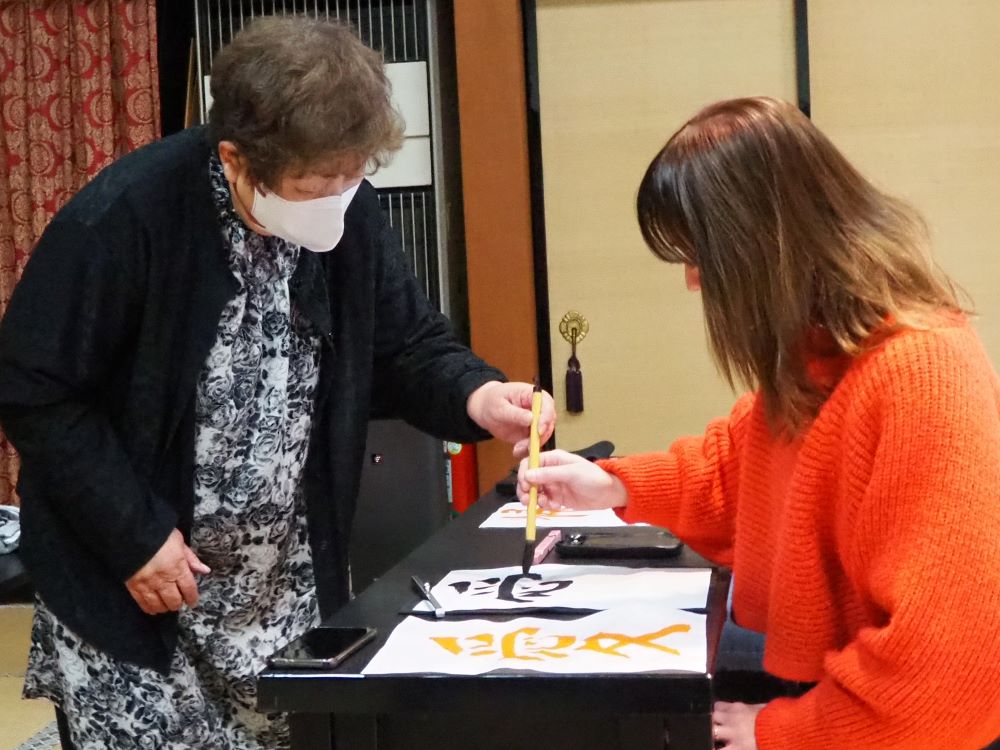
You practice several times.

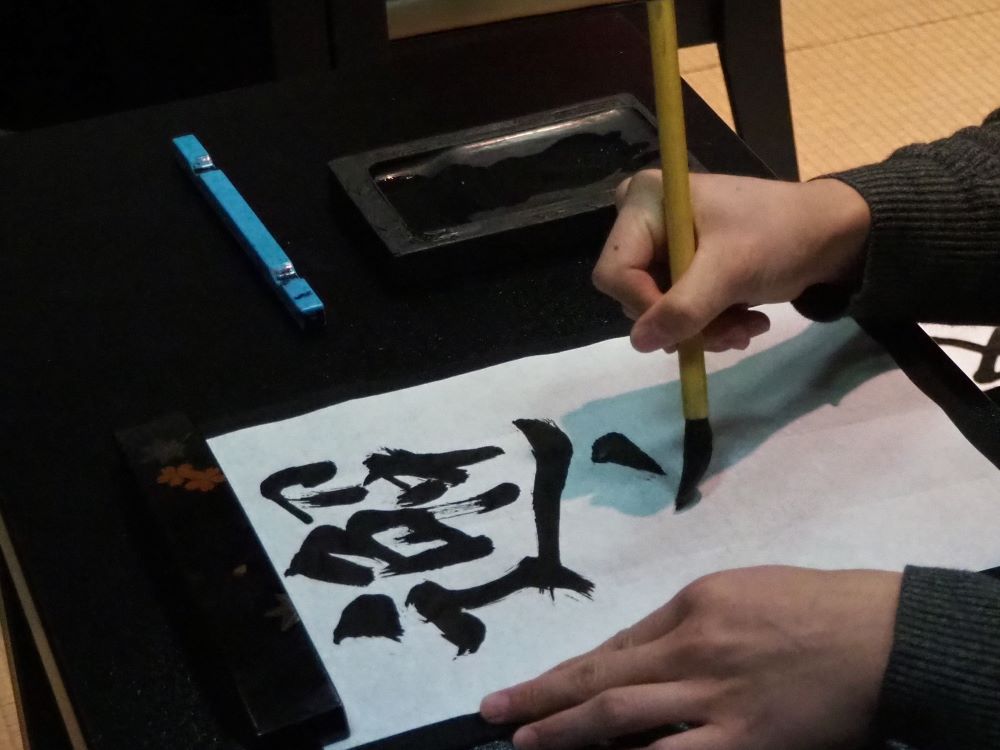
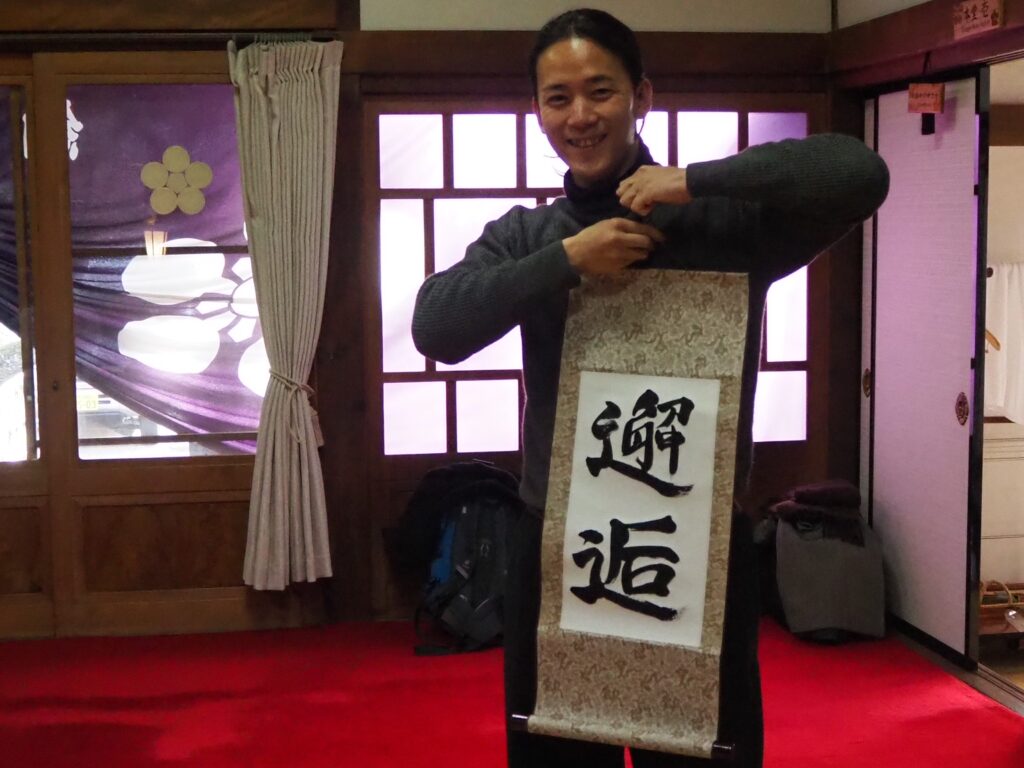
Finally, you create your final piece, and you’re done!
Kimono Dressing:
Try on traditional Japanese attire and capture unforgettable memories.
Men can experience wearing a hakama, while women can try on a kimono.
A hakama is a traditional Japanese garment, resembling wide pleated pants, typically worn over a kimono. It’s often associated with formal occasions, traditional ceremonies, and martial arts like kendo and kyudo.
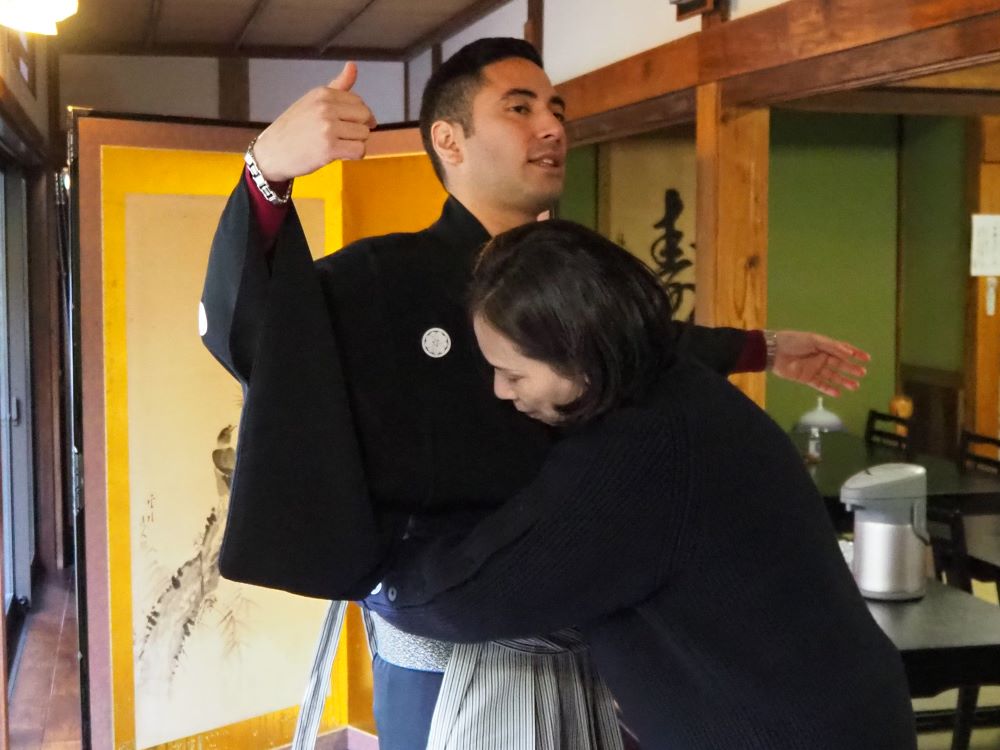
A kimono is a classic, long-sleeved robe tied with an obi (a wide sash) and is one of Japan’s most iconic traditional outfits. Kimonos are worn on various occasions, including weddings, tea ceremonies, coming-of-age celebrations, and seasonal festivals. They symbolize elegance and tradition, with intricate patterns and designs often reflecting the season or the nature of the event.
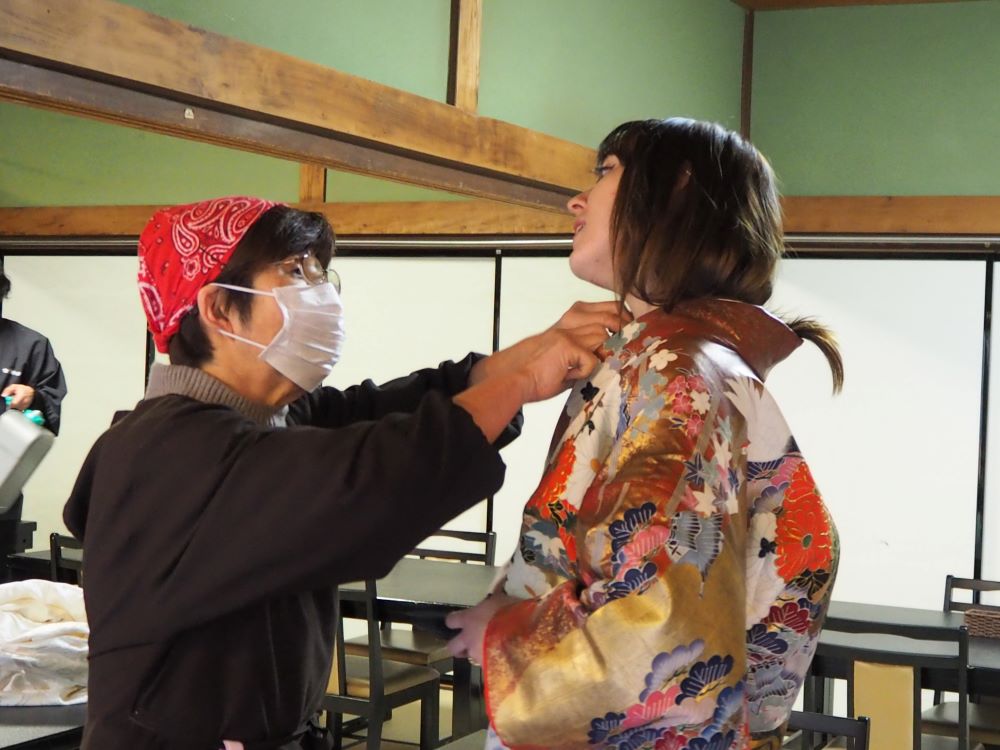
This experience allows you to immerse yourself in Japanese culture by wearing these beautiful traditional garments, which carry deep cultural significance.
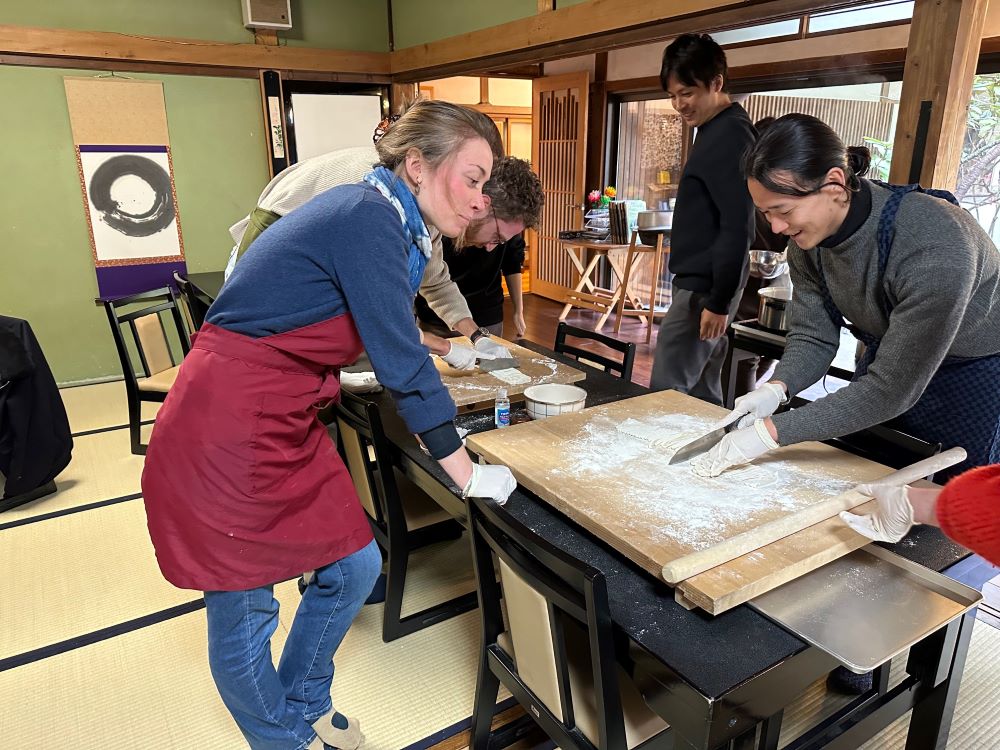
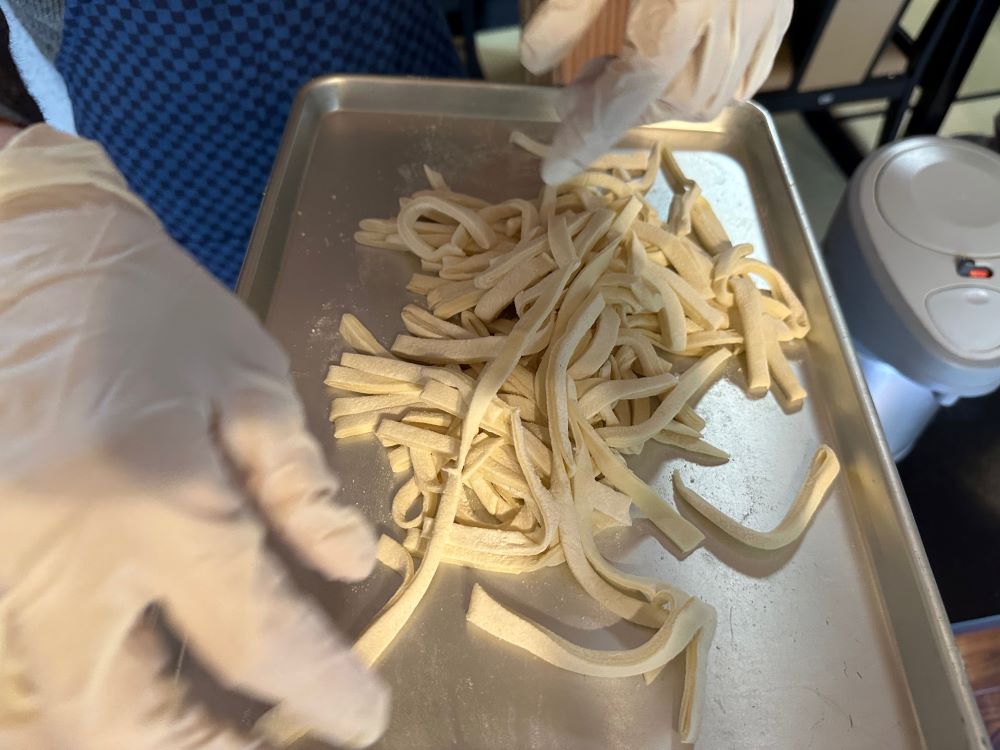
Udon-Making:
I participated in an experience where I made udon noodles and then enjoyed eating them.
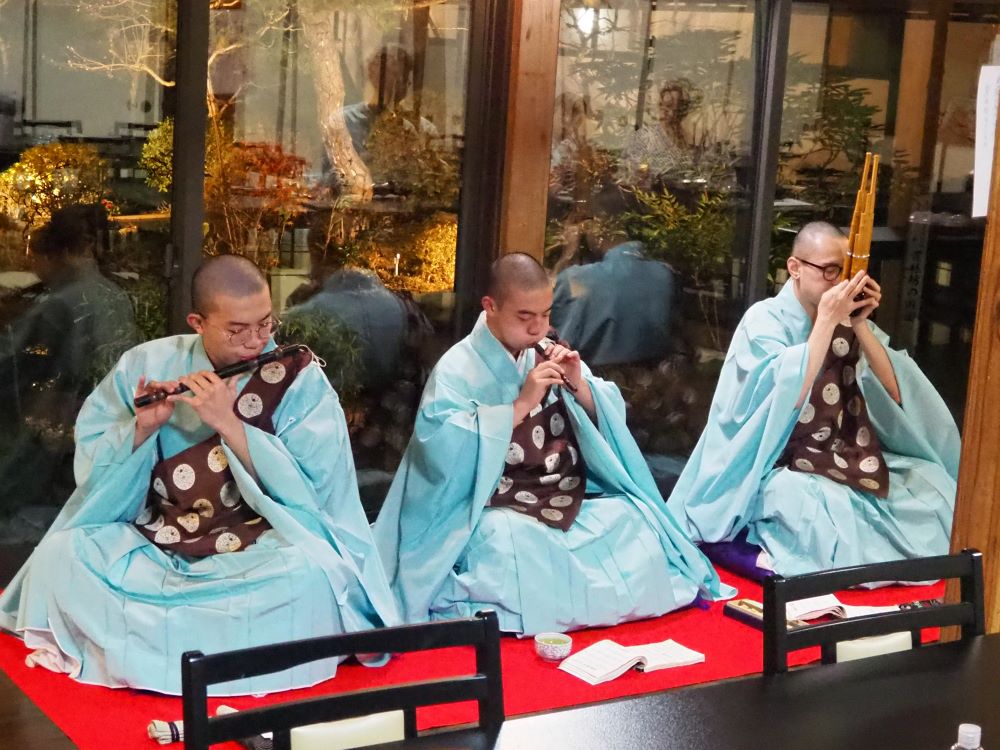
Gagaku Music:
Immerse yourself in the elegance of ancient Japanese court music.
These activities are thoughtfully designed to provide guests with a deeper understanding of Japanese culture and spirituality.
Dining Experience
At Kakurinbo, you can experience Shojin Ryori, a traditional Buddhist vegetarian cuisine. The meal is thoughtfully prepared with seasonal, plant-based ingredients, offering a glimpse into the mindfulness and simplicity central to Buddhist culture.
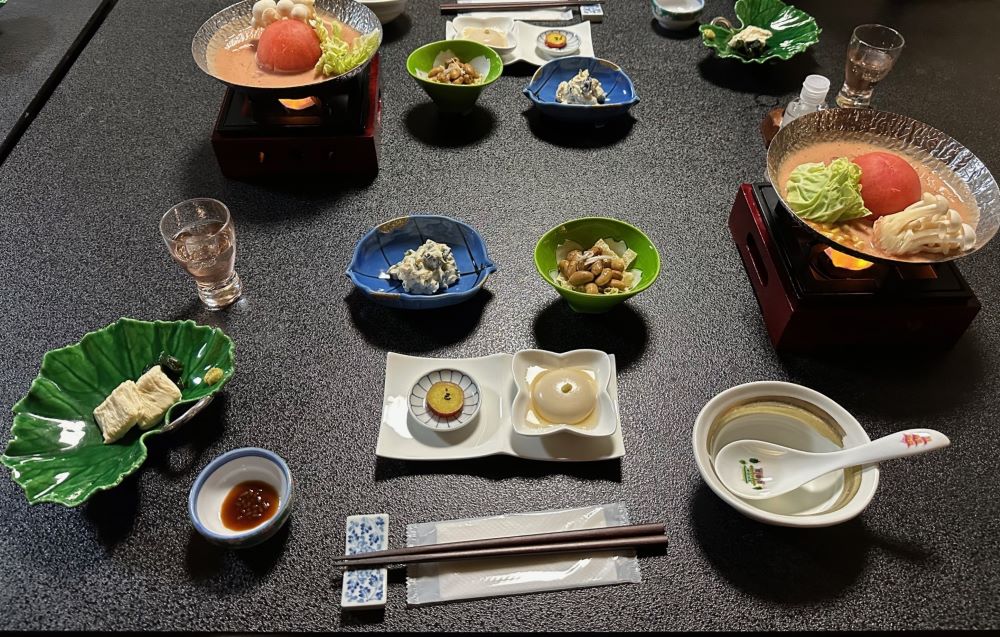
This is a great option for vegan guests and anyone interested in exploring a meaningful part of Japanese culinary tradition. It’s a chance to enjoy not just a meal but a genuine cultural experience.
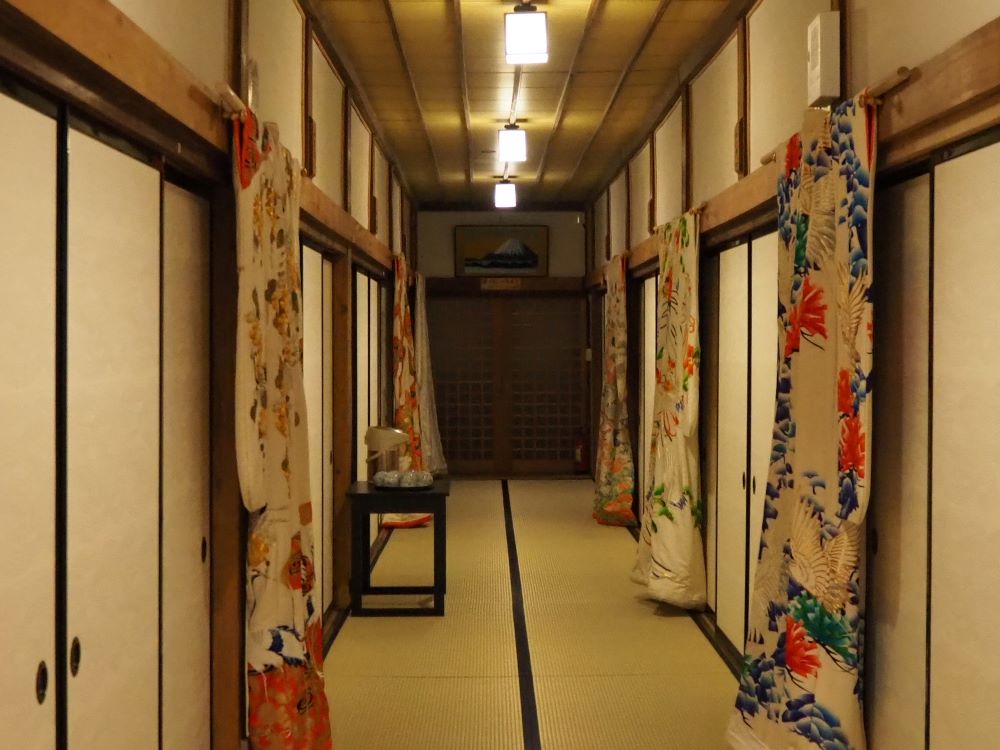
Room Introduction
The entrance to each room is through a beautiful, well-maintained corridor that sets the tone for your stay. Walking down the hallway, you’ll already feel a sense of excitement and anticipation before even stepping inside.
The rooms at Kakurinbo are traditional Japanese-style tatami rooms, offering an authentic and serene atmosphere. Instead of beds, guests sleep on futons, a quintessential part of the Japanese lodging experience.
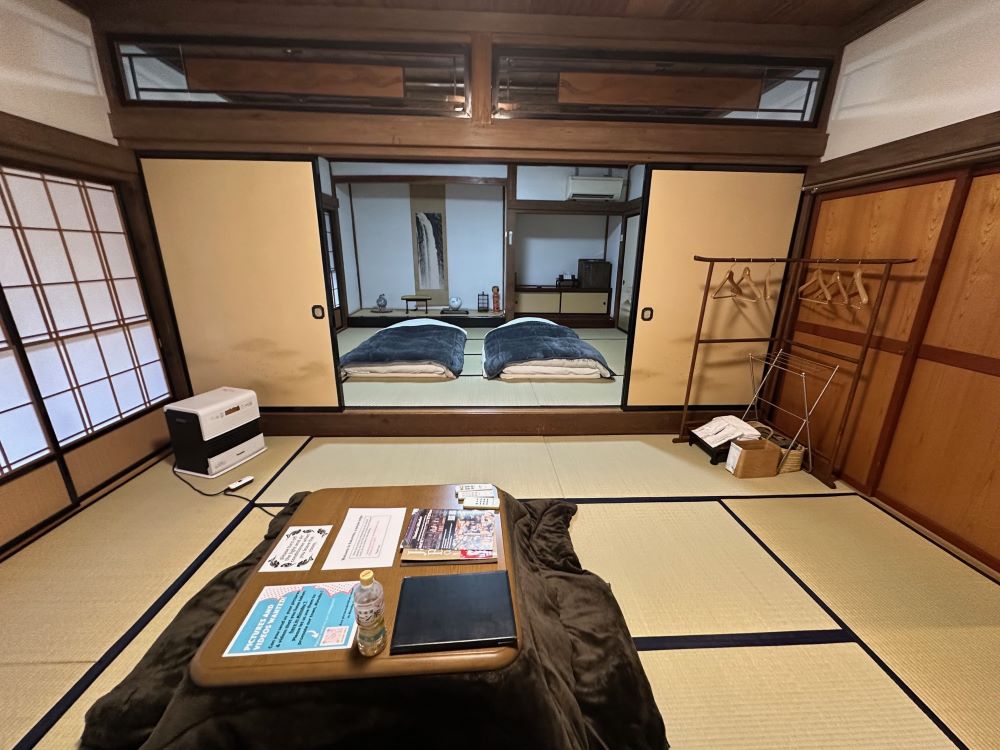
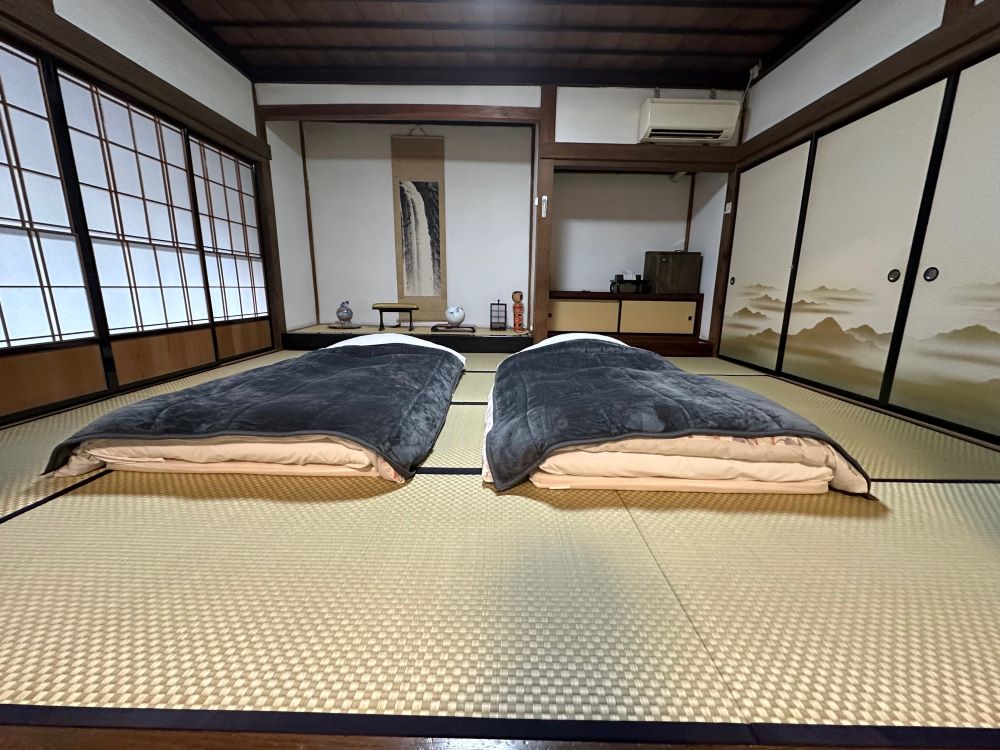
While the rooms are equipped with heating and air conditioning, you can choose to forgo them for a more immersive temple stay experience, embracing the natural environment as it is.
From the room I stayed in, I had a beautiful view of the garden, which added to the peaceful ambiance.
I highly recommend staying in these rooms for a memorable experience!!

Summary
If you’re considering a temple stay, Kakurinbo is highly recommended! It offers a unique and enriching experience where you can immerse yourself in Japanese culture and spirituality.
For more information, visit the official website through this link. If you have any questions or need help planning a trip tailored to your preferences, feel free to reach out. We’re here to assist you!
Contact Me
[wpforms id=”458″]
Share