
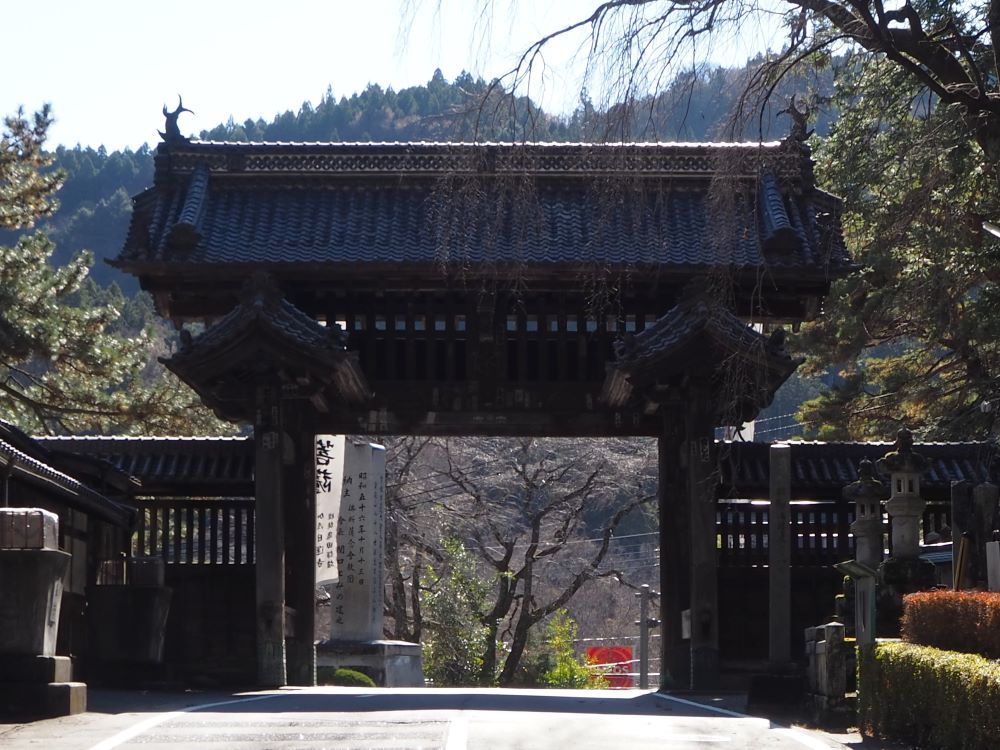
If you’re looking to experience the tranquility of Japan’s spiritual side, staying at a temple on Mt. Minobu could be just what you need.
While famous destinations like Mt. Koya and Mt. Hiei often attract large crowds, Mt. Minobu offers a quieter, more serene experience where you can truly connect with nature and spirituality without the hustle and bustle. Located in Yamanashi Prefecture, just a few hours away from Tokyo, Mt. Minobu (Minobusan) is one of Japan’s Three Sacred Buddhist Mountains (日本仏教三大霊山), alongside Mt. Koya and Mt. Hiei.
These mountains hold profound spiritual significance in Japanese Buddhism, but while Mt. Koya (Koyasan) and Mt. Hiei (Hieizan) are widely featured in guidebooks and social media, Mt. Minobu remains a hidden gem—a place where the sacredness of the mountain is preserved in a peaceful, uncrowded environment.
A Sacred Retreat with Deep Spiritual Roots
Mt. Minobu is home to Kuon-ji Temple, the head temple of Nichiren Buddhism, where the famous Buddhist monk Nichiren spent his later years. It’s a deeply spiritual place with centuries of history. Staying at a shukubo (temple lodging) here allows you to experience the peaceful daily life of the monks, from morning prayers to meditation and simple, delicious shojin ryori (Buddhist vegetarian meals). You’ll have the rare opportunity to connect with Nichiren’s teachings while surrounded by the natural beauty of the mountain.
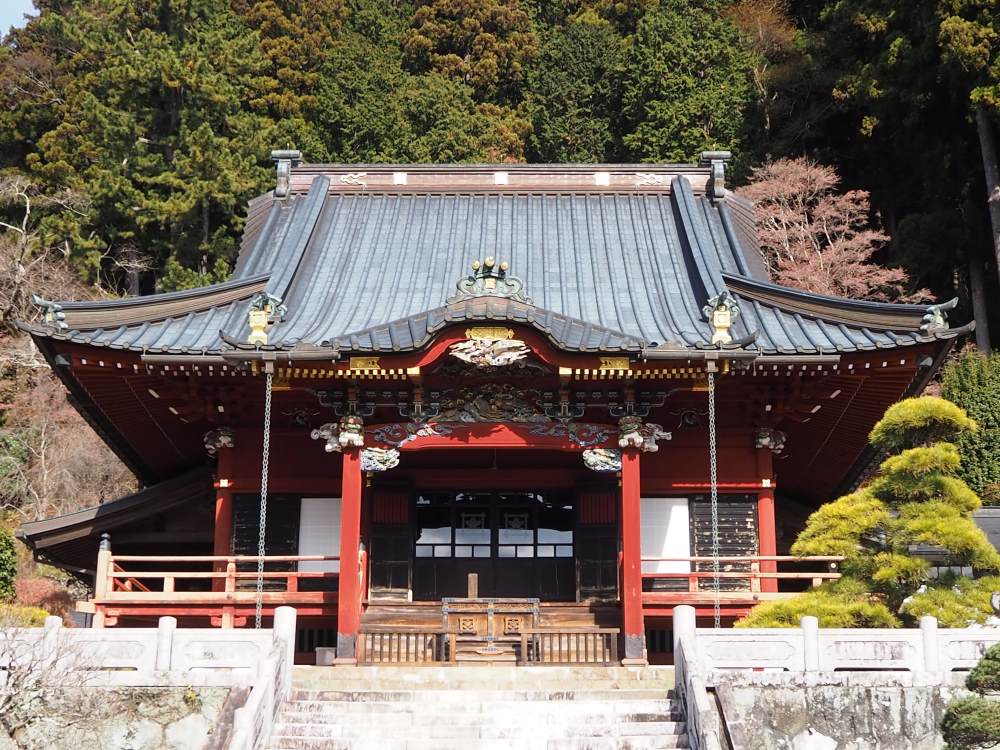
Temple Stays at Mt. Minobu: Unique Cultural Experience
Mt. Minobu is home to 30 temple lodgings (shukubo), offering a variety of accommodations to suit different needs. Whether you’re seeking spiritual enlightenment or simply a peaceful escape from the demands of daily life, staying at one of these shukubo is a deeply enriching experience.
For non-Japanese speakers, Kakurinbo is a highly recommended choice. This temple lodging goes beyond providing a place to stay—it offers a gateway to Japan’s rich cultural heritage. Guests at Kakurinbo can enjoy a wide range of activities, including:
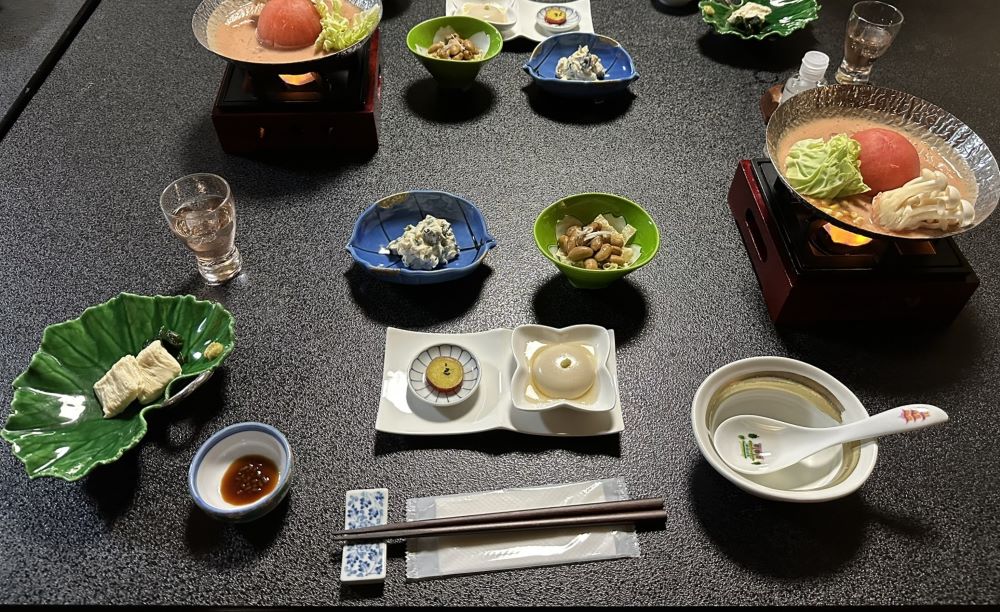
- Delicious Shojin Ryori: Relish traditional vegetarian Buddhist cuisine.
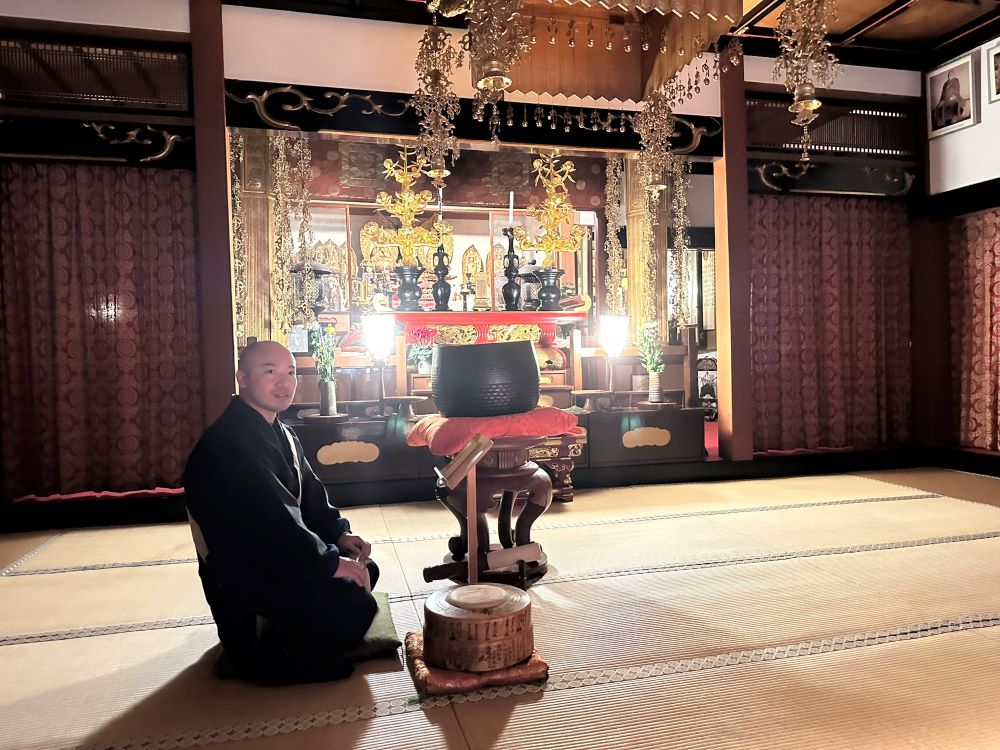
- Buddhist Chanting: Take part in meditative sacred prayers.
- Gagaku Music Performances: Experience the elegance of ancient Japanese court music.
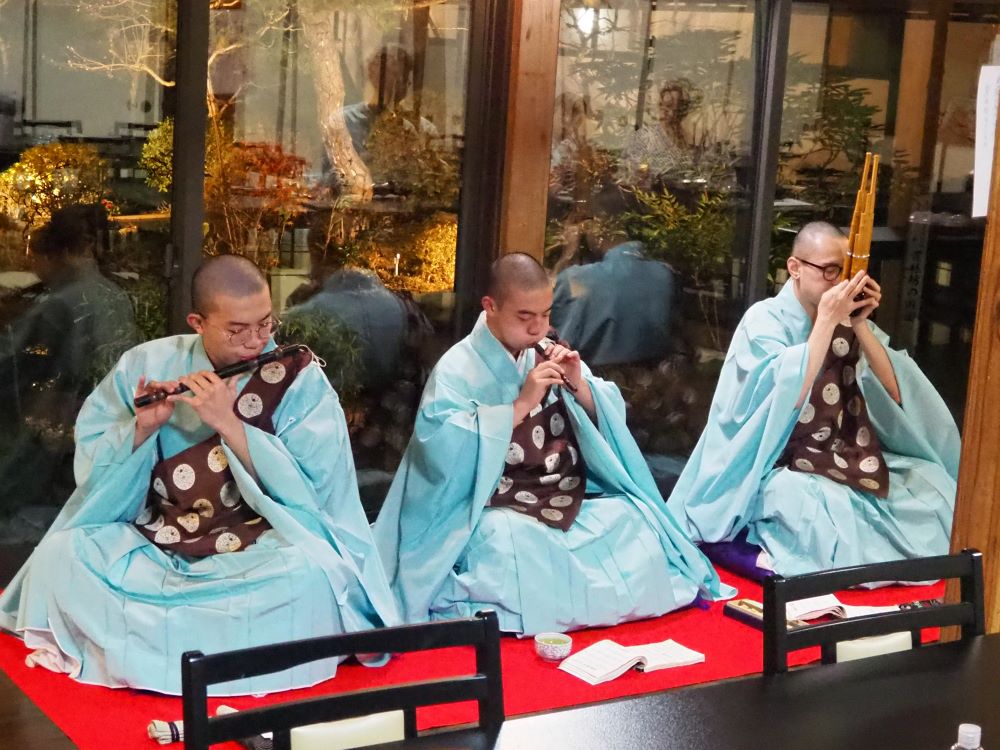
- Calligraphy Workshops: Discover the art of Japanese calligraphy.
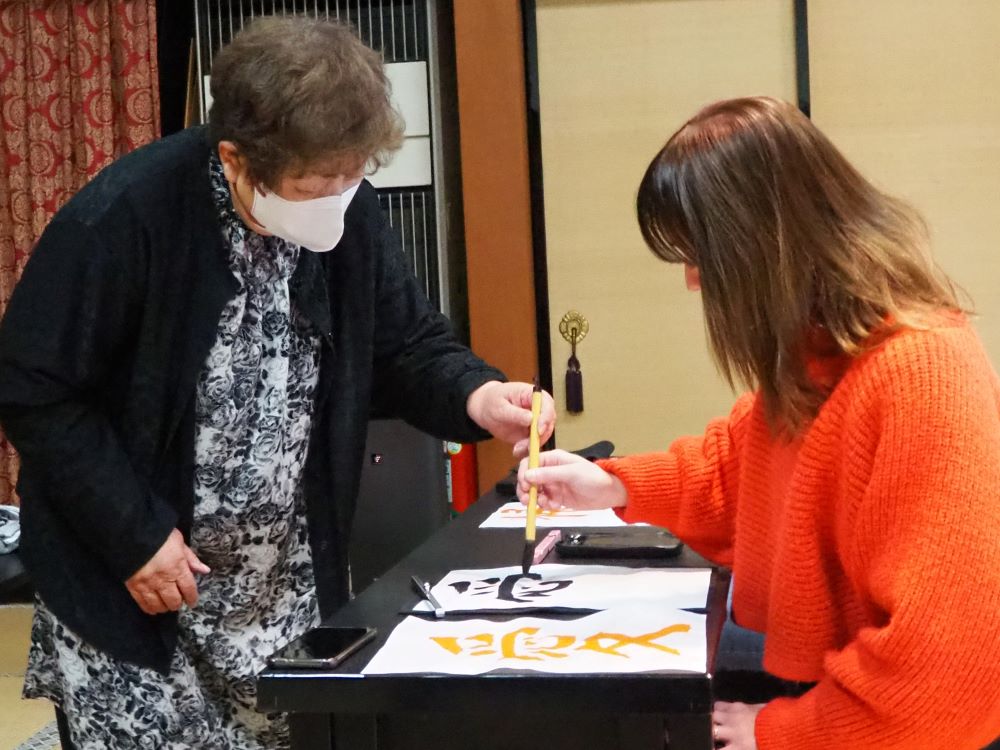
- Kimono Dressing: Try on beautiful, traditional Japanese attire.
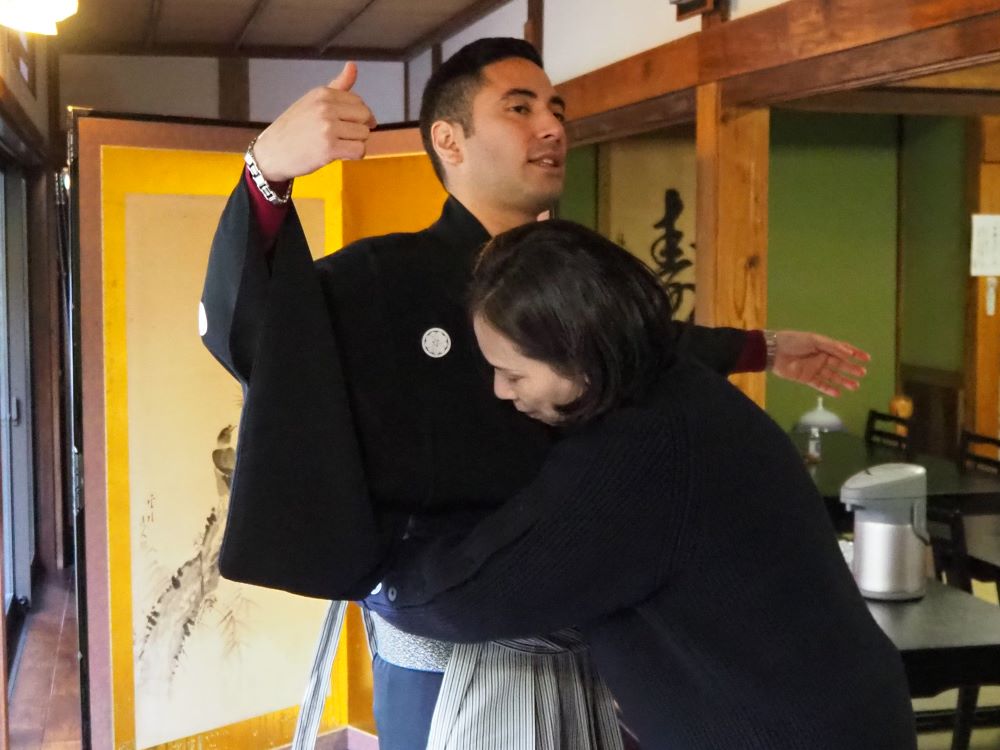
- Udon-Making Classes: Create and enjoy handmade noodles.
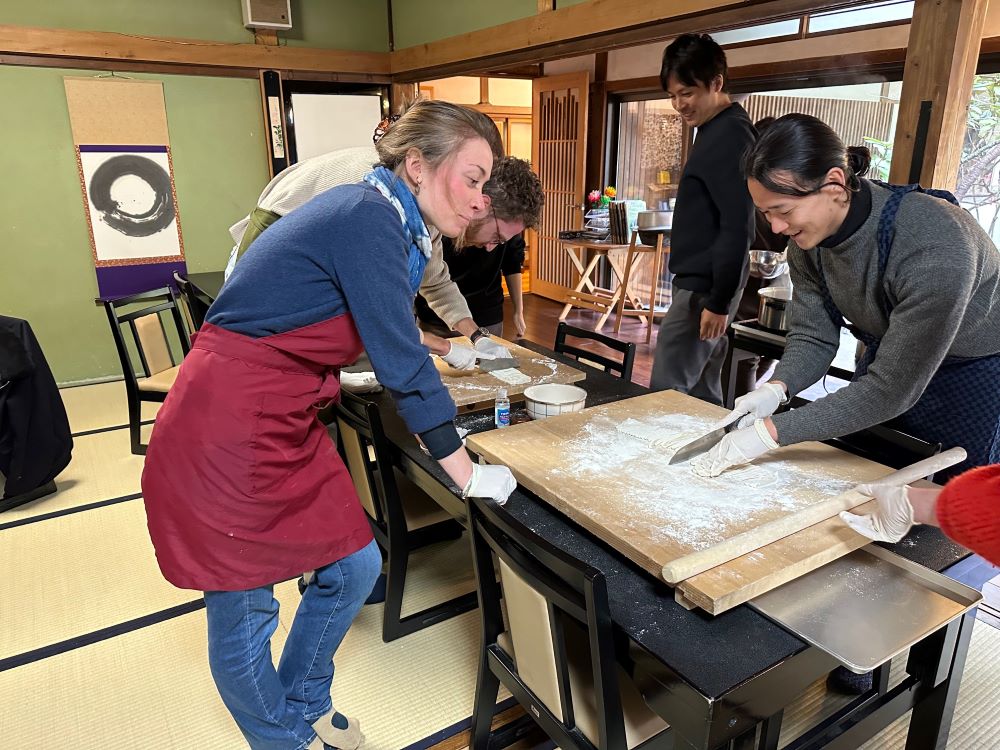
The highlight of staying at Kakurinbo is the English-speaking staff, who guide you through each activity and provide detailed explanations of their cultural and spiritual significance. Whether you’re exploring Japanese traditions or immersing yourself in Buddhist practices, Kakurinbo ensures an unforgettable and meaningful experience.
If there’s a specific activity you’d like to experience, it’s recommended to contact the temple lodging in advance to make arrangements.
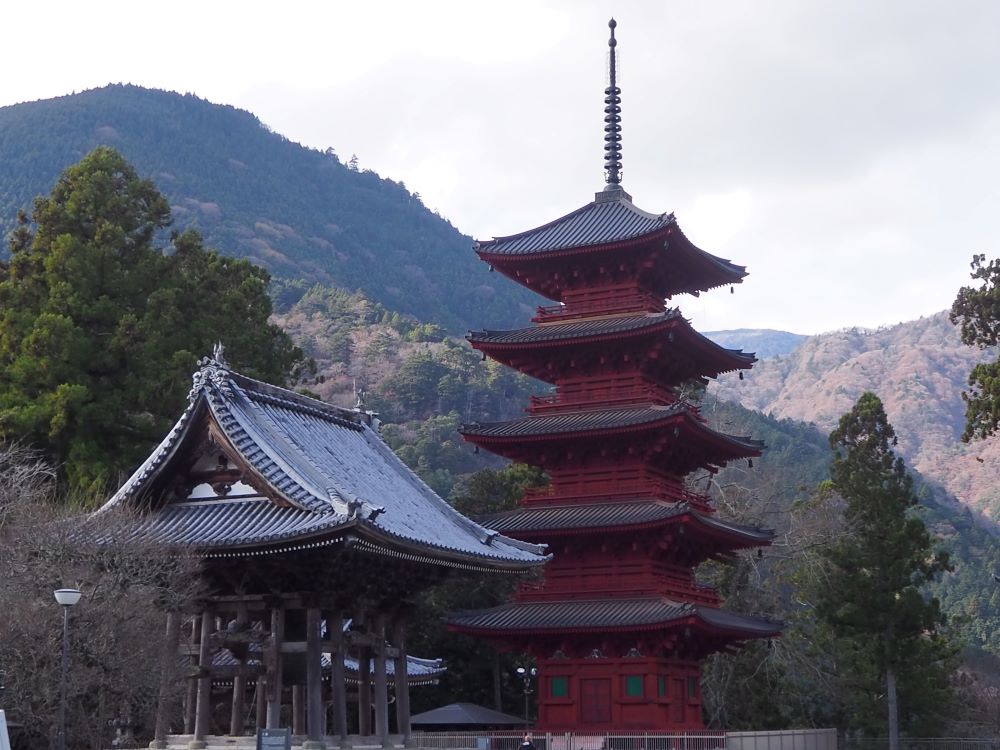
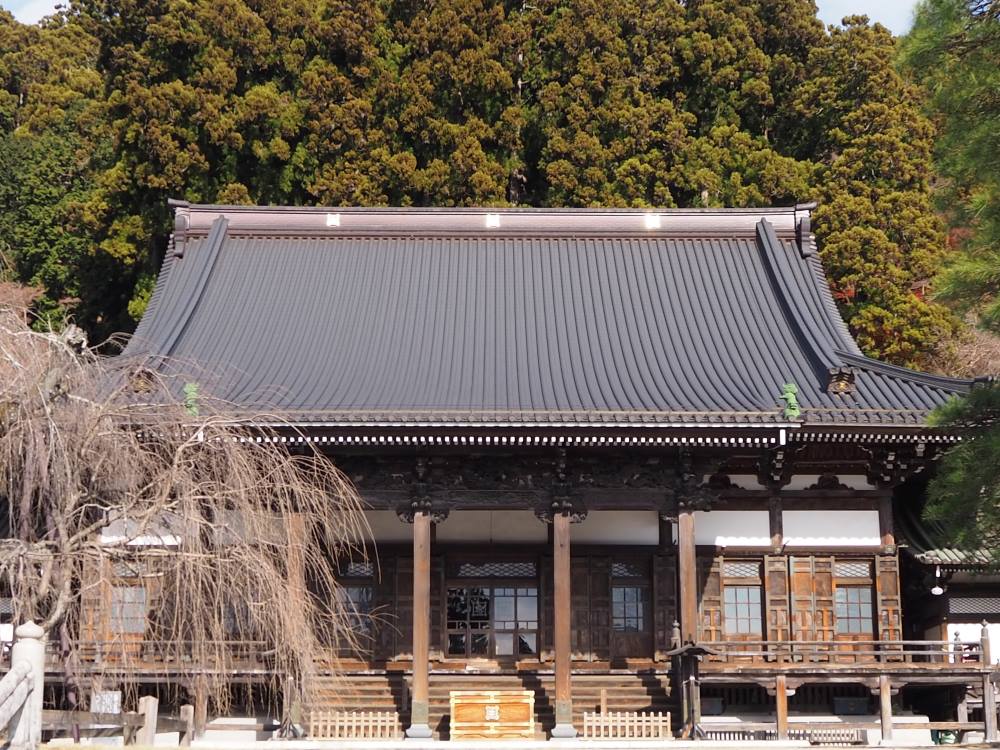
For an even deeper cultural experience, consider waking up early and visiting Kuon-ji Temple. Here, you can catch a glimpse of the daily routines of the temple workers. From ringing the morning bell to walking while chanting sutras, the sights and sounds are truly awe-inspiring. This is a unique opportunity to witness a side of Japanese temple culture that can only be experienced by staying on Mt. Minobu. Don’t miss it!
If you are interested in this temple, please check the following link.
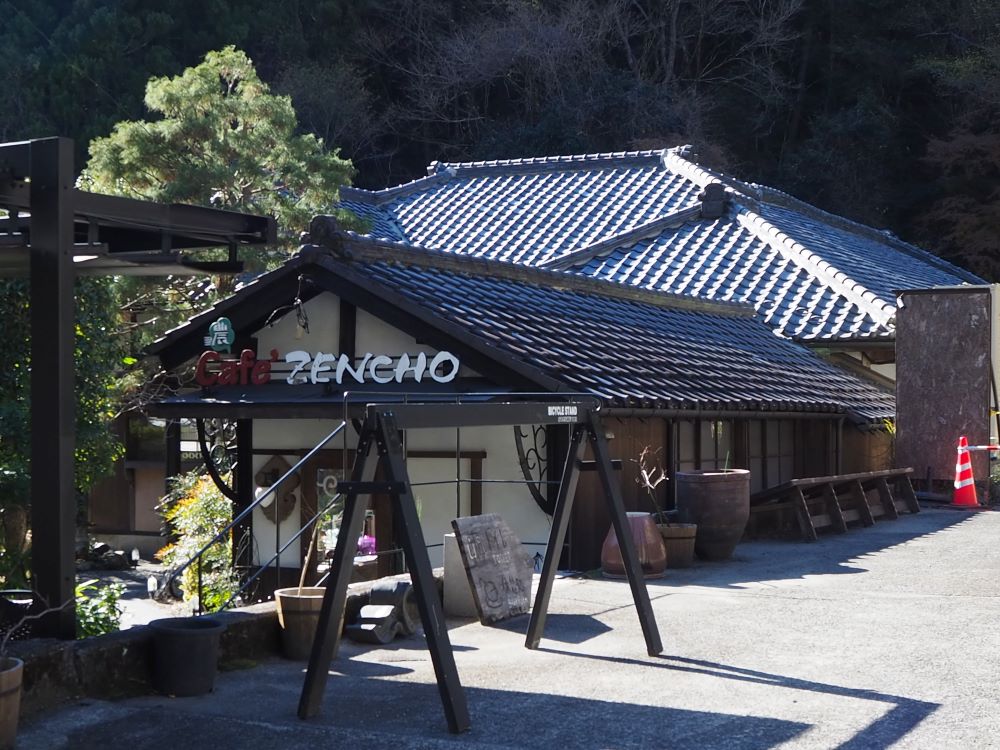
Rest Spot: No Cafe ZENCHO
While exploring Mt. Minobu, make sure to visit No Cafe ZENCHO, a charming café nestled within the serene mountain surroundings. The café focuses on local gastronomy, using fresh ingredients sourced from the nearby area to create simple yet flavorful dishes.
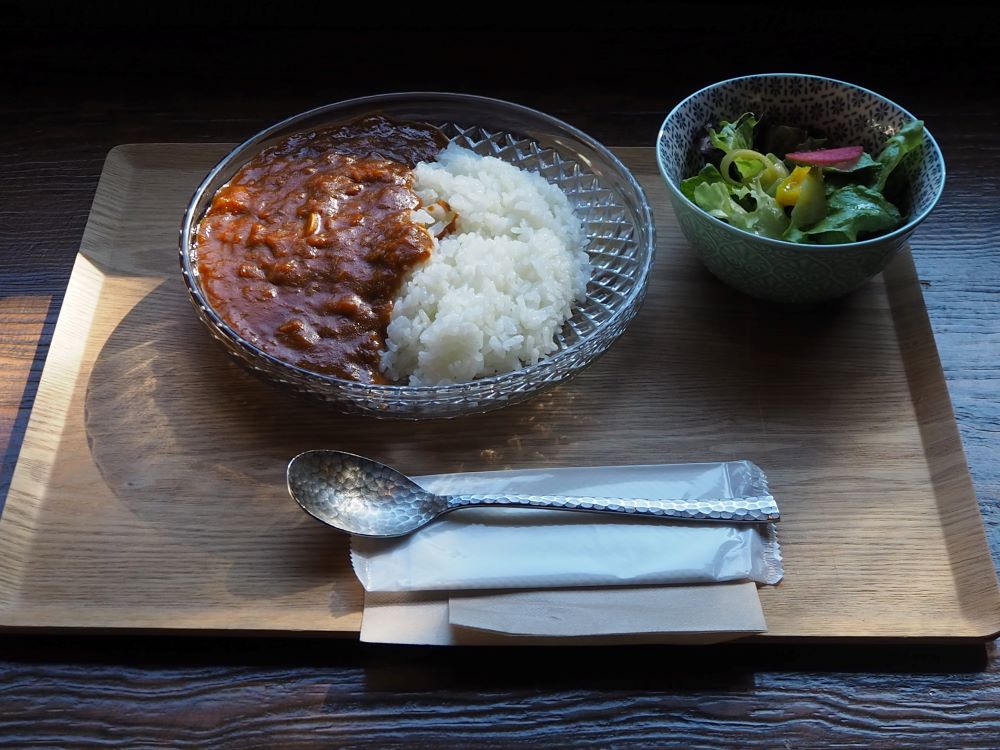
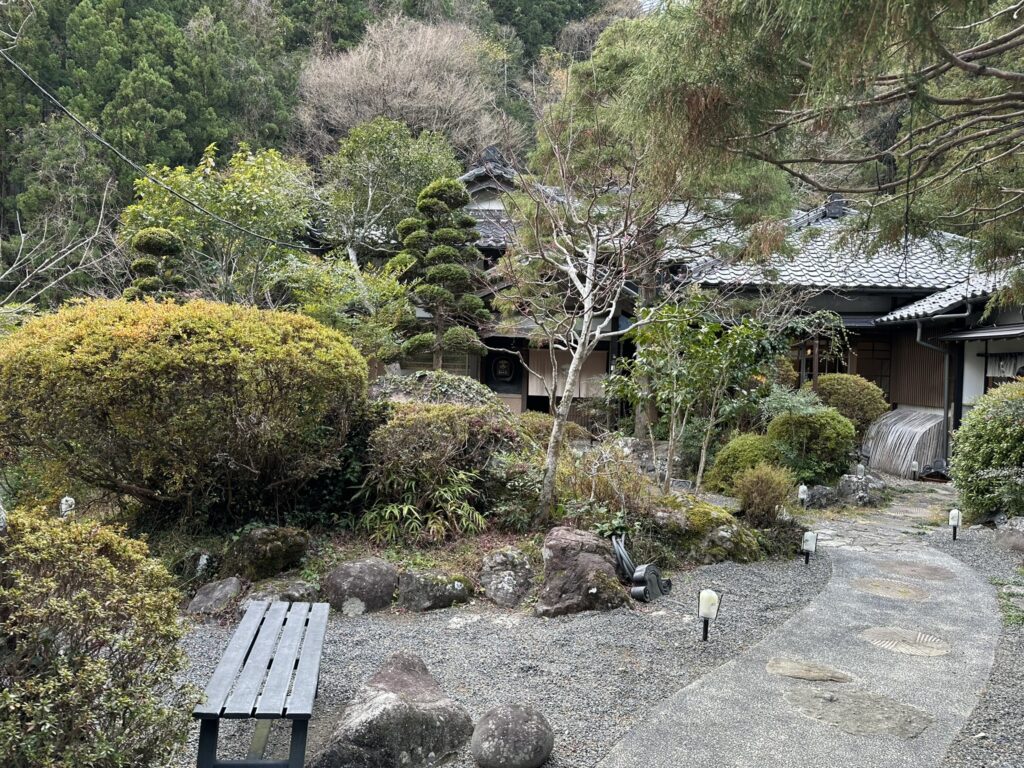
No Cafe ZENCHO also offers options for vegetarians, ensuring that a variety of dietary preferences are accommodated. Guests can enjoy their meal while overlooking a beautifully maintained Japanese garden, making for a relaxing and pleasant dining experience.
Climbing Mt. Minobu
While it’s possible to reach the main hall of Kuon-ji Temple by car, many visitors choose to take the stairs for a more immersive experience. Be warned—these are no ordinary stairs! Each step is quite steep, and climbing them can be a real challenge. However, the effort is well worth it, as the journey offers a chance to fully appreciate the spiritual significance of the temple and its surroundings.
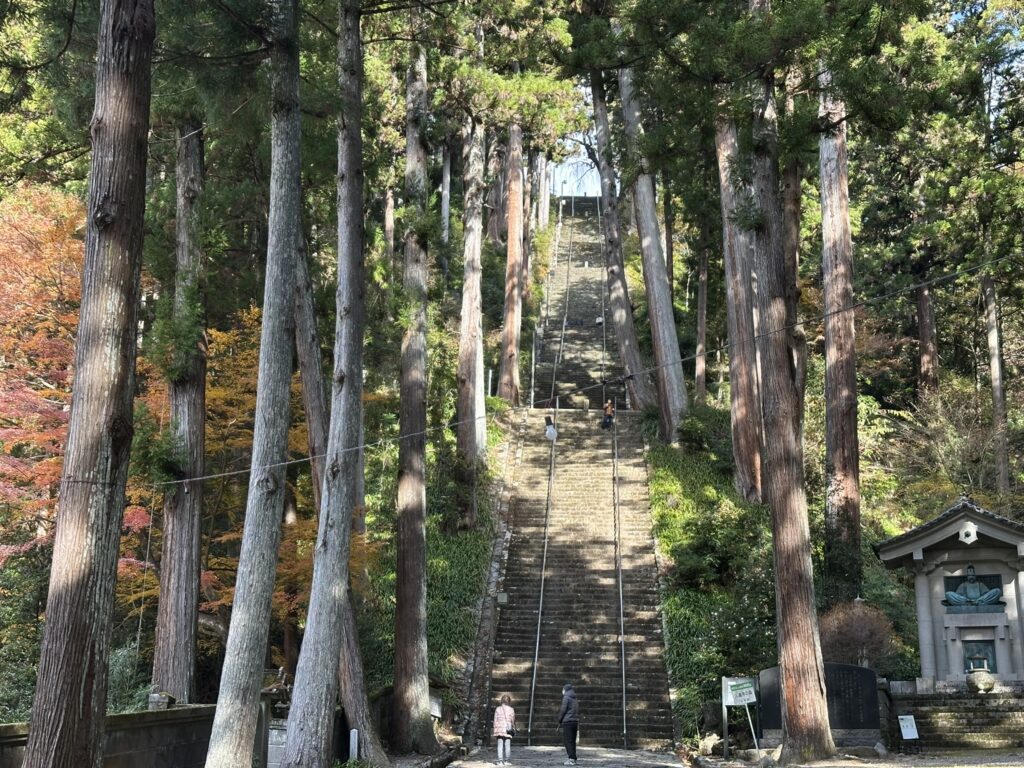
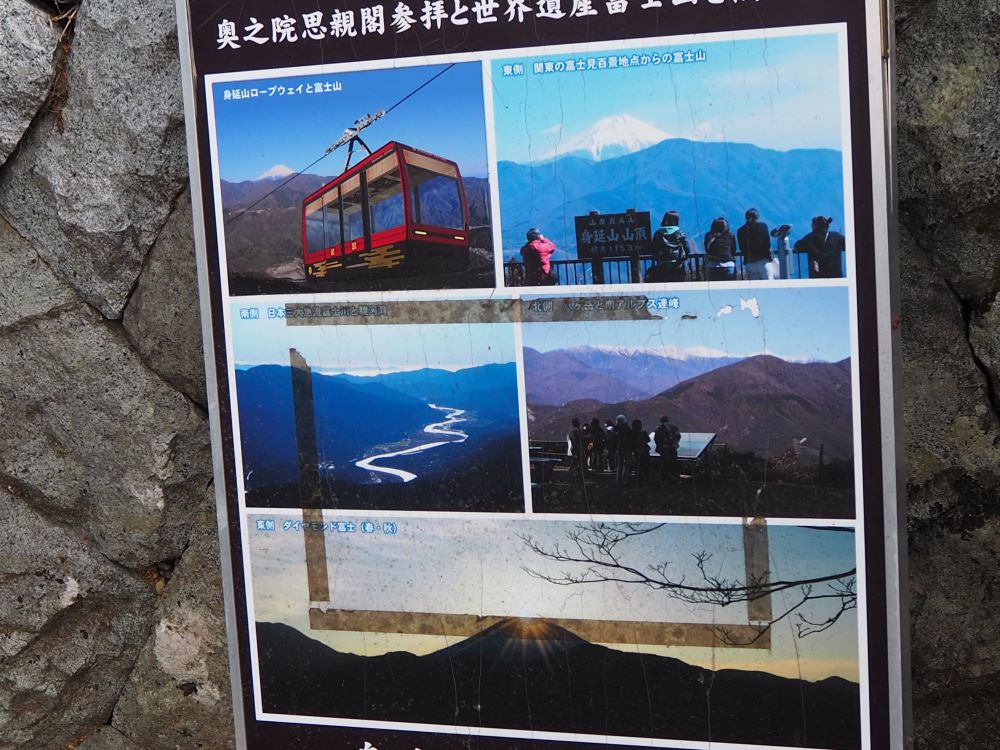
For those looking for even more adventure, you can take a ropeway to the summit of Mt. Minobu, where breathtaking views await. Additionally, don’t miss the opportunity to visit the mausoleum of Nichiren, a sacred site that adds depth to the experience. Whether you climb the stairs or explore by ropeway, Mt. Minobu offers a rich and rewarding journey into Japan’s spiritual heritage.
How You Can Get There
From Tokyo by Bus
The easiest way to reach Mt. Minobu is by direct highway bus from Shinjuku Expressway Bus Terminal (Busta Shinjuku). The journey takes approximately 2.5 to 3 hours and drops you off near the mountain, making it an excellent choice for travelers seeking a hassle-free trip.
* This is not affiliate link
Once you open this link, select “Departing from” to Tokyo and “Arriving at” to Yamanashi.

Select “Shijuku – Shinjuku – Minami Alps City/Minobu Line”S
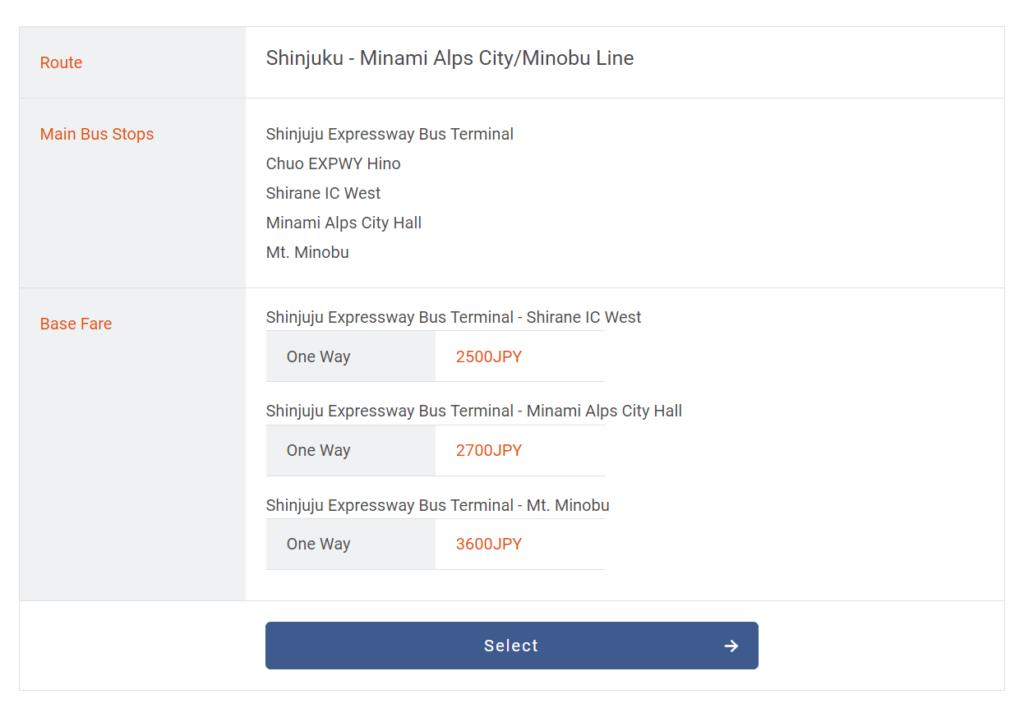
Select “Shinjuku Expressway Bus Terminal” and “Mt. Minobu” not Minobu.Then, input date and how number of passengers.

From Tokyo by Train
For those preferring trains, take the JR Chuo Line from Tokyo to Kofu Station. From there, transfer to the Minobu Line and head to Minobu Station. Once you arrive, you can take a short bus or taxi ride to the temple area. The total journey time is around 3 to 3.5 hours.
If you have a JR Pass, you can travel to Minobu Station at no additional cost! Be sure to take advantage of this convenient option for your journey.

By Car
If you’re traveling by car, Mt. Minobu is accessible via the Chuo Expressway or the Tomei Expressway, depending on your starting point. Parking is available near Kuon-ji Temple for those driving directly to the area.
Helicopter
If you’re interested in traveling by helicopter from Tokyo, feel free to reach out to me for assistance. Enjoy breathtaking views of Tokyo Skytree and Tokyo Tower as you soar over the city, reaching the Mt. Minobu area in under an hour.
Final Thoughts
Mt. Minobu is a hidden gem that, despite its rich history, remains relatively unknown even among Japanese people.
From my personal experience, I can confidently say it’s the perfect destination for anyone interested in temple stays, Japanese temples, Shojin Ryori (Buddhist vegetarian cuisine), or immersing themselves in traditional culture and nature. I highly recommend adding Mt. Minobu to your list of places to visit in Japan.
If you have any questions about how to make your time at Mt. Minobu or would like me to organize a travel tour, feel free to contact me!
I can help recommend plans tailored to your budget and interests.
Contact Me
[wpforms id=”458″]
Share